How we built this comparison
This page combines traveler discussion patterns, published price ranges, flight schedules, and seasonal data to help you decide between Kyoto and Seoul.
- Reviewed 50+ Reddit threads from r/travel, r/solotravel, r/JapanTravel, r/KoreaTravel, r/AsiaTravel.
- Verified costs and logistics against current booking platforms like Google Flights, Booking.com, and local transport sites.
- Cross-referenced seasonal patterns, weather data, and major festival schedules for optimal timing.
⚡ The TL;DR Verdict
Choose Kyoto if you crave a deeper dive into traditional culture, serene temples, and exquisite food, thriving on a budget of roughly $70-150 USD/day. Opt for Seoul if you're chasing modern trends, vibrant nightlife, incredible shopping, and a relentless urban energy, often on a slightly more budget-friendly $60-120 USD/day.
- Choose Kyoto: For culture vultures, history buffs, and those seeking tranquility, exceptional culinary experiences, and picturesque landscapes. It's a place to slow down and immerse.
- Choose Seoul: Perfect for urban explorers, foodies seeking variety, fashion enthusiasts, K-Pop fans, and anyone who thrives on fast-paced, modern city life with endless entertainment options.
- Choose Both: If you have 2+ weeks, combining both offers an incredible contrast. Fly into Osaka (KIX) for Kyoto, then take a budget flight from KIX/ITM to Seoul (ICN/GMP) for a seamless transition, spending 5-7 days in each.
Quick Comparison
| Category | Kyoto | Seoul | Winner |
|---|---|---|---|
| Culture & History | Ancient capital with thousands of temples, shrines, geisha districts, and traditional arts. | Historic palaces juxtaposed with modern skyscrapers, vibrant arts scene, and a tumultuous past. | Kyoto |
| Food Scene | Refined kaiseki, exquisite sushi, ramen, matcha sweets, and traditional street food at Nishiki Market. | Diverse street food, K-BBQ, bibimbap, kimchi stew, fried chicken, and trendy cafes. | Seoul |
| Nightlife & Entertainment | Quiet izakayas, traditional bars, occasional live music, and elegant Gion evenings. | Electric clubs, themed bars, karaoke (noraebang), live music venues, and vibrant districts like Hongdae and Gangnam. | Seoul |
| Costs & Budget | Generally more expensive for food and accommodation, but transport is efficient. | Slightly more budget-friendly overall, especially for food and public transport. | Seoul |
| Getting There & Flights | Fly into Osaka (KIX), then train to Kyoto (approx. 75 mins). | Fly into Seoul (ICN or GMP), excellent transport to city center. | Tie |
| Getting Around | Bus-centric, with some subway lines. Can be slow, but scenic. | Extensive, efficient, and user-friendly subway system reaching almost everywhere. | Seoul |
| Accommodation | Traditional ryokans, modern hotels, capsule hotels, guesthouses. Can be compact and pricey. | Stylish boutique hotels, international chains, budget guesthouses, Hanok stays, competitive pricing. | Seoul |
| Day Trips & Nature | Easy access to Nara (deer!), Osaka, Uji, and beautiful rural landscapes. | Bukhansan National Park, DMZ, Nami Island, and coastal areas are accessible. | Kyoto |
| Shopping & Modernity | Traditional crafts, local souvenirs, beautiful textiles, smaller boutiques. | Fashion mecca, K-beauty, electronics, department stores, trendy boutiques, and endless markets. | Seoul |
| Solo Travel & Safety | Extremely safe, easy to navigate, many solo-friendly activities and dining. | Very safe, excellent public transport, vibrant social scene, easy to meet people. | Tie |
🏯 Culture & History
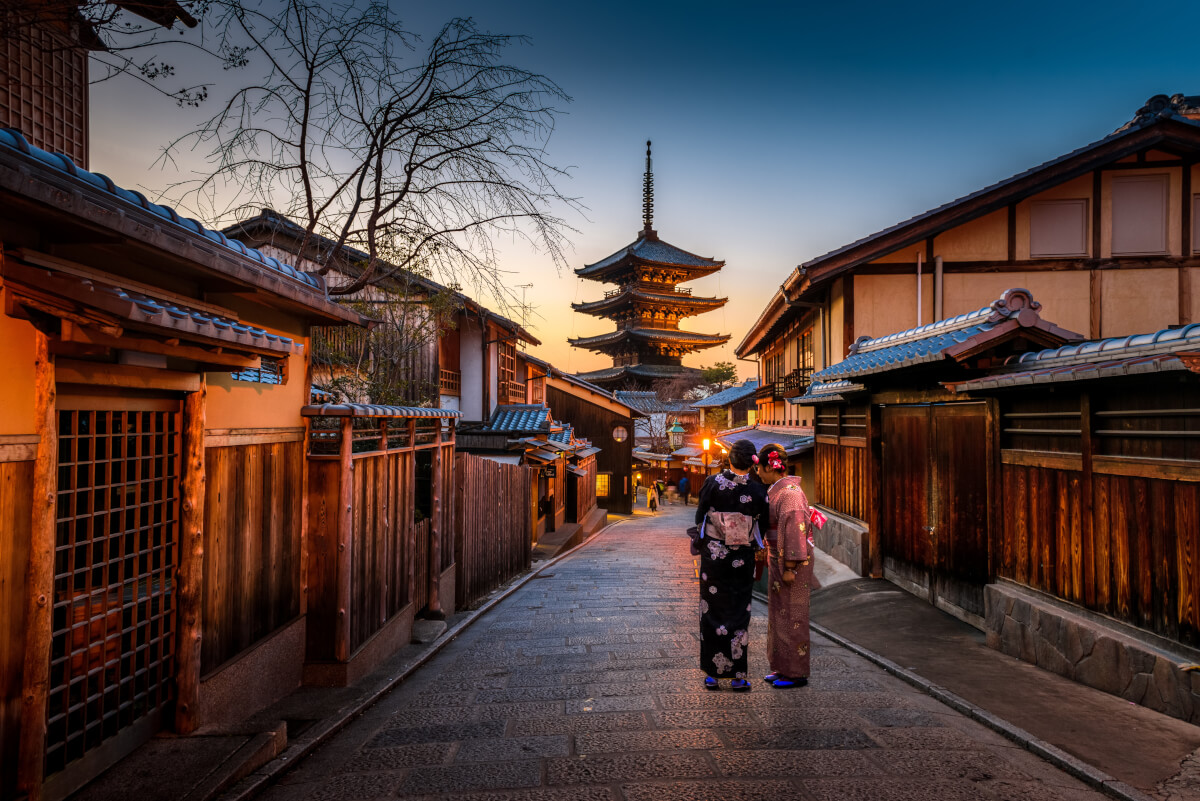
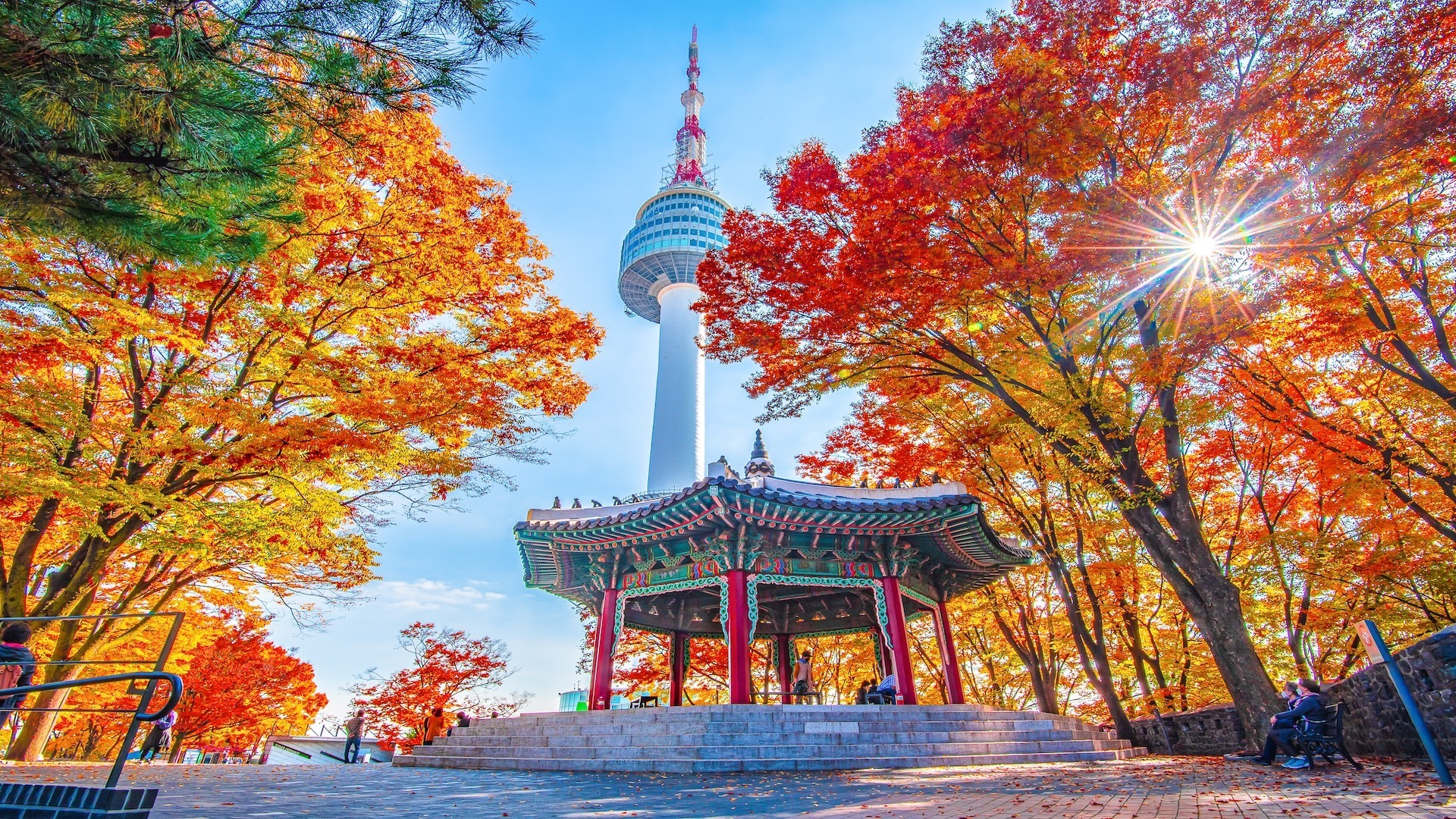
Kyoto is the undisputed champion for traditional culture and history. With over 2,000 temples and shrines, including iconic Fushimi Inari-taisha with its torii gates, the Golden Pavilion (Kinkaku-ji), and the serene Ryoan-ji rock garden, it's a living museum. You can wander through Gion hoping to spot a geiko, participate in a tea ceremony, or explore traditional wooden machiya houses. The city breathes history; even a simple stroll feels like stepping back in time. While Seoul boasts magnificent palaces like Gyeongbokgung and Changdeokgung, and the charming Bukchon Hanok Village, its historical sites are often framed by a hyper-modern backdrop. Seoul's history is more about resilience and rapid development, showcasing a blend rather than a singular focus on tradition. In Kyoto, the focus on preserving traditions is paramount, from the subtle beauty of a kaiseki meal to the meticulous craft of a local artisan. "Honestly, nothing beats an early morning walk through Arashiyama bamboo grove before the crowds, it's just pure magic and makes you forget the world exists." The cultural immersion in Kyoto feels deeper and more pervasive.
Winner takeaway
- Winner: Kyoto
- Why: Kyoto offers a far more concentrated and preserved experience of traditional East Asian culture and history.
- Who this matters for: History buffs, spiritual seekers, and those craving a deep cultural immersion.
🍜 Food Scene
While Kyoto excels in refined, traditional Japanese cuisine like kaiseki (multi-course haute cuisine, often ¥10,000-30,000 / $65-200 USD per person) and delicate sushi, Seoul wins for sheer diversity, accessibility, and dynamic energy. Seoul's street food scene is legendary – from Myeongdong's bustling stalls offering Tteokbokki (spicy rice cakes, ₩5,000 / $3.75), Gyeran-ppang (egg bread, ₩2,000 / $1.50), and various skewers, to its endless K-BBQ joints (often ₩15,000-30,000 / $11-22 USD per person). Korean fried chicken and beer (Chimaek) is a national obsession, and the cafe culture, especially in areas like Hongdae and Garosu-gil, is unrivaled, constantly innovating with unique drinks and desserts. Kyoto's Nishiki Market is fantastic for local snacks and produce, but it feels more curated. Seoul offers a more 'eat your way through the city' experience, with flavors ranging from incredibly spicy to comforting and hearty. "I swear, I could eat Seoul street food every day for a month and never get bored. Kyoto's amazing, but sometimes I just want cheap, delicious chaos." Seoul's food scene is more about discovery and variety at every price point.
Winner takeaway
- Winner: Seoul
- Why: Seoul offers a more diverse, dynamic, and accessible food scene with an incredible range of street food, cafes, and restaurants.
- Who this matters for: Adventurous eaters, budget foodies, and those who love vibrant street food culture.
🍻 Nightlife & Entertainment
Seoul's nightlife is absolutely electrifying, making Kyoto's seem almost non-existent by comparison. Districts like Hongdae are packed with university students and young adults, offering trendy bars, pumping clubs with electronic music, and countless noraebang (karaoke rooms, typically ₩10,000-20,000 / $7-15 USD per hour). Gangnam caters to a more upscale crowd with stylish lounges and exclusive clubs. Itaewon offers a diverse international scene, and Euljiro has an emerging retro-hip vibe with hidden bars. You can party until dawn, grab some late-night street food, and still find people out. Kyoto, on the other hand, offers a much more subdued evening experience. It's about quiet drinks at an izakaya (small Japanese pub), perhaps a refined cocktail at a hotel bar, or a stroll through Gion at night, hoping to glimpse a geisha or maiko. "Kyoto is for peaceful contemplation and early nights; Seoul is where you truly lose track of time having fun. No contest if you want to dance." While charming, Kyoto's evenings are not about high-energy entertainment. Seoul is a city that truly comes alive after dark.
Winner takeaway
- Winner: Seoul
- Why: Seoul's nightlife is incredibly diverse, energetic, and caters to all tastes, from clubs to themed bars and karaoke.
- Who this matters for: Party-goers, music lovers, and those looking for vibrant social scenes after dark.
💰 Costs & Budget
When comparing daily expenses (excluding international flights), Seoul generally offers better value. Accommodation in Kyoto, especially traditional ryokans or hotels near popular attractions, can be pricey, with decent hotels often starting at ¥15,000 / $100 USD per night. Food, particularly if you opt for sit-down meals or traditional kaiseki, quickly adds up. A budget lunch might be ¥1,000-1,500 / $7-10 USD. Seoul, while not dirt cheap, offers excellent value in street food (many items ₩2,000-5,000 / $1.50-3.75), and even good restaurant meals are often in the ₩10,000-20,000 / $7-15 USD range. Accommodation in Seoul is also competitive, with stylish hotels in popular areas starting around ₩100,000 / $75 USD. Public transport in both cities is excellent, but Seoul's subway fares are slightly cheaper (starting ₩1,250 / $0.90 USD vs. Kyoto's ¥220 / $1.50 USD). "I was surprised how much further my budget stretched in Seoul, especially with all the amazing street food and affordable cafes. Kyoto felt a bit more like a splurge." Overall, for the quality of experience, Seoul gives you more bang for your buck.
Winner takeaway
- Winner: Seoul
- Why: Seoul offers a more budget-friendly experience across food, accommodation, and transportation, without compromising on quality.
- Who this matters for: Budget-conscious travelers, backpackers, and those wanting to stretch their travel funds.
✈️ Getting There & Flights
Both destinations are incredibly well-connected internationally, making 'getting there' a relatively smooth experience for either. For Kyoto, you'll typically fly into Kansai International Airport (KIX) near Osaka. From KIX, the Haruka Express train gets you to Kyoto Station in about 75 minutes for around ¥3,000 / $20 USD. Direct flights from major US hubs (e.g., LAX, JFK) to KIX typically range from 11-14 hours, costing $800-1500 USD roundtrip. For Seoul, you'll land at Incheon International Airport (ICN), one of the world's best airports. The AREX express train takes about 45 minutes to Seoul Station for ₩9,500 / $7 USD. Gimpo International Airport (GMP) also serves Seoul, mainly for domestic and regional flights. Direct flights from US hubs to ICN are similar in duration and cost to KIX. "Honestly, both KIX and ICN are super efficient airports. The train connections into the city are so seamless for either. No real winner here, just depends on your final destination." Both countries have excellent infrastructure once you land. The choice depends more on your ultimate destination than any significant travel-time or cost difference to the region itself.
Winner takeaway
- Winner: Tie
- Why: Both cities are easily accessible via world-class international airports with efficient transfer options to their respective city centers.
- Who this matters for: All travelers, as both offer comparable ease of international access.
🚇 Getting Around
Seoul's public transportation system is a marvel and a clear winner. Its subway network is one of the most comprehensive, efficient, and user-friendly in the world. With lines color-coded, well-signed in English, and frequent trains, you can reach virtually any major attraction or district quickly and affordably (fares start around ₩1,250 / $0.90 USD). The T-Money card makes tapping on and off a breeze. Kyoto's transportation, while efficient in its own right, relies heavily on its bus network for reaching many of its scattered temples and shrines. While buses are frequent, they can get stuck in traffic, especially during peak tourist season, making travel times longer and less predictable. Kyoto does have two subway lines, but they don't cover as much ground as Seoul's. "Seoul's subway is an absolute lifesaver, you just tap your T-Money and you're off. Kyoto's buses are okay, but I spent a lot more time waiting or stuck in traffic there." For sheer speed, coverage, and ease of use, Seoul's subway wins hands down, reducing travel stress significantly.
Winner takeaway
- Winner: Seoul
- Why: Seoul boasts a superior, incredibly extensive, and highly efficient subway system, making internal travel effortless.
- Who this matters for: First-time visitors, budget travelers, and those who prioritize quick and easy intra-city transit.
🏨 Accommodation
Seoul offers a broader range of accommodation options that generally provide better value for money, making it the winner. You can find everything from sleek, modern boutique hotels like L7 Myeongdong (starting around ₩120,000 / $90 USD per night) or RYSE Autograph Collection in Hongdae, to international chains, and charming guesthouses. Traditional Hanok stays in areas like Bukchon offer a unique cultural experience, often more affordably than a high-end ryokan in Kyoto. Kyoto's accommodation scene is wonderful, offering luxurious ryokans (often ¥30,000+ / $200+ USD), traditional guesthouses, and clean business hotels. However, space can be at a premium, and prices tend to be higher for comparable quality and location. A standard hotel room in a good Kyoto location can easily be ¥15,000-20,000 / $100-130 USD. "I found some incredibly stylish and well-located hotels in Seoul for way less than what I'd pay for a small business hotel in Kyoto. The value felt much better." While Kyoto's ryokans offer an irreplaceable experience, Seoul provides more diverse, modern, and competitively priced choices for a wider range of budgets.
Winner takeaway
- Winner: Seoul
- Why: Seoul offers more diverse, stylish, and competitively priced accommodation options across various budgets and styles.
- Who this matters for: Design-conscious travelers, budget travelers, and those seeking modern comforts.
⛰️ Day Trips & Nature
Kyoto is ideally positioned for fantastic day trips that complement its own offerings. A quick 45-minute train ride (¥720 / $5 USD) takes you to Nara, home to its famous bowing deer and the magnificent Todai-ji Temple. Osaka, a vibrant food and shopping hub, is just 30 minutes away by rapid train (¥580 / $4 USD). For nature lovers, the scenic Hozugawa River boat ride or hiking in the surrounding mountains are easily accessible. Uji, known for its matcha, is another charming option. Seoul also offers compelling day trips, most notably the sobering but fascinating DMZ tour (often ₩70,000-120,000 / $50-90 USD, half-day). Bukhansan National Park, a stunning urban national park perfect for hiking, is easily reached by subway. Nami Island offers a whimsical escape. "For sheer variety and cultural depth, Kyoto's day trips are just unbeatable. Nara with the deer is a bucket list thing, and Osaka is a total contrast." While Seoul's day trips are worthwhile, Kyoto's are more varied, culturally rich, and seamlessly integrated into a broader cultural itinerary, offering both natural beauty and historical significance within easy reach.
Winner takeaway
- Winner: Kyoto
- Why: Kyoto offers a greater variety of culturally rich and easily accessible day trips, seamlessly blending history and nature.
- Who this matters for: Explorers, nature lovers, and those looking to expand their itinerary beyond the main city.
🛍️ Shopping & Modernity
Seoul is a shopping paradise and a beacon of modernity, easily surpassing Kyoto in this category. From the trendy streets of Myeongdong (cosmetics, fashion, street food), to the high-end luxury boutiques of Gangnam's Apgujeong, the unique indie shops of Hongdae, and the massive underground shopping centers, Seoul has it all. K-beauty products are famously affordable and innovative (e.g., face masks often ₩1,000 / $0.75 each), and fashion trends are set here. Dongdaemun Design Plaza (DDP) is a hub for fashion and design, and Namdaemun Market offers traditional goods. "If you're into fashion, K-beauty, or just want to see what's next, Seoul is your city. Kyoto's charm is in its tradition, not its trends." Kyoto offers beautiful traditional crafts, ceramics, textiles, and exquisite souvenirs, especially around Nishiki Market or in areas specializing in artisan goods. While charming, Kyoto's shopping is niche and focused on tradition. Seoul, on the other hand, is a constantly evolving retail landscape that caters to every conceivable modern desire, offering endless opportunities for discovery and indulgence.
Winner takeaway
- Winner: Seoul
- Why: Seoul is a global trendsetter, offering unparalleled shopping for fashion, K-beauty, electronics, and modern goods at all price points.
- Who this matters for: Fashionistas, K-beauty enthusiasts, tech lovers, and anyone who enjoys modern retail therapy.
🚶♀️ Solo Travel & Safety
Both Kyoto and Seoul are incredibly safe cities, making them excellent choices for solo travelers. Japan consistently ranks as one of the safest countries globally, and Kyoto embodies that. Walking alone at night is rarely a concern, and public transport is reliable. There are many solo-friendly restaurants (like ramen counters) and activities that encourage quiet contemplation. Seoul is also exceptionally safe, with a very low crime rate. Its 24/7 culture means there are always people around, even late at night, and the subway runs until late. Solo travelers in Seoul can easily find social hostels, join walking tours, or enjoy the vibrant nightlife without feeling out of place. "Honestly, I felt completely safe walking around both Kyoto and Seoul alone at 2 AM. The biggest 'danger' is probably getting lost or eating too much amazing food." Both cities have excellent infrastructure, helpful locals (though English can be limited in both), and a welcoming atmosphere for individuals exploring on their own. The choice here comes down to personal preference for pace and type of activities, not a compromise on safety or ease.
Winner takeaway
- Winner: Tie
- Why: Both Kyoto and Seoul are exceptionally safe, easy to navigate, and welcoming for solo travelers, offering peace of mind.
- Who this matters for: Solo adventurers, first-time international travelers, and anyone prioritizing personal safety and comfort.
❓ Frequently Asked Questions
Which city is better for a first-time visitor to Asia?
Seoul is often slightly easier for first-time visitors due to its extensive English signage, efficient subway, and more accessible, diverse food scene. However, Kyoto is also very navigable and offers a deeply rewarding introduction to traditional Japanese culture.
What's the best time of year to visit either city?
Spring (March-May) for cherry blossoms or Autumn (October-November) for vibrant fall foliage are ideal for both. Temperatures are mild, and the scenery is stunning. Summer can be hot and humid, while winter is cold but offers fewer crowds.
Is English widely spoken in Kyoto or Seoul?
In major tourist areas and younger districts, you'll find English speakers, particularly in Seoul. However, it's wise to learn a few basic phrases in Japanese or Korean and use translation apps. Public transport in both cities has English signage.
Which city is better for families with young children?
Kyoto might be slightly better for families seeking a calmer pace, with temples, gardens, and deer parks like Nara. Seoul, however, has excellent indoor attractions, theme parks (Lotte World), and interactive museums that cater well to children, especially if they enjoy a faster pace.
Can I use my credit card everywhere, or do I need cash?
Both cities are increasingly cashless, especially in Seoul. Major hotels, department stores, and larger restaurants accept cards. However, smaller shops, street food vendors, and some traditional establishments (especially in Kyoto) may prefer or only accept cash, so always carry some local currency.
Which city has better souvenir shopping?
It depends on what you're looking for. Kyoto excels in traditional Japanese crafts, ceramics, beautiful textiles, and matcha-related products. Seoul is a paradise for K-beauty, trendy fashion, K-Pop merchandise, and modern electronics.
How long should I spend in each city?
For a good introduction, allocate at least 4-5 full days for Kyoto to explore its main sites and take one day trip. For Seoul, 5-7 days allows you to experience its various districts, food scene, and perhaps a day trip to the DMZ or Bukhansan.
Is it easy to travel between Kyoto and Seoul?
Yes, it's relatively easy! You can take a domestic flight from Osaka (ITM) or Kansai (KIX) airports to Seoul (ICN or GMP). Budget airlines like Peach Aviation or Jeju Air offer affordable options, with flight times around 1.5-2 hours. You'd typically need to factor in airport transfer times.
Ready to plan your East Asia trip?
Get a free custom itinerary for Kyoto, Seoul, or both — built from real traveler insights.
🎟️ Book Tours & Experiences
Hand-picked tours and activities for both destinations — book with free cancellation
Experiences via Viator — free cancellation on most tours