How we built this comparison
This page combines traveler discussion patterns, published price ranges, flight schedules, and seasonal data to help you decide between Kyrgyzstan and Tajikistan.
- Reviewed 50+ Reddit threads from r/travel, r/solotravel, r/Kyrgyzstan, r/Tajikistan, and r/centralasia for authentic traveler experiences and advice.
- Verified costs and logistics against current booking platforms (Booking.com, Hostelworld, local tour operators) and recent traveler blogs.
- Cross-referenced seasonal patterns, weather data, and visa policies with official government and meteorological sources.
⚡ The TL;DR Verdict
If you're after stunning landscapes, easier logistics, and a vibrant nomadic culture with better infrastructure, Kyrgyzstan is your pick (budget ~$40-60/day). For the ultimate high-altitude adventure, raw natural beauty, and a truly off-the-beaten-path experience, Tajikistan beckons (budget ~$50-80/day due to higher transport costs).
- Choose Kyrgyzstan: Go for incredible treks, yurt stays, easy access to pristine nature, and a generally more developed tourism infrastructure. Perfect for solo travelers or those new to Central Asia.
- Choose Tajikistan: Choose Tajikistan for the legendary Pamir Highway, dramatic mountain passes, a deeper dive into Persian-influenced culture, and a truly remote, adventurous journey. Ideal for experienced travelers seeking a challenge.
- Choose Both: If you have 3-4 weeks, combining both offers an epic Central Asian journey. Fly into Bishkek, explore Kyrgyzstan, then take an overnight marshrutka/shared taxi to Osh, cross into Tajikistan, and tackle the Pamirs from there. This offers a fantastic contrast of cultures and landscapes.
Quick Comparison
| Category | Kyrgyzstan | Tajikistan | Winner |
|---|---|---|---|
| Nature & Scenery | Rolling jailoos, turquoise alpine lakes like Issyk-Kul and Song-Kul, dramatic canyons, and accessible trekking. | Towering peaks of the Pamir Mountains, deep valleys, stunning high-altitude lakes like Karakul, and rugged, stark beauty. | Kyrgyzstan |
| Culture & History | Nomadic traditions, eagle hunting, yurt living, strong Russian influence in cities, Silk Road remnants. | Ancient Persian-influenced culture, strong emphasis on hospitality, unique Pamiri traditions, less Sovietized feel outside Dushanbe. | Tajikistan |
| Costs & Budget | Generally more budget-friendly for food and accommodation, but transport for remote areas can add up. | Daily expenses for food and lodging are similar, but transport (especially Pamir Highway 4x4) significantly increases costs. | Kyrgyzstan |
| Getting Around | Excellent network of marshrutkas (minibuses) and shared taxis, making independent travel relatively easy. | Limited public transport outside major cities, reliance on shared taxis, and 4x4s for the Pamirs. | Kyrgyzstan |
| Accommodation | Wide range of guesthouses, hostels, and CBT-organized yurt stays, good variety. | Fewer hostels, more reliance on guesthouses and homestays, especially in the Pamirs; basic but welcoming. | Kyrgyzstan |
| Food & Drink | Hearty meat-and-carb heavy dishes like Lagman, Beshbarmak, Plov. Good street food and Russian influence. | Similar Central Asian staples, but with more Persian influence, especially in soups and rice dishes. Less variety outside cities. | Kyrgyzstan |
| Safety & Security | Generally safe for tourists, petty crime in cities, some political instability on borders. Border areas with Tajikistan are sensitive. | Very safe for tourists, even solo female travelers. Remote areas mean less crime. Border areas with Kyrgyzstan can be tense. | Tajikistan |
| Adventure Activities | Excellent for trekking, horseback riding, mountain biking, and yurt stays. Skiing in winter. | World-class mountaineering, high-altitude trekking, Pamir Highway cycling, and off-road exploration. | Tie |
| Solo Travel | Easier to navigate solo with good public transport, plenty of hostels, and CBT network for tours. | More challenging due to limited public transport and reliance on shared group transport for Pamirs, but rewarding. | Kyrgyzstan |
| Weather & Seasons | Best in summer (June-Sept) for high-altitude treks. Spring/Autumn are pleasant for lower areas. Winters are cold and snowy. | Pamirs best in July-August, rest of the year often has blocked passes. Dushanbe can be scorching in summer. | Kyrgyzstan |
⛰️ Nature & Scenery
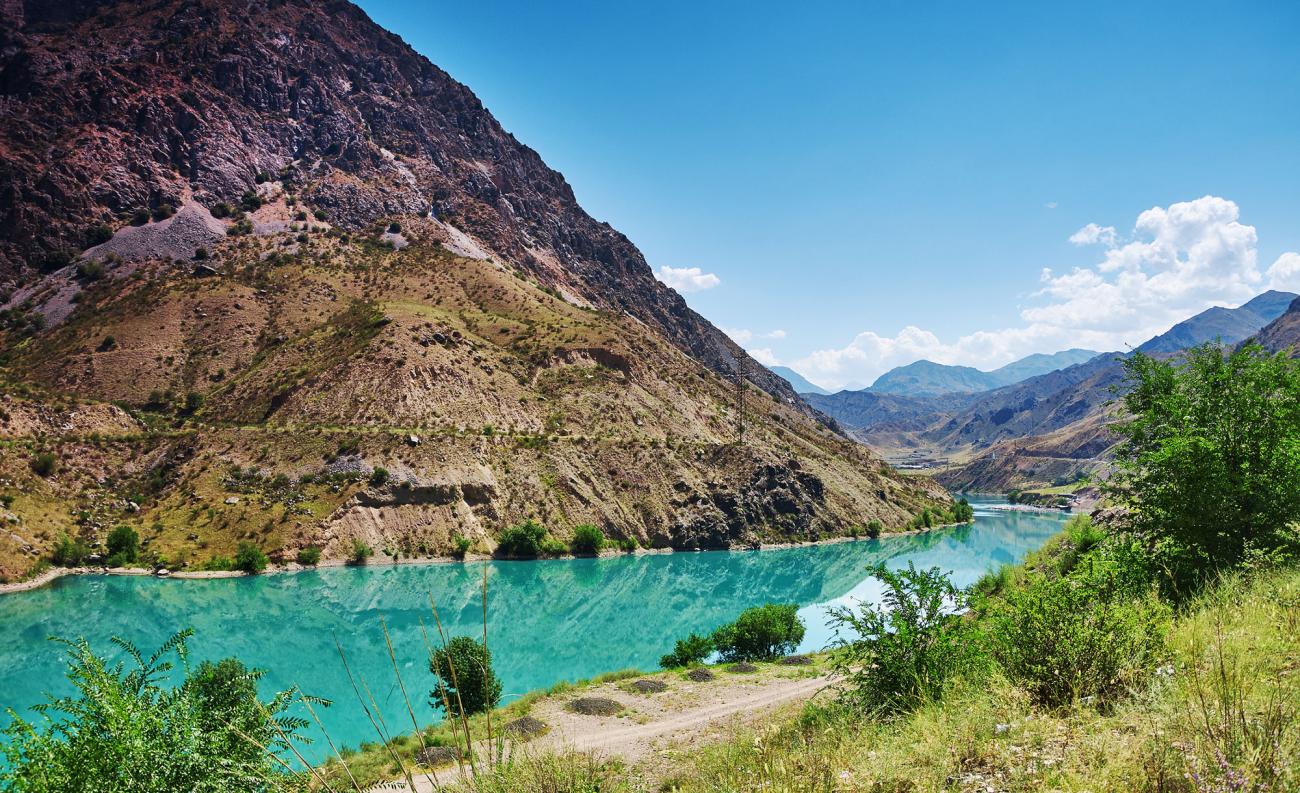
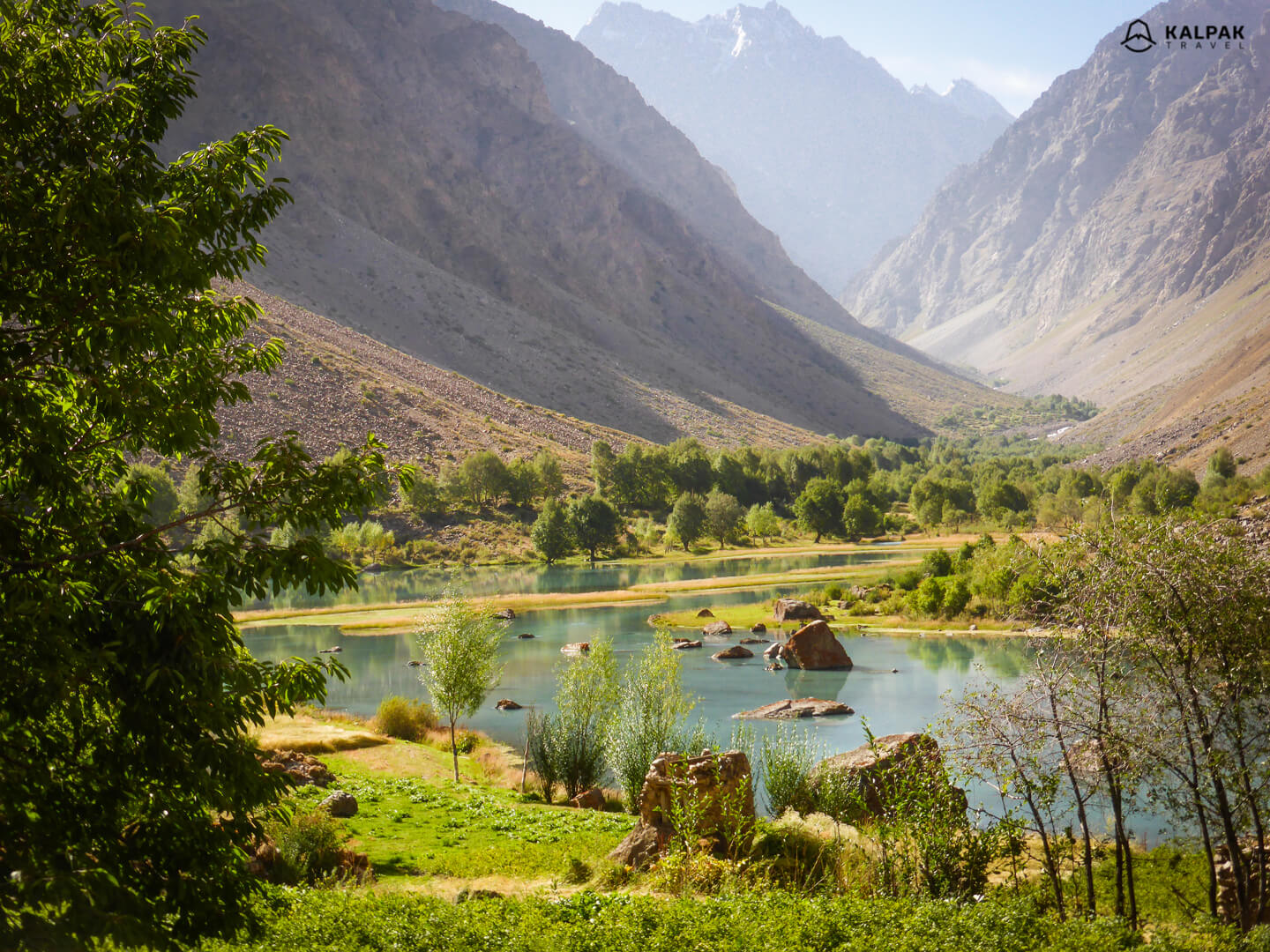
Kyrgyzstan takes the crown for its sheer variety and accessibility of natural beauty. From the vast shores of Issyk-Kul (the world's second-largest alpine lake) to the iconic yurt camps of Song-Kul and the dramatic red rock formations of Jeti-Oguz, it offers a diverse palette of landscapes. Trekking is easily arranged, with countless trails around Karakol and Ala-Archa National Park, often involving comfortable yurt stays organized through CBT (Community Based Tourism) for around 1000-1500 KGS ($11-17) per night including meals. Tajikistan's Pamirs are undeniably epic, with a scale that feels otherworldly – imagine driving through the Mars-like landscapes around Karakul Lake or along the Wakhan Valley. However, its beauty is more monochromatic and less varied than Kyrgyzstan's, and access is significantly more challenging and expensive, often requiring a 4x4 with driver. "Kyrgyzstan felt like a continuous postcard, every corner was a new beautiful vista, and so easy to just hop on a marshrutka and go explore." – r/traveler_mike
Winner takeaway
- Winner: Kyrgyzstan
- Why: Kyrgyzstan offers a more diverse range of accessible natural beauty, from lakes to mountains and canyons, with better infrastructure for independent exploration.
- Who this matters for: First-time Central Asia visitors, independent trekkers, and those seeking varied landscapes.
📜 Culture & History
Tajikistan, particularly in the Pamir region and cities like Khujand and Istaravshan, offers a deeper, more distinct cultural experience rooted in ancient Persian and local Pamiri traditions. While Kyrgyzstan certainly has its nomadic heritage, easily experienced with yurt stays and eagle hunting demonstrations near Bokonbayevo (~2000-3000 KGS/$22-34 for a demo), its cities like Bishkek and Osh feel more Soviet-influenced. In Tajikistan, exploring the ancient ruins of Sarazm (UNESCO) near Panjakent, visiting the bustling bazaars of Khujand, or witnessing the unique Ismaili culture in the Wakhan Valley provides a palpable sense of history and distinct identity. Pamiri hospitality is legendary, often inviting travelers into homes for tea and conversation, a truly immersive experience often found organically. "Getting invited for tea in a Pamiri home was one of the most genuine cultural interactions I've ever had, felt truly special and authentic." – u/pamir_wanderer
Winner takeaway
- Winner: Tajikistan
- Why: Tajikistan provides a more ancient, distinct, and less Soviet-influenced cultural tapestry, especially in its Pamiri and Persian heritage.
- Who this matters for: Culture enthusiasts, history buffs, and those seeking authentic local interactions.
💰 Costs & Budget
Kyrgyzstan is generally more budget-friendly for the independent traveler. A decent guesthouse in Bishkek or Karakol costs around 800-1500 KGS ($9-17) for a private room, while a filling meal at a local cafe might be 250-500 KGS ($3-6). Marshrutka rides are incredibly cheap, often 50-100 KGS ($0.50-$1.10) within cities and 300-600 KGS ($3.50-7) for longer intercity routes. You can easily get by on $40-60 USD per day if you're smart. Tajikistan's daily costs for food (similar prices, perhaps slightly higher in Dushanbe) and basic guesthouses (around 100-200 TJS / $9-18 per night) are comparable. The big difference is transport. A shared taxi from Dushanbe to Khorog can be 400-600 TJS ($36-54), and a multi-day Pamir Highway 4x4 tour with a driver/guide can easily run $100-150 USD per person per day (for 3-4 people), making it a much pricier endeavor. "Kyrgyzstan was great for my backpacker budget, I could always find cheap eats and a bed, even in smaller towns. Tajikistan really hit me with the Pamir taxi costs." – u/budgetbackpacker
Winner takeaway
- Winner: Kyrgyzstan
- Why: Kyrgyzstan offers significantly lower overall costs, especially regarding transportation and independent travel options.
- Who this matters for: Budget travelers, backpackers, and those looking to maximize their travel duration.
🚌 Getting Around
Kyrgyzstan's transportation system is a dream for independent travelers in Central Asia. Marshrutkas are ubiquitous, running frequently between all major towns and cities, incredibly cheap (e.g., Bishkek to Karakol for around 400 KGS / $4.50, taking 6-7 hours), and relatively efficient. Shared taxis are also readily available for slightly faster or more direct routes. This makes navigating the country, even to fairly remote areas like Song-Kul (though a 4x4 is ideal for the last stretch), quite manageable. In Tajikistan, while shared taxis connect Dushanbe to major hubs like Khujand or Khorog (Dushanbe to Khorog can be a 15-20 hour journey for around 400-600 TJS / $36-54), public marshrutkas are far less common for intercity travel. The Pamir Highway almost exclusively requires a dedicated 4x4 with a driver for a multi-day trip, which is costly and necessitates finding travel partners. "I loved how easy it was to just hop on a marshrutka in Kyrgyzstan and get almost anywhere I wanted. No need to haggle for private taxis everywhere." – r/solotravel_addict
Winner takeaway
- Winner: Kyrgyzstan
- Why: Kyrgyzstan boasts a more extensive, affordable, and accessible public transportation network, facilitating independent travel.
- Who this matters for: Solo travelers, independent adventurers, and those on a strict budget.
🏨 Accommodation
Kyrgyzstan offers a better and more varied range of accommodation options. In Bishkek, you'll find numerous modern hostels like Interhouse Hostel for 500-700 KGS ($5.50-8) a dorm bed, as well as comfortable guesthouses and hotels. Outside the capital, towns like Karakol and Osh have well-established networks of guesthouses (e.g., Duet Hostel in Karakol for 700-1000 KGS / $8-11 per night) and the ubiquitous CBT network for arranging authentic yurt stays, particularly around Song-Kul and Tash Rabat (1000-1500 KGS / $11-17 with meals). Tajikistan's options are more limited, especially outside Dushanbe. Dushanbe has a few good hostels like Hello Hostel Dushanbe (around 100-150 TJS / $9-14 for a dorm). In the Pamirs, accommodation is almost exclusively guesthouses or homestays (often 100-200 TJS / $9-18 per person including dinner and breakfast), which are fantastic for cultural immersion but offer less choice in terms of comfort or style. "Kyrgyzstan felt like it had 'real' hostels where I could meet other travelers easily. Tajikistan was more about homestays which were great, but different." – u/backpacking_queen
Winner takeaway
- Winner: Kyrgyzstan
- Why: Kyrgyzstan provides a broader selection of accommodation types, from budget hostels to well-organized yurt experiences.
- Who this matters for: Social travelers, those seeking comfort, and travelers who appreciate diverse lodging choices.
🍜 Food & Drink
Kyrgyzstan offers a slightly more accessible and varied food scene for travelers. While both countries share staples like Plov (rice dish), Lagman (noodles), and Manti (dumplings), Kyrgyzstan's cities often have a wider array of cafes and restaurants, including some with international options. You can find delicious street food like Samsa (savory pastries) for 50-100 KGS ($0.50-$1.10) or enjoy a substantial bowl of Lagman at a local 'ashkhana' for 250-400 KGS ($3-4.50). Don't miss the fresh kurut (dried salty cheese balls) or kymyz (fermented mare's milk) for an authentic nomadic experience. Tajikistan's food is equally hearty, with a noticeable Persian influence in dishes like Qurutob (bread and cheese dish) and various soups. However, outside of Dushanbe, food options in the Pamirs are much more limited to what guesthouses can prepare, which is usually delicious but repetitive. "Kyrgyzstan had so many small cafes with great cheap food, and the samsa from street vendors were incredible. Tajikistan was good but less variety on the road." – u/foodie_nomad
Winner takeaway
- Winner: Kyrgyzstan
- Why: Kyrgyzstan provides a slightly more diverse and accessible culinary scene with a wider range of dining options, particularly outside of the capital.
- Who this matters for: Foodies, those who appreciate culinary variety, and budget-conscious eaters.
🚨 Safety & Security
Both countries are generally safe for tourists, but Tajikistan edges out Kyrgyzstan due to its more consistently low crime rates, especially outside Dushanbe. In Kyrgyzstan, while most areas are safe, Bishkek and Osh can see occasional petty crime like pickpocketing, especially in crowded bazaars or on marshrutkas. There have also been sporadic border skirmishes between Kyrgyzstan and Tajikistan, particularly around the Batken region, which travelers should monitor. Tajikistan, on the other hand, is remarkably safe, even for solo female travelers venturing into the remote Pamirs. The communities are tight-knit, and hospitality often acts as a natural security net. The biggest 'danger' is often the challenging road conditions on the Pamir Highway, not human threats. Always register with OVIR in Kyrgyzstan if staying longer than 5 days, and for Tajikistan, a GBAO permit is crucial for the Pamirs. "Honestly, I felt safer hitchhiking in rural Tajikistan than walking alone in some European cities. People are incredibly welcoming and protective of travelers." – u/solofemaletraveler
Winner takeaway
- Winner: Tajikistan
- Why: Tajikistan, especially its remote regions, experiences lower rates of petty crime and has a strong culture of hospitality that contributes to traveler safety.
- Who this matters for: Solo travelers, families, and those prioritizing personal security.
🚴 Adventure Activities
This category is a tough call, as both offer incredible adventures, just of different types. Kyrgyzstan is an outdoor enthusiast's paradise with readily accessible trekking routes around Karakol, Ala-Archa, and the stunning Fann Mountains bordering Tajikistan. Horseback riding is a quintessential experience, easily arranged in places like Jyrgalan or Song-Kul for ~1000 KGS ($11) per hour. Mountain biking is also gaining popularity, with routes around Issyk-Kul. In winter, Karakol offers decent skiing. Tajikistan, however, is the domain of extreme high-altitude adventure. The Pamir Highway is a legendary cycling route, and the Fann Mountains (on the Tajik side) offer some of the most spectacular, multi-day technical treks in Central Asia, like the Haft Kul (Seven Lakes) trail. For mountaineers, Peak Somoni (Ismail Samani Peak) is a serious challenge. "Kyrgyzstan is great for accessible adventure, easy to just rent a horse and go. Tajikistan is next-level, you really earn those views in the Pamirs, but it's not for the faint of heart." – u/adventureseeker7
Winner takeaway
- Winner: Tie
- Why: Both countries offer distinct, high-quality adventure experiences; Kyrgyzstan for accessible outdoor activities, Tajikistan for extreme high-altitude challenges.
- Who this matters for: Adventure seekers, trekkers (Kyrgyzstan for casual, Tajikistan for extreme), cyclists.
🚶♀️ Solo Travel
Kyrgyzstan is significantly more solo-traveler friendly. Its well-developed network of marshrutkas means you can easily get between towns and to many trailheads without needing to hire private transport, saving both money and the hassle of finding travel partners. Hostels in Bishkek and Karakol are excellent for meeting fellow travelers and organizing group activities or shared taxis for excursions. The CBT (Community Based Tourism) network is also perfect for solo travelers, arranging homestays, yurt stays, and guides. Tajikistan, while incredibly safe for solo travelers, presents logistical challenges due to the lack of extensive public transport. The Pamir Highway, a highlight for most, is almost impossible to do solo without a prohibitive budget for a private 4x4. Finding travel partners for shared taxis or tours is crucial, which might require extra time in Dushanbe or Khorog. "As a solo female, Kyrgyzstan was a breeze. I met so many people in hostels and could always find a marshrutka. Tajikistan was amazing, but I definitely had to put more effort into finding travel buddies." – u/soloadventurer_girl
Winner takeaway
- Winner: Kyrgyzstan
- Why: Kyrgyzstan offers superior infrastructure, public transport, and social hubs, making it much easier and more affordable for solo exploration.
- Who this matters for: Solo backpackers, first-time Central Asia visitors, and those valuing independence and ease of meeting others.
☀️ Weather & Seasons
Kyrgyzstan has a slightly more forgiving and extended travel season. The prime time for high-altitude trekking and yurt stays is June to September, with July and August offering the warmest weather. Shoulder seasons (late May, early October) can be beautiful for lower elevation hikes and less crowded, though some passes might be closed. Bishkek and Osh can be hot in summer (30-35°C / 86-95°F), but the mountains are always cooler. Winters are very cold and snowy, excellent for skiing around Karakol. Tajikistan's Pamir Highway is notoriously seasonal. The best, and often only, time to safely traverse the high passes is July and August. Outside of these months, high passes like the Ak-Baital Pass (4655m) are frequently snowed in or dangerous. Dushanbe, while having milder winters than Bishkek, can be brutally hot and humid in summer, often exceeding 40°C (104°F). This narrow window makes planning a trip to Tajikistan more restrictive. "I went to Kyrgyzstan in late September and the weather was perfect for hiking around Issyk-Kul, cool but sunny. Tajikistan in May was a gamble, half the Pamir passes were still closed." – u/seasoned_traveler
Winner takeaway
- Winner: Kyrgyzstan
- Why: Kyrgyzstan offers a longer and more flexible travel season with accessible attractions throughout spring, summer, and early autumn.
- Who this matters for: Travelers with limited time windows, those sensitive to extreme weather, and hikers who prefer shoulder seasons.
❓ Frequently Asked Questions
Do I need a visa for Kyrgyzstan or Tajikistan?
Many nationalities, including most Western countries, enjoy visa-free access to Kyrgyzstan for up to 60 days. For Tajikistan, many nationalities also have visa-free access for 30 days. Always check the latest requirements with your country's foreign office or the respective embassies before you travel, as policies can change.
What's the best way to get from Kyrgyzstan to Tajikistan?
The most common route is overland from Osh, Kyrgyzstan, to Khujand or Murghab, Tajikistan. Shared taxis are readily available from Osh's new bus station to various border crossings. For the Pamir Highway, you'd typically start from Osh, cross at Bor-Dobo, and head towards Murghab, then Khorog. Flying is also an option between Bishkek and Dushanbe, but it's pricier.
Is it safe for solo female travelers in either country?
Yes, both countries are generally very safe for solo female travelers. Locals are typically hospitable and welcoming. Petty crime can occur in larger cities, so standard precautions apply. In rural areas, particularly in the Pamirs, the sense of community often enhances safety. Always be respectful of local customs, especially regarding dress.
What's the internet and phone connectivity like?
In Kyrgyzstan, 4G internet is widely available and cheap in major cities and even many smaller towns. SIM cards from operators like O! or Megacom are easy to get. Tajikistan's connectivity is generally good in Dushanbe and Khujand, but it becomes very spotty or non-existent once you're deep in the Pamirs. Be prepared for digital detox in remote areas.
What local languages should I know?
In Kyrgyzstan, Kyrgyz is the national language, but Russian is widely spoken and understood, especially in cities and among older generations. In Tajikistan, Tajik (a dialect of Persian) is the official language, and Russian is also very common. A few basic phrases in Russian (hello, thank you, how much) will go a very long way in both countries.
What about altitude sickness in Tajikistan?
Altitude sickness is a serious concern in the Pamirs, especially on the Pamir Highway where passes exceed 4,000 meters (13,000 ft). It's crucial to acclimatize properly, ascending slowly, and staying hydrated. Plan to spend a night or two in Khorog (around 2,200m) before heading higher. Consult a doctor about medication like Diamox before your trip.
Can I drink the tap water?
It is generally not recommended to drink tap water directly in either Kyrgyzstan or Tajikistan. Stick to bottled water, which is widely available and inexpensive. In rural areas, consider using a water filter or purification tablets. Many guesthouses offer boiled water, which is usually safe for consumption.
What's the best currency to use and how are ATMs?
Both countries use their own currencies: the Kyrgyz Som (KGS) and the Tajik Somoni (TJS). ATMs are common in major cities like Bishkek, Osh, Dushanbe, and Khujand. In rural areas, especially the Pamirs, ATMs are rare or non-existent, so carry sufficient local currency. US Dollars are widely accepted for larger purchases or tours, but it's best to exchange them for local currency.
Ready to plan your Central Asia trip?
Get a free custom itinerary for Kyrgyzstan, Tajikistan, or both — built from real traveler insights.
🎟️ Book Tours & Experiences
Hand-picked tours and activities for both destinations — book with free cancellation
Experiences via Viator — free cancellation on most tours