How we built this comparison
This page combines traveler discussion patterns, published price ranges, flight schedules, and seasonal data to help you decide between Kyrgyzstan and Uzbekistan.
- Reviewed 500+ Reddit threads from r/travel, r/solotravel, r/Kyrgyzstan, r/Uzbekistan, r/centralasia
- Verified costs and logistics against current booking platforms and local sources
- Cross-referenced seasonal patterns and weather data from meteorological services
⚡ Quick Answers
⚡ The TL;DR Verdict
For most travelers seeking dramatic landscapes and outdoor adventure with fewer crowds, Kyrgyzstan is the pick, budget around $40-70 per day. Uzbekistan is ideal for those prioritizing grand Islamic architecture and ancient Silk Road history, with a daily budget closer to $60-100. Both offer distinct Central Asian experiences.
- Choose Kyrgyzstan: Travelers prioritizing remote mountain trekking, horse riding, and authentic nomadic experiences with a smaller budget should pick Kyrgyzstan.
- Choose Uzbekistan: Those who want grand historical sites, elaborate tilework, comfortable city stays, and a more structured travel experience should pick Uzbekistan.
- Choose Both: Combine both if you have 3-4 weeks to experience the full spectrum of Central Asia, contrasting nature with history via a flight between Tashkent and Bishkek.
Choose Kyrgyzstan
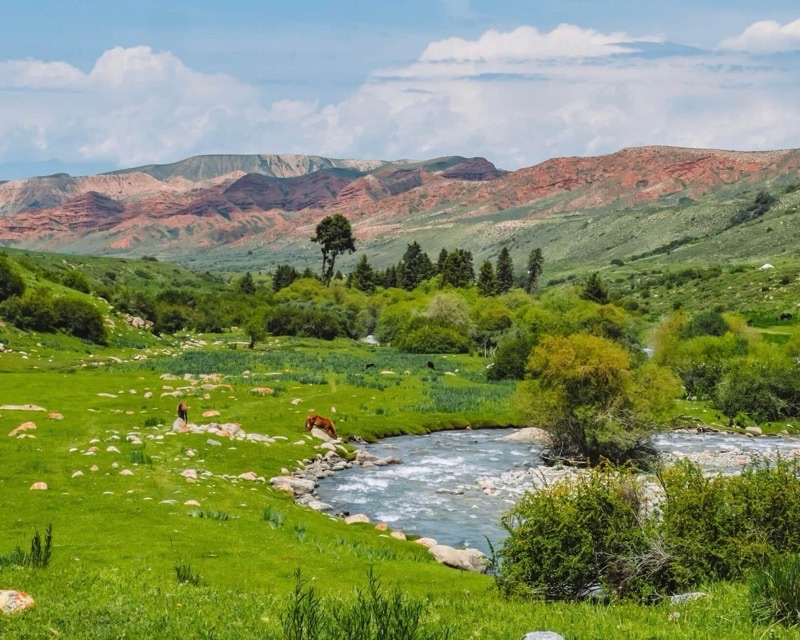
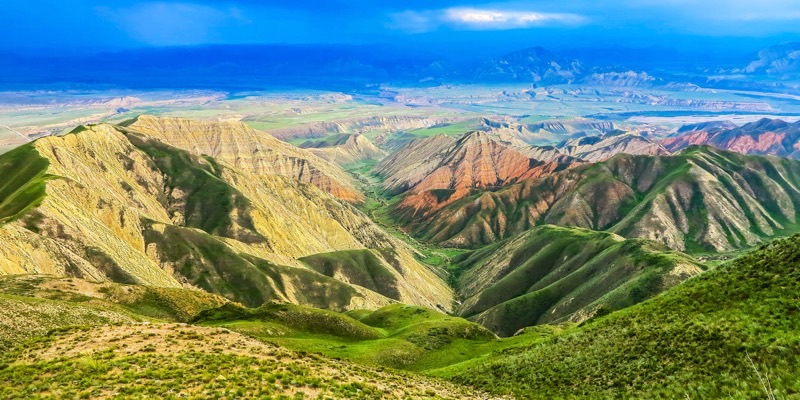
Choose Kyrgyzstan if you crave raw, untamed nature and authentic nomadic culture. It's best for adventurous travelers eager to trek through stunning mountain passes, experience yurt stays by Song-Kul lake, or horse ride across vast steppes. Expect a more rustic experience, perfect for budget-conscious explorers seeking dramatic landscapes like Ala Archa and genuine local interactions.
Choose Uzbekistan
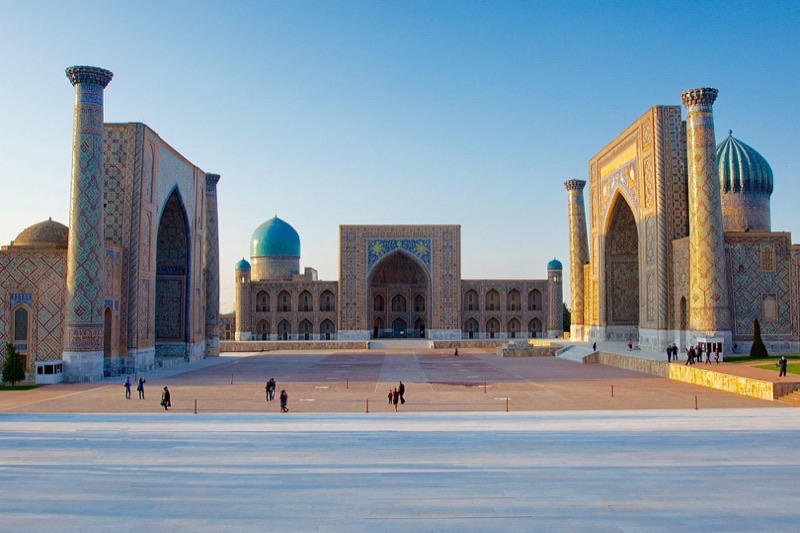
Opt for Uzbekistan to immerse yourself in the dazzling grandeur of the ancient Silk Road. It's best for history and architecture enthusiasts who will be mesmerized by the intricate tilework of Samarkand's Registan, the timeless old city of Bukhara, and Khiva's walled citadel. Enjoy more comfortable city stays and a structured journey through iconic historical sites.
📊 Visual Scorecard
🌤 When to Visit
Average high temperatures (°C). Green = best months, orange = avoid.
Quick Comparison
| Category | Kyrgyzstan | Uzbekistan | Winner |
|---|---|---|---|
| Culture & History | Nomadic heritage, eagle hunting, yurt stays, horse games, petroglyphs, Soviet history. | Islamic Golden Age, Silk Road trade cities, madrassas, mosques, mausoleums, Timurid dynasty. | Uzbekistan |
| Nature & Outdoors | High altitude lakes, mountain ranges, vast pastures, trekking, horse riding, yurt camps. | Desert landscapes, Aydarkul Lake, Nurata Mountains, Fann Mountains (shared with Tajikistan). | Kyrgyzstan |
| Costs & Budget | Generally cheaper, especially for food and accommodation, rural areas offer great value. | Mid-range prices, higher costs in tourist hubs, good value for private transport. | Kyrgyzstan |
| Food Scene | Hearty nomadic dishes, meat-focused, lots of noodles and dairy, local small eateries. | Silk Road influences, diverse plovs, lagman, kebabs, pastries, tea houses, more varied options. | Uzbekistan |
| Getting Around | Marshrutkas, shared taxis, horse travel, less developed infrastructure in rural areas. | High-speed trains (Afrosiyob), shared taxis, domestic flights, good city public transport. | Uzbekistan |
| Accommodation | Yurt camps, basic guesthouses, homestays, hostels; less luxury outside Bishkek. | Boutique hotels in historic houses, modern hotels, guesthouses, well-established hostels. | Uzbekistan |
| Safety & Security | Generally safe, minor issues with petty theft, mountain travel requires caution. | Very low crime rate, strict government presence, safe for solo travelers. | Uzbekistan |
| Solo Travel | Easy to meet other travelers on treks, hostels in Bishkek/Osh, less infrastructure in rural areas. | Easy navigation, safe cities, plenty of solo travelers, good public transport, social hostels. | Uzbekistan |
| Getting There | Manas International Airport (Bishkek), direct flights from Istanbul, Moscow, Dubai. | Tashkent International Airport, direct flights from Istanbul, Frankfurt, Seoul, Dubai. | Tie |
| Weather & Seasons | Best in summer (June-Sept) for mountains, cold winters, hot summers in cities. | Spring (Apr-May) and Autumn (Sept-Oct) are ideal, very hot summers, cold winters. | Tie |
🏛️ Culture & History
Kyrgyzstan culture centers on its nomadic pastoralist heritage. You find this in practices like kok-boru (horse games), eagle hunting demonstrations near Bokonbayevo, and the…
Kyrgyzstan
Uzbekistan
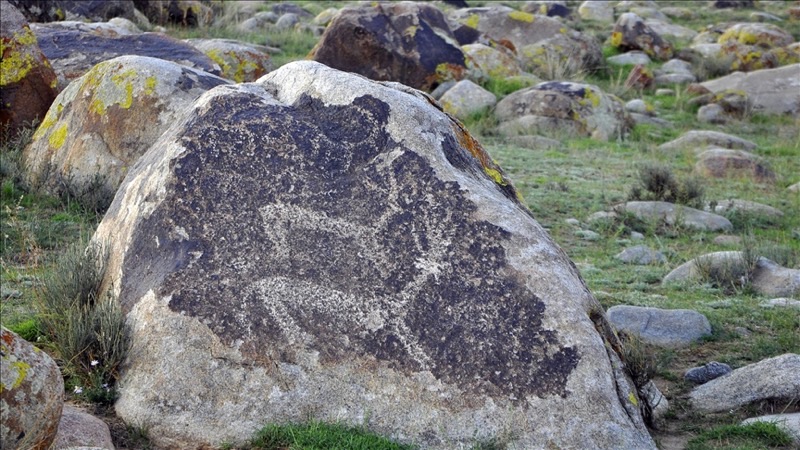
Kyrgyzstan culture centers on its nomadic pastoralist heritage. You find this in practices like kok-boru (horse games), eagle hunting demonstrations near Bokonbayevo, and the widespread availability of yurt stays around Song-Kul or Tash Rabat. Osh and Uzgen offer some ancient sites, but the primary draw is the contemporary lifestyle rooted in the land. The capital, Bishkek, has Soviet-era architecture and parks, providing a contrast to the rural traditions. Outside of Bishkek, expect simpler museums and local markets that reflect daily life more than grand historical narratives.
Uzbekistan delivers on monumental Islamic architecture and ancient Silk Road history. Samarkand hosts Registan Square, Bibi-Khanym Mosque, and the Shah-i-Zinda necropolis, all covered in intricate tilework. Bukhara offers the Poi Kalyan Complex, Chor Minor, and numerous Caravanserais within its old city. Khiva presents an entirely walled city, Itchan Kala, where you can walk among mosques, madrassas, and minarets. Tashkent, the capital, blends Soviet design with modern development and some historical sites like the Khast Imam Complex. Its a journey through empires and trade routes. Tabiji verdict: Uzbekistan provides a more impactful historical and architectural journey for most travelers.
- Winner: Uzbekistan
- Why: Uzbekistan offers a higher density of grand, well-preserved historical sites and elaborate Islamic architecture.
- Who this matters for: Travelers prioritizing ancient sites, intricate design, and tangible historical narratives.
⛰️ Nature & Outdoors
Kyrgyzstan is a land for outdoor enthusiasts. The Tian Shan mountains dominate the landscape, offering world-class trekking routes from easy day hikes to multi-day expeditions…
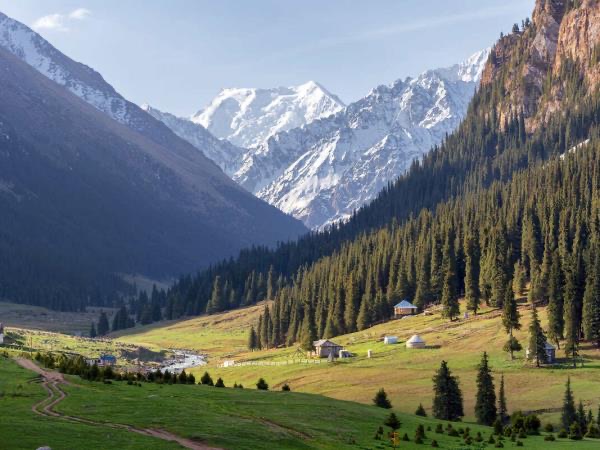
Kyrgyzstan
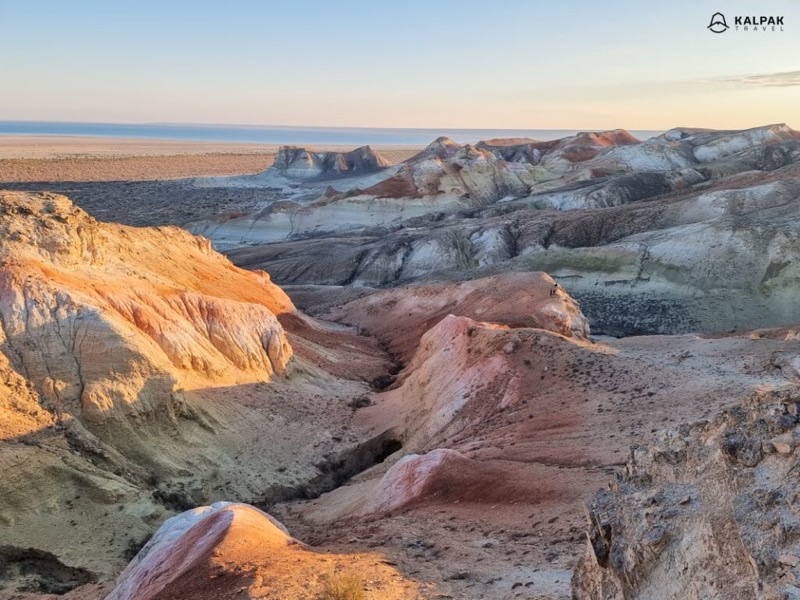
Uzbekistan
Kyrgyzstan is a land for outdoor enthusiasts. The Tian Shan mountains dominate the landscape, offering world-class trekking routes from easy day hikes to multi-day expeditions around Karakol, Jyrgalan, or the Alay Valley. Issyk-Kul Lake, the worlds second-largest alpine lake, provides lakeside stays and water activities. Song-Kul Lake is accessible by horse or jeep, featuring extensive yurt camps where you experience nomadic life. Tash Rabat Caravanserai is another remote spot with dramatic mountain backdrops. Horse riding is a primary mode of transport and activity, with guides readily available in most rural areas for around 1500-2500 KGS (17-28 USD) per day.
Uzbekistans natural attractions are less prominent than its historical sites. The Kyzylkum Desert covers a significant portion, offering desert safaris and yurt camps, particularly around Aydarkul Lake. This artificial lake provides a spot for swimming and birdwatching. The Nurata Mountains offer opportunities for hiking and village stays, though on a smaller scale than Kyrgyzstans offerings. While the Fann Mountains are partially in Uzbekistan, access and infrastructure for serious trekking are more developed in neighboring Tajikistan. For those seeking grand natural vistas and active outdoor pursuits, Uzbekistan offers fewer choices. Tabiji verdict: Kyrgyzstan is the undisputed champion for dramatic natural landscapes and outdoor adventure.
- Winner: Kyrgyzstan
- Why: Kyrgyzstan has a superior array of mountain ranges, alpine lakes, and extensive outdoor activities like trekking and horse riding.
- Who this matters for: Hikers, trekkers, horse riders, and those who prioritize wild, accessible nature experiences.
💰 Costs & Budget
Kyrgyzstan is a budget-friendly destination. Expect to pay around 400-800 KGS (4.50-9 USD) for a guesthouse bed or a yurt stay. A hearty meal in a local eatery like a dastarhan…
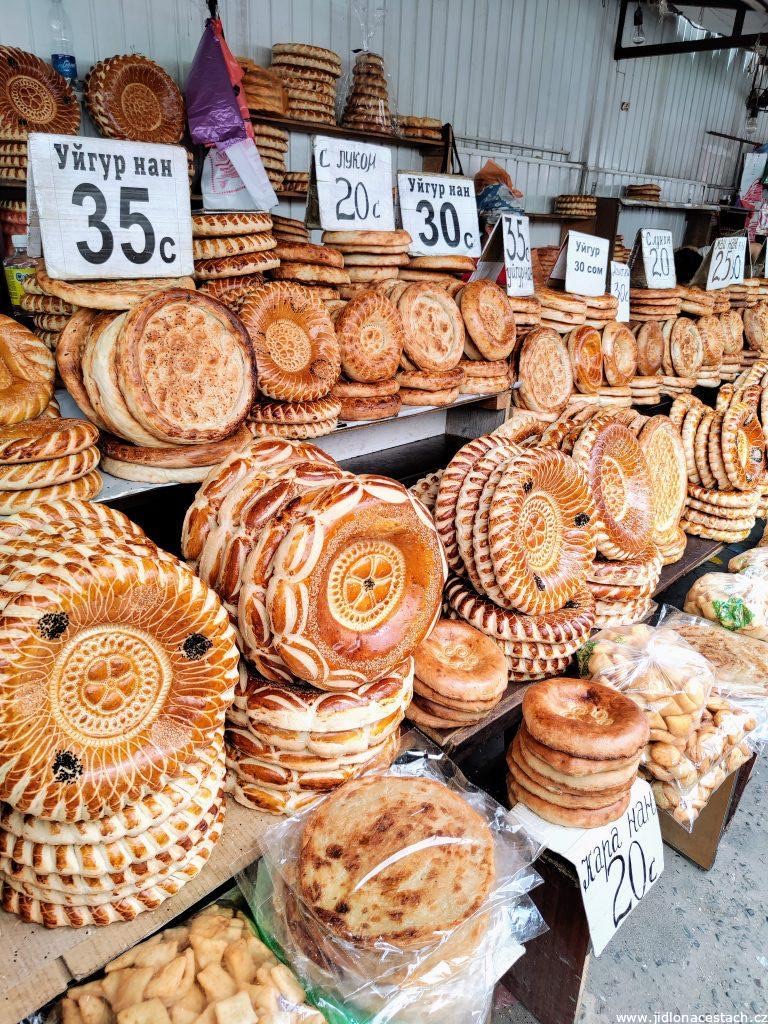
Kyrgyzstan
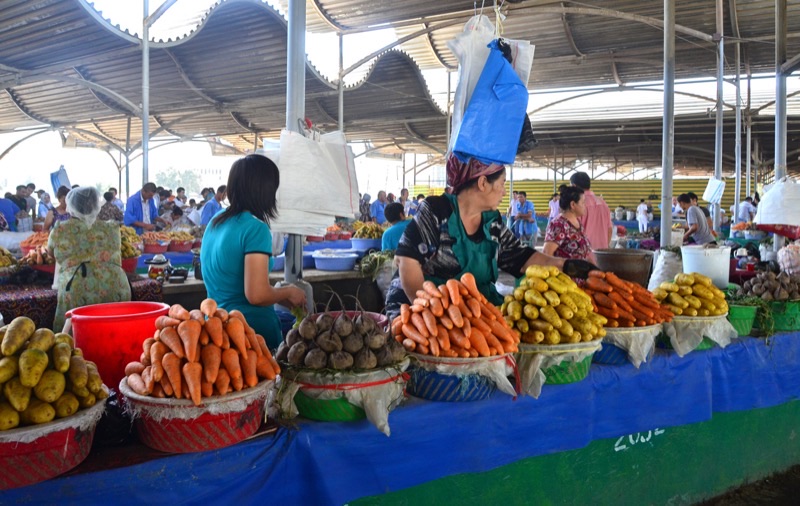
Uzbekistan
Kyrgyzstan is a budget-friendly destination. Expect to pay around 400-800 KGS (4.50-9 USD) for a guesthouse bed or a yurt stay. A hearty meal in a local eatery like a dastarhan costs 200-400 KGS (2.25-4.50 USD). Marshrutkas (shared taxis/vans) are the primary mode of transport, with rides between cities costing 300-600 KGS (3.40-6.80 USD). Trekking guides and horse rentals generally range from 1500-3000 KGS (17-34 USD) per day depending on duration and location. Daily budgets can comfortably sit between 40-70 USD for a solo traveler.
Uzbekistan is slightly more expensive, particularly in cities like Samarkand and Bukhara due to tourist demand. A good guesthouse or boutique hotel might cost 250,000-500,000 UZS (20-40 USD) per night. Meals in decent restaurants range from 50,000-100,000 UZS (4-8 USD). High-speed train tickets between major cities, like Tashkent to Samarkand, cost around 100,000-150,000 UZS (8-12 USD). While still affordable compared to Western countries, the overall daily spend averages 60-100 USD. Entry fees to major sites can add up, costing 20,000-50,000 UZS (1.60-4 USD) per site. Tabiji verdict: Kyrgyzstan offers a more budget-conscious experience for travelers.
- Winner: Kyrgyzstan
- Why: Accommodation, food, and transport costs are consistently lower in Kyrgyzstan, especially outside Bishkek.
- Who this matters for: Budget travelers, backpackers, and those looking to extend their trip duration with minimal financial strain.
🍜 Food Scene
Kyrgyzstans cuisine is simple, filling, and meat-heavy, reflecting its nomadic roots. Plov, a rice dish with meat and carrots, is a staple, but it varies less than in Uzbekistan.…
Kyrgyzstan
Uzbekistan
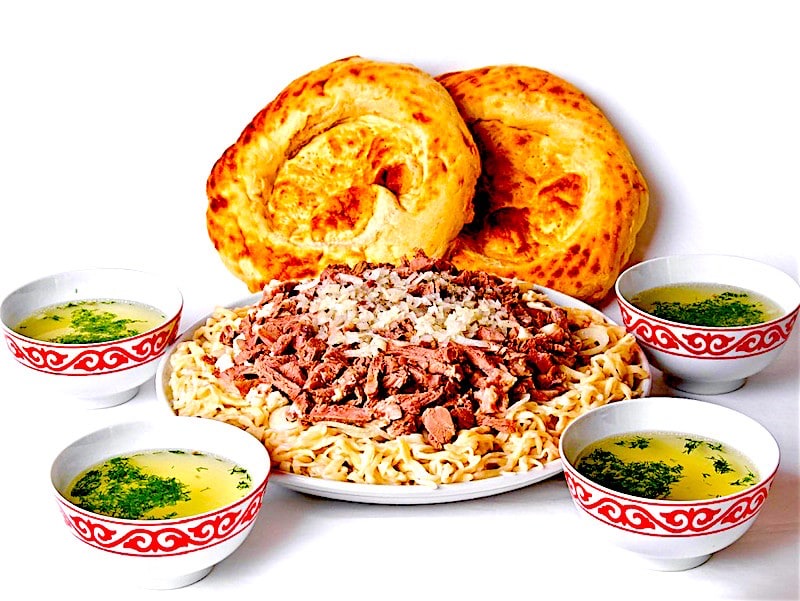
Kyrgyzstans cuisine is simple, filling, and meat-heavy, reflecting its nomadic roots. Plov, a rice dish with meat and carrots, is a staple, but it varies less than in Uzbekistan. Lagman (hand-pulled noodles with meat and vegetables) and Manti (steamed dumplings) are common. Beshbarmak, a traditional noodle and horse meat dish, is served on special occasions. Dairy products like Kymyz (fermented mare's milk) and Kurut (dried salty cheese balls) are widely available. Vegetarian options are limited outside Bishkek, requiring specific requests. Expect local cafes and dastarhans, not fine dining.
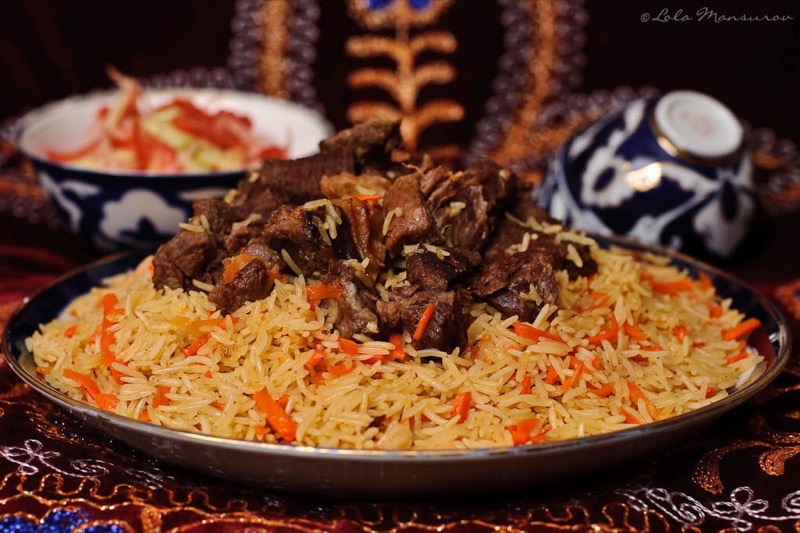
Uzbekistan boasts a more refined and diverse culinary tradition, influenced by centuries of Silk Road trade. Plov is a national dish with hundreds of regional variations, like the Tashkent plov or Samarkand plov, which are distinct experiences. Shurpa (meat and vegetable soup), Somsa (baked savory pastries), and various types of kebabs are readily available. The tea house culture is integral, offering a place to relax and enjoy sweets. Vegetarian options are somewhat more accessible, especially with fresh salads and bread in larger cities. The food reflects a richer agricultural history and greater interaction with diverse cultures. Tabiji verdict: Uzbekistans food offers more variety, regional specialties, and a more developed dining experience.
- Winner: Uzbekistan
- Why: Uzbekistan offers a more diverse and refined culinary experience with greater regional variations and dining options.
- Who this matters for: Foodies, those seeking culinary exploration, and travelers with dietary preferences beyond basic meat dishes.
🚗 Getting Around
In Kyrgyzstan, getting around primarily involves marshrutkas and shared taxis. These are affordable and frequent between major towns but can be slower and less comfortable for…
Kyrgyzstan
Uzbekistan
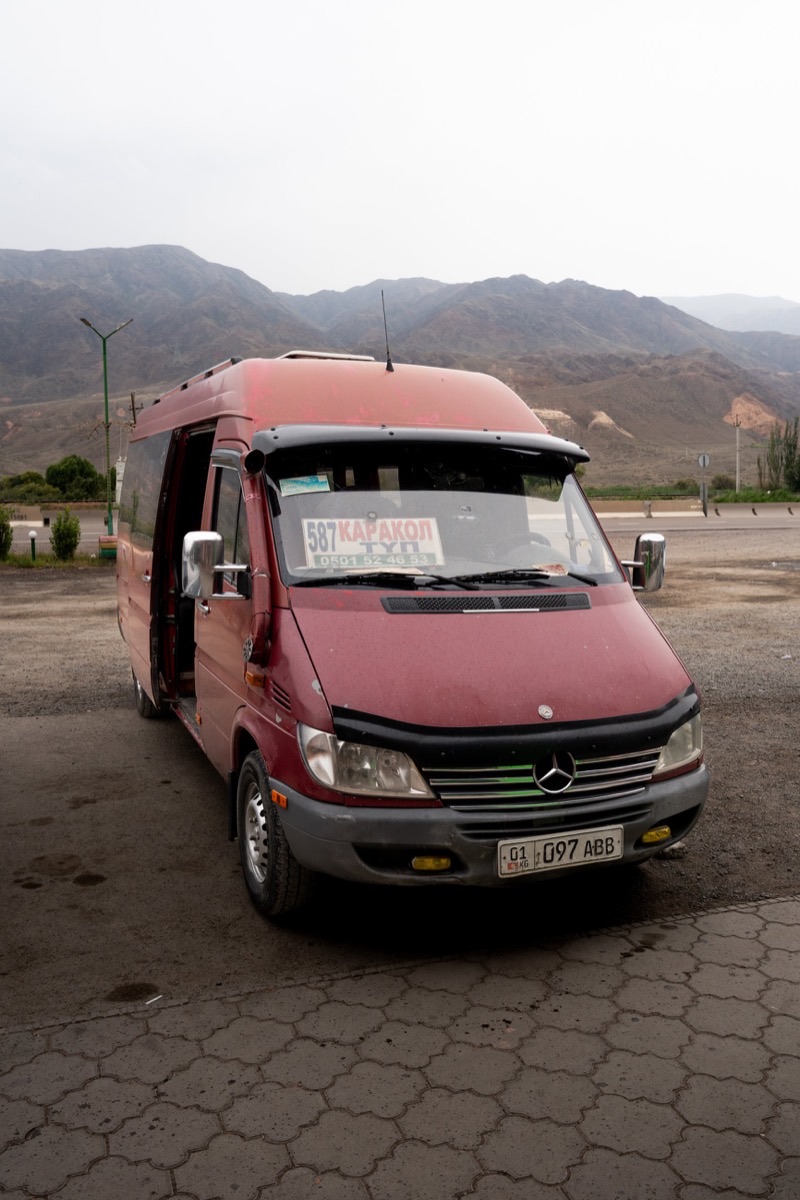
In Kyrgyzstan, getting around primarily involves marshrutkas and shared taxis. These are affordable and frequent between major towns but can be slower and less comfortable for long distances. For accessing remote mountain areas, hiring a private 4x4 or organizing a tour is often necessary. Horse travel is a popular and practical option for reaching places like Song-Kul. Public transport within Bishkek is via marshrutkas and trolleybuses. The road infrastructure outside main cities can be rough, especially in mountain passes. Expect travel times to be longer than distances suggest due to road conditions.
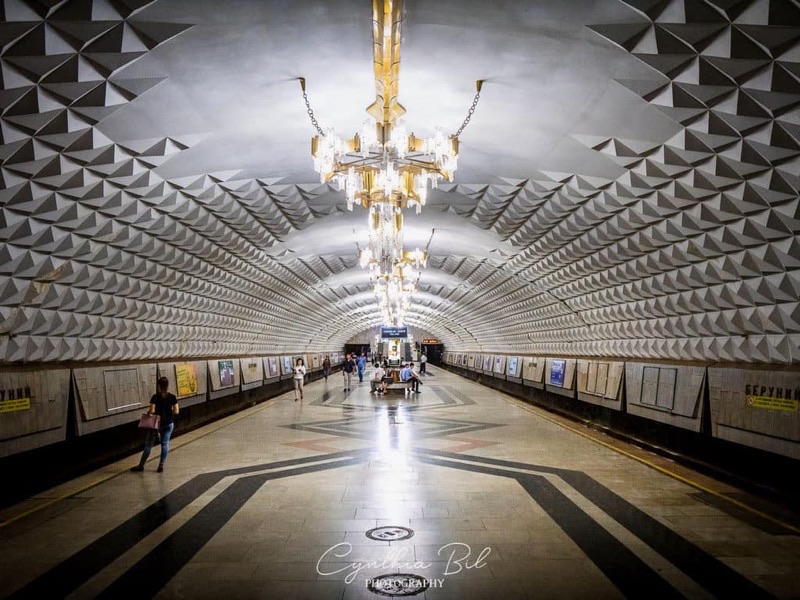
Uzbekistan has a well-developed transport network, particularly for intercity travel. The high-speed Afrosiyob train connects Tashkent, Samarkand, and Bukhara efficiently, with tickets costing around 100,000-150,000 UZS (8-12 USD) and travel times of 2-3 hours. Shared taxis are also common for connecting cities not on the train line, like Bukhara to Khiva for about 100,000 UZS (8 USD) per person. Domestic flights connect major cities quickly. Tashkent has a metro system, and all major cities have extensive public bus and taxi services. Roads are generally in good condition. Tabiji verdict: Uzbekistan offers a significantly more comfortable, efficient, and reliable intercity transport system.
- Winner: Uzbekistan
- Why: Uzbekistans high-speed rail network provides superior comfort and efficiency for intercity travel compared to Kyrgyzstans marshrutka-centric system.
- Who this matters for: Travelers who prioritize comfort, speed, and ease of logistics between major destinations.
🏨 Accommodation
Kyrgyzstans accommodation options reflect its rural and nomadic focus. Yurt camps are a highlight, especially around Song-Kul or Jyrgalan, offering a unique cultural experience…
Kyrgyzstans accommodation options reflect its rural and nomadic focus. Yurt camps are a highlight, especially around Song-Kul or Jyrgalan, offering a unique cultural experience for 400-800 KGS (4.50-9 USD) per night including basic meals. Guesthouses and homestays are common in towns like Karakol or Osh, typically basic but welcoming. Hostels are available in Bishkek and Osh. While there are a few international standard hotels in Bishkek, luxury options are scarce elsewhere. The charm lies in the simplicity and local interaction rather than amenities. Expect shared bathrooms and simple furnishings in most non-city stays.
Uzbekistan offers a broader range of accommodation, particularly in its historic cities. Samarkand, Bukhara, and Khiva have many boutique hotels housed in renovated traditional houses, providing character and comfort for 250,000-500,000 UZS (20-40 USD). Modern hotels are prevalent in Tashkent, including international chains. Hostels are well-established in all major tourist cities. The level of comfort and aesthetic appeal is generally higher, with more private room options and better amenities. Many guesthouses include breakfast and offer traditional courtyards. Tabiji verdict: Uzbekistan provides a wider selection of comfortable and charming accommodation, especially in its key tourist areas.
- Winner: Uzbekistan
- Why: Uzbekistan has a greater selection of comfortable, well-appointed guesthouses and boutique hotels, particularly within its historic cities.
- Who this matters for: Travelers seeking comfortable private rooms, traditional aesthetics, and a good balance of value and amenities.
🛡️ Safety & Security
Kyrgyzstan is generally a safe country for travelers, with crime rates being low. Petty theft can occur in crowded areas like Bishkeks Osh Bazaar, but violent crime against…
Kyrgyzstan is generally a safe country for travelers, with crime rates being low. Petty theft can occur in crowded areas like Bishkeks Osh Bazaar, but violent crime against tourists is rare. The main safety concerns are related to outdoor activities: unpredictable weather in the mountains, poorly maintained roads, and the need for proper gear and guides for treks. Solo female travelers often report feeling safe, especially outside of Bishkek. Road safety is a general concern, particularly with aggressive driving habits and the condition of some vehicles. Locals are usually helpful but language barriers can sometimes pose minor issues.
Uzbekistan is one of the safest countries in Central Asia, with a very low crime rate. The government maintains a noticeable security presence, which contributes to this. Tourists, including solo female travelers, report feeling very secure even at night in major cities like Samarkand and Bukhara. The biggest inconveniences might be overzealous souvenir sellers or minor traffic issues. While some bureaucracy exists, it does not typically affect tourist safety. Road conditions are generally good between cities, making travel safer. Tabiji verdict: Uzbekistan offers a higher perceived and actual level of safety and security for travelers.
- Winner: Uzbekistan
- Why: Uzbekistan has a notably low crime rate and a strong sense of public order, making it a very secure destination for travelers.
- Who this matters for: Solo travelers, families, and anyone prioritizing a very low-stress and secure travel environment.
🚶♀️ Solo Travel
Solo travel in Kyrgyzstan is rewarding, especially for those seeking connection through shared experiences. Hostels in Bishkek (e.g., Apple Hostel) and Osh are good places to meet…
Solo travel in Kyrgyzstan is rewarding, especially for those seeking connection through shared experiences. Hostels in Bishkek (e.g., Apple Hostel) and Osh are good places to meet other backpackers. Out on the trekking trails or in yurt camps, you often find other solo adventurers. Language can be a barrier outside major cities, as English is not widely spoken, but gestures and translation apps help. Logistics for remote areas might require pre-booking or joining small groups, which solo travelers often arrange on the spot. It is a place for independent, self-reliant solo explorers.
Uzbekistan is highly amenable to solo travelers. The efficient train system makes navigating between Samarkand, Bukhara, and Khiva straightforward and comfortable. Hostels in these cities, such as Amir Hostel in Bukhara or Bahodir B&B in Samarkand, are social hubs where you easily meet other travelers. English is more common in tourist-focused areas and hotels. The low crime rate means walking around alone, even at night, feels secure. While guides are useful for historical context, they are not essential for safety or navigation. The infrastructure supports solo exploration effectively. Tabiji verdict: Uzbekistan is a more straightforward and slightly more social destination for solo travelers.
- Winner: Uzbekistan
- Why: Uzbekistan offers easier navigation between main attractions and a more developed infrastructure for meeting other travelers and independent exploration.
- Who this matters for: First-time solo travelers, those who prefer organized logistics, and travelers prioritizing social connections.
✈️ Getting There
To get to Kyrgyzstan, most international travelers fly into Manas International Airport (FRU) near Bishkek. Direct flights are available from Istanbul (Turkish Airlines, 5h),…
To get to Kyrgyzstan, most international travelers fly into Manas International Airport (FRU) near Bishkek. Direct flights are available from Istanbul (Turkish Airlines, 5h), Moscow (Aeroflot, 4.5h), and Dubai (Flydubai, 4h). Osh also has an international airport (OSS) with some connections. Visa requirements for many nationalities, including EU, UK, US, Canada, Australia, are waived for up to 60 days, simplifying entry. Land borders with Kazakhstan, Uzbekistan, and Tajikistan are generally open, offering options for overland travel.
Uzbekistan's primary gateway is Tashkent International Airport (TAS). It has a good network of direct flights from major hubs such as Istanbul (Turkish Airlines, 4.5h), Frankfurt (Uzbekistan Airways, 6h), Seoul (Uzbekistan Airways, 7h), and Dubai (Flydubai, 3.5h). Visa-free entry for up to 30 days is granted to citizens of many countries, including EU, UK, US, Canada, Australia, Japan, simplifying the process. Land borders with all neighboring countries are accessible. Both countries have comparable international flight access and easy visa policies for many travelers. Tabiji verdict: Both countries offer similarly convenient international flight access and straightforward visa processes.
- Winner: Tie
- Why: Both destinations have comparable direct flight connections from major international hubs and simple visa processes for many nationalities.
- Who this matters for: All travelers, as ease of access impacts everyone equally.
☀️ Weather & Seasons
Kyrgyzstan is best visited during its summer months, from June to September. This period offers the most favorable weather for trekking and high-altitude activities, with daytime…
Kyrgyzstan is best visited during its summer months, from June to September. This period offers the most favorable weather for trekking and high-altitude activities, with daytime temperatures in the mountains ranging from 15-25°C (59-77°F). Bishkek and Osh can be hot in July and August, reaching 30-35°C (86-95°F). Winters are long and cold, with heavy snowfall, making mountain travel difficult or impossible, but offering skiing opportunities. Shoulder seasons (April-May, October) can be unpredictable, with chances of snow at higher elevations. Always prepare for temperature fluctuations in the mountains.
Uzbekistan is best explored in spring (April-May) and autumn (September-October). During these times, temperatures are pleasant, ranging from 20-30°C (68-86°F), ideal for exploring historical sites. Summers (June-August) are extremely hot, often exceeding 40°C (104°F), which can make sightseeing uncomfortable. Winters (November-March) are cold, with temperatures around 0-10°C (32-50°F) and occasional snow, but less severe than in Kyrgyzstans mountains. Fewer crowds and lower prices are benefits of the shoulder seasons, though some amenities might be reduced. Tabiji verdict: Both destinations have distinct optimal travel seasons, depending on activity preference, making neither a clear winner for all.
- Winner: Tie
- Why: Each country has a distinct best season tailored to its primary attractions, offering good options depending on a traveler's focus.
- Who this matters for: Travelers with specific activity preferences (e.g., trekking vs. historical sightseeing) and flexibility with travel dates.
🎯 The Decision Framework
Choose Kyrgyzstan If…
- You want multi-day treks through remote mountain landscapes.
- You prefer authentic nomadic experiences, including yurt stays and horse riding.
- Your budget is tighter, aiming for $40-70 per day.
- You are comfortable with simpler infrastructure and rural settings.
- You prioritize wild nature over grand historical monuments.
- You enjoy the challenge of off-the-beaten-path travel.
- You are keen to try fermented mare's milk and traditional meat dishes.
Choose Uzbekistan If…
- You dream of visiting ancient Silk Road cities like Samarkand and Bukhara.
- You are fascinated by elaborate Islamic architecture and intricate tilework.
- You prefer comfortable train travel between cities.
- You appreciate a more developed tourism infrastructure and diverse food options.
- You want a very safe and secure travel environment, even as a solo traveler.
- You are happy with a daily budget of $60-100 for a more curated experience.
- You want to delve deep into the history of empires and trade routes.
📅 Sample Itineraries
Weekend in Kyrgyzstan (3 Days)
💡 Utilize the Yandex Taxi app in Bishkek for reliable and affordable transportation, with most city rides costing between $2-4.
Weekend in Uzbekistan (3 Days)
💡 Book Afrosiyob train tickets online via uzrailway.uz several days in advance, especially for popular routes like Tashkent to Samarkand, as they frequently sell out.
One Week in Kyrgyzstan (7 Days)
💡 When planning hikes in more remote areas, consider hiring a local guide through Community Based Tourism (CBT) for around $30-50 per day to enhance safety and provide cultural context.
One Week in Uzbekistan (7 Days)
💡 Purchase a local SIM card (e.g., Ucell or Beeline) upon arrival for reliable internet and navigation. A week's data package typically costs around $5-10.
❓ Frequently Asked Questions
Which country is better for adventure travel?
Kyrgyzstan stands out for adventure travel due to its vast mountain ranges. It offers extensive opportunities for multi-day treks, horse riding expeditions around Song-Kul, and high-altitude lake exploration. Uzbekistan has desert safaris, but its outdoor offerings are less varied and less developed for serious adventurers.
How do visa requirements compare for US/EU citizens?
Both Kyrgyzstan and Uzbekistan offer visa-free entry for citizens of the US, EU, UK, Canada, and Australia. Kyrgyzstan typically grants 60 days, while Uzbekistan grants 30 days. This simplifies travel planning for many nationalities, requiring only a valid passport for entry.
What is the typical flight time between the two countries?
A direct flight between Bishkek, Kyrgyzstan (FRU), and Tashkent, Uzbekistan (TAS), typically takes around 50 minutes to 1 hour. These short flights, often operated by Uzbekistan Airways or Avia Traffic Company, are the most efficient way to travel between the two capitals.
Which country has better internet connectivity?
Uzbekistan generally has better and more consistent internet connectivity, especially in its major cities like Tashkent, Samarkand, and Bukhara. High-speed Wi-Fi is common in hotels and cafes. In Kyrgyzstan, internet is reliable in Bishkek and Osh, but significantly less so in rural mountain areas and yurt camps.
Is it easy to find vegetarian food in either country?
Finding strictly vegetarian food can be a challenge in both, but Uzbekistan offers slightly more options due to its agricultural diversity and established restaurant scene. Look for fresh salads, bread, and non-meat plov or soups. In Kyrgyzstan, it is often necessary to explicitly request dishes without meat, which can be difficult with language barriers.
Which country is better for souvenir shopping?
Uzbekistan offers a wider and more accessible range of traditional souvenirs, especially in the bazaars of Samarkand, Bukhara, and Khiva. Expect ceramics, textiles (silk, suzani), wood carvings, and miniature paintings. Kyrgyzstan offers felt products, traditional hats (kalpak), and some nomadic crafts, but with fewer dedicated tourist markets.
Can I use credit cards in Kyrgyzstan and Uzbekistan?
In both countries, cash (Kyrgyz Som, Uzbek Som) is king, especially outside major cities. Credit cards are accepted in larger hotels, some upscale restaurants, and major supermarkets in Bishkek or Tashkent. Always carry a significant amount of local currency, easily withdrawn from ATMs in cities, for daily expenses and rural areas.
What are the best times of year to visit both countries?
For Kyrgyzstan, June to September is ideal for mountain activities. For Uzbekistan, April-May and September-October are best for sightseeing the historical cities, avoiding extreme summer heat or winter cold. Combining both requires careful timing or accepting varied weather conditions.
Ready to plan your Central Asia trip?
Get a free custom itinerary for Kyrgyzstan, Uzbekistan, or both — built from real traveler insights.
👥 Travelers Also Compared
🎟️ Book Tours & Experiences
Hand-picked tours and activities for both destinations — book with free cancellation
Experiences via Viator — free cancellation on most tours