How we built this comparison
This page combines traveler discussion patterns, published price ranges, flight schedules, and seasonal data to help you decide between Ladakh and Nepal.
- Reviewed 50+ Reddit threads from r/travel, r/solotravel, r/India, r/Nepal, r/Ladakh for firsthand experiences and advice.
- Verified costs and logistics against current booking platforms like Booking.com, Skyscanner, and local tour operator websites.
- Cross-referenced seasonal patterns, weather data, and permit requirements with official tourism boards and reputable travel blogs.
⚡ The TL;DR Verdict
If you dream of raw, stark high-altitude landscapes, pristine Tibetan Buddhist culture, and off-the-beaten-path serenity, Ladakh (budget: $40-80/day) is your pick. For iconic Himalayan treks, a vibrant mix of Hindu and Buddhist traditions, and more diverse travel options, Nepal (budget: $30-70/day) offers a classic adventure.
- Choose Ladakh: For trekkers seeking unique, moon-like landscapes, remote monasteries, and a deeply spiritual, tranquil experience. Best for those comfortable with higher altitudes and simpler amenities.
- Choose Nepal: For classic Himalayan trekking, a diverse cultural tapestry, and a more developed, yet still adventurous, tourism infrastructure. Ideal for a wider range of budgets and activity levels.
- Choose Both: If you have 4+ weeks and crave the ultimate Himalayan immersion, combine them. Start with Ladakh's lower altitude areas to acclimatize, then fly to Kathmandu for Nepal's grandeur. A month allows 2 weeks in each, tackling one major trek in each region.
Quick Comparison
| Category | Ladakh | Nepal | Winner |
|---|---|---|---|
| Nature & Scenery | Stark, high-altitude desert landscapes, turquoise lakes (Pangong, Tso Moriri), ancient glaciers, moon-like valleys. | The iconic Himalayas (Everest, Annapurna), lush valleys, diverse sub-tropical jungles in the south, vibrant rhododendron forests. | Nepal |
| Trekking & Adventure | High-altitude treks (Markha Valley, Stok Kangri), challenging passes (Khardung La), river rafting (Zanskar), mountain biking. | World-famous treks (Everest Base Camp, Annapurna Circuit, Langtang), peak climbing, white-water rafting (Bhote Koshi), paragliding (Pokhara). | Nepal |
| Culture & Spirituality | Pure Tibetan Buddhist culture, ancient monasteries (Thiksey, Hemis, Diskit), prayer flags, Ladakhi festivals. | Rich blend of Hindu and Buddhist traditions, countless temples (Pashupatinath), stupas (Boudhanath), vibrant Newari culture in Kathmandu Valley. | Ladakh |
| Costs & Budget | Generally moderate; flights to Leh are pricier, but guesthouses are affordable. Trekking costs higher due to remoteness. | Very budget-friendly, especially outside Kathmandu. Accommodation, food, and local transport are cheap. Trekking permits can add up. | Nepal |
| Getting There & Around | Fly to Leh (via Delhi) or a scenic but long road trip (Manali-Leh Highway, Srinagar-Leh Highway). Local taxis/bikes for exploration. | Direct international flights to Kathmandu. Extensive network of domestic flights, buses, and jeeps. More varied internal options. | Nepal |
| Accommodation | Guesthouses, homestays, basic hotels in Leh. Camping/teahouses on treks. Fewer luxury options. | Wide range from budget hostels and teahouses to boutique hotels and luxury resorts in cities/trekking hubs. More variety. | Nepal |
| Food & Drink | Tibetan-influenced (Thukpa, Momos, Tingmo), some Indian staples. Simpler, hearty fare. | Diverse Nepali, Newari, Tibetan, and Indian cuisines. Famous for Dal Bhat, Momos, Chowmein, and excellent local street food. | Nepal |
| Safety & Solo Travel | Extremely safe, low crime rate. Remote areas mean less infrastructure, but locals are helpful. Good for solo travelers seeking solitude. | Generally safe, especially in tourist areas. Well-trodden trekking routes are good for solo travelers. Petty crime can occur in cities. | Tie |
| Weather & Seasons | Short summer window (June-Sept) is best; dry, sunny days, cold nights. Winters are extremely harsh, roads closed. | Varied climate; spring (March-May) and autumn (Sept-Nov) are ideal for trekking. Monsoon season (June-Aug) brings rain, winter (Dec-Feb) is cold but clear. | Nepal |
| Digital Nomad / Connectivity | Very limited connectivity outside Leh. Spotty mobile data (Jio, Airtel), satellite internet rare. Not ideal for nomads. | Improving internet in cities (Kathmandu, Pokhara). Decent Wi-Fi in guesthouses. Mobile data (Ncell, NTC) available in most populated areas and some trek routes. | Nepal |
⛰️ Nature & Scenery
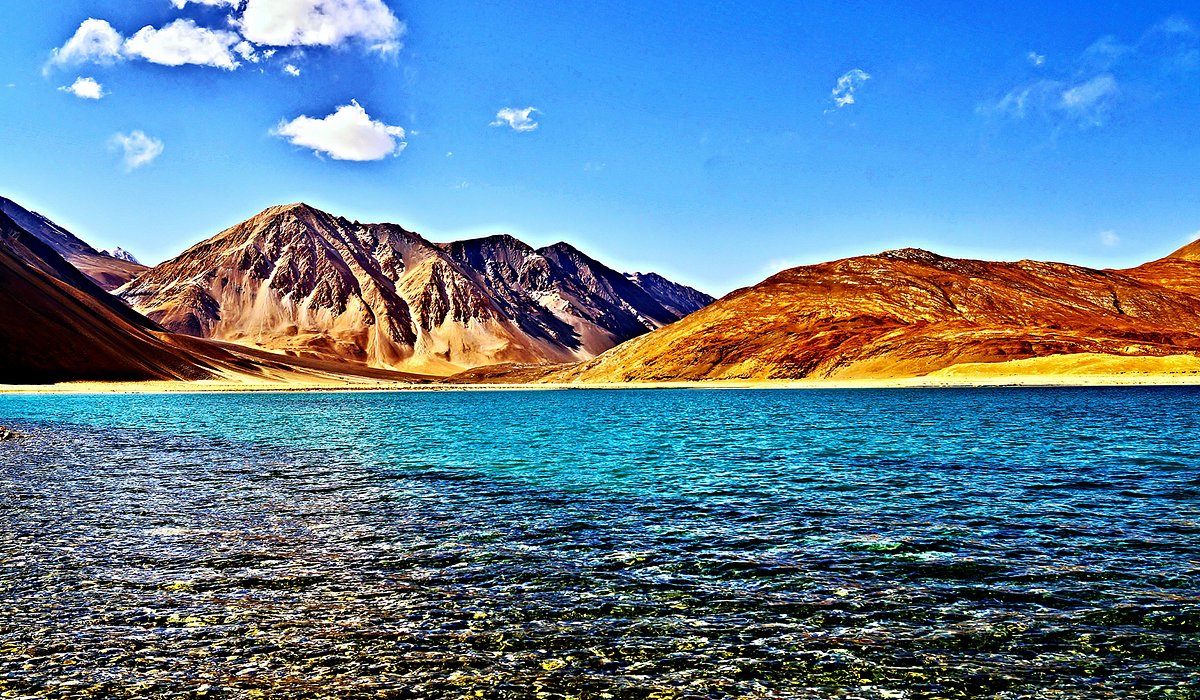
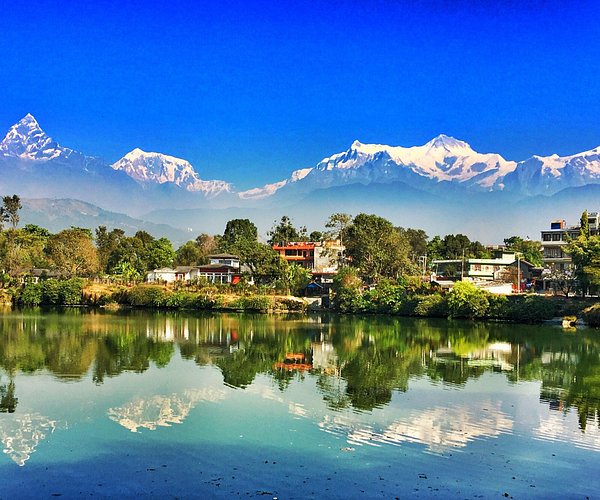
Ladakh offers a unique, almost extraterrestrial beauty with its vast, barren mountains, deep blue lakes like Pangong Tso (shared with Tibet), and dramatic river valleys. It's a landscape of stark contrasts, often feeling incredibly remote and untouched. However, Nepal boasts the world's highest peaks, a more varied ecosystem from lowland jungles (Chitwan National Park, entry ~NPR 2000 / $15) to alpine tundras, and the sheer grandeur of the Everest and Annapurna ranges. While Ladakh’s beauty is raw and meditative, Nepal’s is more diverse, grand, and iconic, offering lushness alongside its giants. The views of Machapuchare (Fishtail Mountain) from Pokhara alone are worth the trip. "Honestly, nothing beats seeing Everest or Annapurna I with your own eyes, it just hits different." The scale in Nepal is simply unmatched, attracting millions to its world-renowned trekking paths and national parks.
Winner takeaway
- Winner: Nepal
- Why: Nepal's unparalleled diversity, from Everest's grandeur to subtropical jungles, offers a broader and more iconic range of natural beauty.
- Who this matters for: Trekkers and nature photographers seeking the most diverse and iconic mountain scenery.
🥾 Trekking & Adventure
Nepal is the undisputed king of trekking, home to the Annapurna Circuit (typically 12-21 days, permits ~NPR 5000 / $38) and Everest Base Camp (12-14 days, permits ~NPR 5000 / $38), which are on nearly every serious hiker's bucket list. The infrastructure for trekkers, from teahouses to guides, is incredibly well-developed. Ladakh offers fantastic high-altitude treks like the Markha Valley (7-8 days, guide/porter ~$40-60/day) and climbing Stok Kangri (discontinued permits for independent climbers but still possible with agency, ~7-8 days for $800-1500), but these are generally more remote, less supported, and require better acclimatization due to their extreme altitude. While Ladakh provides incredible solitude and a unique challenge, Nepal's variety of trails, from easy day hikes around Pokhara to multi-week expeditions, caters to a wider range of fitness levels and desires. "If you want to say you've seen Everest or walked the Annapurna, Nepal is it. Ladakh is cool, but it's not the same league for trekking cred." Nepal also offers more readily accessible adventure sports like paragliding over Pokhara (~NPR 8000 / $60) and white-water rafting.
Winner takeaway
- Winner: Nepal
- Why: Nepal offers a wider range of world-renowned treks suitable for various skill levels, with robust infrastructure and iconic status.
- Who this matters for: Serious trekkers and adventure seekers looking for diverse, well-established trails and iconic challenges.
🧘 Culture & Spirituality
Ladakh feels like a living museum of Tibetan Buddhism, preserved from the cultural changes that have affected Tibet itself. Monasteries like Thiksey, Hemis, and Diskit are not just tourist sites but active spiritual centers, often housing hundreds of monks. Attending morning prayers at Thiksey Gompa is a truly moving experience. The local Ladakhi people are incredibly warm, and their traditions, language, and food are deeply rooted in Tibetan heritage. Nepal, while also rich in Buddhist sites (Lumbini, Boudhanath Stupa in Kathmandu, entry ~NPR 400 / $3), is a more complex tapestry, blending Hinduism and Buddhism, especially in the Kathmandu Valley. The vibrant Newari culture, with its ancient cities like Bhaktapur (entry ~NPR 1500 / $11), is fascinating, but the 'pure' spiritual immersion of Ladakh is harder to replicate. "Ladakh feels like stepping back in time, like old Tibet. Nepal's great, but it's busier, more modern, and a different vibe." For an unadulterated, peaceful, and deeply spiritual Buddhist experience, Ladakh is unparalleled.
Winner takeaway
- Winner: Ladakh
- Why: Ladakh offers a more pristine and immersive Tibetan Buddhist cultural experience, untouched by modern influences.
- Who this matters for: Travelers seeking deep spiritual immersion, ancient Buddhist traditions, and a peaceful cultural experience.
💰 Costs & Budget
Nepal is consistently one of the most budget-friendly destinations for travelers, offering incredible value. A decent guesthouse in Pokhara might cost NPR 1000-2000 ($7-15) per night, while a filling Dal Bhat (local staple) is NPR 300-500 ($2-4). Local buses are incredibly cheap, though slow. Trekking permits like the TIMS card (NPR 2000 / $15) and national park fees (NPR 3000 / $23) are additional. Ladakh, due to its remote location and shorter tourist season, tends to be slightly pricier. Flights to Leh from Delhi can range from INR 6000-12000 ($70-140) round trip. Guesthouses in Leh can start from INR 1500 ($18) for basic, but good options are INR 2500-4000 ($30-48). Food is similar to Indian prices, but tourist-centric places are a bit higher, with a meal costing INR 300-600 ($3.5-7). Guided treks in Ladakh are often more expensive than in Nepal due to fewer operators and the need for specialized gear. "Nepal is definitely cheaper for daily expenses, especially food and hostels. Ladakh feels like you're paying a 'remote' tax." If budget is your primary concern, Nepal allows your money to stretch further.
Winner takeaway
- Winner: Nepal
- Why: Nepal offers significantly lower daily costs for accommodation, food, and local transport, making it more accessible for budget travelers.
- Who this matters for: Budget-conscious travelers and backpackers looking to maximize their travel time and experiences without breaking the bank.
✈️ Getting There & Around
Getting to Nepal is straightforward with Tribhuvan International Airport (KTM) in Kathmandu offering direct flights from major hubs worldwide. Once there, an extensive network of tourist buses (e.g., Kathmandu to Pokhara ~NPR 1000 / $7.5), local buses, domestic flights (Kathmandu to Pokhara ~NPR 5000-8000 / $38-60), and private jeeps make internal travel relatively easy, albeit sometimes slow. Ladakh typically requires a flight to Leh (IXL) from Delhi (flights are the most common and safest option for acclimatization) or a two-day overland journey via the Manali-Leh Highway (only open June-Sept) or Srinagar-Leh Highway (longer but often open earlier/later), which can be an adventure in itself but also prone to landslides and altitude sickness. "Flying into Leh is essential for acclimatization, but flights can be pricey. Nepal's just easier to get around, period." Once in Ladakh, local taxis or rented motorcycles are the primary ways to explore outside Leh, which can be expensive (e.g., Leh to Pangong Tso by private taxi ~INR 8000-10000 / $95-120 for a day trip). Nepal wins for its easier international access and more diverse, often cheaper, internal transport options.
Winner takeaway
- Winner: Nepal
- Why: Nepal offers easier international access and a more comprehensive, flexible, and generally cheaper internal transportation network.
- Who this matters for: Travelers prioritizing convenience, diverse transport options, and less complex logistics for reaching their destination.
🛌 Accommodation
Nepal offers a vast spectrum of accommodation. In cities like Kathmandu and Pokhara, you can find anything from a $5 dorm bed (e.g., Zostel Kathmandu) to a $100+ boutique hotel (e.g., Dwarika's Hotel, though much pricier) or comfortable mid-range options for $30-50. On treks, teahouses are plentiful and cheap (~NPR 500 / $4 for a basic room, often free if you eat there), offering a great way to meet fellow trekkers. Ladakh, while charming, has a more limited range. Leh has many guesthouses and mid-range hotels (e.g., Hotel The Grand Dragon Ladakh for luxury, or Hotel Singge Palace for mid-range) but fewer true luxury resorts. On treks, you'll mainly find very basic teahouses or camping options, which are often arranged through tour operators and can feel more rustic. "I love the simplicity of Ladakhi guesthouses, but Nepal just has more choice, especially if you want a bit of comfort after a long trek." While Ladakhi homestays offer a unique cultural immersion, Nepal's sheer variety and consistent quality across price points make it more versatile.
Winner takeaway
- Winner: Nepal
- Why: Nepal provides a significantly broader range of accommodation options, from budget teahouses to luxury resorts, catering to all preferences and budgets.
- Who this matters for: Travelers seeking diverse accommodation choices, from ultra-budget to luxury, and well-established trekking lodge networks.
🍜 Food & Drink
Nepal's culinary scene is a delightful fusion, offering much more variety than Ladakh. Dal Bhat (lentil soup with rice and curries) is the national dish, often served 'all-you-can-eat' style, and a staple on treks. Momos (dumplings), Thukpa (noodle soup), and Chowmein are ubiquitous and excellent. Kathmandu and Pokhara boast a fantastic array of restaurants, from traditional Nepali eateries to international cuisines. Newari food, especially in Kathmandu Valley, offers unique flavors (e.g., Bara, Chatamari). In Ladakh, the food is hearty and delicious but leans heavily on Tibetan influences: Thukpa, Momos, Tingmo (steamed bread), and Skyu (local stew). While you'll find some Indian dishes, the variety is less. "Nepal's food game is strong, especially in Kathmandu. Dal Bhat power is real, and the momos are next level. Ladakh is good, but you'll eat a lot of the same stuff." For a more diverse and flavorful culinary journey, Nepal takes the lead, offering a broader palette of tastes and dining experiences.
Winner takeaway
- Winner: Nepal
- Why: Nepal offers a much greater diversity of cuisine, from local staples to unique Newari dishes and international options, catering to broader palates.
- Who this matters for: Foodies and travelers who value culinary exploration and a wider range of dining experiences.
🧍♀️ Safety & Solo Travel
Both Ladakh and Nepal are considered very safe destinations for travelers, including solo adventurers. Ladakh has an exceptionally low crime rate, and the locals are renowned for their honesty and hospitality. The main 'risk' is altitude sickness, which requires careful acclimatization. Solo travelers seeking solitude and deep immersion will find Ladakh incredibly rewarding, though the remoteness means less immediate access to help in emergencies. Nepal is also generally safe, with millions of tourists visiting annually without incident. Popular trekking routes like the Annapurna Circuit are very well-trodden, making solo navigation easier and offering plenty of opportunities to meet other travelers. In cities like Kathmandu, minor issues like petty theft or aggressive touts can occur, but serious crime against tourists is rare. "I felt super safe backpacking Nepal solo as a woman, especially on the Annapurna trek. Everyone looks out for each other. Ladakh felt equally safe, just more isolated." Both offer distinct but equally secure environments, depending on whether you prefer well-trodden paths or tranquil remoteness. Always register with your embassy and share your itinerary, especially in remote areas.
Winner takeaway
- Winner: Tie
- Why: Both destinations offer high levels of safety and are welcoming to solo travelers, each with its own advantages depending on the desired experience.
- Who this matters for: All travelers, particularly solo adventurers, who prioritize personal safety and a welcoming local environment.
☀️ Weather & Seasons
Ladakh has a very short, specific travel window. The best time to visit is from June to September, when the Manali-Leh and Srinagar-Leh highways are open, and temperatures are pleasant (daytime 20-30°C, nighttime can drop to 5-10°C). Outside this period, especially from October to May, many areas are inaccessible due to heavy snowfall, and temperatures plummet to well below freezing. Nepal, on the other hand, offers more flexibility. Spring (March-May) and Autumn (September-November) are prime trekking seasons, with stable weather, clear skies, and comfortable temperatures. Monsoon season (June-August) brings heavy rains but also lush greenery, and winter (December-February) is cold at altitude but offers incredibly clear views. "Ladakh in winter is insane, but you're locked into Leh unless you fly, and it's brutally cold. Nepal, I've trekked successfully in three different seasons." The diverse geography of Nepal means you can find a suitable region to visit almost year-round, from the lowlands in winter to the high mountains in autumn, offering a much longer and more varied travel season.
Winner takeaway
- Winner: Nepal
- Why: Nepal offers a wider and more flexible range of travel seasons and activities due to its diverse climatic zones.
- Who this matters for: Travelers with less flexible schedules or those wanting to explore different facets of the Himalayas throughout the year.
💻 Digital Nomad / Connectivity
For digital nomads, Nepal is a far better choice. Major cities like Kathmandu and Pokhara have numerous cafes with decent Wi-Fi, co-working spaces, and reliable mobile data coverage (Ncell and NTC are the main providers, a SIM card costs ~NPR 100 / $0.75 with data packs from NPR 500 / $4). While connectivity can be spotty on higher trekking routes, many teahouses now offer paid Wi-Fi, usually slow but functional. In Ladakh, the situation is much more challenging. Mobile connectivity is primarily limited to Leh town, and even there, only specific networks (Jio, Airtel post-paid for non-Indian tourists) work reliably. Outside Leh, especially in remote valleys like Nubra or Pangong, internet is virtually non-existent or extremely slow satellite-based options at exorbitant prices. "Trying to work in Ladakh was a nightmare; I basically went off-grid for a week. Nepal, even up the trekking trails, you could sometimes get a signal or pay for slow Wi-Fi." If you need to stay connected for work, Nepal offers a significantly more conducive environment.
Winner takeaway
- Winner: Nepal
- Why: Nepal offers significantly better and more widespread internet and mobile connectivity, making it more suitable for digital nomads and those needing to stay connected.
- Who this matters for: Digital nomads, remote workers, and travelers who need reliable internet access and phone connectivity.
❓ Frequently Asked Questions
Which destination is better for first-time high-altitude trekkers?
Nepal generally offers a more accessible entry into high-altitude trekking due to its well-established trails like Annapurna Base Camp and Langtang. The infrastructure (teahouses, guides) is very robust, and you can find treks of varying difficulty. Ladakh's treks are often more remote and require a higher level of self-sufficiency.
What's the best way to deal with altitude sickness in both regions?
Acclimatization is key! In both regions, plan a slow ascent, stay hydrated, avoid alcohol and strenuous activity on your first few days, and consider Diamox if recommended by your doctor. Flying directly into Leh (Ladakh) requires at least 2-3 days of rest and short walks. Nepal's gradual ascents on treks help, but listen to your body and descend if symptoms worsen.
Are permits required for trekking in Ladakh or Nepal?
Yes, both require permits. In Nepal, you'll need a TIMS card and national park entry fees (e.g., Annapurna Conservation Area Permit, Sagarmatha National Park entry). In Ladakh, inner line permits are required for certain restricted areas like Nubra Valley, Pangong Tso, and Tso Moriri. These can often be arranged through tour operators or online.
Which destination is more suitable for families with children?
Nepal offers more diverse options for families. Shorter, less intense treks around Pokhara, cultural tours in Kathmandu Valley, and even jungle safaris in Chitwan are great for kids. Ladakh's high altitude and remote nature can be more challenging for younger children, though short trips around Leh and mild day hikes are possible if well-acclimatized.
Can I combine a visit to Ladakh and Nepal?
Yes, but it requires at least 3-4 weeks. The most practical way is to fly from Leh (Ladakh) to Delhi, then take a connecting flight to Kathmandu (Nepal). There are no direct international flights between Leh and Kathmandu. This allows for acclimatization in Ladakh before tackling Nepal's mountains, or vice-versa.
What kind of clothing should I pack for these regions?
Layering is essential for both. Even in summer, evenings are cold. Pack thermal base layers, fleece, a good waterproof and windproof outer shell, sturdy trekking boots, a hat, gloves, and sunglasses. For lower altitudes in Nepal, lighter clothing is suitable, but always carry warm layers for mountain areas.
Is it better to hire a guide for treks in Ladakh or Nepal?
While not always mandatory, hiring a guide is highly recommended, especially for longer or more remote treks in both regions. Guides offer local insights, ensure safety (especially with weather changes or altitude sickness), and support local economies. In Ladakh, for restricted areas, a local guide/driver is often required or strongly advisable.
What are the visa requirements for US citizens for Ladakh and Nepal?
For Ladakh (part of India), US citizens need an Indian e-Visa or regular visa obtained in advance. For Nepal, US citizens can get a Visa on Arrival at Tribhuvan International Airport (Kathmandu) or land border crossings. It's best to check the latest requirements with the respective embassies before travel as policies can change.
Ready to plan your Himalayan adventure?
Get a free custom itinerary for Ladakh, Nepal, or both — built from real traveler insights and personalized to your style.
🎟️ Book Tours & Experiences
Hand-picked tours and activities for both destinations — book with free cancellation
Experiences via Viator — free cancellation on most tours