How we built this comparison
This page combines traveler discussion patterns, published price ranges, flight schedules, and seasonal data to help you decide between Lagos and Abuja.
- Reviewed 100+ Reddit threads from r/travel, r/solotravel, r/Nigeria, and r/Africatravel for genuine traveler experiences and advice.
- Verified costs and logistics against current booking platforms (e.g., Google Flights, Booking.com, Uber/Bolt estimates) and recent local reports.
- Cross-referenced seasonal patterns and weather data with local travel blogs to ensure accurate 'best time to visit' recommendations.
⚡ The TL;DR Verdict
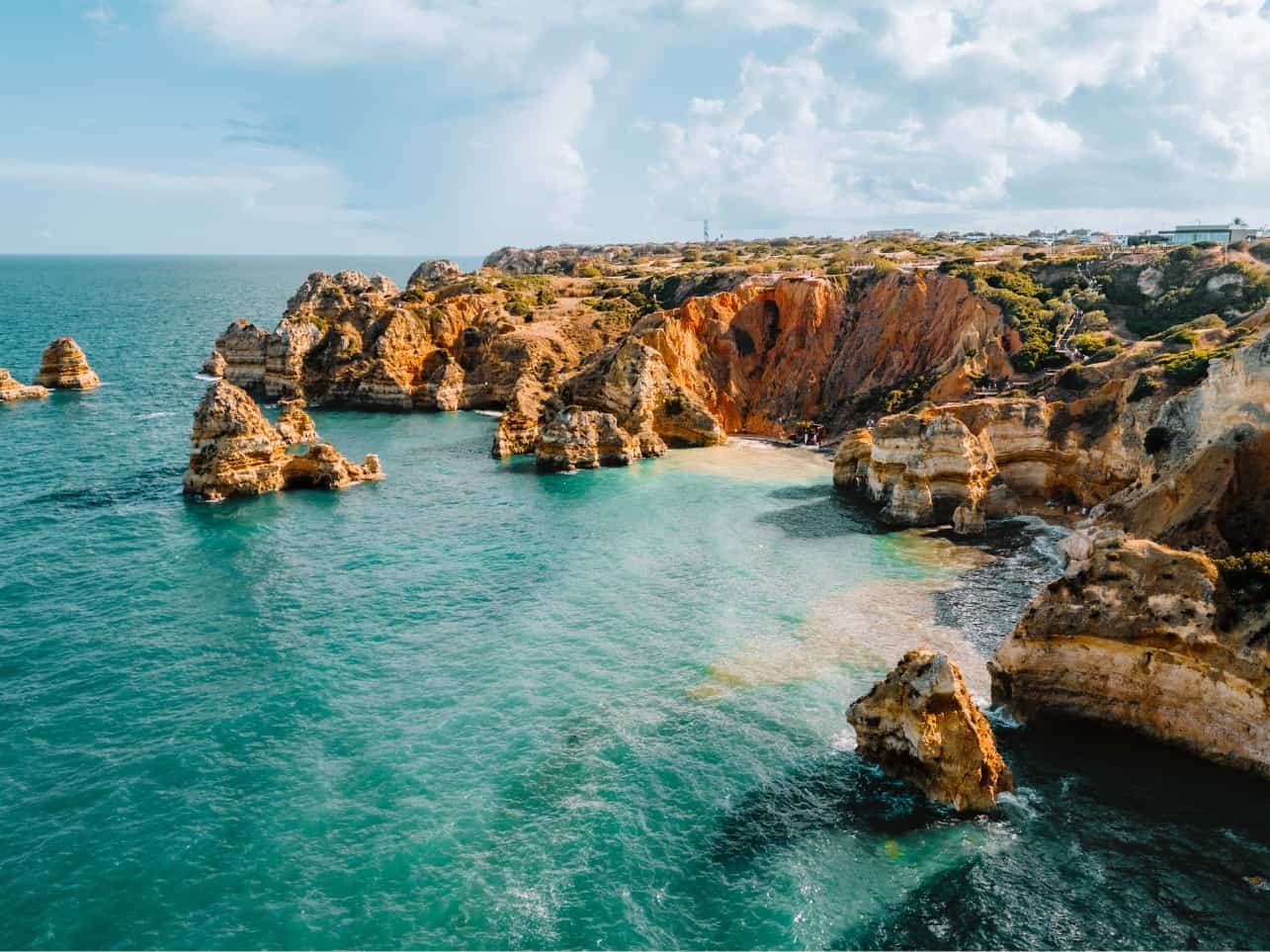
Lagos is for the thrill-seeker, the culture vulture, and the party animal ready to dive headfirst into chaos and vibrant energy, with a daily budget typically ranging from $70-$200. Abuja suits those looking for a more relaxed, organized experience, focusing on national landmarks and a calmer pace, often requiring $100-$250 per day due to higher baseline costs.
- Choose Lagos: Choose Lagos if you want an electrifying, authentic Nigerian experience rich in art, music, history, and unparalleled nightlife, and you're prepared for the fast-paced, often chaotic urban environment.
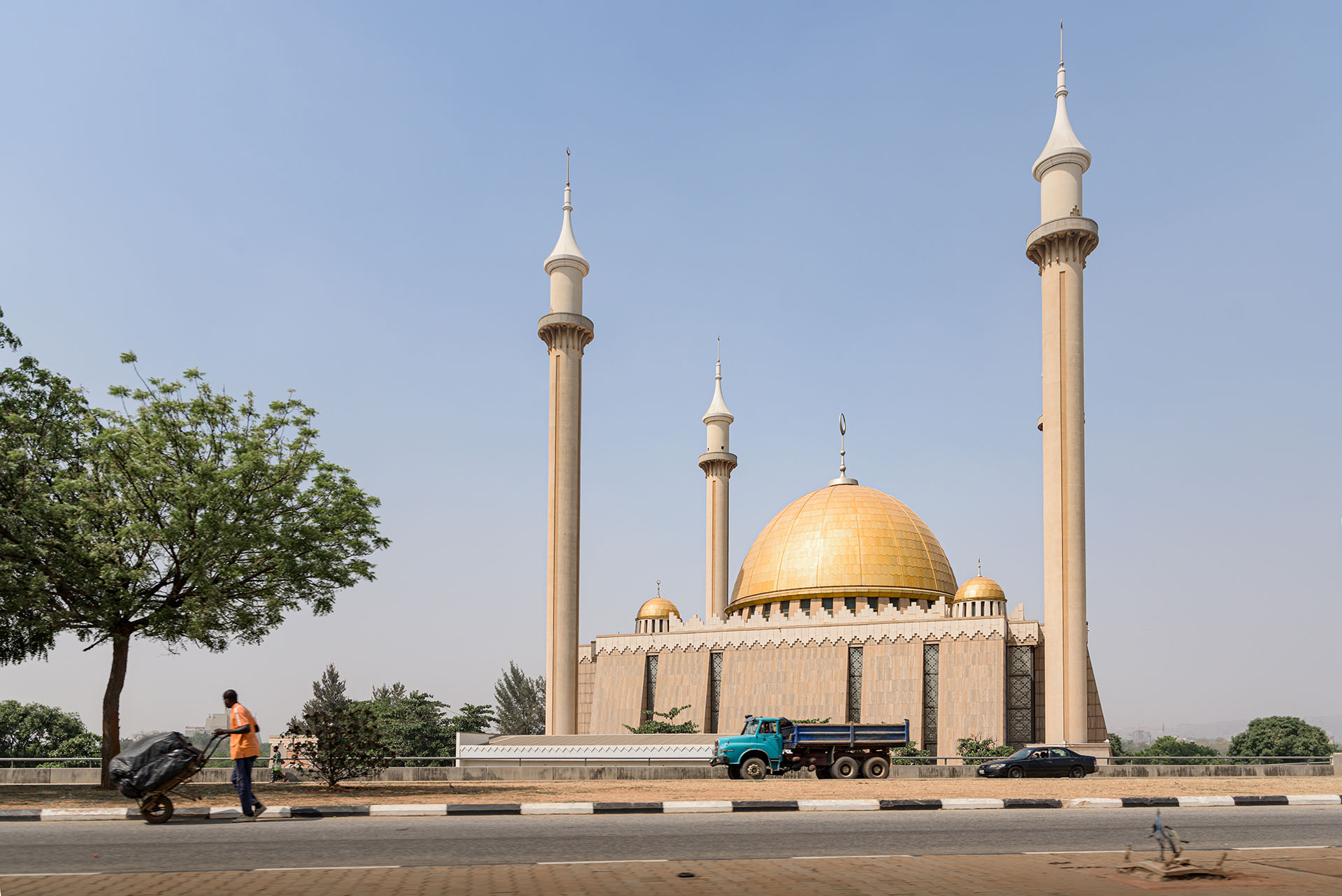
- Choose Abuja: Choose Abuja if you prioritize safety, order, modern amenities, and a more laid-back atmosphere, ideal for business travelers or those seeking a gentler introduction to Nigeria's contemporary side.
- Choose Both: If you have 7-10 days, splitting your time allows you to experience the best of both worlds – start with Lagos for its raw energy, then unwind in Abuja's tranquility, connected by a quick 1-hour flight.
Quick Comparison
| Category | Lagos | Abuja | Winner |
|---|---|---|---|
| Costs & Budget | Wide range, from super cheap street food to expensive luxury. Accommodation can be pricey in prime areas. | Generally higher baseline costs for food, accommodation, and transport. Less variability than Lagos. | Lagos |
| Nightlife | Unrivaled energy, diverse clubs, bars, and live music scenes, especially in Victoria Island and Lekki. | More laid-back, lounge-focused nightlife. Fewer large clubs, but good spots for a relaxed evening. | Lagos |
| Food Scene | Dynamic, diverse, from street food to fine dining. Strong international influence alongside rich local flavors. | Modern, sophisticated dining with a focus on Nigerian and international cuisine, but less street-level variety. | Lagos |
| Culture & History | Rich colonial history, vibrant art scene, music, and diverse ethnic influences. More raw and authentic. | Focus on national monuments, modern Nigerian identity, and planned city development. | Lagos |
| Beaches & Nature | Coastal city with popular beaches (Tarkwa Bay, Elegushi), but often crowded and not pristine. | No beaches, but boasts impressive natural landmarks like Aso Rock, Jabi Lake, and surrounding hills. | Abuja |
| Getting Around | Legendary traffic, but diverse options including ride-shares, 'danfos', and ferries for some routes. | Better road network, less traffic, primarily relies on ride-shares and private cars. | Abuja |
| Safety | Higher crime rates, requires vigilance, especially at night. Specific areas are generally safe. | Generally safer, more orderly, with a lower crime rate. Feels more secure for solo travelers. | Abuja |
| Accommodation | Vast range from budget to ultra-luxury, often concentrated in specific districts. | Fewer budget options, but excellent mid-range and luxury hotels with consistent quality. | Tie |
| Day Trips | Historical sites (Badagry), cultural towns (Abeokuta), and beach escapes. | Natural attractions (Gurara Waterfalls, Zuma Rock), cultural villages. | Tie |
| Digital Nomads | Vibrant tech scene, networking opportunities, abundant co-working spaces, but high cost of living. | More peaceful, better infrastructure, stable internet, but fewer networking events and higher baseline costs. | Lagos |
💸 Costs & Budget
Lagos offers a much wider spectrum for budget travelers, but can quickly become expensive for luxury. A decent meal at a local 'buka' might cost NGN 2,000-5,000 ($1.50-$4), while a fine dining experience at Shiro or Noir can easily set you back NGN 40,000-80,000 ($30-$60) per person. Local transport like 'danfo' buses are dirt cheap (NGN 300-1000 or $0.25-$0.80), but ride-shares (Uber/Bolt) for longer distances are NGN 3,000-15,000 ($2.50-$12). Accommodation ranges from NGN 30,000 ($25) for a basic guest house to NGN 150,000+ ($125+) for luxury hotels in Ikoyi or Victoria Island. Abuja, on the other hand, lacks the very cheap end of the spectrum. Eating out at a mid-range restaurant often starts at NGN 8,000-15,000 ($6.50-$12), and luxury dining is comparable to Lagos. Ride-shares are the primary mode of transport and feel more expensive for similar distances, typically NGN 4,000-20,000 ($3.50-$16). Budget hotels are harder to find, with mid-range options starting around NGN 60,000 ($50) and luxury hotels easily exceeding NGN 200,000 ($165). Overall, managing costs in Lagos requires savviness, but offers more savings potential. Abuja's more uniform pricing means less room for extreme budgeting. As one traveler put it, "Lagos, you can find a NGN 500 meal if you know where to look, but in Abuja, even street food feels like a proper restaurant price sometimes."
Winner takeaway
- Winner: Lagos
- Why: Lagos provides more flexibility for different budgets, allowing savvy travelers to experience the city without breaking the bank.
- Who this matters for: Budget-conscious travelers, backpackers, and those who enjoy local street food.
🎉 Nightlife
When it comes to nightlife, Lagos is the undisputed champion. The city truly comes alive after dark, particularly in areas like Victoria Island and Lekki. You'll find everything from high-energy clubs with top DJs like Quilox, Cubana, and Cova Lounge, where bottle service is king and the party lasts until dawn, to more intimate bars and lounges like RSVP or the beachside vibes at Hard Rock Cafe. Live music is a cornerstone of Lagosian nightlife, with venues like Bogobiri House showcasing incredible local talent, especially on jazz or Afrobeat nights. Expect to pay NGN 5,000-10,000 ($4-$8) for club entry (sometimes higher for special events), and drinks can range from NGN 3,000-8,000 ($2.50-$6.50). Abuja's nightlife is more subdued and sophisticated. While it has its share of vibrant spots, they tend to be more lounge or bar-focused rather than full-blown clubs. Places like The Traffic Bar, The Cube, or Transcorp Hilton's Sky Bar offer great cocktails and a chic atmosphere, often with a live band or DJ, but the energy rarely matches Lagos. Drink prices are comparable, sometimes slightly higher. "Lagos nightlife is just built different, man. You can literally party from Friday night straight to Sunday brunch without stopping. Abuja is chill, but it's not the same vibe at all," a Reddit user commented.
Winner takeaway
- Winner: Lagos
- Why: Lagos offers a more diverse, energetic, and immersive nightlife experience with a wider array of clubs, bars, and live music venues.
- Who this matters for: Party-goers, music lovers, and anyone looking for a vibrant social scene after dark.
🍲 Food Scene
Lagos boasts an incredibly dynamic and diverse food scene that caters to all tastes and budgets. From the iconic street food like 'suya' (spiced grilled meat) found on almost every corner for NGN 1,500-5,000 ($1.25-$4), to local 'buka' joints serving hearty plates of 'jollof rice' with chicken for NGN 2,500-6,000 ($2-$5), the authentic Nigerian flavors are abundant. Beyond local fare, Lagos has an impressive array of international restaurants: Japanese at Shiro, Italian at La Veranda, or contemporary African fusion at NOK by Alara. Fine dining experiences range from NGN 30,000-80,000 ($25-$65) per person. Abuja's food scene is more polished and modern, with many high-end restaurants located within hotels or upscale malls like Jabi Lake Mall. You'll find excellent Nigerian restaurants like Jevinik, and a good selection of international cuisines, but the street food culture is less pronounced and less accessible. The focus is more on established restaurants rather than spontaneous culinary discoveries. Expect to pay NGN 8,000-25,000 ($6.50-$20) for a good meal at a mid-range spot. While Abuja offers quality, Lagos simply has more breadth, depth, and raw culinary energy. As one Redditor noted, "Lagos has that chaotic street food magic, and then you can switch to a Michelin-star-worthy meal. Abuja is good, but it's more curated, less raw experience."
Winner takeaway
- Winner: Lagos
- Why: Lagos offers an unmatched culinary adventure, blending vibrant street food culture with an extensive range of international fine dining options.
- Who this matters for: Foodies, adventurous eaters, and those who appreciate both local delicacies and global cuisines.
🏛️ Culture & History
Lagos, being a port city and former capital, is steeped in history and pulsating with cultural dynamism. Explore colonial architecture in Broad Street, visit the National Museum Onikan (entry NGN 1,000-2,000 or $0.80-$1.60), delve into the transatlantic slave trade history in Badagry, or experience contemporary African art at the Nike Art Gallery (free entry, but art is for sale). The city is the birthplace of Afrobeat and continuously inspires Nigeria's music and film industries (Nollywood). Attending a live show at Freedom Park or the Muson Centre connects you directly to this vibrant heritage. Abuja, on the other hand, is a purpose-built capital, inaugurated in 1991. Its cultural offerings are more focused on national identity and modern achievements. Key sites include the Nigerian National Mosque, the National Christian Centre, the National Assembly, and the Aso Rock Presidential Villa (exterior view only). While impressive, these sites offer a different kind of cultural experience—one of national pride and modern governance, rather than centuries of organic development and diverse influences. There are art galleries and cultural centers, but they feel less ingrained in the city's fabric. "Lagos is where you *feel* Nigerian history and culture in your bones. Abuja is where you *see* Nigeria's future, but it lacks that old soul," a traveler shared.
Winner takeaway
- Winner: Lagos
- Why: Lagos provides a deeper, more organic, and historically rich cultural experience, reflecting centuries of diverse influences and artistic movements.
- Who this matters for: History buffs, art enthusiasts, and those seeking an authentic immersion into Nigerian heritage.
🏖️ Beaches & Nature
Lagos, being a coastal city, naturally has beaches. Popular options like Tarkwa Bay (accessible by boat, NGN 1,000-2,000 round trip or $0.80-$1.60) offer a relaxed island vibe away from the city bustle, while Elegushi Beach (entry NGN 2,000 or $1.60) is known for its lively atmosphere, music, and food stalls. However, Lagos beaches are often crowded, and cleanliness can be an issue. They are more about the social experience than pristine natural beauty. Abuja, despite being landlocked, offers a different kind of natural beauty. The most prominent feature is Aso Rock, the massive monolith that dominates the city's skyline. While you can't climb it, its presence is constant. Jabi Lake Park is a popular spot for recreation, offering boat rides, jet ski rentals (NGN 5,000-10,000 for 15-30 mins or $4-$8), and lakeside dining. The city is also surrounded by hills and green spaces, providing a sense of openness and tranquility. For nature lovers, Abuja's organized green spaces and impressive geological features offer a more serene and visually striking experience than Lagos's often-chaotic beachfronts. "If you want 'beach vibes,' Lagos has them, but if you want actual nature and scenery, Abuja hands down. Jabi Lake is surprisingly nice for a city, and Aso Rock is just majestic," a visitor commented.
Winner takeaway
- Winner: Abuja
- Why: Abuja wins for its more serene, accessible natural landmarks and well-maintained green spaces, offering a peaceful escape from urban life.
- Who this matters for: Nature lovers, those seeking tranquility, and families looking for recreational outdoor activities.
🚦 Getting Around
Navigating Lagos is an experience in itself, often described as a 'rite of passage.' Traffic, or 'go-slow' as it's known, is legendary and can turn a 20-minute journey into a 2-hour ordeal. However, the city offers a variety of transport options. Ride-sharing apps like Uber and Bolt are prevalent, with fares ranging from NGN 2,000-15,000 ($1.60-$12) depending on distance and surge pricing. Local 'danfo' buses are incredibly cheap (NGN 300-1,000 or $0.25-$0.80) but can be overwhelming for first-timers. Water transport (ferries) is an excellent way to bypass traffic for specific routes, e.g., from CMS to Ikorodu (NGN 800-1,500 or $0.65-$1.25). Abuja, in stark contrast, is a planned city with wide, well-maintained roads and significantly less traffic congestion. Getting around is much smoother and more predictable. Ride-sharing apps are the dominant form of public transport for visitors, and fares are generally higher than Lagos for comparable distances, often starting around NGN 3,000 ($2.50) for a short trip and easily reaching NGN 20,000 ($16) for longer ones. Public buses exist but are not as comprehensively used by visitors. The ease and speed of movement in Abuja make it a clear winner for convenience. "Lagos traffic is a beast, plain and simple. You plan your day around it. Abuja, you just hop in an Uber and you're there. No contest," a frequent business traveler shared.
Winner takeaway
- Winner: Abuja
- Why: Abuja's superior road network and significantly less traffic congestion make getting around much faster, easier, and less stressful.
- Who this matters for: Business travelers, those on a tight schedule, and anyone who values smooth, efficient transportation.
🛡️ Safety
Safety is a major consideration for any traveler to Nigeria, and here Abuja generally holds the edge. As a planned capital city, Abuja benefits from a more visible security presence, better infrastructure, and a generally lower crime rate compared to Lagos. While petty crime can occur anywhere, the overall atmosphere in Abuja feels more secure, especially in areas frequented by tourists and expatriates. Walking around during the day feels relatively safe, and night-time activities are less fraught with concern, though common sense precautions are always advised. Lagos, being a sprawling mega-city with a much larger population and more pronounced economic disparities, has higher crime rates. Petty theft, pickpocketing, and scams are more common, particularly in crowded areas like markets or bus stops. Night-time travel requires particular caution, and it's advisable to use reputable ride-shares and avoid walking alone in unfamiliar areas. However, affluent neighborhoods like Ikoyi, Victoria Island, and Lekki Phase 1 are generally well-patrolled and safer. Travelers often recommend keeping a low profile and not openly displaying valuables in Lagos. "In Abuja, I felt comfortable walking alone in the evening to get dinner. In Lagos, I wouldn't even consider it unless I was in a very specific, well-known spot, and even then, I'd be looking over my shoulder," a solo female traveler recounted.
Winner takeaway
- Winner: Abuja
- Why: Abuja offers a generally safer and more secure environment, making it a more comfortable destination for many travelers, especially solo adventurers.
- Who this matters for: Solo travelers, families, first-time visitors to Nigeria, and those prioritizing personal security.
🏨 Accommodation
Both cities offer a wide range of accommodation, but with different characteristics. Lagos provides an extensive selection, from budget guesthouses starting around NGN 30,000 ($25) to boutique hotels like The Wheatbaker (NGN 200,000+ or $165+) and major international chains like Eko Hotels & Suites (NGN 150,000+ or $125+). However, quality can vary wildly, and mid-range options sometimes feel overpriced for what they offer. The best areas for hotels are typically Victoria Island, Ikoyi, and Lekki. Abuja, on the other hand, boasts a more consistent standard, particularly in the mid-range and luxury segments. You'll find excellent value at reputable hotels like Transcorp Hilton Abuja (NGN 180,000+ or $150+) or Fraser Suites Abuja (NGN 160,000+ or $135+). Budget options are scarcer and often not as well-reviewed as their Lagos counterparts. What Abuja lacks in budget breadth, it makes up for in often superior service and amenities at a comparable price point in the mid-to-high tiers. "If I want cheap and cheerful, Lagos has more options. But for reliable, clean, good-value mid-range, Abuja nails it every time. I've had some shockingly bad 'mid-range' hotels in Lagos that cost a fortune," a frequent business traveler observed. This category is a tie as it depends heavily on budget and preferred style.
Winner takeaway
- Winner: Tie
- Why: Both cities offer compelling options, with Lagos providing more budget variety and Abuja delivering more consistent quality in the mid-to-luxury segments.
- Who this matters for: Varies by budget: Lagos for extreme budget or ultra-luxury, Abuja for reliable mid-range and high-end consistency.
🚗 Day Trips
Both Lagos and Abuja offer interesting day trip opportunities, appealing to different interests. From Lagos, a popular and historically significant day trip is to Badagry (about 2-3 hours drive, NGN 20,000-40,000 for a hired car or $16-$33), the historical 'Point of No Return' of the transatlantic slave trade. It offers a poignant look into Nigeria's past with museums and monuments. Another excellent option is Abeokuta, home to Olumo Rock (entry NGN 1,000-2,000 or $0.80-$1.60), a massive sacred rock with caves and a rich Egba history, about 1.5-2 hours drive. Abuja's day trips lean more towards natural wonders. Gurara Waterfalls (about 1.5 hours drive, NGN 5,000-10,000 for a car or $4-$8) is a stunning cascade, especially impressive during the rainy season, offering opportunities for picnics and relaxation. Zuma Rock, the iconic monolith visible from afar, is also a popular stop for photos and local lore (about 1 hour drive). While climbing is discouraged, its imposing presence is a marvel. Keffi, with its ancient walls, offers a glimpse into local culture too. Both cities provide distinct, enriching experiences outside the urban core, making this a tie based on preference. "Lagos's day trips feel more historical and cultural. Abuja's are more about getting into nature and seeing geological wonders. Both are great, just different vibes entirely," a Reddit user commented, highlighting the subjective nature of choice here.
Winner takeaway
- Winner: Tie
- Why: Both cities offer compelling and distinct day trip options, catering to different interests, from history and culture to natural wonders.
- Who this matters for: History buffs and culture seekers for Lagos; nature lovers and adventurers for Abuja.
💻 Digital Nomads
For digital nomads, Lagos offers an undeniable energy and a burgeoning tech ecosystem. It's the hub for startups, innovators, and creatives, meaning unparalleled networking opportunities. Co-working spaces like CapitalSquare (NGN 15,000-30,000/week or $12-$25) or Workstation (NGN 20,000-40,000/week or $16-$33) are plentiful, often with reliable internet and power. The cost of living can be high, especially for good accommodation (NGN 100,000-300,000/month for a decent apartment or $80-$250), but local food and transport can balance it out. The constant buzz and entrepreneurial spirit are contagious. Abuja presents a different appeal. It's calmer, more organized, and generally has better infrastructure, including more stable electricity and less traffic, which can be a huge plus for productivity. Co-working spaces exist (e.g., The Ventures Park, NGN 20,000-35,000/week or $16-$29), but they are fewer and often lack the same vibrant community as Lagos. The social and networking scene for nomads is also less developed. While the baseline cost of living can be higher for everyday essentials, the peace and quiet might appeal to those who prioritize focus over frenetic activity. However, for a holistic digital nomad experience with growth opportunities, Lagos edges it out. "Lagos is where things are happening, where you meet people and feel the pulse of the market. Abuja is great for getting work done without distractions, but it's not where the *scene* is for nomads looking to grow their network," one nomad explained.
Winner takeaway
- Winner: Lagos
- Why: Lagos's vibrant tech ecosystem, abundant co-working spaces, and endless networking opportunities make it the superior choice for digital nomads seeking growth and community.
- Who this matters for: Entrepreneurs, tech professionals, creatives, and those seeking a dynamic professional and social scene.
❓ Frequently Asked Questions
Which city is better for a first-time visitor to Nigeria?
Abuja is generally recommended for first-time visitors due to its more organized layout, lower crime rate, and relaxed atmosphere. It provides a gentler introduction to Nigeria, allowing visitors to get accustomed to the country's pace and culture before potentially venturing into the bustling chaos of Lagos.
Is it safe to travel between Lagos and Abuja?
Yes, flying is the safest and most recommended way to travel between Lagos and Abuja. Numerous domestic airlines offer daily flights, taking approximately 1 hour. Road travel, while possible, is not advised due to security concerns and the poor condition of some roads.
What's the best time of year to visit either city?
The dry season, from November to March, is generally the best time to visit both cities. The weather is milder with less humidity, and there's less rainfall, making it ideal for exploring outdoors and navigating the cities without heavy downpours disrupting plans. Temperatures hover around 30-35°C.
Can I use public transport in Lagos and Abuja?
In Lagos, 'danfo' buses are abundant and cheap but can be chaotic. Ferries are great for bypassing traffic. In both cities, ride-sharing apps like Uber and Bolt are widely available, reliable, and highly recommended for tourists due to convenience and safety, though they are more expensive.
Do I need a visa to visit Nigeria?
Yes, most foreign nationals require a visa to enter Nigeria. It's essential to apply for your visa well in advance through the Nigerian embassy or consulate in your home country. Visa requirements and processing times can vary, so plan accordingly.
What are the internet and electricity like?
Internet access is generally good in both cities, especially in hotels, co-working spaces, and upscale cafes. Mobile data (4G/5G) is widely available. Electricity supply can be inconsistent in both cities, but most hotels and businesses have generators to ensure continuous power.
What local etiquette should I be aware of?
Nigerians are generally warm and hospitable. Politeness is highly valued; always greet people, especially elders. Dressing modestly, particularly outside major urban centers or when visiting religious sites, is respectful. Always ask permission before taking photos of people.
Are there good options for vegetarian/vegan food?
While traditional Nigerian cuisine is heavily meat-based, both cities offer options. In Lagos, you'll find more international restaurants catering to these diets. In both, look for dishes like 'jollof rice' (ensure no meat stock), 'akara' (bean cakes), 'moi-moi' (steamed bean pudding), and various vegetable soups, always clarifying ingredients.
Ready to plan your Nigeria trip?
Get a free custom itinerary for Lagos, Abuja, or both — built from real traveler insights.
🎟️ Book Tours & Experiences
Hand-picked tours and activities for both destinations — book with free cancellation
Experiences via Viator — free cancellation on most tours