How we built this comparison
This page combines traveler discussion patterns, published price ranges, flight schedules, and seasonal data to help you decide between Lake District and Cotswolds.
- Reviewed 50+ Reddit threads from r/travel, r/solotravel, r/UKtravel, r/Cotswolds, and r/lakeland.
- Verified costs and logistics against current booking platforms like Booking.com, National Rail, and local tour operators.
- Cross-referenced seasonal patterns and weather data from Met Office and local tourism boards.
- Incorporated personal travel experiences and insights from frequent UK visitors.
⚡ The TL;DR Verdict
Choose the Lake District for dramatic, rugged scenery and adventurous outdoor pursuits, ideal for a daily budget of £100-£200 ($125-$250) if you're active. Opt for the Cotswolds if you dream of picturesque villages, gentle strolls, and refined country charm, with a daily budget typically ranging from £120-£250+ ($150-$315+).
- Choose Lake District: Perfect for hikers, outdoor enthusiasts, and those seeking dramatic natural beauty. If you love mountains, lakes, and a more rugged experience, often at a slightly lower cost than the Cotswolds, this is your pick. Best for active travelers seeking solitude or adventure.
- Choose Cotswolds: Ideal for travelers desiring quintessential English charm, gentle walks, exquisite villages, and luxurious stays. If you prefer quaint tea rooms, antique shopping, and postcard-perfect landscapes without intense physical exertion, the Cotswolds will enchant you. Great for couples or those seeking a relaxing, aesthetically pleasing getaway.
- Choose Both: While geographically distinct, you could combine them into a longer, immersive 7-10 day UK trip, perhaps starting in London, heading to the Cotswolds for 3-4 days, then taking a train (e.g., from Moreton-in-Marsh to Oxenholme via Birmingham) to the Lake District for another 3-4 days. This offers a comprehensive taste of diverse English countryside.
Quick Comparison
| Category | Lake District | Cotswolds | Winner |
|---|---|---|---|
| Nature & Scenery | Dramatic mountains, deep glacial lakes, and expansive fells. Rugged and wild. | Gentle rolling hills, honey-colored stone villages, and serene river valleys. Manicured and picturesque. | Lake District |
| Activities & Adventure | Premier destination for hiking, climbing, water sports, and mountain biking. | Gentle walks, cycling on quiet roads, garden visits, and village exploration. | Lake District |
| Charming Villages & Towns | Quaint, functional towns like Ambleside, Keswick, Grasmere, catering to outdoor pursuits. | Iconic, picture-perfect honey-stone villages like Bibury, Bourton-on-the-Water, Chipping Campden. | Cotswolds |
| Food & Drink | Hearty pub fare, local lamb, sticky toffee pudding, and artisanal produce. | Gastropubs, farm-to-table restaurants, artisan markets, and sophisticated dining. | Cotswolds |
| Accommodation | Wide range from budget hostels to luxury hotels, charming B&Bs, and self-catering cottages. | Emphasis on boutique hotels, luxury inns, manor houses, and quaint B&Bs, often pricier. | Cotswolds |
| Costs & Budget | Generally slightly more budget-friendly, especially for activities and self-catering. | Often perceived as more expensive, with higher prices for accommodation and dining. | Lake District |
| Getting There & Around | Train to Oxenholme then local connections; a car is highly recommended for flexibility. | Train to Moreton-in-Marsh or Kemble from London; easier to get around by car, but small group tours are viable. | Cotswolds |
| Weather & Seasons | More prone to rain, cooler temperatures, and unpredictable mountain weather year-round. | Generally milder, with pleasant summers and less extreme weather, though still typical UK variability. | Cotswolds |
| Culture & History | Literary heritage (Wordsworth, Beatrix Potter), industrial history, ancient stone circles. | Rich Roman and medieval history, stately homes, wool trade legacy, market towns. | Cotswolds |
| Solo Travel & Serenity | Ideal for seeking solitude, challenging hikes, and personal reflection in vast landscapes. | Great for gentle exploration, independent village hopping, and peaceful relaxation. | Lake District |
⛰️ Nature & Scenery
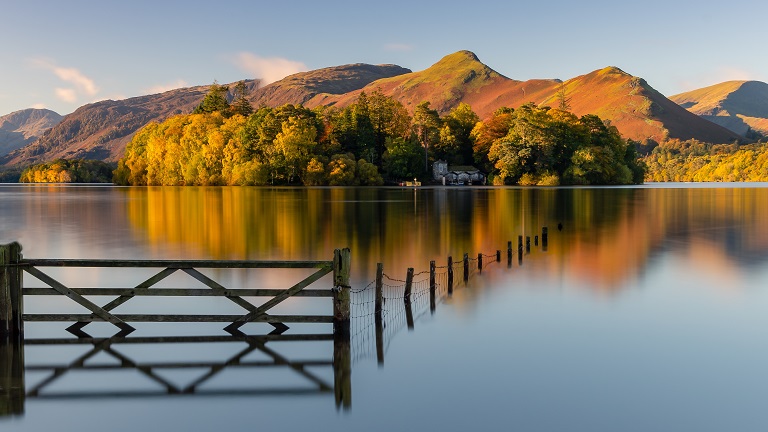
The Lake District boasts England's highest peaks, including Scafell Pike, and stunning bodies of water like Windermere and Ullswater. Its landscape is one of raw, untamed beauty, perfect for those who want to feel truly immersed in nature's grandeur. Think dramatic vistas around Buttermere or the wildness of Langdale Valley. It's a place where the weather adds to the drama, often creating moody, atmospheric scenes. Meanwhile, the Cotswolds offers a softer, more manicured beauty. Its 'AONB' (Area of Outstanding Natural Beauty) status truly highlights its gentle, rolling wolds, ancient woodlands, and iconic golden stone villages like Bibury, often described as 'the most beautiful village in England.' It's less about towering peaks and more about idyllic pastoral scenes, thatched cottages, and meandering streams. While both are beautiful, the sheer scale and variety of the Lake District's natural features give it an edge for those seeking awe-inspiring landscapes. "Honestly, the views from Catbells in the Lakes just hit different. You feel tiny and alive, way more than any gentle hill walk." The Lake District offers a more profound connection to wild, epic landscapes.
Winner takeaway
- Winner: Lake District
- Why: The Lake District wins for its dramatic, varied, and awe-inspiring rugged natural landscapes.
- Who this matters for: Hikers, photographers, and anyone seeking epic, untamed natural beauty.
🚣 Activities & Adventure
If your idea of a vacation involves getting your heart rate up, the Lake District is unparalleled. From challenging climbs up Helvellyn or Great Gable to exploring the vast network of hiking trails, there's an adventure for every fitness level. You can rent kayaks or paddleboards on Windermere (around £20-£30/$25-$38 per hour) or try wild swimming in one of the many tarns. Mountain biking trails abound, like those near Grizedale Forest. Equipment rental is readily available in towns like Ambleside or Keswick. The Cotswolds, conversely, leans towards gentler pursuits. Think leisurely strolls along the Cotswold Way, visiting world-renowned gardens like Hidcote Manor Garden (entry around £16/$20), or cycling between charming villages on quiet country lanes. While you can certainly walk, the terrain is far less challenging, focusing more on scenic beauty than physical exertion. "I spent a week in the Lakes just hiking and wild swimming, felt like a proper adventure. Cotswolds was more about afternoon tea and admiring roses." The Lake District clearly caters to the more active and adventurous traveler.
Winner takeaway
- Winner: Lake District
- Why: The Lake District offers a vast array of high-octane outdoor and adventure activities.
- Who this matters for: Adrenaline junkies, outdoor enthusiasts, and active travelers.
🏘️ Charming Villages & Towns
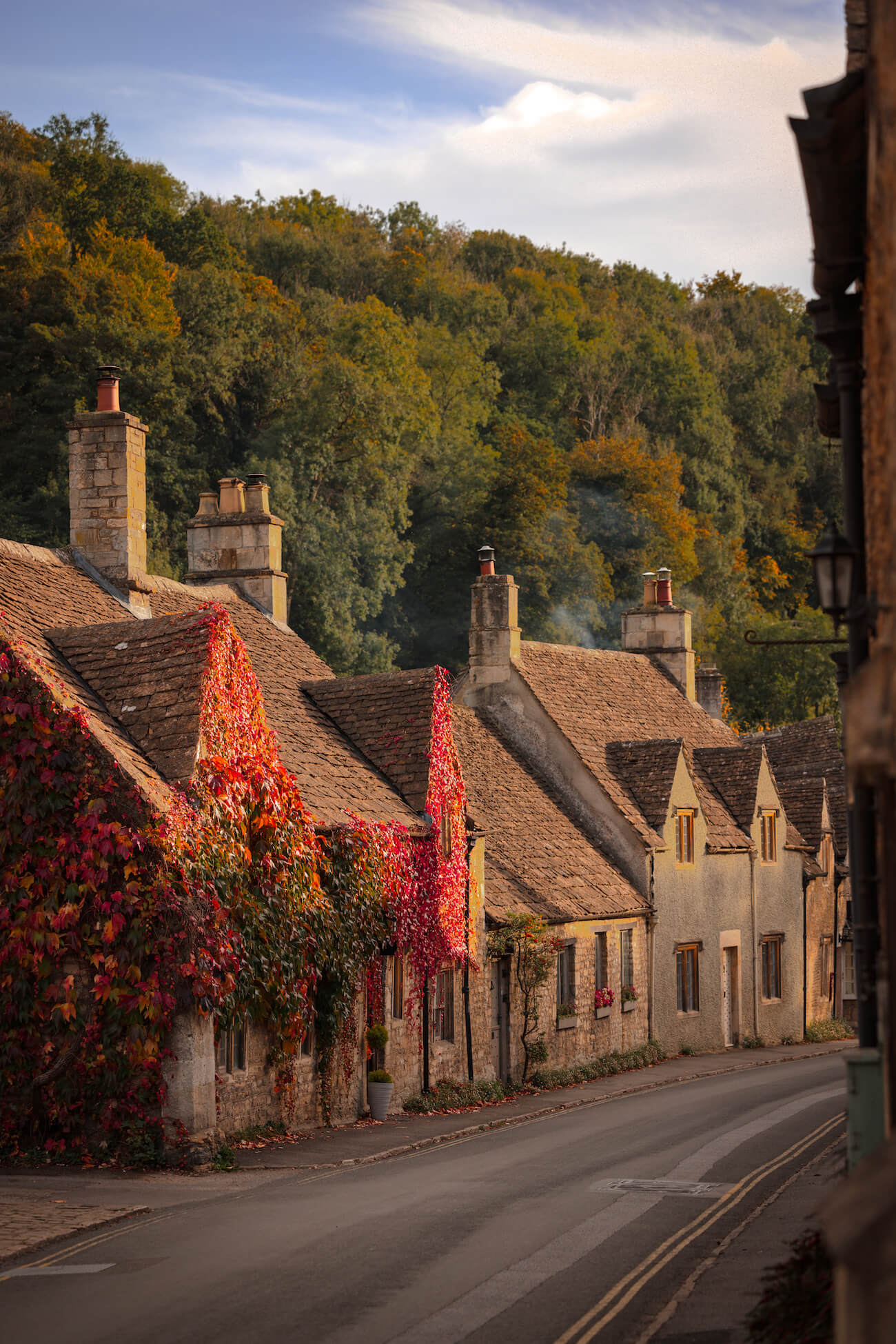
The Cotswolds truly excels in its sheer density of aesthetically perfect villages. Places like Bibury with Arlington Row, Bourton-on-the-Water (the 'Venice of the Cotswolds' with its low bridges and river Windrush), and Castle Combe consistently top lists of England's most beautiful spots. Each village often features historic pubs, independent shops, and a cohesive architectural style that feels like stepping back in time. You can spend an entire day simply wandering, stopping for cream tea (approx. £8-£12/$10-$15) at a place like The Old Bakery Tea Room in Stow-on-the-Wold. Lake District towns, while charming, often feel more functional, serving as hubs for outdoor activities. Ambleside and Keswick are bustling with gear shops, pubs, and B&Bs, while Grasmere has its famous gingerbread and Wordsworth connections. They have character but lack the consistent, 'storybook' perfection of the Cotswolds. "Cotswolds villages are like a postcard come to life; Lakes towns feel more like a basecamp for hiking." If your primary goal is to soak in the atmosphere of quintessential English villages, the Cotswolds is the undisputed champion.
Winner takeaway
- Winner: Cotswolds
- Why: The Cotswolds boasts an unparalleled collection of consistently picturesque, storybook-perfect villages.
- Who this matters for: Culture vultures, photographers, and those seeking 'olde worlde' English charm.
🍽️ Food & Drink
Both regions offer excellent pub experiences, but the Cotswolds takes the edge for its more refined and diverse culinary scene. The region is dotted with award-winning gastropubs like The Wild Rabbit in Kingham or The Ebrington Arms, offering sophisticated menus with locally sourced ingredients. You'll find a strong 'farm-to-table' ethos, with many restaurants showcasing regional produce. High-end dining is also more prevalent, often found in luxury country house hotels, where a tasting menu might cost £70-£100+ ($90-$125+). Artisan food markets and delis are common. The Lake District, while having fantastic options like The Old Stamp House (Michelin-starred in Ambleside, tasting menu around £100/$125), generally focuses more on hearty, comforting fare—think Cumberland sausage, Lakeland lamb, and the iconic sticky toffee pudding. Its pub scene is robust, perfect for refuelling after a hike, but the overall culinary landscape feels slightly less sophisticated than the Cotswolds. "The gastropubs in the Cotswolds are next level; you could eat like royalty every night without breaking the bank too much if you pick wisely." For a broader range of high-quality dining experiences, the Cotswolds is the winner.
Winner takeaway
- Winner: Cotswolds
- Why: The Cotswolds offers a more diverse and refined culinary scene, with a stronger emphasis on gastropubs and farm-to-table dining.
- Who this matters for: Foodies, couples seeking romantic dinners, and those who appreciate sophisticated country dining.
🛌 Accommodation
While both regions offer a spectrum of choices, the Cotswolds tends to have a higher concentration of truly luxurious and impeccably designed boutique hotels and manor houses. Properties like The Lygon Arms in Broadway or Thyme in Southrop offer exquisite stays, often with price tags upwards of £250-£500+ ($315-$630+) per night. Even mid-range B&Bs in picturesque villages can command prices of £150-£250 ($190-$315) due to demand and location. The Lake District also has luxury options like The Gilpin Hotel & Lake House (starting around £300/$380), but its overall accommodation landscape feels more geared towards practical, comfortable stays for outdoor adventurers. You'll find plenty of traditional B&Bs (around £90-£150/$115-$190), guest houses, and a good selection of hostels (e.g., YHA Ambleside for £25-£40/$30-$50 per night) that cater to budget-conscious hikers. "For that 'treat yourself' luxury country escape, Cotswolds just has more options that perfectly fit the aesthetic." The Cotswolds edges out for its sheer volume of high-end, aesthetically integrated accommodation options that truly complement the region's charm.
Winner takeaway
- Winner: Cotswolds
- Why: The Cotswolds offers a wider and more concentrated selection of high-end, luxury, and aesthetically charming accommodations.
- Who this matters for: Luxury travelers, couples on romantic getaways, and those prioritizing unique, upscale stays.
💰 Costs & Budget
Neither destination is 'cheap' by UK standards, but the Lake District generally offers more opportunities to save money, particularly if you're an active traveler. Hiking is free, and wild camping (with permission or in appropriate spots) is an option. Hostels are more prevalent and affordable (e.g., YHA from £25/$30). While fine dining exists, good pub meals are often around £15-£25 ($19-$30). Fuel costs will be similar. In the Cotswolds, the 'premium' feel often translates into higher prices across the board. Accommodation in a charming B&B or hotel can easily start from £120-£150 ($150-$190) even outside peak season. Dining in gastropubs or restaurants frequently sees main courses in the £20-£35 ($25-$44) range. Activities often involve paid entries to gardens or stately homes (typically £15-£20/$19-$25). "I found I could do a solid day of hiking and eat well in the Lakes for less than a leisurely day in the Cotswolds visiting a garden and having cream tea." If you're conscious about your budget, the Lake District provides more avenues for cost-saving, especially if you lean into its free outdoor activities.
Winner takeaway
- Winner: Lake District
- Why: The Lake District generally offers more budget-friendly options, especially for activities and accommodation.
- Who this matters for: Budget-conscious travelers, solo adventurers, and groups looking to save on activities.
🚗 Getting There & Around
Getting to the Cotswolds from London is relatively straightforward. Direct trains from London Paddington can reach Moreton-in-Marsh or Kemble in about 1.5-2 hours (tickets from £30-£60/$38-$75 return if booked in advance). From these hubs, you can rent a car, take local taxis, or join small group tours that visit multiple villages in a day (e.g., Cotswolds Day Tours, around £45-£60/$57-$75). While a car offers maximum flexibility, it's possible to experience the Cotswolds without one if you plan carefully. The Lake District, however, presents more logistical challenges without a personal vehicle. The main train station is Oxenholme (The Lake District), reachable from London Euston in about 2.5-3 hours (tickets from £40-£80/$50-$100 return). From Oxenholme, you'll need to transfer to local trains (to Windermere) or buses, which can be infrequent, especially to more remote areas. "Trying to rely on buses in the Lake District without a car was a nightmare; felt like I missed so much." For exploring the diverse fells and valleys, a car is almost essential in the Lake District. The Cotswolds offers slightly better accessibility and touring options for those preferring not to drive.
Winner takeaway
- Winner: Cotswolds
- Why: The Cotswolds offers better public transport links from major cities and more viable options for touring without a car.
- Who this matters for: Travelers without a car, those relying on public transport, and first-time UK visitors.
☀️ Weather & Seasons
The Lake District is renowned for its stunning, often dramatic, weather, but this usually means more rain and cooler temperatures throughout the year. Nestled amongst high fells, it experiences higher rainfall than much of the UK, with average annual rainfall often exceeding 2,000mm in some areas. Summer temperatures average around 15-18°C (59-64°F), but can drop significantly higher up. Be prepared for 'four seasons in one day' and pack waterproofs and layers, even in July. The Cotswolds, situated further south and in a less mountainous region, generally enjoys milder weather. Summers are pleasantly warm, averaging 20-23°C (68-73°F), making it ideal for garden visits and village strolls. While still susceptible to typical British unpredictability, it experiences significantly less rainfall and fewer extreme weather events than the Lake District. "I got absolutely drenched hiking in the Lakes in August, but the Cotswolds felt consistently sunny and warm during my trip last May." For more reliably pleasant weather, especially if you're not planning high-altitude hikes, the Cotswolds offers a more comfortable experience.
Winner takeaway
- Winner: Cotswolds
- Why: The Cotswolds generally experiences milder temperatures and less rainfall, offering more reliably pleasant weather.
- Who this matters for: Travelers sensitive to cold/rain, those planning outdoor activities that prefer sun, and garden enthusiasts.
🏛️ Culture & History
The Lake District boasts a strong literary heritage, most famously with William Wordsworth (Dove Cottage, Grasmere, entry ~£10/$12) and Beatrix Potter (Hill Top Farm, Near Sawrey, entry ~£14/$17). You can also explore ancient stone circles like Castlerigg and learn about its industrial past, particularly slate mining. It's a history rooted in people's connection to the land and artistic inspiration. The Cotswolds, however, offers a broader and more visibly preserved historical tapestry. Its history spans from Roman Britain (Bath, though technically just outside, is an easy day trip) through its wealthy medieval wool trade era, evident in the grand 'wool churches' like St. James' in Chipping Campden. You'll find numerous stately homes and castles open to the public, such as Blenheim Palace (entry ~£38/$48 for adults), Sudeley Castle, and Highgrove Gardens (booking essential, prices vary). The very architecture of its villages tells a story of centuries-old prosperity. "The Cotswolds feels like living history with all the old manors and market halls, whereas the Lakes history is more about specific figures and nature's influence." For a diverse and tangible historical experience, the Cotswolds is more enriching.
Winner takeaway
- Winner: Cotswolds
- Why: The Cotswolds offers a richer, more diverse, and visibly preserved historical landscape, from Roman times to grand stately homes.
- Who this matters for: History buffs, architecture enthusiasts, and those interested in stately homes and gardens.
🧘 Solo Travel & Serenity
For the solo traveler seeking true solitude and a chance to deeply connect with nature, the Lake District is an unbeatable choice. You can embark on challenging day hikes where you might encounter few other people for hours, finding immense peace amidst the fells and valleys. There's a strong sense of self-reliance and achievement to be found here. Many B&Bs and hostels cater to solo travelers, and the hiking community is generally friendly and welcoming. While the Cotswolds can certainly be serene, particularly in less-visited villages or during off-peak times, its charm often lies in shared experiences – browsing shops, enjoying afternoon tea, or people-watching. It's more about a gentle, aesthetic tranquility. "As a solo hiker, the Lakes gave me that profound sense of peace and accomplishment, pushing myself in incredible scenery, which I didn't find as much just wandering cute Cotswolds villages." The Lake District offers a more profound and immersive experience for solo travelers yearning for quiet self-reflection and connection with wild landscapes.
Winner takeaway
- Winner: Lake District
- Why: The Lake District provides greater opportunities for true solitude, challenging self-reflection, and immersive nature experiences for solo travelers.
- Who this matters for: Solo adventurers, introspective travelers, and those seeking escape and personal challenge.
❓ Frequently Asked Questions
What's the best time of year to visit either region?
Late spring (May-June) and early autumn (September-October) are generally best for both. The weather is milder, and tourist crowds are thinner than in peak summer. Summer (July-August) offers the warmest weather but also the most visitors and highest prices. Winter can be beautiful but challenging with shorter days and potentially harsh weather, especially in the Lake District.
Is a car essential for visiting these regions?
A car is highly recommended for both, offering maximum flexibility. For the Lake District, it's almost essential to access trailheads and remote areas. For the Cotswolds, while public transport links to major towns exist, exploring the smaller, charming villages is much easier with a car. Small group tours can be a good alternative in the Cotswolds if you don't want to drive.
How many days should I allocate for a trip to the Lake District or Cotswolds?
For a meaningful visit to either, I'd recommend a minimum of 3-4 full days. This allows enough time to explore key areas, enjoy activities, and soak in the atmosphere without feeling rushed. If you want to delve deeper, especially for extensive hiking in the Lake District or visiting more villages and stately homes in the Cotswolds, consider 5-7 days.
Are these destinations suitable for families with children?
Absolutely! The Lake District offers active families opportunities for boating, easy walks, and Beatrix Potter attractions. The Cotswolds is wonderful for families who enjoy gentle walks, exploring castles, animal parks (like Cotswold Wildlife Park), and charming village visits. Both regions have attractions catering to various age groups, though the Lake District might appeal more to older, more active children.
How difficult are the hiking trails in each region?
The Lake District has a vast range, from gentle lakeside strolls suitable for all abilities (e.g., around Tarn Hows) to strenuous mountain ascents (like Scafell Pike) requiring good fitness and navigation skills. The Cotswolds offers mostly gentle, rolling walks along public footpaths and the Cotswold Way, suitable for families and casual hikers, with fewer challenging climbs.
What are the local food specialties I should try?
In the Lake District, don't miss Cumberland sausage, Herdwick lamb, Grasmere gingerbread, and sticky toffee pudding. The Cotswolds is known for its excellent gastropubs, locally sourced ingredients (especially cheeses and artisanal bread), and delicious cream teas. Both regions also boast fantastic local ales and ciders.
Can I do a day trip to either from London?
A day trip to the Cotswolds from London is feasible, though long, typically involving a train to Moreton-in-Marsh and then a tour or taxi. However, it only scratches the surface. A day trip to the Lake District from London is generally not recommended due to the long travel time (5-6 hours return by train alone); it requires at least an overnight stay to be worthwhile.
Which destination is better for photography?
Both offer incredible photographic opportunities, but for different aesthetics. The Lake District excels with dramatic landscapes, moody weather, and epic vistas perfect for landscape photographers. The Cotswolds provides idyllic, postcard-perfect village scenes, charming architecture, and gentle pastoral settings, ideal for capturing quaint English life and architectural beauty. Your preference depends on your photographic style.
Ready to plan your English escape?
Get a free custom itinerary for Lake District, Cotswolds, or both — built from real traveler insights.
🎟️ Book Tours & Experiences
Hand-picked tours and activities for both destinations — book with free cancellation
Experiences via Viator — free cancellation on most tours