How we built this comparison
This page combines traveler discussion patterns, published price ranges, flight schedules, and seasonal data to help you decide between Lakshadweep and Maldives.
- Reviewed 50+ Reddit threads from r/travel, r/solotravel, r/IndiaTravel, r/Maldives, and related subreddits.
- Verified costs and logistics against current booking platforms (e.g., Agoda, Booking.com, resort websites, airline pricing).
- Cross-referenced seasonal patterns, weather data, and official tourism board information for both destinations.
⚡ The TL;DR Verdict
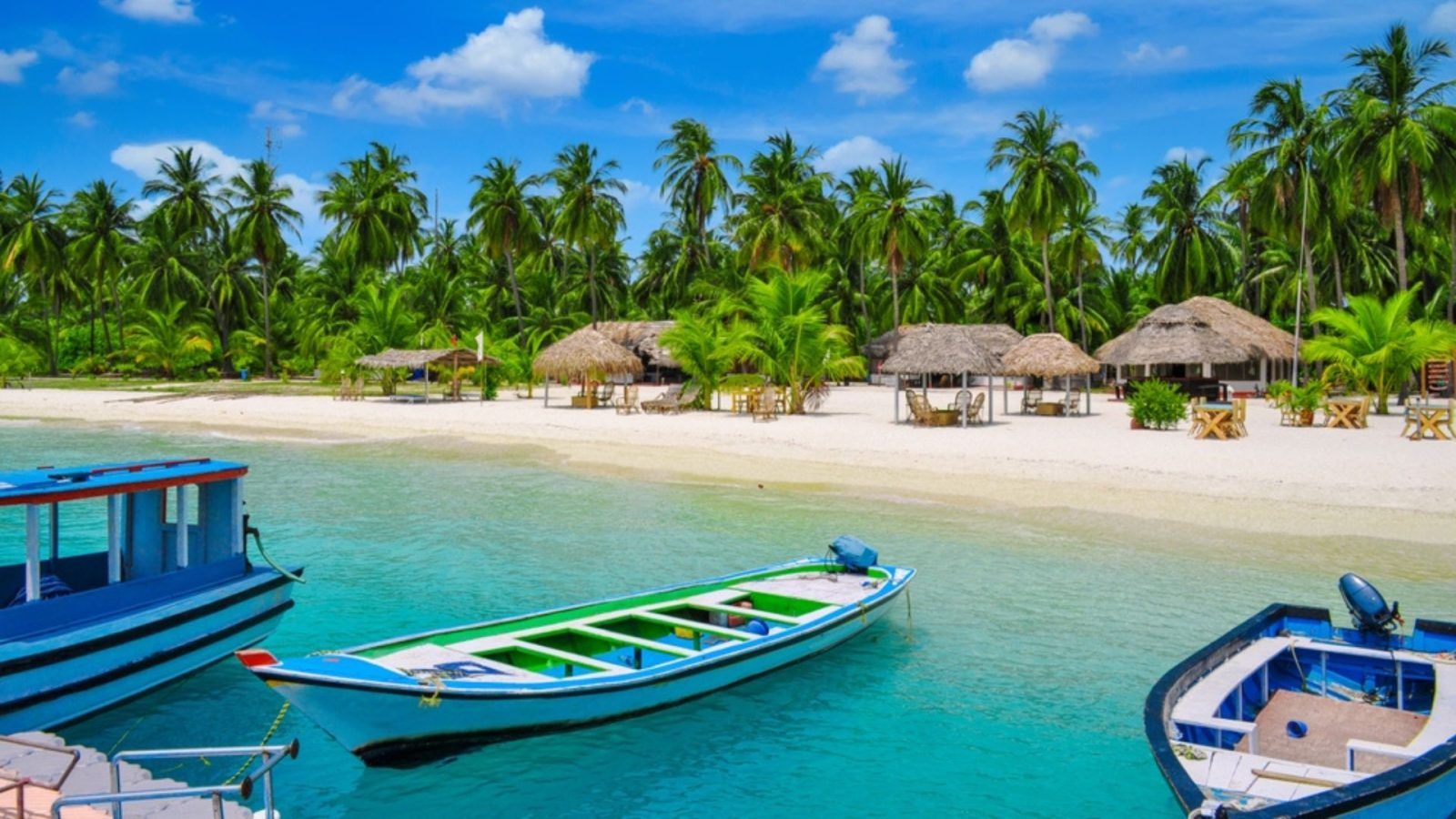
Lakshadweep beckons the adventurous, budget-conscious traveler seeking raw, untouched beauty and a genuine local experience, typically on a budget of $80-150 USD daily. The Maldives, conversely, is for those who prioritize unparalleled luxury, convenience, and world-class service, with daily expenses often starting from $300 USD and soaring into the thousands.
- Choose Lakshadweep: Choose Lakshadweep if you're an Indian citizen or a patient international traveler, on a tighter budget, craving pristine, less-crowded islands, cultural immersion, and adventurous water sports with fewer frills.
- Choose Maldives: Opt for the Maldives if luxury, seamless convenience, iconic overwater bungalows, extensive resort amenities, and guaranteed privacy are your top priorities, and budget is less of a concern.
- Choose Both: Consider combining both if you have 10-14 days and want to experience a stark contrast between raw, local charm and opulent, perfected luxury. Start with Lakshadweep for 4-5 days, then fly via Kochi or Bengaluru to Malé for 5-7 days of Maldivian indulgence.
Quick Comparison
| Category | Lakshadweep | Maldives | Winner |
|---|---|---|---|
| Beaches & Marine Life | Unspoiled, virgin beaches with vibrant coral reefs, less crowded and more natural. | Iconic white sand beaches, picture-perfect resorts, and incredibly rich, protected marine ecosystems. | Tie |
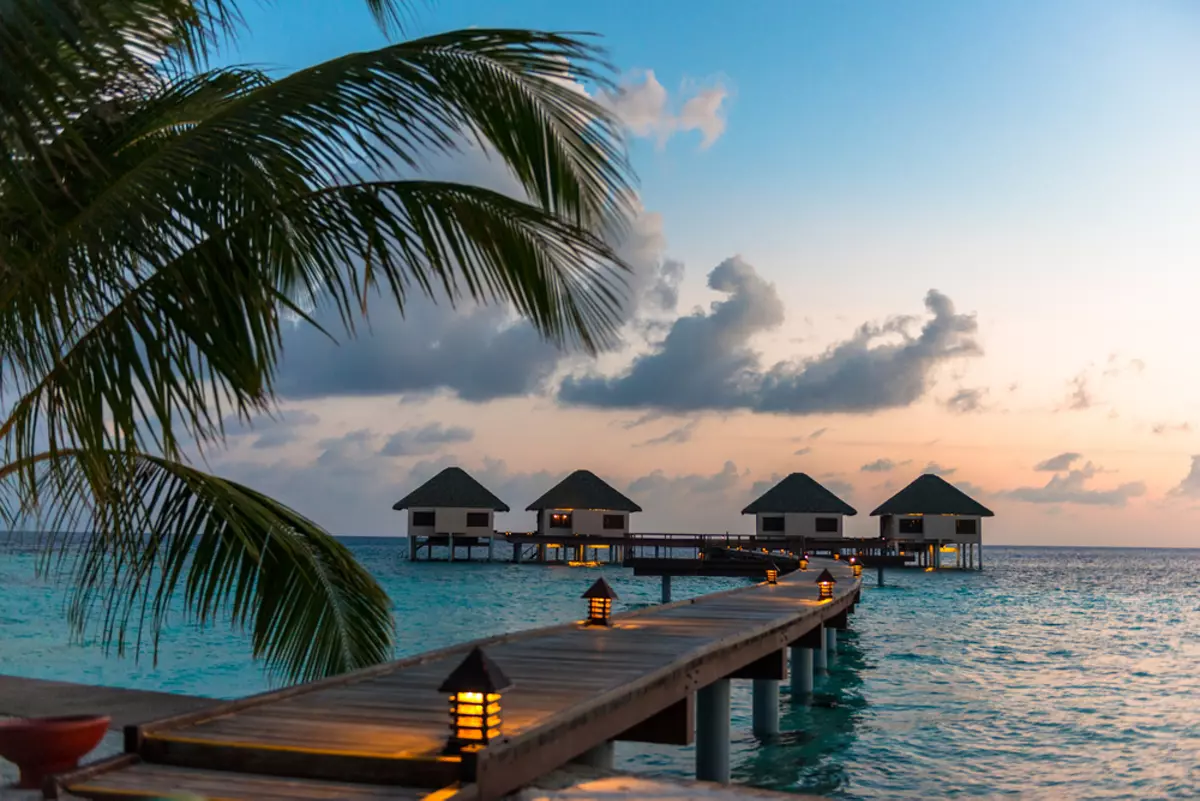
| Accommodation & Luxury | Basic, clean, government-run resorts and guesthouses; focus on nature, not opulence. | World-renowned luxury resorts, iconic overwater bungalows, unparalleled service and amenities. | Maldives |
| Cost & Budget | Significantly more affordable, especially for Indian citizens; main cost is permits/flights. | Among the most expensive destinations globally, especially private island resorts; local islands offer 'budget' options. | Lakshadweep |
| Accessibility & Permits | Requires special permits, restricted access, limited flights (Kochi to Agatti). | Easily accessible with international flights, visa-on-arrival for most nationalities, seamless resort transfers. | Maldives |
| Food & Dining | Authentic local cuisine, fresh seafood, South Indian influence, limited variety. | World-class international cuisine, diverse fine dining, but expensive; local islands offer Maldivian flavors. | Maldives |
| Activities & Excursions | Focus on natural water sports – snorkeling, diving, kayaking, glass-bottom boats, less commercialized. | Wide range of organized water sports, luxury excursions, spas, and curated experiences. | Maldives |
| Crowds & Seclusion | Extremely low tourist footfall, genuinely secluded, untouched paradise. | Private island resorts offer ultimate seclusion; local islands can be moderately busy. | Lakshadweep |
| Culture & Local Interaction | Rich Mappila culture, strong Indian influence, more genuine local interaction. | Maldivian Islamic culture on local islands; resorts are international bubbles. | Lakshadweep |
| Best Time to Visit | October to May, dry and pleasant, ideal for water activities. | December to April is peak dry season; May to November is shoulder/wet season with fewer crowds. | Tie |
| Safety & Travel Restrictions | Generally very safe, but permit system is a major restriction. | Very safe for tourists, especially within resorts; local island rules differ. | Maldives |
🏖️ Beaches & Marine Life
Both destinations boast some of the world's most stunning beaches and incredible marine life, making this a true tie. Lakshadweep's islands like Agatti, Kadmat, and Bangaram offer untouched, pristine shores where you might be the only one for miles. The coral reefs around these islands, especially near Kavaratti and Kalpeni, are remarkably healthy and less impacted by mass tourism, providing incredible snorkeling and diving opportunities for around INR 1,500-3,000 ($18-36) per dive. You'll often spot turtles, reef sharks, and a kaleidoscope of fish in crystal-clear waters. "Honestly, the corals in Lakshadweep felt more alive than some spots I've seen in the Red Sea, just harder to get to." The Maldives, however, sets the global standard for resort beaches – perfectly manicured, with luxury resorts like the One&Only Reethi Rah or the W Maldives offering direct access to breathtaking lagoons and vibrant house reefs teeming with life. While potentially busier, the sheer variety of marine excursions, from Manta Ray safaris at Hanifaru Bay (UNESCO Biosphere Reserve) to whale shark encounters, is unparalleled, often costing $100-200 USD per excursion.
Winner takeaway
- Winner: Tie
- Why: It's a tie because both offer world-class beaches and marine biodiversity, just in different packages: raw vs. refined.
- Who this matters for: Everyone seeking an idyllic beach escape or an underwater adventure.
🏨 Accommodation & Luxury
The Maldives is the undisputed champion of luxury accommodation. It's home to the iconic overwater bungalows, private island resorts like St. Regis Vommuli, Conrad Rangali, or Soneva Fushi, where a night can easily cost $1,000-$5,000+. These resorts offer Michelin-starred dining, private butlers, incredible spas, and unparalleled privacy. Even on local islands like Maafushi, you can find comfortable guesthouses like Kaani Grand Seaview for $80-150/night, though they lack the 'resort' feel. Lakshadweep's accommodation is a stark contrast: simpler, functional, and primarily government-operated. Options include the Bangaram Island Resort or Kadmat Beach Resort, offering basic cottages or rooms for INR 8,000-15,000 ($100-180) per night, often including meals. They are clean and comfortable but lack the lavishness. Homestays are available on some islands for INR 2,000-5,000 ($25-60), providing a more authentic but very rustic experience. "Don't go to Lakshadweep expecting Maldives-level luxury. It's about disconnecting, not five-star service."
Winner takeaway
- Winner: Maldives
- Why: Maldives overwhelmingly wins due to its unmatched range of luxury resorts, overwater bungalows, and world-class hospitality.
- Who this matters for: Honeymooners, luxury travelers, and those seeking pampering and privacy.
💰 Cost & Budget
Lakshadweep is undoubtedly the more budget-friendly option, particularly for Indian travelers. Expect a daily budget of INR 7,000-12,000 ($85-150 USD) for a mid-range experience, including basic accommodation, food, and activities. A night at a government resort might cost INR 8,000-15,000 ($100-180) including meals, which is a steal for such pristine locations. Food costs are minimal, maybe INR 500-1,000 ($6-12) per meal for fresh seafood. The biggest hurdle and cost for Lakshadweep is often the flight from Kochi (COK) to Agatti (AGX), which can be INR 8,000-15,000 ($100-180) round trip, plus the permit fees (around INR 200-500). "Honestly, Lakshadweep felt like a steal once I got the permit sorted, but the permit process itself felt like a hidden cost in terms of time." The Maldives is where your wallet cries, but your soul thanks you. A luxury resort often starts from $500-$800 USD per night, easily escalating to $1,500-$3,000+ for overwater bungalows at resorts like The Nautilus or Four Seasons. Food and drinks are exorbitant; expect $100-200 per person per day for meals, with a simple cocktail costing $20-30. Even on local islands, guesthouses are around $50-100 per night, but speedboat transfers from Malé (MLE) can be $150-300 round trip, or a seaplane for $400-600. For budget travelers exploring local islands, a daily budget of $150-250 USD is possible, but it’s still significantly more than Lakshadweep.
Winner takeaway
- Winner: Lakshadweep
- Why: Lakshadweep offers a profoundly more affordable island getaway, making it accessible to a wider range of travelers, especially those on a tighter budget.
- Who this matters for: Budget travelers, backpackers, and anyone who wants to experience an island paradise without breaking the bank.
✈️ Accessibility & Permits
Getting to Lakshadweep is a committed endeavor. All visitors, including Indian citizens, require a special permit, which can take weeks to process and often requires a confirmed booking with a government-approved tour operator. International visitors face even stricter regulations, typically needing to book specific packages through SPORTS (Society for Promotion of Nature Tourism and Sports). The only civilian airport is Agatti (AGX), with daily flights from Kochi (COK) taking about 1.5 hours and costing around INR 8,000-15,000 ($100-180) round trip. Occasionally, passenger ships from Kochi are available, taking 14-18 hours but are less frequent. "The permit process for Lakshadweep was such a headache, I almost gave up. Worth it once I was there, but be prepared for paperwork." The Maldives, by contrast, is a beacon of accessibility. Velana International Airport (MLE) in Malé is a major international hub with direct flights from numerous global cities. Most nationalities receive a free 30-day visa on arrival. Once landed, transfers to resorts are incredibly seamless, via pre-arranged speedboats ($150-300 round trip) or scenic seaplane flights ($400-600 round trip), which take anywhere from 15 minutes to an hour.
Winner takeaway
- Winner: Maldives
- Why: The Maldives wins decisively due to its easy international access, straightforward visa policies, and efficient resort transfer systems.
- Who this matters for: International travelers, those with limited time, and anyone who prefers hassle-free logistics.
🦀 Food & Dining
Food in Lakshadweep is simple, fresh, and distinctly local, drawing heavily from Kerala and coastal South Indian traditions, with an emphasis on fresh seafood. Expect delicious fish curries, rice dishes, and coconut-based gravies. Must-tries include 'Mahi' (fish) curries, 'Octopus Fry', and 'Kozhikkod' style biryani. Dining options are limited to resort restaurants, small local eateries, or homestays. Prices are very reasonable, often INR 300-800 ($4-10) per meal. "The fresh catch of the day in Agatti was mind-blowing, but don't expect a diverse menu or fancy ambiance." The Maldives offers a much broader and more sophisticated culinary landscape. Luxury resorts boast multiple specialty restaurants, from Japanese (Zuma at Waldorf Astoria) to Italian, Mediterranean, and contemporary fusion, often with celebrity chefs. Expect incredible seafood, but also a full range of international options to cater to a global clientele. Prices at resorts are exceptionally high, with main courses often $40-80 and a full meal costing $100-200 per person. On local islands, you can find more affordable Maldivian cuisine, such as Garudhiya (fish broth), Mas Huni (shredded smoked fish with coconut), and curries, for $10-30 per meal at places like The Harbour Restaurant on Maafushi.
Winner takeaway
- Winner: Maldives
- Why: The Maldives wins for its unparalleled variety of world-class international dining options and exquisite culinary experiences, catering to every palate.
- Who this matters for: Foodies, gourmands, and travelers who value diverse and high-quality dining experiences.
⛵ Activities & Excursions
Lakshadweep offers a more rustic, nature-focused array of activities. The main draw is the pristine marine environment, perfect for snorkeling, scuba diving, kayaking, and glass-bottom boat rides. Bangaram and Kadmat are excellent for diving, with PADI certified centers offering dives for INR 3,000-5,000 ($36-60). Lagoon fishing, island hopping to uninhabited islets, and simply relaxing on quiet beaches are popular. These activities are generally less commercialized and offer a more intimate connection with nature. "We just walked into the water with our snorkels and saw so much! No fancy tour needed, just pure beauty." The Maldives offers an incredibly comprehensive range of activities, often curated to perfection by resorts. Beyond world-class snorkeling and diving, you'll find parasailing, jet-skiing, windsurfing, luxury yacht charters, sunset dolphin cruises, private sandbank picnics, and incredible spa treatments. Many resorts have their own water sports centers and dive shops, offering PADI courses and guided excursions. Popular dives might cost $70-120, while a dolphin cruise could be $80-150. Wellness activities like yoga and meditation are also prevalent. The sheer variety and quality of organized excursions surpass Lakshadweep.
Winner takeaway
- Winner: Maldives
- Why: The Maldives provides a far more diverse and luxurious array of organized activities, excursions, and high-end water sports experiences.
- Who this matters for: Adventure seekers who enjoy structured activities, wellness enthusiasts, and those looking for a wide variety of resort-based entertainment.
🤫 Crowds & Seclusion
If true seclusion is your goal, Lakshadweep is your haven. Due to strict permit regulations and limited infrastructure, tourist numbers are kept incredibly low. You can spend hours on a beach on Bangaram or Agatti and genuinely not see another soul, truly feeling like you've discovered a secret paradise. Even the main inhabited islands like Kavaratti feel peaceful and unhurried. The entire vibe is one of quiet discovery and uninterrupted natural beauty. "It was surreal, I felt like I had the whole island to myself on Bangatti. No Instagram crowds, just pure peace." The Maldives offers seclusion, but primarily within the confines of private island resorts, where high prices naturally limit density. Resorts are designed for privacy, with villas often spaced far apart. However, popular local islands like Maafushi can feel moderately busy, with guesthouses clustered together and shared excursion boats potentially carrying larger groups. While individual resorts maintain a sense of exclusivity, the overall 'destination' is much more frequented by tourists than Lakshadweep.
Winner takeaway
- Winner: Lakshadweep
- Why: Lakshadweep offers unparalleled natural seclusion and a truly uncrowded experience, making it ideal for those seeking ultimate peace and quiet.
- Who this matters for: Introverts, honeymooners seeking undisturbed privacy (on a budget), and travelers who dislike crowds.
🕌 Culture & Local Interaction
Lakshadweep offers a much deeper and more authentic cultural immersion. The islands are inhabited by the Mappila people, whose culture is a unique blend of South Indian (especially Kerala) and local Laccadive traditions, with a strong Islamic influence. You'll find mosques with distinct architecture, traditional fishing villages, and opportunities to interact with locals, observe their daily lives, and sample their unique cuisine. Homestays often facilitate this connection. The pace of life is slow, and the communities are welcoming. "Staying with a family in Kadmat gave me such a genuine insight into their life, something you just don't get at a resort." The Maldives presents a dual cultural experience. On local islands like Maafushi, Thulusdhoo, or Guraidhoo, you can experience Maldivian Islamic culture – dress conservatively, observe local customs, and interact with residents. However, the vast majority of international tourists stay on private island resorts, which are essentially international bubbles with no real connection to local Maldivian life or culture. While there might be a 'Maldivian night' or a cultural show, it's often a curated performance rather than an organic interaction. Resorts are designed to insulate guests from local cultural nuances, offering a universal luxury experience.
Winner takeaway
- Winner: Lakshadweep
- Why: Lakshadweep provides a more genuine, accessible, and immersive cultural experience with direct interaction with local communities.
- Who this matters for: Culture enthusiasts, curious travelers, and those seeking authentic local interactions over resort-style isolation.
☀️ Best Time to Visit
Both destinations share a similar tropical monsoon climate, making their best times to visit largely align, hence a tie. For Lakshadweep, the ideal period is from October to May. During these months, the weather is dry, sunny, and pleasant, with calm seas perfect for all water activities like diving, snorkeling, and island hopping. Temperatures average around 25-30°C (77-86°F). The monsoon season runs from June to September, bringing heavy rains and rough seas, often leading to cancellations of flights and ship services, making travel difficult or impossible. "I went to Lakshadweep in March, and the weather was absolutely perfect – clear skies every day for diving." For the Maldives, the peak tourist season is from December to April, characterized by dry, sunny weather and low humidity. This is when prices are highest and resorts are fullest. The shoulder season (May-July) and wet season (August-November) offer lower prices and fewer crowds, though you risk occasional heavy rain showers. Many travelers still visit during these months, as rain often comes in short bursts, and diving conditions can still be excellent, sometimes even better for spotting marine life due to increased plankton. Temperatures year-round hover between 28-31°C (82-88°F).
Winner takeaway
- Winner: Tie
- Why: Both destinations share similar optimal travel windows, making them equally appealing during their respective dry seasons.
- Who this matters for: Anyone planning their trip around ideal weather conditions for beaches and water activities.
👮 Safety & Travel Restrictions
Lakshadweep is generally a very safe destination with low crime rates. The primary 'restriction' is the mandatory permit system for entry, which can be complex and time-consuming, acting as a natural deterrent to casual tourism. Travelers need to be mindful of local customs and dress modestly, especially when interacting with communities. There are no significant safety concerns beyond standard travel precautions. The limited medical facilities are a point to consider for emergencies. "Felt incredibly safe walking around Agatti even late evening, but healthcare felt miles away." The Maldives is exceptionally safe for tourists, particularly within the confines of private island resorts, which operate with high security. Crime against tourists is extremely rare. On local islands, it's still very safe, but being a conservative Islamic nation, visitors should respect local customs, especially outside 'bikini beaches' – this means no alcohol and modest clothing (shoulders and knees covered). While visa on arrival is easy, ensure your passport has at least 6 months validity. Medical facilities on local islands are basic, but luxury resorts often have resident doctors. International travel advisories usually classify both as low risk for general travel.
Winner takeaway
- Winner: Maldives
- Why: The Maldives wins due to its fewer travel restrictions (no permits for most), established tourist infrastructure, and consistent safety record, especially within its secure resort environment.
- Who this matters for: Travelers prioritizing ease of entry, minimal paperwork, and a highly secure, managed environment.
❓ Frequently Asked Questions
Is Lakshadweep significantly cheaper than the Maldives?
Yes, absolutely. Lakshadweep is considerably more affordable, especially for Indian citizens, with daily budgets typically ranging from $80-150 USD. The Maldives, on the other hand, is a premium luxury destination where even budget-conscious local island trips start around $150-250 USD daily, and resort stays easily hit $500-$3000+ per night.
Do I need a special permit to visit Lakshadweep?
Yes, all visitors, including Indian nationals, require a special permit to enter Lakshadweep. International visitors usually need to book through approved tour operators. This process can be time-consuming and requires advance planning, so factor that into your travel timeline.
Which destination offers better diving and snorkeling?
Both offer world-class diving and snorkeling with incredibly vibrant marine life. Lakshadweep's reefs are often less touched and more pristine due to fewer tourists, offering a raw, untouched experience. The Maldives, however, has more developed dive centers, a wider range of organized excursions, and famous spots for manta rays and whale sharks, often with luxurious amenities.
Is the Maldives only for luxury travelers and honeymooners?
While the Maldives is famous for its luxury resorts and honeymoon experiences, it's not exclusively for them. There's a growing trend of 'local island' tourism where guesthouses offer more affordable accommodation and activities, making it accessible to budget travelers and families, albeit with a different, more cultural experience than the private resorts.
What's the main difference in travel style between the two?
Lakshadweep offers a more adventurous, rustic, and culturally immersive travel style, focusing on raw nature and local interaction. The Maldives provides a polished, luxurious, and seamless experience, prioritizing comfort, privacy, and world-class resort amenities, often with less local interaction.
Can I combine both Lakshadweep and Maldives on one trip?
It's logistically challenging but possible. You'd typically need to fly out of Lakshadweep back to mainland India (e.g., Kochi or Bengaluru) and then take a separate international flight to Malé, Maldives. This requires more time (10-14 days minimum) and budget but offers a fascinating contrast in island experiences.
Which destination is better for families with young children?
The Maldives generally caters better to families, especially at its luxury resorts which often have kids' clubs, dedicated pools, and family-friendly activities, offering a comfortable and worry-free experience. Lakshadweep, with its simpler infrastructure and permit requirements, might be more suited for families with older, more adventurous children.
What are the vegetarian food options like in both places?
In Lakshadweep, vegetarian options are primarily South Indian staples like rice, dals, vegetable curries, and dosas, especially if staying in homestays or local eateries. Resorts will offer more variety. In the Maldives, luxury resorts have extensive international menus with excellent vegetarian and vegan choices. On local islands, options are more limited to local vegetable curries and rice but still generally available.
Ready to plan your island escape?
Get a free custom itinerary for Lakshadweep, Maldives, or both — built from real traveler insights.
🎟️ Book Tours & Experiences
Hand-picked tours and activities for both destinations — book with free cancellation
Experiences via Viator — free cancellation on most tours