How we built this comparison
This page combines traveler discussion patterns, published price ranges, flight schedules, and seasonal data to help you decide between Lanzarote and Fuerteventura.
- Reviewed 50+ Reddit threads from r/travel, r/solotravel, r/CanaryIslands, and r/EuropeTravel.
- Verified costs and logistics against current booking platforms like Booking.com, Skyscanner, and local car rental agencies.
- Cross-referenced seasonal patterns, weather data, and major events for accurate recommendations.
⚡ The TL;DR Verdict
Lanzarote offers a unique blend of volcanic landscapes, art, and culture, ideal for those seeking beauty beyond the beach with a daily budget of €80-150. Fuerteventura is the ultimate choice for beach lovers, water sports enthusiasts, and families desiring vast sandy shores and relaxed vibes, typically costing €70-140 per day.
- Choose Lanzarote: Pick Lanzarote if you're drawn to dramatic volcanic scenery, César Manrique's architectural masterpieces, artistic flair, and a more curated, sophisticated island experience. It's fantastic for hiking, exploring unique natural wonders, and enjoying excellent gastronomy.
- Choose Fuerteventura: Opt for Fuerteventura if your dream holiday involves endless stretches of pristine golden beaches, world-class wind and kitesurfing, a laid-back atmosphere, and a focus on sun, sand, and sea. It's perfect for families, couples, and active travelers wanting to spend most of their time outdoors.
- Choose Both: Doing both islands is surprisingly easy with a short ferry ride (30-45 mins). Dedicate 4-5 days to Lanzarote to soak in its unique vibe, then hop over to Fuerteventura for another 3-4 days to enjoy its beaches. This combo gives you the best of both worlds within a week to ten days.
Quick Comparison
| Category | Lanzarote | Fuerteventura | Winner |
|---|---|---|---|
| Beaches & Swimming | Unique beaches, often dark sand or sheltered coves; Papagayo beaches are stunning white sand. Good for calm swimming. | Hundreds of kilometers of golden and white sand beaches, world-renowned for their vastness and beauty. Perfect for sunbathing and long walks. | Fuerteventura |
| Nature & Landscapes | Dramatic volcanic landscapes, moon-like terrain, Timanfaya National Park, Jameos del Agua. A UNESCO Biosphere Reserve. | Vast, arid, desert-like expanses, rolling hills, strong winds. More raw and untouched, less 'designed' than Lanzarote. | Lanzarote |
| Culture & Art | Strong influence of César Manrique; unique architecture, art centers, museums. Rich Canarian traditions. | More traditional, laid-back Canarian culture; less emphasis on high art. Historical towns like Betancuria. | Lanzarote |
| Food & Drink | Excellent seafood, traditional Canarian dishes, volcanic wines (La Geria). Good variety of upscale and casual dining. | Fresh seafood, goat cheese (Majorero), traditional Canarian fare. More rustic and simple, but very authentic. | Tie |
| Nightlife | Lively but generally relaxed, concentrated in major resorts like Puerto del Carmen and Playa Blanca. More bars, fewer clubs. | More active nightlife, especially in Corralejo with its mix of bars, pubs, and live music. Southern resorts also have options. | Fuerteventura |
| Costs & Budget | Mid-range pricing; accommodation and dining can be slightly higher due to unique Manrique-influenced properties. Car rental essential. | Generally slightly more budget-friendly, especially for basic accommodation and food. Good value for money. Car rental essential. | Fuerteventura |
| Getting Around | Car rental is highly recommended to explore the diverse landscapes and Manrique sites. Public transport is limited for tourists. | Car rental is essential to reach remote beaches and surf spots. Public transport primarily connects major towns. | Tie |
| Accommodation | Diverse options from boutique hotels to self-catering villas, often with a Manrique-inspired aesthetic. Popular resorts: Puerto del Carmen, Playa Blanca. | Wide range from large all-inclusive resorts to charming guesthouses. More budget-friendly options. Popular areas: Corralejo, Caleta de Fuste, Morro Jable. | Lanzarote |
| Families & Activities | Educational and engaging activities: Timanfaya, Jameos del Agua, Rancho Texas. Safer, calmer beaches. | Excellent for classic beach holidays, water sports, and parks (Acua Water Park). Vast, safe beaches for play. | Tie |
| Wind & Water Sports | Good surfing and diving spots, especially around Famara. Conditions are generally less windy than Fuerteventura. | World-renowned for windsurfing, kitesurfing, and surfing due to consistent strong winds and excellent waves. Many schools and rental shops. | Fuerteventura |
🏖️ Beaches & Swimming
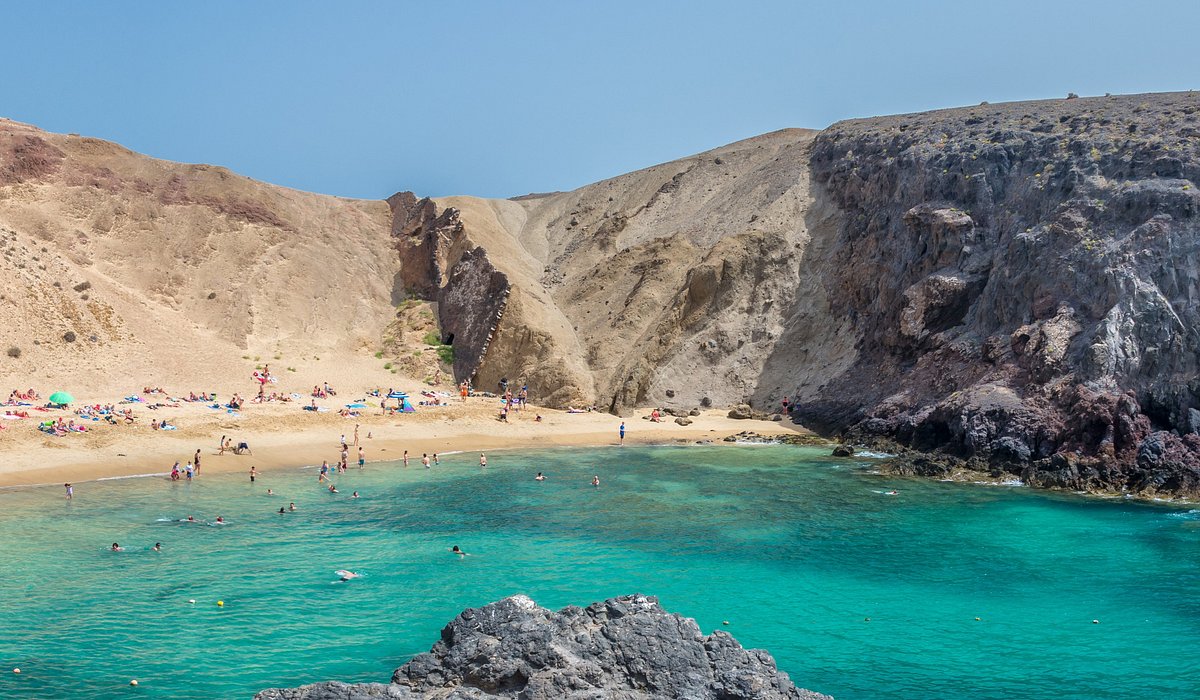
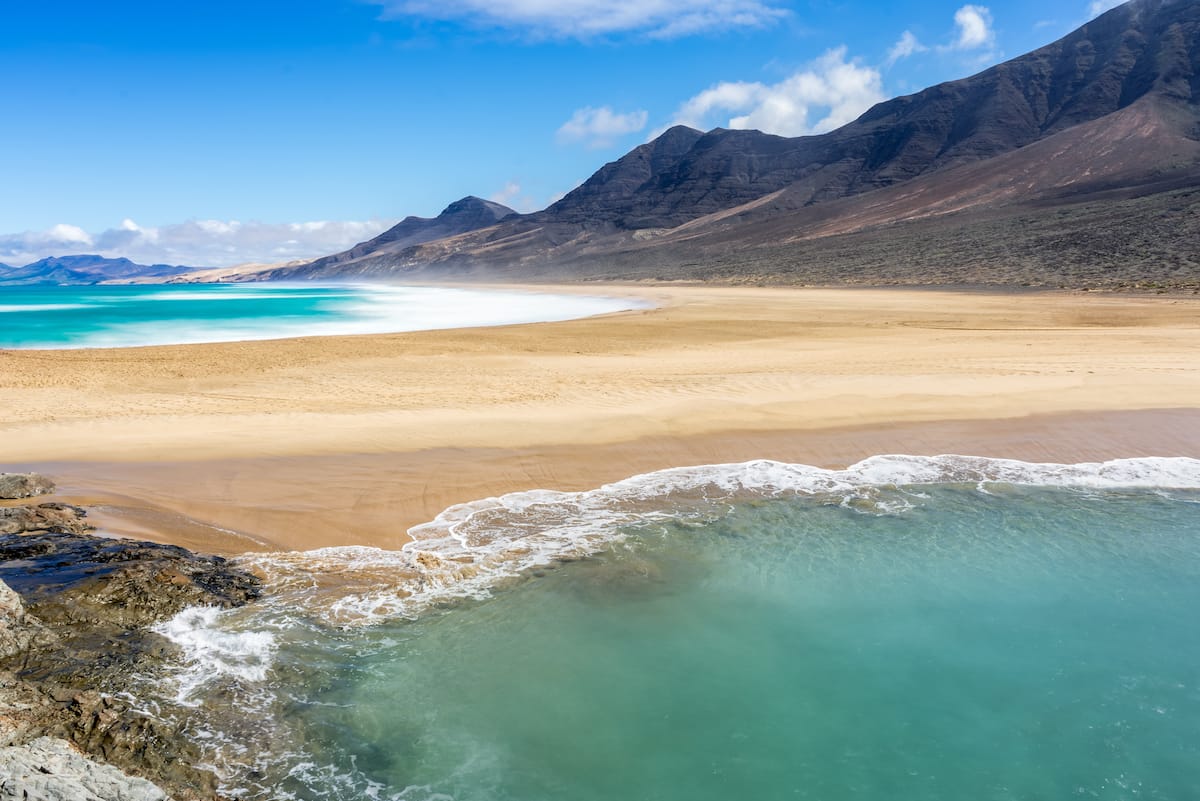
When it comes to sheer quantity and quality of sandy beaches, Fuerteventura is in a league of its own. Imagine endless stretches of golden and white sand, like the iconic Sotavento beach in Jandía, or the vast dunes of Corralejo Natural Park. These aren't just pretty; they're often wild, less crowded, and perfect for long, contemplative walks or letting kids run free. Lanzarote has its gems, too, like the stunning white-sand coves of Playas de Papagayo (expect to pay a €3 road toll to access), but many of its beaches, such as Playa Blanca or Puerto del Carmen, are smaller and more resort-focused, or feature striking black volcanic sand like Playa El Golfo. Fuerteventura also offers more remote, wilder beaches like Cofete, which requires a challenging drive but rewards with breathtaking, untouched beauty. "Fuerteventura's beaches feel endless, like you could walk for hours and never see the same spot twice. Lanzarote's Papagayo are beautiful but feel more contained," shared one Reddit user. For variety, scale, and that classic 'desert island' beach vibe, Fuerteventura is the undisputed champion.
Winner takeaway
- Winner: Fuerteventura
- Why: Fuerteventura boasts an unparalleled collection of vast, golden, and pristine beaches, making it a paradise for sun worshipers and beach explorers.
- Who this matters for: Beach enthusiasts, families with kids, and anyone seeking endless sandy shores.
🌋 Nature & Landscapes
Lanzarote's landscapes are truly out of this world. Dominated by volcanic activity, particularly from the 18th-century eruptions that formed Timanfaya National Park, the island offers a dramatic, lunar-like terrain. Here, you can experience geothermal experiments, take a bus tour through the 'Mountains of Fire,' and marvel at the raw power of nature. César Manrique's influence is seen everywhere, integrating art and nature seamlessly at sites like Jameos del Agua (entry ~€10-15), a volcanic cave system transformed into an cultural center, and Cueva de los Verdes (entry ~€10-15), a fascinating lava tunnel. Fuerteventura, while beautiful, presents a different kind of natural beauty: vast, arid, rolling hills, and immense, open spaces that feel wild and untamed. It's more about sweeping vistas and a sense of solitude rather than the stark, artful drama of Lanzarote. "Lanzarote's landscape is like nothing else I've ever seen, Manrique really made it shine without destroying the natural beauty," commented a traveler on r/travel. For unique, visually striking, and expertly presented natural wonders, Lanzarote takes the crown.
Winner takeaway
- Winner: Lanzarote
- Why: Lanzarote offers a truly unique, dramatic volcanic landscape enhanced by the visionary artistry of César Manrique, creating an unparalleled natural and cultural experience.
- Who this matters for: Adventure seekers, photographers, geology enthusiasts, and those interested in art integrated with nature.
🎨 Culture & Art
Lanzarote shines brightly in the realm of culture and art, largely due to the pervasive influence of its most famous son, artist and architect César Manrique. His vision shaped the island's aesthetic, ensuring low-rise, white-washed buildings and the harmonious integration of art with the natural environment. Key Manrique sites include the Mirador del Río (entry ~€5-7), a breathtaking viewpoint seamlessly built into a cliff, the aforementioned Jameos del Agua, and his former home, the César Manrique Foundation (entry ~€8-10). These sites offer profound insights into his philosophy and the island's unique identity. Fuerteventura, while possessing its own authentic Canarian charm, particularly in historical villages like Betancuria (the former capital), doesn't have the same concentration of curated artistic and architectural marvels. Its culture is more about traditional village life, local markets, and a slower pace. "Lanzarote's Manrique sites are a must-see, they completely transform the experience of the island beyond just beaches," remarked a tourist on a Reddit thread. For a rich cultural tapestry and artistic exploration, Lanzarote is the clear winner.
Winner takeaway
- Winner: Lanzarote
- Why: Lanzarote's landscape and architecture are profoundly shaped by the visionary artist César Manrique, offering a unique blend of art, culture, and nature found nowhere else.
- Who this matters for: Art and architecture lovers, culture enthusiasts, and those seeking a unique island identity.
🍤 Food & Drink
Both islands offer delicious culinary experiences rooted in fresh seafood and traditional Canarian dishes, making this a delightful tie. In Lanzarote, you'll find fantastic restaurants like El Risco in Famara, known for its exquisite fresh fish and stunning sea views (mains ~€18-30). The island is also famous for its unique volcanic wines from the La Geria region, where vines are grown in ash-filled hollows – a tasting at Bodega La Geria is a must (tastings from ~€5). Fuerteventura, on the other hand, boasts superb fresh seafood, often caught that day, especially in fishing villages like El Cotillo or Morro Jable. It's also renowned for its Majorero goat cheese, a DOP-protected delicacy that's a must-try (available at local markets for ~€10-20/kg). While Lanzarote might have a slight edge in terms of more 'gourmet' or artistically presented options, Fuerteventura offers incredible, authentic value. "Honestly, you can't go wrong with seafood on either island, but Fuerteventura's goat cheese is next level," said a food-focused traveler. Both cater well to budgets, with a good meal for two costing €40-70, depending on the restaurant. It really comes down to whether you prefer volcanic wines and artful presentation or rustic, authentic flavors and world-class cheese.
Winner takeaway
- Winner: Tie
- Why: Both islands excel in fresh seafood and traditional Canarian cuisine, offering distinct but equally delightful gastronomic experiences.
- Who this matters for: Foodies, seafood lovers, and anyone who appreciates local produce and authentic flavors.
🍹 Nightlife
While neither Lanzarote nor Fuerteventura are known for their Ibiza-level clubbing scenes, Fuerteventura generally offers a more vibrant and diverse nightlife, particularly in the northern town of Corralejo. Here, you'll find a good mix of lively Irish pubs, cocktail bars, and venues with live music that stay open well into the night. Popular spots like Waikiki Beach Club or Flicks Bar offer entertainment and dancing. In the south, Morro Jable also provides a decent selection of bars. Lanzarote's nightlife is more concentrated in its main tourist resorts: Puerto del Carmen and Playa Blanca. Puerto del Carmen has the most options, with many bars and a few discos along 'The Strip' (Avenida de las Playas). Playa Blanca is generally more subdued, focusing on relaxed drinks and dinner. "If you want a bit more buzz after dark, Corralejo definitely has the edge over Lanzarote's main resorts, especially for live music," noted a Reddit user. While you can certainly find a good time on Lanzarote, Fuerteventura, specifically Corralejo, offers a broader range of options for those looking to extend their evenings beyond a quiet dinner.
Winner takeaway
- Winner: Fuerteventura
- Why: Fuerteventura, particularly Corralejo, offers a more concentrated and vibrant nightlife scene with a greater variety of bars, pubs, and live music venues.
- Who this matters for: Younger travelers, couples, and friends looking for lively evenings and a broader choice of entertainment after dark.
💸 Costs & Budget
Both islands offer good value compared to mainland Europe, but Fuerteventura generally edges out Lanzarote as slightly more budget-friendly. For instance, a decent meal at a local restaurant might be €10-15 in Fuerteventura compared to €12-18 in Lanzarote. Accommodation can also be a bit cheaper in Fuerteventura, with a standard apartment or B&B averaging €50-80/night, while Lanzarote's unique Manrique-influenced stays or boutique hotels might start from €70-100/night. Car rental is essential for both islands to explore fully, costing around €25-40/day depending on the season and car type (book in advance for best rates, e.g., through Cicar or Pluscar). Flights from major European hubs like London or Berlin typically cost €150-300 return, depending on the season, with a flight time of around 4 hours. Fuel prices are similar, often cheaper than mainland Spain (around €1.40-1.55/liter). "Fuerteventura felt a bit more relaxed on the wallet, especially for groceries and casual eats. Lanzarote's Manrique sites add up, but are worth it," commented a budget-conscious traveler. While Lanzarote's attractions have entry fees, they are generally worth the cost for the experience. However, for overall daily expenses, Fuerteventura often offers slightly better value.
Winner takeaway
- Winner: Fuerteventura
- Why: Fuerteventura often provides slightly more budget-friendly options for accommodation, dining, and general expenses without sacrificing quality.
- Who this matters for: Budget-conscious travelers, backpackers, and families looking to maximize their travel funds.
🚗 Getting Around
For both Lanzarote and Fuerteventura, a rental car is almost universally recommended as the best way to get around and truly explore the islands' unique offerings. Public transport exists on both (e.g., bus lines like Global in Lanzarote or Tiadhe in Fuerteventura), connecting major towns and resorts, but it often doesn't reach the more remote beaches, hiking trails, or specific points of interest. Renting a car (e.g., from Cicar or Pluscar) costs approximately €25-40 per day for a small economy car, depending on the season, and fuel is relatively cheap. Roads are well-maintained and easy to navigate on both islands, with minimal traffic outside of major towns. The ferry between Playa Blanca (Lanzarote) and Corralejo (Fuerteventura) takes about 30-45 minutes and costs around €30-40 return for a foot passenger, or €100-150 with a car (though rental companies often restrict inter-island car travel, so check first). "Don't even think about doing Lanzarote without a car, you'd miss so much. Same for Fuerteventura if you want to find the best beaches," advised a seasoned Reddit traveler. Given the similar reliance on personal vehicles and ease of driving, it's a tie in terms of getting around effectively.
Winner takeaway
- Winner: Tie
- Why: Both islands necessitate car rental for comprehensive exploration due to limited tourist-friendly public transport, offering similar driving experiences and costs.
- Who this matters for: Independent travelers, those who enjoy road trips, and anyone wanting full flexibility to explore at their own pace.
🏨 Accommodation
While both islands offer a broad spectrum of accommodation, Lanzarote slightly edges out Fuerteventura for its unique blend of boutique charm and Manrique-inspired properties. You'll find beautifully designed villas, such as those near Yaiza, or stylish apartments that reflect the island's artistic ethos. Even standard resorts in Puerto del Carmen or Playa Blanca often have a more refined aesthetic, adhering to Manrique's architectural guidelines. Options like Hotel Fariones (Puerto del Carmen, ~€200+/night) offer luxury, while many apartments are available for €70-120/night. Fuerteventura certainly has an abundance of choices, from large all-inclusive family resorts in Caleta de Fuste or Morro Jable (often starting from ~€100-150/night for AI) to surf hostels and guesthouses in Corralejo or El Cotillo (hostel beds ~€25-40/night, private rooms ~€50-80/night). The sheer volume of resort options in Fuerteventura can feel a bit more generic compared to Lanzarote's curated offerings. "Lanzarote just feels more 'designed,' even the hotels. Fuerteventura's resorts are fine, but more standard," mentioned a design-conscious traveler. For those seeking accommodation with a distinct sense of place and aesthetic appeal, Lanzarote delivers.
Winner takeaway
- Winner: Lanzarote
- Why: Lanzarote offers a more unique and aesthetically pleasing range of accommodation options, often reflecting César Manrique's architectural influence.
- Who this matters for: Travelers seeking stylish, boutique, or architecturally interesting stays, and those who appreciate a unique sense of place in their lodging.
👨👩👧👦 Families & Activities
For families, both Lanzarote and Fuerteventura offer fantastic experiences, making this a well-deserved tie. Lanzarote excels with its unique attractions that blend education and wonder. Kids will be mesmerized by the geothermal demonstrations at Timanfaya National Park (entrance ~€12/adult), explore the fascinating lava tubes of Cueva de los Verdes, or enjoy animal encounters at Rancho Texas Lanzarote Park (entry ~€30/adult, ~€22/child). The calmer, sheltered beaches of Playa Blanca and Papagayo are also perfect for younger children. Fuerteventura, on the other hand, is a paradise for families who prioritize beach time and water activities. Its vast, shallow, and safe beaches in areas like Corralejo or Caleta de Fuste are ideal for building sandcastles, gentle swimming, and learning basic water sports. Acua Water Park in Corralejo (entry ~€28/adult, ~€20/child) provides a full day of fun, and many resorts offer excellent kids' clubs. "My kids loved the volcanoes in Lanzarote, but they went absolutely wild for the endless sandy beaches in Fuerteventura. Both islands were a hit," a parent shared on r/travel. Ultimately, the choice depends on whether your family prefers unique geological exploration and culture (Lanzarote) or classic, expansive beach fun and water parks (Fuerteventura).
Winner takeaway
- Winner: Tie
- Why: Both islands provide exceptional family-friendly activities, catering either to unique natural and cultural exploration or classic beach and water park fun.
- Who this matters for: Families with children of all ages, depending on whether they prioritize active exploration or beach relaxation.
🌊 Wind & Water Sports
Fuerteventura is globally recognized as one of the premier destinations for wind and water sports, especially windsurfing and kitesurfing. The island's consistent trade winds, particularly on the south-east coast around Sotavento Lagoon and along the northern coast near Corralejo and El Cotillo, create ideal conditions for beginners and pros alike. There are numerous schools offering lessons and equipment rental, with a 2-hour beginner kitesurfing lesson costing around €60-80. Surfing is also excellent, with breaks suited for all levels. Lanzarote has its own reputable spots, notably Famara beach on the west coast, which is excellent for surfing lessons (a 2-hour group lesson typically €40-50). Diving and snorkeling are also popular on both islands, with rich marine life, but Fuerteventura's consistent wind conditions give it a significant edge for surface water sports. "If you're into kitesurfing, Fuerteventura is a no-brainer. The wind is just always there, and the spots are incredible," exclaimed a Reddit user on r/kitesurfing. For serious water sports enthusiasts, especially those powered by wind, Fuerteventura is the undisputed champion.
Winner takeaway
- Winner: Fuerteventura
- Why: Fuerteventura's consistent trade winds and expansive coastlines make it a world-class destination for windsurfing, kitesurfing, and surfing.
- Who this matters for: Surfers, windsurfers, kitesurfers, divers, and anyone passionate about active water sports.
❓ Frequently Asked Questions
Which island is better for a relaxing holiday?
Both islands offer relaxation, but Fuerteventura generally wins for pure, uninterrupted beach relaxation due to its vast, uncrowded sandy shores. Lanzarote offers relaxation in a more curated, tranquil setting, often around a pool or in a stylish villa, with more cultural excursions available.
Is it easy to travel between Lanzarote and Fuerteventura?
Yes, it's very easy! Regular ferries operate multiple times a day between Playa Blanca in Lanzarote and Corralejo in Fuerteventura. The journey takes only 30-45 minutes and costs around €30-40 return for a foot passenger. You can even take a day trip if you wish.
Which island has better weather?
Both islands enjoy fantastic year-round 'eternal spring' weather. Fuerteventura is generally windier, which is great for water sports but can feel cooler on exposed beaches. Lanzarote is slightly more sheltered from the strongest winds and might feel a touch warmer, especially in winter. Both are excellent choices for winter sun.
Which island is best for hiking?
Lanzarote offers more dramatic and unique hiking trails, particularly through its volcanic landscapes in Timanfaya and around the La Geria wine region. Fuerteventura also has good hiking, especially in its interior mountains like Betancuria Rural Park, but it's more about vast, open, arid landscapes rather than volcanic drama.
Are the islands safe for solo female travelers?
Absolutely, both Lanzarote and Fuerteventura are considered very safe for solo female travelers. Crime rates are low, and locals are generally friendly and helpful. Standard precautions like being aware of your surroundings, especially at night, apply as anywhere else in the world.
Can I visit both islands in a week?
Yes, a week is enough to get a good taste of both islands. A common itinerary is 3-4 days in Lanzarote to explore its unique attractions and then a short ferry hop for 3-4 days in Fuerteventura to enjoy its beaches and water sports. It makes for an active but rewarding trip.
Which island is better for photography?
Lanzarote is arguably better for unique and striking photography due to its dramatic volcanic landscapes, black sand beaches, and Manrique's architectural marvels. Fuerteventura offers stunning wide-angle opportunities with its vast golden beaches, sand dunes, and wild coastlines, but Lanzarote's features are more distinct and varied.
What's the best time of year to visit?
Both islands are fantastic year-round! Peak season is generally winter (November-February) for escaping northern European cold, and summer (July-August) for school holidays. Spring (March-May) and autumn (September-October) offer pleasant temperatures, fewer crowds, and often better prices, making them ideal.
Ready to plan your Canary Islands trip?
Get a free custom itinerary for Lanzarote, Fuerteventura, or both — built from real traveler insights.
🎟️ Book Tours & Experiences
Hand-picked tours and activities for both destinations — book with free cancellation
Experiences via Viator — free cancellation on most tours