How we built this comparison
This page combines traveler discussion patterns, published price ranges, flight schedules, and seasonal data to help you decide between Latvia and Serbia.
- Reviewed 100+ Reddit threads from r/travel, r/solotravel, r/baltics, r/Serbia, r/Latvia
- Verified costs and logistics against current booking platforms (Booking.com, Skyscanner, Rome2Rio)
- Cross-referenced seasonal patterns and weather data from meteorological sources
⚡ Quick Answers
⚡ The TL;DR Verdict
For most travelers seeking a well-rounded trip with a focus on historical architecture, a calmer pace, and accessible nature, Latvia comes out ahead with a budget of around $70-120/day. However, if your priority is a more intense social scene, budget-friendly grit, and a distinct Balkan pulse, Serbia delivers for about $45-90/day.
- Choose Latvia: You prefer well-preserved medieval cities, a relaxed atmosphere, accessible green spaces, and a European Union standard of service. Ideal for first-time solo travelers or couples.
- Choose Serbia: You seek a raw, energetic experience, a lower price point, late-night revelry, and a history that feels more recent and impactful. Ideal for adventurous budget travelers and groups.
- Choose Both: If you have 2.5-3 weeks, you can combine both with a flight connection, experiencing two different sides of Eastern Europe and the Balkans. Start north, finish south.
Choose Latvia
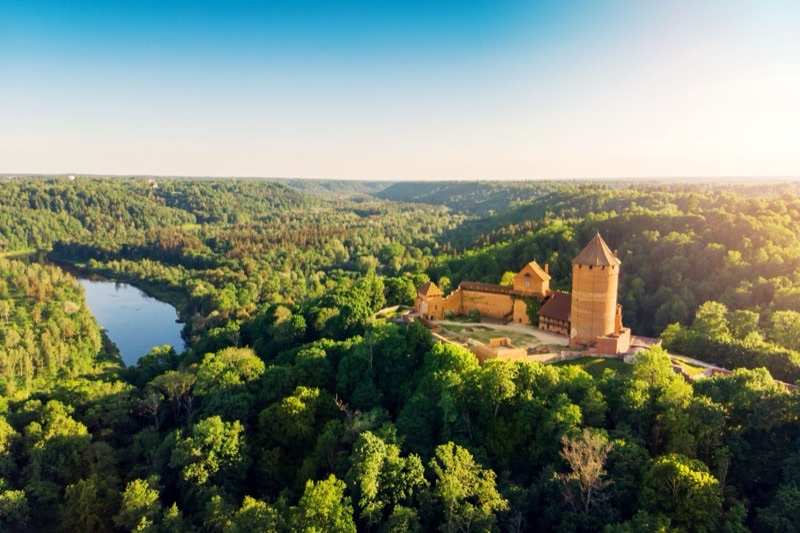
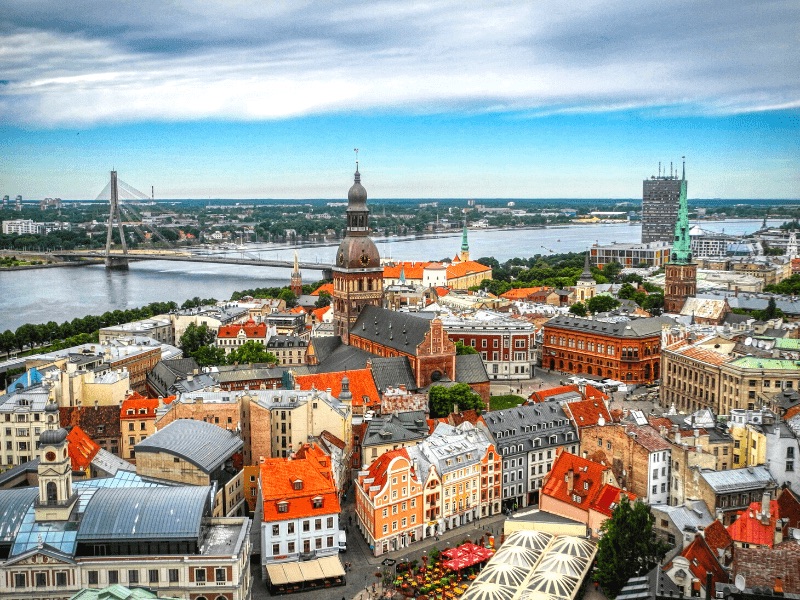
Opt for Latvia if you dream of wandering through UNESCO-listed Art Nouveau streets in Riga, exploring medieval castles like Cēsis, or embracing the tranquil beauty of Gauja National Park. This Baltic gem offers a serene European experience with excellent service, perfect for couples or solo travelers seeking a picturesque, relaxed journey around $70-120/day.
Choose Serbia
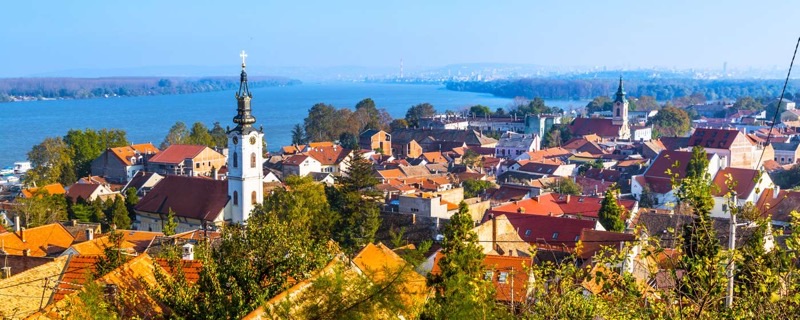
Pick Serbia for an electrifying trip filled with dynamic Belgrade nightlife, from Skadarlija's tavernas to Savamala's clubs, and a palpable sense of history at Kalemegdan Fortress. It's an excellent choice for adventurous budget travelers and groups craving a raw, energetic Balkan experience, where delicious food and late-night revelry can be enjoyed for about $45-90/day.
📊 Visual Scorecard
🌤 When to Visit
Average high temperatures (°C). Green = best months, orange = avoid.
Quick Comparison
| Category | Latvia | Serbia | Winner |
|---|---|---|---|
| Costs & Budget | Higher EU prices, but still reasonable compared to Western Europe. Riga hotel ~$60-100/night, meal ~$15-25. | Noticeably cheaper, especially outside Belgrade. Belgrade hotel ~$40-80/night, meal ~$10-20. | Serbia |
| Culture & History | Medieval Old Town Riga, Art Nouveau architecture, Soviet occupation history. | Ottoman and Austro-Hungarian influences, Orthodox monasteries, recent 20th-century history. | Latvia |
| Nightlife | Riga has a decent pub and bar scene, some clubs, generally closes earlier than Belgrade. | Belgrade is famous for its river clubs (splavovi), live music, and late-night party energy. | Serbia |
| Nature & Outdoors | Gauja National Park for forests and castles, Baltic Sea coast, lakes. | Tara National Park, Fruška Gora, Danube River, generally more mountainous terrain. | Latvia |
| Food Scene | Hearty Baltic fare, dark rye bread, smoked fish, some modern European influences. | Balkan grilled meats, stews, strong coffees, rakija, Turkish and Central European influences. | Serbia |
| Getting There & Around | Riga Airport (RIX) is a regional hub. Good city public transport, manageable driving. | Belgrade Airport (BEG) also a hub. Decent city public transport, roads outside cities vary. | Tie |
| Accommodation | Good range from hostels to boutique hotels, higher price point. | Affordable hostels, guesthouses, and independent hotels, excellent value. | Serbia |
| Safety & Local Vibe | Generally safe, calm, reserved locals. Few petty crimes. | Safe but with a rougher edge, passionate locals, more direct interactions. | Latvia |
| Day Trips | Gauja National Park, Jūrmala beaches, Rundāle Palace, Cēsis medieval town. | Novi Sad, Fruška Gora monasteries, Sremski Karlovci, Golubac Fortress. | Latvia |
| Solo Travel & Meeting Locals | Relatively easy for solo travelers, locals reserved but friendly. Hostels are good for meeting others. | Good for solo travel, but locals can be more outgoing; easier to strike up conversations. | Serbia |
💰 Costs & Budget
Latvia, as an EU member using the Euro, generally presents higher costs than Serbia. A solid daily budget for a comfortable trip in Latvia, covering mid-range accommodation,…
Latvia
Serbia
Latvia, as an EU member using the Euro, generally presents higher costs than Serbia. A solid daily budget for a comfortable trip in Latvia, covering mid-range accommodation, meals, and activities, sits around 70-120 EUR ($75-130 USD). A meal at a decent restaurant in Riga might cost 15-25 EUR ($16-27 USD), while a local beer is typically 4-6 EUR ($4.30-6.50 USD). Public transport in Riga costs 1.15 EUR ($1.25 USD) for a single ticket purchased in advance. You can find hostel beds for 20-30 EUR ($21-32 USD) in Riga and mid-range hotels like Wellton Riga Hotel & SPA for 60-100 EUR ($65-108 USD) per night.
Serbia is a friendlier option for the budget-conscious traveler. A comfortable daily budget here ranges from 40-80 EUR ($43-86 USD), often lower outside Belgrade. A substantial meal in Belgrade, perhaps at a traditional spot like Walter for `ćevapi`, costs around 800-1500 RSD ($7-13 USD). A local beer (e.g., Jelen or Lav) is typically 250-400 RSD ($2-3.50 USD). Public transport in Belgrade costs 89 RSD ($0.80 USD) for a single ride with a loaded BusPlus card. Hostel beds can be found for 10-20 EUR ($11-21 USD) and mid-range hotels such as Hotel Rex for 40-80 EUR ($43-86 USD) per night. Serbia delivers more for each dollar spent.
Tabiji verdict: For stretching your travel funds, Serbia is the clear winner.
- Winner: Serbia
- Why: Serbia offers significantly lower costs across accommodation, food, and activities, making it more accessible for budget travelers.
- Who this matters for: Budget travelers, long-term travelers, and anyone prioritizing financial savings.
🏛️ Culture & History
Latvia's cultural appeal is anchored in Riga's Old Town, a UNESCO site with cobblestone streets and buildings dating back centuries, like St. Peter's Church and the House of the…
Latvia
Serbia
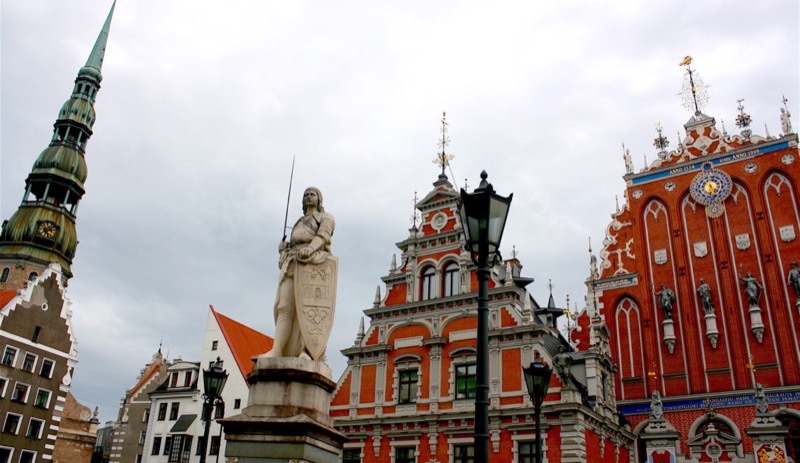
Latvia's cultural appeal is anchored in Riga's Old Town, a UNESCO site with cobblestone streets and buildings dating back centuries, like St. Peter's Church and the House of the Blackheads. Beyond medieval history, Riga boasts a remarkable concentration of Art Nouveau architecture, especially in the Alberta Street district. The Museum of the Occupation of Latvia provides a sobering look at its 20th-century struggles under Soviet and Nazi rule, offering critical context. Outside the capital, Rundāle Palace presents a Baroque and Rococo architectural marvel, providing a glimpse into Latvian aristocratic life.
Serbia's history is a blend of Ottoman, Austro-Hungarian, and Slavic influences, visible in Belgrade's Kalemegdan Fortress, which has witnessed centuries of conflict. The Church of Saint Sava stands as a monumental Orthodox temple. Serbia's 20th-century history, particularly related to Yugoslavia and the 1990s conflicts, is a prominent theme, explored at the Museum of Yugoslavia or the Nikola Tesla Museum. Outside Belgrade, numerous medieval Orthodox monasteries like Studenica and Žiča offer deep spiritual and artistic experiences, though these require more effort to reach. The history feels more raw and present, particularly in Belgrade, which has been rebuilt multiple times.
Tabiji verdict: Latvia's pristine old towns and accessible architectural beauty edge out Serbia's more challenging historical landscape for general appeal.
- Winner: Latvia
- Why: Latvia offers a more visually cohesive and easily digestible historical narrative, particularly with Riga's well-preserved medieval core and Art Nouveau districts.
- Who this matters for: Travelers interested in European architectural history, medieval towns, and a less politically charged historical experience.
🍻 Nightlife
Riga offers a respectable nightlife, centered mostly around its Old Town. You will find numerous pubs, cocktail bars, and some dance clubs. Popular spots include Folkklubs Ala…
Latvia
Serbia
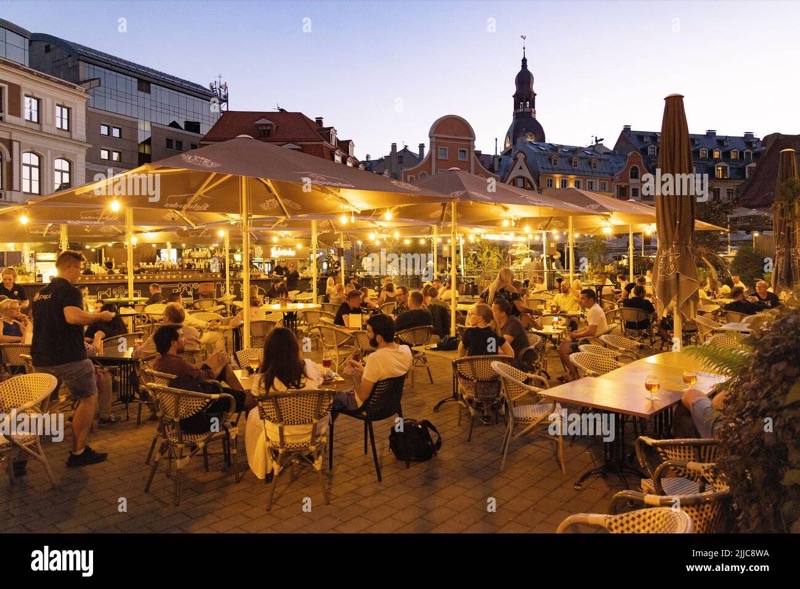
Riga offers a respectable nightlife, centered mostly around its Old Town. You will find numerous pubs, cocktail bars, and some dance clubs. Popular spots include Folkklubs Ala Pagrabs, offering traditional Latvian food and live folk music in a cellar setting, and Cuba Cafe for cocktails. The scene is active, especially on weekends, but generally winds down earlier than in some other European capitals. Expect bars to be busy until 2-3 AM, with a few clubs staying open later. A typical beer costs 4-6 EUR ($4.30-6.50 USD), and cocktails around 8-12 EUR ($8.60-13 USD). It is a good time, but not a full-throttle party destination.
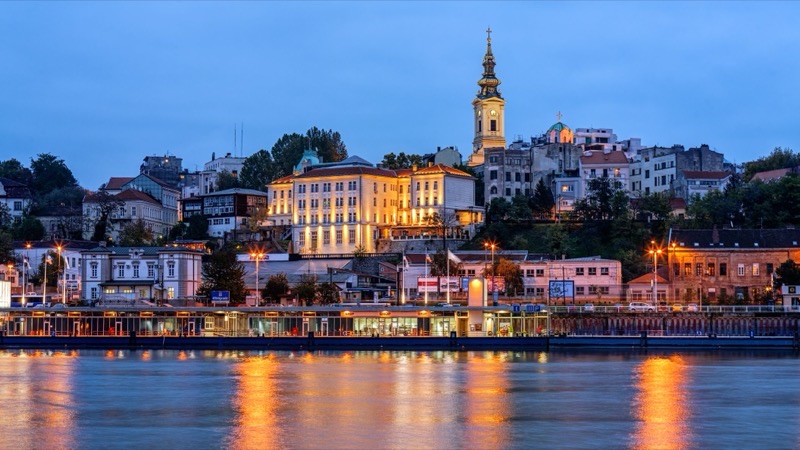
Belgrade is renowned for its intense nightlife, especially its 'splavovi' or river clubs on the Sava and Danube rivers, which operate primarily in warmer months. These clubs are known for electronic music, live Serbian pop, and staying open until dawn. During winter, the party moves to clubs in the city center, like Drugstore or Barutana (within Kalemegdan Fortress). Skadarlija, the bohemian quarter, offers traditional taverns with live music and plenty of rakija. Belgrade's energy is high, the music is loud, and the party lasts all night. A beer costs around 250-400 RSD ($2-3.50 USD), and club entry can be free or up to 1000-2000 RSD ($9-18 USD) for special events. Serbia provides an experience for those who prioritize late-night revelry.
Tabiji verdict: For serious party-goers and late-night experiences, Belgrade's nightlife is significantly more robust and delivers a better time.
- Winner: Serbia
- Why: Belgrade's legendary river clubs and all-night party culture provide a more energetic and extended nightlife experience.
- Who this matters for: Party enthusiasts, groups of friends, and travelers seeking intense late-night entertainment.
🌳 Nature & Outdoors
Latvia's natural environments are characterized by its extensive forests, numerous lakes, and a significant Baltic Sea coastline. Gauja National Park, easily accessible from Riga,…
Latvia
Serbia
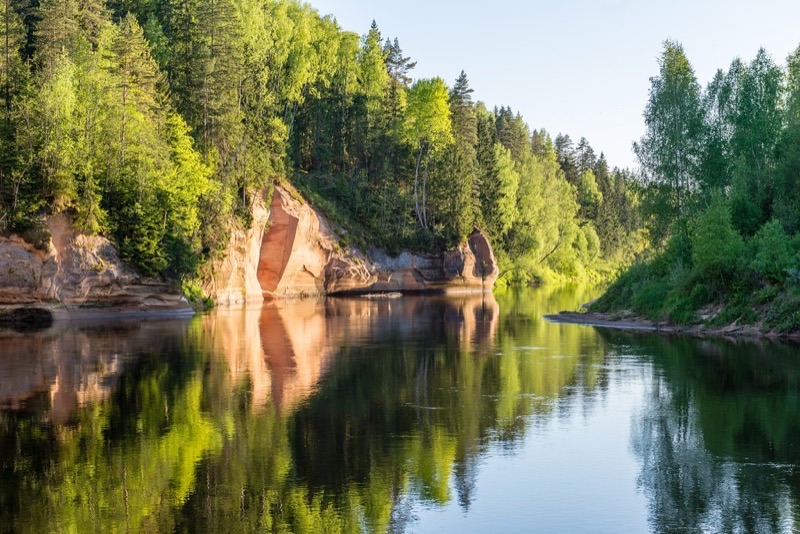
Latvia's natural environments are characterized by its extensive forests, numerous lakes, and a significant Baltic Sea coastline. Gauja National Park, easily accessible from Riga, is a prime example, offering hiking trails, medieval castles (like Turaida and Sigulda), and the Gauja River for kayaking. Jūrmala, a resort town near Riga, has long sandy beaches on the Baltic Sea, good for relaxed walks. The country is relatively flat, making activities like cycling popular. Its green spaces feel peaceful and well-maintained. Kemeri National Park is known for its mossy bogs and wooden boardwalks, providing a distinctive natural attraction.
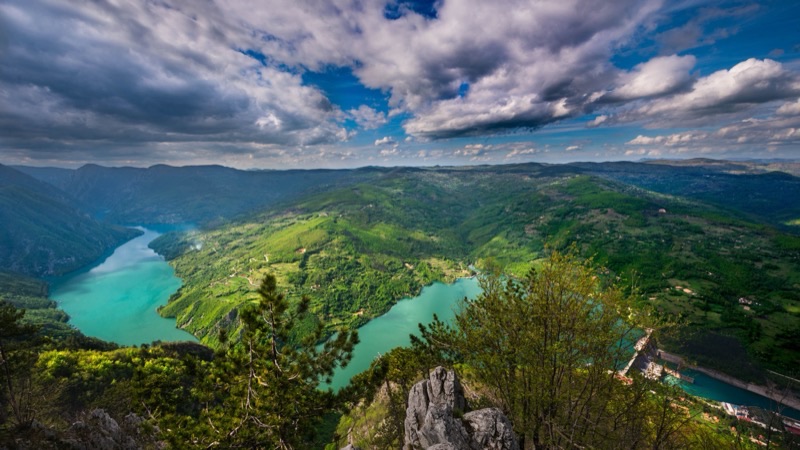
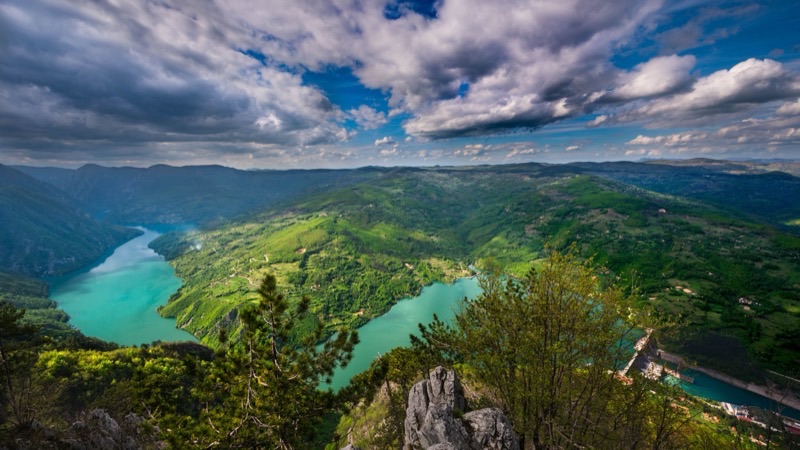
Serbia's natural settings are more rugged and mountainous. Tara National Park in the west is known for its dense forests, deep canyons (Drina River Canyon), and the rare Serbian spruce. Fruška Gora National Park, near Novi Sad, combines rolling hills with historical monasteries. The Danube River is a constant presence, offering opportunities for boat tours, especially around the Iron Gate gorge. While Serbia has impressive natural features, they are often less developed for casual tourism and require more effort or organized tours to access effectively. The landscape delivers dramatic scenery but requires a more committed approach to experience.
Tabiji verdict: Latvia offers more accessible and varied natural experiences for the average traveler, particularly with its well-developed national parks and coastal areas.
- Winner: Latvia
- Why: Latvia's nature, particularly Gauja National Park and its Baltic coast, is more accessible and user-friendly for day trips and casual exploration.
- Who this matters for: Hikers, nature photographers, families, and those seeking easily accessible green spaces near urban centers.
🍽️ Food Scene
Latvian cuisine is hearty and often features root vegetables, potatoes, dark rye bread (Rupjmaize), and smoked fish, particularly sprats. Traditional dishes include Grey Peas with…
Latvia
Serbia
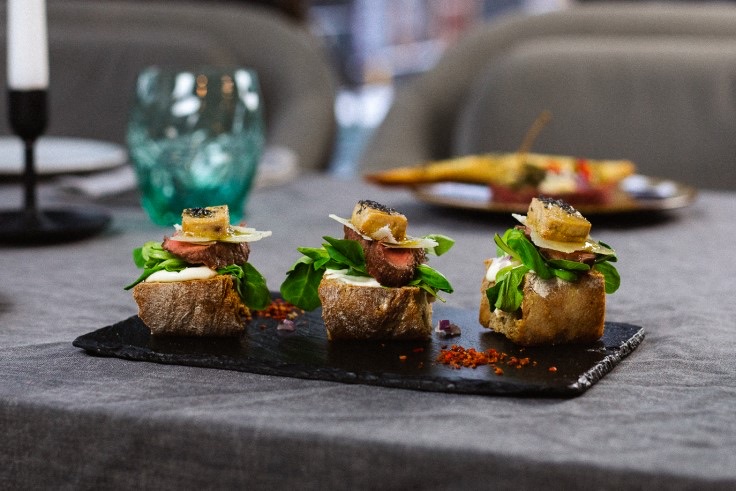
Latvian cuisine is hearty and often features root vegetables, potatoes, dark rye bread (Rupjmaize), and smoked fish, particularly sprats. Traditional dishes include Grey Peas with Speck and various stews. While comforting, it can be quite heavy. Riga does have a growing modern European restaurant scene, with places like Vincents offering fine dining experiences, but traditional Latvian food can be less varied than other European cuisines. The Riga Central Market is an excellent place to sample local produce, cheeses, and smoked goods for a low cost. A traditional meal can be found for 10-20 EUR ($11-21 USD).
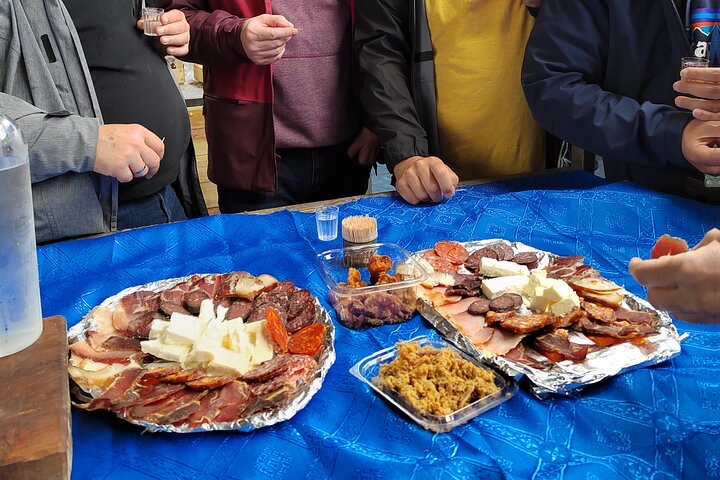
Serbian cuisine is a bold and flavorful experience, heavily influenced by its Balkan, Ottoman, and Central European heritage. It excels in grilled meats like `ćevapi` (minced meat sausages), `pljeskavica` (meat patty), and `karađorđeva šnicla` (rolled veal or pork schnitzel). Hearty stews, kajmak (a creamy dairy product), and ajvar (roasted red pepper spread) are staples. Bakeries offer delicious `burek` (flaky pastry with various fillings). Rakija, a strong fruit brandy, is the national drink. Restaurants like Tri Šešira in Skadarlija offer a full traditional experience with live music. The flavors are more assertive and diverse, generally providing a more memorable culinary journey. A full meal can be had for 800-1500 RSD ($7-13 USD).
Tabiji verdict: Serbia's food scene offers a more exciting, diverse, and flavorful experience, particularly for meat lovers and those seeking bold tastes.
- Winner: Serbia
- Why: Serbia's Balkan cuisine is more diverse, flavorful, and generally more exciting than Latvia's heavier, more traditional fare.
- Who this matters for: Foodies, meat lovers, and travelers seeking strong, distinct regional flavors.
✈️ Getting There & Around
Riga International Airport (RIX) serves as a significant hub for the Baltic region, with direct flights from many European cities via airlines like airBaltic and Ryanair. A flight…
Riga International Airport (RIX) serves as a significant hub for the Baltic region, with direct flights from many European cities via airlines like airBaltic and Ryanair. A flight from London (LHR) to Riga (RIX) typically takes around 2 hours 40 minutes, costing 50-150 EUR ($54-162 USD) depending on booking time. Once in Riga, public transport (trams, buses, trolleybuses) is efficient and covers the city well; a 24-hour ticket costs 5 EUR ($5.40 USD). Intercity buses are reliable for reaching other towns like Sigulda or Cēsis. Driving is straightforward, with well-maintained roads and clear signage. Border crossings with neighboring EU countries are usually seamless.
Belgrade Nikola Tesla Airport (BEG) also offers good connections to major European cities, with airlines like Air Serbia and Wizz Air. A flight from London (LHR) to Belgrade (BEG) takes approximately 2 hours 30 minutes, costing 70-200 EUR ($75-215 USD). Belgrade's public transport network of buses and trams covers the city, though it can feel more crowded and less organized than Riga's; a BusPlus card single ride costs 89 RSD ($0.80 USD). Intercity buses are the primary way to travel between Serbian cities, connecting Belgrade to Novi Sad or Niš. Driving in Serbia can be more challenging due to varying road quality outside major routes and less predictable traffic. Border crossings can sometimes involve longer waits, particularly with non-EU neighbors.
Tabiji verdict: Both destinations offer reasonable access and in-city transport, making it a tie for overall travel logistics.
- Winner: Tie
- Why: Both countries have well-connected airports and functional public transport within their capital cities, offering comparable ease of access and movement.
- Who this matters for: All travelers, as efficient transport simplifies any trip.
🏨 Accommodation
Latvia offers a wide range of accommodation options, from budget-friendly hostels to mid-range boutique hotels and luxury stays. In Riga, you can find a clean, comfortable hostel…
Latvia offers a wide range of accommodation options, from budget-friendly hostels to mid-range boutique hotels and luxury stays. In Riga, you can find a clean, comfortable hostel bed for 20-30 EUR ($21-32 USD) per night at places like Naughty Squirrel Backpackers Hostel. Mid-range hotels, such as the Wellton Riga Hotel & SPA or Hotel Neiburgs, typically cost 60-120 EUR ($65-130 USD) per night for a double room, offering good comfort and amenities. Options outside Riga, especially in smaller towns, can be more limited but also provide good value. The quality is generally high, meeting European standards.
Serbia excels in delivering excellent value for accommodation. In Belgrade, hostel beds are readily available for 10-20 EUR ($11-21 USD) per night at places like Hedonist Hostel. Private rooms in guesthouses or independent hotels, such as Hotel Rex or Hotel Majestic, can be found for 40-80 EUR ($43-86 USD) per night, often with breakfast included. Even boutique hotels like Square Nine Hotel Belgrade offer luxury at prices that would be mid-range in Western Europe. Outside Belgrade, especially in smaller towns or rural areas, you can find very affordable guesthouses and apartments. The value-for-money ratio is generally superior in Serbia, allowing for more comfortable stays within a tighter budget.
Tabiji verdict: For getting more comfort and quality for your money, Serbia offers a superior accommodation experience.
- Winner: Serbia
- Why: Serbia provides better value for money in accommodation, with comfortable and often stylish options at lower prices across all categories.
- Who this matters for: Budget-conscious travelers, those who appreciate good value, and digital nomads seeking affordable long-term stays.
🚨 Safety & Local Vibe
Latvia is generally a very safe country for tourists, with low rates of violent crime. Petty crime like pickpocketing can occur in busy tourist areas of Riga, but it is not…
Latvia is generally a very safe country for tourists, with low rates of violent crime. Petty crime like pickpocketing can occur in busy tourist areas of Riga, but it is not widespread. Locals tend to be reserved and polite, especially with strangers. English is widely spoken in tourist areas and among younger generations, making communication relatively easy. The atmosphere is generally calm and orderly, reflecting its Nordic influences. Walking alone at night in Riga's city center usually feels secure. It is a country that feels secure and predictable, which can be appealing for many travelers.
Serbia is also safe for tourists, but it has a different energy. While violent crime against tourists is rare, the overall atmosphere can feel more intense or direct. Locals are known for their hospitality once you break the ice, but initial interactions might be less overtly friendly than in some other countries. English proficiency varies, being higher among younger people in Belgrade but less common outside the capital. Scams, while not frequent, can occur. The history of the 1990s can sometimes surface in discussions, and it is wise to approach political topics with caution. However, travelers typically report feeling safe and welcome. Belgrade can feel a bit grittier than Riga, which some find appealing.
Tabiji verdict: Latvia offers a calmer, more predictably secure experience that may be preferred by many travelers, especially solo female travelers or families.
- Winner: Latvia
- Why: Latvia presents a generally calmer, more orderly, and predictably secure environment, with less intensity in local interactions.
- Who this matters for: Solo female travelers, families, and those who prioritize a low-key, secure travel environment.
🗺️ Day Trips
From Riga, Latvia offers several accessible and rewarding day trips. Gauja National Park is a top choice, with Sigulda and Cēsis offering medieval castles, hiking trails, and the…
From Riga, Latvia offers several accessible and rewarding day trips. Gauja National Park is a top choice, with Sigulda and Cēsis offering medieval castles, hiking trails, and the scenic Gauja River valley, all within an hour's train or bus ride. Jūrmala, with its wooden Art Nouveau villas and sandy beaches, is a quick 30-minute train ride. For culture, Rundāle Palace, a grand Baroque residence, is about an hour and a half drive away. These destinations are well-signposted and public transport connections are good, making self-guided exploration straightforward. The variety of nature, history, and seaside relaxation is a strong draw.
Serbia also has appealing day trip options from Belgrade. Novi Sad, Serbia's second-largest city, is about an hour and a half by bus or train, featuring the Petrovaradin Fortress and a pleasant city center. Near Novi Sad are the monasteries of Fruška Gora and the charming town of Sremski Karlovci, known for its wine. Further afield, the Golubac Fortress on the Danube River is visually striking, but it is a longer journey (around 2.5 hours drive). While the destinations are interesting, the public transport network for reaching some of the more remote monasteries or natural sites can be less frequent or require more planning than in Latvia.
Tabiji verdict: Latvia's day trip options are generally more accessible and offer a more diverse range of experiences from its capital.
- Winner: Latvia
- Why: Latvia's day trip destinations are more easily reached by public transport and offer a better balance of natural and historical sites closer to Riga.
- Who this matters for: Travelers who enjoy exploring outside the capital and prefer independent day excursions.
🚶♀️ Solo Travel & Meeting Locals
Latvia is a good choice for solo travelers due to its safety and ease of navigation. Hostels in Riga like The Naughty Squirrel or Central Hostel are common places to meet other…
Latvia is a good choice for solo travelers due to its safety and ease of navigation. Hostels in Riga like The Naughty Squirrel or Central Hostel are common places to meet other travelers, offering social events. Latvians are generally reserved, which means initiating conversations with locals might require more effort. However, if you do engage, you will find them polite and helpful. English is widely spoken in tourist areas and among younger people. The calm environment and clear tourist infrastructure make it a low-stress destination for individual explorers, but spontaneous local interactions are less common. Eating alone in restaurants is standard and comfortable.
Serbia, particularly Belgrade, has a more open and gregarious culture, which can be a plus for solo travelers looking to connect with locals. While initial interactions might seem gruff, Serbians are known for their hospitality and warmth once you get past that. Striking up conversations in bars, cafes, or even on the street is more common. Hostels like Hedonist Hostel or Balkan Soul Hostel are active social hubs. Learning a few Serbian phrases will be highly appreciated and can open doors. The energy of Belgrade can be conducive to meeting new people, both locals and other travelers. This can lead to more impromptu social experiences.
Tabiji verdict: Serbia's more outgoing culture and ease of social interaction make it a better destination for solo travelers seeking to engage with locals.
- Winner: Serbia
- Why: Serbia's more outgoing local culture and social atmosphere make it easier for solo travelers to connect with locals and other travelers.
- Who this matters for: Solo travelers seeking social interaction, those who enjoy engaging with local culture, and backpackers.
🎯 The Decision Framework
Choose Latvia If…
- You prioritize well-preserved medieval cities and Art Nouveau architecture.
- You prefer a calmer, more orderly travel experience.
- You want easily accessible nature, like forests and Baltic Sea beaches.
- You appreciate good public transport and well-maintained infrastructure.
- You are a solo female traveler or traveling with family and prioritize predictable safety.
- You enjoy hearty Baltic cuisine and local beers.
- You want to combine your trip with other EU Baltic states easily.
- You appreciate a generally quiet atmosphere in smaller towns.
Choose Serbia If…
- You are on a tighter budget and want your money to go further.
- You seek an intense, late-night party scene, especially river clubs.
- You crave bold, flavorful Balkan grilled meats and traditional dishes.
- You enjoy engaging with passionate, outgoing locals.
- You appreciate a gritty, authentic urban experience.
- You are interested in more recent 20th-century history and Ottoman influences.
- You enjoy strong coffee and potent rakija.
- You prefer a more spontaneous and less pre-planned travel style.
📅 Sample Itineraries
Weekend in Latvia (3 Days)
💡 Purchase a Riga Card for discounts on public transport and attractions, potentially saving 15-20% on a 72-hour pass.
Weekend in Serbia (3 Days)
💡 Use the 'Belgrade Pass' for unlimited public transport for 72 hours (~$8), making city exploration convenient and cost-effective.
One Week in Latvia (7 Days)
💡 For regional travel outside Riga, consider the regional train network for efficient and scenic journeys, often costing less than $10 for longer trips.
One Week in Serbia (7 Days)
💡 Serbian bus travel is very affordable for inter-city journeys; booking tickets at the station often provides the best rates, typically under $15 for a 2-3 hour trip.
❓ Frequently Asked Questions
Which country is cheaper, Latvia or Serbia?
Serbia is generally cheaper across the board. Expect to spend $45-90 USD per day in Serbia for accommodation, food, and activities, compared to $70-120 USD in Latvia. Meals in Belgrade can be found for $7-13 USD, while in Riga, they are typically $16-27 USD.
What is the flight time from Western Europe to each country?
Flights from major Western European cities like London take around 2 hours 40 minutes to Riga (RIX) and approximately 2 hours 30 minutes to Belgrade (BEG). Both airports are well-connected by budget and national carriers.
Is it easy to get around without a car in Latvia and Serbia?
Yes, both countries have good public transport in their capitals (trams, buses). Intercity travel is primarily by bus. Latvia's intercity buses are generally more modern. Driving in Latvia is straightforward; in Serbia, roads can be less predictable outside major routes.
Which country has better nightlife?
Serbia, particularly Belgrade, is known for its intense and late-night nightlife, especially its 'splavovi' (river clubs) during warmer months. Riga has a decent bar scene but generally winds down earlier.
Which destination is better for solo female travelers?
Latvia is often preferred by solo female travelers due to its calmer atmosphere, predictably high safety standards, and reserved but polite locals. Serbia is safe but has a more direct local energy.
What are the main cultural differences?
Latvia has a strong Baltic identity with Germanic and Nordic influences, evident in its architecture and more reserved demeanor. Serbia has a distinct Balkan and Orthodox Slavic culture, influenced by Ottoman and Austro-Hungarian history, leading to a more outgoing and passionate local vibe.
Can I use English to communicate in both countries?
In both Latvia and Serbia, English is widely spoken in tourist areas and among younger generations in the capitals. Outside Riga and Belgrade, English proficiency decreases, so learning a few local phrases is helpful.
What's the weather like in peak season (summer)?
In summer (June-August), Latvia experiences pleasant temperatures averaging 20-25°C (68-77°F) with occasional rain. Serbia gets hotter, averaging 25-30°C (77-86°F) in Belgrade, often reaching higher, with less rain and more intense sunshine.
Ready to plan your Eastern Europe or Balkan trip?
Get a free custom itinerary for Latvia, Serbia, or both — built from real traveler insights.
👥 Travelers Also Compared
🎟️ Book Tours & Experiences
Hand-picked tours and activities for both destinations — book with free cancellation
Experiences via Viator — free cancellation on most tours