How we built this comparison
This page combines traveler discussion patterns, published price ranges, flight schedules, and seasonal data to help you decide between Lebanon and Jordan.
- Reviewed 100+ Reddit threads from r/travel, r/solotravel, r/lebanon, r/jordan, and regional subreddits for firsthand experiences and advice.
- Verified costs and logistics against current booking platforms (e.g., Booking.com, Skyscanner, local tour operators) and reputable travel blogs.
- Cross-referenced seasonal patterns and weather data with local expert recommendations for optimal travel times.
⚡ The TL;DR Verdict
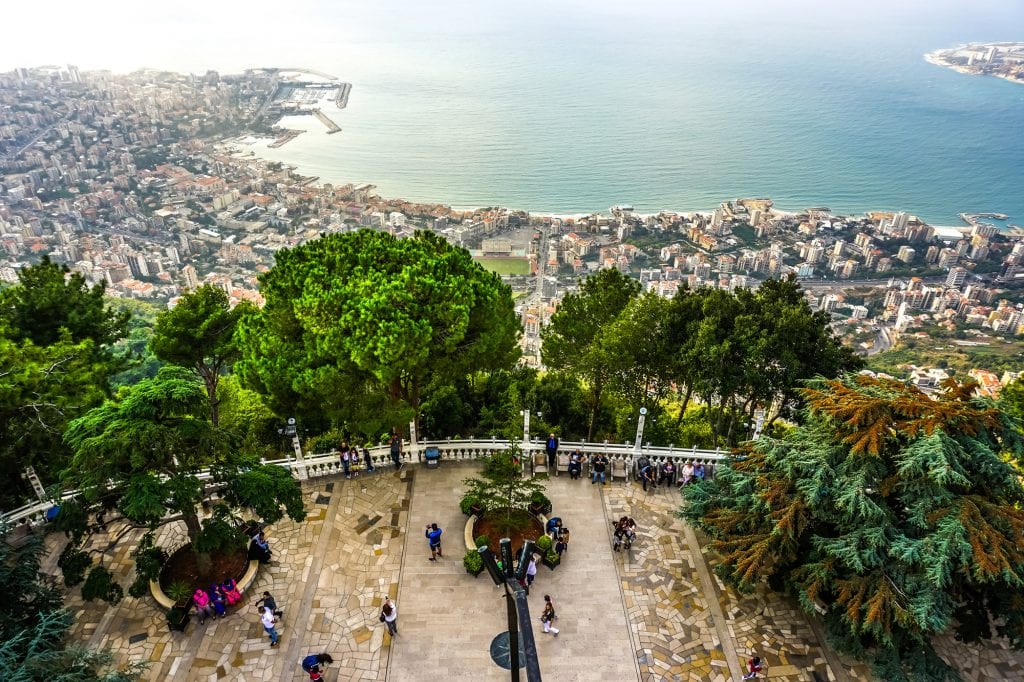
For those seeking raw, energetic cultural immersion, incredible food, and buzzing nightlife amidst ancient ruins and stunning coastlines, Lebanon is your pick, budget around $80-150 USD/day. If you crave iconic historical sites, vast desert landscapes, unparalleled hospitality, and a more predictable, structured journey, Jordan wins, with a daily budget of $100-200 USD/day.
- Choose Lebanon: Choose Lebanon if you're a food lover, a party enthusiast, appreciate dramatic coastal beauty, and don't mind navigating a more 'raw' travel experience with incredible rewards.
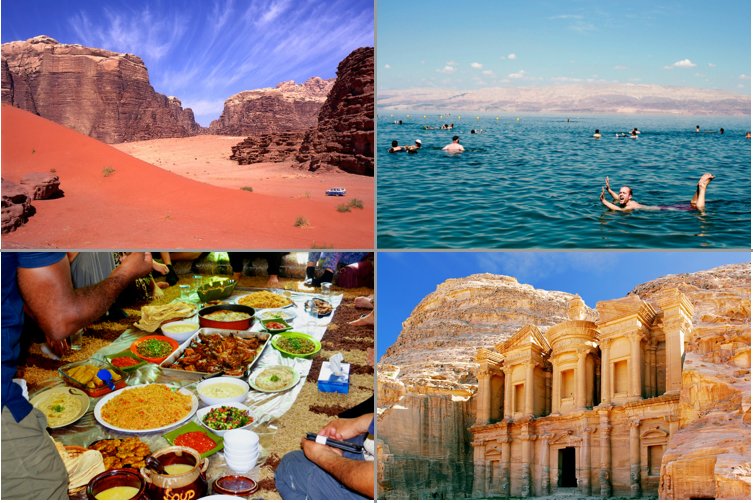
- Choose Jordan: Choose Jordan if Petra and Wadi Rum are high on your bucket list, you value well-established tourist infrastructure, and seek a deeply historical and naturally stunning adventure with welcoming locals.
- Choose Both: Do both if you have at least 14 days and want to experience the full spectrum of Middle Eastern history, nature, and culture. A flight between Beirut and Amman is short (approx. 1 hour) and relatively inexpensive (around $150-300 USD return).
Quick Comparison
| Category | Lebanon | Jordan | Winner |
|---|---|---|---|
| Culture & History | Ancient Phoenician cities, Roman ruins, Crusader castles, diverse religious sites, vibrant contemporary arts scene. | Petra, Jerash, Roman Decapolis, Umayyad castles, deep-rooted Bedouin traditions. | Tie |
| Food Scene | World-renowned Lebanese cuisine, diverse restaurants, excellent street food, vibrant cafe culture. | Delicious Middle Eastern staples, mansaf, kunafa, traditional Bedouin cooking. | Lebanon |
| Nightlife & Entertainment | Beirut is a regional party capital, diverse bars, clubs, live music, relaxed beach resorts. | More subdued, cafes, shisha lounges, some modern bars in Amman, limited clubbing. | Lebanon |
| Nature & Scenery | Dramatic coastlines, lush mountains, ancient cedar forests, Grottoes, ski resorts. | Iconic Wadi Rum desert, Dead Sea, Dana Biosphere Reserve, Mujib Canyon, Red Sea coral reefs. | Jordan |
| Costs & Budget | Generally cheaper accommodation outside Beirut, street food affordable, nightlife can be pricey, currency highly volatile. | Higher tourist site entry fees, mid-range accommodation, transport can add up, stable currency (JOD). | Lebanon |
| Safety & Stability | Higher perceived risk due to regional politics and internal economic issues, but generally safe for tourists in main areas. | Very stable and safe, well-established tourist routes, low crime rates. | Jordan |
| Getting Around | Limited public transport, reliance on taxis (often shared), service taxis (serviis), or rental cars. | Reliable bus network, shared taxis (serviis), private drivers, rental cars are popular for flexibility. | Jordan |
| Beaches & Coastline | Stunning Mediterranean coast, rocky coves, ancient harbors, vibrant beach clubs. | Limited coastline on the Red Sea (Aqaba), Dead Sea 'beaches' for floating, no traditional swimming beaches. | Lebanon |
| Solo Travel Friendliness | Can be challenging due to transport, perceived safety, but locals are generally welcoming. | Very welcoming, established tourist trails, easy to meet other travelers, safe and well-organized. | Jordan |
| Accommodation | Boutique hotels, guesthouses in historic buildings, budget hostels, luxury options. | Range from budget hostels to luxury resorts, unique ecolodges, Bedouin camps in Wadi Rum. | Tie |
🏛️ Culture & History
Both countries are absolute heavyweights in history. Lebanon boasts Byblos, one of the oldest continuously inhabited cities in the world, alongside the monumental Roman temples of Baalbek and the intricate Crusader castle in Sidon. Beirut itself is a mosaic of Ottoman, French Mandate, and modern architecture, still bearing the scars and beauty of its past. Jordan counters with the incomparable Petra, a Nabataean marvel carved into rose-red cliffs, and the incredibly well-preserved Roman city of Jerash. While Petra is arguably the single most iconic historical site in the region, Lebanon offers a broader chronological sweep and variety across its smaller area, from ancient Phoenician ports to more recent Ottoman influences. The sheer number of UNESCO sites per square kilometer in Lebanon is astounding, but Jordan's sites are often more isolated and grander in scale, demanding more travel time. "Petra is just insane, but I loved exploring the different layers of history in Beirut, from the Roman baths to the Ottoman souks. Lebanon felt more 'lived-in' historically." The cultural experiences are also distinct: Lebanon's cosmopolitan edge versus Jordan's more traditional Bedouin influence.
Winner takeaway
- Winner: Tie
- Why: Both offer world-class historical sites, but their appeal lies in different aspects, making them equally compelling depending on traveler preference.
- Who this matters for: History buffs, archaeology enthusiasts, and those looking for deep cultural immersion.
🍽️ Food Scene
Lebanon's food scene is legendary, and for good reason. From upscale restaurants like Em Sherif, where a full mezze spread can easily run $100+ USD per person, to humble but incredible street food joints selling manakish (cheese bread, ~$2 USD) or shawarma (around $4-6 USD), the quality and variety are consistently high. Beirut's Gemmayzeh and Mar Mikhael areas are packed with innovative eateries and classic establishments. You can find everything from modern fusion to traditional 'mother's cooking' at places like Tawlet. Jordan's food is also fantastic, deeply flavorful, and hearty. Mansaf (lamb with Jameed yogurt sauce) is the national dish, a must-try experience, often shared communally. Places like Hashem Restaurant in Amman offer excellent, cheap falafel and hummus (a meal for two for ~5-10 JOD / $7-14 USD). While Jordan excels in traditional, comforting cuisine, Lebanon edges it out with its sheer diversity, sophistication, and the sheer number of culinary experiences on offer. "Honestly, the food in Beirut alone is worth the trip. Every meal was an event, especially the fresh seafood in Byblos!"
Winner takeaway
- Winner: Lebanon
- Why: Lebanon's culinary scene is more diverse, innovative, and widely celebrated, offering an incredible range from street food to fine dining.
- Who this matters for: Foodies, gourmands, and anyone who believes food is a central part of travel.
🥂 Nightlife & Entertainment
If you're looking to party, Lebanon, specifically Beirut, is the undisputed winner. The city comes alive at night, particularly in districts like Mar Mikhael, Gemmayzeh, and Badaro, which are brimming with chic bars, pubs, and world-class nightclubs. You can find everything from casual rooftop bars with stunning views to high-energy electronic music clubs that stay open until dawn. Expect to pay around $10-15 USD for a cocktail in a nice bar. Beyond Beirut, coastal towns like Byblos offer a more relaxed, yet still lively, evening atmosphere by the sea. Jordan's nightlife is significantly more subdued. Amman has a growing number of modern bars and pubs, particularly around Rainbow Street and Abdali Boulevard, but it doesn't compare to Beirut's vibrant, all-night scene. Shisha cafes are ubiquitous and popular, offering a more laid-back social experience. "Beirut's nightlife blew my expectations out of the water. I spent like $50 just on drinks one night, but it was absolutely worth it for the vibe and the people."
Winner takeaway
- Winner: Lebanon
- Why: Beirut is renowned as a regional nightlife hub, offering a far more vibrant and diverse array of bars, clubs, and entertainment options.
- Who this matters for: Party-goers, social butterflies, and those who enjoy a lively evening scene.
⛰️ Nature & Scenery
Jordan absolutely shines when it comes to unique, world-famous natural landscapes. Wadi Rum, the 'Valley of the Moon,' offers breathtaking Martian-like desert vistas perfect for jeep tours, camel rides, and stargazing (a night in a Bedouin camp costs around $70-150 USD). The Dead Sea, the lowest point on Earth, offers a unique floating experience. Dana Biosphere Reserve provides incredible hiking opportunities through diverse ecosystems. Lebanon, while smaller, offers stunning contrasts: the rugged Mediterranean coastline, lush Qadisha Valley with its ancient cedar forests (a UNESCO site), and dramatic caves like Jeita Grotto (entrance ~$12 USD). In winter, you can even ski at resorts like Mzaar Kfardebian (lift pass ~$40-60 USD) just an hour from the beach. While Lebanon has immense beauty, Jordan's iconic natural wonders like Wadi Rum and the Dead Sea are truly unparalleled globally, making it a stronger draw for pure nature tourism. "Wadi Rum was a spiritual experience, the silence and stars were something I'll never forget. Lebanon's mountains were beautiful, but nothing touched that desert vastness."
Winner takeaway
- Winner: Jordan
- Why: Jordan boasts internationally renowned natural wonders like Wadi Rum and the Dead Sea, offering iconic and unique landscapes.
- Who this matters for: Nature lovers, hikers, adventure seekers, and photography enthusiasts.
💸 Costs & Budget
Travel costs in Lebanon can be complex due to the ongoing economic crisis and highly volatile LBP. Most tourist-facing businesses quote in USD, making planning easier but sometimes more expensive than anticipated. Expect to pay around $40-80 USD for a decent mid-range hotel outside Beirut, and $80-150 USD in Beirut. Street food is incredibly cheap ($2-6 USD), but fine dining and nightlife can easily match Western prices ($100+ USD for dinner, $10-15 USD per cocktail). A taxi from Beirut airport to the city center is about $20-30 USD. Jordan is generally more expensive for tourists, particularly for entry fees to major sites like Petra (1-day pass ~50 JOD / $70 USD, 3-day pass ~60 JOD / $85 USD) and Wadi Rum (entry ~5 JOD / $7 USD). Mid-range hotels in Amman might run $70-120 JOD ($100-170 USD). Food is slightly pricier than Lebanese street food but still reasonable (~8-15 JOD / $11-21 USD for a sit-down meal). "I found Lebanon surprisingly affordable once I got used to paying in USD everywhere, especially for food and local transport. Jordan's Petra ticket really hits the budget hard." Overall, while Lebanon's economy is unstable, a savvy traveler can stretch their dollar further, especially outside Beirut and by leveraging local transport and food options.
Winner takeaway
- Winner: Lebanon
- Why: Despite its economic challenges, Lebanon offers more opportunities for budget-conscious travelers, especially for food and local experiences, with lower major tourist site fees.
- Who this matters for: Budget travelers, backpackers, and those looking to get more value for their money.
🛡️ Safety & Stability
Jordan is widely regarded as one of the safest and most stable countries in the Middle East for tourism. The government prioritizes tourist safety, and major sites are well-protected. Crime rates are very low, and visitors generally feel secure, even solo travelers. The biggest concern might be overly persistent touts at tourist sites, but this is a minor annoyance. Lebanon, on the other hand, often carries a higher perceived risk due to its complex political landscape and proximity to volatile borders. While major tourist areas like Beirut, Byblos, and Baalbek are generally safe for visitors, and incidents directly affecting tourists are rare, it's crucial to stay informed about current events. Road safety can be a concern with aggressive driving. "I felt completely safe traveling solo through Jordan, even in remote areas like Wadi Rum. In Beirut, I was always a bit more aware of my surroundings, but never actually felt threatened." For peace of mind and predictable safety, Jordan is the clear winner.
Winner takeaway
- Winner: Jordan
- Why: Jordan offers a significantly higher degree of political stability and tourist safety, with well-established and secure travel routes.
- Who this matters for: Solo travelers, families, first-time travelers to the region, and those prioritizing peace of mind.
🚗 Getting Around
Getting around Jordan is relatively straightforward. JETT buses offer comfortable, reliable connections between major cities like Amman, Petra, and Aqaba. Shared taxis (serviis) are also common and cheap for inter-city travel. For exploring sites like Wadi Rum and the Dead Sea, renting a car (approx. $30-50 USD/day) is highly recommended for flexibility, or you can hire a private driver. Roads are generally well-maintained and signposted in English. Lebanon's public transport system is rudimentary outside of Beirut. Within Beirut, shared 'serviis' taxis are very common and cheap (around 30,000-50,000 LBP / ~$1-2 USD for a short ride), but navigating them requires some local knowledge. For inter-city travel, you'll mainly rely on shared vans, private taxis, or renting a car. Driving in Lebanon can be chaotic, with aggressive drivers and poorly maintained roads in some areas. "Renting a car in Jordan was a breeze, made it so easy to see everything on my own schedule. In Lebanon, I mostly stuck to Ubers or shared taxis because driving looked like a nightmare." Jordan's more organized and safer road network, coupled with better public transport options, makes it easier for independent travelers.
Winner takeaway
- Winner: Jordan
- Why: Jordan offers more reliable and comfortable public transportation options, safer roads, and easier self-driving for tourists.
- Who this matters for: Independent travelers, those who prefer self-driving, and anyone looking for hassle-free transit.
🏖️ Beaches & Coastline
Lebanon is situated entirely on the Mediterranean, boasting a beautiful and diverse coastline. From the ancient harbors of Byblos and Tyre to the lively beach clubs south of Beirut, there's a beach experience for everyone. Many resorts offer day passes (around $15-30 USD) for pools and private beach access. While some public beaches exist, the private resorts often provide better facilities. The water is generally clear and inviting, perfect for swimming and sunbathing. Jordan's coastline is limited to a small stretch along the Red Sea in Aqaba. Here, you can enjoy diving and snorkeling among vibrant coral reefs, but traditional sandy swimming beaches are not its strong suit. The Dead Sea offers a unique 'beach' experience for floating in its mineral-rich waters, but it's not for swimming or relaxing by the shore in a conventional sense. "Lebanon's beaches were a pleasant surprise. The vibe at the beach clubs near Batroun was amazing, great food and music right by the sea!" For proper beach relaxation, swimming, and Mediterranean vibes, Lebanon is the clear winner.
Winner takeaway
- Winner: Lebanon
- Why: Lebanon offers a vast and diverse Mediterranean coastline with traditional swimming beaches, lively beach clubs, and historical harbors.
- Who this matters for: Beach lovers, swimmers, sunbathers, and those seeking coastal relaxation.
🧍 Solo Travel Friendliness
Jordan is an excellent destination for solo travelers. Its well-trodden tourist circuit, friendly locals, and general safety make it easy to navigate independently. There are plenty of hostels in Amman (beds around $15-30 USD) and Petra, making it simple to meet other travelers. Public transport options like JETT buses are reliable, and local tour operators cater well to solo adventurers, especially for trips to Wadi Rum. Women travelers generally report feeling safe and respected. Lebanon can be more challenging for solo travelers, particularly women. While locals are incredibly hospitable, the lack of robust public transport means more reliance on taxis or shared vans, which can be less convenient for a single person. The perceived safety risks, though often exaggerated for tourist areas, can also be a deterrent. "As a solo female traveler, I felt incredibly comfortable and safe in Jordan, even hitchhiking with Bedouins in Wadi Rum. Lebanon was a bit more intense, but still manageable, just needed more planning." For ease of travel, safety, and community, Jordan is a stronger choice for solo adventurers.
Winner takeaway
- Winner: Jordan
- Why: Jordan's established tourist infrastructure, high level of safety, and welcoming atmosphere make it highly conducive to solo travel.
- Who this matters for: Solo adventurers, especially first-time solo travelers in the region, and female travelers.
🏨 Accommodation
Both countries offer a wide range of accommodation options, catering to different budgets and preferences. In Lebanon, Beirut offers everything from chic boutique hotels (e.g., The Smallville Hotel, $120-200 USD/night) and luxurious international chains to charming guesthouses in historic buildings in areas like Gemmayzeh (e.g., Hotel Albergo, $200+ USD/night) and budget-friendly hostels (around $25-40 USD/night). Outside Beirut, you can find lovely guesthouses in Byblos or charming mountain lodges. Jordan also excels in variety. Amman has a solid selection of hostels, mid-range hotels, and international chains. Petra offers hotels right at the entrance, from basic to 5-star (e.g., Mövenpick Resort Petra, $150-300 USD/night). Wadi Rum is famous for its unique Bedouin camps, ranging from rustic to luxurious 'glamping' bubbles (e.g., BubbleLuxotel, $200-500 USD/night). The Feynan Ecolodge in Dana Biosphere Reserve is another standout, offering a truly immersive, sustainable experience (around $200-300 JOD / $280-420 USD). "I loved the character of the guesthouses in Beirut, but sleeping under the stars in a Wadi Rum bubble tent was an absolute bucket-list experience." While Lebanon offers more stylish urban boutique options, Jordan counters with its unique desert and eco-lodges, making it a tie for overall quality and choice.
Winner takeaway
- Winner: Tie
- Why: Both countries provide excellent and diverse accommodation options, from luxury to budget, with unique local experiences in each.
- Who this matters for: All travelers, as both countries cater well to various budgets and preferences.
❓ Frequently Asked Questions
Is it easy to combine Lebanon and Jordan in one trip?
Yes, it's quite feasible. A direct flight between Beirut (BEY) and Amman (AMM) is only about an hour long. Several airlines, like Middle East Airlines and Royal Jordanian, offer daily flights. You'll typically need at least 10-14 days to do both justice, allowing 5-7 days per country without rushing.
What's the best time of year to visit both countries?
Spring (March-May) and Autumn (September-November) are ideal for both. The weather is pleasant, not too hot for exploring, and the landscapes are at their best. Summer (June-August) can be extremely hot, especially in Jordan's desert regions, while winter (December-February) can bring cold, rain, and even snow to mountainous areas of both countries.
Do I need a visa for Lebanon or Jordan?
Visa requirements vary by nationality. Many nationalities can obtain a visa on arrival for Jordan, often at a cost (around 40 JOD). For Lebanon, many countries also qualify for a visa on arrival, typically free or for a small fee. Always check the latest visa policies with your respective embassy or consulate before traveling.
Is English widely spoken in Lebanon and Jordan?
Yes, English is widely spoken in both countries, especially in tourist areas, hotels, and restaurants. In Lebanon, French is also commonly spoken due to historical ties. While Arabic is the official language in both, you'll generally have no trouble communicating in English.
How do tipping customs differ between the two?
Tipping is appreciated in both countries. In restaurants, a 10% tip is standard if a service charge isn't included. For taxi drivers, rounding up the fare is common. For tour guides and hotel porters, a few dollars (USD or local equivalent) is customary, especially for good service. It's not mandatory but is a nice gesture.
What are the main differences in attire for women travelers?
In Jordan, particularly outside Amman and at religious sites, modest dress (shoulders and knees covered) is advisable to show respect. In Lebanon, especially Beirut, dress codes are generally more liberal, similar to Europe, though modest attire is still recommended for religious sites. Always carry a scarf for mosque visits.
Are credit cards widely accepted, or should I carry cash?
Major credit cards are accepted in hotels, larger restaurants, and shops in both countries. However, for smaller shops, street food, local taxis, and many guesthouses, cash is essential. It's always wise to carry a mix of small denominations in local currency (JOD in Jordan, USD in Lebanon) for daily expenses.
What's the internet connectivity like in both countries?
Both countries have decent internet connectivity. Wi-Fi is readily available in most hotels, cafes, and restaurants. You can easily purchase local SIM cards at the airport or telecom stores (e.g., Alfa/Touch in Lebanon, Zain/Orange/Umniah in Jordan) for affordable data plans, ensuring you stay connected throughout your trip.
Ready to plan your Middle East adventure?
Get a free custom itinerary for Lebanon, Jordan, or both — built from real traveler insights.
🎟️ Book Tours & Experiences
Hand-picked tours and activities for both destinations — book with free cancellation
Experiences via Viator — free cancellation on most tours