How we built this comparison
This page combines traveler discussion patterns, published price ranges, flight schedules, and seasonal data to help you decide between Leon and Managua.
- Reviewed 50+ Reddit threads from r/travel, r/solotravel, r/NicaraguaTravel, and r/CentralAmerica
- Verified costs and logistics against current booking platforms (Booking.com, Hostelworld, flight aggregators)
- Cross-referenced seasonal patterns and weather data from NOAA and local tourism boards

⚡ The TL;DR Verdict
Choose Leon for an immersive cultural experience, vibrant nightlife, and easy access to adventure, ideal for backpackers and history buffs on a budget of $30-50 USD/day. Managua is better suited for business travelers, those seeking modern conveniences, or as a transit hub, requiring a slightly higher budget of $50-80 USD/day if you want comfort and security.
- Choose Leon: Perfect for backpackers, cultural explorers, volcano boarders, and those seeking an authentic, walkable colonial city with a buzzing social scene and a laid-back vibe.
- Choose Managua: Best for business travelers needing modern amenities, those seeking a familiar shopping mall experience, or as a necessary transit point for flights, not typically a primary tourist destination.
- Choose Both: If you have 7-10+ days in Nicaragua, consider flying into Managua (MGA), spending a night or two if needed, then taking a shuttle to Leon for 3-4 days, before heading to Granada or the coast.
Quick Comparison
| Category | Leon | Managua | Winner |
|---|---|---|---|
| Culture & History | Rich revolutionary history, stunning colonial architecture, and a vibrant artistic scene. | Modern capital rebuilt after earthquakes, with monuments reflecting a complex past but less overt charm. | Leon |
| Nightlife | Lively university town with bustling bars, hostels, and street parties. | More upscale clubs, casinos, and scattered options requiring taxis; less concentrated. | Leon |
| Food Scene | Excellent street food, traditional Nicaraguan dishes, and budget-friendly eateries. | More diverse international cuisine, upscale restaurants, and modern cafes. | Leon |
| Safety | Generally safe, especially in the well-lit tourist center; common sense precautions apply. | Higher crime rates in some areas; sprawling nature requires more caution, especially at night. | Leon |
| Accommodation | Excellent selection of budget hostels, charming boutique hotels, and guesthouses. | More business-oriented hotels, international chains, and luxury options, fewer budget hostels. | Tie |
| Day Trips & Nature | Gateway to volcano boarding, Pacific beaches, and stunning natural reserves. | Access to Masaya Volcano, Apoyo Lagoon, and closer to Granada/Isla de Ometepe. | Leon |
| Costs | Highly budget-friendly for food, accommodation, transport, and activities. | Generally higher costs, especially for modern amenities, international food, and private transport. | Leon |
| Getting There & Around | Accessible by bus/shuttle from Managua (MGA); walkable city center. | Home to the main international airport (MGA); sprawling, requiring taxis or ride-share. | Tie |
| Vibe & Atmosphere | Authentic, vibrant, laid-back colonial city with a strong local and backpacker community. | Busy, sprawling capital with a more modern and business-oriented feel; less tourist-centric. | Leon |
| Digital Nomad & Solo Travel | Excellent for solo travelers with social hostels; good coworking cafes; slower pace. | Better infrastructure (faster internet) for DMs, but less community for solo travelers. | Leon |
🏛️ Culture & History
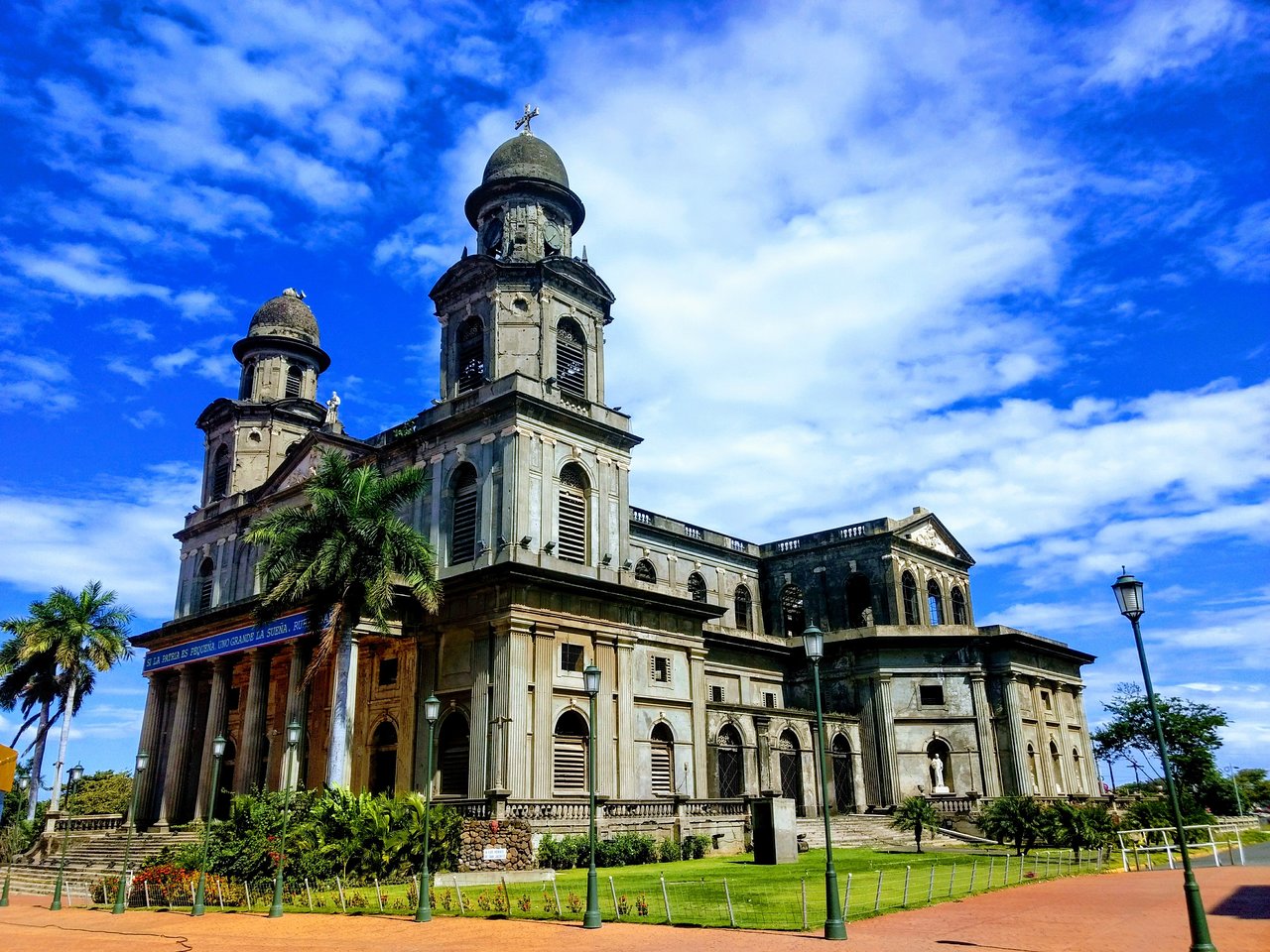
Leon is unequivocally Nicaragua's cultural heart, a city steeped in revolutionary fervor and colonial grandeur. Its streets are lined with brightly colored buildings, leading to the UNESCO-listed Catedral de la Asunción, the largest cathedral in Central America, which you can climb for panoramic city views (admission ~C$120 / $3.30 USD). The Museo de la Revolución and Ortiz-Guardian Art Center offer deep dives into the country's turbulent past and vibrant art scene. You can literally walk through history here, experiencing the raw energy of a city that has seen so much. Managua, by contrast, feels more fragmented. While it has significant historical sites like Loma de Tiscapa (offering views and a monument to Sandino) and the Old Cathedral, they are spread out and often lack the cohesive, walkable charm of Leon. The constant rebuilding after earthquakes means its historical narrative is less visually present in its urban fabric. "Leon is like stepping back in time but with a modern energy, while Managua is more like a scattered collection of modern life with historical remnants rather than a truly historic city." The cultural experience in Leon is immersive and immediate, whereas in Managua, it requires more effort to seek out and appreciate.
Winner takeaway
- Winner: Leon
- Why: Leon offers a more concentrated, walkable, and vibrant historical and cultural experience with world-class attractions.
- Who this matters for: History buffs, architecture enthusiasts, and those seeking an authentic cultural immersion.
🍻 Nightlife
Leon's nightlife is legendary among travelers, largely thanks to its large university student population and backpacker hostels. Bars like Via Via and Bigfoot Hostel are central hubs, offering cheap drinks, live music, and themed parties almost every night. You can easily bar-hop through the central area, grabbing a Tona (local beer) for C$40-60 ($1.10-$1.65 USD) or a Flor de Caña rum cocktail for C$80-120 ($2.20-$3.30 USD). The energy is infectious, with a mix of locals and international visitors creating a genuinely fun and social atmosphere. Managua's nightlife is more spread out and caters to a different crowd, often locals with more disposable income. You'll find a few upscale clubs in areas like Galerías Santo Domingo or Zona Viva, and a number of casinos, but they lack the organic, walkable vibrancy of Leon. Expect to pay C$70-100 ($1.90-$2.75 USD) for a beer in a nicer establishment. Taxis are essential for getting between venues, which adds to the cost and complexity. "Managua's clubs are fine, but Leon's atmosphere is just unbeatable if you want to meet people and party without breaking the bank." If you're looking to socialize and have spontaneous fun, Leon is the undisputed champion.
Winner takeaway
- Winner: Leon
- Why: Leon's concentrated, budget-friendly, and vibrant university/backpacker scene fosters an electric nightlife.
- Who this matters for: Solo travelers, backpackers, students, and anyone looking for lively, affordable evenings out.
🍽️ Food Scene
Leon excels in serving up authentic and delicious Nicaraguan fare, often at incredibly low prices. Stroll through the central market or near the cathedral, and you'll find street vendors selling vigorón (yuca, chicharrón, and cabbage salad) for C$50-80 ($1.40-$2.20 USD) or quesillos (tortillas with cheese, sour cream, and pickled onions) for C$30-50 ($0.80-$1.40 USD). For a sit-down meal, local 'comedores' offer 'fritanga' (grilled meat, plantains, rice) for C$100-180 ($2.75-$5 USD). Restaurants like El Desayunazo are famed for their hearty breakfasts. The culinary experience in Leon is an immersion into local flavors. Managua, being the capital, has a broader range of international options, from sushi to Italian, especially in areas like Galerías Santo Domingo. You can find upscale restaurants like Restaurante Don Candido for quality steak (C$500-1000 / $14-$27 USD per person) or trendy cafes. However, its street food scene is less prevalent and authentic compared to Leon. "Managua has some great fancy places, but I ate better and cheaper street food in Leon every single day." If you want to eat like a local and savor traditional Nicaraguan cuisine, Leon is the clear winner; if you crave a specific international dish, Managua might have it, but it comes with a higher price tag.
Winner takeaway
- Winner: Leon
- Why: Leon offers a superior, more authentic, and significantly more affordable traditional Nicaraguan food experience.
- Who this matters for: Foodies, budget travelers, and anyone eager to try local specialties.
🚨 Safety
Nicaragua as a whole is generally considered one of the safer Central American countries, but within Nicaragua, Leon feels distinctly safer for tourists. Its compact, walkable center means you're rarely far from people, and the strong community feel often translates to a watchful eye. Petty crime like pickpocketing can occur, especially in crowded markets, so standard precautions (don't flash valuables, be aware of surroundings) are wise. "I felt super comfortable walking around Leon at night, even alone, compared to other capitals I've been in." Managua, by contrast, is a much larger, more sprawling city with distinct zones of varying safety. While areas around major malls like Galerías Santo Domingo and hotels are generally secure, venturing into less-developed neighborhoods, especially after dark, is not recommended. Taxi scams or overcharging are more common in Managua, and it's less pedestrian-friendly, forcing reliance on taxis, which introduces another variable for safety. The sheer size and economic disparities make Managua inherently riskier than the smaller, more tourist-focused Leon. While neither is dangerous if you exercise common sense, Leon's contained nature and tourist infrastructure make it feel much more secure for visitors.
Winner takeaway
- Winner: Leon
- Why: Leon's compact, walkable, and tourist-friendly center provides a safer and more comfortable environment for visitors.
- Who this matters for: Solo travelers, first-time visitors to Nicaragua, and those prioritizing peace of mind.
🏨 Accommodation
Leon offers a fantastic array of accommodation options that cater primarily to backpackers and cultural tourists. You'll find numerous highly-rated hostels like Bigfoot Hostel Leon (dorm beds ~C$360-540 / $10-$15 USD) or Via Via, which are not just places to sleep but social hubs. There are also many charming colonial boutique hotels and guesthouses in the C$1,400-2,900 ($40-$80 USD) range, like Hotel El Convento or Hotel La Perla, offering comfort and character. Managua, as the capital and business hub, has a stronger presence of international hotel chains such as Hotel Real Intercontinental, Hyatt Place, and Crowne Plaza, where rooms can start from C$2,900 ($80 USD) and go upwards of C$5,400 ($150 USD) for luxury. These cater well to business travelers or those seeking high-end amenities and security. Budget hostel options are fewer and generally less vibrant than in Leon, with prices sometimes matching those in Leon (C$360-540 / $10-$15 USD) but often lacking the same atmosphere or central location. "If you want a cozy, authentic guesthouse or a lively hostel, Leon is it. Managua is for your Hilton or Marriott, not much in between." So, while both offer quality stays, their strengths lie in different segments of the market.
Winner takeaway
- Winner: Tie
- Why: Both cities offer excellent accommodation but cater to different travel styles and budgets effectively.
- Who this matters for: Travelers seeking budget-friendly, social hostels and charming guesthouses (Leon) vs. business travelers and those preferring international hotel chains (Managua).
🌋 Day Trips & Nature
Leon is the undisputed adventure capital of Nicaragua, largely due to its proximity to Cerro Negro, the only place in the world where you can volcano board. Tours from Leon cost around C$1,100 ($30 USD) and are an absolute must-do. Beyond that, you can take day trips to the serene Pacific beaches like Las Peñitas or Poneloya (a 'colectivo' bus costs C$20 / $0.55 USD, about 30 mins), offering surfing, swimming, and fresh seafood. The Juan Venado Island Nature Reserve, famous for mangroves and sea turtle nesting, is also easily accessible. For nature and adventure, Leon offers a diverse and exciting menu. Managua's day trip options are also strong but different. It's the closest major city to the stunning Laguna de Apoyo (a pristine crater lake ideal for swimming and kayaking) and the active Masaya Volcano National Park, where you can witness molten lava at night (entry fee ~$10 USD). However, these excursions often require organized tours or private transport, as public transport can be trickier. "Volcano boarding from Leon was the highlight of my whole Central America trip, nothing in Managua comes close to that thrill." While Managua is a good base for accessing the southern attractions like Granada or Ometepe, Leon's unique offerings and easier access to its natural wonders give it the edge for sheer adventurous appeal.
Winner takeaway
- Winner: Leon
- Why: Leon offers unique, world-renowned adventure activities like volcano boarding and easily accessible Pacific beaches.
- Who this matters for: Adventure seekers, nature lovers, and anyone looking for unique travel experiences.
💸 Costs
Leon consistently emerges as the more budget-friendly option for travelers. A backpacker can comfortably get by on C$1,100-1,800 ($30-$50 USD) per day, including a hostel bed (C$360-540 / $10-$15 USD), delicious street food (C$100-200 / $2.75-$5.50 USD per meal), local beers (C$40-60 / $1.10-$1.65 USD), and even a tour like volcano boarding. Local chicken bus rides are incredibly cheap (C$10-20 / $0.27-$0.55 USD). You can experience a lot without breaking the bank. Managua, on the other hand, requires a higher budget for a comparable level of comfort and security. While very local food can be cheap, dining at modern restaurants in malls or business districts will easily cost C$500-1,000 ($14-$27 USD) per meal. Taxis are essential for getting around, with rides typically costing C$100-200 ($2.75-$5.50 USD), quickly adding up. Hotels, especially international chains, are significantly more expensive. "My money just went so much further in Leon, I could eat like a king and still afford tours." If you're looking to stretch your travel budget and maximize experiences, Leon provides exceptional value for money, whereas Managua's costs can quickly escalate if you move beyond strictly local options.
Winner takeaway
- Winner: Leon
- Why: Leon offers significantly better value for money across almost all categories, from food to accommodation and activities.
- Who this matters for: Budget travelers, backpackers, and anyone conscious of their spending.
✈️ Getting There & Around
Managua is the primary international gateway to Nicaragua, hosting the Augusto C. Sandino International Airport (MGA). Most international flights arrive here, making it your unavoidable first (or last) stop in the country. From MGA, you'll likely need a pre-arranged taxi (C$700-900 / $20-$25 USD) or an airport shuttle to your accommodation, as the city is sprawling. Getting around Managua relies heavily on taxis (always agree on a price first) or ride-sharing apps, as public transport can be confusing and less safe for tourists, especially at night. Leon, while not having its own international airport, is easily accessible from Managua. Shared shuttles (C$360-540 / $10-$15 USD) or express buses (C$180-250 / $5-$7 USD) run frequently and take about 2 hours. Once in Leon, the city is a dream to navigate on foot. Its compact, gridded colonial center means you can walk to most attractions, restaurants, and bars. "Flying into Managua is easy, but once you're there, I found getting around was a headache compared to just walking everywhere in Leon." While Managua serves as the necessary entry point, Leon's walkability and easy inter-city connections make daily movement far more pleasant. It's a tie because you can't avoid Managua entirely, but Leon's local transit is far superior.
Winner takeaway
- Winner: Tie
- Why: Managua is the international entry point, but Leon offers superior walkability and easier local navigation.
- Who this matters for: All travelers will use Managua's airport, but those prioritizing ease of local movement will prefer Leon.
✨ Vibe & Atmosphere
Leon's atmosphere is undeniably captivating. It exudes an authentic, lived-in colonial charm, with colorful buildings, bustling markets, and a palpable sense of history. The city is alive with students, local families, and a steady stream of backpackers, creating a friendly, social, and laid-back vibe. You can easily spend hours people-watching from a cafe or simply wandering its historic streets. There's a strong sense of community, and tourists are genuinely welcomed into the local fabric. "Leon just felt alive, like a real city that also welcomed tourists, not just a place for business." Managua, in stark contrast, is a massive, sprawling capital that feels less like a destination and more like a functional hub. Its layout, shaped by multiple earthquakes, is decentralized, with modern shopping malls and business districts scattered across a wide area. It lacks the cohesive charm and picturesque qualities of Leon. The atmosphere is more focused on commerce and daily life, and while welcoming, it doesn't possess the same inviting 'tourist-friendly' energy or aesthetic appeal. It's not a city you typically fall in love with for its atmosphere; it's a city you use for its services.
Winner takeaway
- Winner: Leon
- Why: Leon offers a more vibrant, authentic, and charming atmosphere that resonates strongly with travelers.
- Who this matters for: Travelers seeking a captivating, authentic, and aesthetically pleasing city experience.
💻 Digital Nomad & Solo Travel
For solo travelers and digital nomads seeking community and a vibrant social scene, Leon is the clear winner. Its abundance of social hostels like Bigfoot and Via Via makes it incredibly easy to meet other travelers for tours, meals, or nights out. The city's walkable nature and safe feel also contribute to a comfortable solo experience. While internet speeds can be inconsistent compared to Managua, many cafes offer decent Wi-Fi, and some hostels cater specifically to remote workers. The cost of living is also significantly lower, making it attractive for longer stays. "As a solo female traveler, I felt completely safe and met so many cool people in Leon, it made my trip." Managua, while potentially offering faster and more reliable internet connections in its modern hotels and cafes, lacks the organic community feel. Digital nomads might find better coworking spaces or more stable power, but the sprawling nature of the city makes social interaction more challenging unless you're plugged into a specific local network. Solo travelers will find themselves relying more on organized tours or simply being alone, as the casual 'meet-up' vibe is largely absent. Managua is better for the disciplined, self-contained remote worker; Leon is better for the social, exploratory nomad.
Winner takeaway
- Winner: Leon
- Why: Leon fosters a stronger sense of community and ease of connection for solo travelers and offers a more engaging environment for digital nomads.
- Who this matters for: Solo travelers, digital nomads seeking community, and those prioritizing a social experience.
❓ Frequently Asked Questions
Is Managua safe for tourists?
Managua is generally safe during the day in commercial areas like malls and hotel zones. However, it's a sprawling city with varying safety levels; certain neighborhoods are best avoided. Exercise caution, use reputable taxis (agree on fare beforehand), avoid walking alone at night, and be aware of your surroundings to minimize risks.
What's the best way to get from Managua to Leon?
The most convenient way is a shared shuttle (around $10-15 USD) which can be booked through hostels or tour operators. Express buses (Transnica, TicaBus) are also an option from Managua's bus terminals for about $5-7 USD and take approximately 2 hours. Chicken buses are the cheapest but slowest and most crowded.
Can I do volcano boarding from Managua?
While theoretically possible, volcano boarding on Cerro Negro is primarily organized from Leon due to its close proximity (about 45 minutes drive). Managua is too far to be a practical base for this activity. You'll need to travel to Leon for the tour.
Which city has better beaches nearby?
Leon definitely has better and more accessible beaches. Las Peñitas and Poneloya are just a 30-minute 'colectivo' bus ride away (around $0.50 USD), offering a laid-back vibe, surf lessons, and fresh seafood. Managua has no real tourist beaches nearby; the closest options are much further and less appealing for typical beach activities.
Is English widely spoken in Leon or Managua?
In both cities, Spanish is the primary language. In Leon, you'll find English speakers in tourist-focused hostels, tour agencies, and some restaurants. In Managua, English is more common in international hotels, upscale restaurants, and business settings. Learning basic Spanish phrases will greatly enhance your experience in both locations.
What's the best time of year to visit Nicaragua?
The dry season, from November to April, is generally considered the best time to visit. You'll enjoy sunny days, less humidity, and ideal conditions for outdoor activities like volcano boarding and beach trips. The rainy season (May-October) brings lush landscapes but also daily downpours and higher humidity.
Are there good options for vegetarian/vegan food?
Yes, both cities offer vegetarian and increasingly vegan options, though Leon often has more dedicated traveler-friendly spots. In Leon, many local 'comedores' can prepare 'gallo pinto' (rice and beans), plantains, and salads. Managua's larger, more modern restaurants and some health-food cafes cater to these dietary needs. Always specify 'sin carne' (without meat) or 'sin lácteos' (without dairy).
Which city is better for families with kids?
Leon is generally better for families with kids due to its walkable, safer streets, charming atmosphere, and various cultural activities (like climbing the cathedral). Managua, while having malls and some parks, is sprawling and requires more taxi travel, which can be less convenient and more costly for families.
Ready to plan your Nicaragua trip?
Get a free custom itinerary for Leon, Managua, or both — built from real traveler insights.
🎟️ Book Tours & Experiences
Hand-picked tours and activities for both destinations — book with free cancellation
Experiences via Viator — free cancellation on most tours