How we built this comparison
This page combines traveler discussion patterns, published price ranges, flight schedules, and seasonal data to help you decide between Lijiang and Dali.
- Reviewed 100+ Reddit threads from r/travel, r/solotravel, r/chinatourism, and region-specific forums.
- Verified costs and logistics against current booking platforms (Trip.com, Ctrip) and official tourism sites.
- Cross-referenced seasonal patterns and weather data with local travel blogs and meteorological records.

⚡ The TL;DR Verdict
For those chasing ancient mystique and dramatic mountain vistas, Lijiang's UNESCO Old Town and Naxi culture are unmatched, budget around ¥500-800 ($70-110) daily. If a more relaxed, bohemian vibe, cycling by a massive lake, and a mix of traditional Bai culture with modern cafes appeal, Dali is your spot, often slightly cheaper at ¥400-700 ($55-95) daily.
- Choose Lijiang: Pick Lijiang if you're drawn to UNESCO-listed ancient towns, unique ethnic Naxi culture, dramatic snow-capped mountains (Jade Dragon), and a more polished, tourist-centric experience.
- Choose Dali: Opt for Dali if you seek a laid-back, bohemian atmosphere, love cycling around a massive lake (Erhai), enjoy a mix of traditional Bai villages and modern cafes, and prefer a slightly less crowded, more authentic feel.
- Choose Both: Doing both is highly recommended if you have at least 6-7 days. A high-speed train connects them in ~2 hours, making it easy to experience both the mystical highlands and the lakeside tranquility. Spend 3-4 days in Lijiang and 3-4 days in Dali.
Quick Comparison
| Category | Lijiang | Dali | Winner |
|---|---|---|---|
| Culture & History | Lijiang Old Town (UNESCO) is a living museum of Naxi culture, ancient canals, and traditional architecture. Rich in heritage, but also heavily commercialized. | Dali boasts Bai ethnic culture, the iconic Three Pagodas, and a more relaxed historical vibe. Dali Ancient City is well-preserved with less commercial pressure than Lijiang's main area. | Lijiang |
| Nature & Scenery | Dramatic, high-altitude landscapes with Jade Dragon Snow Mountain, Blue Moon Valley, and Tiger Leaping Gorge nearby. Offers majestic, awe-inspiring views. | Centered around the vast, serene Erhai Lake and backed by the majestic Cangshan Mountains. More tranquil, expansive, and offers diverse activities like cycling and hiking. | Dali |
| Costs & Budget | Slightly pricier due to its UNESCO status and heavy tourist traffic. Accommodation and main attractions can be more expensive, especially in peak season. | Generally more budget-friendly, offering good value across accommodation, food, and activities. Wider range of options for budget travelers outside the main ancient city. | Dali |
| Food & Dining | Naxi cuisine, unique local dishes like Lijiang baba (savory pancake) and yak hotpot. Many tourist-oriented restaurants within the Old Town. | Bai cuisine with influences from Sichuan and Southeast Asia. Dali boasts delicious local snacks, mushroom hotpots, and a diverse range of international cafes due to its expat community. | Dali |
| Nightlife & Entertainment | Lijiang Old Town buzzes with bars, live Naxi music performances, and energetic atmospheres. Can be lively and loud, catering to local tourists. | Dali offers a more relaxed, bohemian nightlife, with cozy bars, live folk music, and quiet cafes. Less flashy and more about intimate conversations. | Lijiang |
| Getting There & Around | Lijiang Sanyi Airport (LJG) is well-connected. Old Town is walkable; taxis/buses for outer attractions. High-speed train from Kunming (~3.5 hrs). | Dali Fengyi Airport (DLU) also has good connections. Dali Ancient City is walkable; electric scooters/bikes best for Erhai Lake. High-speed train from Kunming (~2.5 hrs). | Tie |
| Accommodation | Boutique guesthouses within the Old Town (can be pricey), traditional inns, and modern hotels outside. UNESCO restrictions can limit new builds. | Wide range from backpacker hostels to lakeside resorts and boutique guesthouses in the Ancient City. More diverse and often better value, especially outside the main city. | Dali |
| Shopping & Souvenirs | Lijiang Old Town is packed with souvenir shops selling Naxi crafts, silver jewelry, local tea, and ethnic clothing. Can be touristy and repetitive. | Dali offers a mix of Bai crafts, marble products, tie-dye fabrics, and a more eclectic selection of bohemian goods, art, and natural products from independent shops. | Dali |
| Best Day Trips | Easy access to Jade Dragon Snow Mountain, Shuhe & Baisha Old Towns, and the epic Tiger Leaping Gorge trek. More focused on grand natural sites. | Explore Erhai Lake (cycling/boating), Xizhou Ancient Town, Shuanglang fishing village, and Cangshan Mountains. More about cultural immersion and scenic relaxation. | Lijiang |
| Vibe & Atmosphere | Bustling, historic, and mystical, but also highly commercialized. Feels like a curated ancient experience. Can be very crowded, especially at night. | Relaxed, bohemian, and slightly more authentic. A blend of traditional Bai life with a modern, international, and artistic community. Offers more breathing room. | Dali |
🏛️ Culture & History
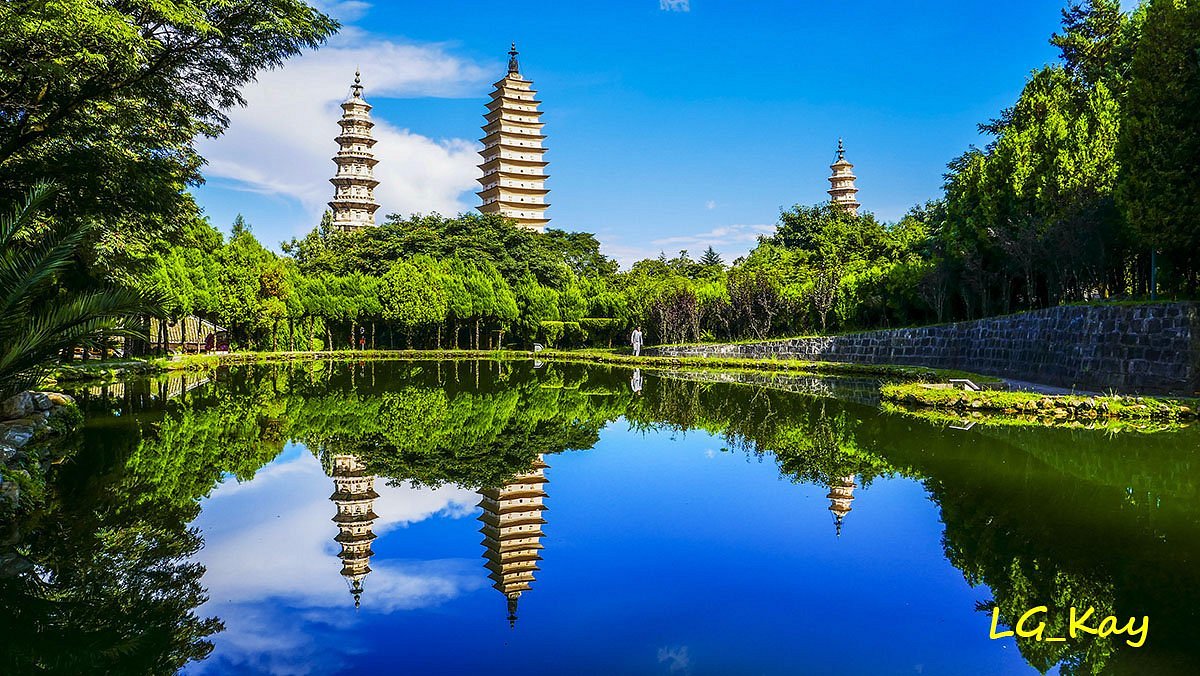
Lijiang's UNESCO World Heritage site is truly special, with its labyrinthine cobbled streets, ancient Naxi houses, and intricate canal system. Wander through Dayan Old Town, explore Shuhe Old Town (often preferred for its slightly calmer atmosphere), and delve into Naxi traditional music performances. While undeniably beautiful, the main Lijiang Old Town can feel like an open-air mall, especially in the evenings, with shops selling identical souvenirs and bars playing loud music. However, places like Mu's Residence offer deep dives into local history. Dali, on the other hand, offers a different cultural experience rooted in Bai ethnicity. The Three Pagodas of Chongsheng Temple are a magnificent historical landmark, and exploring surrounding Bai villages like Xizhou provides a more authentic glimpse into daily life and traditional architecture. Dali Ancient City itself is charming but feels less 'ancient' than Lijiang, blending traditional gates with modern cafes. "Lijiang's old town is stunning, but get out early before the crowds or go to Shuhe for a calmer vibe," noted one Reddit user.
Winner takeaway
- Winner: Lijiang
- Why: Lijiang's UNESCO status and distinct Naxi culture, particularly in its well-preserved (though commercialized) old towns, offers a more concentrated historical immersion.
- Who this matters for: History buffs, architecture enthusiasts, and those seeking a deep dive into unique ethnic cultures.
🏞️ Nature & Scenery
Lijiang presents truly breathtaking, grand-scale natural wonders. The iconic Jade Dragon Snow Mountain (Yulong Xueshan) looms majestically, accessible via cable car (expect ¥200-300 / $28-42 for entry and cable car depending on the peak). The Blue Moon Valley, nestled at its base, is famous for its impossibly turquoise waters. A day trip to Tiger Leaping Gorge, one of the world's deepest canyons, is a must for serious hikers, offering challenging treks with stunning river views. However, these are often crowded and require dedicated excursions. Dali's nature is more accessible and integrated into daily life. Erhai Lake is its crown jewel – a massive, clear freshwater lake perfect for cycling its perimeter (bike rentals ¥30-60 / $4-8 per day), boating, or simply relaxing by its shores. The Cangshan Mountains provide a dramatic backdrop and offer cable car rides (around ¥120-150 / $17-21) to temples and panoramic viewpoints. "Cycling around Erhai was the highlight of my trip, so peaceful and beautiful," a traveler shared online.
Winner takeaway
- Winner: Dali
- Why: Dali wins for its integrated, accessible, and diverse natural beauty, particularly the vast Erhai Lake and the surrounding Cangshan Mountains, offering a more relaxed interaction with nature.
- Who this matters for: Outdoor enthusiasts, photographers, and those who enjoy active exploration like cycling or gentle hikes.
💰 Costs & Budget
Lijiang, being a more established and polished tourist destination, tends to have slightly higher prices. A mid-range hotel in Lijiang Old Town might cost ¥400-800 ($55-110) per night, while similar quality outside the main area could be ¥250-500 ($35-70). Entry fees for major attractions like Jade Dragon Snow Mountain can add up quickly. A budget daily spend, including hostel, local food, and some activities, might hover around ¥350-500 ($50-70). Dali generally offers better value. Hostels and guesthouses can be found for as low as ¥80-150 ($11-21) outside the Ancient City, and even within, you can find decent mid-range hotels for ¥250-450 ($35-60). Local food is abundant and cheap, with meals often costing ¥20-50 ($3-7). Activities like cycling Erhai are very affordable. For a mid-range traveler, a daily budget of ¥300-450 ($40-60) is realistic. "Dali felt like I got more bang for my buck, especially for food and chilling out," a budget traveler mentioned.
Winner takeaway
- Winner: Dali
- Why: Dali offers a more budget-friendly experience with greater value for money across accommodation, food, and activities, without compromising on quality.
- Who this matters for: Budget travelers, backpackers, and anyone looking to stretch their travel funds further.
🍜 Food & Dining
Lijiang offers a distinct Naxi culinary experience. Must-tries include Lijiang baba (a flaky, savory or sweet pancake, ¥10-20), yak hotpot (popular but often tourist-priced, ¥80-150 per person), and wild mushroom dishes. While authentic Naxi food exists, many restaurants in the main Old Town cater to mass tourism, sometimes sacrificing quality for convenience and ambiance. Seek out smaller eateries in quieter corners or in Shuhe/Baisha for more genuine flavors. Dali's food scene is more diverse and often more vibrant. Bai cuisine, characterized by its freshness and use of local ingredients, is delicious. Don't miss the famous 'Er Kuai' (rice cake), 'Ru Shan' (milk fan, a local cheese), and various types of noodles. Dali Ancient City and the areas around Erhai also have a fantastic array of cafes, bakeries, and international restaurants catering to a large expat and digital nomad community. Expect delicious mushroom hotpots (¥60-120 per person) and excellent coffee. "Dali's food scene blew Lijiang out of the water for me, so much variety and great cafes," a foodie commented.
Winner takeaway
- Winner: Dali
- Why: Dali's food scene is more diverse, vibrant, and offers a better balance of authentic local Bai cuisine with a wide array of international options and cafes.
- Who this matters for: Foodies, those who appreciate culinary diversity, and coffee lovers.
🎉 Nightlife & Entertainment
Lijiang Old Town transforms at night, becoming a lively hub of activity. Along Bar Street, you'll find countless establishments ranging from traditional Naxi-style pubs with live folk music to modern bars pumping out pop hits. It's an energetic, often loud, and very social atmosphere, especially popular with domestic tourists. Many places offer free entry, but drinks can be slightly pricier (¥30-60 for a beer). Don't miss the Naxi Ancient Music performances, a unique cultural experience that feels like stepping back in time. Dali's nightlife is significantly more low-key and bohemian. While there are bars along Foreigner Street (Yangren Jie) in Dali Ancient City, they tend to be cozier, focusing on craft beers, cocktails, and often featuring live acoustic music. It's more about relaxed conversations and soaking in the chill vibe rather than boisterous parties. The cafes also stay open late, offering a quieter alternative. "If you want to party and see the old town really come alive, Lijiang's your spot at night. Dali's more for a quiet drink," stated one traveler.
Winner takeaway
- Winner: Lijiang
- Why: Lijiang offers a more vibrant, diverse, and distinctly local nightlife experience, from lively bars to unique Naxi cultural performances.
- Who this matters for: Party-goers, those seeking lively social scenes, and anyone interested in unique cultural performances after dark.
🚆 Getting There & Around
Both cities are well-served by air and high-speed rail, making them easily accessible within Yunnan and from major Chinese cities. Lijiang Sanyi Airport (LJG) has frequent flights from hubs like Shanghai (~3.5 hours, ¥800-1500 / $110-200) and Chengdu. Dali Fengyi Airport (DLU) offers similar connections. The high-speed rail network is a game-changer: Kunming to Lijiang takes about 3.5 hours (¥220 / $30), and Kunming to Dali is ~2.5 hours (¥140 / $20). The real convenience is the Lijiang-Dali high-speed train, connecting the two in just ~2 hours (¥100-120 / $14-17), making a combined trip very easy. Once in Lijiang, the Old Town is pedestrian-friendly, and taxis (DiDi) or local buses connect to Shuhe or Jade Dragon Snow Mountain. Dali Ancient City is also walkable, but getting around Erhai Lake is best done by renting an electric scooter (¥80-120 / $11-17 per day) or bicycle. "The bullet train connecting Lijiang and Dali is super convenient, made visiting both a breeze," a tourist remarked.
Winner takeaway
- Winner: Tie
- Why: Both destinations offer excellent connectivity via air and high-speed rail, and their local transportation options cater well to their respective layouts and attractions.
- Who this matters for: All travelers, as efficient transport is key for any trip.
🏨 Accommodation
Lijiang offers a charm unique to its UNESCO Old Town, with many guesthouses (often converted traditional Naxi homes) nestled within its ancient lanes. These boutique inns, while beautiful, can be pricier, ranging from ¥300-800 ($42-110) per night for a mid-range room. Outside the Old Town, you'll find more modern hotels and budget options. Staying within the Old Town is atmospheric but be prepared for crowds and noise. Dali provides a broader and often more affordable array of choices. Dali Ancient City has numerous hostels (¥80-150 / $11-21 for a dorm/private room), guesthouses, and boutique hotels (¥250-500 / $35-70). For a truly special experience, consider the many beautiful guesthouses and resorts lining Erhai Lake, offering stunning views and tranquility, though these can range from ¥400-1000+ ($55-140+) for more luxurious options. "Found an amazing lakeside guesthouse in Dali for way less than I expected, with epic views," a traveler posted.
Winner takeaway
- Winner: Dali
- Why: Dali offers a more diverse range of accommodation options across all budget levels, with particularly good value and unique lakeside stays, catering to more varied traveler preferences.
- Who this matters for: Budget-conscious travelers, those seeking unique guesthouses, and anyone desiring scenic lakeside stays.
🛍️ Shopping & Souvenirs
Lijiang's Old Town is essentially a giant marketplace. Every street is lined with shops selling Naxi silver jewelry (be wary of authenticity, especially with 'antique' claims), local Pu'er tea, ethnic clothing, small carved wooden items, and yak-related products. While it's easy to find souvenirs, many shops sell very similar items, and bargaining is expected. Some genuine Naxi crafts can be found if you search beyond the main thoroughfares, particularly in Shuhe or Baisha. Dali's shopping scene feels more unique and artisanal. Beyond the typical tourist trinkets, you'll find beautiful Bai tie-dye fabrics (from Xizhou), exquisite Dali marble products, and a greater number of independent shops selling handmade jewelry, local art, natural cosmetics, and bohemian clothing. Foreigner Street, while touristy, still houses many unique boutiques and art galleries. "Dali had way more unique shops than Lijiang, I actually found some cool handmade stuff," a shopper commented.
Winner takeaway
- Winner: Dali
- Why: Dali offers a more diverse and artisanal shopping experience, with a greater emphasis on unique local crafts, independent boutiques, and authentic Bai products.
- Who this matters for: Shoppers looking for unique, authentic souvenirs, art lovers, and those supporting local artisans.
🚗 Best Day Trips
Lijiang truly shines when it comes to impactful day trips. Foremost is the majestic Jade Dragon Snow Mountain, a short drive away, offering stunning high-altitude vistas and the Blue Moon Valley. For a quieter historical experience, the charming Shuhe and Baisha Old Towns are easily reachable by taxi or bus, providing a less commercialized glimpse of Naxi culture than the main Lijiang Old Town. The absolute must-do for adventurers is the Tiger Leaping Gorge trek, often done as a 1-2 day trip from Lijiang, offering unparalleled views of one of the world's deepest canyons. Minibuses depart frequently (around ¥50-70 / $7-10 one way). Dali's day trips are more about relaxed exploration: cycling the Erhai Lake loop, visiting the traditional Bai village of Xizhou (famous for its architecture and tie-dye), or exploring the picturesque fishing village of Shuanglang. The Cangshan Mountains also offer great hiking opportunities. "Tiger Leaping Gorge from Lijiang was hands down one of the best treks I've ever done," a hiker raved.
Winner takeaway
- Winner: Lijiang
- Why: Lijiang offers access to more globally renowned and dramatic natural attractions, including the iconic Jade Dragon Snow Mountain and the epic Tiger Leaping Gorge.
- Who this matters for: Adventure seekers, hikers, and those wanting to see world-famous natural wonders.
🧘 Vibe & Atmosphere
Lijiang's atmosphere is one of ancient mystique and vibrant energy. The Old Town, with its glowing lanterns and bustling crowds, feels like stepping into a historical painting – but one that's also a thriving, often loud, commercial hub. It's great for people-watching and soaking in a 'curated' ancient experience, but it can feel overwhelmingly touristy, especially during peak hours or evenings. The energy is infectious for some, but can be too much for others seeking tranquility. Dali, in contrast, offers a much more laid-back and bohemian vibe. Dali Ancient City feels less intensely commercialized, and the wider area, especially around Erhai Lake and in villages like Xizhou, provides a sense of peace and authenticity. It has attracted a diverse community of artists, expats, and digital nomads, contributing to a unique blend of traditional Bai culture and modern, relaxed living. You'll find quiet cafes, art studios, and a generally calmer pace. "Dali just felt more chill, less 'performance' and more real life happening around you," an expat shared.
Winner takeaway
- Winner: Dali
- Why: Dali's relaxed, bohemian, and more authentic blend of local culture and international community creates a more inviting and tranquil atmosphere.
- Who this matters for: Relaxed travelers, digital nomads, artists, and those seeking an escape from crowds and a more authentic local experience.
❓ Frequently Asked Questions
How many days should I spend in Lijiang and Dali?
For Lijiang, allocate 3-4 days to explore the Old Town, Shuhe, Baisha, and take a day trip to Jade Dragon Snow Mountain. For Dali, 3-4 days allows you to explore the Ancient City, cycle Erhai Lake, visit Xizhou, and perhaps hike Cangshan. If doing both, 6-8 days total is ideal.
Is it easy to travel between Lijiang and Dali?
Yes, it's very easy! A high-speed train connects Lijiang and Dali in about 2 hours, with tickets costing around ¥100-120 ($14-17). Buses are also an option but take slightly longer. This makes combining both destinations into one trip highly convenient.
Which destination is better for solo travelers?
Dali often edges out Lijiang for solo travelers due to its more relaxed, bohemian vibe and larger expat/digital nomad community, making it easier to meet people. Hostels are plentiful and often organize social activities. Lijiang is safe for solo travelers but can feel more couple/family-oriented in its main Old Town.
What's the best time of year to visit Lijiang and Dali?
Spring (March-May) and Autumn (September-November) offer the most pleasant weather. Temperatures are mild, and skies are generally clear. Summer (June-August) can be warm and rainy, while winter (December-February) is cold but often sunny, with snow on the mountains in Lijiang.
Do I need to book accommodation in advance?
During peak season (Chinese public holidays, July-August), it's highly recommended to book accommodation well in advance, especially if you want specific guesthouses in Lijiang Old Town or lakeside resorts in Dali. Off-season, you can be more flexible.
Is English widely spoken in Lijiang and Dali?
In major tourist areas and higher-end hotels/restaurants, you might find some English speakers. However, outside these areas, English proficiency is low. Having a translation app (like Pleco or Google Translate) and learning a few basic Mandarin phrases will greatly enhance your experience.
What local dishes should I try in each city?
In Lijiang, definitely try Lijiang Baba (savory pancake), Yak Hotpot, and various wild mushroom dishes. In Dali, don't miss Er Kuai (rice cake), Ru Shan (milk fan cheese), and the many varieties of mushroom hotpots and fresh Bai cuisine. Both offer delicious local noodle dishes.
Are there any entrance fees for the old towns?
Lijiang Old Town historically had an 'Ancient City Maintenance Fee' (usually around ¥50-80), but its enforcement has become inconsistent or abolished for foreign tourists in recent years. Dali Ancient City generally does not have an entrance fee, though specific attractions within it (like the Three Pagodas) do.
Ready to plan your Yunnan trip?
Get a free custom itinerary for Lijiang, Dali, or both — built from real traveler insights.
🎟️ Book Tours & Experiences
Hand-picked tours and activities for both destinations — book with free cancellation
Experiences via Viator — free cancellation on most tours