How we built this comparison
This page combines traveler discussion patterns, published price ranges, flight schedules, and seasonal data to help you decide between Lima and Bogota.
- Reviewed 100+ Reddit threads from r/travel, r/solotravel, r/peru, r/colombia, etc.
- Verified costs and logistics against current booking platforms (e.g., Google Flights, Booking.com, Uber, local restaurant menus)
- Cross-referenced seasonal patterns and weather data from meteorological sources for accuracy
⚡ The TL;DR Verdict
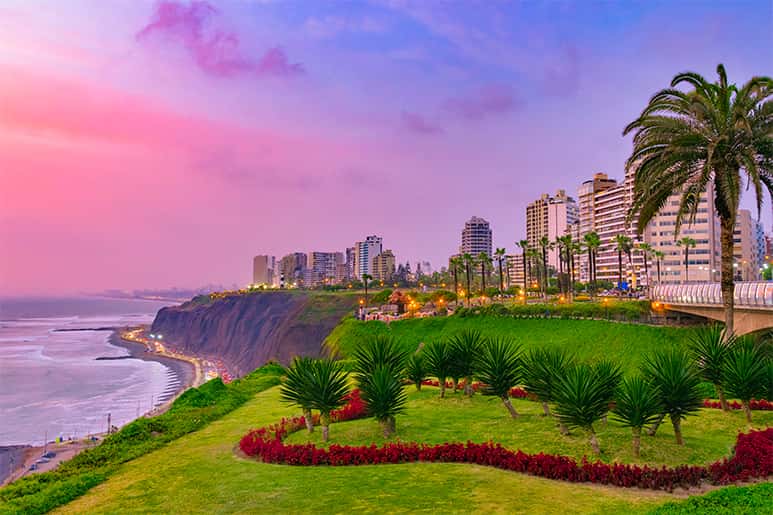
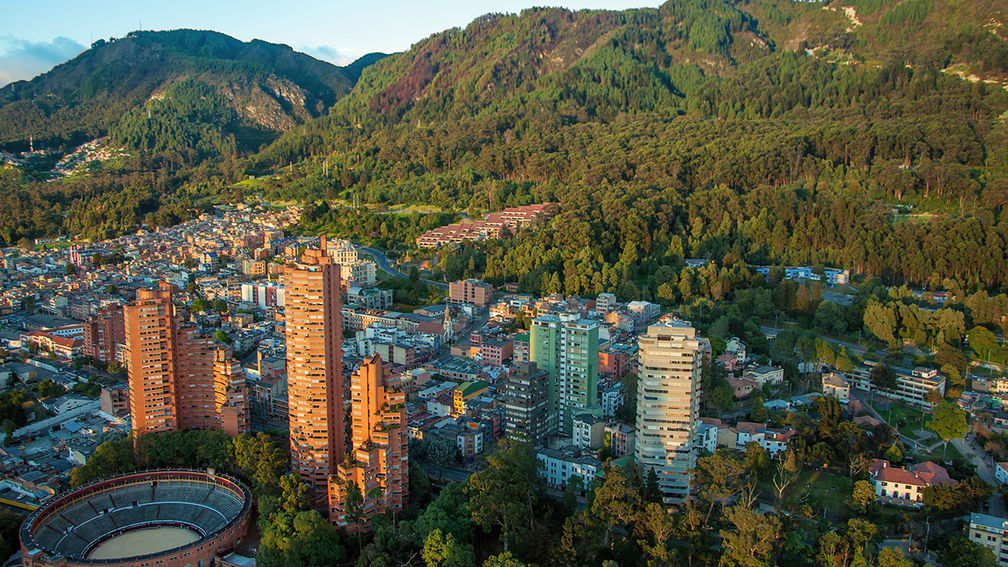
For foodies, ocean lovers, and those seeking a slightly more relaxed pace, Lima is your culinary haven with a coastal breeze, typically costing $50-80 USD per day. If you crave vibrant history, cool mountain air, epic street art, and a bustling metropolitan energy, Bogota offers a rich cultural dive for $40-70 USD daily.
- Choose Lima: You're a serious foodie, prioritize world-class dining and fresh seafood, enjoy a milder coastal climate, and appreciate pre-Columbian and colonial history without the high altitude.
- Choose Bogota: You're a culture vulture, love museums, vibrant street art, cooler mountain weather, and a buzzing, energetic city atmosphere that's generally more budget-friendly.
- Choose Both: If you have 2+ weeks, desire a diverse South American experience blending gastronomy with rich history, and can handle a 3-4 hour flight between the two, they offer wonderfully complementary adventures.
Quick Comparison
| Category | Lima | Bogota | Winner |
|---|---|---|---|
| Food & Drink | Global culinary capital, Michelin-starred restaurants, incredible ceviche and pisco sours. | Hearty Andean cuisine, Ajiaco, empanadas, excellent coffee, vibrant foodie neighborhoods. | Lima |
| Culture & History | Rich pre-Columbian and colonial heritage, excellent museums, well-preserved historic center. | Deep colonial history, world-class museums, vibrant street art, and a bustling intellectual energy. | Bogota |
| Nightlife | Trendy bars and clubs in Miraflores, bohemian vibe in Barranco, excellent pisco sours. | Energetic Zona T for upscale clubs, Chapinero for LGBTQ+ friendly venues, lively pub scene. | Tie |
| Costs & Budget | Generally mid-range for South America, fine dining can be pricey, good value for hostels. | More budget-friendly across the board, excellent value for food, transport, and accommodation. | Bogota |
| Getting There | Jorge Chávez International Airport (LIM) is a major South American hub, good connections. | El Dorado International Airport (BOG) is Latin America's busiest, excellent connectivity. | Tie |
| Getting Around | Efficient Metropolitano bus, ride-sharing, generally manageable traffic in tourist areas. | Extensive TransMilenio system, but can be crowded; heavy traffic and altitude can be challenging. | Lima |
| Accommodation | Wide range from hostels to luxury hotels, particularly good options in Miraflores and Barranco. | Extensive choices, from budget hostels in La Candelaria to upscale hotels in Zona T and Chapinero. | Tie |
| Day Trips | Paracas/Huacachina (longer trip), Caral, Pachacamac, Lunahuaná for adventure sports. | Monserrate (within city), Zipaquira Salt Cathedral, Guatavita Lake, easy access to nature. | Bogota |
| Weather & Seasons | Mild, often cloudy (garúa) most of the year, clear and warmer summers (Dec-Apr). | Cool, spring-like year-round due to high altitude; frequent rain showers, especially Apr-May, Oct-Nov. | Lima |
| Safety & Vibe | Generally safe in tourist areas, relaxed coastal vibe, friendly locals. | Requires more awareness due to size and traffic, vibrant but can feel intense. | Lima |
🍜 Food & Drink
Lima undeniably reigns as the gastronomic capital of South America, and arguably one of the best in the world. From the stratospheric heights of Central and Maido (often topping 'World's 50 Best' lists) where a tasting menu can run S/800-1500 ($220-400 USD), to incredible mid-range spots like La Mar Cebichería for S/100-150 ($27-40 USD) per person, or even a local cevicheria for S/30-50 ($8-13 USD), the quality and innovation are breathtaking. Don't forget street food like anticuchos for S/10 ($2.70). Bogota offers delicious comfort food, with staples like Ajiaco (a hearty chicken and potato soup) often costing COP 30,000-50,000 ($7-13 USD) at a good restaurant. Andres Carne de Res is an iconic, albeit chaotic, experience (expect COP 100,000+ / $25+ USD for a meal and drinks). Bogota's coffee scene is fantastic, and you'll find great empanadas everywhere for COP 3,000-5,000 ($0.80-1.30 USD). However, the sheer breadth, depth, and consistent excellence of Lima's food scene are simply unparalleled. As one Redditor put it, "Lima's food scene is truly world-class; I ate like royalty for less than I would at home and everything was mind-blowing."
Winner takeaway
- Winner: Lima
- Why: Lima's diverse culinary landscape, from street food to fine dining, is globally recognized and offers an unmatched gastronomic experience.
- Who this matters for: Foodies, gourmands, and anyone who considers eating a highlight of their travel experience.
🏛️ Culture & History
Bogota is a true cultural powerhouse. Its historic La Candelaria neighborhood is a colorful labyrinth of colonial architecture, street art, and bohemian cafes. The Gold Museum (Museo del Oro, entrance COP 5,000 / $1.30 USD) houses an astonishing collection of pre-Hispanic gold artifacts, while the Botero Museum (free) showcases Fernando Botero's iconic works. The city's street art scene is one of the best globally, with guided tours often costing COP 40,000-60,000 ($10-15 USD). Lima's historic center is a UNESCO World Heritage site, featuring grand plazas like Plaza Mayor, impressive cathedrals, and the eerie catacombs of the Convento de San Francisco (S/15 / $4 USD). The Larco Museum (S/35 / $9.50 USD) offers an incredible insight into pre-Columbian Peruvian cultures, and the Huaca Pucllana pyramid stands as an ancient urban oasis. While Lima's history is profound, Bogota's combination of its well-preserved colonial core, numerous world-class museums, and its dynamic, politically charged street art scene gives it an edge for sheer cultural immersion. As a traveler shared, "Bogota's street art blew me away, and the Gold Museum is easily one of the best I've ever seen anywhere."
Winner takeaway
- Winner: Bogota
- Why: Bogota's vibrant blend of colonial history, world-class museums, and dynamic street art creates a more immersive and diverse cultural experience.
- Who this matters for: History buffs, art lovers, urban explorers, and those seeking intellectual stimulation.
💃 Nightlife
Both cities offer fantastic nightlife, catering to different tastes. In Lima, the districts of Miraflores and Barranco are the epicenters. Miraflores boasts upscale clubs and trendy bars like Ayahuasca Restobar (cocktails S/35-45 / $9-12 USD) with ocean views, while bohemian Barranco offers a more laid-back, artsy vibe with live music venues and smaller bars around the Puente de los Suspiros (Bridge of Sighs). Pisco sours are a must-try, typically S/25-35 ($7-9.50 USD). Bogota's Zona T (also known as Zona Rosa) is packed with high-energy clubs and bars where you can dance until dawn, with cover charges sometimes COP 20,000-50,000 ($5-13 USD) and drinks COP 25,000-40,000 ($6.50-10 USD). Chapinero is known for its diverse and LGBTQ+ friendly scene. For a uniquely Colombian experience, Andres Carne de Res (outside Bogota in Chia, but there's a smaller version in El Retiro) combines dining, drinking, and dancing into a theatrical extravaganza. "Bogota's Zona T was insane, I danced all night," remarked a user, while another said, "Barranco had such a cool, chill vibe, perfect for a few pisco sours." Both cities deliver on diverse options for a great night out.
Winner takeaway
- Winner: Tie
- Why: Both cities provide excellent and diverse nightlife experiences, from high-energy clubs to bohemian bars, satisfying different preferences.
- Who this matters for: Party-goers, social travelers, and anyone looking to unwind and dance after exploring.
💰 Costs & Budget
When it comes to stretching your travel dollar, Bogota generally offers better value. A decent hostel bed in Bogota can be found for COP 40,000-60,000 ($10-15 USD), while mid-range hotels are COP 150,000-300,000 ($38-75 USD). Local meals like a 'corrientazo' (lunch special) are incredibly affordable at COP 10,000-15,000 ($2.50-4 USD), and a local bus fare is COP 2,950 ($0.75 USD). Lima, while not exorbitant, can be slightly pricier, especially if you indulge in its famous culinary scene. Hostels typically range from S/40-70 ($11-19 USD), and mid-range hotels S/200-400 ($55-110 USD). While you can find cheap eats for S/15-25 ($4-7 USD), a good meal at a decent restaurant often starts at S/50-80 ($13-22 USD). Taxis are also slightly more expensive in Lima. "I found my budget went way further in Bogota, especially for eating out and getting around," noted a traveler, highlighting the daily savings. While both cities offer options for different budgets, Bogota consistently provides more bang for your buck across accommodation, food, and transport.
Winner takeaway
- Winner: Bogota
- Why: Bogota offers a consistently more budget-friendly experience across accommodation, food, and local transportation, allowing travelers to save more.
- Who this matters for: Budget travelers, backpackers, and those looking to maximize their travel duration with limited funds.
✈️ Getting There
Both Lima's Jorge Chávez International Airport (LIM) and Bogota's El Dorado International Airport (BOG) are major hubs in South America, offering excellent connectivity, particularly from North America. From major US cities like Miami or Atlanta, flight times to both are quite similar, typically ranging from 5-7 hours. Direct flights are common from cities like Houston, Miami, Fort Lauderdale, and New York to both destinations. Prices can fluctuate wildly based on season and booking in advance, but a round-trip ticket from the US East Coast to either can often be found for $400-700 USD. For example, a non-stop flight from MIA to LIM or BOG might take around 5 hours. BOG is often cited as the busiest cargo airport in Latin America and has extensive passenger connections throughout the Americas and even to Europe. LIM also serves as a critical gateway to Peru's other attractions like Cusco and Machu Picchu. "Getting to either was pretty straightforward from the States, similar flight times and airlines," a traveler mentioned. Neither city presents a significant advantage in terms of ease or cost of initial access from most international origins.
Winner takeaway
- Winner: Tie
- Why: Both airports are major international hubs with comparable flight times and connections from North America and other regions.
- Who this matters for: International travelers concerned with flight convenience and connection options.
🚌 Getting Around
Lima's public transport system, centered around the Metropolitano bus rapid transit, is relatively efficient and covers key areas. A Metropolitano ticket costs S/3.20 ($0.85 USD). Ride-sharing apps like Uber and InDriver are readily available and affordable, with a typical 20-30 minute ride costing S/15-30 ($4-8 USD). While Lima's traffic can be intense, it feels slightly less overwhelming than Bogota's. Walking within tourist districts like Miraflores and Barranco is very pleasant. Bogota's TransMilenio system is vast and effective in terms of reach (COP 2,950 / $0.75 USD per ride), but it can be extremely crowded, especially during peak hours, and navigating the system can be challenging for newcomers. Bogota's traffic is notoriously bad, and coupled with the altitude, walking long distances can be tiring. Taxis and ride-sharing are also available, with a similar 20-30 minute ride costing COP 20,000-40,000 ($5-10 USD), but journey times can be unpredictable due to congestion. "I found Lima much easier to get around, especially just walking or grabbing an Uber," a Reddit user commented, reflecting the general sentiment that Lima's sprawl feels less intimidating. While Bogota's system is comprehensive, Lima's feels more user-friendly for tourists.
Winner takeaway
- Winner: Lima
- Why: Lima's combination of a user-friendly public transport system, walkable tourist areas, and slightly less intense traffic makes navigation easier for visitors.
- Who this matters for: Travelers who prioritize ease of movement, efficiency, and comfort when exploring a city.
🏨 Accommodation
Both Lima and Bogota offer an excellent range of accommodation options to suit every budget and style. In Lima, the districts of Miraflores and Barranco are prime for tourists, offering everything from chic boutique hotels (e.g., Hotel B in Barranco, S/800+ / $220+ USD per night) to comfortable mid-range hotels (e.g., Dazzler by Wyndham in Miraflores, S/300-500 / $80-135 USD) and well-rated hostels (e.g., Pariwana Hostel Lima, S/50-80 / $14-22 USD for a dorm bed). Bogota provides equally diverse choices. In the historic La Candelaria, you'll find charming colonial guesthouses and budget-friendly hostels (e.g., Masaya Hostel Bogota, COP 50,000-80,000 / $13-20 USD). For more upscale options, Zona T and Chapinero offer modern hotels (e.g., W Bogota, COP 700,000+ / $175+ USD; Click Clack Hotel, COP 400,000-600,000 / $100-150 USD). "I found really great value hotels in both cities, honestly. Just depends on the neighborhood you want," a traveler shared. The quality, variety, and price points are largely comparable, allowing visitors to find suitable lodging in either city without much difficulty.
Winner takeaway
- Winner: Tie
- Why: Both cities provide a comprehensive and high-quality range of accommodation options, from budget hostels to luxury hotels, catering to all traveler types and price points.
- Who this matters for: All travelers, as both cities offer great choices regardless of budget or preferred style of lodging.
🏞️ Day Trips
Bogota offers incredibly accessible and unique day trips that enhance a visit without requiring extensive travel. A quick cable car or Funicular ride up Monserrate (COP 27,000 / $7 USD return) provides breathtaking panoramic views of the city and is practically within Bogota itself. The stunning Zipaquira Salt Cathedral, an underground Roman Catholic church built within a salt mine, is a truly unique experience, just an hour's bus ride away (bus fare COP 7,000 / $1.80 USD, entrance COP 60,000 / $15 USD for foreigners). Laguna de Guatavita, steeped in El Dorado legend, is another picturesque option. Lima's day trips are often more spread out and require longer travel times. While you can visit the ancient ruins of Pachacamac (S/15 / $4 USD) or explore the desert oasis of Huacachina and the Paracas National Reserve, these typically require a full 12-14 hour day trip (e.g., a tour to Paracas/Huacachina can cost S/150-250 / $40-70 USD) or an overnight stay. "The Salt Cathedral was an absolute highlight of my trip, so unique and easy to get to from Bogota," a traveler recounted. Bogota's day trip options feel more immediately rewarding and diverse for a traveler staying within the city's vicinity.
Winner takeaway
- Winner: Bogota
- Why: Bogota's day trip options are more unique, easily accessible, and diverse, offering a greater variety of experiences within a shorter travel time.
- Who this matters for: Travelers who want to explore beyond the city without extensive travel time or overnight stays.
🌦️ Weather & Seasons
Lima's climate is often misunderstood but can be quite pleasant. It's a desert city with high humidity, leading to a perpetual 'garúa' (misty drizzle and cloud cover) for much of the year, particularly from May to November. During this period, temperatures are mild, around 15-20°C (59-68°F), and rain is rare. The true summer months (December to April) bring clear skies, sunshine, and warmer temperatures, 25-30°C (77-86°F), making it ideal for coastal activities. Bogota, due to its high altitude of 2,640 meters (8,660 ft), experiences a perpetual spring-like climate, averaging 14-19°C (57-66°F) year-round. However, it's also quite rainy, with two distinct wet seasons from April to May and October to November. The altitude can also be a factor for some travelers. "I actually preferred Lima's mild, cloudy weather over Bogota's constant chill and rain, especially after a sunny beach trip," a Redditor noted, highlighting a preference for Lima's less extreme conditions. While Bogota's consistency is appealing to some, Lima's mildness and warmer, sunny summers offer a more diverse and often more comfortable experience for many travelers, especially those sensitive to cold or altitude.
Winner takeaway
- Winner: Lima
- Why: Lima offers a milder, less extreme climate with pleasant, clear summers, often preferred over Bogota's consistent cool temperatures and frequent rain.
- Who this matters for: Travelers sensitive to cold or high altitude, or those who prefer a warmer, sunnier climate (during Lima's summer).
🚨 Safety & Vibe
While both cities require travelers to exercise common sense and situational awareness, Lima generally feels a bit more relaxed and less intense, particularly in its main tourist districts like Miraflores and Barranco. These areas are well-patrolled, and walking around during the day and early evening feels quite safe. Common precautions like not flashing valuables and being aware of pickpockets are advisable, but serious crime against tourists is less frequent. Locals are generally friendly and helpful. Bogota, as a much larger and denser metropolis, can feel more overwhelming and demands a higher degree of vigilance. While areas like Zona T, Chapinero, and parts of La Candelaria are safe during the day, certain neighborhoods should be avoided, especially at night. Traffic and crowds can be intense, contributing to a sense of hustle and bustle that some find exhilarating, others stressful. "I felt really safe walking around Miraflores, even at night, way more chill than Bogota's big city vibe," a traveler commented. The general consensus is that Lima offers a slightly more comfortable and less anxiety-inducing experience for first-time visitors to South America.
Winner takeaway
- Winner: Lima
- Why: Lima's primary tourist areas are generally perceived as safer and offer a more relaxed atmosphere, making it a more comfortable experience for many travelers.
- Who this matters for: Solo travelers, first-time visitors to South America, and those prioritizing a relaxed and secure urban experience.
❓ Frequently Asked Questions
Which city is better for solo travelers?
Both cities are popular for solo travelers. Lima's well-defined tourist areas like Miraflores and Barranco feel very safe and are easy to navigate, making it a good choice for first-timers. Bogota offers a vibrant hostel scene and many cultural activities, but requires a higher degree of street smarts due to its size and intensity.
What's the best time of year to visit each city?
For Lima, December to April is ideal for sunshine and warmer weather, perfect for enjoying the coast. May to November is milder and often cloudy but still pleasant. For Bogota, any time is generally fine, but avoid the peak rainy seasons (April-May and October-November) if you prefer drier days, though showers are common year-round due to its altitude.
Is the altitude in Bogota a problem for everyone?
Bogota's altitude of 2,640 meters (8,660 ft) can affect some travelers, causing mild symptoms like headaches, shortness of breath, or fatigue. It's advisable to take it easy on your first day, stay hydrated, and avoid heavy meals and alcohol. Most people adjust within 24-48 hours.
Which city has better shopping opportunities?
Both cities offer good shopping, but for different things. Lima excels in alpaca products, local crafts, and high-end fashion boutiques in Miraflores. Bogota is fantastic for emeralds, Colombian coffee, artisanal leather goods, and has large modern malls like Andino and El Jardín, plus bustling local markets.
Can I drink the tap water in Lima or Bogota?
It is generally not recommended to drink tap water directly in either Lima or Bogota, even for locals, due to varying water quality and sanitation systems. Stick to bottled water, which is widely available and inexpensive. Be cautious with ice in drinks, especially from street vendors.
Which city is better for digital nomads?
Both have growing digital nomad scenes. Lima offers a lower cost of living than many major cities, good internet, and a relaxed coastal vibe in areas like Miraflores and Barranco. Bogota also has excellent internet, numerous co-working spaces, and a vibrant social scene, often at a slightly lower cost, making it a strong contender despite the cooler weather.
How many days should I spend in each city?
For a good introduction, aim for 3-4 full days in Lima to experience its culinary scene, historic center, and coastal districts. For Bogota, 3-5 full days allow time for its museums, street art, La Candelaria, and a day trip to Monserrate or the Salt Cathedral. Adding more days allows for deeper exploration or additional day trips.
What's the best way to travel between Lima and Bogota?
The most efficient way to travel between Lima and Bogota is by direct flight. Several airlines offer daily non-stop services, with flight times typically ranging from 3.5 to 4 hours. Booking in advance can secure better fares, usually around $150-300 USD one-way.
Ready to plan your South American trip?
Get a free custom itinerary for Lima, Bogota, or both — built from real traveler insights.
🎟️ Book Tours & Experiences
Hand-picked tours and activities for both destinations — book with free cancellation
Experiences via Viator — free cancellation on most tours