How we built this comparison
This page combines traveler discussion patterns, published price ranges, flight schedules, and seasonal data to help you decide between Lima and Buenos Aires.
- Reviewed 50+ Reddit threads from r/travel, r/solotravel, r/peru, r/argentina, and r/asklatinamerica.
- Verified costs and logistics against current booking platforms (Booking.com, Skyscanner, Uber, local restaurant menus).
- Cross-referenced seasonal patterns and weather data from meteorological sources.
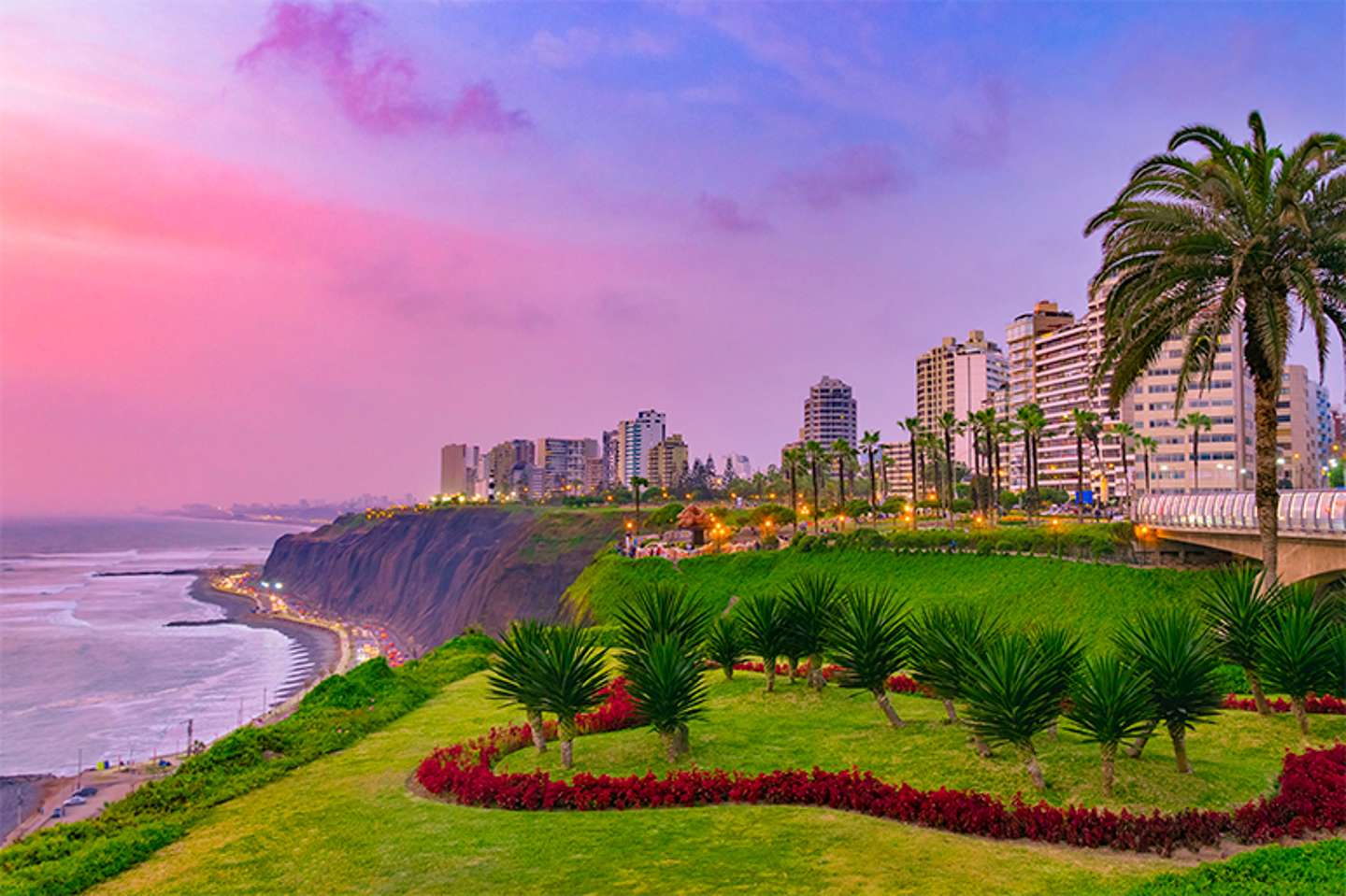
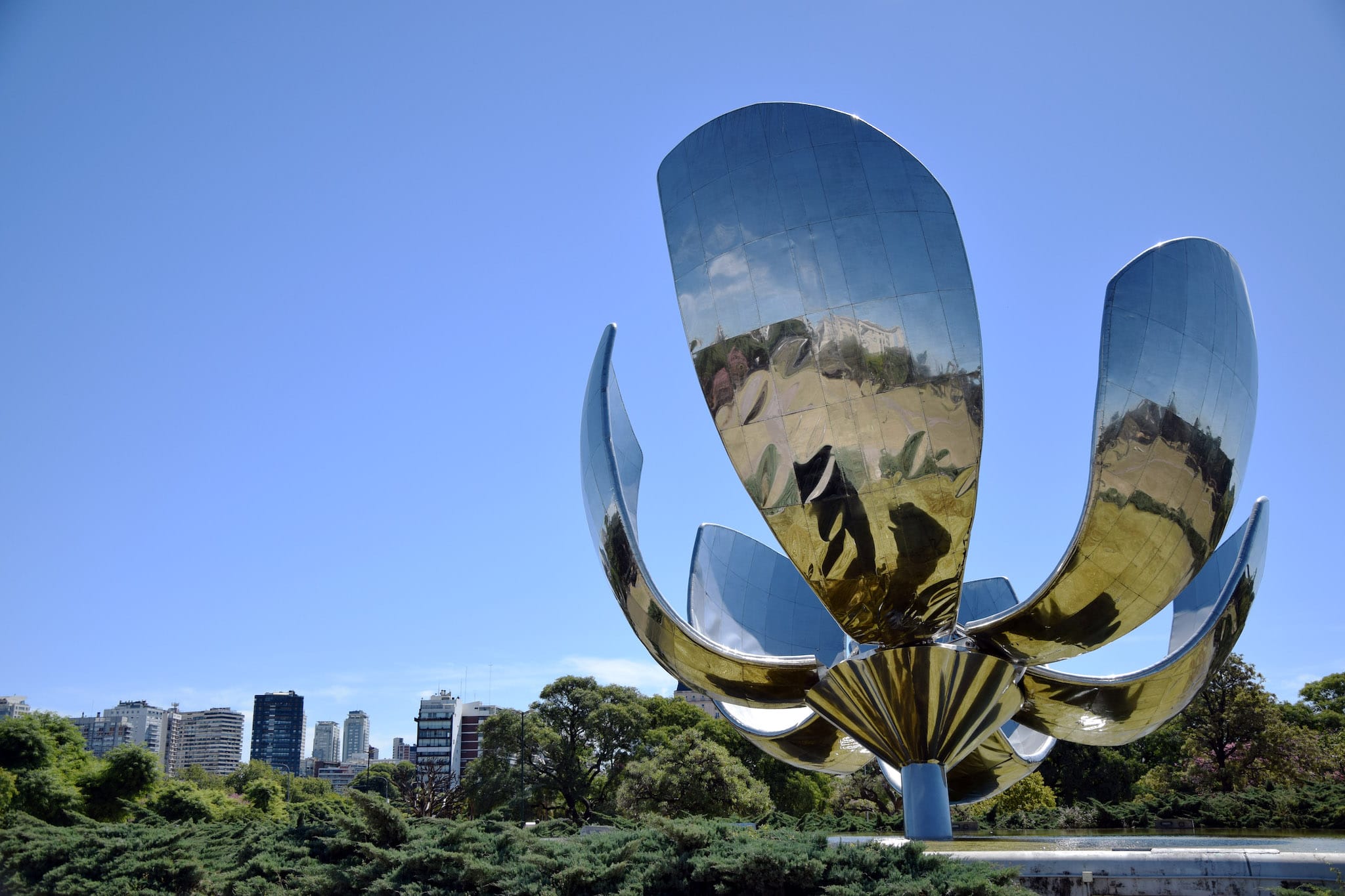
⚡ The TL;DR Verdict
For foodies, history buffs, and budget-conscious travelers seeking authenticity, Lima is a clear winner. But if you crave vibrant nightlife, European architecture, and passionate culture, Buenos Aires will steal your heart. Expect to spend $40-70 USD daily in Lima, and $50-90 USD in Buenos Aires (with savvy exchange rates).
- Choose Lima: Pick Lima for world-class gastronomy, ancient history, dramatic coastal views, and a more budget-friendly adventure, especially if you're exploring other parts of Peru.
- Choose Buenos Aires: Choose Buenos Aires if you're drawn to European-style grandeur, late-night tango, incredible steak and wine, and a city with a distinctly passionate, artistic soul, even if it's a bit pricier.
- Choose Both: Combine both if you have 2-3 weeks and want the full South American urban experience. A direct flight connects them, offering a perfect blend of Pacific coast culture and Atlantic cosmopolitan flair.
Quick Comparison
| Category | Lima | Buenos Aires | Winner |
|---|---|---|---|
| Food & Drink | Culinary capital of South America, known for ceviche, Lomo Saltado, and diverse regional dishes. Michelin-starred fine dining to incredible street food. | Home of world-famous steak (parrilla), Malbec wine, empanadas, and a strong Italian influence. Coffee and pastries are a daily ritual. | Lima |
| Nightlife | Vibrant and diverse, particularly in Barranco and Miraflores. Features stylish bars, clubs playing Latin and electronic music, and lively pubs. | Legendary for its late-night culture, tango shows, world-class clubs (boliches), and countless bars. The city truly comes alive after midnight. | Buenos Aires |
| Culture & History | Rich Pre-Columbian history (Huaca Pucllana, Museo Larco), colonial architecture, and a modern art scene. Deeply Peruvian identity. | Strong European influence (French, Italian, Spanish), famous for tango, opera, literature, and art. Iconic landmarks like Recoleta Cemetery and Teatro Colón. | Tie |
| Costs & Budget | Generally more affordable for accommodation, food, and transport compared to Buenos Aires, offering great value for travelers. | Can be expensive with official exchange rates, but significantly more affordable for cash transactions using the 'blue dollar' (unofficial market rate). Price volatility is high. | Lima |
| Safety | Generally safe in tourist areas like Miraflores and Barranco, but petty crime (pickpocketing, bag snatching) is common. Caution needed in less affluent areas. | Generally safe in upscale neighborhoods like Palermo and Recoleta. Petty crime is prevalent, especially pickpocketing and 'motochorros' (motorcycle snatchers). Night safety varies by district. | Tie |
| Getting Around | Relies on taxis (Uber/Cabify recommended), local buses (Metropolitano), and walking in specific districts. Traffic can be intense. | Excellent public transport network (Subte, colectivos), abundant taxis, and highly walkable neighborhoods. Ride-sharing apps also available. | Buenos Aires |
| Accommodation | Wide range from budget hostels to luxury hotels, primarily concentrated in Miraflores and Barranco. Good value for money. | Diverse options from boutique hotels to grand historic properties and hostels. Palermo and Recoleta are prime areas for tourists, with varying price points. | Lima |
| Day Trips | Access to desert oases (Huacachina), ancient Nazca Lines, and stunning coastal reserves (Paracas). Diverse natural and historical excursions. | Charming delta towns (Tigre), traditional ranches (estancias), and nearby colonial cities (Colonia del Sacramento in Uruguay). | Lima |
| Weather & Seasons | Coastal desert climate: 'Garúa' (misty fog) common from May-November; sunny and warm from December-April. Mild temperatures year-round. | Temperate climate with four distinct seasons. Hot, humid summers (Dec-Feb); mild, pleasant autumns (Mar-May); cool winters (Jun-Aug); vibrant springs (Sep-Nov). | Buenos Aires |
| Digital Nomads & Solo Travel | Good co-working spaces and cafes in Miraflores/Barranco. Welcoming locals, but Spanish is essential. Excellent culinary scene for solo exploration. | Thriving DN scene, excellent infrastructure, vibrant social life, and easy to meet people. Spanish is dominant, but English is more common than Lima. | Buenos Aires |
🍽️ Food & Drink
Lima unequivocally takes the crown here. It's consistently ranked among the world's top culinary destinations, boasting multiple restaurants on the World's 50 Best list like Central and Maido. Beyond fine dining (where a tasting menu can run $200-300+ USD), the street food is phenomenal. A classic ceviche at a local 'cevicheria' like La Mar Cebicheria Peruana costs around S/50-70 ($13-19 USD), while a hearty 'Lomo Saltado' can be found for S/35-50 ($9-13 USD). Don't miss the 'anticuchos' (grilled beef heart skewers) for S/10-15 ($2.7-4 USD) from a street vendor in Barranco. Buenos Aires excels with its 'parrillas' (steakhouses) like Don Julio or La Cabrera, where a fantastic steak dinner with wine for two might be ARS 60,000-100,000 ($60-100 USD, assuming favorable blue dollar rates). Empanadas are ubiquitous and delicious, costing ARS 1,000-2,000 ($1-2 USD) each. While BA's food is superb, it's more about quality ingredients prepared simply; Lima offers a far broader, more experimental, and deeply traditional culinary landscape. "Seriously, I thought I knew good food until I went to Lima. Every single meal was an experience, even the cheap ones."
Winner takeaway
- Winner: Lima
- Why: Lima's diverse, innovative, and deeply rooted culinary scene, from street food to Michelin stars, is unparalleled in South America.
- Who this matters for: Foodies, gourmands, and anyone who travels to eat.
🌃 Nightlife
Buenos Aires is a city that never sleeps, and its nightlife is legendary. Porteños (BA locals) typically don't even *think* about going out until after 11 PM, with clubs (boliches) in Palermo Soho and Palermo Hollywood like Niceto Club or Crobar getting busy around 2 AM and staying open until sunrise. Expect to pay ARS 5,000-10,000 ($5-10 USD) for a cover charge at a club, and ARS 2,500-4,000 ($2.5-4 USD) for a beer or cocktail. Tango shows, from touristy dinner experiences (starting at $50-100 USD) to more authentic 'milongas' where locals dance, are a must. Lima's nightlife, centered in the bohemian district of Barranco, is fantastic in its own right, with a great mix of laid-back bars, live music venues like Sargento Pimienta, and dance clubs. A Pisco Sour costs around S/25-40 ($7-11 USD). Miraflores also offers more upscale lounge bars. While Lima offers plenty of fun, Buenos Aires's sheer scale, variety, and intensity of its late-night culture make it truly special. "BA nightlife is just different. You really need to commit to staying out late, but it's totally worth it. The energy is wild."
Winner takeaway
- Winner: Buenos Aires
- Why: Buenos Aires's late-night culture, from world-class clubs to intimate milongas, is an immersive and unforgettable experience.
- Who this matters for: Party-goers, social travelers, and anyone who loves to dance until dawn.
🏛️ Culture & History
This category is a tough call, as both cities offer incredibly rich and distinct cultural experiences. Lima's history stretches back millennia, with impressive Pre-Columbian sites like Huaca Pucllana (S/20 or $5.5 USD entrance) right in the city, and world-class museums like Museo Larco (S/35 or $9.5 USD) showcasing ancient Peruvian civilizations. Its colonial center, a UNESCO World Heritage site, boasts stunning architecture. Buenos Aires, often called the 'Paris of South America,' exudes a European grandeur with its magnificent boulevards, iconic landmarks like the Teatro Colón (opera house, tours ARS 20,000 or $20 USD), and the stunning Recoleta Cemetery (free entry) where Evita Perón is buried. Tango, born in BA, permeates the city's soul. While Lima offers a window into ancient indigenous cultures and a vibrant modern Peruvian identity, Buenos Aires provides a deep dive into a unique blend of European heritage and Latin American passion. Both are fascinating but different. "I loved seeing the ancient ruins in Lima, felt like I was really stepping back in time. But then Buenos Aires's architecture and the tango just grabbed me in a different way. Hard to pick."
Winner takeaway
- Winner: Tie
- Why: Both cities offer distinct and profoundly rich cultural and historical experiences, catering to different interests, making it impossible to declare a single winner.
- Who this matters for: History buffs, art lovers, and those seeking cultural immersion.
💰 Costs & Budget
Lima offers a more predictable and generally lower cost of travel. A decent meal can be found for S/20-40 ($5.5-11 USD), a local beer for S/10-15 ($2.7-4 USD), and comfortable hostel beds range from S/40-70 ($11-19 USD). Mid-range hotels are often S/150-300 ($40-80 USD). Taxis for short distances are S/10-20 ($2.7-5.5 USD). Buenos Aires's cost structure is complex due to Argentina's economic situation. Using credit cards will typically incur charges at the less favorable official exchange rate. However, bringing USD cash and exchanging it on the 'blue dollar' market (often found through reputable 'cuevas' or trusted individuals) can make the city significantly more affordable, sometimes half the price compared to official rates. A good steak dinner might be $30-50 USD with blue dollar cash, but $60-100+ USD with a credit card. Hostel beds are ARS 15,000-25,000 ($15-25 USD), and mid-range hotels ARS 50,000-80,000 ($50-80 USD). While BA *can* be cheaper if you play the exchange rate game, Lima is consistently good value without the added financial complexity. "Lima felt so much easier on the wallet. In BA, I was constantly figuring out the 'blue dollar' thing, which was stressful but saved a ton."
Winner takeaway
- Winner: Lima
- Why: Lima offers more stable and consistently lower prices across the board without the added complexity of fluctuating exchange rates.
- Who this matters for: Budget travelers, long-term backpackers, and those who prefer financial predictability.
🛡️ Safety
Both cities require travelers to be vigilant and practice common-sense safety precautions, making them fairly comparable. In Lima, Miraflores and Barranco are considered very safe, with a visible police presence. However, pickpocketing, especially on crowded buses or in markets, is common. Scams involving fake taxis are also a concern, so using ride-sharing apps like Uber or trusted taxi services is advised. Avoid walking alone at night in less-touristy areas. Buenos Aires has a similar risk profile: Palermo, Recoleta, and Belgrano are generally safe. San Telmo is fine during the day, but can be sketchy at night. The 'motochorro' phenomenon, where thieves on motorcycles snatch bags or phones, is a particular concern, especially when using phones on sidewalks. "I felt equally safe in both, honestly. Just had to keep my wits about me, not flash my phone, and avoid walking down dark streets at night. Standard city stuff." Always be aware of your surroundings, especially in crowded areas, and avoid displaying expensive items. Neither city is inherently 'dangerous' for tourists who are mindful.
Winner takeaway
- Winner: Tie
- Why: Both cities present similar safety challenges and require similar precautions, making them comparable in terms of overall tourist safety.
- Who this matters for: Solo travelers, families, and anyone concerned about personal security abroad.
🚶♀️ Getting Around
Buenos Aires wins for ease of getting around thanks to its extensive and efficient public transport system. The 'Subte' (subway) is clean, punctual, and covers most major tourist areas, with a single ride costing around ARS 400 ($0.40 USD) with a 'SUBE' card (essential for public transport, purchase at kiosks for ARS 1,000-2,000 or $1-2 USD). 'Colectivos' (buses) are also abundant and run 24/7. Taxis are everywhere, and ride-sharing apps like Uber and Cabify are readily available. The city is also incredibly walkable, especially within neighborhoods like Palermo, Recoleta, and San Telmo. Lima's transport can be more challenging. While Miraflores and Barranco are walkable, getting between districts often means battling heavy traffic. The 'Metropolitano' bus system is efficient for north-south routes but has limited coverage. Taxis are plentiful but notorious for price haggling; using Uber or Cabify (fares typically S/10-30 or $2.7-8 USD for cross-city trips) is highly recommended for safety and fair pricing. "Getting around BA was a breeze with the Subte. Lima's traffic was a nightmare sometimes; just ended up taking Ubers everywhere."
Winner takeaway
- Winner: Buenos Aires
- Why: Buenos Aires boasts a superior and more integrated public transport system (Subte and colectivos), making navigation much smoother.
- Who this matters for: Independent travelers, those who prefer public transport, and walkers.
🏨 Accommodation
Lima generally offers better value for money and a slightly more straightforward booking process for accommodation. Hostels in Miraflores or Barranco like Pariwana Hostel or Flying Dog typically cost S/40-70 ($11-19 USD) for a dorm bed. Mid-range boutique hotels are often in the S/200-400 ($55-110 USD) range, while luxury options like the Belmond Miraflores Park start at $300-400+ USD. Buenos Aires also has a wide range, but prices can be more volatile due to the economic situation, and card payments might result in higher effective costs. Hostels in Palermo or San Telmo, such as Milhouse Avenue or Art Factory Palermo, range from ARS 15,000-25,000 ($15-25 USD). Mid-range hotels in Recoleta or Palermo can be ARS 60,000-100,000 ($60-100 USD) and upwards. While both cities have excellent choices, Lima often feels like you get a little more bang for your buck without the financial gymnastics. "My hostel in Barranco was so nice for the price, way better value than anything I found in BA, even with the blue dollar."
Winner takeaway
- Winner: Lima
- Why: Lima provides consistently better value for money across all accommodation types, with transparent pricing and less economic variability.
- Who this matters for: Budget travelers, those seeking value, and travelers who prefer simple booking processes.
🗺️ Day Trips
Lima offers a wider variety of truly unique and impactful day trips that stand out. The Ica region, about 3-4 hours south, offers the Huacachina oasis for dune buggying and sandboarding, and the Paracas National Reserve for incredible marine wildlife viewing (boat tours around S/60-80 or $16-22 USD). Further south are the mysterious Nazca Lines. These are full-day or overnight trips, but offer truly unforgettable experiences. Closer to Lima, you can visit the ancient city of Caral, one of the oldest civilizations in the Americas. Buenos Aires's most popular day trip is to Tigre, a charming delta town about an hour north by train (ARS 150 or $0.15 USD with SUBE card), offering boat rides through its waterways (boat tours ARS 5,000-10,000 or $5-10 USD). You can also visit 'estancias' (ranches) for a taste of Gaucho culture (full-day tours often $100-150+ USD). A unique option is a ferry trip to Colonia del Sacramento in Uruguay (2-3 hours, tickets $50-100+ USD round trip). While Tigre is lovely, Lima's proximity to ancient mysteries and unique natural wonders gives it an edge. "Huacachina and Paracas were absolute highlights of my trip. Nothing really compares to that out of BA, as cool as Tigre was."
Winner takeaway
- Winner: Lima
- Why: Lima provides access to more diverse and globally significant day trip options, from ancient wonders to unique desert and coastal landscapes.
- Who this matters for: Adventure seekers, nature lovers, and history enthusiasts.
☀️ Weather & Seasons
Buenos Aires offers a more varied and generally pleasant weather experience for most travelers. Its temperate climate means distinct seasons: hot, humid summers (Dec-Feb, 25-35°C / 77-95°F) perfect for rooftop bars; mild and glorious autumns (Mar-May, 15-25°C / 59-77°F) with colorful foliage; cool, dry winters (Jun-Aug, 8-15°C / 46-59°F) ideal for museums and cozy cafes; and vibrant springs (Sep-Nov, 18-28°C / 64-82°F) when jacarandas bloom. Lima, by contrast, has a unique coastal desert climate. From May to November, it's often covered in a dense, cool, and sometimes drizzly fog known as 'garúa' – grey skies are the norm, though temperatures remain mild (15-20°C / 59-68°F). The true 'summer' (sunny and warm, 22-28°C / 72-82°F) is from December to April. If you're sensitive to persistent grey skies, Lima's long winter/spring can be a drag. Buenos Aires's seasonal variety allows for different activities and aesthetics throughout the year. "I visited Lima in July and it was just grey and misty every single day. Buenos Aires in spring was beautiful, sunny with flowers everywhere."
Winner takeaway
- Winner: Buenos Aires
- Why: Buenos Aires offers more pleasant and varied weather with distinct, enjoyable seasons, compared to Lima's extended period of cool, misty 'garúa'.
- Who this matters for: Travelers sensitive to perpetual grey skies, and those who appreciate seasonal changes.
💻 Digital Nomads & Solo Travel
Buenos Aires is a more established hub for digital nomads and a fantastic city for solo travelers looking to connect. It boasts numerous co-working spaces (like WeWork or La Maquinita Co.), abundant cafes with good Wi-Fi (e.g., Full City Coffee House), and a massive expat community. Solo travelers will find it easy to join free walking tours, take tango classes, or strike up conversations in bars. The city's late-night culture means there's always something to do, and locals ('porteños') are generally very social, though Spanish helps immensely. In Lima, Miraflores and Barranco also have a growing number of co-working options (e.g., Comunal), and cafes are plentiful. It's generally safe for solo female travelers in these areas, and Peruvians are incredibly friendly. However, the expat and digital nomad scene is smaller and less organized than in BA, and English is less commonly spoken. While Lima offers a great solo experience, Buenos Aires's sheer size, social infrastructure, and existing DN community give it an edge for long-term stays or those prioritizing meeting other travelers. "As a solo traveler, BA was amazing for meeting people. Always something going on, and the co-working scene was buzzing. Lima was great too, but a bit quieter socially."
Winner takeaway
- Winner: Buenos Aires
- Why: Buenos Aires offers a more robust digital nomad infrastructure, a larger expat community, and a more vibrant social scene, making it easier to connect and settle.
- Who this matters for: Digital nomads, solo travelers seeking community, and those planning longer stays.
❓ Frequently Asked Questions
Which city is better for a first-time visitor to South America?
For a first-time visitor, Buenos Aires might offer a slightly gentler introduction due to its European familiarity, excellent public transport, and widespread English in tourist areas. However, Lima provides a more authentic 'Latin American' experience with its ancient history and distinct culture, which many first-timers also seek.
Is it easy to travel between Lima and Buenos Aires?
Yes, there are direct flights between Lima (LIM) and Buenos Aires (EZE/AEP), typically taking around 4-5 hours. Airlines like LATAM and Aerolineas Argentinas operate this route regularly. It's a convenient jump if you want to experience both coastal Peru and the Argentine capital.
Which city has better souvenir shopping?
Lima excels in traditional Peruvian handicrafts, alpaca products, and vibrant textiles, especially in markets like Mercado Inca or artisan shops in Miraflores. Buenos Aires offers more in terms of leather goods, unique designer boutiques in Palermo, and tango-related souvenirs. It depends on what kind of souvenirs you're looking for.
What's the best time of year to visit both cities?
To experience both cities at their best, consider visiting during the shoulder seasons: April-May or October-November. This way, you'll catch Buenos Aires in pleasant autumn or spring weather, and Lima will be transitioning out of its misty 'garúa' or into its sunny summer, minimizing the grey skies.
Which city is more walkable?
Buenos Aires is generally more walkable, especially within its distinct neighborhoods like Palermo, Recoleta, and San Telmo, which are designed for strolling. Lima's main tourist areas (Miraflores, Barranco) are walkable, but getting between these districts often requires a taxi or bus due to sprawling urban layout and heavy traffic.
Are Lima and Buenos Aires safe for solo female travelers?
Both cities are generally safe for solo female travelers, particularly in well-known tourist districts. Common sense precautions like avoiding walking alone at night in unfamiliar areas, being aware of your belongings, and using reputable transport are essential. Many solo female travelers have positive experiences in both.
How do the coffee scenes compare?
Lima has a strong, emerging specialty coffee scene, especially in Barranco and Miraflores, with cafes sourcing beans directly from Peruvian farms. Buenos Aires also has a rich coffee culture, largely influenced by its European heritage, with countless 'cafés notables' offering strong espresso and delicious pastries, though specialty coffee is also growing.
Can I use English in both cities?
While Spanish is the official language in both, you'll find English more commonly spoken in tourist-heavy areas, hotels, and upscale restaurants in Buenos Aires. In Lima, particularly outside of Miraflores and Barranco, English proficiency is less common, so having some basic Spanish phrases will be very helpful.
Ready to plan your South America trip?
Get a free custom itinerary for Lima, Buenos Aires, or both — built from real traveler insights.
🎟️ Book Tours & Experiences
Hand-picked tours and activities for both destinations — book with free cancellation
Experiences via Viator — free cancellation on most tours