How we built this comparison
This page combines traveler discussion patterns, published price ranges, flight schedules, and seasonal data to help you decide between Lima and Mexico City.
- Reviewed 50+ Reddit threads from r/travel, r/solotravel, r/peru, r/mexicocity, and r/asklatinamerica for authentic traveler experiences and advice.
- Verified costs and logistics against current booking platforms (e.g., Google Flights, Booking.com, Uber) and recent travel blogs for accuracy.
- Cross-referenced seasonal patterns and weather data from meteorological sources to provide realistic climate expectations.
⚡ The TL;DR Verdict
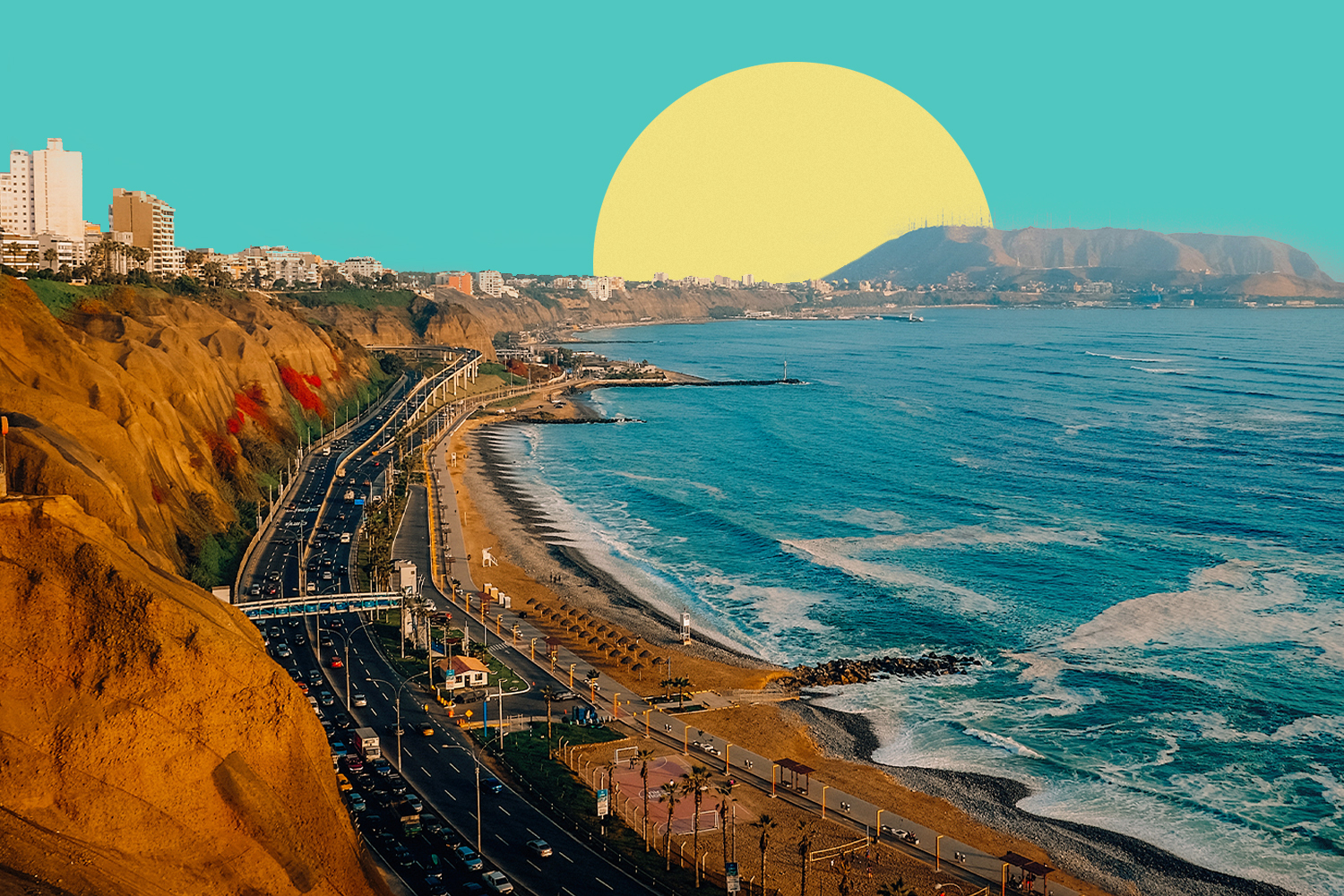
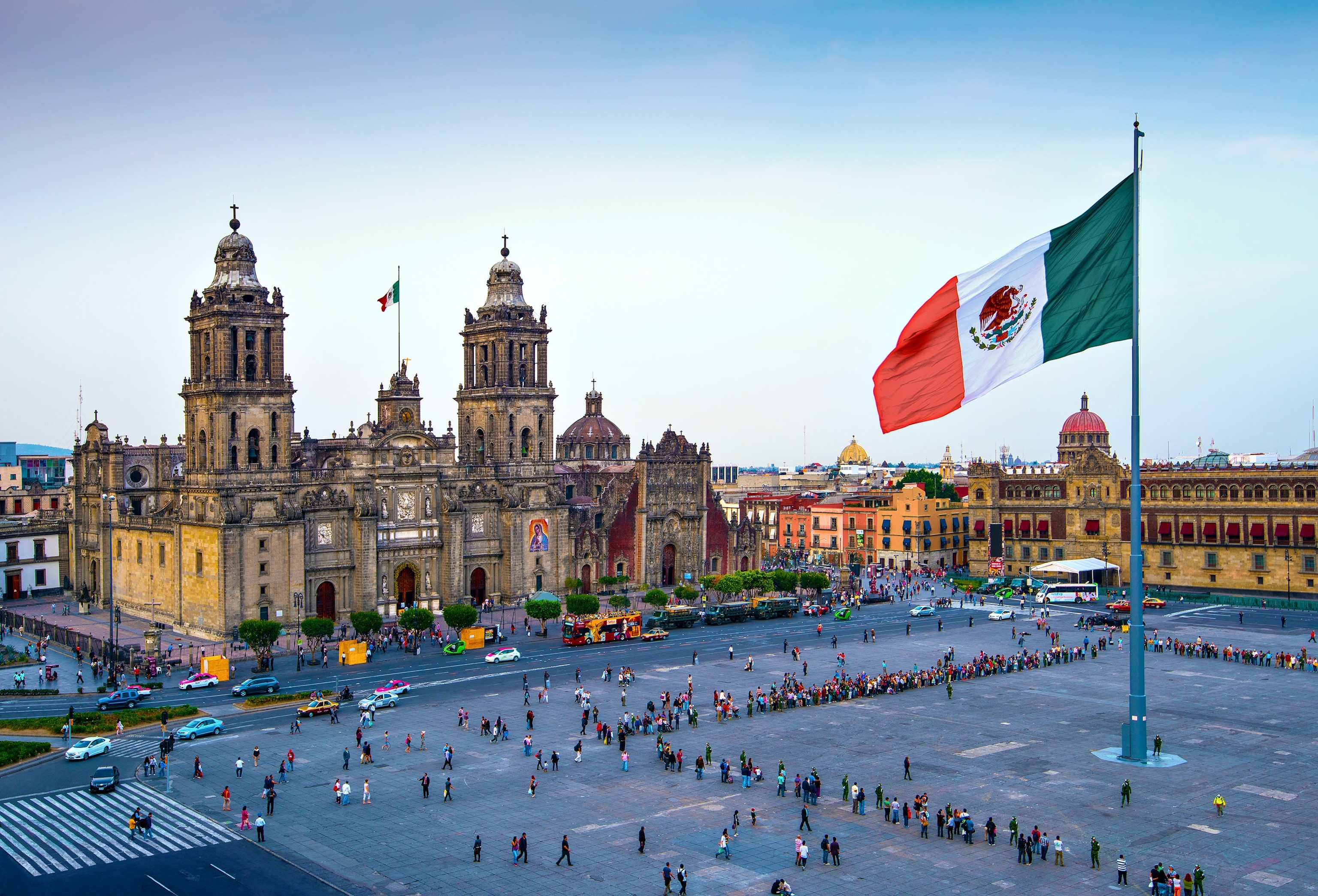
Choose Lima if you're a food-focused traveler craving coastal charm, pre-Hispanic history, and a slightly more relaxed pace, with a budget of $50-100 USD/day. Opt for Mexico City if you seek an overwhelming cultural kaleidoscope, world-class museums, vibrant nightlife, and endless exploration, perfect for a $60-120 USD/day budget.
- Choose Lima: Best for culinary enthusiasts, surfers, those interested in ancient history, and travelers looking for a more intimate, coastal city experience.
- Choose Mexico City: Ideal for culture vultures, art lovers, history buffs, party-goers, and anyone who thrives in a massive, endlessly fascinating metropolis with incredible infrastructure.
- Choose Both: If you have 3+ weeks and are flying between the Americas, combining both offers a phenomenal contrast of Latin American urban life and rich history. Aim for 4-5 days in Lima and 7-10 days in CDMX.
Quick Comparison
| Category | Lima | Mexico City | Winner |
|---|---|---|---|
| Food Scene | World-renowned fine dining, incredible ceviche, diverse street food, and unique Andean ingredients. | Unparalleled street food, Michelin-starred restaurants, regional diversity, and a vibrant taco culture. | Mexico City |
| Culture & History | Pre-Incan ruins (Huaca Pucllana), colonial architecture, diverse museums, and a strong indigenous heritage influence. | Ancient Aztec sites (Templo Mayor), grand colonial palaces, world-class museums (Anthropology), and a vibrant contemporary art scene. | Mexico City |
| Nightlife & Entertainment | Lively Pisco sours bars in Barranco, trendy Miraflores clubs, and a growing craft beer scene. | Diverse clubs and bars from upscale Roma Norte to traditional cantinas, world-class live music, and Lucha Libre. | Mexico City |
| Costs & Budget | Generally more affordable than CDMX for mid-range options, good value for food and transport. | Can be very budget-friendly for street food, but mid-range and luxury options can add up quickly. | Lima |
| Getting There & Flights | Major hub for South America, flights often connect through Miami, Bogotá, or Santiago. | Massive international hub, direct flights from numerous North American and European cities. | Mexico City |
| Getting Around | Reliant on taxis/ride-shares, limited public transport, but compact tourist zones. | Extensive and affordable metro system, abundant ride-shares, but can be very spread out. | Mexico City |
| Safety & Vibe | Generally safe in tourist areas (Miraflores, Barranco), but petty crime exists. Can feel a bit more reserved. | Safe in popular areas (Roma, Condesa, Polanco), but requires street smarts in others. Energetic and bustling. | Lima |
| Day Trips & Nature | Coastal nature (Palomino Islands), desert oases (Huacachina), and archaeological sites (Caral). | Pyramids of Teotihuacan, magic towns (Taxco, Cholula), and volcanic landscapes (Paso de Cortés). | Mexico City |
| Accommodation | Good value for comfortable hotels and Airbnbs in Miraflores and Barranco. | Wide range from luxury to budget, but popular neighborhoods can be pricey; hostels are abundant. | Tie |
| Weather & Seasons | Unique 'garúa' fog for much of the year, distinct summer (Dec-Apr) with sun and heat. | Pleasant year-round, distinct rainy season (May-Oct) with afternoon showers, mild temperatures. | Mexico City |
🍽️ Food Scene
While Lima boasts two of the world's top restaurants (Central, Maido) and is a mecca for fine dining, Mexico City's food scene is simply broader, more accessible, and more diverse for the average traveler. From the elevated pre-Hispanic cuisine at Pujol or Quintonil (expect MXN 3,500-5,000 / $200-300 USD per person for tasting menus) to the endless array of incredible street tacos, tamales, and tortas (MXN 50-150 / $3-9 USD per meal) found in every neighborhood like Roma Norte or Condesa, CDMX delivers consistently. Lima excels in ceviche (try Canta Rana in Barranco for PEN 60-80 / $16-22 USD) and a distinct fusion cuisine, but CDMX has more depth in casual, everyday eats. As one Redditor put it, "CDMX street food is a religion, you could eat for a month straight and not try everything amazing." It's not just the variety, but the sheer quality and value across all price points that makes CDMX's food scene legendary.
Winner takeaway
- Winner: Mexico City
- Why: Mexico City offers an unbeatable combination of world-class fine dining and incredibly diverse, affordable, and delicious street food experiences.
- Who this matters for: Anyone who travels primarily to eat and explore culinary traditions.
🏛️ Culture & History
Mexico City is an undisputed cultural powerhouse. Its history spans from the Aztec empire's heart (Templo Mayor, entrance MXN 90 / $5 USD) to the grandeur of colonial New Spain, culminating in a sprawling modern metropolis rich with art. The Museo Nacional de Antropología (MXN 90 / $5 USD) is one of the best museums globally, requiring an entire day to appreciate. You'll find Frida Kahlo's Casa Azul (MXN 250 / $15 USD), Diego Rivera murals, and countless galleries. Lima's cultural scene is compelling, with significant pre-Incan sites like Huaca Pucllana (entrance PEN 15 / $4 USD) nestled within modern Miraflores, and the historic center's colonial architecture. The Museo de Arte de Lima (MALI) and Museo Larco (PEN 35 / $9.50 USD) offer deep dives into Peruvian art and pre-Columbian artifacts. However, CDMX's scale, number of institutions, and sheer historical layers are simply overwhelming in the best way. "Mexico City's history hits you in the face, every block is a story," observed a traveler.
Winner takeaway
- Winner: Mexico City
- Why: Mexico City offers a vaster and more diverse array of historical sites, world-class museums, and a vibrant contemporary arts scene.
- Who this matters for: History buffs, museum enthusiasts, and art lovers.
💃 Nightlife & Entertainment
Mexico City's nightlife is legendary and caters to every taste. From the chic cocktail bars and speakeasies in Roma Norte and Condesa (drinks MXN 150-300 / $9-18 USD) to massive electronic clubs and traditional cantinas in neighborhoods like Doctores, there's always something happening. Don't miss the iconic Lucha Libre at Arena México (tickets MXN 150-500 / $9-30 USD) on Tuesdays or Fridays for an unforgettable cultural spectacle. Lima's nightlife is concentrated primarily in Barranco, known for its bohemian vibe, live music venues, and Pisco sour bars (expect PEN 25-40 / $7-11 USD per drink). Miraflores offers more upscale clubs, but the scene feels smaller and less varied compared to CDMX. "CDMX just goes harder, more options, more energy, every night," a Redditor summarized. While Lima has charm, CDMX has an endless pulse.
Winner takeaway
- Winner: Mexico City
- Why: Mexico City offers a broader, more diverse, and more energetic nightlife scene, catering to all tastes and budgets.
- Who this matters for: Party animals, live music fanatics, and those seeking unique entertainment experiences.
💰 Costs & Budget
While both cities can be explored on a budget, Lima generally offers better value, especially outside of high-end dining. A decent meal in Lima can be found for PEN 25-45 ($7-12 USD), and comfortable Airbnb rentals in Miraflores or Barranco start around PEN 150-250 ($40-68 USD) per night. Taxis within the main tourist areas are PEN 15-30 ($4-8 USD). Mexico City, while incredibly cheap for street food (tacos for MXN 15-30 / $1-2 USD each), can quickly become more expensive for mid-range restaurants (MXN 250-500 / $15-30 USD per person) and accommodation, particularly in popular neighborhoods like Roma Norte or Condesa, where Airbnbs easily hit MXN 1,000-2,000 ($60-120 USD) per night. Public transport in CDMX is extremely cheap (MXN 5 / $0.30 USD for metro), but Ubers add up. "Lima felt like I got more bang for my buck overall, especially with food and lodging," noted one traveler. For a mid-range traveler, Lima offers slightly better value for money on average.
Winner takeaway
- Winner: Lima
- Why: Lima provides a slightly more affordable overall travel experience, particularly for accommodation and mid-range dining.
- Who this matters for: Budget-conscious travelers and those looking to stretch their dollar further.
✈️ Getting There & Flights
Mexico City (MEX) is a significantly larger and better-connected international hub than Lima (LIM). Direct flights to CDMX are abundant from most major North American cities (e.g., Los Angeles, New York, Toronto typically 4-6 hours, $300-600 USD round trip) and many European capitals (e.g., Madrid, Paris, London typically 10-12 hours, $600-1000 USD round trip). Lima also serves as a key South American hub, but flights from North America often require a connection, increasing travel time (e.g., Miami to Lima 5.5 hours direct, but often through Bogotá or Panama City, adding 2-4 hours, $400-800 USD round trip). From Europe, connections are almost always required, making journeys longer (e.g., Paris to Lima 12-16 hours, $700-1200 USD round trip). "Getting to CDMX felt so much easier, way more direct options and usually cheaper too," a Redditor commented. For sheer ease and frequency of flights, CDMX wins.
Winner takeaway
- Winner: Mexico City
- Why: Mexico City has more direct flight options from major global cities, often at more competitive prices, making it easier to access.
- Who this matters for: Travelers prioritizing convenient and direct flight routes, especially from North America and Europe.
🚇 Getting Around
Mexico City's public transportation system is vast, efficient, and incredibly affordable. The Metro (MXN 5 / $0.30 USD per ride) covers most of the city, supplemented by the Metrobus (MXN 6 / $0.35 USD) and electric trolleybuses. While crowded during peak hours, it’s a fantastic way to navigate the sprawling metropolis. Uber and Didi are also plentiful and reasonably priced (MXN 80-200 / $5-12 USD for most inter-neighborhood rides). Lima's public transport is less developed, primarily relying on the Metropolitano bus rapid transit system which serves a few key corridors, and generally confusing local buses. Most tourists in Lima rely on taxis or ride-shares like Uber or InDriver (PEN 15-35 / $4-9 USD for inter-neighborhood trips). While Lima's tourist areas (Miraflores, Barranco, San Isidro) are more walkable and compact, traversing the entire city is less straightforward. "CDMX's metro is a lifesaver, you can get almost anywhere for pennies. Lima's transport was more of a struggle," a traveler reported.
Winner takeaway
- Winner: Mexico City
- Why: Mexico City boasts a much more comprehensive, efficient, and affordable public transportation network, making it easier to explore the city widely.
- Who this matters for: Independent travelers who prefer public transport and those who want to explore beyond just tourist zones.
🚨 Safety & Vibe
When sticking to well-known tourist neighborhoods like Miraflores, Barranco, and San Isidro, Lima generally feels safer and more relaxed. While petty crime like pickpocketing is always a risk, violent crime against tourists is less common. The vibe is a bit more reserved, and the city feels more manageable. Mexico City, while having very safe and affluent areas like Roma Norte, Condesa, and Polanco, is a massive metropolis where crime rates are higher in less touristy zones. It demands a greater degree of street smarts, especially at night or when using cash. There's a constant buzz and intensity in CDMX that some find thrilling, others overwhelming. "Lima felt calmer, more chill. In CDMX, I was always a bit more on guard, even in nice areas," a solo traveler remarked. For a slightly more low-key and less vigilant experience, Lima edges it out.
Winner takeaway
- Winner: Lima
- Why: Lima generally feels slightly safer and more relaxed in its main tourist areas, requiring less constant vigilance.
- Who this matters for: Solo travelers, first-time international travelers, and those prioritizing a more laid-back urban experience.
⛰️ Day Trips & Nature
Mexico City offers truly iconic and diverse day trips. The Teotihuacan pyramids (MXN 85 / $5 USD entrance, 1-hour bus ride from CDMX for MXN 50 / $3 USD each way) are a must-see, offering breathtaking ancient history. Magical towns like colorful Taxco (silver capital, 2.5 hours by bus, MXN 200-300 / $12-18 USD each way) or Cholula with its pyramid and churches (2 hours by bus) provide excellent cultural excursions. The Paso de Cortés offers stunning views of volcanoes Popocatépetl and Iztaccíhuatl. Lima's day trip options include the impressive archaeological site of Caral (oldest civilization in the Americas, 3 hours drive, best with a tour for PEN 250-400 / $68-108 USD), a boat trip to the Palomino Islands to swim with sea lions (PEN 120-180 / $33-49 USD), and the popular desert oasis of Huacachina (4 hours drive, often combined with Nazca Lines, making it an overnight trip, tours for PEN 300-500 / $80-135 USD). While Lima's options are unique, CDMX's proximity to world-heritage sites and diverse 'magic towns' provides easier, more accessible day trips. "Teotihuacan alone is worth picking CDMX for, it's just mind-blowing and so easy to get to," a traveler mentioned.
Winner takeaway
- Winner: Mexico City
- Why: Mexico City provides easier access to truly iconic, world-renowned archaeological sites and charming colonial towns for day trips.
- Who this matters for: Travelers keen on exploring ancient civilizations and picturesque towns beyond the city limits.
🏨 Accommodation
Both cities offer excellent accommodation options, but their strengths lie in different areas. Lima truly excels in offering fantastic value for mid-range travelers. You can find beautiful, well-located Airbnbs or boutique hotels in Miraflores or Barranco for PEN 150-300 ($40-80 USD) per night, often with ocean views or charming colonial architecture. For example, a comfortable stay at a place like Hotel Antigua Miraflores is around PEN 250 ($68 USD). Mexico City, on the other hand, boasts a wider range of options, from luxurious international chains in Polanco (e.g., St. Regis for MXN 7,000+ / $400+ USD) to countless stylish hostels in Roma Norte (beds for MXN 200-400 / $12-24 USD). However, popular neighborhoods can see prices for mid-range hotels and Airbnbs easily reach MXN 1,500-3,000 ($90-180 USD). "Lima felt like I got a much nicer room for the same price compared to CDMX, especially in the boutique hotel scene," a traveler shared. CDMX has more sheer choice, but Lima offers better value for quality.
Winner takeaway
- Winner: Tie
- Why: Lima offers slightly better value for mid-range accommodation, while Mexico City has a wider range across all price points.
- Who this matters for: Travelers seeking either great value in the mid-range or an extensive variety of luxury and budget options.
☀️ Weather & Seasons
Mexico City enjoys a remarkably pleasant climate for most of the year due to its high altitude. Temperatures are mild (average 18-25°C / 64-77°F), with cool evenings. The dry season (November-April) is sunny and ideal. The rainy season (May-October) brings predictable afternoon showers that clear quickly, often refreshing the air. Lima's climate is unique and often described as a 'grey city.' From May to November, it's covered by a thick, persistent coastal fog called 'garúa,' leading to overcast skies, high humidity, and mild temperatures (15-20°C / 59-68°F), with little direct sun. The summer months (December-April) are sunny, warm, and humid (25-30°C / 77-86°F), making it a popular time to visit. "Lima's grey skies really got to me after a few days, I missed the sun! CDMX's weather was perfect almost every day," a traveler commented. For consistent pleasant weather and more sunshine, CDMX is the clear winner.
Winner takeaway
- Winner: Mexico City
- Why: Mexico City offers a more consistently pleasant climate with more sunshine throughout the year, especially compared to Lima's long, foggy season.
- Who this matters for: Sun-seekers and travelers who prefer mild, consistent temperatures without extended periods of overcast skies.
❓ Frequently Asked Questions
Is Lima or Mexico City better for solo female travelers?
Both cities require common sense and vigilance. Lima, particularly in Miraflores and Barranco, can feel slightly more relaxed and less overwhelming for a solo female traveler. Mexico City offers more to do and see, but its sheer size and intensity mean being more aware of your surroundings, especially at night or when using public transport. Always use ride-share apps over street taxis in both cities.
Which city has better access to ancient ruins?
Mexico City offers more convenient and iconic access to ancient ruins, primarily the magnificent Teotihuacan pyramids, which are an easy day trip. While Lima has impressive pre-Incan sites like Huaca Pucllana within the city and Caral as a longer day trip, the scale and impact of Teotihuacan are unmatched for ease of access from the capital.
Is English widely spoken in Lima or Mexico City?
In both cities, English is generally understood in major tourist hotels, upscale restaurants, and by many tour guides. However, outside these circles, Spanish is dominant. Learning some basic Spanish phrases will significantly enhance your experience in both Lima and Mexico City, especially when dealing with street vendors or local transport.
Which city is better for a long-term stay (e.g., digital nomads)?
Mexico City is generally better for digital nomads due to its more developed infrastructure, larger expat community, more reliable and faster internet, a wider array of coworking spaces, and endless entertainment options. Lima offers a lower cost of living but has fewer dedicated nomad amenities and a more limited social scene for long-term residents.
What's the best time of year to visit each city?
For Lima, the best time is during its summer, from December to April, when it's sunny and warm. For Mexico City, the dry season from November to April offers consistently pleasant weather with plenty of sunshine, though the rainy season (May-Oct) can also be enjoyable with afternoon showers.
How do the culinary experiences differ beyond fine dining?
Beyond fine dining, Lima excels in unique Peruvian Creole dishes, fantastic seafood (ceviche), and diverse fusions reflecting its immigrant history. Mexico City boasts an incredible variety of regional Mexican cuisines, an unparalleled street food scene focused on tacos, tamales, and antojitos, and a vibrant café culture. CDMX offers more daily casual culinary adventures.
Are there good beaches near Lima or Mexico City?
Lima is a coastal city with beaches directly accessible from areas like Miraflores and Barranco, though these are more for surfing and relaxing than pristine swimming. Mexico City is inland and requires a significant journey (e.g., a flight or a long bus ride of 4+ hours) to reach beach destinations like Acapulco or Puerto Escondido.
Which city is better for shopping for local crafts and souvenirs?
Both cities offer excellent opportunities for local crafts. Lima has vibrant artisan markets, especially in Miraflores and Barranco, known for alpaca goods, pre-Columbian replicas, and textiles. Mexico City boasts massive markets like La Ciudadela for handicrafts from across Mexico, offering an incredibly diverse range of pottery, textiles, silver, and folk art, making it slightly superior for sheer variety and scale.
Ready to plan your Latin American adventure?
Get a free custom itinerary for Lima, Mexico City, or both — built from real traveler insights.
🎟️ Book Tours & Experiences
Hand-picked tours and activities for both destinations — book with free cancellation
Experiences via Viator — free cancellation on most tours