How we built this comparison
This page combines traveler discussion patterns, published price ranges, flight schedules, and seasonal data to help you decide between Lima and Quito.
- Reviewed 50+ Reddit threads from r/travel, r/solotravel, r/peru, r/ecuador, and r/southamerica for authentic traveler opinions and tips.
- Verified costs and logistics against current booking platforms (e.g., Google Flights, Booking.com, Uber) to ensure accuracy.
- Cross-referenced seasonal patterns, weather data, and major events to provide up-to-date travel advice.
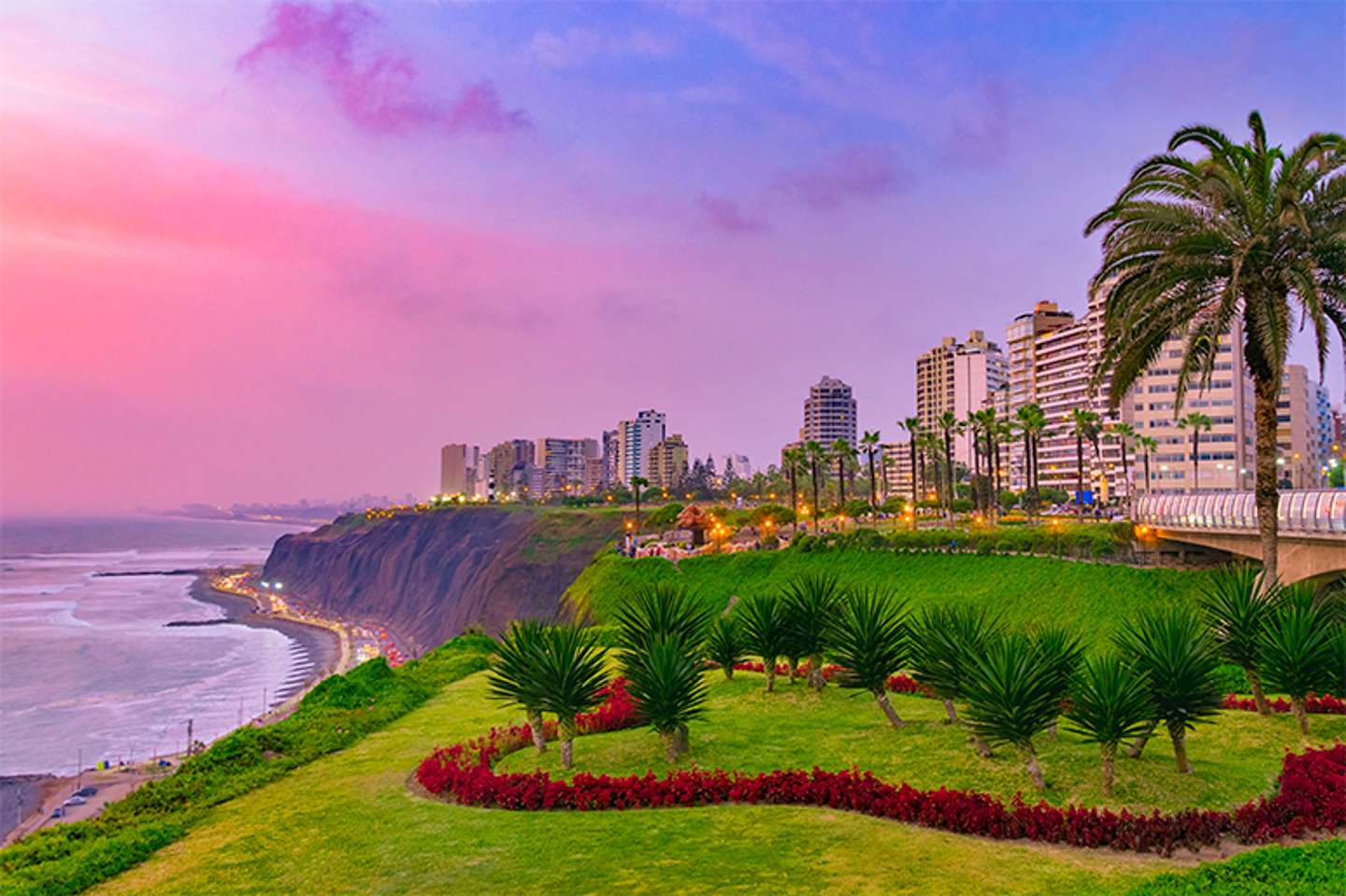
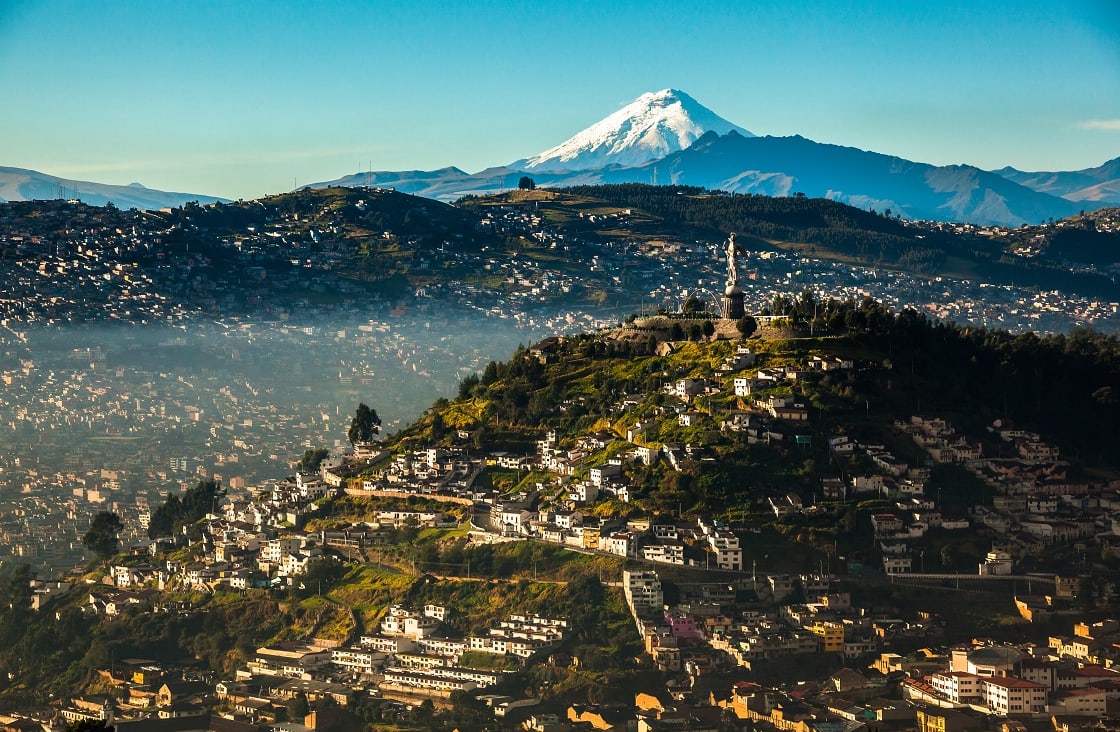
⚡ The TL;DR Verdict
Lima is for the discerning foodie and urban explorer seeking vibrant nightlife and world-class dining, budgeting around $70-150 USD/day. Quito calls to history buffs and nature lovers drawn to colonial beauty and dramatic Andean landscapes, typically costing $50-100 USD/day.
- Choose Lima: If you prioritize an unparalleled culinary scene, diverse nightlife, and a dynamic coastal city vibe, even with the sprawling size and infamous traffic, Lima is your spot. It's fantastic for foodies and those who love urban exploration.
- Choose Quito: Opt for Quito if stunning colonial architecture, breathtaking mountain scenery, and a slightly more laid-back, culturally immersive experience are higher on your list. It's a gateway to the Andes and offers great value.
- Choose Both: To experience the best of both worlds – high-altitude history and coastal gastronomy – consider a 10-14 day trip. Fly between the two (approx. 3.5 hrs, $200-350 USD round trip) and allocate 4-5 days for each city, plus travel days and day trips.
Quick Comparison
| Category | Lima | Quito | Winner |
|---|---|---|---|
| Food & Gastronomy | World-renowned culinary capital, home to Michelin-starred restaurants and incredible street food. | Hearty Andean cuisine, traditional Ecuadorian dishes, and local markets. | Lima |
| Culture & History | Pre-Columbian sites, colonial architecture in the historic center, and vibrant modern art. | UNESCO World Heritage site with one of the best-preserved colonial centers in Latin America. | Quito |
| Nightlife & Entertainment | Diverse bars, clubs, and live music venues, especially in Miraflores and Barranco. | Relaxed bars and discotecas in La Mariscal Foch, and some cultural events. | Lima |
| Cost of Travel | Generally more expensive, especially for high-end dining and accommodation. | More budget-friendly across the board, offering excellent value for money. | Quito |
| Nature & Outdoors | Coastal views, clifftop parks, and access to desert landscapes. | Dramatic Andean scenery, volcanoes, cloud forests, and hot springs nearby. | Quito |
| Safety & Local Vibe | Can be sprawling and has varying levels of safety; common sense needed in busy areas. | Generally feels safe in tourist areas, but vigilance is still required. | Tie |
| Accommodation & Comfort | Wide range of modern hostels, boutique hotels, and luxury chains. | Great value colonial hotels, charming guesthouses, and solid hostel options. | Lima |
| Getting Around & Traffic | Extensive rideshare and taxi network, but infamous traffic. Metropolitano bus is efficient. | Decent public transport (Trolebús, Ecovía), but hilly terrain makes walking challenging. | Lima |
| Day Trips & Excursions | Paracas, Huacachina oasis, Caral, and Pachacamac archaeological site. | Cotopaxi, Mindo Cloud Forest, Otavalo Market, and Quilotoa Lagoon. | Quito |
| Climate & Weather | Coastal desert climate; often cloudy, humid 'garúa' from May-Nov; hot and sunny Dec-Apr. | High-altitude 'eternal spring' climate; mild days, cool nights, rainy season Oct-May. | Quito |
🍽️ Food & Gastronomy
Lima unequivocally dominates the culinary scene, often lauded as South America's gastronomic capital. Here you'll find two of the world's top restaurants, Central and Maido, offering tasting menus from S/800-1500 ($210-400 USD). But it's not just high-end; the street food and local 'huecos' are phenomenal. Don't miss ceviche at La Mar, or Aji de Gallina at a 'menu del dia' spot for S/15-25 ($4-7 USD). Barranco and Miraflores are packed with diverse eateries. Quito offers delicious, comforting Andean fare like Locro de Papa (potato soup) for around $3-5 USD and 'fritada' (fried pork) for $8-12 USD, especially at places like Pícaro. While good, it lacks Lima's global innovation and diversity. As one Redditor put it, "Lima's food scene is next level, worth the trip just for that. Quito's is good, but you're not going for the Michelin stars."
Winner takeaway
- Winner: Lima
- Why: Lima's diverse, innovative, and globally recognized culinary scene is simply unmatched.
- Who this matters for: Foodies, gourmands, and anyone who makes food a central part of their travel experience.
🏛️ Culture & History
Quito's historic center, a UNESCO World Heritage site, is truly breathtaking. Walking its cobbled streets, you're surrounded by stunning colonial churches like La Compañía de Jesús with its gold-leaf interior (entry ~$5 USD) and grand plazas such as Plaza Grande. The city blends indigenous, colonial, and modern influences seamlessly. You can spend days just exploring the old town's monasteries, museums, and artisan shops. Lima's historic center also boasts impressive colonial architecture, like Plaza Mayor and the Cathedral, and the pre-Columbian Huaca Pucllana site (entry S/15-20 / $4-5 USD) offers a fascinating glimpse into ancient Lima. However, its historical core feels a bit more separate from the modern city compared to Quito's integrated feel. "Quito's Old Town is like stepping back in time, seriously picturesque and so much history around every corner. Lima's is cool but feels more spread out." the vibrant indigenous culture around Quito also adds a unique layer.
Winner takeaway
- Winner: Quito
- Why: Quito's remarkably preserved and vibrant colonial center offers a more concentrated and immersive historical experience.
- Who this matters for: History buffs, architecture enthusiasts, and those seeking a deep dive into colonial heritage.
🥂 Nightlife & Entertainment
Lima's nightlife is significantly more varied and energetic, particularly in the districts of Miraflores and Barranco. Barranco, the bohemian district, is famous for its lively bars, live music venues, and art galleries that convert into social hubs. Places like Ayahuasca Restobar Lounge offer unique cocktails in a grand old mansion, while more casual spots along Jirón San Antonio buzz with Cumbia and Salsa. Miraflores caters to a slightly more upscale crowd with clubs and lounges. A craft beer can cost S/15-25 ($4-7 USD), while cocktails range from S/25-45 ($7-12 USD). Quito's nightlife is centered around La Mariscal Foch, offering a decent selection of bars and discotecas, but it can feel a bit more tourist-centric and less diverse than Lima. "Lima's Barranco district goes OFF on weekends. So many cool bars and live music spots, way better than anything I found in Quito." For a more local vibe, Quito has some hidden gems, but Lima generally offers a broader spectrum of options for a night out.
Winner takeaway
- Winner: Lima
- Why: Lima boasts a more expansive, diverse, and vibrant nightlife scene, especially in its bohemian and modern districts.
- Who this matters for: Party-goers, social travelers, and anyone looking for a lively evening out with multiple options.
💰 Cost of Travel
Quito consistently offers better value for money than Lima. Accommodation in a decent hostel dorm can be $10-15 USD/night, while a comfortable mid-range hotel is $40-70 USD/night. A hearty lunch can be found for $5-8 USD, and local bus rides are only $0.35 USD. Overall, a comfortable backpacker could easily get by on $40-60 USD/day. In Lima, hostel dorms start at $15-25 USD, and mid-range hotels are $60-100 USD+. Eating out, while excellent, can quickly add up; even a good local meal is S/25-45 ($7-12 USD), and taxis/rideshares are generally pricier. "Quito felt noticeably cheaper for everything – food, accommodation, tours. Lima can add up quick if you're not careful." If you're planning on experiencing Lima's top restaurants, your budget will need to be significantly higher. For travelers prioritizing stretching their dollar without sacrificing quality experiences, Quito is the clear winner.
Winner takeaway
- Winner: Quito
- Why: Quito offers a more budget-friendly experience across accommodation, food, and transport, providing better overall value.
- Who this matters for: Budget travelers, long-term backpackers, and anyone conscious about daily expenses.
⛰️ Nature & Outdoors
Quito is an outdoor enthusiast's dream, nestled high in the Andes. Within a short distance, you can hike around the stunning Cotopaxi volcano (day tours ~$50-80 USD), explore the unique cloud forest ecosystem of Mindo (day trips ~$60-100 USD), or relax in the Termas de Papallacta hot springs. The TelefériQo (cable car) offers incredible panoramic views of the city and surrounding mountains for $8.50 USD. Lima, while coastal, doesn't offer the same dramatic natural landscapes directly surrounding the city. Its outdoor appeal lies more in its ocean views, surfing opportunities in Miraflores, and access to desert oases like Huacachina and the Nazca Lines (further away, multi-day trips). "If you love mountains and proper nature, Quito wins hands down. Cotopaxi was a highlight of my whole trip." The sheer proximity and diversity of high-altitude and cloud forest environments make Quito an unparalleled base for nature exploration.
Winner takeaway
- Winner: Quito
- Why: Quito's immediate access to majestic Andean volcanoes, cloud forests, and diverse natural landscapes is unmatched.
- Who this matters for: Adventure seekers, hikers, nature lovers, and photographers.
👮 Safety & Local Vibe
Both cities require a good degree of situational awareness, as petty crime (pickpocketing, bag snatching) is prevalent in touristy and crowded areas. Lima, being a much larger, sprawling city, can feel more overwhelming. Miraflores and Barranco are generally safe, but venturing into less-touristed areas, especially at night, requires caution. Taxi scams or 'moto-taxi' issues can occur, so always use official taxis or rideshare apps like Uber/Cabify. Quito's main tourist areas like the Historic Center and La Mariscal Foch are well-policed, and during the day, feel quite safe. However, isolated streets, especially at night, can be risky. "Honestly, both felt pretty similar. Just don't flash valuables, stick to main areas, and use Uber. Common sense goes a long way." While Quito's compact nature might make it feel slightly more manageable, neither city is inherently 'safer' than the other; personal vigilance and smart travel practices are key in both.
Winner takeaway
- Winner: Tie
- Why: Both cities require similar levels of caution and vigilance, with comparable risks in non-touristy areas.
- Who this matters for: All travelers, particularly solo travelers and those new to South America, who prioritize peace of mind.
🏨 Accommodation & Comfort
Lima, particularly in Miraflores and Barranco, offers a wider and generally more upscale range of accommodation options. You'll find everything from chic boutique hotels like Hotel B in Barranco (starting ~$200 USD/night) and international luxury chains (JW Marriott, Belmond) to countless modern, well-equipped hostels such as Pariwana Hostel Miraflores (dorms from S/60 / $16 USD). There’s a strong focus on modern amenities and stylish design. Quito excels in charming colonial hotels within its historic center, offering unique character and often excellent value, like Hotel Patio Andaluz (from $100 USD/night). Hostels like Community Hostel Quito (dorms from $12-18 USD) are also plentiful and well-regarded. "Lima has seriously good hotels, even mid-range places felt really modern and comfortable. Quito's colonial hotels are cool, but sometimes lack a few modern comforts." While Quito has delightful options, Lima slightly edges it out for sheer variety, modernity, and the presence of world-class luxury choices.
Winner takeaway
- Winner: Lima
- Why: Lima offers a broader selection of modern, high-quality, and luxury accommodation options, particularly in its popular districts.
- Who this matters for: Travelers seeking comfort, luxury, or a wide array of modern hotel choices.
🚗 Getting Around & Traffic
Lima's traffic is legendary and can be a significant challenge, especially during peak hours. However, the city offers an extensive and reliable network of rideshare apps (Uber, Cabify, InDriver) and taxis, making point-to-point travel relatively easy, if slow. A 20-minute ride can cost S/15-30 ($4-8 USD). The Metropolitano bus rapid transit system is excellent for connecting certain districts. Quito's public transport system, including the Trolebús and Ecovía, is efficient and very cheap ($0.35 USD per ride), covering main arteries. However, the city's extremely hilly topography can make walking between districts challenging, and private taxis/rideshares are sometimes necessary. "Lima's traffic is a nightmare, but at least you can always grab an Uber pretty fast. Quito's public transport is good, but all those hills can really wear you out walking around." While Lima's traffic is a pain, the sheer availability and ease of summoning a private car, even for longer distances, often makes it feel more manageable than navigating Quito's hills and slightly less ubiquitous rideshare options.
Winner takeaway
- Winner: Lima
- Why: Despite heavy traffic, Lima's vast and easily accessible rideshare and taxi network offers greater flexibility for getting around.
- Who this matters for: Travelers who prefer convenience, door-to-door transport, and don't mind longer travel times.
🏞️ Day Trips & Excursions
Quito truly shines with its incredible array of accessible day trips. Within a few hours, you can be hiking the slopes of the majestic Cotopaxi volcano, exploring the lush biodiversity of the Mindo Cloud Forest, haggling for artisan crafts at the famous Otavalo indigenous market (often a full-day tour ~$40-70 USD), or marveling at the stunning turquoise waters of Quilotoa Lagoon (can be combined with Cotopaxi or a longer trip). The diversity of these experiences – from high-altitude adventure to cultural immersion – is unparalleled. Lima offers fantastic day trips too, with the desert oasis of Huacachina and the Paracas National Reserve (Ballestas Islands boat tour ~$20-30 USD) being popular two-day trips, but they require more travel time (4-5 hours each way). The ancient city of Caral and the Pachacamac archaeological site are closer options. "Quito's day trips are just next level. Cotopaxi and Mindo were unforgettable, and it's all so close." The sheer proximity and variety of world-class natural and cultural sites give Quito the edge here.
Winner takeaway
- Winner: Quito
- Why: Quito offers a wider variety of world-class and easily accessible day trips, from Andean peaks to cloud forests and vibrant markets.
- Who this matters for: Adventurous travelers, nature enthusiasts, and those looking to explore beyond the city limits.
☀️ Climate & Weather
Quito, often called the city of 'eternal spring' due to its high-altitude equatorial location, enjoys relatively consistent, pleasant weather year-round. Days are generally mild and sunny, averaging 18-22°C (64-72°F), with cool evenings. While it has a rainy season from October to May, showers are often brief and afternoon-focused, rarely disrupting plans entirely. Lima, in contrast, has a unique coastal desert climate dominated by its famous 'garúa' (a persistent low-hanging cloud/mist) from May to November, making it feel perpetually overcast and damp. Temperatures during this period are mild, 15-20°C (59-68°F). The summer months (December to April) bring more sunshine and higher temperatures, 25-30°C (77-86°F), making it feel more like a typical beach city. "Quito's weather was perfect almost every day, light jacket in the evenings. Lima was just grey for most of my trip in July." For consistent, mild, and generally more pleasant weather, especially outside of Lima's summer, Quito is the clear winner.
Winner takeaway
- Winner: Quito
- Why: Quito's 'eternal spring' climate provides consistently mild, pleasant temperatures with a good mix of sun, contrasting with Lima's often grey 'garúa' season.
- Who this matters for: Travelers sensitive to extreme heat or prolonged cloudiness, and those seeking consistently pleasant outdoor conditions.
❓ Frequently Asked Questions
Which city is better for a first-time visitor to South America?
For a gentler introduction to South America with stunning visuals and easier day trips into nature, Quito might be slightly preferred. Lima is fantastic, but its sprawling size and intense traffic can be a lot for a first-timer. Both are generally welcoming, but Quito feels a bit more compact.
Is altitude sickness an issue in Quito?
Yes, Quito sits at 2,850 meters (9,350 feet), so altitude sickness is a real concern. Plan to take it easy for the first 24-48 hours, stay hydrated, avoid alcohol, and drink coca tea. Most people acclimatize fine, but be prepared for potential mild symptoms like headaches or shortness of breath.
How long should I spend in each city?
For Lima, plan 3-4 full days to cover the main districts, historic center, and enjoy the food scene. For Quito, 3-4 full days allow you to explore the Old Town, take the TelefériQo, and enjoy one or two nearby day trips. If combining, 4-5 days for each is ideal for a more relaxed pace.
Which city has better public transportation?
Quito's integrated public transport system (Trolebús, Ecovía) is highly efficient and cheap for navigating its main corridors. Lima has the Metropolitano bus system, but its extensive public transport can be complex and less tourist-friendly than relying on rideshares. For ease of use by tourists, Quito's system might feel more accessible.
Are there good options for vegetarian/vegan food?
Lima, with its sophisticated culinary scene, has a growing number of vegetarian and vegan restaurants, especially in Miraflores and Barranco. Quito also has options, particularly in the Mariscal Foch area and some dedicated health food eateries. Both cities can accommodate dietary needs, but Lima has a slight edge in variety and innovation.
What's the best way to get between Lima and Quito?
The most practical way is by flying. Direct flights between Lima's Jorge Chávez International Airport (LIM) and Quito's Mariscal Sucre International Airport (UIO) take approximately 3.5 hours. Airlines like LATAM and Avianca operate this route, with round-trip tickets typically costing $200-350 USD.
Which city is better for shopping for local crafts?
Quito, with its strong indigenous heritage and proximity to artisan towns, is generally better for traditional crafts. The Otavalo Market (a popular day trip from Quito) is world-famous. Within Quito, La Ronda street in the Historic Center offers many local artisan shops. Lima has craft markets, but they are often more tourist-oriented.
Can I combine a trip to Lima or Quito with the Galapagos Islands?
Yes, absolutely! Quito is the primary gateway for flights to the Galapagos Islands (via Guayaquil). Many travelers combine a trip to Quito and its Andean surroundings with a once-in-a-lifetime Galapagos cruise or island hopping adventure. Lima is further out, but a flight connection is easily made through Quito or Guayaquil.
Ready to plan your Andean or Pacific adventure?
Get a free custom itinerary for Lima, Quito, or both — built from real traveler insights.
🎟️ Book Tours & Experiences
Hand-picked tours and activities for both destinations — book with free cancellation
Experiences via Viator — free cancellation on most tours