How we built this comparison
This page combines traveler discussion patterns, published price ranges, flight schedules, and seasonal data to help you decide between Lima and Tokyo.
- Reviewed 50+ Reddit threads from r/travel, r/solotravel, r/peru, r/japantravel, r/tokyo for authentic traveler experiences and advice.
- Verified costs and logistics against current booking platforms (Booking.com, Skyscanner, Google Flights) and local news for accuracy.
- Cross-referenced seasonal patterns, weather data, and major events to determine optimal travel times and category nuances.
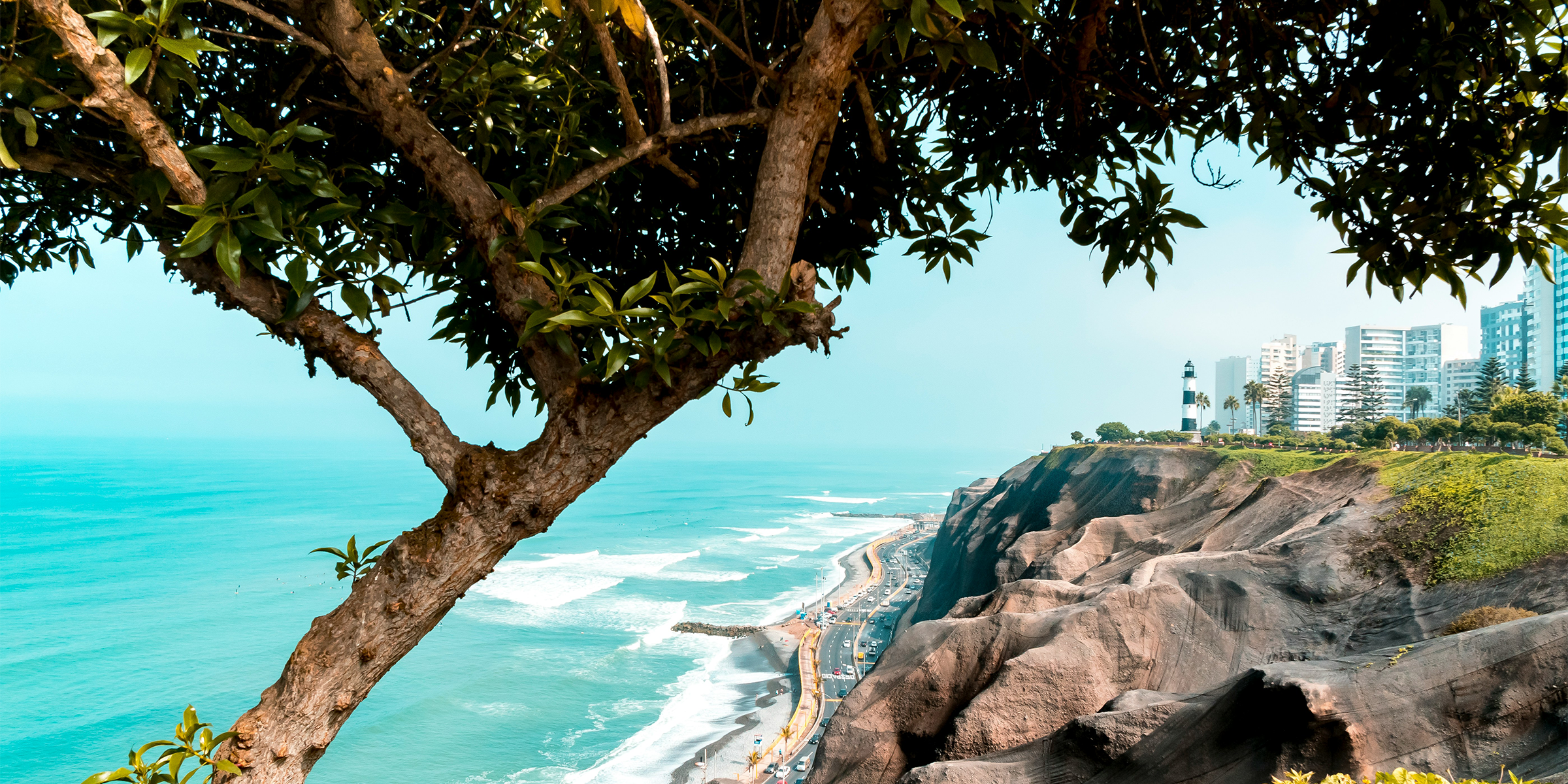
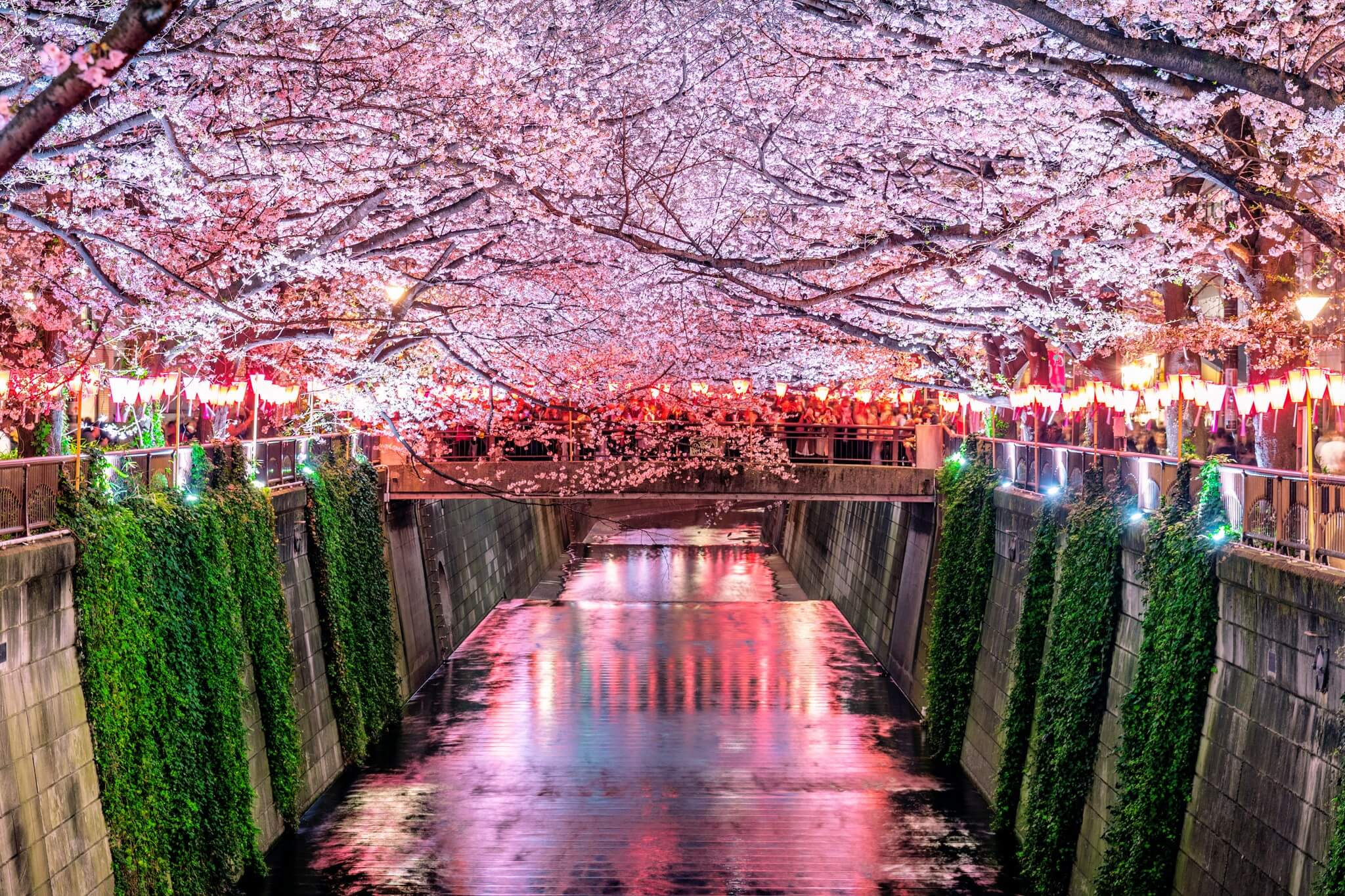
⚡ The TL;DR Verdict
For the adventurous budget traveler craving world-class food, a rich historical tapestry, and raw, unfiltered experiences, Lima is your vibrant pick with a daily budget around $50-80 USD. For those seeking unparalleled safety, immaculate efficiency, futuristic cityscapes, and diverse cultural immersion willing to spend more, Tokyo's refined chaos and culinary perfection await, typically costing $120-200+ USD per day.
- Choose Lima: If you prioritize incredible culinary experiences on a budget, want to explore ancient history, embrace a lively Latin American culture, and don't mind a bit of grit and street smarts.
- Choose Tokyo: If you seek unparalleled safety, futuristic urban landscapes, highly efficient public transport, diverse cultural experiences from traditional to pop, and are ready for a higher travel budget.
- Choose Both: For the ultimate global adventurer with significant time (3+ weeks) and budget. Start with Lima for its energetic sensory overload, then transition to Tokyo for its contrasting order and precision. It's a true journey across continents and cultures.
Quick Comparison
| Category | Lima | Tokyo | Winner |
|---|---|---|---|
| Food & Drink | A global culinary capital with incredible value, from street food to Michelin-starred restaurants. Seafood reigns supreme. | Unmatched diversity and quality, from street-side ramen to exquisite sushi and Michelin dining. Impeccable service. | Lima |
| Costs & Budget | Significantly more affordable across the board for accommodation, food, transport, and activities. | Generally expensive, especially for accommodation and higher-end dining. Value can be found with careful planning. | Lima |
| Safety & Security | Requires awareness of surroundings, especially for petty crime. Specific neighborhoods are safer than others. | One of the safest major cities in the world, with extremely low crime rates, even at night. | Tokyo |
| Culture & History | Rich pre-Columbian and colonial history, vibrant street art, and a passionate, lively Latin culture. | Deep traditions blending with hyper-modernity, ancient temples, imperial history, and unique pop culture. | Tie |
| Nightlife & Entertainment | Lively and energetic, particularly in Barranco and Miraflores, with diverse bars, clubs, and live music. | Massive, diverse, and often unique options from themed bars to high-tech clubs, spread across many districts. | Tokyo |
| Accommodation | Good range of budget to mid-range options, especially hostels and boutique hotels in safe areas. Value for money is high. | Excellent quality and cleanliness across all budgets, but rooms are often smaller. Unique options like capsule hotels. | Lima |
| Getting There & Flights | Direct flights available from major North American hubs; generally 7-10 hours flight time. From Europe, 12-16 hours. | Very long flights from most of the world; typically 11-14 hours from North America, 13-18+ hours from Europe. | Lima |
| Getting Around | Relies on taxis, ride-sharing apps, and a developing but often congested public bus system. | World-class, highly efficient, and punctual public transport system (trains, subways, buses) covering the entire city. | Tokyo |
| Day Trips & Excursions | Coastal nature (Paracas), desert oases (Huacachina), Nazca Lines (further), and archaeological sites. | Mountains (Hakone, Fuji), ancient shrines (Nikko), traditional coastal towns (Kamakura), and hot springs. | Tokyo |
| Weather & Best Time to Visit | Mild, cloudy, and often misty year-round; summer (Dec-Apr) is sunniest. No extreme temperatures. | Distinct four seasons; hot, humid summers; cold, dry winters; beautiful spring and autumn. | Tie |
🍽️ Food & Drink
Lima's food scene isn't just good; it's revolutionary. It consistently ranks among the world's top culinary destinations, offering an incredible blend of indigenous, Spanish, African, and Asian influences. You can feast like royalty for a fraction of the cost you'd pay elsewhere. Imagine incredible ceviche at La Mar Cebicheria for about S/70 ($19 USD), or a gourmet tasting menu at Central (ranked #1 in the world for 2023) for around S/1300 ($350 USD) – a steal for that level of experience. Even simple street food, like anticuchos (grilled beef heart skewers) for S/10 ($2.70 USD), is phenomenal. Pisco Sours are ubiquitous and delicious. Tokyo, while having arguably the highest concentration of Michelin stars and an unbelievable range from perfect sushi to comforting ramen, often comes with a heftier price tag. A decent sushi dinner might run ¥5,000-10,000 ($35-70 USD), and even a casual ramen bowl is ¥900-1500 ($6-10 USD). The sheer value and unique fusion make Lima shine brighter here. “Honestly, I ate so well in Lima for like $10 a meal, totally blown away by the flavors.”
Winner takeaway
- Winner: Lima
- Why: Lima offers an unparalleled culinary experience with incredible diversity, innovation, and value, making world-class dining accessible.
- Who this matters for: Foodies, budget travelers, adventurous eaters.
💰 Costs & Budget
When it comes to your wallet, Lima is the clear victor. A mid-range hotel in a safe area like Miraflores might cost you S/180-300 ($50-80 USD) per night. Hostel dorms are as low as S/40 ($11 USD). A taxi ride across town (e.g., Miraflores to Barranco) is S/15-25 ($4-7 USD). Eating out can be incredibly cheap; a filling menu del día (set lunch) is often S/15-25 ($4-7 USD). Even a fancy cocktail won't break the bank at S/30-40 ($8-11 USD). In Tokyo, expect to pay significantly more. A similar mid-range hotel will likely be ¥15,000-25,000 ($100-170 USD) per night, and even a well-regarded hostel dorm is ¥3,500-6,000 ($24-40 USD). Public transport is efficient but adds up, with individual train rides costing ¥150-300 ($1-2 USD). While you can find cheap food like convenience store bentos or standing ramen, a sit-down meal is easily ¥2,000-5,000 ($14-35 USD). “My hostel in Miraflores was clean, and I could get around everywhere for peanuts. Tokyo just felt like everything cost 3x.” Lima allows for a much more comfortable and extended trip on a tighter budget.
Winner takeaway
- Winner: Lima
- Why: Lima provides exceptional value for money across all travel categories, allowing a richer experience on a smaller budget.
- Who this matters for: Budget travelers, long-term travelers, anyone seeking great value.
🛡️ Safety & Security
Tokyo stands out globally as an exceptionally safe city. You can walk alone at night, leave your phone on a café table to reserve your spot, and expect lost items to be returned. Crime rates are astonishingly low, and public order is paramount. This creates a remarkably relaxed and stress-free environment for travelers. Lima, while generally safe in tourist-heavy areas like Miraflores and Barranco, requires a higher level of vigilance. Petty crime, such as pickpocketing and bag snatching, is common, especially in crowded markets or on public transport. Taxis should always be official or ride-sharing apps (Uber, Cabify) should be used. There are areas best avoided, particularly at night. Tourists are advised not to flash expensive items. “Just be smart in Lima, don't flash your phone, use official taxis. Basic stuff, but it makes a difference.” While you can absolutely have a safe trip in Lima by being street-smart, Tokyo's level of security is unmatched and contributes significantly to a traveler's peace of mind.
Winner takeaway
- Winner: Tokyo
- Why: Tokyo offers an unparalleled sense of safety and security, allowing travelers to explore freely and without worry.
- Who this matters for: Solo travelers, families, first-time international travelers, anyone prioritizing peace of mind.
🏛️ Culture & History
Both cities offer an incredibly rich, albeit vastly different, cultural and historical tapestry. Lima's historical center, a UNESCO World Heritage site, boasts stunning colonial architecture like the Plaza Mayor, Cathedral of Lima, and the fascinating San Francisco Convent Catacombs (entry S/15, $4 USD). Beyond colonial influence, you can explore pre-Columbian sites like Huaca Pucllana (entry S/20, $5.50 USD), an ancient adobe pyramid right in Miraflores. The city pulses with a vibrant Latin American rhythm, expressed through its music, dance, and passionate people. Tokyo offers a different kind of depth. It's a city where ancient shrines like Senso-ji Temple (free entry) stand alongside glittering skyscrapers. The Imperial Palace East Garden provides a glimpse into imperial history, while districts like Yanaka retain an old-world Edo charm. Then there's the explosion of modern Japanese culture: anime in Akihabara, fashion in Harajuku, and the organized chaos of Shibuya. “The history in Lima with the catacombs and ancient ruins felt so raw, but then exploring Harajuku was like landing on another planet, both amazing.” Each city is a profound journey into its respective heritage and contemporary identity, making it impossible to pick a single winner.
Winner takeaway
- Winner: Tie
- Why: Both cities offer profoundly rich and unique cultural and historical experiences, catering to different interests but delivering equally impactful journeys.
- Who this matters for: History buffs, art lovers, cultural anthropologists, anyone seeking deep immersion.
🌃 Nightlife & Entertainment
Tokyo's nightlife is an expansive, dazzling universe. From the neon-soaked streets of Shinjuku's Golden Gai, with its tiny, intimate bars (drinks ¥800-1500, $5-10 USD) and quirky themes, to the mega-clubs of Shibuya and Roppongi, there's literally something for every taste and budget. You can find karaoke boxes on every corner, themed restaurants (like the famous Robot Restaurant, though currently closed, it typifies the creative spirit), and sophisticated cocktail lounges. The sheer scale and variety are unmatched. Lima's nightlife is vibrant and engaging, centered primarily in the bohemian district of Barranco and the upscale Miraflores. Barranco offers a more artistic, laid-back vibe with live music venues like Sargento Pimienta and numerous bars around Puente de los Suspiros (Bridge of Sighs). Miraflores has more commercial clubs and bars. Pisco sours are a staple, and the energy is infectious. “Tokyo felt like it had endless options, from quiet whiskey bars to insane EDM clubs. Lima was fun, but after a few nights, you've seen the main spots.” While Lima offers a great time, Tokyo's depth, innovation, and sheer magnitude of entertainment options give it the edge.
Winner takeaway
- Winner: Tokyo
- Why: Tokyo provides an unparalleled diversity, scale, and innovation in its nightlife and entertainment options, catering to every conceivable preference.
- Who this matters for: Party-goers, music lovers, those seeking unique themed experiences.
🛌 Accommodation
Lima offers exceptional value in accommodation. You can find a comfortable, well-located private room in a mid-range boutique hotel in Miraflores or Barranco for S/200-350 ($55-95 USD) per night, often including breakfast. Hostels like Kokopelli or Pariwana in Miraflores are popular, offering dorms for S/40-70 ($11-19 USD) and private rooms for S/120-180 ($33-50 USD), typically with good amenities and social atmospheres. You get more space and amenities for your money here. Tokyo's accommodation, while impeccably clean and efficient, often means smaller rooms, especially in the budget and mid-range categories. A 'business hotel' (Japan's equivalent of a mid-range hotel) might cost ¥15,000-25,000 ($100-170 USD) for a compact double room. Capsule hotels like Nine Hours (¥4,000-7,000, $27-48 USD) offer a unique, minimalist experience. High-end hotels are luxurious but very expensive. “I got a massive room with a balcony overlooking the ocean in Miraflores for like $70, whereas my Tokyo hotel was a shoebox for double that price.” For sheer space, comfort, and affordability, Lima wins. Tokyo's strength is its consistency and unique compact options.
Winner takeaway
- Winner: Lima
- Why: Lima provides significantly better value for space, comfort, and amenities across all budget ranges.
- Who this matters for: Budget-conscious travelers, those who prioritize room size and value, families.
✈️ Getting There & Flights
Getting to Lima (Jorge Chávez International Airport - LIM) is generally a more manageable journey, especially from the Americas. From major US cities like Miami, Fort Lauderdale, Houston, Atlanta, or New York, direct flights are available, typically ranging from 5.5 to 8 hours. From the West Coast (e.g., Los Angeles), it's around 8-9 hours direct. From Europe, expect 12-16 hours with at least one stop, usually in Madrid or Amsterdam. Round trip flights from North America can range from $500-800 USD. Tokyo (Narita - NRT or Haneda - HND) is a significantly longer haul for most international travelers. From the West Coast of North America (e.g., LAX), direct flights are 10-11 hours. From the East Coast (e.g., JFK), it's 13-14 hours direct. From major European hubs, flights typically range from 13-18+ hours, often with a stop. Round trip flights from North America usually cost $800-1500 USD. “The flight to Lima from NYC felt long, but doable. Going to Tokyo felt like a whole day adventure, just getting there was a mission.” The shorter flight times and generally lower airfares make Lima the easier and more accessible destination.
Winner takeaway
- Winner: Lima
- Why: Lima is significantly more accessible with shorter flight times and generally lower airfare from key international departure points.
- Who this matters for: Travelers with limited vacation time, those sensitive to long-haul flights, budget-conscious travelers.
🚇 Getting Around
Tokyo's public transportation system is legendary and a masterclass in efficiency, punctuality, and coverage. The extensive network of JR lines and subway lines can get you almost anywhere quickly and seamlessly. A Suica or Pasmo card makes navigating and paying incredibly easy (fares typically ¥150-300 per ride, $1-2 USD). Signage is excellent, and trains run like clockwork. Getting around Tokyo is part of the experience, and it's almost impossible to get truly lost. Lima's transportation is functional but less refined. While there's a Metropolitano bus rapid transit system that serves key routes, it doesn't cover the entire city comprehensively, and buses can be crowded and confusing for non-Spanish speakers. Taxis and ride-sharing apps (Uber, Cabify, InDriver) are the primary modes for tourists (fares S/15-40, $4-11 USD for longer distances), but traffic congestion can be severe, leading to long travel times. “Getting lost in Shibuya Crossing at night felt like being in a movie, but the trains got me back to my Airbnb without a hitch.” Tokyo's transport system is simply superior and contributes significantly to a stress-free travel experience.
Winner takeaway
- Winner: Tokyo
- Why: Tokyo's public transport system is globally renowned for its efficiency, punctuality, and ease of use, making urban exploration effortless.
- Who this matters for: Independent travelers, those who prefer public transport, anyone valuing efficiency and punctuality.
🏞️ Day Trips & Excursions
Tokyo offers an impressive array of diverse and easily accessible day trips. Hakone, famous for its views of Mount Fuji, hot springs (onsen), and the scenic Hakone Loop (boat, ropeway, train), is just a 1.5-hour train ride (around ¥3,000-4,000, $20-27 USD one way). Kamakura, with its giant Buddha and numerous Zen temples, is under an hour away. Nikko, a UNESCO site with elaborate shrines and temples, is a bit further but doable. Even a trip to Mount Fuji's 5th Station is a popular bus tour option. Lima's day trip options, while unique, often involve more travel time or logistical planning. Paracas and the Ballestas Islands (nicknamed 'Poor Man's Galapagos') offer wildlife viewing and are a 3-4 hour bus ride south (bus ticket S/40-60, $11-16 USD). Nearby Huacachina, a desert oasis for dune buggies and sandboarding, is usually combined with Paracas and involves another hour of travel. The Nazca Lines are much further and typically require a flight or a very long bus journey, making it a multi-day trip. “I splurged on a ryokan near Hakone and it was worth every yen, felt so zen after the Tokyo bustle.” Tokyo's day trips are generally closer, more varied, and more easily integrated into a shorter itinerary.
Winner takeaway
- Winner: Tokyo
- Why: Tokyo's day trip options are more diverse, closer, and more easily accessible via efficient public transport.
- Who this matters for: Nature lovers, history buffs, those who enjoy exploring beyond the main city.
☀️ Weather & Best Time to Visit
Both cities have distinct weather patterns that appeal to different preferences, resulting in a tie. Lima, being a desert city on the coast, has a unique microclimate. From May to November, it experiences its 'winter,' which is mild (15-20°C / 59-68°F), often cloudy, and prone to a misty fog called 'garúa.' It rarely rains. Summer (December to April) is sunnier and warmer (22-28°C / 72-82°F) with higher humidity. It's a city of perpetual mildness. Tokyo, by contrast, has four very distinct seasons. Spring (March-May) brings pleasant temperatures and cherry blossoms, but also crowds. Summer (June-August) is hot and very humid (often 30°C+ / 86°F+), with a rainy season in June. Autumn (September-November) is popular for mild weather and vibrant fall foliage. Winter (December-February) is cold (0-10°C / 32-50°F) and dry with occasional light snow. “I loved that Lima was never too hot or too cold, perfect for walking around, even if it was grey. But nothing beats Tokyo's cherry blossoms in spring, truly magical.” Your preference depends entirely on whether you favor consistent mildness or distinct seasonal beauty and activities.
Winner takeaway
- Winner: Tie
- Why: Both cities offer unique and appealing weather patterns, making the 'best' time to visit highly dependent on individual preferences for climate and seasonal activities.
- Who this matters for: Travelers sensitive to extreme heat/cold, those seeking specific seasonal experiences (e.g., cherry blossoms, sunny beaches).
❓ Frequently Asked Questions
Which city is better for solo female travelers?
Tokyo is overwhelmingly safer for solo female travelers due to its incredibly low crime rates and respectful culture. You can navigate the city at any hour with peace of mind. Lima requires more caution and street smarts, especially at night or in less touristy areas, making it a less relaxed option for solo women.
Is English widely spoken in Lima or Tokyo?
In both cities, English proficiency varies. In Tokyo, you'll find English speakers in major tourist hubs, train stations, and larger hotels, but it's not universally spoken. Google Translate and a phrasebook are very useful. In Lima, English is common in tourist-centric businesses, upscale restaurants, and Miraflores/Barranco, but less so in local neighborhoods. Spanish is essential for deeper interaction.
Which city has better shopping?
Tokyo offers an unparalleled shopping experience, from high-fashion luxury brands in Ginza to quirky, unique items in Harajuku, electronics in Akihabara, and traditional crafts. Lima has good markets for local crafts and alpaca goods (e.g., Mercado Inca) and modern malls, but it can't compete with Tokyo's sheer scale and diversity.
What's the internet and digital nomad scene like in each city?
Tokyo boasts excellent, fast, and reliable internet connectivity everywhere, with many cafes and co-working spaces, though cost of living is high. Lima also has decent internet in tourist areas and cafes, with a growing digital nomad scene in Miraflores and Barranco due to its lower cost of living, but infrastructure might be slightly less reliable than Tokyo.
Which city is better for art and museums?
Both cities offer a rich art scene. Lima has excellent museums covering pre-Columbian history (e.g., Museo Larco) and colonial art, alongside vibrant street art in Barranco. Tokyo excels in contemporary art (e.g., Mori Art Museum, Ghibli Museum) and traditional Japanese art, with numerous galleries and cutting-edge exhibitions. It truly depends on your specific artistic interests.
Are Lima and Tokyo good for families with children?
Tokyo is incredibly family-friendly, offering clean, safe environments, excellent public transport, and attractions like Tokyo Disney Resort, Ghibli Museum, and various parks. Lima is also welcoming, with parks, zoos, and cultural activities, but requires more awareness regarding safety and transportation. Tokyo offers more convenience and specific child-oriented attractions.
What are the common tipping customs?
In Lima, tipping is customary in restaurants (10-15% is appreciated) and for services like tour guides or hotel staff. Taxis usually don't expect tips unless it's a long ride or exceptional service. In Tokyo, tipping is generally not customary and can even be seen as rude or confusing, as excellent service is expected. The price on the menu is what you pay.
Which city has better access to nature?
Both cities offer access to nature, though differently. Lima, despite being a coastal city, is surrounded by a desert landscape, with unique natural day trips to places like Paracas and Huacachina. Tokyo, nestled near mountains, provides easier and quicker access to lush natural beauty, hot springs, and hiking trails in places like Hakone, Nikko, and Mount Takao, via its efficient train system.
Ready to plan your incredible adventure?
Get a free custom itinerary for Lima, Tokyo, or both — built from real traveler insights and tailored to your unique preferences.
🎟️ Book Tours & Experiences
Hand-picked tours and activities for both destinations — book with free cancellation
Experiences via Viator — free cancellation on most tours