How we built this comparison
This page combines traveler discussion patterns, published price ranges, flight schedules, and seasonal data to help you decide between Lisbon and Rome.
- Reviewed 50+ Reddit threads from r/travel, r/solotravel, r/Portugal, r/Rome, and r/europetravel for real-world experiences.
- Verified costs and logistics against current booking platforms like Google Flights, Booking.com, and local transport websites (e.g., Carris, ATAC).
- Cross-referenced seasonal patterns, weather data, and major event calendars to identify optimal travel times and potential challenges.

⚡ The TL;DR Verdict
Choose Lisbon for a more budget-friendly, bohemian vibe with stunning coastal proximity and a thriving nightlife, ideal for daily budgets of €80-150 ($85-165). Opt for Rome if deep historical immersion, world-class art, and iconic landmarks are your priority, with a slightly higher daily budget of €100-200 ($110-220).
- Choose Lisbon: You're looking for a vibrant, walkable city with unique hilly neighborhoods, fantastic food at great prices, a lively nightlife scene, and easy access to beautiful beaches and charming day trips like Sintra and Cascais. It's often a bit easier on the wallet than Rome.
- Choose Rome: Your heart beats for ancient history, iconic ruins, breathtaking art, and a culinary tradition that's hard to beat. You're prepared for crowds and a faster pace, eager to explore millennia of civilization and savor classic Italian dishes right where they originated.
- Choose Both: If you have at least 10-14 days and a good budget, combine them! A short 2.5-hour flight (often under €50-100 / $55-110) connects the two, offering a rich tapestry of European culture, history, and gastronomy. Start with 4-5 days in one, then fly to the other for another 4-5 days, leaving room for day trips.
Quick Comparison
| Category | Lisbon | Rome | Winner |
|---|---|---|---|
| Food & Drink | Fresh seafood, pastéis de nata, vibrant markets, excellent wine, and Fado dinners. | Pasta, pizza, gelato, Roman classics like Cacio e Pepe, sophisticated wine, and espresso culture. | Lisbon |
| Culture & History | Moorish influences, Age of Discovery monuments, Fado music, historic tram rides. | Ancient Roman Empire ruins, Vatican City, Renaissance art, Baroque architecture. | Rome |
| Costs | Generally more affordable for accommodation, food, and local transport. | Higher costs for accommodation, dining, and some major attractions. | Lisbon |
| Nightlife | Lively bar districts, Fado houses, rooftop bars, late-night street parties. | Trastevere's charming pubs, rooftop bars, more relaxed evening dining. | Lisbon |
| Getting Around | Walkable but hilly, excellent metro/tram system, iconic funiculars. | Walkable, good metro but limited coverage, extensive bus network, traffic. | Lisbon |
| Accommodation | Good value hostels, boutique hotels, trendy apartments, historic guesthouses. | Wide range from budget to luxury, B&Bs, boutique hotels, often pricier. | Lisbon |
| Day Trips | Sintra's palaces, Cascais' beaches, Ericeira's surf, Óbidos' medieval town. | Ostia Antica, Pompeii, Tivoli's villas, Florence/Naples (longer trips). | Lisbon |
| Weather & Best Time to Visit | Mild winters, warm/hot summers, pleasant springs/autumns. Atlantic climate. | Mild winters, hot/humid summers, lovely springs/autumns. Mediterranean climate. | Lisbon |
| Safety & Vibe | Relaxed, friendly, vibrant, generally safe with pickpocketing common. | Bustling, chaotic, energetic, generally safe but vigilance needed for petty crime. | Lisbon |
| Beaches & Nature | Easy access to Atlantic beaches, dramatic cliffs, natural parks. | No immediate beaches, more focus on urban parks, further to coast. | Lisbon |
🍽️ Food & Drink
Lisbon’s food scene is a delightful blend of tradition and innovation, often at incredibly reasonable prices. You can grab a delicious Bacalhau à Brás or a plate of grilled sardines for €12-18 ($13-20) in a local tasca. Don't miss the Mercado da Ribeira (Time Out Market) for a diverse culinary experience, or the original Pastéis de Belém for the iconic custard tart, costing around €1.30 ($1.40) each. The wine, especially Vinho Verde, is fantastic and affordable. Rome offers an unparalleled journey into classic Italian cuisine. Think authentic Cacio e Pepe or Carbonara for €15-25 ($16-27) in Trastevere, or a perfect margherita pizza for €8-12 ($9-13) in a local pizzeria. While quality is high, prices tend to be a bit steeper, especially in tourist-heavy areas. Both cities excel, but Lisbon nudges ahead for its combination of unique flavors, seafood focus, and exceptional value. "Honestly, the food in Lisbon was a revelation. So fresh, so flavorful, and I never felt ripped off. Rome was great too, but my wallet felt it more." – r/traveler_pdx
Winner takeaway
- Winner: Lisbon
- Why: Lisbon offers a more unique, seafood-centric culinary experience with better value for money, while Rome's food is superb but more universally known and slightly pricier.
- Who this matters for: Budget-conscious foodies and those looking for new, exciting flavors beyond typical Italian fare.
🏛️ Culture & History
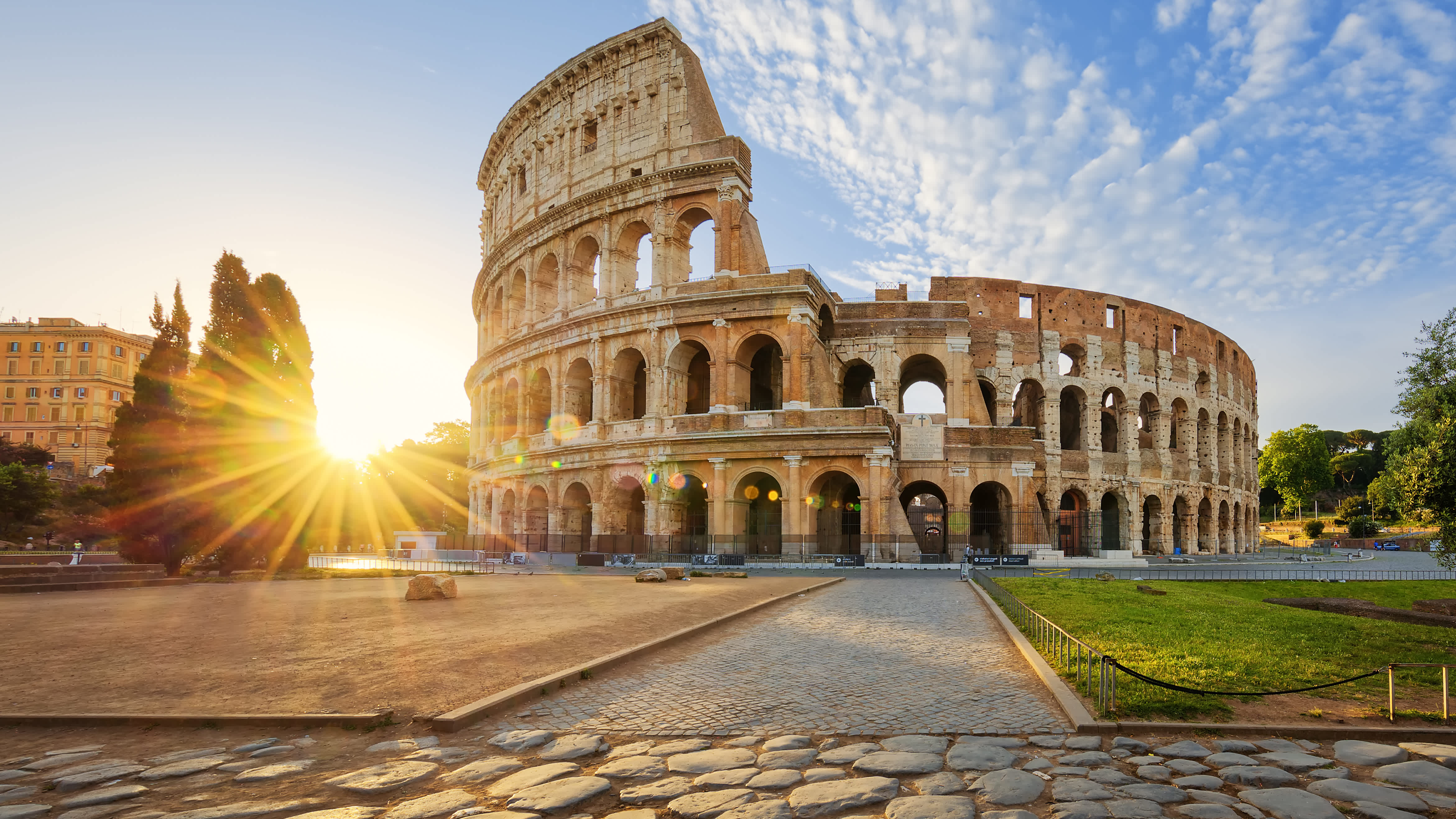
Rome is an open-air museum, boasting millennia of history at every turn. From the colossal Colosseum and Roman Forum (combined ticket approx. €16 / $17.50) to the spiritual grandeur of the Vatican City, St. Peter's Basilica, and the Sistine Chapel, the sheer scale of its historical and artistic treasures is unmatched. Walking through the Pantheon or tossing a coin into the Trevi Fountain feels like stepping back in time. Lisbon, while rich in its own history, presents a different narrative. Its past is defined by Moorish rule, the Age of Discoveries (Belém Tower, Jerónimos Monastery – approx. €10 / $11 each), and the devastating 1755 earthquake. The winding streets of Alfama, the melancholic Fado music, and the iconic Tram 28 offer a more intimate, melancholic, and distinctly Portuguese historical experience. However, for sheer historical depth and iconic landmarks, Rome is the undisputed champion. "Rome is just... overwhelming in the best way. Every corner is another ancient ruin or a Caravaggio. Lisbon's history is cool, but it's not Rome." – r/historybuff_abroad
Winner takeaway
- Winner: Rome
- Why: Rome's unparalleled collection of ancient Roman, Renaissance, and Baroque historical sites and art is simply unmatched globally.
- Who this matters for: History buffs, art lovers, and those wanting to walk through the annals of Western civilization.
💰 Costs
Lisbon is generally considered more budget-friendly than Rome, making your travel funds stretch further. A decent meal in a local restaurant might set you back €15-25 ($16-27), and a single metro ride is around €1.65 ($1.80). Mid-range hotels typically range from €80-150 ($90-165) per night, while hostels can be found for €25-40 ($27-44). Rome, on the other hand, is a bit pricier. Expect to pay €20-35 ($22-38) for a similar meal, and local transport is €1.50 ($1.65) per ride, but you'll likely use it more. Mid-range hotels in Rome typically start from €100-200 ($110-220), and hostels are €30-50 ($33-55). While both offer free attractions (like walking around), the cost of daily essentials and accommodation leans significantly in Lisbon's favor, allowing for a more relaxed budget. "If you're watching your euros, Lisbon is definitely the way to go. I saved so much on food and drinks compared to my trip to Rome last year." – r/budgettraveler_jane
Winner takeaway
- Winner: Lisbon
- Why: Lisbon consistently offers better value across accommodation, food, and daily expenses, allowing travelers to experience more on a tighter budget.
- Who this matters for: Budget travelers, long-term travelers, and those wanting a more affordable European city experience.
🌃 Nightlife
Lisbon truly shines when the sun goes down, offering a dynamic and diverse nightlife that caters to all tastes. The Bairro Alto district transforms into a massive street party, with countless small bars spilling out onto the cobblestone streets where drinks are surprisingly affordable (e.g., a beer for €3-5 / $3.30-5.50). For a more sophisticated vibe, head to a rooftop bar for stunning views and cocktails, or experience a traditional Fado show in Alfama. Pink Street (Rua Nova do Carvalho) offers a more club-like atmosphere. Rome's nightlife is more subdued and geared towards dining and convivial conversations. Trastevere is the heart of its evening scene, with charming pubs and trattorias, but it lacks the energetic, open-air party atmosphere of Lisbon. You'll find some clubs, but they are more dispersed. Lisbon's ability to seamlessly transition from a cultural hub to a lively nocturnal playground makes it a clear winner for those seeking vibrant evenings. "Lisbon's nightlife blew me away. Bairro Alto was insane, everyone just spilled into the streets. Rome was lovely for dinner, but not for dancing till 3 AM." – r/partyhopper_max
Winner takeaway
- Winner: Lisbon
- Why: Lisbon offers a more vibrant, accessible, and diverse nightlife scene, from street parties to Fado, compared to Rome's more dinner-focused evenings.
- Who this matters for: Younger travelers, solo travelers looking to socialize, and anyone who enjoys staying out late.
🚶 Getting Around
Both cities are highly walkable, but Lisbon's unique topography with its seven hills can be quite a workout! Thankfully, it boasts an excellent and charming public transport system. The metro is efficient, and the historic trams, like the iconic Tram 28 (single ride €1.65 / $1.80, or €6.60 / $7.20 for a 24-hour pass), are not just transport but attractions themselves. Funiculars and elevators like the Santa Justa Lift also help conquer the hills. Rome is also very walkable, especially within its core, but its metro system is limited due to the archaeological riches beneath the city, meaning many areas are only accessible by bus. Rome's buses can be confusing and prone to heavy traffic delays. A single metro/bus ticket is €1.50 ($1.65). Lisbon's compact size, efficient metro, and unique tram/funicular network make navigating its charming, albeit hilly, streets a more pleasant and reliable experience. "Lisbon's metro was a lifesaver with those hills, and the trams were so much fun. Rome's buses felt like a wild goose chase sometimes, especially in traffic." – r/cityexplorer_liv
Winner takeaway
- Winner: Lisbon
- Why: Lisbon's integrated and charming public transport system, including trams and funiculars, makes navigating its hilly terrain much easier and more enjoyable than Rome's more challenging bus system.
- Who this matters for: Travelers who prefer public transport over extensive walking, those with mobility challenges, and anyone who appreciates charming transit options.
🏨 Accommodation
Lisbon generally offers better value for accommodation across the board. You can find stylish, well-located boutique hotels for €90-150 ($98-165) per night, or fantastic hostels with private rooms for €40-70 ($44-77). Airbnb and apartment rentals are also abundant and often more spacious than what you'd find in Rome for a similar price. Popular areas like Baixa, Chiado, and Alfama offer a variety of options. Rome has a vast selection, from grand historic hotels near the Spanish Steps to charming B&Bs in Trastevere, but prices are typically higher. A comparable mid-range hotel often starts from €120-200 ($130-220), and budget options can feel more basic. Finding a spacious, modern apartment for under €100 ($110) in a central Roman neighborhood is a challenge. Lisbon's accommodation scene feels a bit more modern, stylish, and offers more bang for your buck, making it easier to find comfortable stays without breaking the bank. "I got a stunning Airbnb in Alfama with a river view for less than a basic hotel room in Rome. Lisbon just feels like a better deal for places to stay." – r/travelhacks_sophie
Winner takeaway
- Winner: Lisbon
- Why: Lisbon provides more modern, stylish, and better-value accommodation options compared to Rome, especially in the mid-range category.
- Who this matters for: Travelers on a budget, those seeking boutique stays, and groups or families looking for more spacious apartment rentals.
🚌 Day Trips
Lisbon boasts an incredible array of diverse and easily accessible day trips. The fairytale palaces of Sintra (Pena Palace, Quinta da Regaleira – tickets around €12-20 / $13-22 each) are a mere 40-minute train ride away (€2.30 / $2.50). The charming coastal town of Cascais, with its beautiful beaches, is an equally easy 30-minute train journey. For surf enthusiasts, Ericeira is close by, and the medieval walled town of Óbidos offers a picturesque escape. All these are well-connected by public transport. Rome's most immediate and compelling day trip is Ostia Antica, an incredibly well-preserved ancient Roman port city (entry €12 / $13), just 30 minutes by train. Tivoli, with Hadrian's Villa and Villa d'Este, is also popular. While Pompeii and Naples are technically day trips, they are longer and require more planning, often involving high-speed trains (e.g., Rome-Naples high-speed train starts from €20-30 / $22-33 one way). Lisbon's day trip options are more varied, closer, and simpler to execute, offering a wider range of experiences from culture to coast. "Sintra and Cascais from Lisbon were mind-blowingly easy and beautiful. Felt like two extra vacations in one. Rome's day trips are good, but Sintra is just magical." – r/daytripper_chris
Winner takeaway
- Winner: Lisbon
- Why: Lisbon offers a wider variety of unique, easily accessible, and diverse day trips, from palaces to beaches, all within a short public transport ride.
- Who this matters for: Travelers who love exploring beyond the main city, beach lovers, and those seeking varied cultural experiences.
☀️ Weather & Best Time to Visit
Both cities enjoy a Mediterranean climate with hot, dry summers and mild, wet winters. However, Lisbon, being on the Atlantic coast, often benefits from cooling ocean breezes in summer, making its peak season slightly more tolerable than Rome's often sweltering and humid July-August, where temperatures can soar to 35°C+ (95°F+). Lisbon's average summer highs are around 28-30°C (82-86°F), feeling less oppressive. Spring (April-May) and Autumn (September-October) are ideal for both, with pleasant temperatures and fewer crowds. Winters are mild in both, but Lisbon generally sees less rainfall and slightly milder temperatures. For a more comfortable summer visit or generally more agreeable weather year-round, Lisbon often has the edge. "I visited Rome in July and it was brutal, so humid. Lisbon in August still got hot, but that ocean breeze was a game-changer. Definitely preferred the weather in Lisbon." – r/weather_wanderer
Winner takeaway
- Winner: Lisbon
- Why: Lisbon generally offers a slightly more comfortable climate, especially during summer, due to cooling Atlantic breezes, making it more pleasant for sightseeing.
- Who this matters for: Travelers sensitive to extreme heat and humidity, and those planning summer trips who prefer slightly milder conditions.
🤝 Safety & Vibe
Lisbon exudes a relaxed, welcoming, and slightly bohemian vibe. It feels generally safer, especially at night, with a more laid-back atmosphere. While pickpocketing is prevalent in crowded tourist areas and on trams (especially Tram 28), violent crime is rare. The city feels less intense and easier to navigate without constant vigilance. The locals are generally friendly and many speak English. Rome, conversely, is a bustling, energetic, and often chaotic city. While major tourist areas are well-patrolled, petty crime like pickpocketing and bag snatching is a significant concern, especially around major attractions like the Colosseum or Termini station, and on crowded buses. The city can feel overwhelming at times with its constant buzz of activity, traffic, and crowds. While both are generally safe for tourists, Lisbon's calmer and more relaxed atmosphere gives it the edge for a sense of ease and security. "Lisbon just felt so chill and safe, even walking around alone at night. Rome was amazing, but I definitely felt like I had to be on high alert for my bag all the time." – r/solotraveler_anna
Winner takeaway
- Winner: Lisbon
- Why: Lisbon offers a more relaxed and generally safer atmosphere with less intense crowds and a lower perceived risk of petty crime compared to Rome.
- Who this matters for: Solo travelers, families with young children, and those who prefer a more relaxed and less chaotic urban environment.
🏖️ Beaches & Nature
Lisbon's proximity to stunning Atlantic coastline and natural beauty is a major draw. Within a short train ride (30-40 minutes, around €2.30 / $2.50), you can reach beautiful beaches in Cascais or Estoril, perfect for a day of sunbathing or swimming. Further afield, the wild, dramatic cliffs of Cabo da Roca (Europe's westernmost point) and the surf breaks of Ericeira offer breathtaking natural landscapes. The Arrábida Natural Park also offers stunning coastal scenery and hidden beaches. Rome, being an inland city, doesn't offer immediate access to beaches. The closest option is Ostia Lido, which is a bit of a local, less scenic beach and requires a train journey. While Rome has beautiful urban parks like Villa Borghese, it cannot compete with Lisbon's natural coastal allure. For travelers who want to combine city sightseeing with beach time or nature exploration, Lisbon is the clear winner. "Being able to hop on a train and be on a beautiful beach near Lisbon in 30 minutes was amazing. Rome is incredible, but I missed the ocean so much there." – r/beachlover_tom
Winner takeaway
- Winner: Lisbon
- Why: Lisbon's direct and easy access to beautiful Atlantic beaches and dramatic coastal natural parks is a significant advantage for nature and beach lovers.
- Who this matters for: Beachgoers, surf enthusiasts, nature lovers, and anyone looking to balance city exploration with coastal relaxation.
❓ Frequently Asked Questions
Which city is better for a first-time solo female traveler?
Lisbon generally feels more relaxed and safer for solo female travelers, particularly at night. While petty crime exists in both, Lisbon's vibe is often less overwhelming, making it easier to navigate and socialize. However, both cities are popular and manageable for solo travelers with standard precautions.
How many days do I need for each city?
For Lisbon, 3-4 full days allow you to see the main sights and soak in the atmosphere, with an extra 1-2 days if you plan day trips to Sintra or Cascais. For Rome, 4-5 full days are ideal to cover major attractions like the Colosseum, Vatican, and various piazzas without feeling too rushed, plus an extra day for a day trip like Ostia Antica.
Is English widely spoken in Lisbon and Rome?
In both Lisbon and Rome, English is widely spoken in tourist-facing areas like hotels, restaurants, and major attractions. Younger generations in both cities generally have good English skills. Learning a few basic phrases in Portuguese or Italian is always appreciated, however!
Which city is more family-friendly?
Lisbon often edges out Rome for families due to its slightly more relaxed pace, charming trams (kids love them!), and easy access to beaches and green spaces. Rome's intense crowds and historical focus might be less engaging for very young children, though older kids might be fascinated by the gladiators and ancient history.
What's the best way to travel between Lisbon and Rome?
The most efficient way to travel between Lisbon and Rome is by flying. Direct flights are available from several low-cost carriers and national airlines, with a flight time of approximately 2.5-3 hours. Prices can be very reasonable, often under €100 ($110) if booked in advance.
Do I need to book attractions in advance for both cities?
Absolutely! For major attractions in both cities, booking in advance is highly recommended to save time and guarantee entry, especially during peak season. This includes the Jerónimos Monastery in Lisbon, and the Colosseum, Vatican Museums, and Borghese Gallery in Rome. Many popular tours also sell out.
Which city has better public transport from the airport?
Both cities have excellent public transport connections from their airports. Lisbon's Humberto Delgado Airport (LIS) is directly connected to the city center by metro (around 20 minutes, €1.65 / $1.80). Rome's Fiumicino Airport (FCO) offers the Leonardo Express train to Termini Station (32 minutes, €14 / $15.50), while Ciampino Airport (CIA) is served by bus connections.
Which city is better for shopping?
Both cities offer distinct shopping experiences. Lisbon is great for unique, artisanal goods, cork products, ceramics, and local fashion in areas like Chiado and Baixa, often at reasonable prices. Rome leans towards high-end fashion along Via del Corso and Via dei Condotti, as well as antique shops and local markets for food specialties. For unique souvenirs and good value, Lisbon might be more appealing.
Ready to plan your Southern Europe trip?
Get a free custom itinerary for Lisbon, Rome, or both — built from real traveler insights.
🎟️ Book Tours & Experiences
Hand-picked tours and activities for both destinations — book with free cancellation
Experiences via Viator — free cancellation on most tours