How we built this comparison
This page combines traveler discussion patterns, published price ranges, flight schedules, and seasonal data to help you decide between Lisbon and Tbilisi.
- Reviewed 50+ Reddit threads from r/travel, r/solotravel, r/digitalnomad, r/Lisbon, r/Georgia, etc.
- Verified costs and logistics against current booking platforms (Booking.com, Airbnb, Skyscanner, Numbeo, local transport sites)
- Cross-referenced seasonal patterns and weather data from AccuWeather and local tourism boards.
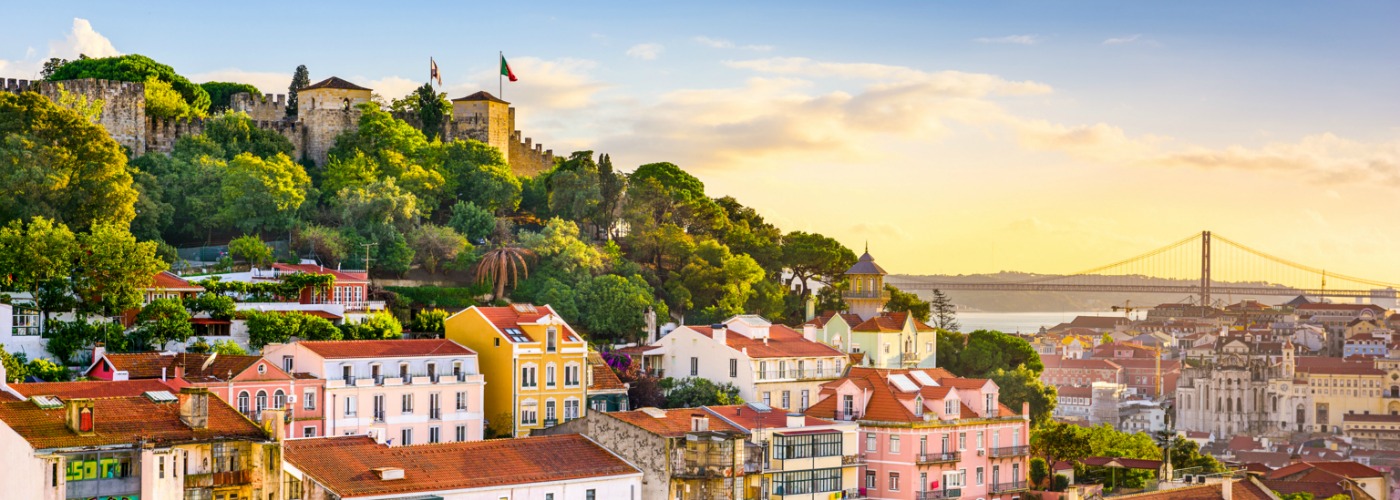
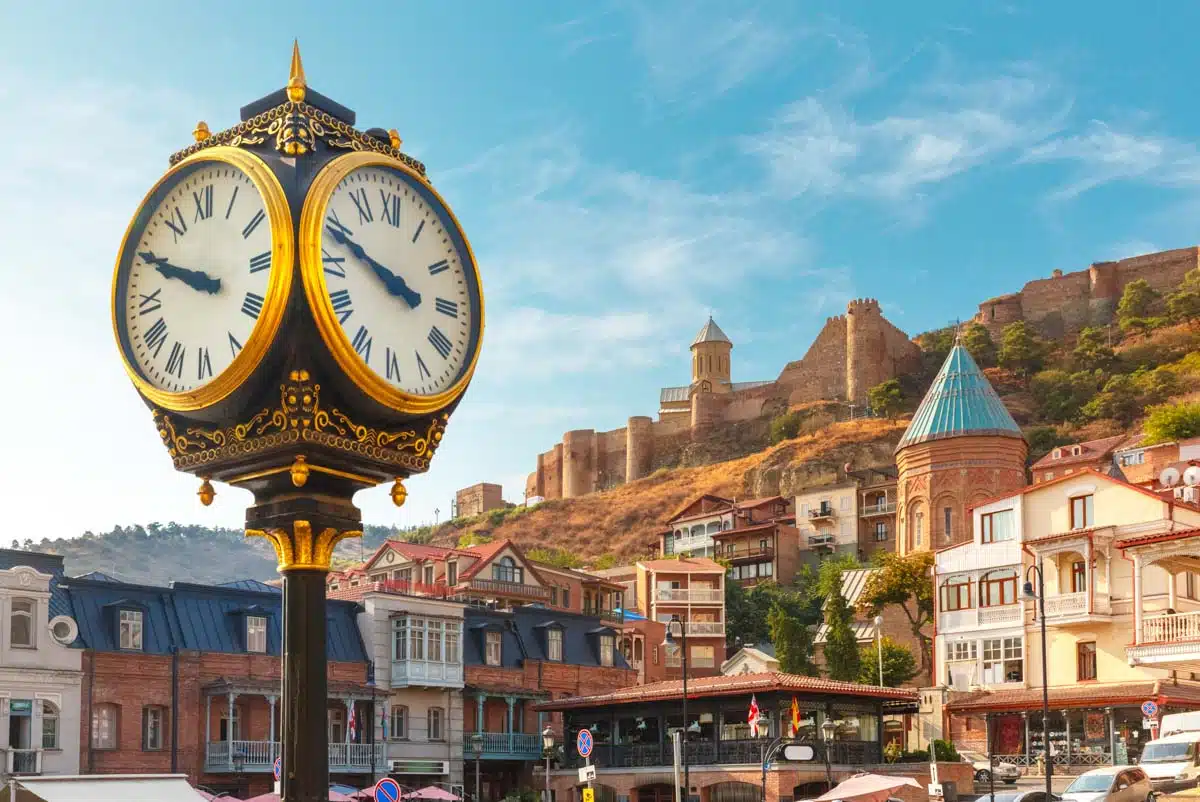
⚡ The TL;DR Verdict
For those craving affordability, unique history, and unparalleled hospitality in a less-trodden path, Tbilisi is your clear winner, with a rough daily budget of $30-70 USD. If vibrant city life, coastal beauty, and a well-established tourist infrastructure with a higher budget are more your speed, Lisbon beckons, expecting $70-150+ USD per day.
- Choose Lisbon: You're seeking a classic Western European city break with beautiful architecture, accessible beaches, fantastic food (especially seafood), and a lively, well-developed tourist scene. You don't mind spending a bit more for comfort and convenience.
- Choose Tbilisi: You're an adventurous traveler looking for incredible value, a truly distinct culture, ancient history, stunning mountain landscapes nearby, and a burgeoning food and wine scene that feels authentic and undiscovered. You're okay with a bit more grit and less polish.
- Choose Both: If you have 3-4 weeks and want to experience both sides of Europe – the familiar charm and the exotic allure – connecting flights via Istanbul or Munich make it feasible. Start in Lisbon for a week, then fly east for a deeper dive into Georgia's wonders.
Quick Comparison
| Category | Lisbon | Tbilisi | Winner |
|---|---|---|---|
| Costs & Value | Mid-range Western European pricing; value can be found but requires effort. | Exceptional value, one of the most affordable cities in Europe. | Tbilisi |
| Food & Drink | Seafood paradise, iconic pastries, excellent wines, diverse international cuisine. | Rich, flavorful comfort food, ancient wine culture, unique Georgian dishes. | Tie |
| Culture & History | Age of Discovery legacy, Moorish influences, Fado music, tiled facades. | Ancient Silk Road history, unique alphabet, Orthodox Christianity, Soviet legacy. | Tbilisi |
| Nightlife | Vibrant bar streets, Fado clubs, rooftop bars, late-night revelry. | Emerging electronic music scene, speakeasies, wine bars, casual pubs. | Lisbon |
| Getting There & Around | Major European hub, excellent public transport, walkable but hilly. | Less direct flights, good public transport, walkable Old Town but car/taxi needed for wider exploration. | Lisbon |
| Accommodation | Wide range of options, from luxury to hostels, but pricier. | Budget-friendly, unique boutique hotels, guesthouses with local charm. | Tbilisi |
| Day Trips & Nature | Coastal towns, fairytale castles, accessible nature, surfing. | Ancient monasteries, stunning mountain ranges, wine regions, hiking. | Tbilisi |
| Safety | Generally safe, but watch for pickpockets in tourist areas and on trams. | Very safe, low crime rates, high local hospitality. | Tbilisi |
| Weather & Seasons | Mediterranean climate, hot dry summers, mild wet winters, lots of sun. | Continental/subtropical, hot humid summers, cold snowy winters, distinct seasons. | Lisbon |
| Digital Nomad Suitability | Established hub, great infrastructure, high cost of living, D7 visa. | Emerging hub, excellent value, easy visa, strong community, unique culture. | Tbilisi |
💰 Costs & Value
When it comes to stretching your travel dollar, Tbilisi is in a league of its own. A hearty meal with local wine can easily be found for 25-40 GEL ($9-15 USD) at places like Shavi Lomi or Machakhela, while a pint of local beer is often just 5-8 GEL ($2-3 USD). Public transport, like the metro, costs a mere 1 GEL ($0.37 USD) per ride. A comfortable mid-range hotel room can be had for $50-80 USD, and a hostel bed for $10-20 USD. In contrast, Lisbon, while more affordable than Paris or London, still operates on a Western European scale. A good dinner at a typical restaurant like Solar dos Presuntos might run you €30-50 ($32-54 USD), and even a basic Pasteis de Nata is €1.30. Metro tickets are €1.80 for a single journey, and mid-range hotels often start from €90-150 ($97-162 USD). A hostel bed averages €25-40. For the same budget, you'll experience a far more luxurious trip in Tbilisi. "Honestly, my budget for a week in Tbilisi was what I'd spend in 2-3 days in Lisbon, and I ate like a king every single meal." The difference is stark.
Winner takeaway
- Winner: Tbilisi
- Why: Tbilisi offers an unparalleled cost-to-experience ratio, allowing travelers to enjoy high-quality food, accommodation, and activities at a fraction of Lisbon's prices.
- Who this matters for: Budget travelers, long-term backpackers, digital nomads, and anyone looking for maximum bang for their buck.
🍜 Food & Drink
Both cities are culinary powerhouses, just in very different ways, making this a true tie. Lisbon is a seafood lover's dream, with bacalhau (codfish) prepared in a thousand ways, grilled sardines, and fresh octopus widely available. Iconic Pasteis de Nata from Belém are a must-try, and the city boasts fantastic wines from the Douro and Alentejo regions. Restaurants like Cervejaria Ramiro offer incredible, albeit pricier, seafood experiences, while Time Out Market provides a curated selection of gourmet stalls. Tbilisi, on the other hand, presents a unique and utterly delicious cuisine centered around hearty, comforting dishes. Khachapuri (cheese bread) in its many forms (Adjarian with egg and butter, Imeretian), Khinkali (soup dumplings), and various stews like Chakapuli are staples. Georgia is the birthplace of wine, and sampling qvevri-made wines is an essential experience, particularly in areas like the Kakheti region. Places like Puri Guliani offer delicious, authentic Georgian fare. "I thought I loved food before, but Georgian food just blew my mind. Khachapuri Adjaruli changed my life!" Lisbon offers refined flavors and fresh catches, while Tbilisi delivers a rustic, soulful explosion of taste.
Winner takeaway
- Winner: Tie
- Why: Both offer distinct, high-quality culinary experiences that cater to different palates, making it impossible to pick a single winner.
- Who this matters for: Foodies, gourmands, and anyone who travels to eat. Your preference will depend on your specific taste in cuisine.
🏛️ Culture & History
Lisbon's history is deeply intertwined with maritime exploration, boasting magnificent sites like the Jerónimos Monastery and Belém Tower, testaments to its Golden Age. The Alfama district's winding alleys and Fado houses offer a glimpse into its melancholic soul. Moorish influences are visible in architecture, and the azulejo tiles are iconic. However, Tbilisi offers a history that feels both more ancient and more complex, sitting at the crossroads of empires. Its Old Town is a mosaic of Georgian Orthodox churches (like Sioni Cathedral), synagogues, mosques, and even Zoroastrian fire temples, all within walking distance. Narikala Fortress overlooks the city, dating back to the 4th century. The unique Georgian alphabet and the profound impact of Orthodox Christianity, alongside its tumultuous Soviet past, create a cultural tapestry unlike anywhere else. The lack of mass tourism means interactions feel more authentic. "Walking through Old Tbilisi felt like stepping back in time, then suddenly into the future. It's raw and real in a way Lisbon isn't anymore." The layers of history are more overtly visible and accessible in Tbilisi.
Winner takeaway
- Winner: Tbilisi
- Why: Tbilisi's distinct history, unique cultural elements (language, religion), and palpable sense of enduring change offer a more profound and singular cultural immersion.
- Who this matters for: History buffs, anthropologists, travelers seeking unique cultural experiences, and those interested in geopolitical crossroads.
🍸 Nightlife
Lisbon's nightlife is legendary and truly world-class. The Bairro Alto district comes alive after midnight, with countless small bars spilling onto the streets, offering cheap drinks and an infectious energy. For a more sophisticated vibe, the Cais do Sodré area with its famous 'Pink Street' boasts clubs like Musicbox and upscale bars. Rooftop bars like Park Bar (on a parking garage!) offer stunning views. You can also find traditional Fado houses for a more cultural evening. The parties often go until 4-6 AM. Tbilisi's nightlife is also vibrant but in a different, more niche way. It's renowned globally for its techno and electronic music scene, with clubs like Bassiani and Khidi drawing international DJs and crowds, though these are not for everyone. Otherwise, the nightlife is more centered around cozy wine bars in the Old Town, speakeasies like 'Dadi' or 'Chaos Bar', and casual pubs along Shardeni Street. "Lisbon just has this undeniable energy at night, everywhere you turn there's music and people spilling out. Tbilisi is cool, but it's more focused on the club scene or chill wine bars, not the street party vibe." For sheer variety and widespread accessibility, Lisbon takes the crown.
Winner takeaway
- Winner: Lisbon
- Why: Lisbon offers a more diverse, easily accessible, and generally more vibrant nightlife experience for a broader range of preferences, from street parties to Fado to chic clubs.
- Who this matters for: Party-goers, social travelers, those looking for late-night entertainment, and music lovers who appreciate variety.
✈️ Getting There & Around
Getting to Lisbon (LIS) is generally easier and often cheaper from North America and most of Europe, with direct flights from major cities. For instance, a flight from London Heathrow (LHR) to LIS can take around 2.5 hours and cost €50-150. Once there, Lisbon boasts an excellent, integrated public transport system (metro, trams, buses, funiculars) that makes getting around a breeze, with a 'Viva Viagem' card simplifying fares. The city center is very walkable, though be prepared for steep hills. Tbilisi (TBS) typically requires a connecting flight from most major hubs, often via Istanbul (IST), Warsaw (WAW), or Munich (MUC). A flight from London to TBS usually takes 5-7 hours with a layover and costs €150-300+. While Tbilisi has an efficient metro system (1 GEL per ride) and a walkable Old Town, exploring beyond requires more reliance on taxis (Yandex Go app is essential and very cheap – a 15-minute ride might be 5-10 GEL or $2-4 USD). "Lisbon's metro gets you everywhere, and those trams are iconic. In Tbilisi, Yandex is cheap but traffic can be a nightmare, and the metro doesn't cover as much." Lisbon simply has better direct connectivity and a more comprehensive public transit network.
Winner takeaway
- Winner: Lisbon
- Why: Lisbon offers superior international flight connectivity and a more comprehensive, user-friendly public transportation system within the city.
- Who this matters for: Travelers prioritizing ease of access, those with limited time, and anyone who prefers relying solely on public transport.
🏨 Accommodation
Lisbon has a well-developed tourism infrastructure, meaning you'll find everything from luxurious 5-star hotels like The One Palácio da Anunciada (€300+ per night) to trendy boutique stays and numerous hostels. A decent private room in a mid-range hotel might cost €90-150 ($97-162 USD), while a hostel dorm bed averages €25-40 ($27-43 USD). Prices surge during peak season. Tbilisi, however, offers incredible value and a more unique array of accommodation. You can snag a stylish boutique hotel like Rooms Hotel Tbilisi for around $150-250 USD per night (which would be double in Lisbon for similar quality), or find charming guesthouses in the Old Town for $40-70 USD. Hostel beds are incredibly cheap, often $10-20 USD. The hospitality in Georgian guesthouses is also a highlight, often including home-cooked meals or chacha. "My Airbnb in Tbilisi for $40 a night was way nicer and more spacious than anything I could find in Lisbon for double the price. Plus, the host brought me wine!" The quality-to-price ratio in Tbilisi is simply unmatched.
Winner takeaway
- Winner: Tbilisi
- Why: Tbilisi provides significantly better value for accommodation, offering unique stays and higher quality for a much lower price point.
- Who this matters for: Budget-conscious travelers, those looking for unique guesthouse experiences, and anyone who appreciates getting more for their money.
🏞️ Day Trips & Nature
Lisbon offers fantastic day trips within easy reach. Sintra's fairytale palaces (Pena Palace entrance ~€14) and the dramatic Cabo da Roca cliffs are popular, as are the charming coastal towns of Cascais and Estoril, offering beaches and a relaxed vibe. Surfing lessons are available at nearby beaches like Carcavelos. While beautiful, these often feel like extensions of a well-trodden tourist path. Tbilisi, on the other hand, is a gateway to truly breathtaking and diverse natural landscapes and ancient historical sites. A day trip to Mtskheta, Georgia's ancient capital, visiting Svetitskhoveli Cathedral and Jvari Monastery (UNESCO sites, free entry), is essential. For nature lovers, a trip to Kazbegi (Gergeti Trinity Church) in the stunning Caucasus mountains is unforgettable, though it's a longer drive (3-4 hours each way, often requiring a tour or rented car ~150-250 GEL). The Kakheti wine region offers a different kind of natural beauty. "Hiking up to Gergeti Trinity Church with the Caucasus mountains as a backdrop was one of the most incredible things I've ever done. Lisbon's day trips are nice, but they don't have that epic scale." The raw, diverse, and dramatic natural beauty surrounding Tbilisi makes its day trip options truly special.
Winner takeaway
- Winner: Tbilisi
- Why: Tbilisi offers access to more dramatic, diverse, and unique natural landscapes and ancient historical sites that feel more off-the-beaten-path.
- Who this matters for: Nature enthusiasts, hikers, adventure seekers, and history lovers interested in ancient sites and rugged beauty.
🛡️ Safety
Lisbon is generally a very safe city for tourists, but like any major European capital, petty crime is an issue. Pickpocketing is prevalent, particularly in crowded tourist areas like Alfama, Baixa, and on popular trams (especially Tram 28). It's always wise to be vigilant with your belongings. Violent crime is rare. Solo female travelers often report feeling safe, even at night. Tbilisi, however, often surprises visitors with how incredibly safe it feels. Georgia has one of the lowest crime rates in Europe, and locals are famously hospitable and welcoming, especially to foreigners. Walking alone at night, even in less populated areas, generally feels very secure. The main 'danger' might be navigating busy streets as a pedestrian due to sometimes erratic driving. "I felt safer walking around Tbilisi at 2 AM than I do in my own hometown. People are so friendly, and there's just a general sense of calm." The pervasive sense of personal safety and the warm hospitality of locals give Tbilisi the edge.
Winner takeaway
- Winner: Tbilisi
- Why: Tbilisi boasts exceptionally low crime rates and a strong sense of personal safety, enhanced by the renowned hospitality of its residents.
- Who this matters for: Solo travelers, families with children, and anyone prioritizing feeling completely secure and welcomed.
☀️ Weather & Seasons
Lisbon enjoys a classic Mediterranean climate, making it appealing for much of the year. Summers (June-August) are hot and dry, often reaching 30-35°C (86-95°F), perfect for beach days in Cascais. Spring (April-May) and Autumn (September-October) are delightfully mild, with temperatures around 18-25°C (64-77°F) and plenty of sunshine, making them ideal for sightseeing. Winters (November-March) are generally mild and wet, rarely dropping below 10°C (50°F). Tbilisi has a more continental climate with some subtropical influences. Summers (June-August) are hot and often humid, reaching 30-38°C (86-100°F), with intense sun. Winters (December-February) are notably colder, with temperatures often hovering around 0°C (32°F) and regular snowfall, transforming the city into a winter wonderland but requiring warm gear. Spring and Autumn are pleasant, but often shorter transitional periods. "I loved Lisbon in October, perfect weather for walking everywhere without sweating or freezing. Tbilisi's winter was beautiful with the snow, but definitely not for everyone if you hate the cold." Lisbon's longer, milder 'shoulder seasons' and consistently pleasant climate offer broader appeal for year-round travel.
Winner takeaway
- Winner: Lisbon
- Why: Lisbon's Mediterranean climate offers a longer, more consistently pleasant window for travel, with mild winters and extended comfortable shoulder seasons.
- Who this matters for: Travelers who prefer milder weather, those looking for spring/autumn city breaks, and sun-seekers.
💻 Digital Nomad Suitability
Lisbon has become a digital nomad hotspot, offering beautiful surroundings, good English proficiency, a vibrant international community, and a dedicated D7 visa pathway. Coworking spaces like Second Home Lisboa are plentiful (around €200-300/month), and the internet is generally fast and reliable. However, the cost of living has skyrocketed, with rent for a decent 1-bedroom apartment now easily €800-1500 per month, making it less accessible for budget-conscious nomads. Tbilisi, on the other hand, is rapidly gaining traction as an exceptional digital nomad destination. It offers an incredibly low cost of living – a comfortable 1-bedroom apartment can be found for $400-700 USD/month. Georgia's 'Remotely From Georgia' visa program is incredibly straightforward for citizens of many countries, allowing stays of up to a year. There's a growing but tight-knit nomad community, fast internet, and affordable coworking spaces like Terminal (~150-250 GEL/month). "As a nomad, Tbilisi is a no-brainer. My rent is half of what I'd pay in Lisbon, the food is cheap, and the visa process was painless. Plus, the community here is so welcoming." For long-term sustainability and ease of setup, Tbilisi is the clear winner.
Winner takeaway
- Winner: Tbilisi
- Why: Tbilisi offers significantly lower costs of living, an incredibly easy visa process for nomads, and a welcoming, growing digital nomad community, making it more sustainable long-term.
- Who this matters for: Digital nomads, remote workers, freelancers, and anyone planning an extended stay abroad on a budget.
❓ Frequently Asked Questions
Is English widely spoken in Lisbon vs Tbilisi?
In Lisbon, English is very commonly spoken in all tourist areas, hotels, restaurants, and by younger generations. You'll have no trouble communicating. In Tbilisi, while younger people in the capital often speak some English, it's less widespread than in Lisbon. Learning a few basic Georgian phrases (like 'Gamarjoba' for hello) is appreciated, but you can generally get by with English in tourist spots and using translation apps.
Which city is better for solo female travelers?
Both cities are generally safe for solo female travelers. Lisbon is very accustomed to tourists and feels secure, though vigilance against pickpockets is necessary. Tbilisi boasts an exceptionally low crime rate and incredibly hospitable locals, often making solo female travelers feel even safer and more welcomed. The main difference might be the language barrier being slightly more pronounced in Tbilisi.
What's the best time to visit each city?
For Lisbon, spring (April-May) and autumn (September-October) offer the most pleasant weather, avoiding the summer heat and winter rains. For Tbilisi, late spring (May-June) and early autumn (September-October) are ideal, with comfortable temperatures before the intense summer heat or cold winter sets in. If you enjoy winter sports or a snowy city, December-February can be magical in Tbilisi.
Are they good for families with children?
Both cities can be great for families. Lisbon has kid-friendly attractions like the Oceanário de Lisboa, beaches nearby, and parks, but the hills and cobblestones can be tiring for strollers. Tbilisi offers a unique cultural experience, parks, and the Mtatsminda Park amusement park. Its affordability and high safety make it appealing for families, though less direct child-specific infrastructure than Lisbon.
Which city has better access to beaches?
Lisbon is the clear winner for beach access. It's very close to the Atlantic coast, with popular beaches in Cascais and Estoril easily reachable by a short train ride. You can also take a ferry to the south bank for more expansive sandy stretches. Tbilisi is landlocked; the closest 'beach' experience would be a lake or reservoir within a short drive, but it's not comparable to an ocean beach.
What's the unique 'vibe' of each city?
Lisbon has a vibrant, romantic, and slightly melancholic 'saudade' vibe, blending old-world charm with modern European energy, all under a golden light. It feels lively, bustling, and very much a part of Western Europe. Tbilisi has a more ancient, gritty, and incredibly soulful vibe. It's a place of contrasts – old churches next to modern glass buildings, bustling markets, and quiet courtyards. It feels like a genuine crossroads, a blend of East and West, with an indomitable spirit and a welcoming heart.
Is it easy to find vegetarian/vegan food?
Lisbon, as a major European capital, has a thriving vegetarian and vegan scene, with many dedicated restaurants and options in mainstream eateries. It's relatively easy to find plant-based meals. Tbilisi is improving, but it's more challenging. Traditional Georgian cuisine heavily features meat and cheese. However, dishes like lobio (bean stew), some Pkhali (vegetable pâtés), and mushroom khinkali are vegan-friendly. Dedicated vegetarian/vegan restaurants are growing, but less common than in Lisbon.
How do the local people compare in terms of hospitality?
Both cities are generally welcoming. Lisboetas (Lisbon locals) are friendly and used to tourists, offering typical European hospitality. Georgians, however, are renowned for their exceptional hospitality, often going out of their way to help or share a meal or a drink ('supra' or feast culture). This deep-seated tradition often makes visitors feel more like honored guests than mere tourists, especially outside the main tourist areas.
Ready to plan your European or Caucasus adventure?
Get a free custom itinerary for Lisbon, Tbilisi, or both — built from real traveler insights.
🎟️ Book Tours & Experiences
Hand-picked tours and activities for both destinations — book with free cancellation
Experiences via Viator — free cancellation on most tours