How we built this comparison
This page combines traveler discussion patterns, published price ranges, flight schedules, and seasonal data to help you decide between Lithuania and Poland.
- Reviewed 50+ Reddit threads from r/travel, r/solotravel, r/baltics, r/poland, r/europe, and r/travelhacks.
- Verified costs and logistics against current booking platforms (e.g., Skyscanner, Booking.com, Lux Express, PKP Intercity).
- Cross-referenced seasonal patterns and weather data for optimal travel timing.
⚡ Quick Answers
⚡ The TL;DR Verdict
For most travelers seeking a broader range of experiences, a deeper dive into history, and slightly lower prices, Poland is the stronger choice. Lithuania offers a calmer, more concentrated trip, ideal if you have less time or prefer smaller cities. Plan on roughly $55-85/day in Lithuania and $50-90/day in Poland for a comfortable mid-range trip.
- Choose Lithuania: You prioritize a peaceful trip, enjoy smaller capital cities like Vilnius, and are interested in unique Baltic history without large crowds. It suits those with 3-5 days for a city break.
- Choose Poland: You want more historical sites, diverse landscapes from mountains to coast, a wider food selection, and more extensive nightlife. It fits travelers with 7-14 days who want to move between cities like Krakow, Warsaw, and Gdansk.
- Choose Both: If you have at least two weeks (10-14 days), combine them. Start in Vilnius, take a bus to Warsaw, then continue south to Krakow or north to Gdansk. This gives a good perspective on both Baltic and Central European cultures.
Choose Lithuania
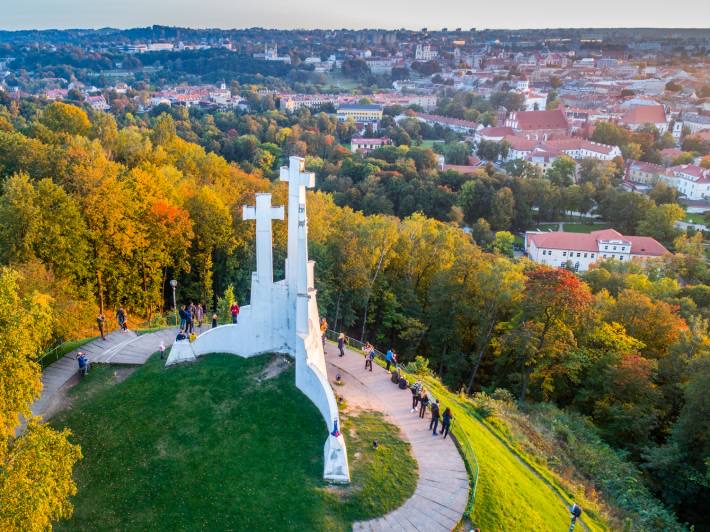
Opt for Lithuania for a serene and focused escape, ideal for travelers with 3-5 days. Immerse yourself in Vilnius' charming Old Town and explore the fairytale Trakai Castle, discovering unique Baltic heritage without large crowds. It's best for those who prefer peaceful city breaks and a concentrated cultural experience.
Choose Poland
Select Poland for a rich tapestry of history, diverse landscapes, and vibrant city life over 7-14 days. Wander Krakow's majestic Market Square, delve into Warsaw's resilient Old Town, or explore Gdansk's maritime past. This destination is best for travelers craving extensive cultural exploration, varied food scenes, and lively nightlife.
📊 Visual Scorecard
🌤 When to Visit
Average high temperatures (°C). Green = best months, orange = avoid.
Quick Comparison
| Category | Lithuania | Poland | Winner |
|---|---|---|---|
| Costs | Slightly higher prices for daily expenses, but still affordable. Euro currency makes budgeting simple. | Generally more affordable, especially outside Warsaw. Polish Zloty (PLN) conversion adds a small step. | Poland |
| Food & Drink | Traditional Baltic cuisine, heavy on potatoes, meat, and dairy. Good craft beer scene. | Extensive and varied cuisine, from pierogi to żurek. Strong street food and fine dining options. | Poland |
| Culture & History | Focus on Grand Duchy of Lithuania and Soviet occupation. Vilnius Old Town is a UNESCO site. | Thousands of years of history, from medieval castles to WWII sites. Expansive museum networks. | Poland |
| Nature & Outdoors | Dense forests, lakes, and the unique Curonian Spit sand dunes. | Diverse landscapes from Tatra Mountains in the south to Baltic Sea beaches in the north. | Poland |
| Nightlife | Concentrated bar scene in Vilnius Old Town. More relaxed vibe. | Large club and bar scenes in major cities. Krakow is particularly known for its offerings. | Poland |
| Getting There & Around | Vilnius Airport (VNO) is well-connected. Internal travel mostly by bus. | Multiple international airports. Extensive train network for inter-city travel. | Poland |
| Accommodation | Good range of hostels and boutique hotels in Vilnius. Fewer options outside the capital. | Wide selection from budget hostels to luxury hotels across all major cities and tourist areas. | Poland |
| Day Trips & Excursions | Trakai Castle is a main draw. Other options include Kaunas and the Hill of Crosses. | Numerous historical and natural sites easily reachable from major cities. | Poland |
| Safety | Generally very safe. Low crime rates, but exercise standard precautions. | Safe in most tourist areas. Standard urban precautions apply, especially at night. | Tie |
| Solo Travel / Ease of Travel | Easy to navigate, welcoming locals, good for independent exploration. | Extremely well-suited for solo travel, with hostels, tours, and good infrastructure. | Poland |
💰 Costs
Lithuania operates on the Euro, which can feel a bit pricier compared to its Eastern European neighbors, but it remains a budget-friendly destination by Western European…
Lithuania
Poland
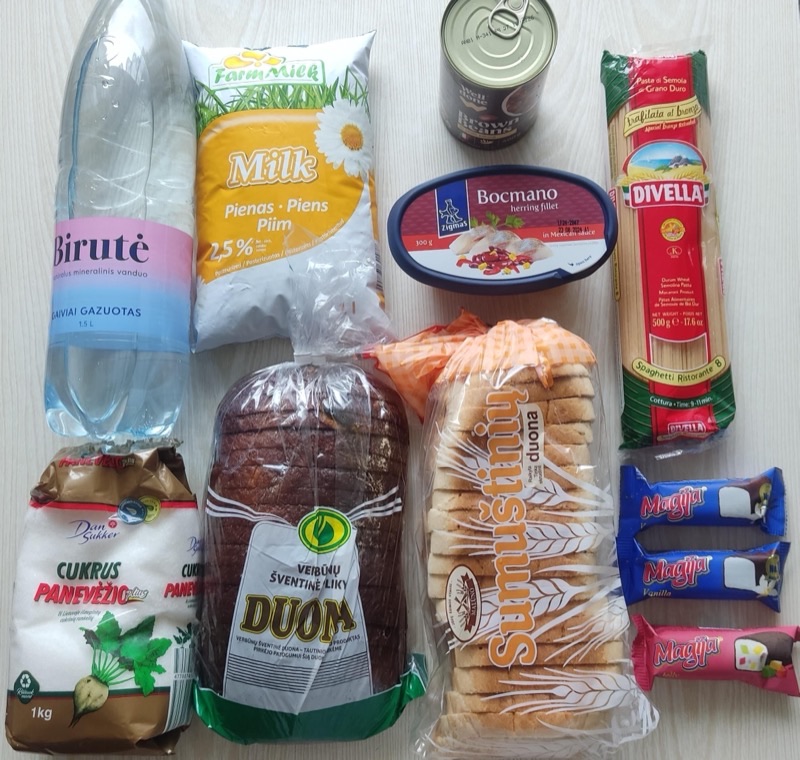
Lithuania operates on the Euro, which can feel a bit pricier compared to its Eastern European neighbors, but it remains a budget-friendly destination by Western European standards. A decent hostel bed in Vilnius runs €25-35 ($27-38), a casual meal €10-15 ($11-16), and a local beer €3.50-4.50 ($3.80-4.90). Public transport tickets cost around €1 ($1.10). Expect daily expenses for a budget traveler to be €50-80 ($54-86), rising to €80-120 ($86-130) for a mid-range experience with private accommodation.
Poland uses the Polish Zloty (PLN), which usually makes it marginally cheaper than Lithuania. Hostel beds in Krakow or Warsaw are PLN 70-120 ($17-30), while a full meal in a mid-range restaurant costs PLN 40-70 ($10-17). A local beer is around PLN 12-18 ($3-4.50). Public transport tickets are typically PLN 4-5 ($1-1.25). A budget-conscious traveler can get by on PLN 200-350 ($50-87) per day, while a mid-range trip might be PLN 350-500 ($87-125). Poland offers better value for money, especially when factoring in the wider range of activities available. Poland wins on overall cost-effectiveness.
- Winner: Poland
- Why: Poland generally provides better value for money across accommodation, food, and activities, especially outside its capital.
- Who this matters for: Budget-conscious travelers and those planning longer trips.
🍽️ Food & Drink
Lithuanian food is hearty and satisfying, centered around potatoes, pork, and sour cream. Dishes like Cepelinai (potato dumplings with meat filling), Kugelis (potato pudding), and…

Lithuania

Poland
Lithuanian food is hearty and satisfying, centered around potatoes, pork, and sour cream. Dishes like Cepelinai (potato dumplings with meat filling), Kugelis (potato pudding), and Šaltibarščiai (cold beet soup) are common. The restaurant scene in Vilnius, particularly around the Old Town, offers modern takes on these classics and international choices. Craft beer has gained popularity, with bars like Alaus Biblioteka offering a good selection. While tasty, the culinary range is narrower than Poland. A casual dinner with a drink runs about €15-20 ($16-22).
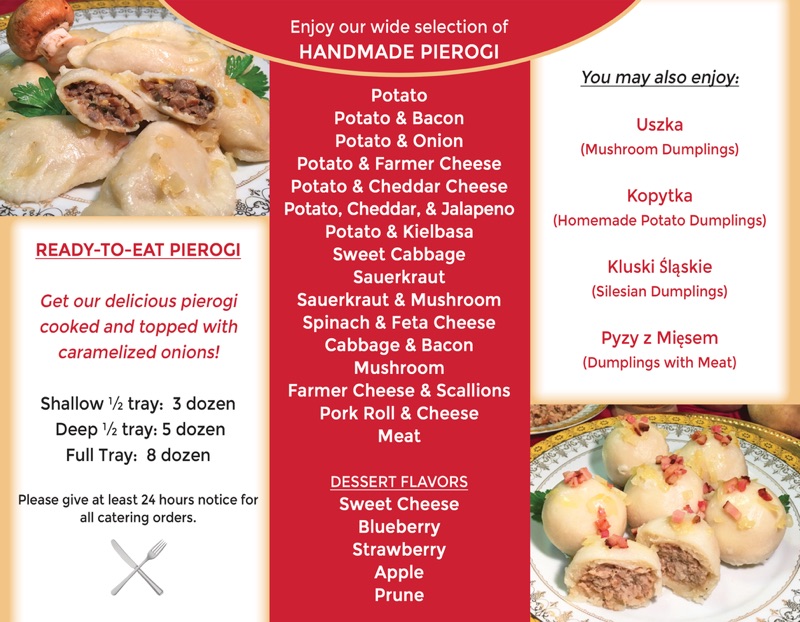
Poland’s food scene is more diverse and well-developed, with regional specialties spread across the country. Staples like pierogi (dumplings), gołąbki (cabbage rolls), żurek (sour rye soup), and bigos (hunter’s stew) are widely available. Cities like Krakow and Warsaw have extensive options from traditional milk bars (bar mleczny) offering cheap, simple meals for PLN 20-30 ($5-7.50) to high-end restaurants. The street food scene, especially in Krakow’s Jewish Quarter, is excellent. Poland also has a strong tradition of vodka and a growing craft beer movement. A good dinner often costs PLN 50-80 ($12-20). Poland takes the lead with its broader culinary offerings and better options for various budgets.
- Winner: Poland
- Why: Poland offers a significantly wider and more diverse range of culinary experiences, from traditional to modern, across various price points.
- Who this matters for: Food enthusiasts and those who prioritize diverse dining options.
🏛️ Culture & History
Lithuania’s history is defined by the Grand Duchy of Lithuania, a powerful medieval state, and later periods of occupation, particularly by the Soviet Union. Vilnius Old Town is a…
Lithuania
Poland
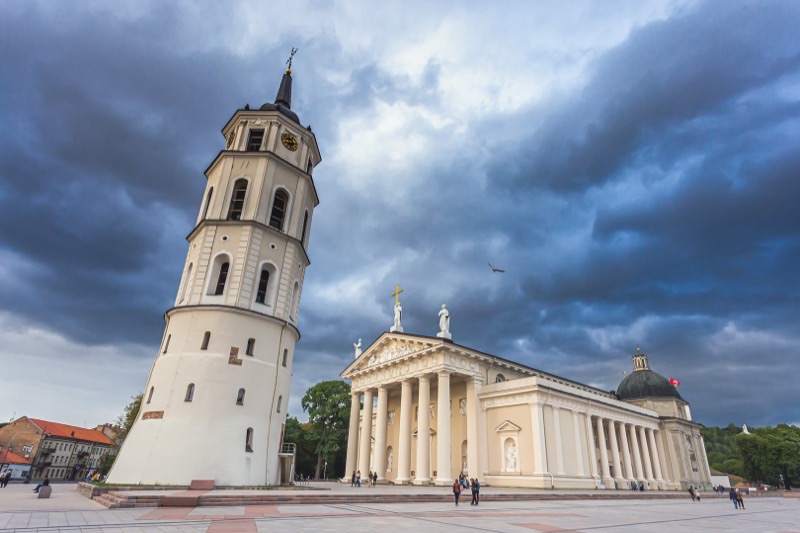
Lithuania’s history is defined by the Grand Duchy of Lithuania, a powerful medieval state, and later periods of occupation, particularly by the Soviet Union. Vilnius Old Town is a well-preserved UNESCO site, home to sites like Gediminas Tower, Vilnius Cathedral, and the Gates of Dawn. The Museum of Occupations and Freedom Fights (KGB Museum) offers a sobering look at Soviet rule. Trakai Island Castle, a short trip from Vilnius, presents a medieval fortification. While historically significant, the narrative is more concentrated on specific periods and less spread out across a large country. Museum entry fees typically range from €5-10 ($5.50-11).
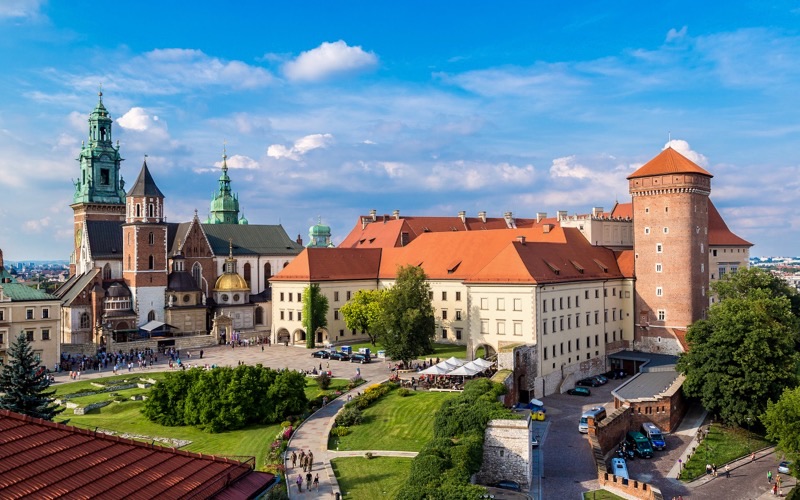
Poland’s history is vast and deeply impactful, covering medieval kingdoms, the Polish-Lithuanian Commonwealth, and the tragedies of WWII and the Holocaust, followed by Soviet influence. Cities like Krakow boast Wawel Castle and its Old Town. Warsaw, rebuilt after immense destruction, hosts the Warsaw Uprising Museum and POLIN Museum of the History of Polish Jews. Gdansk’s European Solidarity Centre tells the story of the anti-communist movement. Auschwitz-Birkenau Memorial and Museum is a profoundly important site. Poland provides a more extensive collection of historical sites and museums, covering a broader scope of European history. Museum entry fees are typically PLN 20-50 ($5-12.50). Poland’s sheer scale of historical and cultural offerings is unmatched here.
- Winner: Poland
- Why: Poland provides a far greater number and variety of historically significant sites and museums, covering millennia of European history.
- Who this matters for: History buffs and those seeking comprehensive cultural immersion.
🌳 Nature & Outdoors
Lithuania offers a serene natural landscape, characterized by rolling hills, over 6,000 lakes, and expansive forests. Aukštaitija National Park is known for its lakes and…
Lithuania
Poland
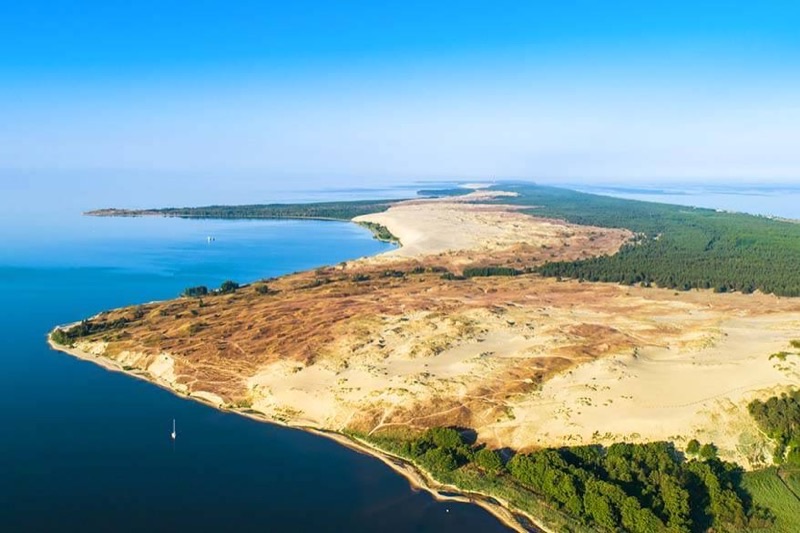
Lithuania offers a serene natural landscape, characterized by rolling hills, over 6,000 lakes, and expansive forests. Aukštaitija National Park is known for its lakes and traditional villages, suitable for hiking and kayaking. The most distinctive natural feature is the Curonian Spit, a UNESCO-listed narrow sand dune peninsula on the Baltic coast, accessible by ferry from Klaipėda. It offers quiet beaches and dune walks. While beautiful, the variety of terrain is limited primarily to lowlands and coastal areas. Activities like kayak rentals cost around €20-30 ($22-33) per day.
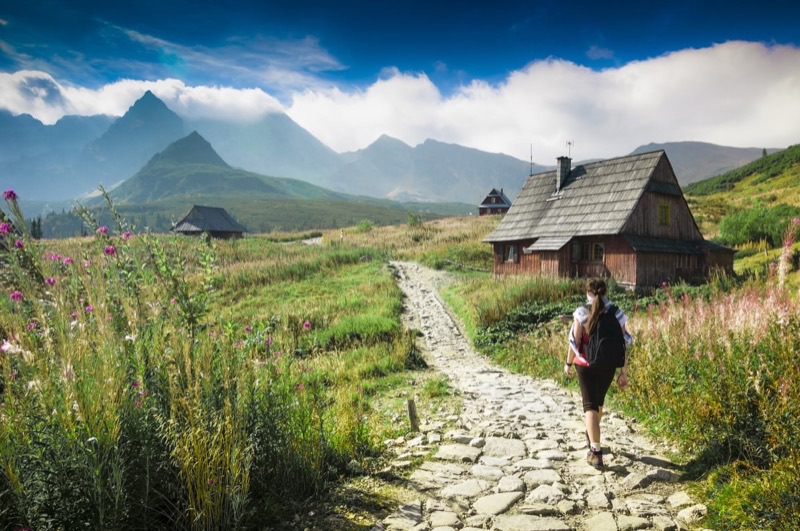
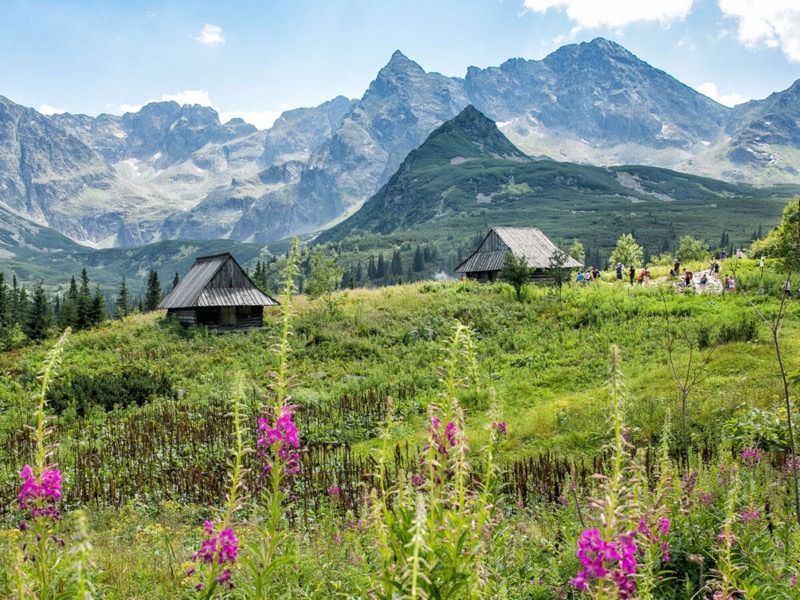
Poland presents a broader spectrum of natural environments. In the south, the Tatra Mountains (part of the Carpathians) near Zakopane offer serious hiking, skiing, and mountaineering. National parks like Białowieża, home to European bison, provide unique wildlife viewing. The Baltic Sea coast in the north, around areas like Hel Peninsula, has wide sandy beaches. The Masurian Lake District in the northeast is a large area for sailing and water sports. Poland simply has more diverse geographical features suitable for a wider range of outdoor pursuits. Mountain access and park entry fees are usually minimal, around PLN 10-25 ($2.50-6.50). Poland’s natural diversity provides options for more types of outdoor enthusiasts.
- Winner: Poland
- Why: Poland features a greater variety of landscapes, from high mountains to extensive coastlines and ancient forests, supporting a wider range of outdoor activities.
- Who this matters for: Adventure travelers, hikers, and those who enjoy varied natural settings.
🌃 Nightlife
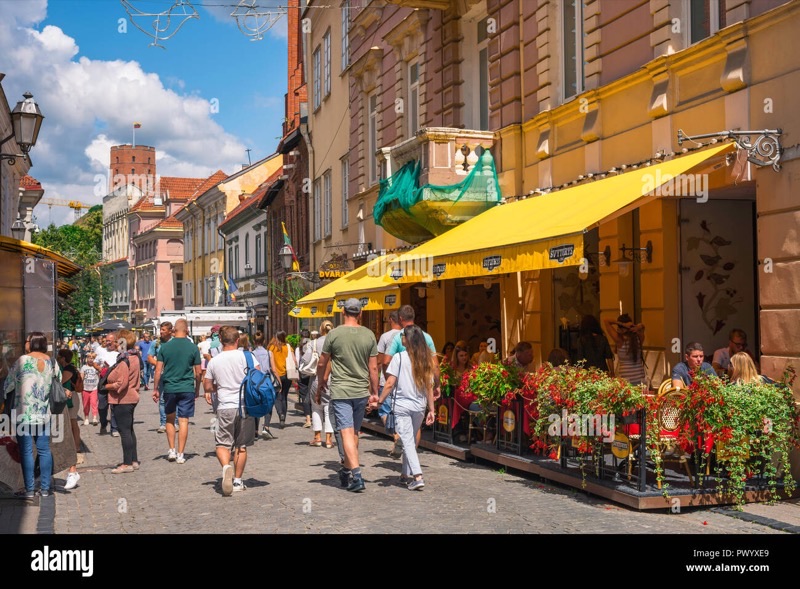
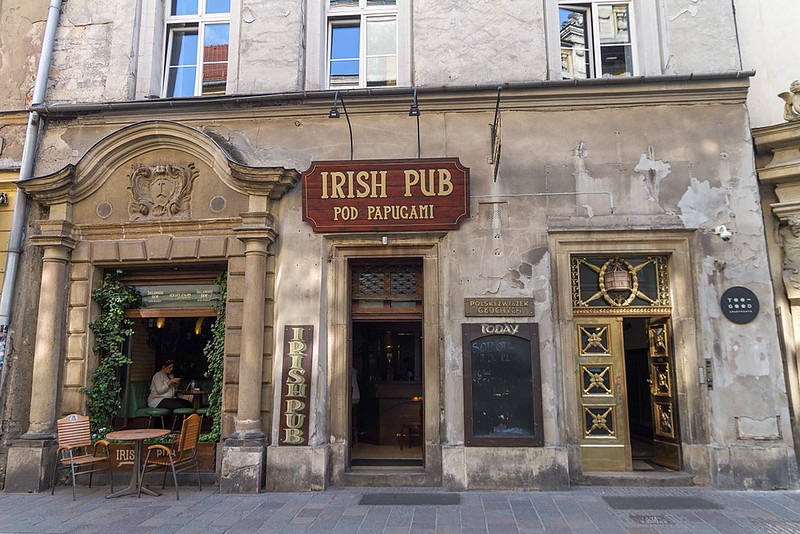
Vilnius has a concentrated nightlife largely within its Old Town and surrounding areas. Streets like Vilniaus Gatvė are lined with bars, pubs, and a few clubs. Places like…
Lithuania
Poland
Vilnius has a concentrated nightlife largely within its Old Town and surrounding areas. Streets like Vilniaus Gatvė are lined with bars, pubs, and a few clubs. Places like Bardakas and Kablys offer diverse music and crowds. The atmosphere is generally lively but less overwhelming than in larger European capitals. It’s good for a relaxed evening out with friends or a low-key pub crawl. Drinks are reasonably priced, with cocktails around €7-10 ($7.50-11) and local beers as mentioned earlier. It’s a respectable scene for a city of its size.
Poland, especially cities like Krakow and Warsaw, offers a significantly more extensive and energetic nightlife. Krakow’s Old Town and Kazimierz district are packed with hundreds of bars, pubs, and underground clubs, many housed in medieval cellars. Warsaw has a modern club scene with venues like Smolna and Praga Centras, alongside a growing number of craft beer pubs. Gdansk also provides a solid nightlife around its Long Market. Poland’s larger cities simply have more options, cater to a wider age range, and offer a more intense party experience if that is desired. Club entry fees might be PLN 20-50 ($5-12.50) on weekends, while drinks are slightly cheaper than in Lithuania. Poland delivers a more varied and larger-scale nightlife experience.
- Winner: Poland
- Why: Poland’s major cities, particularly Krakow and Warsaw, offer a significantly larger, more diverse, and more energetic nightlife scene with more venues.
- Who this matters for: Partygoers, younger travelers, and those seeking extensive evening entertainment.
✈️ Getting There & Around
Lithuania is accessible via Vilnius Airport (VNO), which has direct low-cost flights from major European cities like London (2h 30m, ~€40-80) and Berlin. Kaunas Airport (KUN) is…
Lithuania is accessible via Vilnius Airport (VNO), which has direct low-cost flights from major European cities like London (2h 30m, ~€40-80) and Berlin. Kaunas Airport (KUN) is another option. Once in Lithuania, inter-city travel is primarily by comfortable and efficient bus services. For example, Vilnius to Kaunas takes about 1.5 hours and costs €5-8 ($5.50-8.50). Train services are limited but exist for some routes. Public transport within cities like Vilnius is good, with an extensive trolleybus and bus network costing around €1 ($1.10) per ride. Getting around within Lithuania is straightforward but relies heavily on buses.
Poland has several major international airports: Warsaw Chopin (WAW), Krakow (KRK), Gdansk (GDN), and Wroclaw (WRO), offering more entry points and generally more competitive flight prices (e.g., London to Warsaw: 2h 15m, ~€30-70). The country boasts an excellent and extensive train network (PKP Intercity) that connects major cities efficiently. For instance, Warsaw to Krakow takes about 2.5-3 hours and costs PLN 60-120 ($15-30) for a standard fare. Buses are also available as an alternative. City public transport systems are comprehensive, featuring trams, buses, and metros (in Warsaw). Poland’s superior train infrastructure and multiple entry points make internal and external travel more convenient and flexible. Poland provides better connectivity and ease of internal travel.
- Winner: Poland
- Why: Poland's extensive train network and multiple international airports offer superior connectivity and more convenient inter-city travel.
- Who this matters for: Travelers who plan to visit multiple cities or prioritize efficient public transport.
🏨 Accommodation
Accommodation in Lithuania is generally good, particularly in Vilnius. You will find a selection of modern hostels, such as Downtown Forest Hostel or Jimmy Jumps House, with dorm…
Accommodation in Lithuania is generally good, particularly in Vilnius. You will find a selection of modern hostels, such as Downtown Forest Hostel or Jimmy Jumps House, with dorm beds costing €25-35 ($27-38). Mid-range boutique hotels in the Old Town can be found for €70-120 ($75-130) per night. Outside Vilnius and Kaunas, options become more limited, often consisting of guesthouses or smaller local hotels. Airbnb is also a popular choice, with private apartments in Vilnius starting around €50-80 ($54-86). The quality is generally high for the price.
Poland offers a significantly wider and more competitive range of accommodation options across all budgets and cities. In Krakow, Warsaw, or Gdansk, you can choose from numerous highly-rated hostels for PLN 70-120 ($17-30) a night. Mid-range hotels are plentiful, often starting from PLN 200-350 ($50-87) per night, with many well-regarded international and local chains. Luxury hotels are also more prevalent and often more affordable than in Western Europe. Even in smaller towns and rural areas, guesthouses and agritourism options are abundant. Airbnb also thrives here, with private apartments in major cities typically costing PLN 150-250 ($37-62). Poland’s larger tourism industry means more choices and often better deals for accommodation.
- Winner: Poland
- Why: Poland offers a far greater variety of accommodation types and price points across more cities, providing better value and choice.
- Who this matters for: Travelers seeking diverse lodging options, from budget to luxury, or those visiting multiple locations.
🗺️ Day Trips & Excursions
From Vilnius, the most popular day trip is to Trakai Island Castle, about 30km away, reachable by bus for around €2-3 ($2.20-3.30). It’s a worthwhile half-day excursion. Kaunas,…
From Vilnius, the most popular day trip is to Trakai Island Castle, about 30km away, reachable by bus for around €2-3 ($2.20-3.30). It’s a worthwhile half-day excursion. Kaunas, Lithuania’s second-largest city, is another good option, offering its own Old Town and a more contemporary feel. The Hill of Crosses, a unique pilgrimage site, is further afield and often requires a car rental or a dedicated tour, making it more of a full-day commitment. While these are good, the array of unique, easily accessible day trips is somewhat limited. Tour prices for Trakai are around €25-40 ($27-43).
Poland excels in day trip opportunities from its major hubs. From Krakow, you can visit the Wieliczka Salt Mine, a UNESCO site with underground chapels (entry PLN 100-120 / $25-30), and Auschwitz-Birkenau, a somber but essential historical site (free entry, but guided tours cost PLN 70-100 / $17-25). From Warsaw, Modlin Fortress or the Palace at Wilanow are easy visits. From Gdansk, the Malbork Castle, a massive Teutonic fortress (entry PLN 70-90 / $17-22), is a simple train ride away. The Tatra Mountains are also accessible for a day trip from Krakow if you start early. Poland's extensive network of historical sites and natural landmarks provides many more compelling and varied day trip options. Poland offers significantly more and more diverse day trip options.
- Winner: Poland
- Why: Poland provides a greater number of historically significant and diverse natural day trip options, many easily accessible from major cities.
- Who this matters for: Travelers who enjoy exploring beyond the main cities and want varied excursion choices.
👮 Safety
Lithuania is a very safe country for tourists. Violent crime is rare, and petty crime like pickpocketing is not a major concern, though it can occur in crowded tourist areas of…
Lithuania is a very safe country for tourists. Violent crime is rare, and petty crime like pickpocketing is not a major concern, though it can occur in crowded tourist areas of Vilnius. Walking alone at night in most city centers is generally fine. Local authorities are responsive. The main concern for travelers might be over-friendly touts in some bar districts, but these are easily ignored. Like any travel destination, being aware of your surroundings and possessions is prudent, but there are no specific areas to avoid due to safety concerns. Overall, travelers report feeling very secure here.
Poland is also a safe country for tourists, with low rates of serious crime. Major cities like Warsaw, Krakow, and Gdansk are welcoming. As in any large city, pickpocketing can occur in crowded areas (e.g., Old Town squares, public transport), so keeping valuables secure is advisable. Some areas around train stations at night might feel less comfortable, but are not inherently dangerous. Scams, such as inflated taxi fares or drink spiking, are rare but possible in tourist traps, so exercising common sense is wise. Both countries are excellent choices for safety-conscious travelers. The overall safety experience in both countries is quite comparable.
- Winner: Tie
- Why: Both Lithuania and Poland are consistently rated as very safe for travelers, with similar low levels of crime and common-sense precautions applicable to both.
- Who this matters for: All travelers, particularly solo travelers or those with families, who prioritize a secure travel environment.
🚶♀️ Solo Travel / Ease of Travel
Lithuania is an excellent destination for solo travelers. Its main cities, especially Vilnius, are compact and easy to navigate on foot or via public transport. English is widely…
Lithuania is an excellent destination for solo travelers. Its main cities, especially Vilnius, are compact and easy to navigate on foot or via public transport. English is widely spoken by younger generations and in tourist-facing businesses. The hostel scene is friendly, making it easy to meet other travelers. It feels very secure, as noted in the safety section. Dining solo is comfortable in most restaurants, and guided tours are available for historical sites. The country's smaller size means less time spent in transit, which can be appealing for solo adventurers. A solo traveler will find it easy to manage a trip here.
Poland is also exceptionally well-suited for solo travel, arguably even more so due to its larger network of hostels, extensive public transport, and the sheer volume of other solo travelers. Cities like Krakow and Warsaw have many walking tours, pub crawls, and organized excursions designed to connect people. The train system makes inter-city travel simple and reliable. English is widely understood in tourist areas, especially by younger people. It’s easy to find travel companions or simply enjoy independent exploration. The variety of activities, from museums to outdoor adventures, ensures solo travelers always have options. Poland’s scale and infrastructure give it a slight edge for solo explorers.
- Winner: Poland
- Why: Poland offers a more extensive support system for solo travelers, including a larger hostel network, more group tour options, and better inter-city transport.
- Who this matters for: Solo travelers seeking ease of navigation, opportunities to meet others, and a wide array of activities.
🎯 The Decision Framework
Choose Lithuania If…
- You have 3-5 days and want a focused city break in a European capital.
- You seek a calmer travel experience with fewer crowds than Western Europe.
- You are particularly interested in Baltic history and culture.
- You value directness and simplicity in travel logistics.
- You enjoy walking compact, well-preserved Old Towns like Vilnius.
- You appreciate a good craft beer scene in a smaller city setting.
- You want to explore the unique natural beauty of the Curonian Spit.
Choose Poland If…
- You have 7-14 days and want to visit multiple cities.
- You are a history enthusiast interested in WWII, medieval castles, and communism.
- You want a wider variety of food options, from traditional to modern.
- You seek a more extensive and energetic nightlife scene.
- You enjoy diverse landscapes, from mountains to beaches.
- You prioritize efficient and comfortable inter-city train travel.
- You want slightly lower prices across accommodation and dining.
- You are a solo traveler looking for many social opportunities and tours.
- You want more established and varied day trip options like Wieliczka Salt Mine or Auschwitz.
📅 Sample Itineraries
Weekend in Lithuania (3 Days)
💡 Purchase a Vilnius City Card (24h for ~$25) for free public transport and discounted museum entries, which can save money if you plan multiple museum visits.
Weekend in Poland (3 Days)
💡 Book popular museum tours like Oskar Schindler's Factory or Wawel Castle well in advance online to secure your spot and avoid long queues, especially during peak season.
One Week in Lithuania (7 Days)
💡 When traveling between Lithuanian cities, use reliable bus services like ECOLINES or Lux Express; they often offer comfortable rides for a good price and are efficient.
One Week in Poland (7 Days)
💡 Consider purchasing a combined ticket for Wieliczka Salt Mine and Krakow's main attractions if available. Also, book train tickets between major cities in advance for better prices and seat availability.
❓ Frequently Asked Questions
Which country is cheaper, Lithuania or Poland?
Generally, Poland is slightly cheaper than Lithuania. For a budget traveler, expect to spend around PLN 200-350 ($50-87) per day in Poland, compared to €50-80 ($54-86) in Lithuania. Accommodation, local transport, and many restaurant meals tend to be marginally less expensive in Poland, especially when factoring in the Zloty to Euro exchange rate.
Is English widely spoken in Lithuania and Poland?
In both countries, English is widely spoken by younger generations and individuals working in the tourism industry, particularly in major cities like Vilnius, Warsaw, Krakow, and Gdansk. You will generally have no issues communicating. In more rural areas or with older locals, knowing a few basic phrases in Lithuanian or Polish can be helpful.
How long should I spend in each country?
For Lithuania, a focused trip of 3-5 days is sufficient to see Vilnius and take a day trip to Trakai. For Poland, plan at least 7-10 days to cover two major cities like Warsaw and Krakow, with a few day trips. If you want to include Gdansk or Wroclaw, aim for 12-14 days.
Which country has better public transport?
Poland has a more extensive and efficient public transport system, particularly its inter-city train network (PKP Intercity) that connects major cities reliably. Lithuania relies more heavily on comfortable bus services for inter-city travel. Both countries have good city-specific public transport systems.
Are there direct flights between Lithuania and Poland?
Yes, there are direct flights between Vilnius (VNO) and Warsaw (WAW/WMI) operated by airlines like LOT Polish Airlines and Ryanair. These flights are relatively short, typically around 1 hour, making it easy to travel between the two countries.
What are the main historical differences a traveler will notice?
Lithuania's history focuses on its role as the Grand Duchy and periods of Soviet occupation. Poland offers a broader historical scope, covering medieval kingdoms, its significant role in WWII (including Auschwitz-Birkenau), and the Cold War era. Poland's historical sites are generally more numerous and varied.
Which country is better for nature and outdoor activities?
Poland offers a wider range of natural environments for outdoor activities, from the high Tatra Mountains for hiking and skiing to the Baltic Sea beaches and the ancient Białowieża Forest. Lithuania has beautiful forests, lakes, and the unique Curonian Spit, but its geographical diversity is less pronounced than Poland's.
Can I travel between Vilnius and Warsaw by bus or train?
Yes, you can travel between Vilnius and Warsaw by bus. Companies like Lux Express offer direct routes that take approximately 6-7 hours and cost around €25-35 ($27-38). A direct train connection is less common and often involves transfers, making the bus a more straightforward option for this specific route.
Ready to plan your Eastern Europe trip?
Get a free custom itinerary for Lithuania, Poland, or both — built from real traveler insights.
👥 Travelers Also Compared
🎟️ Book Tours & Experiences
Hand-picked tours and activities for both destinations — book with free cancellation
Experiences via Viator — free cancellation on most tours