How we built this comparison
This page combines traveler discussion patterns, published price ranges, flight schedules, and seasonal data to help you decide between London and Berlin.
- Reviewed 50+ Reddit threads from r/travel, r/solotravel, r/London, r/Berlin, r/EuropeTravel for firsthand experiences and tips.
- Verified costs and logistics against current booking platforms (e.g., Skyscanner, Booking.com, TfL, BVG, major attraction websites).
- Cross-referenced seasonal patterns and weather data from meteorological sources for accurate climate descriptions.
- Consulted multiple travel blogs and expert guides for up-to-date local insights and recommendations.
⚡ The TL;DR Verdict
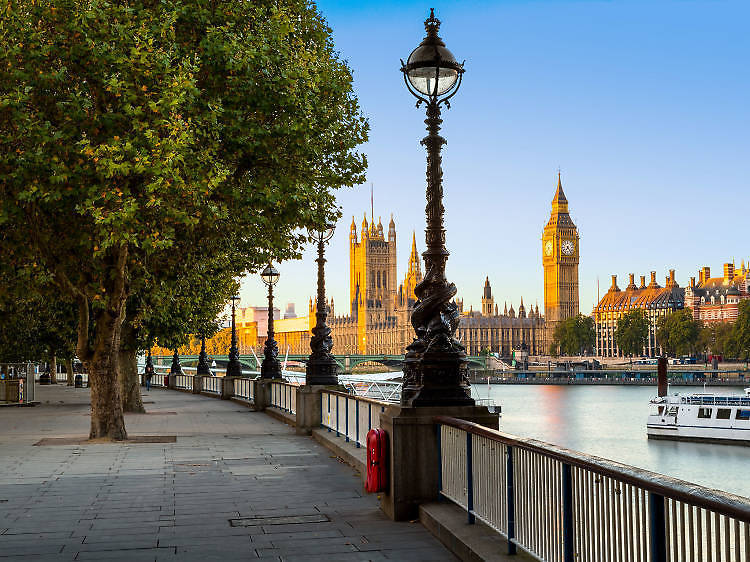
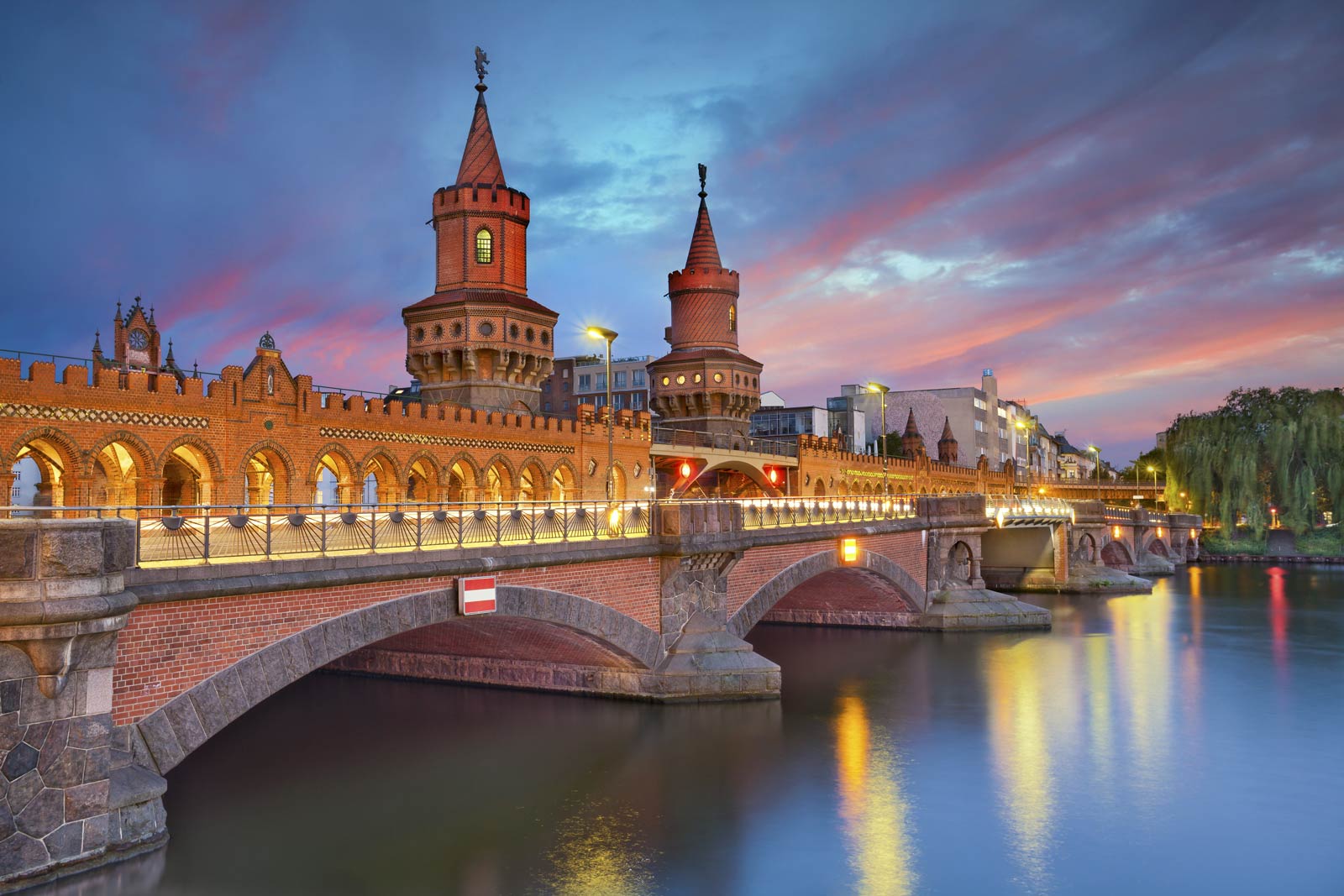
For those craving grand history, world-class museums, diverse food, and endless entertainment with a higher budget, London beckons. If you're after an edgier, more alternative vibe, legendary nightlife, rich modern history, and a much friendlier price tag, Berlin is your pick. A rough daily budget for London is $150-250+, while Berlin is closer to $80-150+.
- Choose London: You're a history buff, love grand architecture, enjoy West End theatre, seek diverse culinary experiences, or don't mind a higher travel budget.
- Choose Berlin: You're into electronic music, modern history (especially WWII and Cold War), street art, a more relaxed and alternative atmosphere, and prefer to travel on a more modest budget.
- Choose Both: If you have at least 10-14 days and want to experience both sides of European urban life. A high-speed train or short flight connects them easily, offering a compelling contrast.
Quick Comparison
| Category | London | Berlin | Winner |
|---|---|---|---|
| Costs & Budget | Significantly more expensive across the board – accommodation, transport, food, and entertainment can quickly add up. | One of Europe's most affordable major capitals, offering great value for money on nearly everything. | Berlin |
| Culture & History | Rich in ancient history, royal heritage, world-class museums (many free), and a thriving theatre scene. | Defined by its tumultuous 20th-century history, offering profound insights into WWII, the Cold War, and a vibrant contemporary art scene. | London |
| Nightlife | Diverse pub scene, cocktail bars, live music venues, and world-class clubs, though often with stricter closing times. | Legendary for its electronic music scene, 24/7 clubs, 'anything goes' attitude, and more affordable drinks. | Berlin |
| Food Scene | Incredibly diverse, from Michelin-starred dining to global street food, traditional pubs, and vibrant markets. | Known for its casual street food (Currywurst, Döner), thriving international cuisine, and burgeoning fine dining, often at better value. | London |
| Accommodation | Expensive and often smaller rooms, with budget options being very basic or far from central attractions. | More affordable and spacious options, from stylish hostels to boutique hotels, offering better value for money. | Berlin |
| Getting Around | Extensive Tube and bus network, iconic but often crowded and pricey, especially in central zones. | Efficient and easy-to-navigate public transport (U-Bahn, S-Bahn, trams, buses) that is more affordable and less congested. | Berlin |
| Getting There | Served by major international airports (Heathrow, Gatwick, Stansted), offering countless direct flights worldwide. | Major hub (BER airport) with excellent connections across Europe and increasingly, intercontinental flights. | Tie |
| Day Trips | Numerous iconic day trip options including historic castles, ancient ruins, and charming English towns. | Offers fascinating historical sites, quaint towns, and natural retreats, often more focused on modern history. | London |
| Weather & Seasons | Mild climate, famous for its 'grey' skies and occasional rain, pleasant springs and autumns, moderate summers. | Distinct four seasons: hot summers, cold and often snowy winters, mild springs and autumns. | Tie |
| Safety & Vibe | Generally safe, vibrant, and bustling global city with a more formal, traditional British charm. | Safe, relaxed, and alternative atmosphere, known for its open-mindedness and artistic energy. | Tie |
💰 Costs & Budget
When it comes to your wallet, Berlin is the undisputed champion. A typical day in London, including a decent meal (£15-25/$19-32), a few Tube rides (£2.80-6.70/$3.50-8.50 per journey within Zone 1-2 depending on peak/off-peak), and an attraction (£20-30/$25-38), easily pushes your budget to £100+ ($125+), even without lavish spending. Accommodation is particularly steep, with a basic hotel room starting at £120-150 ($150-190) in a decent area. In Berlin, you can enjoy a hearty meal (e.g., a good döner or currywurst for €5-8/$5.50-9, or a sit-down meal for €12-20/$13-22), efficient public transport (€3.20/$3.50 for a single ticket, €9.90/$11 for a day pass), and a museum entry (€10-15/$11-17) for a daily spend closer to €60-80 ($65-90). Even hostels in London are pricier than mid-range hotels in Berlin. 'Honestly, I nearly cried when I saw how much a pint cost in London compared to Berlin. My wallet felt it for weeks.'
Winner takeaway
- Winner: Berlin
- Why: Berlin offers significantly better value for money across almost all travel categories, making it a budget traveler's dream.
- Who this matters for: Budget-conscious travelers, backpackers, and anyone looking to maximize their travel duration without breaking the bank.
🏛️ Culture & History
London's cultural offerings span millennia, from Roman ruins to royal palaces. You can explore the British Museum with its Rosetta Stone (free entry), marvel at the Tower of London (£33.60/$42.50 entry), catch a West End show (tickets from £30-150+/$38-190+), or wander through the National Gallery (free). The sheer breadth and depth of its historical institutions are staggering. Berlin, on the other hand, provides a powerful and often sobering journey through modern history. Sites like the Brandenburg Gate, Reichstag Building, Checkpoint Charlie (€16/$17.50 for the museum), and the Berlin Wall Memorial (free) are essential. Museum Island is home to incredible collections, particularly the Pergamon Museum (€12/$13). While London boasts more 'ancient' history, Berlin's narrative is intensely compelling and directly relevant to understanding the contemporary world. 'Berlin's history just hits different, it's so raw and recent. But for pure museum hopping and grand architecture, London's tough to beat.'
Winner takeaway
- Winner: London
- Why: London narrowly wins for its unparalleled collection of free world-class museums, iconic royal history, and a globally renowned theatre district.
- Who this matters for: History buffs with a focus on ancient to modern British history, art lovers, and theatre enthusiasts.
🌃 Nightlife
Berlin's nightlife is an institution, particularly famous for its techno and house music scene. Clubs like Berghain/Panorama Bar, Sisyphos, and Tresor are world-renowned, often opening on Friday and not closing until Monday, offering an immersive, hedonistic experience. Drink prices are incredibly reasonable, with a beer often costing €4-6 ($4.50-6.50) in a bar. The 'anything goes' vibe means less dress code fuss and more focus on the music. London's nightlife is also phenomenal but different. It excels in traditional pubs (a pint costs £6-8/$7.50-10), upscale cocktail bars in areas like Shoreditch or Soho, live music venues like O2 Academy Brixton, and a more commercial club scene. However, closing times are generally earlier, and entry/drink prices are significantly higher. 'Berlin is for losing yourself on a dance floor until Tuesday morning. London is more about sophisticated cocktails or a great pub crawl. Both are good, but Berlin is just next level if you like electronic music.'
Winner takeaway
- Winner: Berlin
- Why: Berlin’s unrivaled electronic music scene, 24/7 club culture, and more affordable drinks make it a nightlife paradise.
- Who this matters for: Party-goers, electronic music fans, solo travelers looking to meet people, and those who appreciate a relaxed, non-pretentious club atmosphere.
🍽️ Food Scene
London is a global culinary melting pot. You can find literally any cuisine done exceptionally well, often within walking distance. Borough Market offers gourmet delights and street food, Brick Lane is famous for its curry houses, and areas like Soho and Mayfair boast Michelin stars galore. Traditional British fare like fish and chips or a Sunday roast are also abundant. A good sit-down meal can range from £15 for casual fare to £50+ for mid-range. Berlin has a fantastic street food scene – you absolutely must try a Currywurst from Curry 36 or a Döner Kebab, often considered the best outside Turkey (€5-8/$5.50-9). The city also has a growing number of excellent international restaurants, especially Vietnamese and Middle Eastern, and a creative vegan scene. While Berlin offers better value, London's sheer volume, diversity, and top-tier quality across all price points give it the edge. 'London's food scene is just insane, you can eat something new and amazing every single day. Berlin has great döner, but London has the whole world.'
Winner takeaway
- Winner: London
- Why: London’s unparalleled diversity, quality, and sheer volume of culinary options, from global street food to Michelin stars, make it a foodie's paradise.
- Who this matters for: Foodies, gourmands, those who love international cuisine, and travelers who enjoy exploring diverse dining experiences.
🏨 Accommodation
Accommodation in London is notoriously expensive, reflecting its status as a global financial hub. A decent, centrally located hotel room (e.g., in Bloomsbury or South Kensington) can easily cost £180-300+ ($225-380+) per night. Budget travelers often resort to hostels or staying far out and commuting, which adds travel time and cost (e.g., a hostel bed in central London might still be £40-60/$50-75). Berlin, in stark contrast, offers excellent value. You can find stylish boutique hotels in popular neighborhoods like Mitte or Prenzlauer Berg for €100-180 ($110-200) per night, often with more generous room sizes. Hostels are plentiful and often high quality, with beds starting around €25-40 ($28-45). This allows travelers to stay in more desirable areas without breaking the bank. 'I stayed in a really nice design hotel in Kreuzberg for what a basic chain hotel room would cost me near Heathrow. Berlin definitely wins for value and style.'
Winner takeaway
- Winner: Berlin
- Why: Berlin offers significantly more affordable and often more spacious accommodation options across all budget ranges.
- Who this matters for: All travelers, but especially those on a budget, long-term visitors, and anyone seeking better value for their lodging.
🚇 Getting Around
London's transport system, centered around the iconic 'Tube' (Underground), is comprehensive and reaches almost everywhere. However, it's also one of the most expensive city transport systems globally, with single journeys in Zone 1-2 often costing £2.80-6.70 ($3.50-8.50) and a 7-day Travelcard for Zones 1-2 at £40.70 ($51). Buses are cheaper but slower. The system can be overwhelmingly busy, especially during peak hours. Berlin's BVG system (U-Bahn, S-Bahn, trams, buses) is a marvel of efficiency and simplicity. A single ticket costs €3.20 ($3.50), a day pass is €9.90 ($11), and a 7-day ticket is €38 ($42), covering a vast network. It's generally less crowded, cleaner, and easier to understand for first-time visitors. Walking and cycling are also very popular and safe options in Berlin due to its flatter terrain and wider streets. 'Navigating Berlin was a breeze with their day pass, and I barely spent anything. London's Tube swallowed my budget whole, and I felt like a sardine.'
Winner takeaway
- Winner: Berlin
- Why: Berlin's public transport system is more affordable, easier to navigate, and generally less crowded than London's.
- Who this matters for: Travelers prioritizing budget and ease of navigation, those who prefer less crowded public spaces, and active travelers who enjoy walking or cycling.
✈️ Getting There
Both London and Berlin are major European travel hubs, making them easily accessible from most parts of the world. London boasts several international airports, with Heathrow (LHR) and Gatwick (LGW) being the largest, handling millions of passengers annually and offering direct flights to virtually every major city globally. Flights from New York to London can range from $400-800+ return. Berlin's new Brandenburg Airport (BER) has consolidated its air traffic and offers extensive connections, particularly within Europe, and a growing number of intercontinental routes. Flights from New York to Berlin typically range from $500-900+ return. From continental Europe, both are well-connected by high-speed rail and budget airlines. The journey between London and Berlin typically involves a 1.5-hour flight (approx. £50-150/$60-190) or a more scenic but longer train journey with a Eurostar connection through Brussels. 'Both are super easy to fly into from the US, depends more on flight deals than anything else. Intra-Europe, they're both well-connected by budget airlines.'
Winner takeaway
- Winner: Tie
- Why: Both cities are exceptionally well-connected globally by air and within Europe by air and rail, offering ample options for travelers.
- Who this matters for: All travelers, as both cities serve as excellent entry and exit points for European adventures.
🗺️ Day Trips
London is a fantastic base for diverse day trips, offering a mix of historical grandeur and picturesque countryside. Within a short train ride, you can visit the ancient Roman baths in Bath, explore the magnificent Windsor Castle, unravel the mysteries of Stonehenge, or wander through the collegiate spires of Oxford or Cambridge. The Jurassic Coast offers stunning natural beauty, though it's a longer journey. Train tickets can range from £20-60+ ($25-75+) depending on destination and booking in advance. Berlin's day trip options are equally compelling, albeit with a different focus. Potsdam, with its UNESCO-listed Sanssouci Palace and gardens, is an absolute must-see (easy S-Bahn ride, €3.80/$4.20 single ticket). Sachsenhausen Concentration Camp Memorial offers a powerful and sobering historical experience. Spreewald, a unique forested wetland region, provides a tranquil natural escape with canal tours. 'London just has those classic, bucket-list day trips like Stonehenge and Windsor that are instantly recognizable. Berlin's are great, but more niche.'
Winner takeaway
- Winner: London
- Why: London offers a wider array of globally recognized and diverse iconic day trip destinations, from royal castles to ancient wonders.
- Who this matters for: History enthusiasts, those looking for classic tourist attractions outside the city, and travelers who enjoy exploring diverse landscapes.
☀️ Weather & Seasons
London has a generally mild, oceanic climate. Summers (June-August) are pleasantly warm, averaging 20-25°C (68-77°F), but rain is always a possibility. Winters (December-February) are cool and damp, rarely freezing, with averages around 5-10°C (40-50°F). Spring and autumn are mild and beautiful, making them popular times to visit, though you should always pack layers and an umbrella. Berlin experiences a more continental climate, meaning more extreme seasons. Summers are often hot and sunny, reaching 25-30°C (77-86°F) with occasional thunderstorms, perfect for beer gardens and lakes. Winters are significantly colder, often below freezing, with snow a common occurrence, making it a picturesque but chilly destination for Christmas markets. Spring and autumn are lovely, with pleasant temperatures and colorful foliage. 'I prefer Berlin's distinct seasons; a proper snowy winter or a hot summer just feels more defined. London's weather always feels a bit... indecisive.'
Winner takeaway
- Winner: Tie
- Why: Both cities offer distinct seasonal experiences, with neither being a clear 'winner' as preference depends entirely on individual taste and timing.
- Who this matters for: Travelers whose trip timing is flexible, or those with specific preferences for hot summers, snowy winters, or mild shoulder seasons.
☮️ Safety & Vibe
Both London and Berlin are generally very safe for tourists, particularly in central areas and major attractions. Common sense precautions against pickpocketing, especially in crowded tourist spots or on public transport, are advised in both. London, while diverse, often retains a sense of traditional British formality, coupled with a fast-paced, bustling energy. It feels grand, historic, and constantly moving. Berlin, by contrast, has a more relaxed, creative, and slightly gritty 'anything goes' vibe. It's known for its open-mindedness, street art, and a strong sense of individuality. It feels more spacious, with wide boulevards and extensive green spaces. The historical weight of Berlin's past often gives it a reflective, thoughtful atmosphere that differs from London's imperial grandeur. 'London felt a bit overwhelming and expensive, very polished. Berlin was more my speed – chill, artsy, and you can just breathe. Both felt safe though.'
Winner takeaway
- Winner: Tie
- Why: Both cities are very safe for tourists, but offer distinctly different atmospheres and vibes, appealing to different preferences.
- Who this matters for: Travelers prioritizing a specific atmosphere, whether it's grand and traditional or edgy and alternative; solo female travelers seeking reassurance.
❓ Frequently Asked Questions
Which city is better for a first-time European traveler?
London often feels more approachable for first-timers, especially English speakers, due to the language and familiar cultural touchstones. Its extensive public transport and world-renowned attractions make navigation straightforward. Berlin is also very welcoming, but its unique history and more alternative vibe might be a richer experience for those who've already dipped their toes into European travel.
How many days should I spend in each city?
For London, aim for at least 4-5 full days to cover the main sights and soak in the atmosphere, plus an extra day if you plan a day trip to places like Windsor or Bath. For Berlin, 3-4 full days are usually sufficient to explore its historical sites, museums, and key neighborhoods. If you plan to delve deep into its nightlife or modern art scene, add another day or two.
Is English widely spoken in Berlin?
Yes, English is very widely spoken in Berlin, especially in tourist areas, restaurants, hotels, and among younger generations. You'll have no problem getting by solely with English. However, learning a few basic German phrases like 'hello' (Guten Tag), 'please' (Bitte), and 'thank you' (Danke) is always appreciated by locals.
Which city has better art museums?
Both cities boast incredible art scenes. London's National Gallery and Tate Modern are world-class, offering immense collections. Berlin's Museum Island, with the Pergamon Museum and Alte Nationalgalerie, is equally impressive, particularly for ancient and 19th-century art. If you prefer contemporary and edgy art, Berlin's gallery scene is arguably more vibrant and experimental. For sheer volume and classical breadth, London slightly edges it.
Can I easily travel between London and Berlin?
Yes, traveling between London and Berlin is straightforward. The quickest way is by plane, with direct flights taking around 1.5-2 hours. Budget airlines like Ryanair or EasyJet often have affordable fares. Alternatively, you can take a train, which involves a Eurostar journey from London to Brussels or Paris, then a high-speed train to Berlin. This is longer (6-8+ hours) but offers a more scenic and relaxed journey.
Which city is better for shopping?
London is a global shopping mecca, famous for Oxford Street (department stores like Selfridges), Regent Street, Covent Garden, and luxury boutiques in Mayfair. You'll find everything from high-street fashion to unique vintage markets. Berlin offers a more diverse shopping experience with independent boutiques, concept stores, and quirky vintage shops in neighborhoods like Mitte, Prenzlauer Berg, and Kreuzberg. While London wins for sheer scale and luxury, Berlin offers more unique, indie finds.
What are the best times of year to visit each city?
For London, late spring (April-May) and early autumn (September-October) offer pleasant weather, fewer crowds, and beautiful scenery. Summer is also popular but can be crowded and more expensive. For Berlin, summer (June-August) is fantastic for outdoor activities, beer gardens, and festivals, though it can be hot. Late spring/early autumn are also ideal. If you don't mind the cold, Berlin's Christmas markets in winter are magical.
Are there any 'must-try' local foods in each city?
In London, you must try classic Fish and Chips, a traditional Sunday Roast at a pub, and explore the diverse street food at Borough Market. For Berlin, the absolute essentials are Currywurst (sausage with curry ketchup), a Döner Kebab (often cited as the best outside Turkey), and a Berliner Weisse (a sour wheat beer often served with a shot of raspberry or woodruff syrup).
Ready to plan your European adventure?
Get a free custom itinerary for London, Berlin, or both — built from real traveler insights.
🎟️ Book Tours & Experiences
Hand-picked tours and activities for both destinations — book with free cancellation
Experiences via Viator — free cancellation on most tours