How we built this comparison
This page combines traveler discussion patterns, published price ranges, flight schedules, and seasonal data to help you decide between London and Madrid.
- Reviewed 100+ Reddit threads from r/travel, r/solotravel, r/LondonTravel, r/Madrid, and r/europe.
- Verified costs and logistics against current booking platforms (e.g., Google Flights, Booking.com, local transport sites).
- Cross-referenced seasonal patterns and weather data from meteorological sources for accuracy.
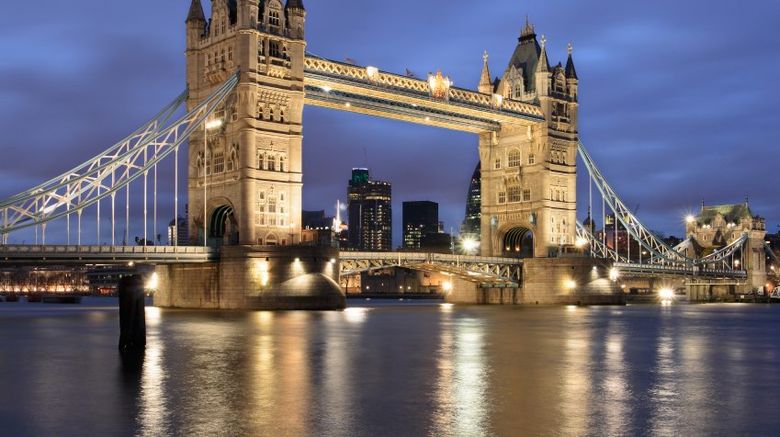

⚡ The TL;DR Verdict
For those seeking history, grand museums, and diverse global culture on a bigger budget, London is your pick. If you crave delicious, affordable food, late-night revelry, and a more laid-back, sunnier atmosphere without breaking the bank, Madrid is the clear winner. Budget travelers should lean heavily towards Madrid (daily budget ~€70-120 / $75-130), while London typically demands a higher spend (daily budget ~£100-180 / $125-225).
- Choose London: Choose London if you love world-class museums (many free!), West End theatre, diverse neighborhoods, and don't mind a higher cost of living. It's perfect for those who appreciate a more structured, globally-influenced urban experience.
- Choose Madrid: Pick Madrid for an authentic taste of Spanish culture: fantastic tapas, lively plazas, late-night socializing, and incredible art museums, all while keeping your wallet happier. It's ideal for foodies, night owls, and budget-conscious travelers seeking sunshine and a relaxed pace.
- Choose Both: Consider visiting both if you have at least 10-14 days and want to experience both British gravitas and Spanish zest. Fly between the two (typically 2.5-hour flight), allowing 4-5 days for each city to truly soak them in without rushing.
Quick Comparison
| Category | London | Madrid | Winner |
|---|---|---|---|
| Costs & Budget | Significantly higher costs for accommodation, food, and transport. Expect to pay a premium for almost everything. | Much more affordable across the board, especially for dining and drinks. Excellent value for money. | Madrid |
| Food & Drink Scene | World-class global cuisine, diverse markets, gastropubs, and afternoon tea. Can be expensive. | Authentic Spanish tapas culture, late-night dining, traditional dishes, and vibrant market halls. Excellent value. | Madrid |
| Nightlife & Entertainment | Pub culture, West End theatre, diverse music venues, and clubbing in Soho/Shoreditch. Earlier closing times. | Legendary late-night culture, lively plazas, countless bars (bars open until 3 am, clubs until 6 am+), and flamenco shows. | Madrid |
| Culture & History | Iconic landmarks, world-class (often free) museums, royal history, diverse neighborhoods, and thriving theatre scene. | Rich Spanish heritage, renowned art museums, royal palace, grand plazas, and strong traditional arts like flamenco. | Tie |
| Getting Around | Extensive Tube network, buses, and Overground. Generally efficient but can be expensive and crowded. | Modern, efficient Metro, comprehensive bus system, and very walkable city center. Affordable. | Tie |
| Accommodation | Wide range from luxury to budget hostels, but generally high prices, especially in central areas. Space can be limited. | Diverse options from charming boutique hotels to hostels, offering excellent value and often more spacious rooms. | Madrid |
| Day Trips | Access to historic castles, charming towns, coastal areas, and even other countries via Eurostar. | Historic cities, royal sites, and charming towns. Generally focuses on Spanish history and culture. | London |
| Weather & Best Seasons | Mild, often cloudy and rainy, green. Summers can be warm but unpredictable. Winters are chilly. | Hot, dry summers with clear skies. Cold winters with crisp air. Glorious, sunny springs and autumns. | Madrid |
| Safety & Vibe | Generally safe, but like any major city, requires awareness. Diverse, bustling, and often feels fast-paced. | Very safe, especially in central areas. Relaxed, social, and vibrant with a strong communal feel. | Tie |
| Getting There & Connectivity | Major global hub with multiple large airports, extensive direct flight options from around the world. | Well-connected European hub, but fewer direct long-haul options than London. Excellent high-speed rail network. | London |
💰 Costs & Budget
Let's be blunt: London will make your wallet weep compared to Madrid. A pint in a London pub like The Churchill Arms can easily run you £6.50-8 ($8.20-10), while a caña (small beer) and a tapa in Madrid’s La Latina neighborhood might be €3-5 ($3.20-5.40). A standard meal out in London, even at a casual spot, is £15-30 ($19-38+), but in Madrid, a fantastic 'menu del día' (set lunch) at a place like Casa Lucio can be €12-18 ($13-19.50). Public transport in London is also pricier; a single Tube fare can be £2.80-6.70 ($3.50-8.50) depending on zones, whereas a Madrid Metro ticket is a flat €1.50-2 ($1.60-2.20) for most central journeys. Accommodation sees similar disparities; a decent 3-star hotel in central London could be £150-250 ($190-315) a night, while a comparable spot in Madrid is more like €90-150 ($97-160). As one Redditor put it, "London is amazing, but my bank account cried every single day. Madrid felt like I was living large on a backpacker budget."
Winner takeaway
- Winner: Madrid
- Why: Madrid offers significantly better value for money, allowing travelers to enjoy more experiences for a fraction of London's cost.
- Who this matters for: Budget-conscious travelers, long-term visitors, and those who want to maximize their spending on experiences rather than essentials.
🍽️ Food & Drink Scene
While London is a global culinary powerhouse, offering everything from Michelin-starred dining to incredible street food at Borough Market, its sheer diversity comes with a hefty price tag. You can find virtually any cuisine imaginable, but a truly great meal often means a significant outlay. Madrid, on the other hand, excels in its authentic, vibrant Spanish food culture that's both delicious and incredibly affordable. The tapas scene is legendary; hopping between bars like El Tigre or Cava Baja for small plates and drinks is a way of life, not just a tourist activity. You'll find traditional dishes like 'bocadillo de calamares' (fried calamari sandwich) at Plaza Mayor for under €5 ($5.40) or rich 'cocido madrileño'. The Mercado de San Miguel offers a gourmet tasting experience, but you can also find local produce and cheap eats at Mercado de la Paz. The quality-to-price ratio in Madrid is simply unbeatable. "Honestly, the food in Madrid was a highlight. Every tapa crawl felt like a culinary adventure, and I never felt ripped off, unlike some meals in London."
Winner takeaway
- Winner: Madrid
- Why: Madrid's authentic, affordable, and pervasive tapas culture provides a more engaging and accessible culinary experience for most travelers.
- Who this matters for: Foodies, social eaters, those who prioritize local cuisine, and budget travelers who want to eat well.
🌃 Nightlife & Entertainment
London's nightlife is undeniably vast, from historic pubs like The George Inn, world-renowned West End shows (tickets from £40-£150+ / $50-190+ for popular shows), and live music venues like O2 Academy Brixton. Clubbing in areas like Shoreditch or Soho offers diverse scenes, but expect earlier closing times (often 2-3 AM) compared to Madrid, and drink prices are steep. Madrid, however, is a city that truly comes alive after dark. Dinner often starts around 9-10 PM, followed by drinks in bars that stay open until 3 AM, and then, if you have the stamina, clubs like Kapital or Joy Eslava will keep you dancing until dawn (expect €15-25 entry with a drink). The energy in plazas like Plaza Mayor or Puerta del Sol late at night is infectious. Even a casual night out involving 'tapeando' (tapas hopping) feels like an event. Flamenco shows at tablaos like Corral de la Morería offer an intense cultural experience. "Madrid's nightlife is just on another level. I'd be out till 4 AM and the streets would still be buzzing. London felt like it shut down too early by comparison."
Winner takeaway
- Winner: Madrid
- Why: Madrid's truly late-night culture, vibrant street life, and affordable drinks create an unparalleled and more immersive party atmosphere.
- Who this matters for: Party-goers, night owls, those seeking a lively social scene, and anyone who loves to dine and socialize late into the evening.
🏛️ Culture & History
Both cities are titans of culture and history, offering distinct but equally compelling experiences. London boasts an incredible array of free museums like the British Museum, National Gallery, Tate Modern, and V&A, housing artifacts and art spanning millennia and continents. Its royal history is evident in the Tower of London (£30-35 / $38-44 entry), Buckingham Palace, and Westminster Abbey (£28-32 / $35-40 entry). The West End theatre scene is world-renowned. Madrid, meanwhile, offers an equally impressive 'Golden Triangle of Art' with the Prado Museum (free evenings, otherwise €15 / $16), Reina Sofía (home to Picasso's Guernica, free evenings, otherwise €12 / $13), and Thyssen-Bornemisza. The Royal Palace of Madrid (€12-15 / $13-16 entry) is grand, and its history is deeply intertwined with Spain's powerful empire. The culture here is more intensely Spanish, from flamenco to bullfighting (though controversial). "London's museums are mind-blowing, you could spend a week just in them. But Madrid's art scene, especially the Prado, felt more focused and impactful, plus the sheer Spanishness of it all was captivating."
Winner takeaway
- Winner: Tie
- Why: Both cities offer distinct, world-class cultural and historical experiences that cater to different interests, making a definitive 'winner' impossible.
- Who this matters for: History buffs, art lovers, theatre enthusiasts, and anyone seeking a deep dive into European heritage.
🚇 Getting Around
London's transport network, centered around the iconic 'Tube' (Underground), is one of the oldest and most extensive in the world. It connects virtually every part of the city, supplemented by a vast bus network. While incredibly efficient for navigating a sprawling metropolis, it can be expensive (Oyster Card or contactless payment is key, avoiding single paper tickets) and crowded, especially during peak hours. Delays are not uncommon. Madrid's Metro, on the other hand, is one of Europe's newest and most modern. It's incredibly clean, efficient, easy to navigate, and significantly more affordable (€1.50-2 per ride, or a 10-trip 'Metrobús' for €12.20 / $13.20). The city center is also remarkably walkable, making it easy to stroll between major attractions like Plaza Mayor, Retiro Park, and the museums. Both cities offer excellent public transport, but Madrid's is arguably more user-friendly and budget-friendly for tourists, while London's handles a much larger, more spread-out area. "Madrid's metro was a dream, so easy and cheap. London's Tube got me everywhere, but it always felt like I was spending half my daily budget on it, and it was so hot sometimes!"
Winner takeaway
- Winner: Tie
- Why: Both cities boast highly efficient and comprehensive public transport systems, catering effectively to their respective sizes and layouts.
- Who this matters for: All travelers who rely on public transportation, those with mobility concerns, and anyone prioritizing ease of navigation.
🏨 Accommodation
Finding affordable and spacious accommodation in London can be a challenge. While options range from luxury hotels like The Ritz, boutique stays in Soho, to budget-friendly hostels like Wombat's City Hostel, prices are consistently high. A decent, centrally located 3-star hotel often starts from £150-250 ($190-315) per night, and even hostels can be £40-70 ($50-90) for a dorm bed. Rooms can be compact, reflecting the city's premium on space. Madrid offers a much more pleasant experience for your accommodation budget. You can find beautiful boutique hotels in areas like Malasaña or Salamanca for €100-180 ($108-195) a night, often with more generous room sizes and stylish decor. Hostels are plentiful and modern, with dorm beds typically €25-45 ($27-49). Even a well-located apartment rental will feel more attainable. The quality for the price is noticeably higher in Madrid, allowing you to stay in more desirable areas without breaking the bank. "I stayed in a really nice boutique hotel in Madrid for what a basic Airbnb room cost me in London. Madrid definitely wins on hotel value."
Winner takeaway
- Winner: Madrid
- Why: Madrid provides significantly better value and often more spacious, higher-quality accommodation for every budget compared to London.
- Who this matters for: Budget-conscious travelers, those who prioritize comfortable and well-located stays, and families seeking more space.
🏞️ Day Trips
London boasts an incredible array of day trip options, offering a diverse taste of British history and charm. Within easy reach by train, you can explore the ancient standing stones of Stonehenge, the Roman baths of Bath, the academic splendor of Oxford or Cambridge, or the royal history of Windsor Castle (entry ~£28 / $35). Head to the coast for Brighton's quirky pier or the white cliffs of Dover. For something truly unique, the Eurostar train from St. Pancras International can whisk you to Paris or Brussels in just over 2 hours, offering an entirely different cultural experience for a day. Madrid's day trip options are equally compelling for those interested in Spanish history and culture but perhaps less varied internationally. Must-sees include the imperial city of Toledo (a UNESCO World Heritage site, ~30 mins by high-speed train, ~€10-15 / $11-16 each way), the royal retreat of Segovia with its Roman aqueduct and fairytale castle (Alcázar de Segovia, ~30 mins by high-speed train, ~€10-15 each way), and the monastery of El Escorial. "London's day trip game is unbeatable. I went to Bath one day and Paris the next! Madrid's trips were great for history, but less variety."
Winner takeaway
- Winner: London
- Why: London's strategic location and extensive rail network provide a greater variety of accessible day trip options, including international destinations.
- Who this matters for: Travelers who enjoy exploring beyond the main city, history buffs, and those interested in diverse landscapes and cultures.
☀️ Weather & Best Seasons
London's weather is famously variable and often mild, but also frequently grey and rainy. Summers (June-August) can be pleasant with temperatures around 20-25°C (68-77°F), but heatwaves or sudden downpours are common. Winters (Dec-Feb) are chilly, often hovering around 0-8°C (32-46°F), with frequent drizzle. Spring and autumn are beautiful but unpredictable. You need layers and an umbrella year-round. Madrid, located on a high plateau, experiences a continental Mediterranean climate. Summers (July-August) are intensely hot and dry, often exceeding 40°C (104°F), making siestas and late-night activities a must. Winters are cold and crisp, with clear blue skies and temperatures around 0-10°C (32-50°F). However, spring (April-May) and autumn (September-October) are absolutely glorious, offering warm, sunny days (20-30°C / 68-86°F) perfect for exploring. The clear skies and abundant sunshine are a major draw. "I love London, but after a week of grey skies and drizzle, Madrid's constant sunshine in October felt like a vacation for my soul. The weather just makes everything feel more vibrant."
Winner takeaway
- Winner: Madrid
- Why: Madrid offers more predictable, sunnier weather, especially during its delightful spring and autumn, making for a more consistently pleasant travel experience.
- Who this matters for: Sun-seekers, those who prefer warmer and drier climates, and travelers planning trips during shoulder seasons.
☮️ Safety & Vibe
Both London and Madrid are generally safe major European capitals, but they have different vibes and minor concerns. London is a massive, diverse metropolis that can feel very fast-paced and anonymous. While violent crime is low in tourist areas, petty theft (pickpocketing on crowded Tubes or Oxford Street) is a concern. The sheer scale means you'll encounter all walks of life. Madrid feels distinctly more relaxed and communal, with a strong emphasis on public life in its plazas and streets. It's often praised for feeling very safe, even late at night, due to people being out and about. However, like any major tourist hub, pickpocketing is prevalent, particularly in crowded areas like the Metro, Plaza Mayor, or around popular attractions. The late-night culture in Madrid means streets are busy until the early hours, which can contribute to a feeling of safety, but also means being aware of your surroundings when bars empty out. "I felt super safe walking around Madrid at 2 AM, it was still so lively. London felt safe too, but more like a big city where you just blend in and keep to yourself."
Winner takeaway
- Winner: Tie
- Why: Both cities are generally safe for travelers, though they offer different urban atmospheres and have similar minor concerns regarding petty crime.
- Who this matters for: Solo travelers, families, and anyone prioritizing a comfortable and secure travel environment.
✈️ Getting There & Connectivity
London is arguably one of the most connected cities in the world. With multiple international airports (Heathrow LHR, Gatwick LGW, Stansted STN, Luton LTN, City LCY), it offers an unparalleled number of direct flights from virtually every major city globally. From New York (JFK), you can find dozens of direct flights daily to LHR or LGW, taking around 6-7 hours, with prices typically ranging from $500-900 roundtrip in shoulder season. This means more airline choice, greater schedule flexibility, and often more competitive pricing, especially from North America and Asia. Madrid-Barajas Airport (MAD) is also a significant European hub, particularly strong for connections to Latin America, but offers fewer direct long-haul flights from other continents compared to London. A direct flight from NYC to MAD might take 7-8 hours, with roundtrip prices often in a similar range of $550-950, but with fewer daily options. However, Madrid's high-speed rail (AVE) network is superb for connecting to other Spanish cities or even Lisbon, making internal travel a breeze. "Getting to London felt like I had a million options, any airline, any time. Madrid was fine, but a little less flexible for long-haul."
Winner takeaway
- Winner: London
- Why: London's status as a premier global aviation hub offers significantly more direct flight options and greater overall accessibility from around the world.
- Who this matters for: International travelers, those with less flexible schedules, and anyone seeking the most direct and convenient flight routes.
❓ Frequently Asked Questions
Which city is better for a first-time European traveler?
For a first-time European traveler, London might feel more familiar due to the English language and similar cultural cues, offering a smooth entry point. However, Madrid provides a more quintessential 'European' immersion with its distinct Spanish culture, late hours, and vibrant street life, often at a more approachable cost.
Is English widely spoken in both cities?
In London, English is the primary language, so you'll have no issues. In Madrid, English is commonly spoken in tourist areas, hotels, and many restaurants, but learning a few basic Spanish phrases will significantly enhance your experience and is greatly appreciated by locals. Don't expect everyone outside the main tourist drag to be fluent.
Which city is better for art lovers?
Both are exceptional. London's free museums like the National Gallery and Tate Modern offer a vast, diverse collection spanning centuries and styles. Madrid's 'Golden Triangle of Art' (Prado, Reina Sofía, Thyssen-Bornemisza) provides a more focused, intense journey through European masters and modern Spanish art, including Picasso's Guernica. It really depends on your preferred art style.
What's the best way to travel between London and Madrid if I want to visit both?
The most efficient way to travel between London and Madrid is by flying. Direct flights take approximately 2.5 hours. Budget airlines like Ryanair or easyJet often offer affordable fares if booked in advance. While you could take a train, it involves multiple connections and takes significantly longer (over 10 hours).
Are there good options for budget travelers in London?
Yes, London offers options for budget travelers, but you'll need to be savvy. Utilize free museums, walk extensively, buy groceries for some meals, and look for deals on West End shows. Hostels are plentiful, and some street food markets offer affordable eats. Just be prepared for public transport and core attractions to still be pricier than in many other European cities.
Which city has better parks and green spaces?
London has an incredible array of world-famous parks like Hyde Park, Regent's Park, and Richmond Park, offering vast green expanses. Madrid's Retiro Park is a stunning urban oasis with a beautiful lake and crystal palace. While London has more large, sprawling parks, Madrid's Retiro is arguably more central and serves as a vital social hub, making it feel very accessible and integrated into city life.
What's the tipping culture like in London vs. Madrid?
In London, a 10-15% service charge is often added to restaurant bills; if not, tipping 10-12.5% is customary. For taxis, round up. In Madrid, tipping is less expected and generally lower. Rounding up to the nearest euro or leaving a few euros for good service in restaurants is common, but 10% is generous. Bartenders are rarely tipped.
Which city offers a more 'authentic' local experience?
Madrid often feels more 'authentically' local due to its strong Spanish identity, pervasive tapas culture, and late-night social rituals that are deeply ingrained in daily life. London, while having distinct local neighborhoods, feels more like a global melting pot where a singular 'local' experience is harder to pin down. Both are authentic in their own way, but Madrid’s feels more homogenous.
Ready to plan your European adventure?
Get a free custom itinerary for London, Madrid, or both — built from real traveler insights.
🎟️ Book Tours & Experiences
Hand-picked tours and activities for both destinations — book with free cancellation
Experiences via Viator — free cancellation on most tours