How we built this comparison
This page combines traveler discussion patterns, published price ranges, transit details, and seasonal data to make the London vs Paris decision easier to resolve.
- Reviewed Reddit traveler discussions across r/travel, r/solotravel, r/london, r/paris, and r/Europetravel — covering recurring decision patterns for London and Paris.
- Cross-checked numeric claims (accommodation ranges, transit costs, attraction prices, seasonal patterns) against Numbeo, TfL, and RATP published data.
- Each major section ends with a clear winner, reason, and traveler-use note — no wishy-washy "both are great" conclusions.
Best read as a decision guide, not a universal truth: the right pick depends on your budget, pace, and what kind of trip you actually want.
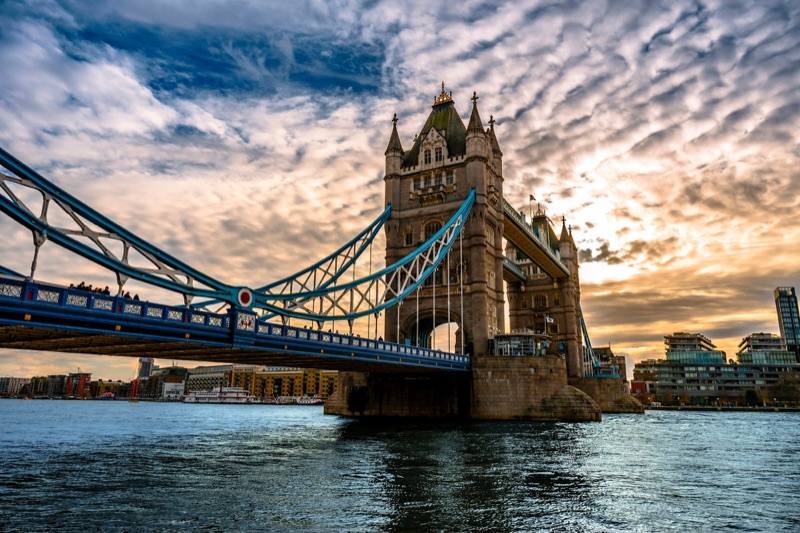
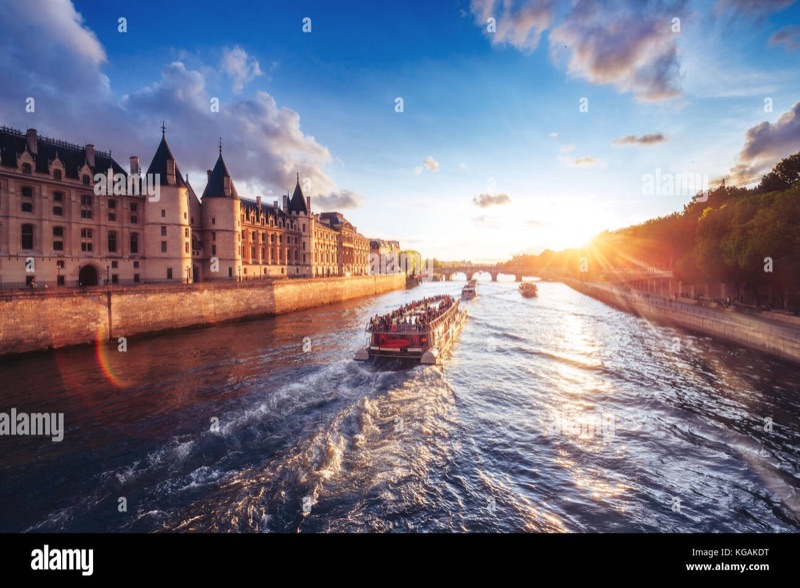
⚡ The TL;DR Verdict
London wins on free museums, food diversity, language ease, and pub culture. Paris wins on iconic sights, romance, walkability, and the specific joy of eating French food in France. Budget snapshot: London £100–160/day (~$125–200) vs Paris €120–180/day (~$130–195).
- Choose London: English speakers, budget museum lovers, diversity seekers, pub enthusiasts, solo first-timers.
- Choose Paris: Art lovers, romantics, French cuisine fans, bucket-listers, photography obsessives.
- Budget snapshot: London: £100–160/day (~$125–200); Paris: €120–180/day (~$130–195).
Choose London
English speakers, diversity seekers, free museum lovers, pub enthusiasts, solo first-timers.
Choose Paris
Art lovers, romantics, French cuisine fans, bucket-listers, photography obsessives.
Quick Comparison
| Category | 🎡 London | 🗼 Paris | Winner |
|---|---|---|---|
| Daily Budget (mid-range) | £100–160/day (~$125–200) | €120–180/day (~$130–195) | Tie |
| Food Scene | Incredible global diversity: Indian, Japanese, Middle Eastern, modern British | Best French cuisine on Earth; croissants, bistros, haute cuisine | Tie |
| Iconic Sights | Tower of London, Big Ben, Buckingham Palace, British Museum | Eiffel Tower, Louvre, Notre-Dame, Versailles, Arc de Triomphe | Paris |
| Museums | British Museum, V&A, National Gallery, Tate Modern (all free) | Louvre, Musée d'Orsay, Centre Pompidou (paid entry, €15–22 each) | London |
| Language | English; zero language barrier | French; tourist areas manageable in English | London |
| Public Transit | Excellent Tube + Elizabeth line; £2.80/ride Oyster | Excellent Métro; 16 lines, €2.15/ride flat fare | Paris |
| Nightlife | Pubs, clubs, Soho; 24-hour Tube on weekends | Wine bars, jazz clubs, Seine cruises; quieter after 2am | London |
| Walkability | Spread out; Hyde Park to Greenwich is a hike | Very walkable; compact core, flat arrondissements | Paris |
| Day Trips | Stonehenge, Bath, Oxford, Cambridge, Cotswolds | Versailles, Giverny, Loire Valley, Champagne country | Tie |
| Romance Factor | Charming parks, Notting Hill, Greenwich; beautiful in autumn | Unmatched — Seine sunsets, corner cafés, Montmartre at dawn | Paris |
| Safety | Very safe; bystander culture; active intervention if needed | Generally safe; some outer zones warrant more awareness | London |
| Best For | English speakers, diversity seekers, free museum lovers, first solo trips | Art lovers, romantics, French cuisine fans, bucket-listers | — |
🍺 Food & Dining
This is one of the most debated categories among European travelers, and the consensus has shifted dramatically over the past decade. Paris still wins for French cuisine — the croissants at Du Pain et des Idées (Canal Saint-Martin), the steak frites at Relais de l'Entrecôte (no reservations, no menu, just perfect steak), and the prix-fixe lunch menus at neighborhood bistros (three courses, €15–22) are in a class of their own. The concept of the Parisian brasserie — marble tables, zinc bars, steak tartare, a carafe of wine — simply doesn't exist anywhere else. Even a €7 jambon-beurre baguette from a decent boulangerie elevates grocery shopping.
But London is the dark horse winner on diversity. Dishoom (queue for it — genuinely worth it), Hawksmoor (best steakhouse in the UK), Borough Market (cheese caves, charcuterie, fresh pasta), and the impossibly diverse neighborhoods of Brixton Market, Chinatown in Soho, and Brick Lane have transformed London into a world-class food city. Japanese omakase in Marylebone, shawarma in Edgware Road, Ethiopian injera in Brixton, Korean BBQ in New Malden — you can eat around the world without leaving the city. The West End theatre pre-dinner scene means excellent restaurants are clustered everywhere.
Budget eating comparison
A decent Parisian lunch menu (entrée + plat + dessert) at a neighborhood bistro costs €15–22. London's equivalent pub lunch (pie, chips, pint) runs £12–18. Street food at both cities' markets is similar: €5–10 in Paris, £5–12 in London. Where London wins on budget: its massive number of excellent cheap ethnic restaurants. Where Paris wins: the €35 Michelin-starred lunch menu concept (look up Septime, Frenchie, or Le Comptoir du Relais). Paris's tourist trap restaurants near the Eiffel Tower are legendarily overpriced — eat in the arrondissements and you'll be shocked by the value.
🎨 Culture & Museums
Both cities are among the world's top cultural capitals, but they differ fundamentally in how you access that culture. London's major museums are free — and this is genuinely extraordinary. The British Museum (Rosetta Stone, Elgin Marbles — free), the Victoria & Albert Museum (fashion and decorative arts — free), the National Gallery (Vermeer, Van Gogh, Monet — free), the Tate Modern (contemporary art in a converted power station — free), the Natural History Museum (free), the Science Museum (free). You can spend three full days in world-class museums without spending a penny on entry. No major city on Earth matches this.
Paris's museums charge entry — significant entry. The Louvre (€22 — allow 4+ hours for just the highlights), the Musée d'Orsay (€16, the world's best Impressionist collection), Versailles (€21 + €8 for the gardens), Notre-Dame (reopened December 2024 after post-2019 fire restoration — free to enter), Centre Pompidou (€15). Budget €80–100 just for attraction entry in Paris over a 3-day visit. London travelers on a budget need to pay close attention to this difference.
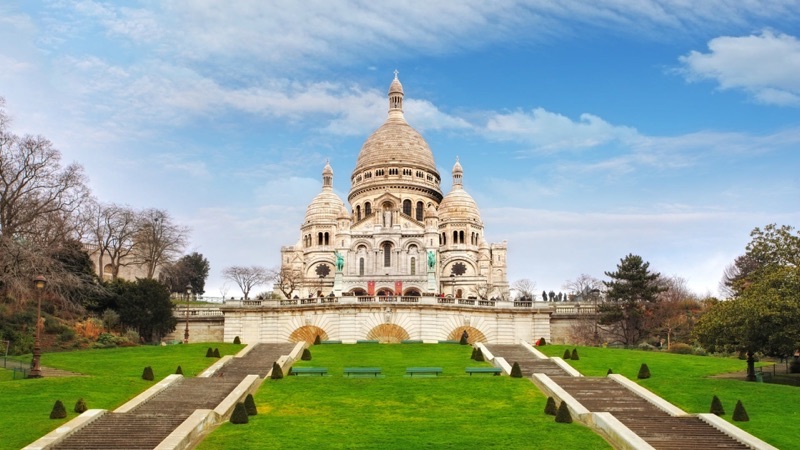
For sheer iconic visual power, Paris edges ahead. The Eiffel Tower at golden hour, the Louvre's glass pyramid, the Champs-Élysées at night, Montmartre's cobblestone streets — these images are seared into the global cultural imagination in a way that London's landmarks, while impressive, simply aren't. The newly restored Notre-Dame Cathedral (reopened December 2024 after five years of reconstruction) is again one of the most spectacular Gothic buildings in existence. And the views from the top of the Eiffel Tower (book online weeks in advance — €29 for the summit by lift) are genuinely life-changing.
💰 Cost Comparison
Both cities rank among Europe's most expensive, and both have gotten pricier in 2025/2026. Contrary to popular belief, they're quite close in overall daily cost — but the breakdown differs. London is generally 15–20% more expensive for accommodation and transport; Paris's paid attraction entry fees partially close the gap. Here's a realistic 2026 daily budget:
| Expense | 🎡 London | 🗼 Paris |
|---|---|---|
| Hostel dorm | £35–60/night | €35–55/night |
| Mid-range hotel | £140–260/night | €120–220/night |
| Budget meal (café/boulangerie) | £6–10 | €7–12 |
| Sit-down lunch (pub/bistro) | £12–22 | €15–25 |
| Dinner (mid-range restaurant) | £25–50 per person | €30–55 per person |
| Metro/Tube single ride | £2.80 (Oyster, Zone 1–2) | €2.15 (flat fare) |
| Day transit cap | ~£8.10 (daily Oyster cap, Zone 1–2) | €8.65 (Navigo Jour) |
| Museum entry | Free (British Museum, V&A, National Gallery, etc.) | €15–22 per museum |
| London Eye / Eiffel Tower | £32 (London Eye standard) | €29 (Eiffel Tower summit by lift) |
| Pint of beer | £6–8 (pub) | €7–10 (bar/café) |
| Daily total (budget) | £65–90 | €70–100 |
| Daily total (mid-range) | £100–160 | €120–180 |
The hidden cost in Paris: Louvre + Musée d'Orsay + Eiffel Tower + Versailles alone totals €88. Budget travelers doing all the Paris highlights in one trip add nearly €30/day just in attraction entry. London's free museum culture is a real financial advantage — especially meaningful for travelers stretching limited budgets.
Currency note for 2026: Both cities cost roughly similar in USD/AUD/CAD terms, since GBP and EUR have stayed relatively close. Check current exchange rates — a 5% swing meaningfully changes the comparison for international travelers.
🚇 Getting Around
Both cities have world-class transit systems that make navigation easy. Paris's Métro edges ahead for tourists on coverage density, simplicity, and cost. The Métro has 16 lines, 302 stations, and covers virtually every corner of the central city. A flat €2.15 ticket covers any journey on the Métro — no confusing zone-based pricing. Trains run every 2–5 minutes during peak hours. The city is also remarkably walkable — distances between major Paris attractions are short enough to walk comfortably, which London's sprawl simply doesn't offer.
London's Tube is excellent but pricier and more complex. The Underground has 11 lines, 272 stations, and 9 fare zones. An Oyster card Zone 1–2 single costs £2.80 (daily cap ~£8.10). The game-changer: the Elizabeth Line (Crossrail), opened 2022, connects Heathrow to Paddington in 15 minutes and to central London in 37 minutes for £10.80 Oyster — a massive improvement over the old Heathrow Express. London is significantly larger and more spread out than Paris, meaning transit times between sights are consistently longer. That said, London's black cabs are iconic and Uber works well.
☀️ Best Time to Visit
Both cities share a temperate Atlantic climate — London famously wetter, Paris slightly sunnier and warmer in summer. Neither has extreme seasons, but timing matters for crowds and price.
Data: Open-Meteo climate averages. Temperatures are daily highs/lows in Celsius. Rainfall in monthly mm totals.
When to go
Spring (April–May) is the sweet spot for both cities — cherry blossoms in Hyde Park and the Tuileries, long evenings, lower crowds than peak summer, and shoulder-season hotel prices. London in May is surprisingly sunny. Paris in April is the postcard version you've always imagined.
Summer (June–August) is peak season for both. Book Eiffel Tower and Louvre tickets weeks in advance. Hotels are 30–50% more expensive. Note: Paris empties of actual Parisians in August (locals flee to the coast), meaning some neighborhood restaurants close — but tourist infrastructure runs fine.
Autumn (September–October) is arguably both cities' best season — golden light, thinning crowds, lower prices. London's fall foliage in Hyde Park and Hampstead Heath is spectacular. Paris in October is legendary among photographers.
Winter (November–February) is grey and damp but underrated. Christmas markets, festive lights on the Champs-Élysées and Covent Garden, no queues at major museums. London's pub culture and free museums make winter particularly worthwhile.
🏨 Where to Stay
London neighborhoods
Covent Garden / Soho — The most central and convenient tourist base. Theatre district, world-class restaurants, minutes from the British Museum, National Gallery, and the West End. Expensive (£200+/night for mid-range), but the location premium is real.
South Bank / Borough — Tate Modern, Borough Market, Shakespeare's Globe, the Shard all right there. Excellent value compared to Covent Garden. Riverside walks are stunning. Jubilee line takes you anywhere.
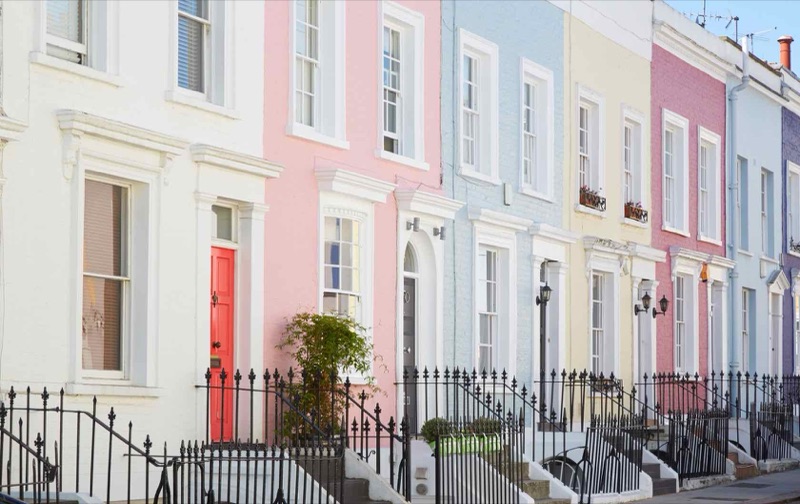
Notting Hill / Kensington — Quieter, residential, famous for pastel houses and Portobello Road Market. Near the V&A, Natural History Museum, and Hyde Park. Great for families, mid-range pricing. See our guide to London's free museums for how to maximize this area.
Shoreditch / Bethnal Green — East London's creative hub: street art, vintage markets, incredible food and bar scene. Noticeably more affordable than central London, well-connected by Overground and Elizabeth line.
Paris neighborhoods
Le Marais (3rd & 4th arrondissements) — The top pick for most first-time visitors. Historic Jewish quarter, art galleries, the Place des Vosges (Paris's oldest square), exceptional restaurants. Beautiful and central. Boutique hotels from €150–200/night.
Saint-Germain-des-Prés (6th arrondissement) — Intellectual, literary Paris. Café de Flore, Les Deux Magots, Luxembourg Gardens, Musée d'Orsay nearby. Quintessential Paris vibe. Pricier than Le Marais.
Bastille / République (11th arrondissement) — Where young Parisians actually live. More affordable, great nightlife and restaurants, less touristy. 10–15 minutes by Métro to major sights.
🎒 Day Trips
Both cities are outstanding bases for day trips — but with completely different rosters. London opens up England's most beloved historic towns; Paris unlocks some of the world's greatest palaces, gardens, and wine regions.
From London
Bath + Stonehenge (2.5h by train to Bath) — Combine prehistoric mystery with Georgian elegance. Bath's Roman baths, Royal Crescent, and honey-stone architecture are worth the trip alone. Many organized tours run both in a single day.
Oxford (1h by coach or train) — Tour the colleges (Christ Church, Bodleian Library, Radcliffe Camera), punt on the Cherwell, and have a pint at The Eagle and Child (Tolkien and C.S. Lewis's local pub).
Cambridge (55min by train) — Punt down the Cam through the college Backs. King's College Chapel is one of England's great Gothic masterpieces. Quieter and more intimate than Oxford.
Windsor (40min by train) — Windsor Castle is the world's oldest and largest inhabited castle. Changing of the Guard is worth timing your visit around. Half-day from London, easy to pair with a short Eton visit.
Cotswolds (2h by train/bus) — Bourton-on-the-Water, Burford, and Bibury offer quintessential English village life: honey-stone cottages, village greens, cream teas. Best by car or organized tour.
From Paris
Versailles (40min by RER C, ~€5) — The Sun King's palace and gardens are among the most spectacular human achievements on Earth. Allow a full day. Book tickets online well in advance for the Hall of Mirrors and Grand Trianon. Entry: €21 palace, €8 gardens.
Giverny (1.5h by train + bus) — Monet's house and the water lily gardens that inspired his most famous paintings. Smaller and more intimate than Versailles. Best May–June when the garden is in full bloom.
Épernay / Reims (1.5h by TGV) — Champagne country. Moët & Chandon, Veuve Clicquot, the extraordinary Reims Cathedral where French kings were crowned. Unmissable for wine lovers.
Loire Valley (1h by TGV to Tours) — Renaissance châteaux (Chambord, Chenonceau), wine tastings, and cycling routes. Best as an overnight trip rather than a rushed day.
🔀 Why Not Both?
Here's what most experienced European travelers will tell you: the London vs Paris debate is a false choice. The Eurostar connects them in 2 hours 15 minutes, trains run hourly, and tickets can be as cheap as £39 booked weeks in advance. It's genuinely one of the easiest two-city combinations in the world — and experienced travelers treat it almost as a given.
Suggested itineraries
5 days: 2.5 days London → Eurostar → 2.5 days Paris. Highlights only, but you see both.
7 days: 3 days London → Eurostar → 4 days Paris (with Versailles day trip). The extra day in Paris is justified for first-timers.
10 days: 4 days London (with Oxford or Bath day trip) → Eurostar → 5 days Paris (Versailles + Giverny) → fly home from CDG.
14 days: 5 days London → 5 days Paris → 4 days Loire Valley / Normandy / Provence — the ideal Britain + France introduction.
Smart routing: Fly into London Heathrow (Elizabeth line to central London: 37 minutes, £10.80 Oyster — no more £25 Heathrow Express needed), do London first, take the Eurostar to Paris, fly home from Charles de Gaulle. This eliminates backtracking entirely. Alternatively fly into Paris CDG and end in London.
🎯 The Decision Framework
Choose London If…
- English is your language and you want zero friction
- Free world-class museums matter to your budget
- You want incredible diversity of food and culture
- Pub culture and British heritage appeal to you
- You love theatre (West End rivals Broadway)
- It's your first solo trip to Europe
- Day trips to Bath, Oxford, or the Cotswolds excite you
- Nightlife and a 24-hour weekend Tube matter
- You want a city that feels more welcoming and legible
Choose Paris If…
- The Eiffel Tower is genuinely on your bucket list
- French cuisine and wine are the point of the trip
- You want the most romantic city on Earth
- Art museums are a priority (Louvre, d'Orsay)
- Versailles or Giverny are things you actually want to see
- Walking beautiful streets all day is your travel style
- You want the quintessential "European city" experience
- Photography of iconic landmarks drives your itinerary
- Café culture and people-watching are peak travel for you
❓ Frequently Asked Questions
Is London or Paris better for first-time visitors to Europe?
Both are excellent first stops in Europe. London has the language advantage for English speakers and world-class free museums. Paris has the world's most iconic sights and is the quintessential European city experience. Reddit consensus: if you only speak English and want ease, go London. If you want the ultimate bucket-list European city, go Paris. Ideally, do both on a single trip via Eurostar.
How far apart are London and Paris?
About 340 km (213 miles). The Eurostar train takes 2 hours 15 minutes from London St Pancras to Paris Gare du Nord, with tickets from £39 booked in advance (up to £200+ last-minute). Budget airlines do the route in under 1.5 hours but lose most of that advantage to airport transfers. For tourists, the Eurostar wins on city-center to city-center convenience.
Is London more expensive than Paris?
London is generally 15–20% more expensive for accommodation and transport. However, Paris's paid attractions (Louvre €22, d'Orsay €16, Versailles €21, Eiffel Tower summit €29) add up significantly, while London's major museums are free. Overall daily costs are remarkably similar for mid-range travelers — budget about £130/€150 per day each including accommodation, food, transport, and one paid attraction per day.
Which city has better food — London or Paris?
Paris for French food (obviously), and for the bistro lunch menu experience (three courses, €18–25, outstanding value). London for global diversity — the Indian, Japanese, Middle Eastern, and modern British food scenes are genuinely world-class. Reddit consensus has shifted: London's food scene is no longer considered inferior. For overall dining diversity, London now edges Paris. For the specific pleasure of eating French food in France, Paris is unmatched.
How many days do I need in London and Paris?
Minimum 3 full days in each for a first visit, ideally 4–5. London: Day 1 Tower of London + Tower Bridge + Borough Market, Day 2 British Museum + Covent Garden + National Gallery, Day 3 Hyde Park + V&A + Kensington + Notting Hill, Day 4 Greenwich + Shoreditch or day trip to Bath/Oxford. Paris: Day 1 Louvre + Tuileries + Musée d'Orsay, Day 2 Eiffel Tower + Champs-Élysées + Montmartre, Day 3 Marais + Notre-Dame + Seine cruise, Day 4 Versailles.
Is it worth visiting both London and Paris on one trip?
Absolutely. With 7+ days in Europe, most experienced travelers recommend doing both. The Eurostar (2h15m, from £39) is one of the world's great train journeys. A popular route: fly into London Heathrow → 3–4 days London → Eurostar to Paris → 3–4 days Paris → fly home from CDG. No backtracking, two iconic cities, unforgettable trip.
Which has better public transport — London or Paris?
Paris wins on metro coverage and cost for tourists. The Métro has 16 lines, covers the entire central city with a flat €2.15 fare, and you're rarely more than 500m from a station. London's Tube is excellent and the new Elizabeth line is a game-changer, but single Zone 1–2 rides cost £2.80 with Oyster (daily cap ~£8.10). Both cities are easy to navigate with Citymapper. Don't let transit concerns influence your city choice.
Is London or Paris safer for solo travelers?
Both cities are generally safe for tourists with normal big-city precautions. London's bystander culture means strangers are more likely to intervene if needed. Paris has zones (some outer arrondissements, certain RER lines late at night) that warrant extra awareness. Multiple Reddit threads suggest London feels more welcoming for first-time solo female travelers, particularly due to language ease and the active intervention culture. Either city is manageable with standard travel smarts.
Ready to plan your Europe trip?
Get a free custom itinerary for London, Paris, or both — built from real traveler insights, not generic templates.
🎟️ Book Tours & Experiences
Hand-picked tours and activities for both destinations — book with free cancellation
Experiences via Viator — free cancellation on most tours