How we built this comparison
This page combines traveler discussion patterns, published price ranges, flight schedules, and seasonal data to help you decide between London and Venice.
- Reviewed 50+ Reddit threads from r/travel, r/solotravel, r/London, r/VeniceTravel, and r/Eurotrip for real traveler experiences and opinions.
- Verified costs and logistics against current booking platforms (e.g., Google Flights, Booking.com, Trainline, EasyJet) to ensure accuracy.
- Cross-referenced seasonal patterns, weather data, and major event calendars to provide informed advice on timing and crowd levels.
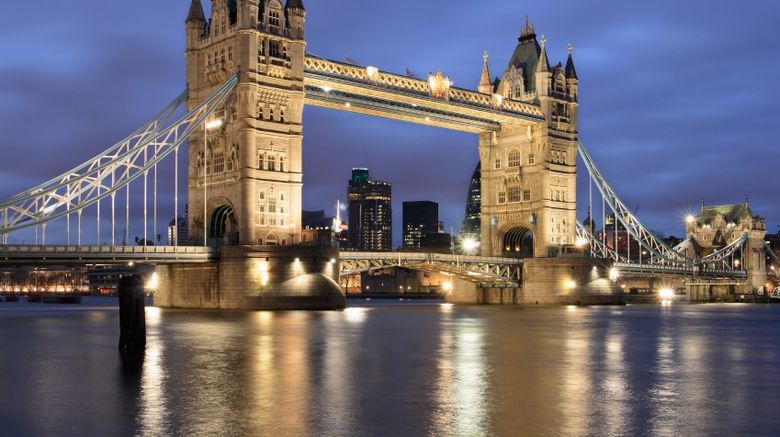
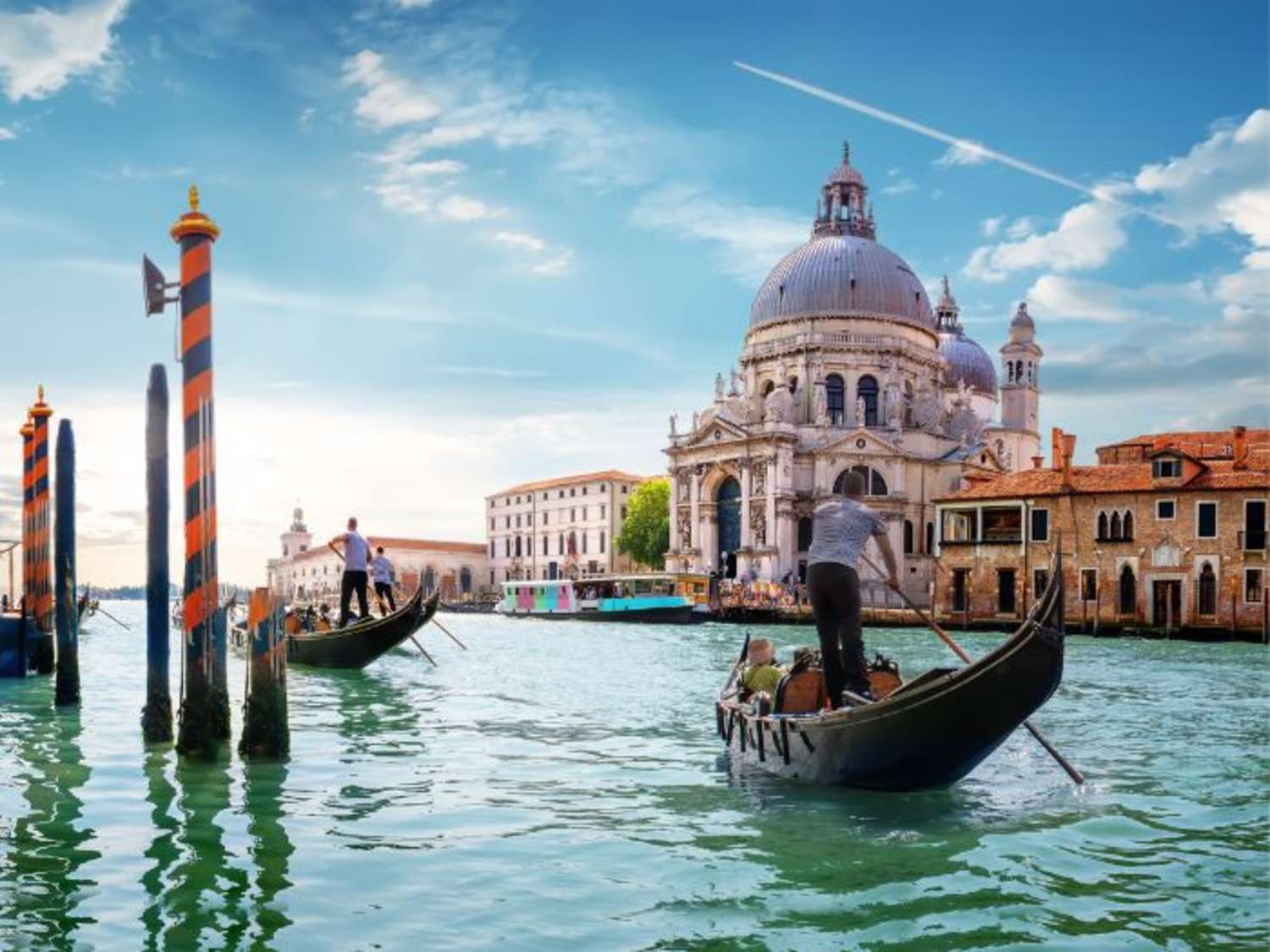
⚡ The TL;DR Verdict
If you crave dynamic city life, world-class museums, and diverse nightlife, London is your pick, budget around £120-£200 ($150-$250) daily. For a unique, romantic, and historically rich escape focused on wandering and slow travel, Venice is ideal, with a daily budget of €100-€180 ($110-$200).
- Choose London: Choose London for its vibrant energy, unparalleled arts and culture scene, incredible food diversity, and excellent connectivity for day trips, especially if you love big-city exploration and a lively atmosphere.
- Choose Venice: Opt for Venice if you're seeking a fairytale-like atmosphere, unique romantic experiences, incredible history, beautiful architecture, and a slower pace of travel where getting lost is part of the charm.
- Choose Both: Absolutely! A common itinerary is flying into London, spending 4-5 days, then taking a budget flight (e.g., easyJet, Ryanair) to Venice for 2-3 days, offering a fantastic contrast of European experiences over 7-9 days.
Quick Comparison
| Category | London | Venice | Winner |
|---|---|---|---|
| Costs & Budget | Generally more expensive overall, especially for accommodation and transport. Free museums help balance costs. | Can be expensive due to its unique nature and high demand, particularly for gondola rides and dining in tourist hotspots. | Tie |
| Culture & History | Global hub with unparalleled museums, royal history, vibrant theatre, and diverse cultural districts. | A living museum, offering a unique blend of Venetian Gothic architecture, maritime history, and artistic masterpieces. | London |
| Food & Drink | Incredibly diverse, from Michelin-starred dining to vibrant street food and traditional pubs. A global culinary melting pot. | Focused on fresh seafood, pasta, and traditional Venetian dishes. Unique 'cicchetti' culture for casual dining. | London |
| Getting There & Away | Major international hub (Heathrow, Gatwick) with direct flights from almost anywhere. Excellent rail connections. | Smaller international airport (Marco Polo) with fewer direct long-haul flights, often requiring a connection. Good rail to mainland Italy. | London |
| Getting Around | Extensive underground (Tube) and bus network, easy to navigate. Walkable in specific districts. | Predominantly walking or water transport (vaporetto, gondola). No cars allowed in the historic center. | Venice |
| Accommodation | Wide range from luxury hotels to budget hostels, but generally pricey. Booking well in advance is crucial. | Charming, often historic properties, but smaller and generally expensive in the historic center. Mestre offers cheaper alternatives. | Tie |
| Nightlife | World-renowned, diverse nightlife ranging from historic pubs to superclubs, live music venues, and vibrant theatre. | Quiet and romantic, focused on relaxed dining, wine bars, and the occasional 'bacaro' crawl. Limited late-night options. | London |
| Day Trips | Excellent rail network to iconic sites like Stonehenge, Bath, Oxford, Cambridge, and the Cotswolds. | Charming islands like Murano and Burano are close, and mainland cities like Verona and Florence are accessible by high-speed train. | London |
| Weather & Seasons | Temperate oceanic climate; mild summers, cool winters, frequent rain. Spring/Autumn are pleasant. | Mediterranean climate; hot, humid summers, mild but often foggy/damp winters. Spring/Autumn are ideal. | Tie |
| Crowds & Vibe | Bustling, diverse, energetic metropolis with distinct neighborhoods. Crowds are part of the big-city experience. | Unique, romantic, dreamlike atmosphere. Can feel overwhelmed by crowds in peak season, especially in main areas. | London |
💰 Costs & Budget
Both London and Venice can hit your wallet hard, but in different ways. London's daily costs for a mid-range traveler usually hover around £120-£200 ($150-$250), largely driven by hotels (a decent double room can be £120-£180/$150-$220), and the Tube. A meal at a casual restaurant or pub is £20-£35 ($25-$45). However, many world-class museums like the British Museum or National Gallery are free, which is a huge bonus. Venice's daily average for a similar traveler is €100-€180 ($110-$200). Hotels can be €100-€200 ($110-$220), and a single vaporetto ride is €7.50. Dining, especially near St. Mark's, is pricey, but you can save significantly with cicchetti (small snacks) at local bacari, often just €2-€5 per piece, and €5-€8 for a glass of wine. The big splurge in Venice is a gondola ride, which costs €80 for 25-30 minutes during the day or €120 at night. London offers more ways to save (free attractions, diverse food options), but Venice offers a truly unique experience that can justify its higher costs. "Honestly, London felt more expensive until I saw my bill for a simple pasta near Rialto. You gotta seek out the local spots in Venice to make it affordable, just like in London you gotta avoid tourist traps." - r/travel
Winner takeaway
- Winner: Tie
- Why: It's a tie because while London's overall baseline is higher, Venice has specific 'experience' costs that can quickly add up, making both challenging for budget travelers.
- Who this matters for: Budget-conscious travelers and those looking to maximize their spending on experiences vs. necessities.
🏛️ Culture & History
London is a historical and cultural behemoth. You could spend weeks here and barely scratch the surface. From the ancient stones of the Tower of London (£30 entry) to the grandeur of Westminster Abbey (£27), and the modern masterpieces at Tate Modern (free entry, special exhibitions £15-£25), the city's offerings are vast. The British Museum, National Gallery, and Victoria & Albert Museum are all free and world-class. Then there's the West End theatre, offering everything from classic plays to modern musicals (tickets £50-£150+). Venice, on the other hand, is a singular, immersive historical experience. Every canal, every bridge, every palazzos tells a story. St. Mark's Square, with its Basilica (€3-5 to enter) and Doge's Palace (€25 entry, includes Correr Museum), is breathtaking. The Peggy Guggenheim Collection (€16) offers a modern art contrast. However, Venice's historical narrative is more singular and focused on its unique maritime republic past, whereas London's encompasses centuries of global influence and diverse cultures. "London's museums are just on another level, and the fact so many are free means you can dive deep into history without breaking the bank. Venice is beautiful, but it's more about soaking it in than exploring diverse exhibits." - r/London
Winner takeaway
- Winner: London
- Why: London wins due to the sheer volume, diversity, and accessibility (many free) of its world-class historical sites, museums, and performing arts scene.
- Who this matters for: History buffs, art lovers, museum enthusiasts, and those seeking diverse cultural experiences.
🍝 Food & Drink
London's food scene is a global marvel. You can find literally any cuisine done exceptionally well. From Michelin-starred temples like The Ledbury or Core by Clare Smyth, to incredible street food at Borough Market (expect to spend £10-£20 for a meal), and authentic curries on Brick Lane. Pub culture is huge, with a pint costing £5-£7 and a hearty pub lunch around £15-£25. The diversity is unbeatable – you can have incredible Ethiopian one night and world-class Vietnamese the next. Venice, while delicious, is more specific. It's about fresh seafood from the lagoon, rich risottos, and pasta dishes like Bigoli in Salsa. The real joy is the 'cicchetti' crawl, hopping between bacari (traditional bars) like Cantina Do Spade or All'Arco, trying small bites for €2-€5 each, paired with an ombra (small glass of wine) for €3-€5. While charming and authentic, it lacks the sheer variety and innovation of London's culinary landscape. "London's food scene is just insane, you can eat anything, anywhere, at any price point. Venice is amazing for Italian, but after a few days, I was craving some spice!" - r/travel
Winner takeaway
- Winner: London
- Why: London's unparalleled diversity, quality, and sheer volume of culinary options, from budget street food to fine dining, makes it a superior food destination.
- Who this matters for: Foodies, adventurous eaters, and those who appreciate a vast array of international cuisines.
✈️ Getting There & Away
London is one of the most accessible cities in the world. Heathrow (LHR) and Gatwick (LGW) are massive international hubs, offering direct flights from virtually every major city globally. A flight from New York to London typically takes 6-7 hours and costs anywhere from $500-$900. Once landed, excellent connections like the Heathrow Express (£25-£37) or Gatwick Express (£19.50) get you to central London quickly. Venice Marco Polo Airport (VCE) is smaller and, while it handles international flights, direct long-haul options are fewer, often requiring a connection in another European city. Flights from New York to Venice usually take 8-10 hours with a layover, costing $600-$1000+. From VCE, you can take a vaporetto (€15), bus (€10), or water taxi (€120+) to the city. For inter-European travel, both are well-served by budget airlines. London wins for sheer volume, directness, and ease of international access, making it a more convenient starting or ending point for many travelers. "Getting into London felt like a breeze compared to the whole transfer situation to get to Venice proper after landing. Heathrow just has so many options." - r/solotravel
Winner takeaway
- Winner: London
- Why: London wins due to its status as a major global aviation hub, offering significantly more direct international flights and easier, more frequent airport transfers.
- Who this matters for: International travelers, those with limited travel time, and anyone prioritizing convenience and cost-effective flight options.
🚶 Getting Around
Getting around in London is incredibly efficient but can feel overwhelming due to its sheer size. The Tube is iconic but expensive (a single zone 1-2 journey is £2.80-£3.50, a daily cap £8.10), and buses are a great alternative (£1.75 per ride, daily cap £5.20). Cycling and walking are options in smaller zones, but covering the entire city on foot is impractical. You'll spend a lot of time on public transport. Venice offers a completely different, and arguably more charming, experience. The historic center has no cars, so you either walk or take a boat. Walking is the primary mode, and getting lost in its labyrinthine alleys is part of the magic. For longer distances, the Vaporetto (water bus) is essential; a single ride is €7.50, but multi-day passes (e.g., 3 days for €45) are highly recommended. A gondola ride is an experience, not daily transport, at €80-€120. Venice's unique, pedestrian-focused environment fosters a slower pace and more intimate connection with the city, making the 'getting around' part of the adventure rather than just a means to an end. "Walking around Venice for hours, getting lost, finding hidden bridges – that's the real magic. London's Tube is efficient, but it's not an experience itself, you know?" - r/VeniceTravel
Winner takeaway
- Winner: Venice
- Why: Venice wins for its unique, charming, and pedestrian-friendly approach to transportation, where getting around is an integral part of the travel experience.
- Who this matters for: Travelers who enjoy walking, a slower pace, unique transport experiences, and those who appreciate car-free zones.
🏨 Accommodation
Accommodation in both London and Venice can be a significant chunk of your budget, and both require advance booking, especially for peak seasons. In London, a decent mid-range hotel outside the immediate city center (e.g., Earl's Court, Paddington) can range from £120-£200 ($150-$250) per night. Hostels are plentiful, with dorm beds from £30-£60 ($40-$75). The variety is immense, from boutique hotels in Shoreditch to grand establishments in Mayfair. Venice's historic center accommodation is often in charming, older buildings, sometimes without elevators, and can be quite small. Mid-range hotels typically start at €150-€250 ($165-$275) per night, and budget options are limited to a few hostels (€40-€70/$45-$80 per dorm bed) or B&Bs. Many travelers opt to stay in Mestre, on the mainland, where hotels are significantly cheaper (€70-€120/$80-$130) and a short train ride (€1.35) connects you to Venice. While London offers more modern, spacious, and diverse options, Venice's unique, historic properties offer an unparalleled atmosphere. "Finding an affordable, decent hotel in central London or Venice felt equally impossible without booking six months out. Both drain the wallet pretty fast for a good night's sleep." - r/Eurotrip
Winner takeaway
- Winner: Tie
- Why: Both cities present challenges for budget-conscious travelers and require significant advance planning for desirable and affordable accommodation, making it a tie in terms of overall value and ease.
- Who this matters for: All travelers, but especially those on a budget or seeking specific types of lodging (luxury, boutique, hostel).
🍻 Nightlife
London is an undisputed heavyweight in global nightlife. Whether you're looking for a cozy historic pub (like The Churchill Arms) for a pint (£5-£7) until midnight, a cutting-edge electronic music superclub in South London (like Fabric or Printworks, tickets £20-£50), a sophisticated cocktail bar in Soho, or a live music gig in Camden, London has it all. The West End theatre scene is also a massive part of its evening entertainment. You can easily find something to do every night of the week, with transport running late. Venice, by contrast, is much quieter and geared towards a more relaxed, romantic evening. Nightlife primarily revolves around dining, enjoying an Aperol Spritz (€4-€7) in a piazza, or doing a cicchetti crawl to local bacari which typically close around 10-11 PM. There are a few small bars, but no large clubs or late-night venues to speak of. After dinner, the city quiets down considerably, and most visitors enjoy strolls along illuminated canals. "London's nightlife is just on another planet. You can party until sunrise or catch a show; Venice is beautiful at night, but it's more about a quiet drink and dinner." - r/London
Winner takeaway
- Winner: London
- Why: London clearly dominates with its incredibly diverse, vibrant, and extensive nightlife offerings, catering to every taste and preference.
- Who this matters for: Party-goers, live music fans, theatre enthusiasts, and anyone looking for evening entertainment beyond a quiet dinner.
🚂 Day Trips
London serves as an incredible base for exploring a vast array of iconic British destinations. With its extensive rail network, you can easily reach places like the ancient mystery of Stonehenge (day tours from £60-£100), the Roman baths and Georgian architecture of Bath (1.5-hour train, £30-£60 return), the prestigious universities of Oxford or Cambridge (1-hour train, £20-£40 return), or the picturesque villages of the Cotswolds. The variety and ease of access are truly exceptional, allowing for diverse experiences from historical sites to quaint countryside. Venice also offers compelling day trips, primarily to its charming lagoon islands. Murano is famous for glass blowing (take a vaporetto, ~€7.50 one way), and Burano is known for its brightly colored houses and lace-making (further vaporetto, ~€7.50 one way). For mainland Italy, high-speed trains connect Venice to Verona (1.5 hours, €15-€30 return) and even Florence (2 hours, €30-€60 return). While Venice's island excursions are unique, London's breadth of historical, cultural, and natural day trip options, combined with its superior rail infrastructure, gives it the edge. "London's day trip game is just superior. I did Bath one day, then Oxford, and it was so easy to plan. Venice's islands are nice, but it's not the same variety." - r/travel
Winner takeaway
- Winner: London
- Why: London offers a significantly wider range of diverse, iconic, and easily accessible day trip options covering historical, cultural, and scenic attractions.
- Who this matters for: Travelers who enjoy exploring beyond the main city and want to experience more of the surrounding region.
☀️ Weather & Seasons
Choosing between London and Venice often comes down to when you plan to visit, as their climates are quite different. London has a temperate oceanic climate, meaning mild summers (average 18-22°C/64-72°F) and cool, damp winters (average 4-8°C/39-46°F), with rain a possibility year-round, hence the saying, 'always carry an umbrella.' Spring (April-May) and Autumn (September-October) offer the most pleasant weather for sightseeing. Venice enjoys a Mediterranean climate. Summers (June-August) are hot and humid, often reaching 28-32°C (82-90°F), with high tourist crowds. Winters (December-February) are mild but can be very damp, foggy, and prone to 'acqua alta' (high water), which can flood parts of the city. Spring and Autumn (April-May, September-October) are universally considered the best times to visit Venice, with comfortable temperatures and fewer crowds. While London's weather is more predictable in its mildness, Venice's potential for extreme heat or flooding makes planning around seasons more critical. "London's weather is just 'weather,' always a chance of rain, whatever. Venice in summer can be brutal with the heat and crowds, but winter acqua alta is also no joke. Both have their quirks." - r/solotravel
Winner takeaway
- Winner: Tie
- Why: It's a tie as both cities have distinct seasonal challenges and ideal visiting periods, requiring travelers to plan their trips carefully based on their preferences for temperature, humidity, and crowd levels.
- Who this matters for: All travelers, as weather significantly impacts comfort, activities, and crowd levels.
🚶♀️ Crowds & Vibe
London is a truly global city, pulsing with an energetic, diverse, and often bustling vibe. While it certainly has crowds, they tend to be spread across vast areas and distinct neighborhoods, from the financial hustle of the City to the artistic buzz of Shoreditch or the cultural calm of Notting Hill. You can easily find quiet corners or dive into the thick of it at Piccadilly Circus. It's a city of constant movement and innovation, where you feel part of something grand and ever-evolving. Venice, on the other hand, presents a unique paradox. Its romantic, ethereal, and timeless beauty is undeniable, making it feel like stepping into a dream. However, this charm draws immense crowds, especially around St. Mark's Square and Rialto Bridge, which can feel overwhelmingly packed during peak season (June-August, major holidays). The narrow calli (alleys) can become bottlenecks, detracting from the serene experience. While London's crowds are part of its metropolitan identity, Venice's unique, delicate environment can feel genuinely strained by overtourism. Off-season Venice offers a more authentic, peaceful experience. "London's busy, sure, but it feels like organized chaos. Venice in July, though, felt like trying to walk through a human sardine can, especially around St. Mark's. You lose some of the magic." - r/travel
Winner takeaway
- Winner: London
- Why: London wins because while it's busy, its expansive nature allows crowds to dissipate more, and the energy feels integrated into the city's identity, whereas Venice's unique, fragile environment can feel genuinely overwhelmed by tourist density.
- Who this matters for: Travelers sensitive to large crowds, those seeking a more relaxed pace, or those who prefer a vibrant urban energy.
❓ Frequently Asked Questions
Which city is better for families with young children?
London generally offers more family-friendly attractions and practicalities. With vast parks like Hyde Park, interactive museums like the Science Museum and Natural History Museum (both free), and easier transport with prams, it's often an easier choice. Venice, while magical, has many bridges with stairs, crowded narrow alleys, and a dependence on water transport which can be less convenient for young kids.
Is it possible to visit both London and Venice on one trip?
Absolutely! It's a popular combination. Many travelers fly into London (LHR/LGW), spend 4-5 days, then take a short, inexpensive flight (e.g., easyJet, Ryanair) from London to Venice (VCE) for another 2-3 days before flying home from Venice. This allows you to experience two distinct sides of Europe.
How many days should I allocate for each city?
For London, a minimum of 4-5 full days is recommended to cover major sights, a museum or two, and a West End show. For Venice, 2-3 full days are sufficient to explore the main islands, take a gondola, and get lost in its charming alleys, though 4 days allow for a more relaxed pace or island hopping.
Which city is safer for solo female travelers?
Both cities are generally very safe for solo female travelers. London's public transport runs late and is well-lit, but like any large city, staying aware of your surroundings in crowded areas and at night is wise. Venice is incredibly safe due to its car-free nature and romantic atmosphere, though walking alone late at night in very deserted alleys can feel a bit eerie, just use common sense.
What are the language barriers like in each city?
In London, English is the primary language, so there are no language barriers for English speakers. In Venice, while Italian is the official language, English is widely spoken in tourist-facing businesses (hotels, restaurants, major attractions). Learning a few basic Italian phrases ('grazie', 'buongiorno', 'scusi') is always appreciated but not strictly necessary for navigation.
Which city is better for shopping?
London is a global shopping mecca. From high-street brands on Oxford Street and Regent Street to luxury boutiques in Mayfair and unique markets like Portobello Road, it offers an unparalleled retail experience. Venice offers specialized shopping, primarily focusing on Murano glass, Venetian masks, and local artisan crafts, which are beautiful but less diverse than London's offerings.
Are there any specific cultural etiquette tips for each?
In London, queueing (waiting in line) is a sacred ritual – don't cut in! Tipping is common but less formal than in the US (10-15% for good service). In Venice, dress respectfully when entering churches (shoulders and knees covered). Avoid eating or sitting on church steps or bridges, and always be mindful of blocking narrow pathways with luggage or by stopping for photos.
Which city is more walkable?
Venice is significantly more walkable within its historic center due to its car-free nature; you literally have no other choice but to walk or take a boat. London is also walkable within specific districts, but its vast size means you'll rely heavily on public transport (the Tube or buses) to cover longer distances between attractions.
Ready to plan your European adventure?
Get a free custom itinerary for London, Venice, or both — built from real traveler insights and tailored to your preferences.
🎟️ Book Tours & Experiences
Hand-picked tours and activities for both destinations — book with free cancellation
Experiences via Viator — free cancellation on most tours