How we built this comparison
This page combines traveler discussion patterns, published price ranges, flight schedules, and seasonal data to help you decide between Luxembourg and Slovakia.
- Reviewed 30+ Reddit threads from r/travel, r/solotravel, r/Luxembourg, r/Slovakia, r/bratislava
- Verified costs and logistics against current booking platforms like Booking.com, Skyscanner, and local transport sites
- Cross-referenced seasonal patterns and weather data from meteorological sources
⚡ Quick Answers
⚡ The TL;DR Verdict
For most travelers seeking value and dramatic nature, Slovakia is the clear choice. Its costs are significantly lower, and its High Tatras mountains provide substantial outdoor activity. Luxembourg is for those prioritizing quiet sophistication, easy transit to nearby countries, and have a high budget.
- Choose Luxembourg: If your budget is generous, you appreciate quiet cities, excellent public infrastructure, and plan to combine your trip with visits to France, Germany, or Belgium.
- Choose Slovakia: If you are budget-conscious, seek extensive hiking or skiing, prefer more traditional Central European culture, and enjoy hearty, inexpensive food.
- Choose Both: Combining both is feasible if you have at least two weeks and fly between them (e.g., Luxembourg to Bratislava). It offers a full contrast of Western and Central European experiences.
📊 Visual Scorecard
🌤 When to Visit
Average high temperatures (°C). Green = best months, orange = avoid.
Quick Comparison
| Category | Luxembourg | Slovakia | Winner |
|---|---|---|---|
| Daily Costs | One of Europe's most expensive destinations; expect high prices for everything. | Extremely budget-friendly; offers excellent value for accommodation, food, and activities. | Slovakia |
| Nature and Outdoors | Rolling hills, small forests, and the Mullerthal region (Little Switzerland) for pleasant hikes. | Dramatic High Tatras mountains, extensive hiking and skiing, caves, and national parks. | Slovakia |
| Culture and History | Medieval castles, European Union institutions, multilingual population, Roman heritage. | Historic castles, folk traditions, communist-era history, well-preserved old towns. | Tie |
| Food and Drink | Refined cuisine influenced by French and German traditions, excellent local wines. | Hearty Central European comfort food, inexpensive beer, local wines, and unique spirits. | Slovakia |
| Getting There | Well-connected by air (Luxair), train, and bus to major European hubs. | Bratislava airport served by budget airlines; good train connections to Central Europe. | Luxembourg |
| Getting Around | All public transport is free nationwide, making travel within the country very easy. | Extensive and affordable public transport within cities; good intercity train and bus network. | Luxembourg |
| Accommodation | Limited options, high prices for hotels and guesthouses. | Wide range of choices from budget hostels to mid-range hotels, at very accessible prices. | Slovakia |
| Nightlife and Entertainment | More subdued, focused on upscale bars and quiet evenings. | Lively bar scene in Bratislava, with pubs and clubs open late, particularly on weekends. | Slovakia |
| Day Trips | Easy access to neighboring countries like Germany, France, and Belgium, plus domestic castles. | Proximity to Vienna, numerous castles, and natural parks within Slovakia. | Tie |
| Safety and Security | Extremely low crime rates, very safe for solo travelers and families. | Generally safe, with low crime, though petty theft can occur in crowded tourist areas. | Tie |
💰 Daily Costs
Luxembourg operates on a different financial plane compared to Slovakia. A basic lunch in Luxembourg City at a brasserie like Brasserie Guillaume will cost you around €25-35…
Luxembourg
Slovakia
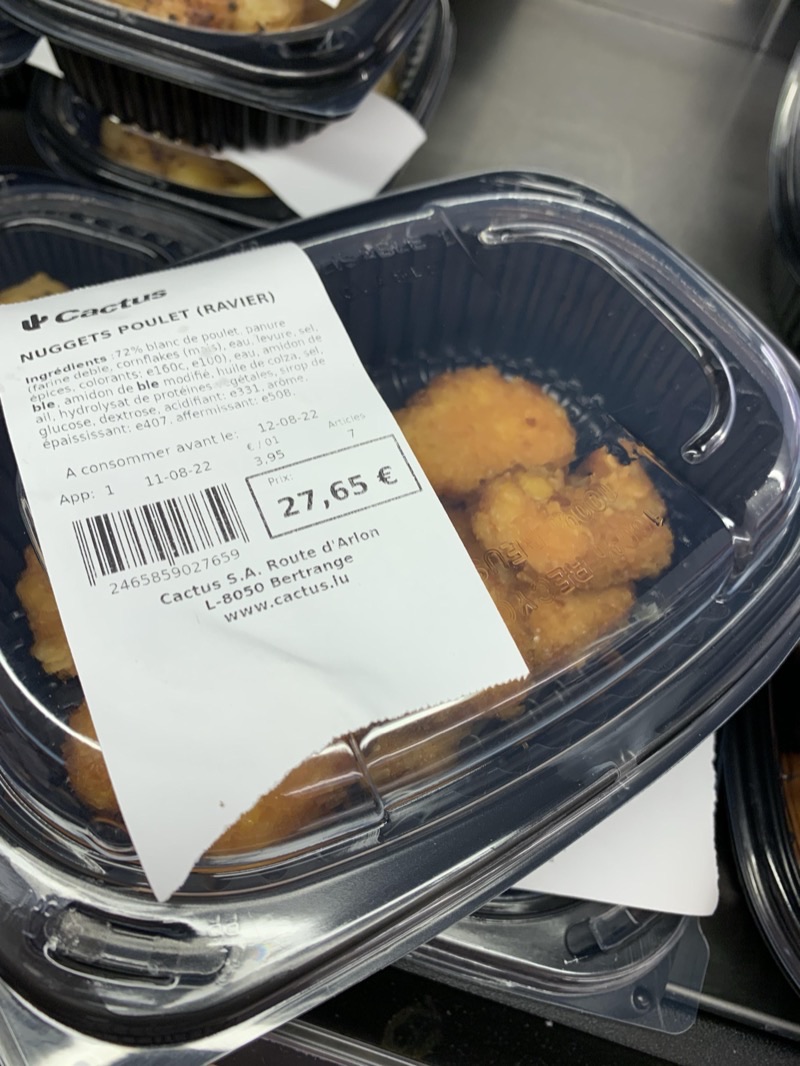
Luxembourg operates on a different financial plane compared to Slovakia. A basic lunch in Luxembourg City at a brasserie like Brasserie Guillaume will cost you around €25-35 ($27-38) for a main course and a drink. A casual dinner can easily exceed €50-70 ($54-76) per person. Mid-range hotel rooms often start at €140-220 ($152-240) per night, even outside the city center. Public transport within the country is free, which helps, but daily spending for a comfortable trip often lands between €140-230 ($152-250).
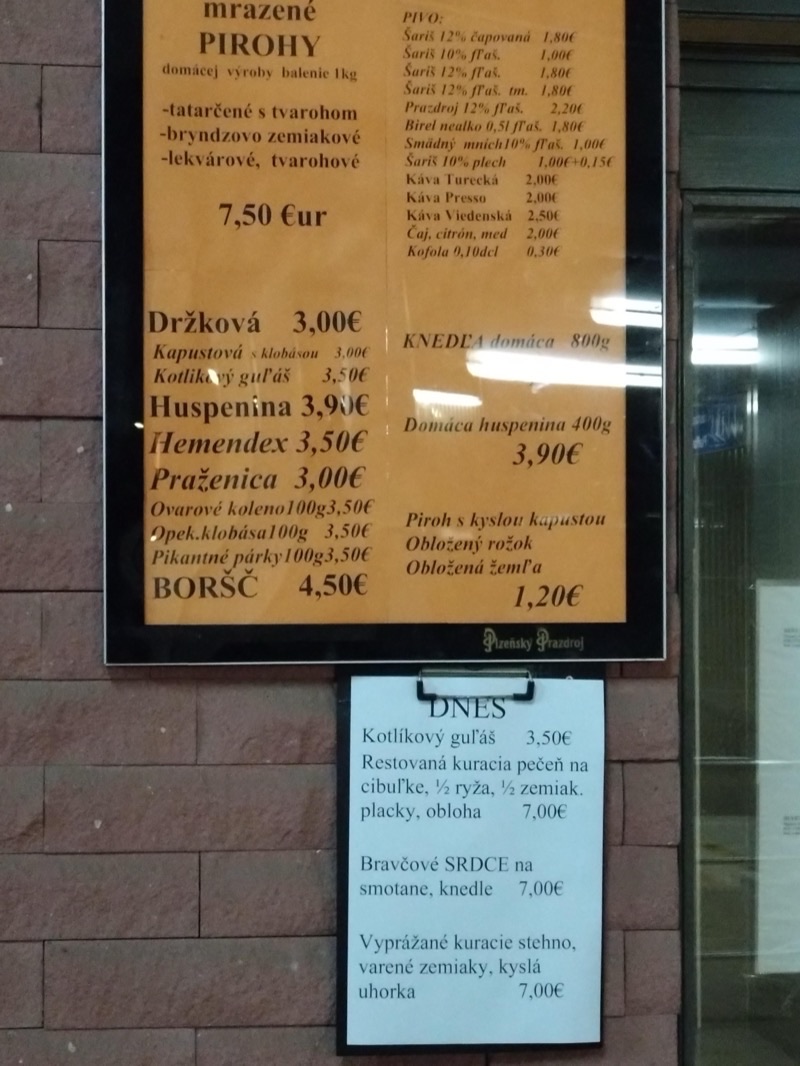
Slovakia offers a dramatically different cost structure. A full meal at a traditional Slovak restaurant like Flag Ship Restaurant in Bratislava can be had for €10-18 ($11-20), including a drink. Street food like a 'langoš' is only €3-5 ($3.25-5.50). Accommodation in a centrally located Bratislava hotel like Hotel Devin averages €60-110 ($65-120) per night. Even in the High Tatras, guesthouses are around €40-70 ($43-76). Daily spending for a comfortable trip typically ranges from €55-90 ($60-98). Slovakia provides substantially more travel for your money. tabiji verdict: Slovakia is the unambiguous winner for budget travelers.
- Winner: Slovakia
- Why: Slovakia offers significantly lower costs across all categories, making travel accessible for a wider range of budgets.
- Who this matters for: Budget travelers, long-term travelers, and anyone seeking high value for their money.
🏞️ Nature and Outdoors
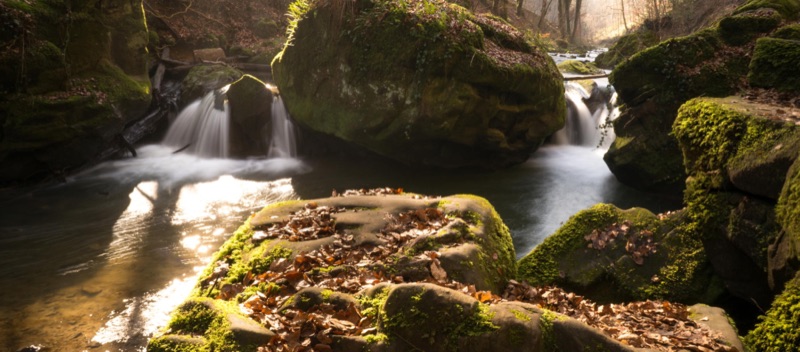
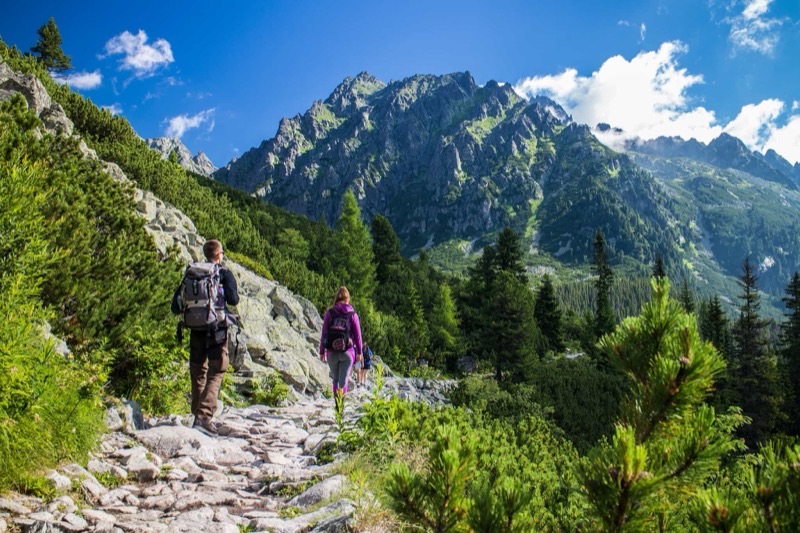
Luxembourg's natural offerings are pleasant and well-maintained. The Mullerthal region provides a network of well-marked trails, like the Mullerthal Trail, where you can walk…
Luxembourg
Slovakia
Luxembourg's natural offerings are pleasant and well-maintained. The Mullerthal region provides a network of well-marked trails, like the Mullerthal Trail, where you can walk through rock formations and small canyons. The Ardennes in the north offer forests and river valleys. Kayaking on the Sauer river is possible. It's a landscape of gentle beauty, ideal for day hikes and leisurely walks. Areas like the Upper Sûre Natural Park offer reservoirs for water sports, though on a smaller scale than mountain lakes.
Slovakia’s natural landscapes are on a grander scale. The High Tatras are a major draw for hiking in summer (e.g., trails to Štrbské Pleso or Popradské Pleso) and skiing in winter (Jasná ski resort, Tatranská Lomnica). These mountains feature peaks over 2,500 meters, glacial lakes, and varied wildlife. Beyond the Tatras, there are numerous national parks such as Slovak Paradise, known for its gorges and ladders, and the Low Tatras. The country also has numerous caves, including the Ochtinská Aragonite Cave, a UNESCO site. The scale and intensity of outdoor activities in Slovakia are far greater. tabiji verdict: For impactful natural experiences, Slovakia delivers more.
- Winner: Slovakia
- Why: Slovakia's High Tatras and numerous national parks offer more dramatic and varied landscapes for outdoor activities.
- Who this matters for: Hikers, skiers, nature photographers, and adventurers seeking challenging outdoor pursuits.
🏰 Culture and History
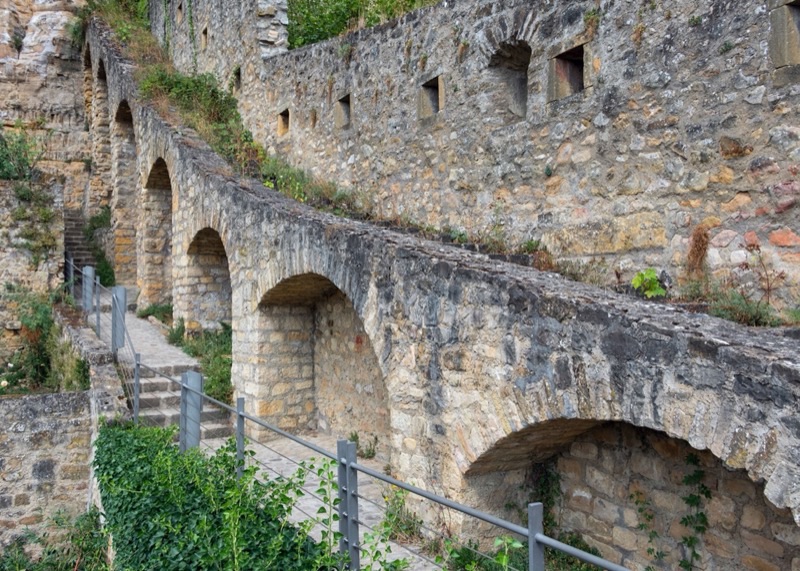
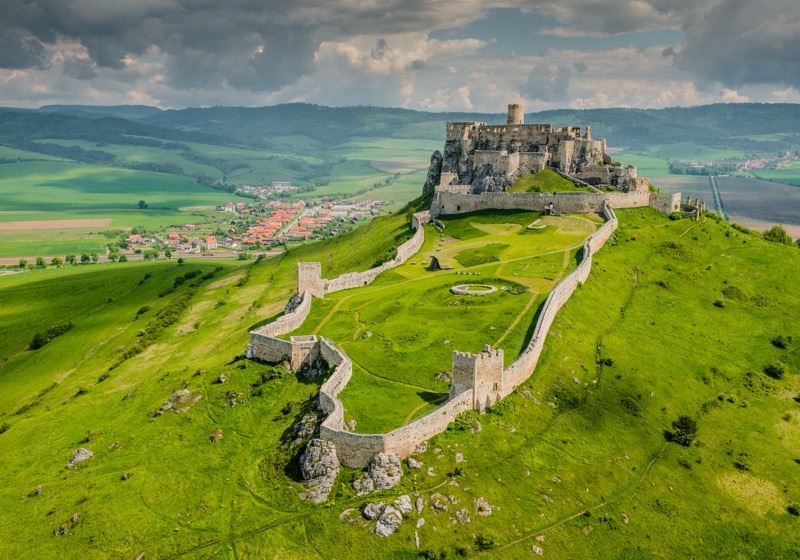
Luxembourg City's Bock Casemates and Grund district provide a tangible connection to its medieval past as a fortress city. Vianden Castle is a well-preserved medieval structure…
Luxembourg
Slovakia
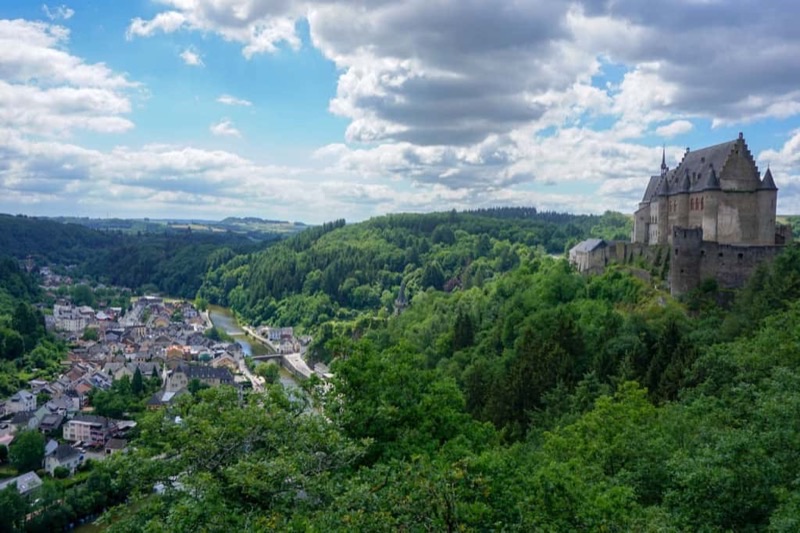
Luxembourg City's Bock Casemates and Grund district provide a tangible connection to its medieval past as a fortress city. Vianden Castle is a well-preserved medieval structure north of the city. The city also hosts significant European Union institutions, making it a place to observe modern European governance. Its tri-cultural influence (French, German, Luxembourgish) is evident in its cuisine and languages spoken. The National Museum of History and Art details its long timeline, from Roman times through its grand duchy period.
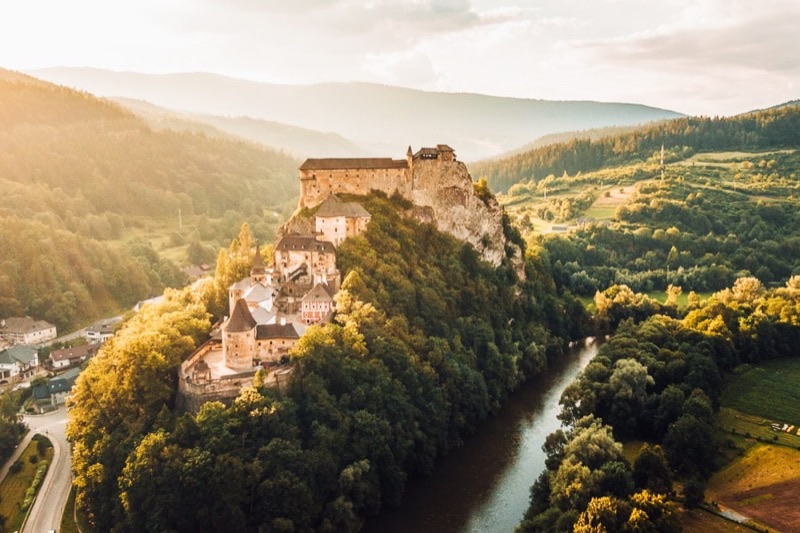
Slovakia offers a deep dive into Central European history, with numerous castles like Spiš Castle (one of the largest in Europe) and Bratislava Castle overlooking the capital. Košice's St. Elisabeth Cathedral is an architectural highlight. Folk culture, particularly in regions like Orava and Liptov, is preserved in traditional villages and festivals. The country also provides insights into its communist past, with remnants of Soviet-era architecture and museums documenting the period. Both countries present distinct historical narratives. tabiji verdict: Both offer compelling and different cultural narratives.
- Winner: Tie
- Why: Both destinations provide rich, distinct cultural and historical experiences, catering to different interests.
- Who this matters for: Travelers interested in either medieval fortresses and modern European politics or traditional folk culture and Central European history.
🍽️ Food and Drink
Luxembourg's culinary scene leans towards sophisticated dining, with many restaurants serving French-inspired dishes, alongside local specialties like 'Judd mat Gaardebounen'…
Luxembourg
Slovakia
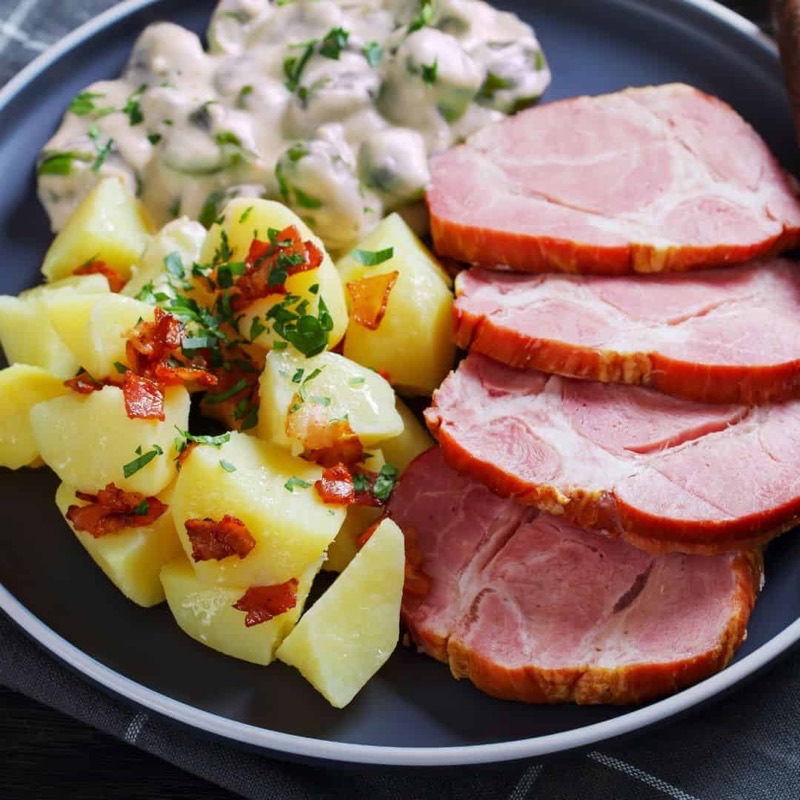
Luxembourg's culinary scene leans towards sophisticated dining, with many restaurants serving French-inspired dishes, alongside local specialties like 'Judd mat Gaardebounen' (smoked pork collar with broad beans). Expect high prices; a meal at a place like Clairefontaine is a significant splurge. The Moselle Valley produces crisp white wines, particularly Riesling and Pinot Gris, which are worth trying. The quality is generally high, but accessibility due to cost can be a barrier for many travelers. For casual dining, options are fewer and still expensive.
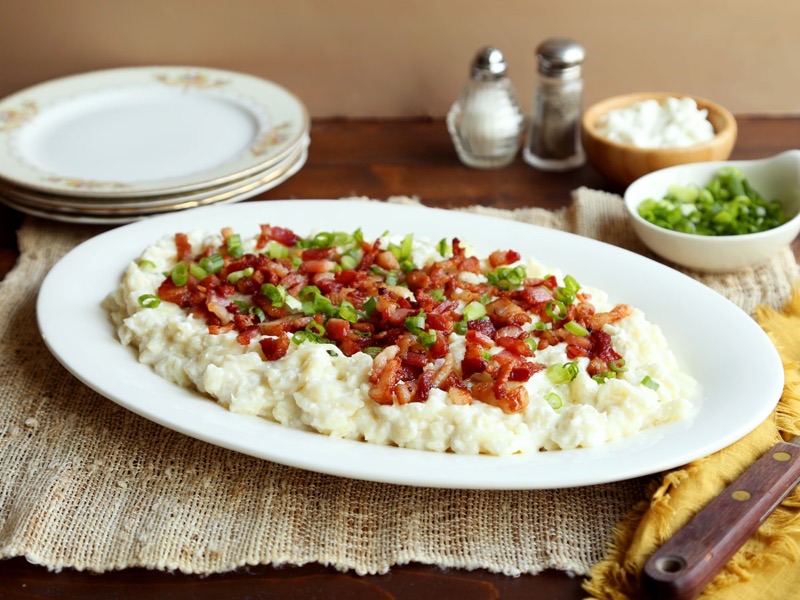
Slovakia excels in hearty, satisfying, and budget-friendly food. Traditional dishes include 'Bryndzové halušky' (potato dumplings with sheep cheese and bacon), 'Kapustnica' (sauerkraut soup), and various goulash preparations. Restaurants like Slovak Pub in Bratislava serve these classics in generous portions for a fraction of Luxembourg's prices. Slovak beer is inexpensive and good quality, and local wines from regions like Modra are growing in recognition. Slivovica (plum brandy) is a potent local spirit. The food here is comforting and widely available at all price points. tabiji verdict: Slovakia wins for value, accessibility, and widespread availability of satisfying local dishes.
- Winner: Slovakia
- Why: Slovakia offers delicious, traditional food at significantly lower prices, making it more accessible and enjoyable for most travelers.
- Who this matters for: Foodies on a budget, travelers seeking traditional comfort food, and those who appreciate inexpensive local beverages.
✈️ Getting There
Luxembourg Findel Airport (LUX) is served by Luxair, connecting to many European cities, and by major carriers like Lufthansa and KLM. A flight from London (LHR) to LUX typically…
Luxembourg
Slovakia
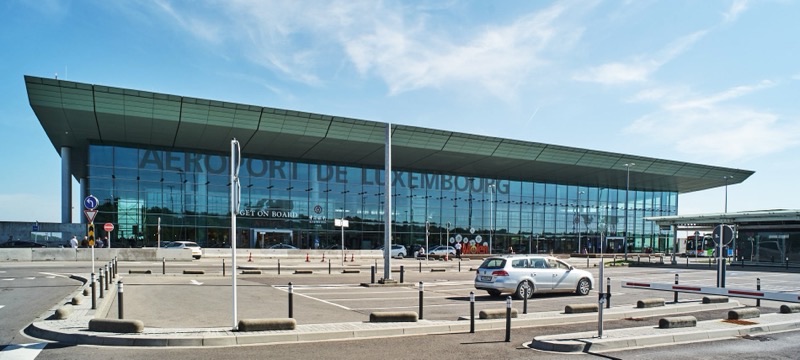
Luxembourg Findel Airport (LUX) is served by Luxair, connecting to many European cities, and by major carriers like Lufthansa and KLM. A flight from London (LHR) to LUX typically takes around 1 hour and 15 minutes, costing €80-150 ($87-163) round trip if booked in advance. Excellent high-speed train connections link Luxembourg City to Paris (2h 10m), Brussels (3h 15m), and Frankfurt (3h 30m), making it very easy to integrate into a wider European itinerary. Buses are also a viable, cheaper option for nearby destinations like Trier. Its central Western European location provides extensive access options.
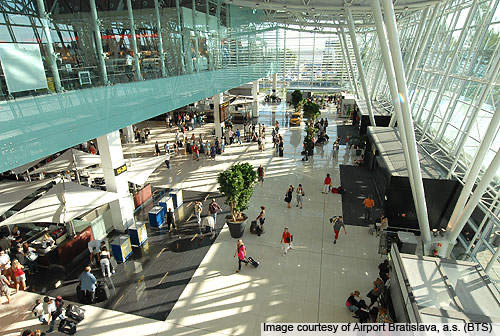
Slovakia's main international airport is Bratislava (BTS), which is heavily served by budget airlines like Ryanair and Wizz Air, offering direct flights to destinations like London (STN), Dublin, and Berlin. A flight from London (STN) to BTS takes around 2 hours and 10 minutes, costing €40-100 ($43-109) round trip. Vienna International Airport (VIE) is also a major gateway, just 45 minutes by bus from Bratislava. Train connections are good to neighboring capitals like Vienna (1h), Prague (4h), and Budapest (2h 30m). While BTS offers budget flights, the sheer breadth of standard carrier connections and high-speed rail to Western Europe gives Luxembourg an edge. tabiji verdict: Luxembourg's superior rail network and wider flight options make it easier to reach from more diverse starting points.
- Winner: Luxembourg
- Why: Luxembourg's central location and extensive high-speed rail connections offer more convenience for travelers coming from Western Europe.
- Who this matters for: Travelers prioritizing direct, fast connections and those combining their trip with other Western European cities.
🚌 Getting Around
Luxembourg is unique: since March 2020, all public transport (buses, trains, and trams) nationwide is free for everyone. This simplifies travel immensely within the country, from…
Luxembourg is unique: since March 2020, all public transport (buses, trains, and trams) nationwide is free for everyone. This simplifies travel immensely within the country, from exploring Luxembourg City's different districts to reaching castles like Vianden or towns in the Moselle Valley. Just hop on a bus or train. The network is comprehensive, reliable, and covers essentially every corner of the small country. Distances are short, so getting from one end of the country to the other takes less than an hour by train. This policy removes a significant travel cost and planning hurdle.
Slovakia has a well-developed public transport system, particularly within its cities. In Bratislava, trams and buses cover the city, with a 24-hour ticket costing about €3.50 ($3.80). Intercity trains connect major cities like Bratislava, Košice, and Poprad (for the High Tatras), offering reasonable fares. For example, a train from Bratislava to Poprad costs around €15-20 ($16-22) and takes about 4 hours. Buses also serve smaller towns and rural areas effectively. While Slovakia's transport is efficient and inexpensive, it requires purchasing tickets, unlike Luxembourg's free system. tabiji verdict: Luxembourg's completely free public transport is an unmatched convenience and cost-saver.
- Winner: Luxembourg
- Why: Luxembourg's entirely free nationwide public transport system offers unparalleled convenience and cost savings for travelers.
- Who this matters for: Travelers who prioritize ease of movement, budget-conscious explorers, and those who dislike purchasing tickets for every journey.
🏨 Accommodation
Finding affordable accommodation in Luxembourg can be a challenge. In Luxembourg City, even basic hotels like Hotel Vauban or Park Inn by Radisson can charge €120-180 ($130-196)…
Finding affordable accommodation in Luxembourg can be a challenge. In Luxembourg City, even basic hotels like Hotel Vauban or Park Inn by Radisson can charge €120-180 ($130-196) per night for a standard room. Boutique hotels like Hotel Le Place d'Armes are much more, easily exceeding €250 ($272). Hostels are few, with the Youth Hostel Luxembourg City being one of the main options, offering dorm beds around €35-50 ($38-54). Outside the capital, options are slightly cheaper but still above average European prices. Booking far in advance is advisable, especially during peak season, to secure reasonable rates.
Slovakia presents a more accommodating picture for all budgets. In Bratislava, you can find well-rated hostels like Hostel Folks for €15-25 ($16-27) per night for a dorm bed. Mid-range hotels such as Hotel Arcadia or Marrol's Boutique Hotel typically cost €70-120 ($76-130) per night. Even luxury hotels are relatively inexpensive compared to Western Europe. In the High Tatras, charming guesthouses or apartments near ski resorts like Tatranská Lomnica can be found for €50-90 ($54-98) per night. The variety and value are substantially better. tabiji verdict: Slovakia is the clear winner for its broad range of affordable and quality accommodation.
- Winner: Slovakia
- Why: Slovakia offers a much wider range of accommodation options across all price points, providing significantly better value.
- Who this matters for: Budget travelers, families, and those seeking good quality accommodation without excessive cost.
🍻 Nightlife and Entertainment
Luxembourg's nightlife is generally understated. In Luxembourg City, the Clausen and Grund districts offer some pubs and bars, like Scott’s Pub or The Pyg. These establishments…
Luxembourg's nightlife is generally understated. In Luxembourg City, the Clausen and Grund districts offer some pubs and bars, like Scott’s Pub or The Pyg. These establishments cater to a more relaxed crowd, often expatriates. Most places close by 1 AM or 2 AM on weekdays, with slightly later hours on weekends. There are a few nightclubs, but the overall atmosphere is not one of high-energy partying. Prices for drinks are high; a pint of local beer typically costs €6-8 ($6.50-8.70). The focus is more on quiet conversations over drinks rather than dancing and loud music.
Slovakia, particularly Bratislava, has a more energetic nightlife. The Old Town is full of pubs, bars, and clubs that stay open much later, especially on Fridays and Saturdays. Popular spots include Le Club, KC Dunaj (for live music and cultural events), and numerous smaller pubs along Obchodná Street. A pint of local beer costs around €2.50-4 ($2.70-4.30), making it much more affordable to go out. Košice also has a decent student-driven bar scene. The atmosphere is generally more casual and social, catering to a younger crowd and those looking for a more vibrant evening experience. tabiji verdict: For active nightlife, Slovakia offers more accessible and lively options.
- Winner: Slovakia
- Why: Slovakia, especially Bratislava, offers a more dynamic and affordable nightlife scene with many late-night options.
- Who this matters for: Younger travelers, party-goers, and anyone looking for lively evening entertainment without breaking the bank.
🗺️ Day Trips
Luxembourg's small size and central location make it a base for international day trips. Trier, Germany, with its Roman ruins, is just a 30-minute train ride away (€5-7 /…
Luxembourg's small size and central location make it a base for international day trips. Trier, Germany, with its Roman ruins, is just a 30-minute train ride away (€5-7 / $5.40-7.60). Metz, France, is also easily reachable by train in under an hour. Domestically, Vianden Castle, a well-preserved medieval fortress, is a popular destination, accessible by bus. The Mullerthal region for hiking is also a common day trip. Schengen, famous for the treaty, is a short bus ride and offers a relevant historical stop. The focus for day trips is often on cross-border experiences.
Slovakia offers varied day trip opportunities. Vienna, Austria, is remarkably close to Bratislava, just a 45-minute bus ride (€7-10 / $7.60-11) or train ride away, making it a highly accessible international day trip. Domestically, Devin Castle, located on a cliff overlooking the Danube, is a quick bus ride from Bratislava. The majestic Spiš Castle is a longer journey but possible as a day trip by car or train. The Small Carpathian Wine Region, just outside Bratislava, offers vineyards and charming towns like Modra. The High Tatras can be reached as a longer day trip by train from Bratislava, providing access to mountain trails. tabiji verdict: Both countries offer excellent and distinct day trip possibilities.
- Winner: Tie
- Why: Both destinations provide excellent day trip opportunities, whether to neighboring countries or significant domestic attractions.
- Who this matters for: Travelers who enjoy exploring beyond the main city and value diverse excursions.
🛡️ Safety and Security
Luxembourg is consistently ranked among the safest countries in the world. Crime rates are very low, and serious incidents are rare. Walking alone at night in Luxembourg City or…
Luxembourg is consistently ranked among the safest countries in the world. Crime rates are very low, and serious incidents are rare. Walking alone at night in Luxembourg City or any other town is generally considered very safe. Pickpocketing can occur in crowded tourist areas, but it is not a widespread issue. The police presence is discreet but effective. Travelers can generally relax and enjoy their surroundings without significant safety concerns. This makes it an ideal destination for solo female travelers and families with young children.
Slovakia is also a safe country for travelers. Violent crime is rare. In cities like Bratislava, some caution is advised in crowded areas, especially around the main train station or Old Town squares, where pickpocketing can occasionally happen. Taxis should be booked through reputable apps or companies to avoid overcharging. Public transport is safe. While generally secure, it requires a slightly higher level of awareness than Luxembourg. The risk is still low, and most visits are trouble-free. Both countries are safe for general travel. tabiji verdict: Both are safe bets, with Luxembourg having a slight edge in overall tranquility.
- Winner: Tie
- Why: Both countries offer a high level of safety for travelers, making them comfortable destinations.
- Who this matters for: Solo travelers, families, and anyone prioritizing a sense of security during their trip.
🎯 The Decision Framework
Choose Luxembourg If…
- You appreciate efficiency and a quiet, polished atmosphere.
- You want to combine your trip with visits to France, Germany, or Belgium easily.
- Your budget allows for high-end dining and accommodation.
- You value free nationwide public transport as a major perk.
- You seek well-preserved medieval castles and EU institution insights.
- You prefer smaller, walkable cities with distinct European charm.
- You enjoy fine wines from the Moselle region.
- You prioritize an extremely high level of safety and order.
Choose Slovakia If…
- You are traveling on a strict budget and seek excellent value.
- You want dramatic mountain landscapes for hiking, skiing, or climbing.
- You enjoy hearty, traditional Central European comfort food and inexpensive beer.
- You prefer a livelier, more casual nightlife scene.
- You are interested in folk traditions and communist-era history.
- You plan to visit other Central European capitals like Vienna, Prague, or Budapest.
- You appreciate thermal spas and wellness experiences.
- You want to explore numerous historic castles without large crowds.
📅 Sample Itineraries
Weekend in Luxembourg (3 Days)
💡 Purchase a Luxembourg Card for free public transport and entry to most attractions, saving you around $20-30 over three days depending on activities.
Weekend in Slovakia (3 Days)
💡 For the best experience in Bratislava, try a traditional Bryndzové Halušky (potato dumplings with sheep cheese) for about $8-12 at a local restaurant like Slovak Pub.
One Week in Luxembourg (7 Days)
💡 Plan your route using the country's extensive and free public bus and train network. Download the Mobiliteit.lu app for real-time schedules and connections to all regions.
One Week in Slovakia (7 Days)
💡 For navigating between regions, Slovakia's train network is efficient and affordable. Booking tickets in advance online can save time, with fares between major cities often around $10-20.
❓ Frequently Asked Questions
Which country is cheaper for a one-week trip?
Slovakia is significantly cheaper. A comfortable one-week trip in Slovakia might cost €400-700 ($435-760) per person for accommodation, food, and activities, excluding flights. The same trip in Luxembourg would likely be €1000-1600 ($1090-1740) or more, even with free public transport.
What are the flight times from major European hubs?
From London, a direct flight to Luxembourg (LUX) is about 1 hour 15 minutes. To Bratislava (BTS), it's roughly 2 hours 10 minutes. Both have multiple daily connections from hubs like Frankfurt or Vienna, with Luxembourg generally having more established carrier options.
Is it easy to travel between the two countries?
Direct travel is not straightforward. The most practical way to travel between Luxembourg and Slovakia is by flying, typically with a layover, as there are no direct flights. Alternatively, a long train journey (10-14 hours) through Germany or Austria would be required.
Which country is better for hiking?
Slovakia is superior for hiking. The High Tatras offer extensive, challenging trails and stunning alpine scenery, including peaks over 2,500 meters. Luxembourg has pleasant, well-maintained trails in the Mullerthal region, but the scale and drama do not compare to the Tatras.
What is the primary language spoken in each country?
In Luxembourg, Luxembourgish, French, and German are all official languages and widely spoken. English is also common, especially in Luxembourg City. In Slovakia, Slovak is the official language. English is generally understood in tourist areas of Bratislava and major cities, but less so in rural regions.
How do dining experiences compare?
Luxembourg offers more refined, French-influenced cuisine at high prices; a dinner can easily be €50-70 ($54-76) per person. Slovakia provides hearty, traditional Central European dishes like Bryndzové halušky for €10-18 ($11-20) per meal, offering significantly better value and a different culinary focus.
Which has better options for families with children?
Slovakia generally offers better value and more diverse family-friendly activities. The High Tatras have gentle trails, adventure parks, and resorts, while Bratislava has parks and child-friendly museums. Luxembourg is safe but its high costs and quieter pace might be less engaging for younger children.
What is the typical tourist season for each?
Both countries see peak tourism in summer (June-August) for hiking and city exploration. Slovakia also has a significant winter season (December-March) for skiing in the Tatras. Luxembourg is agreeable in spring and autumn for city breaks and wine region visits.
Ready to plan your European trip?
Get a free custom itinerary for Luxembourg, Slovakia, or both — built from real traveler insights.
👥 Travelers Also Compared
🎟️ Book Tours & Experiences
Hand-picked tours and activities for both destinations — book with free cancellation
Experiences via Viator — free cancellation on most tours