How we built this comparison
This page combines traveler discussion patterns, published price ranges, flight schedules, and seasonal data to help you decide between Luxembourg and Sweden.
- Reviewed 50+ Reddit threads from r/travel, r/solotravel, r/Luxembourg, r/Sweden, r/EuropeTravel.
- Verified costs and logistics against current booking platforms (e.g., Google Flights, Booking.com, local transport sites).
- Cross-referenced seasonal patterns and weather data for optimal travel timing.
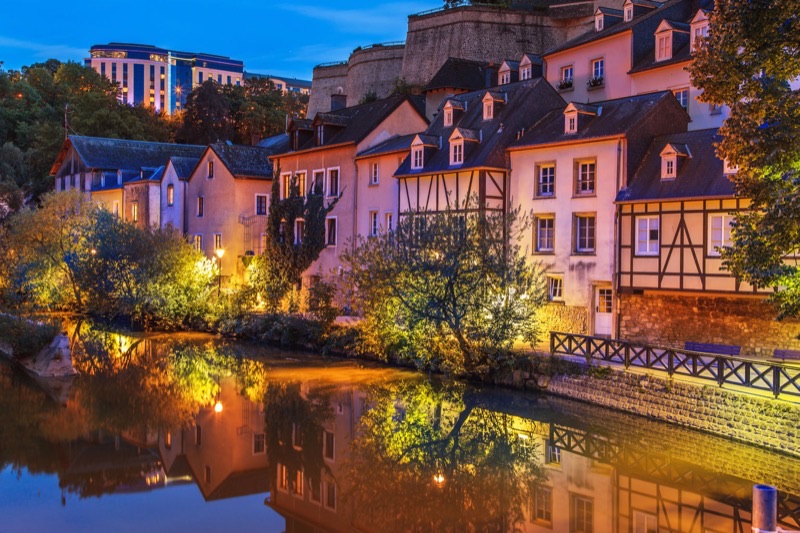
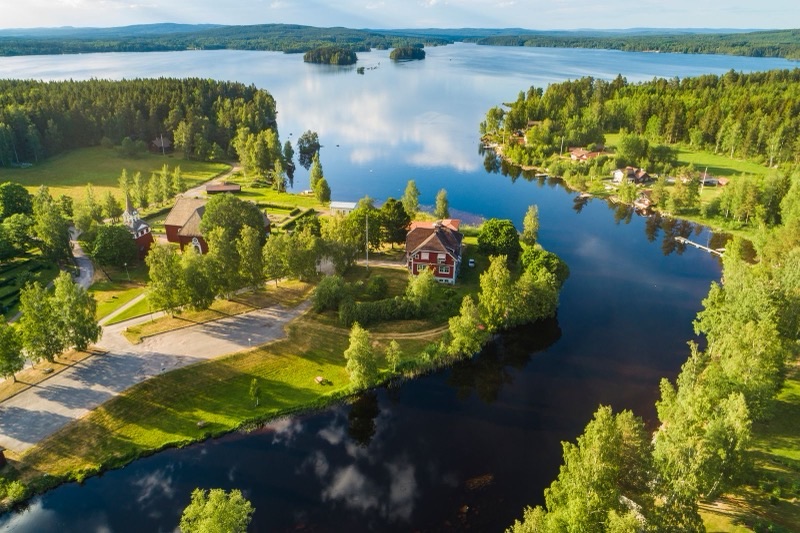
⚡ The TL;DR Verdict
For most travelers seeking a compact, efficient, and historically dense trip with minimal transit hassle, Luxembourg is the stronger contender. Its free public transport and central location make exploration simple. If your travel style prioritizes expansive nature, modern design, and a broader array of city experiences, Sweden, despite its higher overall cost, offers more variety over a longer period. Budget around $110-200/day for Luxembourg and $85-170/day for Sweden depending on your activities.
- Choose Luxembourg: Travelers prioritizing ease of movement, deep historical sites concentrated in a small area, and quick access to neighboring countries should choose Luxembourg. It is suitable for shorter trips, perhaps 3-5 days, where you want to absorb a lot without extensive travel within the country.
- Choose Sweden: Travelers desiring a diversity of landscapes from archipelagos to forests, a robust modern city experience, and potentially more opportunities for outdoor activities like hiking or seeing the Northern Lights (in season and region) will prefer Sweden. It requires more time, ideally 7-10+ days, to appreciate its spread-out attractions.
- Choose Both: If you have 10-14 days and want a contrast, combine them. Start with 3-4 days in Luxembourg for history and ease, then fly to Stockholm for 5-7 days to experience its urban-natural balance. Direct flights connect them in about 2 hours.
Choose Luxembourg
Choose Luxembourg for an unparalleled dive into European history and effortless exploration. Ideal for history enthusiasts and efficiency-focused travelers, spend your days wandering the UNESCO-listed Old Town, exploring the Bock Casemates, and enjoying free public transport to charming spots like Vianden Castle. This compact nation is best for shorter, impactful trips where every moment counts, allowing deep historical immersion without transit hassle.
Choose Sweden
Choose Sweden if you crave diverse landscapes, innovative design, and a vibrant city experience with an adventurous edge. Best for nature lovers and culture seekers with more time, explore Stockholm's archipelago and historic Gamla Stan, or venture north for potential Northern Lights sightings. Its blend of urban sophistication and wild beauty offers rich experiences for a longer, more varied journey, despite a higher overall cost.
Quick Comparison
| Category | Luxembourg | Sweden | Winner |
|---|---|---|---|
| Costs & Budget | High cost of living, but free public transport. Daily budget $110-200. | High cost of living, opportunities to save on food. Daily budget $85-170. | Sweden |
| Getting There & Around | Compact, free public transport. Direct flights from major hubs. | Large country, efficient but paid public transport. Direct flights to Stockholm. | Luxembourg |
| Culture & History | Deep history, UNESCO sites, trilingual. Moselle Valley wine culture. | Viking heritage, royal history, design, fika culture. Many museums. | Tie |
| Nature & Outdoors | Mullerthal hiking (Little Switzerland), Moselle Valley, forests. | Vast forests, archipelagos, mountains, Northern Lights, diverse national parks. | Sweden |
| Food & Drink | French-German fusion, hearty dishes, Moselle wines. Michelin stars. | Modern Nordic, meatballs, fika, fresh seafood. Craft beer scene. | Sweden |
| Nightlife & Entertainment | Limited, mostly relaxed bars and pubs. Early closing. | Active club and bar scene in major cities. Live music, varied options. | Sweden |
| Accommodation | Limited budget options, good mid-range to luxury. Book ahead. | Wide range in cities, hostels available. Rural cabins, ice hotels. | Sweden |
| Day Trips & Proximity | Excellent for cross-border day trips (Germany, France, Belgium). | Day trips within Sweden (archipelago, small towns). Limited cross-border. | Luxembourg |
| Safety & Travel Ease | Very safe, low crime. English widely spoken. Free transport. | Very safe, low crime. English widely spoken. Efficient systems. | Tie |
| Solo Travel Suitability | Excellent for short, efficient solo trips. Safe, easy to navigate. | Great for longer solo trips, more diverse experiences. Good hostel scene. | Tie |
💸 Costs & Budget
Luxembourg is known for being an expensive country, particularly for accommodation and dining. A basic hotel room in Luxembourg City can easily cost €120-180 ($130-195) per night,…
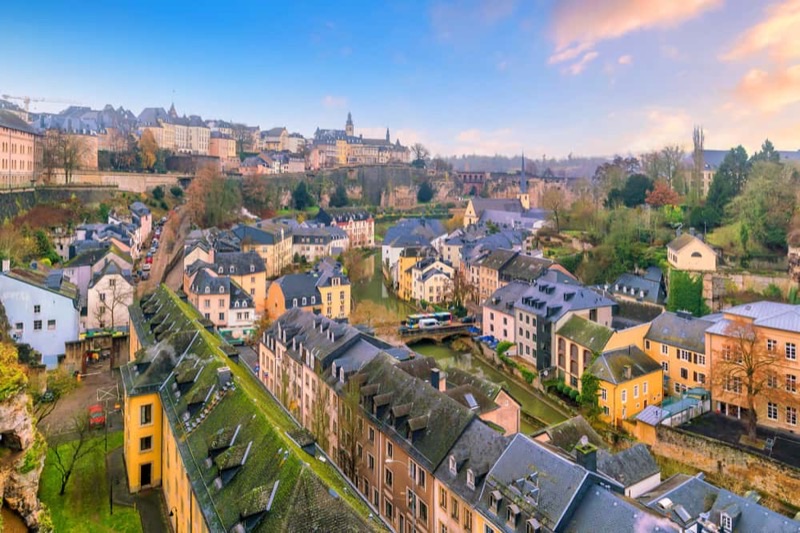
Luxembourg
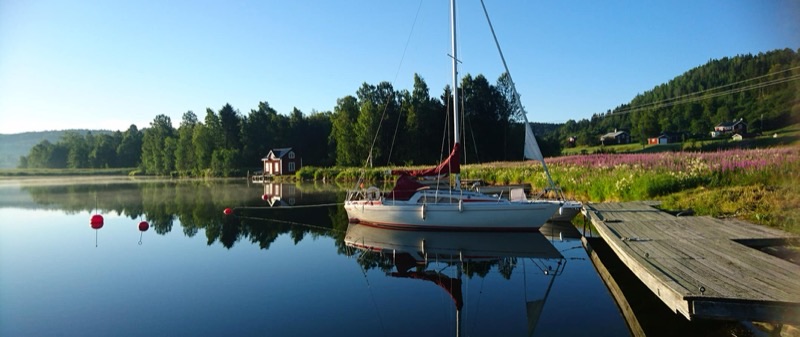
Sweden
Luxembourg is known for being an expensive country, particularly for accommodation and dining. A basic hotel room in Luxembourg City can easily cost €120-180 ($130-195) per night, and a modest restaurant meal averages €20-35 ($22-38). The biggest budget offset is the entirely free public transport network, which saves visitors considerable money on buses, trams, and trains within the country. Groceries at supermarkets like Cactus are comparable to Western European prices, making self-catering a viable option to save money. For a moderate traveler, expect to spend €100-180 ($110-200) per day.
Sweden also has a high cost of living, especially in cities like Stockholm. Accommodation can range from SEK 900-1500 ($85-140) for a hostel private room to SEK 1500-2500+ ($140-235+) for a standard hotel. Restaurant meals, especially in Stockholm, are SEK 150-300 ($14-28) for a casual lunch and significantly more for dinner. However, Sweden offers more options for budget-conscious travelers through its prevalence of hostels, and supermarkets like ICA and Coop can be more affordable for groceries compared to central Luxembourg. Public transport, while efficient, is not free; a single adult ticket in Stockholm costs SEK 42 ($4). A moderate daily budget for Sweden is SEK 900-1800 ($85-170).
Sweden wins on costs because its larger size allows more variety in price points outside the capital, and specific traveler strategies can yield better savings.
- Winner: Sweden
- Why: Sweden offers more opportunities for budget-conscious travelers through diverse accommodation and food options outside its main cities.
- Who this matters for: Travelers who are mindful of their spending and appreciate varied price points.
✈️ Getting There & Around
Getting to Luxembourg from major US hubs like New York (JFK/EWR) typically involves direct flights lasting around 7.5 to 8 hours to Luxembourg Airport (LUX). From London, flights…
Luxembourg
Sweden
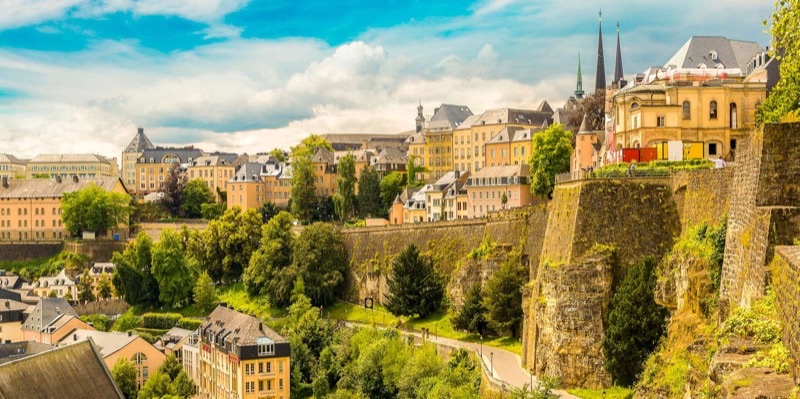
Getting to Luxembourg from major US hubs like New York (JFK/EWR) typically involves direct flights lasting around 7.5 to 8 hours to Luxembourg Airport (LUX). From London, flights are about 1 hour. Once in Luxembourg, moving around is remarkably easy. The entire country's public transport system — buses, trains, and trams — is completely free for everyone, residents and tourists alike. This makes exploring Luxembourg City, Vianden Castle, or the Moselle Valley effortless and cost-free. The capital itself is very walkable, and most major attractions are within easy reach on foot or a short, free tram ride.
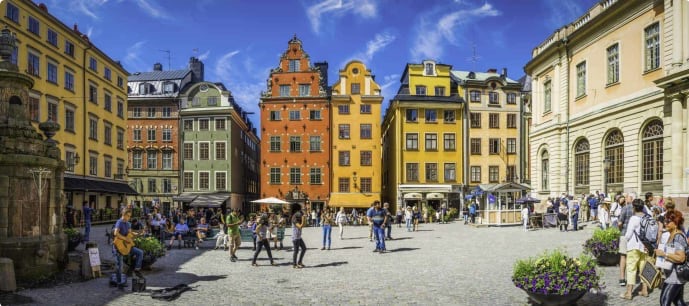
Sweden's main international gateway is Stockholm Arlanda Airport (ARN), with direct flights from New York taking approximately 7.5 to 8 hours. From London, flights are about 2 hours. Moving around Sweden requires more planning due to its size. Public transport in cities like Stockholm and Gothenburg is efficient but requires tickets; a single journey in Stockholm is SEK 42 ($4), and a 72-hour pass is SEK 330 ($31). For intercity travel, SJ trains connect major hubs and are generally reliable, but tickets can be pricey, especially if not booked in advance. Renting a car is often practical for exploring rural areas or the archipelago. While Sweden's infrastructure is good, the sheer distances mean more time and money spent on transit.
Luxembourg wins this category hands down due to its compact size and the unparalleled benefit of free, comprehensive public transport.
- Winner: Luxembourg
- Why: Luxembourg offers free public transport nationwide, making internal travel effortless and inexpensive, combined with a compact geography.
- Who this matters for: Travelers who prioritize convenience, efficiency, and minimal transit costs within their destination.
🏛️ Culture & History
Luxembourg is a country steeped in European history, evident in its capital's Old Quarters and Fortifications, a UNESCO World Heritage site. Visitors can explore the Bock…
Luxembourg
Sweden
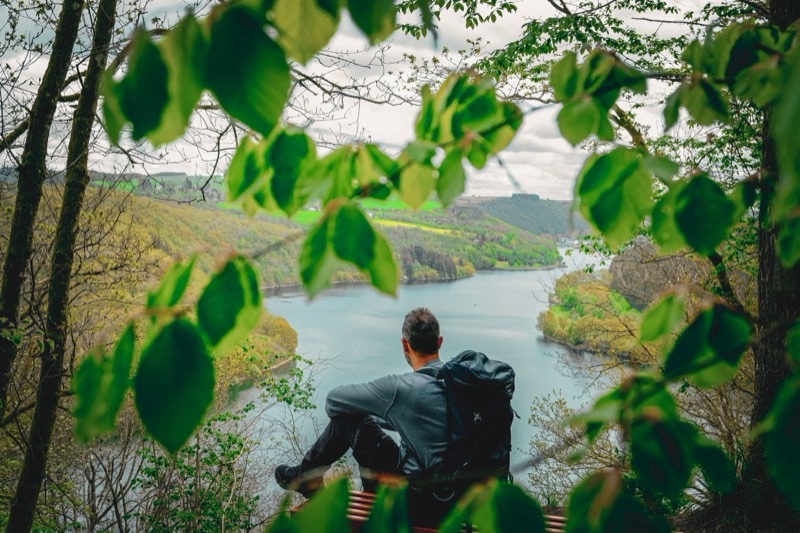
Luxembourg is a country steeped in European history, evident in its capital's Old Quarters and Fortifications, a UNESCO World Heritage site. Visitors can explore the Bock Casemates, the Grand Ducal Palace, and the Notre-Dame Cathedral. The city's history as a fortress 'Gibraltar of the North' is apparent at every turn. Beyond the capital, Vianden Castle is a well-preserved medieval fortress. The Moselle Valley offers a distinct wine-making culture with tastings at vineyards like Domaine Alice Hartmann. Luxembourg's trilingual culture (Luxembourgish, French, German) adds a unique European dimension, though English is widely understood.
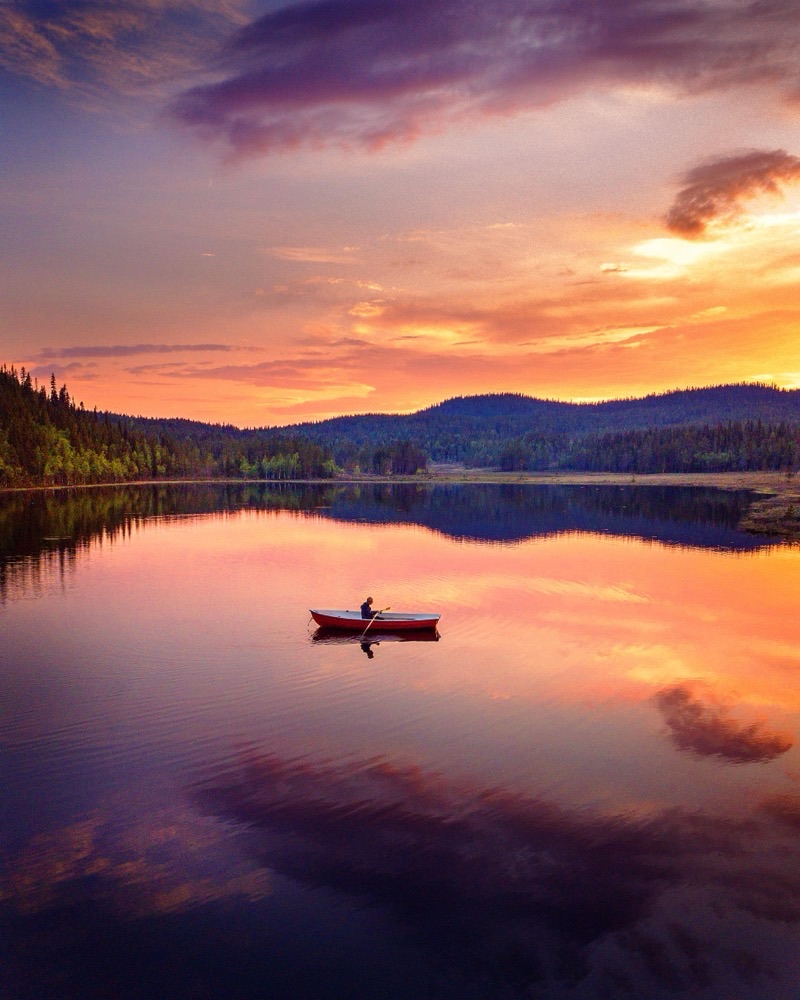
Sweden has a rich historical narrative, from its Viking Age roots to its powerful empire days. Stockholm is home to the Vasa Museum, housing a 17th-century warship, and the Royal Palace, one of Europe's largest. Gamla Stan (Old Town) offers cobblestone streets and medieval buildings. Uppsala boasts a cathedral and ancient burial mounds. Sweden also has a strong contemporary culture, known for its minimalist design, music, and the social tradition of 'fika' (coffee break with pastries). The country's history is well-preserved in numerous museums across its cities. While Luxembourg offers concentrated history, Sweden provides a broader cultural spectrum spanning ancient to modern.
This category is a tie, as both destinations offer compelling and distinct historical and cultural narratives that appeal to different interests.
- Winner: Tie
- Why: Both destinations offer strong, distinct cultural and historical experiences, one compact and multi-layered, the other expansive and diverse.
- Who this matters for: Travelers interested in either medieval European history and fortress architecture or Viking heritage, royal palaces, and modern design.
🏞️ Nature & Outdoors
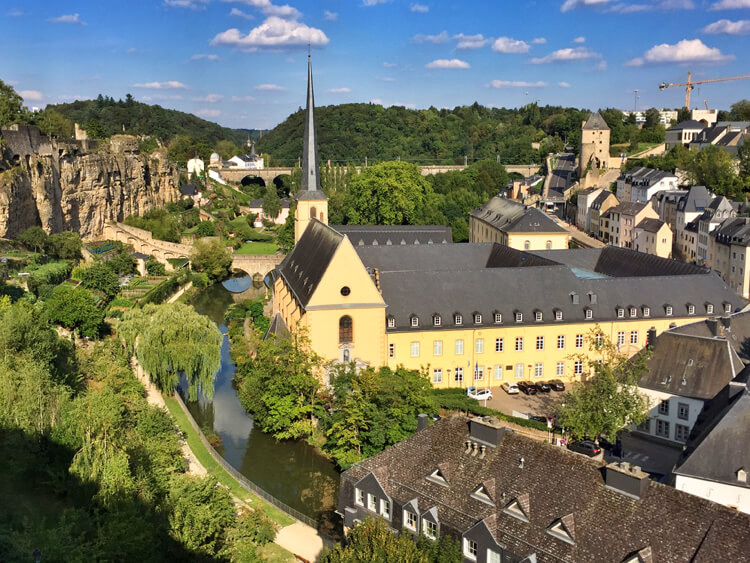
Luxembourg offers concentrated natural beauty. The Mullerthal region, often called 'Little Switzerland,' is a prime example, with its unique sandstone rock formations, dense…
Luxembourg
Sweden
Luxembourg offers concentrated natural beauty. The Mullerthal region, often called 'Little Switzerland,' is a prime example, with its unique sandstone rock formations, dense forests, and numerous hiking trails, such as the Mullerthal Trail. The Moselle Valley presents rolling vineyards and river landscapes, perfect for cycling or gentle walks. While picturesque, Luxembourg's outdoor offerings are on a smaller scale, ideal for day hikes and enjoying serene, managed landscapes. Places like the Upper Sûre Lake are good for watersports in summer, but the overall scope is limited by the country's size.
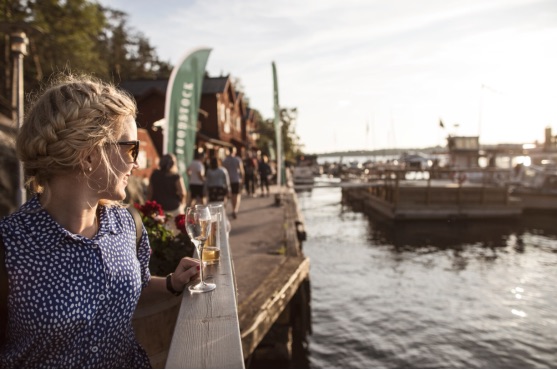
Sweden, in contrast, offers an expansive range of natural environments. From the rugged Stockholm Archipelago with its thousands of islands (easily accessible via ferry) to the deep forests and lakes of central Sweden (like Lake Vättern or Tiveden National Park), and the Arctic landscapes of Swedish Lapland where one can experience the Northern Lights, reindeer, and dog sledding, the diversity is immense. Activities include kayaking, hiking in national parks such as Abisko, skiing, and foraging. The country's 'Allemansrätten' (right of public access) allows for extensive freedom to roam. Sweden's natural attractions require more travel time to access, but the rewards are significant.
Sweden is the clear winner for nature and outdoors, offering a far greater variety and scale of landscapes and activities than Luxembourg.
- Winner: Sweden
- Why: Sweden boasts a vastly more diverse and expansive array of natural landscapes and outdoor activities, from archipelagos to Arctic wilderness.
- Who this matters for: Travelers seeking extensive outdoor adventures, varied natural environments, and specific phenomena like the Northern Lights.
🍽️ Food & Drink
Luxembourg's cuisine reflects its position between France and Germany, featuring hearty dishes with a sophisticated touch. Staples include 'Judd mat Gaardebounen' (smoked pork…

Luxembourg

Sweden
Luxembourg's cuisine reflects its position between France and Germany, featuring hearty dishes with a sophisticated touch. Staples include 'Judd mat Gaardebounen' (smoked pork collar with broad beans), 'Gromperekichelcher' (potato fritters), and 'Bouneschlupp' (green bean soup). Fine dining is prominent, with several Michelin-starred restaurants like Mosconi or Ma Langue Sourit, but these come at a cost. The Moselle Valley is known for its white wines, especially Riesling and Pinot Gris, which are definitely worth sampling at local wineries. While the food is good, the culinary scene is smaller and generally more traditional, with fewer options for diverse international cuisines outside of the capital's expat-focused areas.
Sweden offers a modern Nordic culinary experience alongside traditional dishes. Iconic items include 'köttbullar' (meatballs), 'gravlax' (cured salmon), and a range of herring preparations. The 'fika' tradition with coffee and pastries like 'kanelbullar' (cinnamon buns) is a daily ritual. Stockholm and Gothenburg have dynamic dining scenes with innovative chefs focusing on local, seasonal ingredients, as well as a growing craft beer movement. Fresh seafood is a highlight, especially along the coasts. While not always cheap, there are more casual eateries and food halls, like Hötorgshallen in Stockholm, offering diverse options. Sweden's larger cities provide a broader and more contemporary food experience.
Sweden takes this category for its wider appeal, modern culinary scene, and culturally ingrained food traditions like fika that are more accessible to travelers.
- Winner: Sweden
- Why: Sweden's modern Nordic cuisine, iconic traditional dishes, and pervasive 'fika' culture offer a more broadly appealing and accessible food experience.
- Who this matters for: Food enthusiasts looking for contemporary culinary trends, specific national dishes, and a strong cafe culture.
🌃 Nightlife & Entertainment
Luxembourg City's nightlife is generally more subdued and sophisticated. The Grund district, nestled by the Alzette river, has several pubs and bars where locals and expats…
Luxembourg City's nightlife is generally more subdued and sophisticated. The Grund district, nestled by the Alzette river, has several pubs and bars where locals and expats gather, such as Tube Bar or Scott's Pub. The city center also offers a few wine bars and cocktail lounges. Most places tend to close earlier compared to larger European capitals, typically around 1-2 AM on weekdays and 3 AM on weekends. There are no major clubbing districts; entertainment leans towards relaxed evenings over high-energy parties. For those seeking quiet drinks and conversation, it fits, but for anything more, options are sparse.
Sweden, particularly Stockholm and Gothenburg, offers a far more active and diverse nightlife. Stockholm's Stureplan area is known for its upscale clubs and bars like Spy Bar, while Södermalm has a more bohemian feel with live music venues and pubs. Gamla Stan offers atmospheric pubs. Many establishments stay open until 3-4 AM on weekends. There is a strong craft beer scene and various entertainment options, from concerts at venues like Friends Arena to smaller, intimate gigs. While prices for drinks can be high (a beer often costs SEK 70-90 or $7-8), the sheer volume and variety of options surpass Luxembourg's offerings considerably.
Sweden is the clear winner here, providing a more extensive and varied nightlife and entertainment scene.
- Winner: Sweden
- Why: Sweden's major cities, especially Stockholm, offer a significantly more diverse and active nightlife, with numerous clubs, bars, and entertainment venues.
- Who this matters for: Travelers looking for vibrant evening entertainment, diverse bar scenes, and late-night options.
🏨 Accommodation
Accommodation in Luxembourg, particularly in Luxembourg City, can be expensive and options for budget travelers are limited. There are very few hostels; expect to pay €40-60…
Accommodation in Luxembourg, particularly in Luxembourg City, can be expensive and options for budget travelers are limited. There are very few hostels; expect to pay €40-60 ($45-65) for a dorm bed. Mid-range hotels, like Hotel Simoncini or Hotel Parc Plaza, typically start from €120-180 ($130-195) per night. Luxury options are available, such as Le Place d'Armes. Due to the country's small size, booking in advance is advisable, especially during peak seasons or major European events that might draw visitors. Outside the capital, prices might drop slightly, but the overall trend remains towards higher costs.
Sweden offers a broader range of accommodation types across its diverse regions. In cities like Stockholm and Gothenburg, hostels are common and affordable, with dorm beds starting from SEK 250-400 ($23-37) and private rooms from SEK 700-1200 ($65-110). Mid-range hotels, like the Scandic chain or Comfort Hotel, are plentiful, costing SEK 1200-2000 ($110-185). For unique experiences, Sweden has tree hotels, ice hotels (in Lapland), and numerous lakeside cabins available for rent, especially in rural areas. The sheer volume and variety mean more choice at different price points, though quality tends to be consistently good across the board.
Sweden wins for accommodation due to its wider variety, more budget-friendly options, and unique experiential stays beyond standard hotels.
- Winner: Sweden
- Why: Sweden offers a more diverse range of accommodation, including more budget-friendly hostels and unique experiential stays, across its larger geographical spread.
- Who this matters for: Travelers with varying budgets, from backpackers to those seeking unique lodging experiences.
🗺️ Day Trips & Proximity
Luxembourg's central location in Western Europe makes it an ideal base for numerous international day trips. Travelers can easily take a train to Trier, Germany (30 minutes, free…
Luxembourg's central location in Western Europe makes it an ideal base for numerous international day trips. Travelers can easily take a train to Trier, Germany (30 minutes, free with Luxembourg's public transport), explore Metz, France (1 hour), or visit Bastogne, Belgium (1 hour). These trips are convenient and open up three additional countries for exploration without needing to change hotels. Within Luxembourg, the Moselle Valley for wine tasting, Vianden Castle, and the Mullerthal region for hiking are all easily accessible via the free public transport network, typically within an hour's journey from Luxembourg City. This proximity to multiple cultures is a significant advantage.
Day trips from Sweden's major cities are typically confined to within Sweden itself, or to direct city-to-city ferry/train connections. From Stockholm, popular day trips include the Stockholm Archipelago (numerous islands like Vaxholm, reachable by ferry in 1-2 hours), Sigtuna (Sweden's oldest town, 45 minutes by bus from Arlanda), or Uppsala (historical university city, 40 minutes by train). Cross-border day trips are less common and more time-consuming; a train to Copenhagen, Denmark, takes about 5 hours from Stockholm, making it more than a casual day trip. While Swedish day trips offer local charm and natural escapes, they do not provide the multi-country exploration convenience of Luxembourg.
Luxembourg wins this category due to its unparalleled advantage for quick, easy, and free cross-border day trips to three other countries.
- Winner: Luxembourg
- Why: Luxembourg offers unparalleled access to easy, free, and short cross-border day trips into Germany, France, and Belgium.
- Who this matters for: Travelers who want to maximize their exposure to multiple countries and cultures in a short amount of time.
🛡️ Safety & Travel Ease
Luxembourg is consistently ranked among the safest countries in the world. Crime rates are very low, and travelers can feel secure walking around cities even at night.…
Luxembourg is consistently ranked among the safest countries in the world. Crime rates are very low, and travelers can feel secure walking around cities even at night. Pickpocketing can occur in crowded tourist areas, but it is not a significant concern. The overall ease of travel is high, particularly due to the free public transport which eliminates any confusion or cost associated with tickets. English is widely spoken, alongside French, German, and Luxembourgish, making communication straightforward. Emergency services are reliable. The small size means less navigation stress, and the compact nature of attractions adds to the feeling of safety and control over one's surroundings.
Sweden is also a very safe country with low crime rates. Major cities like Stockholm are safe to explore, though as in any large city, awareness of surroundings is advised in crowded areas or late at night. Swedes are known for their proficiency in English, making communication easy for international visitors. The public transport systems are efficient and reliable, though not free. Road infrastructure is excellent. Emergency services are effective. Both countries are known for their high standards of living and social security, which translates into a relaxed and secure environment for travelers. The main difference in 'ease' might be Sweden's larger distances requiring more planning.
Both Luxembourg and Sweden are exceptionally safe and easy to navigate for travelers, making this category a tie.
- Winner: Tie
- Why: Both countries offer exceptionally high levels of safety, low crime rates, and general ease of travel with excellent infrastructure and widespread English proficiency.
- Who this matters for: All travelers, especially solo travelers or those prioritizing security and stress-free logistics.
🚶♀️ Solo Travel Suitability
Luxembourg is an excellent choice for solo travelers, especially for a shorter trip (3-5 days). Its small size and free public transport mean that a solo traveler can explore the…
Luxembourg is an excellent choice for solo travelers, especially for a shorter trip (3-5 days). Its small size and free public transport mean that a solo traveler can explore the entire country with ease, without worrying about navigation or high transport costs. The capital is walkable, and sights are concentrated, making it simple to plan a solo itinerary. It is very safe, and English is widely spoken, which makes asking for directions or ordering food simple. While it has a quieter nightlife, its numerous cafes and historical sites offer plenty for a solo explorer to enjoy at their own pace. Meeting other travelers might be less common than in larger backpacker hubs, but its safety and efficiency compensate.
Sweden is also highly suitable for solo travelers, particularly for longer trips (7+ days) due to its greater geographical and experiential diversity. Stockholm has a vibrant hostel scene, making it easy to meet other travelers. Its modern cities, access to nature, and many museums provide a wide array of activities for solo exploration. Like Luxembourg, Sweden is very safe, and English is universally spoken, ensuring smooth communication. The efficient public transport, though paid, makes solo navigation straightforward. Solo travelers can easily find quiet natural escapes or immerse themselves in city life, offering more variety for extended stays than Luxembourg.
Both destinations are superb for solo travelers; Luxembourg for its compact efficiency and Sweden for its diverse, expansive offerings, making it a tie.
- Winner: Tie
- Why: Both countries offer high levels of safety, ease of navigation, and a welcoming environment for solo travelers, though with different scales of experience.
- Who this matters for: Solo travelers, whether seeking a short, efficient historical trip or a longer, more varied urban and natural exploration.
🎯 The Decision Framework
Choose Luxembourg If…
- You want to visit 3+ countries easily in one trip (Germany, France, Belgium are 1 hour away).
- You value completely free public transport for all travel within a country.
- You prefer a compact capital city where most attractions are walkable or a short tram ride.
- Your trip duration is 3-5 days, and you want to maximize historical site visits.
- You are interested in medieval castles and fortress history (e.g., Bock Casemates, Vianden Castle).
- You appreciate a quiet, sophisticated atmosphere over a bustling nightlife.
- You are traveling solo and prioritize extreme safety and ease of navigation.
- You enjoy exploring UNESCO World Heritage sites concentrated in a small area.
Choose Sweden If…
- You seek expansive and diverse natural landscapes, from archipelagos to forests.
- You want opportunities to see the Northern Lights (seasonal, regional).
- You are interested in a vibrant modern city experience with a dynamic food and nightlife scene.
- You enjoy traditions like 'fika' and exploring modern Nordic design.
- Your trip duration is 7+ days, allowing for wider exploration.
- You are keen on specific historical sites like Viking heritage or the Vasa Museum.
- You appreciate a good hostel scene and opportunities to meet other travelers.
- You enjoy outdoor activities like kayaking, hiking, or island hopping.
❓ Frequently Asked Questions
What is the typical flight time from the US to Luxembourg versus Sweden?
Direct flights from major US East Coast hubs like New York (JFK/EWR) to Luxembourg (LUX) or Stockholm (ARN) typically take around 7.5 to 8 hours. There isn't a significant difference in flight duration between the two destinations from the US.
Which country is more budget-friendly for food and accommodation?
Both countries are generally expensive. While Luxembourg's free public transport saves money, Sweden offers a broader range of accommodation options, including more hostels, and its supermarkets can sometimes be slightly more affordable. Eating out can be expensive in both, but Sweden offers more casual eateries to balance costs. A moderate daily budget in Sweden might be $85-170, compared to $110-200 in Luxembourg.
Is English widely spoken in both Luxembourg and Sweden?
Yes, English is very widely spoken in both Luxembourg and Sweden. In Luxembourg, while Luxembourgish, French, and German are official languages, nearly everyone working in tourism, hospitality, and younger generations speak proficient English. In Sweden, English proficiency is exceptionally high across all age groups, making communication effortless for travelers.
Which destination is better for nature and outdoor activities?
Sweden is significantly better for nature and outdoor activities due to its sheer scale and diversity. It offers vast forests, thousands of islands in its archipelagos, opportunities to see the Northern Lights in Lapland, and numerous national parks. Luxembourg has appealing natural areas like Mullerthal, but its offerings are more concentrated and smaller in scale.
Can I easily do day trips to other countries from Luxembourg or Sweden?
Luxembourg is exceptional for cross-border day trips. You can reach cities in Germany (e.g., Trier in 30 mins), France (e.g., Metz in 1 hour), and Belgium (e.g., Bastogne in 1 hour) by train, often for free. From Sweden, cross-border day trips are less common due to greater distances; a trip to Copenhagen takes about 5 hours by train.
Which country has a more active nightlife?
Sweden, particularly its major cities like Stockholm and Gothenburg, has a much more active and diverse nightlife compared to Luxembourg. Stockholm offers numerous clubs, bars, and live music venues that stay open late, whereas Luxembourg City's nightlife is generally quieter, focusing on relaxed pubs and wine bars that close earlier.
What are the must-try local dishes in each country?
In Luxembourg, try 'Judd mat Gaardebounen' (smoked pork collar with broad beans), 'Gromperekichelcher' (potato fritters), and local Moselle wines. In Sweden, you must try 'köttbullar' (meatballs), 'gravlax' (cured salmon), and definitely experience 'fika' with a 'kanelbulle' (cinnamon bun).
Is public transport free in either country?
Yes, public transport is completely free throughout all of Luxembourg for everyone, including tourists. This applies to buses, trains, and trams across the entire country. In Sweden, public transport is efficient but requires payment; for example, a single adult ticket in Stockholm costs SEK 42 ($4).
Ready to plan your European trip?
Get a free custom itinerary for Luxembourg, Sweden, or both — built from real traveler insights.
🎟️ Book Tours & Experiences
Hand-picked tours and activities for both destinations — book with free cancellation
Experiences via Viator — free cancellation on most tours