How we built this comparison
This page combines traveler discussion patterns, published price ranges, flight schedules, and seasonal data to help you decide between Luxor and Petra.
- Reviewed 50+ Reddit threads from r/travel, r/solotravel, r/Egypt, r/Jordan, r/backpacking, and r/AskHistorians for traveler sentiment and logistics.
- Verified costs and logistics against current booking platforms (Booking.com, Skyscanner, JETT Bus, official government tourism sites for entry fees) for accuracy.
- Cross-referenced seasonal patterns and weather data from meteorological sources to provide accurate 'best time to visit' advice.
⚡ The TL;DR Verdict
For those seeking an unparalleled deep dive into ancient civilization on a tighter budget, Luxor is your champion. If you prioritize stunning natural landscapes fused with unique history and a more relaxed, hassle-free experience, Petra shines. Travelers with a generous budget and more time should absolutely consider both for an epic MENA adventure, spending at least 3-4 days in each region.
- Choose Luxor: Pick Luxor if you're a history buff obsessed with Ancient Egypt, want to see colossal temples and tombs, and are looking for a more budget-friendly trip where every dollar stretches further. Ideal for those who don't mind a bit of hustle.
- Choose Petra: Choose Petra if you're drawn to breathtaking natural landscapes intertwined with unique history, prefer a more serene and less-hassled travel experience, and can afford a slightly higher daily budget. Perfect for hikers and photographers.
- Choose Both: Combine both if you have 8-10+ days, a flexible budget, and a passion for ancient wonders. Start in Cairo/Luxor for Egypt, then fly to Amman for Jordan (Petra, Wadi Rum). This offers a comprehensive view of regional history and culture.
Quick Comparison
| Category | Luxor | Petra | Winner |
|---|---|---|---|
| Culture & History | Unrivaled scale of Ancient Egyptian monuments; Valley of the Kings, Karnak, Luxor Temple. | Unique Nabataean rock-cut architecture, iconic Treasury and Monastery, rich Silk Road history. | Luxor |
| Costs & Budget | Significantly more affordable for accommodation, food, and local transport. | Generally more expensive across the board, especially the Petra entrance fee. | Luxor |
| Getting There & Logistics | Fly into Luxor (LXR) via Cairo (CAI) or take an overnight train. | Fly into Amman (AMM), then a 3-4 hour bus/car ride to Petra. | Tie |
| Getting Around (Local) | Taxis, calèches, feluccas on the Nile, walking on East Bank, organized tours for West Bank. | Primarily walking within the vast Petra site; taxis/vans in Wadi Musa; donkeys/camels inside. | Tie |
| Accommodation | Wide range from budget guesthouses on West Bank to iconic luxury hotels. | Good range of hotels in Wadi Musa, but generally pricier and fewer high-end options. | Luxor |
| Food Scene | Authentic Egyptian cuisine, abundant street food, fresh Nile fish, very affordable. | Delicious Levantine/Bedouin cuisine, mansaf, kanafeh, fresh salads, generally pricier. | Tie |
| Safety & Vibe | Generally safe in tourist areas, but persistent touting can be overwhelming. | Very safe and welcoming, less aggressive touting, relaxed atmosphere. | Petra |
| Day Trips & Beyond | Hot air ballooning, Abydos, Dendera, Nile cruises to Aswan/Edfu/Kom Ombo. | Wadi Rum desert expedition (must-do!), Little Petra, Dana Biosphere Reserve. | Petra |
| Nature & Landscape | Nile River, agricultural fields, distant desert, iconic hot air balloon views. | Dramatic rose-red sandstone mountains, narrow Siq canyon, vast desert vistas. | Petra |
| Weather & Best Seasons | Hot, dry desert climate; mild winters, scorching summers. | Hot, dry desert climate; cool to cold winters, very hot summers. | Tie |
🏛️ Culture & History
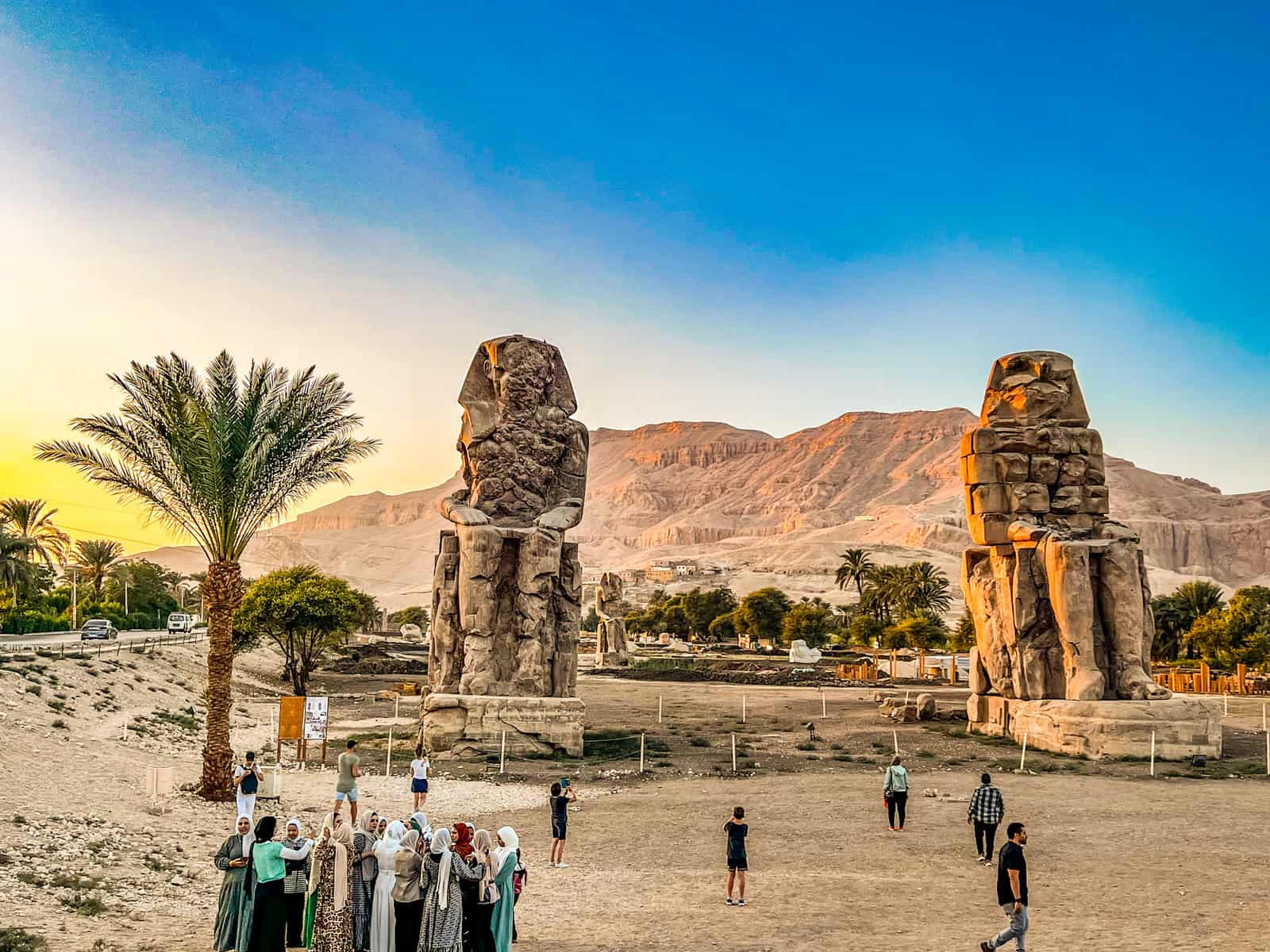
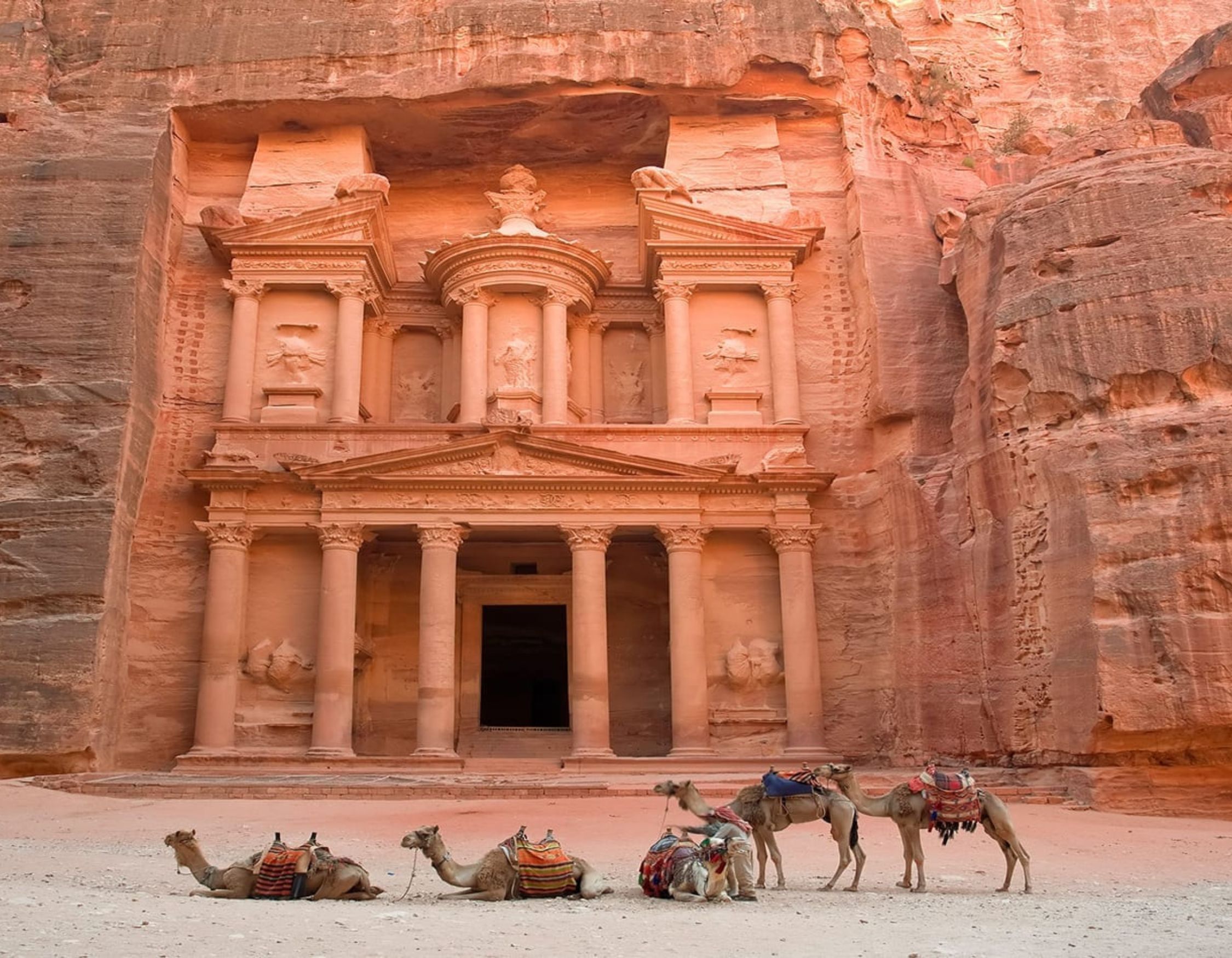
Luxor is simply unmatched for the sheer scale and volume of ancient Egyptian history. You're walking through millennia-old complexes like Karnak Temple, a sprawling 'city of gods' that takes a full day to explore (entry ~240 EGP / $8 USD), or the Valley of the Kings (entry ~360 EGP / $12 USD, includes 3 tombs, extra for Tutankhamun's). Every corner reveals another pharaoh, another hieroglyph, another story. The sense of grandeur and antiquity is overwhelming. Petra, while incredibly unique with its Nabataean rock-cut architecture like the iconic Treasury (Al-Khazneh) and the Monastery, offers a different historical narrative – a lost city, a trade hub, a blend of Eastern and Hellenistic influences. It's stunning, but the scope of *human-made* structures isn't as vast as Luxor's. Luxor feels like the heart of an ancient empire; Petra feels like a miraculous, hidden gem. "Luxor just hits different with how massive everything is. Petra is beautiful but Luxor is literally overwhelming in the best way." The history in Luxor is almost tangible, from the Luxor Museum to the Mummification Museum, offering layers upon layers of insight.
Winner takeaway
- Winner: Luxor
- Why: Luxor wins for the sheer monumental scale, volume, and immersive depth of its ancient Egyptian history.
- Who this matters for: Serious history buffs, archaeologists-at-heart, and those seeking awe-inspiring ancient grandeur.
💰 Costs & Budget
When it comes to stretching your travel budget, Luxor is a clear winner. Egypt, in general, is a very affordable destination for Western travelers due to favorable exchange rates (EGP to USD). You can find clean, comfortable guesthouses on the West Bank for as little as 300-600 EGP ($10-20 USD) per night, and a hearty local meal (like koshary or falafel) can be had for 50-100 EGP ($1.50-3 USD). A typical daily budget for a comfortable backpacker might be around $40-60 USD, including entrance fees and transport. Petra, on the other hand, is in Jordan, which has a higher cost of living. The main entry ticket to Petra for a single day is 50 JOD ($70 USD) if you stay overnight in Jordan, or 90 JOD ($127 USD) if you're just doing a day trip without an overnight stay (which is not recommended). Accommodation in Wadi Musa (the town next to Petra) starts around 30-50 JOD ($40-70 USD) for basic hotels, and meals can range from 10-20 JOD ($14-28 USD). "My Egypt trip cost literally half of what Jordan did, mostly because of Petra entry and how much more hotels were in Wadi Musa." A comfortable daily budget for Petra would likely be closer to $100-150 USD, making Luxor the undisputed king of affordability.
Winner takeaway
- Winner: Luxor
- Why: Luxor offers a significantly lower cost of living, accommodation, food, and transport, making it far more budget-friendly.
- Who this matters for: Budget travelers, backpackers, and anyone looking to maximize their travel duration without breaking the bank.
✈️ Getting There & Logistics
Both destinations require some logistical planning, making this category a tie. For Luxor, most international travelers fly into Cairo (CAI) and then take a domestic flight to Luxor International Airport (LXR), which is about a 1-hour flight. Alternatively, the overnight sleeper train from Cairo to Luxor is a classic experience (starting from ~80 USD for a foreign tourist, though local trains are much cheaper but less comfortable). The airport is close to the city, making transfers easy. For Petra, you'll typically fly into Queen Alia International Airport (AMM) near Amman, Jordan. From Amman, it's about a 3-4 hour bus ride (JETT Bus costs around 11 JOD / $15 USD one-way) or a private taxi (~80-100 JOD / $110-140 USD) to Wadi Musa, the town adjacent to Petra. There are also smaller airports in Aqaba (AQJ) which are closer, but fewer international connections. Both countries require visas (Egypt often eVisa or VOA, Jordan typically VOA or Jordan Pass). "Getting to Luxor from Cairo was a breeze on that sleeper train, surprisingly comfortable. Petra was a bit more of a trek from Amman but the JETT bus was perfectly fine." The complexity for both largely depends on your starting point and desired comfort level, balancing out their specific challenges.
Winner takeaway
- Winner: Tie
- Why: Both destinations require a domestic connection or significant ground transport after an international flight, leading to similar logistical efforts.
- Who this matters for: Travelers who prioritize ease of access and minimal transit time; neither destination is a simple 'fly-in, step out' affair.
🚶 Getting Around (Local)
Luxor offers a more diverse range of local transport options. On the East Bank, Luxor Temple and Luxor Museum are walkable, but for Karnak Temple or longer distances, you'll use taxis (~50-100 EGP / $1.50-3 USD within East Bank) or iconic calèches (horse-drawn carriages, haggle hard!). To cross to the West Bank for the Valley of the Kings, Hatshepsut, etc., you'll take a ferry (5 EGP / $0.15 USD) then hire a taxi for the day (~300-500 EGP / $10-17 USD). A felucca ride on the Nile at sunset is a must-do (~200-300 EGP / $7-10 USD per hour). Petra, by contrast, is mostly explored on foot. The site itself is enormous – from the Visitor Center to the Treasury is about 2km, and to the Monastery is another 800 steps up! You will walk *a lot*. Inside Petra, you can hire donkeys, camels, or horse-drawn carts (negotiate prices heavily, often 15-30 JOD / $20-40 USD, but be mindful of animal welfare). "I walked 25,000 steps in Petra easily, my legs were DONE. Luxor had more options like the felucca and just chilling in a cab." In Wadi Musa, taxis are the main way to get around. Both offer unique ways to experience the sites, catering to different preferences for active exploration versus varied local transport.
Winner takeaway
- Winner: Tie
- Why: Both destinations offer distinct and effective modes of local transport that are integral to the experience, appealing to different travel styles.
- Who this matters for: Anyone who wants to immerse themselves in the local transport culture, whether it's active hiking or traditional rides.
🏨 Accommodation
Luxor boasts a fantastic range of accommodation options that cater to every budget and style. On the West Bank, you can find charming, authentic guesthouses like the Nour el Balad or El Goun Hotel, often with stunning rooftop views of the Nile and surrounding fields, for $20-50 USD/night. These offer a more local, peaceful vibe. For luxury, the historic Sofitel Winter Palace on the East Bank (often $200-400+ USD/night) is an experience in itself, with its colonial charm and Nile views. Mid-range hotels are plentiful. Petra (Wadi Musa) also has a good selection, but they tend to be pricier for what you get. Budget hotels start around $40-70 USD/night for something basic like Petra Gate Hotel, while mid-range options like the Petra Guest House (right at the entrance) or Mövenpick Resort Petra are $150-300+ USD/night. "Finding a clean, cheap guesthouse with amazing food on the Luxor West Bank was so easy. Petra felt like I was paying double for the same standard." There are fewer truly luxury, iconic properties in Wadi Musa compared to Luxor. The options are solid, but Luxor edges it out for variety, value, and unique experiences (like staying in a restored traditional house).
Winner takeaway
- Winner: Luxor
- Why: Luxor provides a broader spectrum of accommodation options, from incredibly charming budget guesthouses to iconic luxury hotels, offering better value.
- Who this matters for: Travelers across all budget ranges, from backpackers seeking local charm to those desiring historical luxury.
🍽️ Food Scene
Both Luxor and Petra offer incredible culinary experiences, though distinct in flavor and price. Luxor's food scene is classic Egyptian: hearty, flavorful, and incredibly affordable. You'll find ubiquitous falafel (ta'ameya) sandwiches for pennies, rich koshary (lentils, rice, pasta, chickpeas) at places like El Naguib, and delicious grilled pigeon or fresh Nile fish at local restaurants (e.g., Ganet El Hob Restaurant). Don't miss out on molokhia or mahshi. Street food is king here, and you can eat like royalty for $5-10 USD a day. Petra (Wadi Musa), on the other hand, specializes in Jordanian and Bedouin cuisine. The national dish, mansaf (lamb cooked in fermented dried yogurt sauce served with rice), is a must-try at places like The Petra Kitchen (which also offers cooking classes). Other highlights include maklouba, fresh hummus, mutabal, and the sweet cheese pastry kanafeh. While delicious, prices are higher; a good meal can easily cost 10-25 JOD ($14-35 USD). "The street food in Luxor was insane, so cheap and tasty. But that mansaf in Wadi Musa? Unforgettable." Both satisfy different palates and budgets, making it a fair tie based on preference.
Winner takeaway
- Winner: Tie
- Why: Both destinations offer authentic, delicious local cuisines that are central to the travel experience, catering to different tastes and budgets.
- Who this matters for: Foodies who love to explore local flavors, whether on a budget or looking for unique culinary experiences.
🛡️ Safety & Vibe
Petra (Jordan) generally offers a much more relaxed and hassle-free experience when it comes to safety and local interactions. Jordan is known for its stability and welcoming people. While there are still vendors within Petra, they are typically less aggressive than in Egypt. Solo travelers, especially women, often report feeling very safe and respected. Wadi Musa is a peaceful town, and crime rates are low. "I felt so much more relaxed in Jordan, people were just genuinely friendly without trying to sell you something every two minutes." Luxor, while generally safe in terms of serious crime within the main tourist areas, is famous for its persistent touting and aggressive sales tactics, particularly around temples and the souk. This can be exhausting and detract from the experience for some, especially solo female travelers who may face more unwanted attention. While locals are often very kind and hospitable, navigating the constant solicitations for taxis, feluccas, and souvenirs requires patience and a firm 'no, thank you.' This constant vigilance can impact the overall relaxed vibe of a trip.
Winner takeaway
- Winner: Petra
- Why: Petra offers a more serene and less-hassled travel environment, with significantly less aggressive touting and a generally more relaxed atmosphere.
- Who this matters for: Solo travelers, first-time international travelers, and anyone who prefers a tranquil, low-stress environment.
🗺️ Day Trips & Beyond
Petra wins this category primarily because of its proximity to Wadi Rum, a truly world-class desert landscape that complements the historical wonder of Petra perfectly. A 1-2 night stay in a Bedouin camp in Wadi Rum, with jeep tours, camel rides, and stargazing, is an unforgettable experience (a 2-day/1-night tour often costs around 70-120 JOD / $100-170 USD per person, including meals). Little Petra, just a short drive away, is also a fascinating smaller Nabataean site. "Wadi Rum after Petra was just mind-blowing, the desert camping was an absolute highlight of my whole trip." Luxor offers excellent day trips too, including hot air balloon rides over the West Bank at sunrise (~$100-150 USD) which are spectacular. Further afield, full-day trips to the temples of Abydos and Dendera (north of Luxor, ~3-4 hours drive) reveal incredibly well-preserved and colored reliefs (private car ~800-1200 EGP / $27-40 USD). Nile cruises are also a popular way to see Edfu, Kom Ombo, and Aswan over several days. While Luxor's options are fantastic for history, Wadi Rum offers a dramatic change of scenery and a unique cultural experience that few places can match, making Petra's surrounding region more diverse and compelling for multi-day exploration.
Winner takeaway
- Winner: Petra
- Why: Petra's proximity to Wadi Rum offers a uniquely stunning and complementary natural and cultural experience that enhances the overall trip beyond the main site.
- Who this matters for: Adventure seekers, nature lovers, photographers, and those who enjoy diverse landscapes beyond ancient ruins.
⛰️ Nature & Landscape
Petra is an absolute marvel of natural beauty, with its ancient city carved directly into incredible rose-red sandstone mountains. The entry through the narrow, winding Siq (a natural gorge) is an experience in itself, revealing glimpses of the Treasury as you approach. The entire site is a testament to the power of nature and human ingenuity blending seamlessly. The vibrant colors of the rock formations, especially at sunrise or sunset, are simply breathtaking. Beyond Petra, the nearby Wadi Rum desert, with its towering jebels, vast sand dunes, and unique rock bridges, is an otherworldly landscape that solidifies Jordan's win in this category. "Walking through the Siq, then seeing the Treasury just appear, it's a moment I'll never forget. And Wadi Rum after that? Unreal." Luxor, while stunning in its own right with the life-giving Nile River flowing through lush agricultural fields, framed by the distant desert, doesn't offer the same dramatic, geological spectacle. The iconic hot air balloon rides do provide an incredible aerial view of the Nile and the desert edge, but the landscape itself isn't as intrinsically awe-inspiring or varied as Petra's mountainous desert environment.
Winner takeaway
- Winner: Petra
- Why: Petra is embedded within and defined by its dramatic, colorful sandstone mountains and canyons, complemented by the spectacular Wadi Rum desert nearby.
- Who this matters for: Nature photographers, hikers, geologists, and anyone who appreciates stunning natural wonders alongside historical sites.
☀️ Weather & Best Seasons
Both Luxor and Petra share a similar desert climate, meaning the best times to visit largely overlap, making this a tie. The shoulder seasons (March-May and September-November) offer the most pleasant weather, with warm days (25-35°C / 77-95°F) and cooler evenings. Winters (December-February) are generally mild and sunny, with daytime temperatures around 15-25°C (59-77°F), but nights can be quite cool, especially in Petra which is at a higher elevation (temperatures can drop near freezing, with occasional rain or even snow). Summers (June-August) are brutally hot in both locations, often exceeding 40°C (104°F), making daytime exploration challenging and uncomfortable. "I went to Luxor in July once, never again. It felt like walking into an oven. Petra in April was perfect though." While Luxor might feel marginally hotter due to its lower elevation, the overall recommendation for both is to avoid the peak summer months. Planning for spring or fall will ensure comfortable conditions for extensive outdoor exploration, which is crucial for both destinations.
Winner takeaway
- Winner: Tie
- Why: Both destinations share similar desert climates with optimal travel windows in spring and fall, and challenging extreme heat in summer.
- Who this matters for: Everyone! Weather significantly impacts the enjoyment of these outdoor-heavy destinations, making season choice critical for all travelers.
❓ Frequently Asked Questions
How many days do I need for Luxor vs Petra?
For Luxor, dedicate at least 3 full days to cover the main temples (Karnak, Luxor Temple), the West Bank sites (Valley of the Kings, Hatshepsut), and maybe a hot air balloon ride. Petra requires at least 2 full days to explore the vast site thoroughly, including the Treasury, Monastery, and various trails, plus an optional day for Wadi Rum.
Is it safe for solo female travelers in Luxor or Petra?
Petra and Jordan are generally considered very safe for solo female travelers, with a welcoming atmosphere and minimal hassle. Luxor and Egypt are safe in terms of serious crime, but solo female travelers may experience persistent verbal harassment and aggressive touting, requiring a firmer attitude and heightened awareness.
What's the visa situation for US/UK citizens?
For Egypt, US/UK citizens can obtain a Visa on Arrival (VOA) at the airport for $25 USD, or apply for an e-Visa online beforehand. For Jordan, US/UK citizens can also get a VOA, but buying the Jordan Pass (starting ~70 JOD / $99 USD) before arrival is highly recommended, as it waives the visa fee and includes entry to Petra and many other sites.
Can I combine Luxor and Petra into one trip?
Absolutely! It's a fantastic combination. You'd typically fly from Luxor (LXR) to Cairo (CAI), then from Cairo (CAI) to Amman (AMM). Or, for a more direct but less common route, fly from Cairo to Aqaba (AQJ) then take a taxi to Petra. Allow at least 8-10 days for a comfortable itinerary visiting both major sites and their surroundings.
Which destination is better for photography?
Both offer incredible photographic opportunities. Petra, with its dramatic sandstone canyons, unique rock-cut facades, and the golden hour light, is arguably more visually dynamic and unique for landscape and architectural photography. Luxor offers grand scale and historical detail, perfect for wide-angle and close-up shots of hieroglyphs, but the natural setting isn't as striking.
What should I wear in Luxor and Petra?
Both are conservative countries. Dress modestly in both, covering shoulders and knees out of respect. Lightweight, breathable fabrics are best. Comfortable walking shoes are essential for both, especially Petra where you'll walk miles. A hat, sunglasses, and sunscreen are crucial due to intense sun.
Are tour guides necessary for these sites?
While not strictly 'necessary' as you can explore independently, a good guide significantly enhances the experience in both locations. They provide invaluable historical context, local insights, and help navigate. For Luxor, consider hiring a guide for the Valley of the Kings and Karnak. For Petra, a guide for the initial Siq and Treasury can be beneficial, but much of the site can be explored on your own.
Is bargaining common in Luxor or Petra?
Bargaining is an absolute must in Luxor, especially for taxis, calèches, souvenirs, and anything not explicitly priced. Be prepared to haggle firmly but politely. In Petra (Wadi Musa), bargaining is less prevalent for official services and restaurant meals, but still expected for souvenirs from vendors inside the site or for donkey/camel rides.
Ready to plan your Middle East & North Africa trip?
Get a free custom itinerary for Luxor, Petra, or both — built from real traveler insights.
🎟️ Book Tours & Experiences
Hand-picked tours and activities for both destinations — book with free cancellation
Experiences via Viator — free cancellation on most tours