How we built this comparison
This page combines traveler discussion patterns, published price ranges, flight schedules, and seasonal data to help you decide between Madagascar and Morocco.
- Reviewed 500+ Reddit threads from r/travel, r/solotravel, r/Morocco, r/Madagascar, r/AfricaTravel.
- Verified costs and logistics against current booking platforms like Google Flights, Booking.com, and local tour operators.
- Cross-referenced seasonal patterns and weather data from meteorological sources.
⚡ Quick Answers
⚡ The TL;DR Verdict
For budget-conscious adventurers prioritizing wildlife and untamed landscapes, Madagascar offers deeper immersion. Travelers seeking established infrastructure, diverse history, and culinary exploration should pick Morocco. Most travelers will find Morocco an easier entry point to Africa, with a daily budget around $70-120.
- Choose Madagascar: You prioritize unique biodiversity, rugged exploration, and a truly off-grid experience, accepting slower travel and basic amenities.
- Choose Morocco: You prefer well-trodden cultural routes, diverse historical cities, desert experiences, and a more developed tourism infrastructure with varied accommodation and food options.
- Choose Both: Travelers with at least 5-6 weeks and a significant budget can combine both, starting with Morocco for cultural depth then flying to Madagascar for its natural wonders.
Choose Madagascar
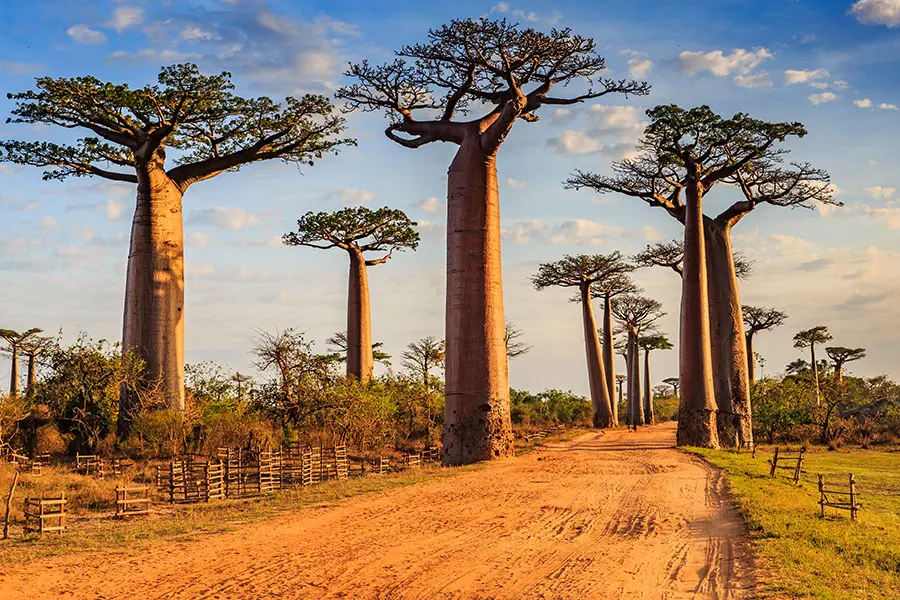
Choose Madagascar if you dream of tracking lemurs through ancient forests and exploring other-worldly baobab avenues, embracing a truly wild, off-grid adventure. This destination is best for intrepid travelers seeking unparalleled biodiversity and a profound connection with nature, willing to accept slower travel and simpler accommodations for an unforgettable, budget-friendly experience.
Choose Morocco
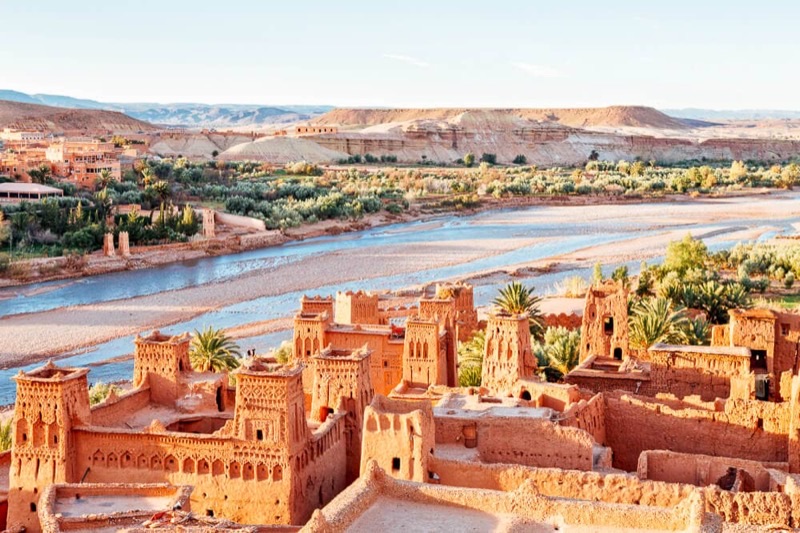
Opt for Morocco if you crave sensory overload in bustling souks, exploring ancient medinas like Fes, or sleeping under a blanket of stars in the Sahara. It's ideal for culture-rich explorers and foodies who appreciate well-developed tourism infrastructure, varied accommodations like riads, and a seamless entry into a captivating North African adventure, with daily budgets around $70-120.
📊 Visual Scorecard
🌤 When to Visit
Average high temperatures (°C). Green = best months, orange = avoid.
Quick Comparison
| Category | Madagascar | Morocco | Winner |
|---|---|---|---|
| Nature & Wildlife | Unrivaled biodiversity with lemurs, baobabs, chameleons. Focus on national parks and remote reserves. | Diverse landscapes including Atlas Mountains, Sahara Desert, Atlantic coast. Fewer endemic species. | Madagascar |
| Culture & History | Melding of African, Southeast Asian, and French influences. Focus on local traditions, royal history. | Ancient imperial cities, Berber traditions, Islamic architecture, Roman ruins. Deep historical roots. | Morocco |
| Costs & Budget | Generally cheaper for local goods and food, but internal transport and guided tours can be costly due to infrastructure. | Mid-range pricing, good value for money, easy to find budget options in cities. Transport is efficient and affordable. | Morocco |
| Getting There & Around | Longer, more expensive international flights. Internal travel dominated by slow taxi-brousses or costly domestic flights. | Easily accessible from Europe and North America. Excellent train and bus network for internal travel. | Morocco |
| Beaches & Coastline | Untouched, often remote beaches with clear waters, coral reefs, and good for snorkeling/diving. Ile Sainte Marie, Nosy Be. | Atlantic and Mediterranean coasts, popular surf spots, fishing towns. Essaouira, Agadir. | Madagascar |
| Food & Drink | Rice-based cuisine, zebu meat, seafood. Simple, fresh ingredients, less spice. Rum is common. | Flavorful, aromatic cuisine with tagines, couscous, pastries. Mint tea is a cultural staple. Alcoholic options in tourist areas. | Morocco |
| Safety & Health | Higher risks for petty crime, road safety, and health concerns like malaria. Requires careful planning and precautions. | Generally safer for tourists, but petty crime is common in crowded areas. Good access to medical care in major cities. | Morocco |
| Accommodation | Basic lodges and guesthouses are common outside of major cities. Limited luxury options. | Wide range from budget hostels to boutique riads and luxury hotels. Good value for money. | Morocco |
| Solo Travel | Challenging for solo travelers due to transport, language barriers, and safety concerns. Group tours often recommended. | Relatively straightforward for solo travelers with good infrastructure and established tourist routes. Some harassment for women. | Morocco |
| Overall Experience | A raw, adventurous journey into unique nature, requiring patience and adaptability. Less polished, more authentic. | A well-rounded, culturally rich experience with diverse landscapes, good food, and comfortable travel. More polished. | Morocco |
🌿 Nature & Wildlife
Madagascar is an ecological marvel, home to thousands of species not found anywhere else. Travelers come specifically for the lemurs in Isalo National Park or Andasibe-Mantadia…
Madagascar
Morocco
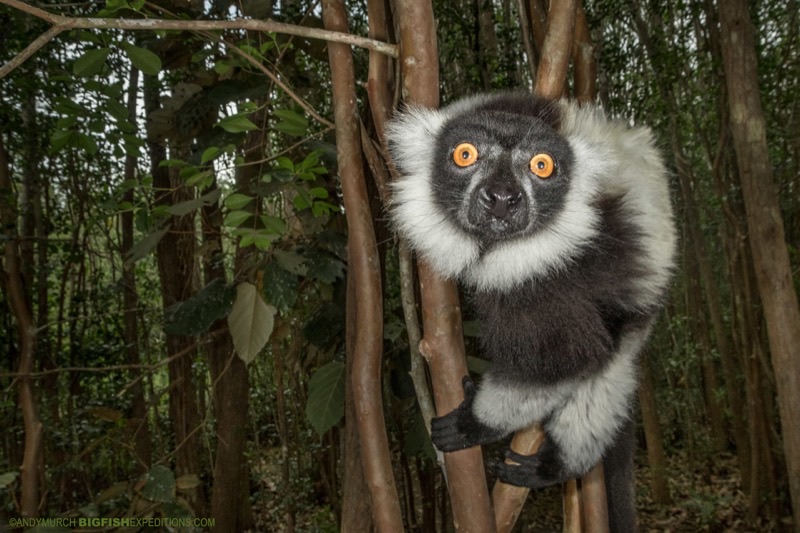
Madagascar is an ecological marvel, home to thousands of species not found anywhere else. Travelers come specifically for the lemurs in Isalo National Park or Andasibe-Mantadia National Park, the baobab avenues near Morondava, and the spiny forests of the south. Permits for national parks average MGA 45,000-65,000 (around $10-15) per person per day, plus mandatory guide fees which are typically MGA 80,000-150,000 (around $18-35) for a half or full day. Activities are focused on treks, boat trips, and night walks to spot nocturnal animals. The infrastructure around parks is often basic, with simple lodges and limited facilities, but the payoff is direct access to truly unique ecosystems.
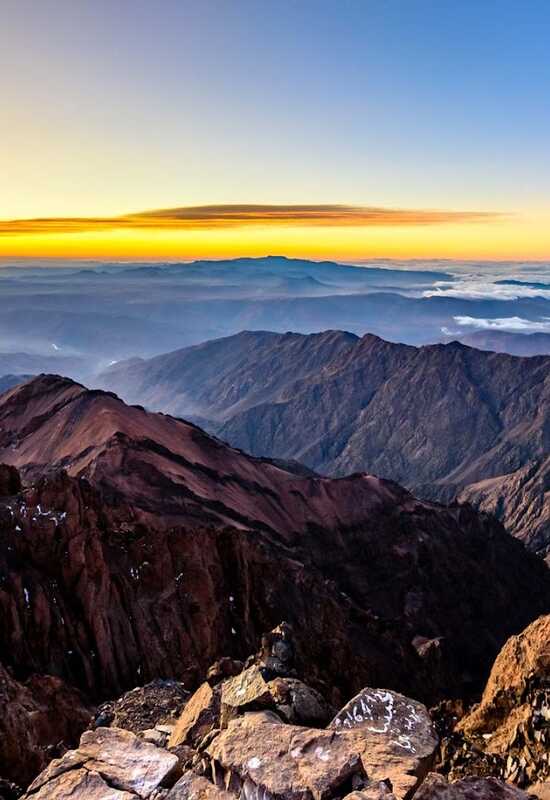
Morocco offers dramatic landscapes from the snow-capped Atlas Mountains to the rolling dunes of the Sahara Desert. Excursions to the Sahara, often from Marrakech or Fes, involve camel treks and overnight stays in desert camps, costing around MAD 1000-3000 (around $100-300) for a 2-3 day trip. The Dades Valley and Todra Gorge offer impressive geological formations and hiking opportunities. While Morocco has varied flora and fauna, it lacks the high endemism of Madagascar. For example, Barbary macaques can be seen in the cedar forests near Ifrane, but the focus is more on grand scenery than specific animal spotting. The tabiji verdict: Madagascar is the undisputed winner for wildlife enthusiasts seeking truly unique natural encounters.
- Winner: Madagascar
- Why: Madagascar possesses a biodiversity found nowhere else on Earth, making it a primary draw for nature lovers.
- Who this matters for: Wildlife photographers, zoologists, hikers, and those prioritizing unique natural experiences above all else.
🕌 Culture & History
Madagascar's culture is a blend of its diverse origins, with influences from Southeast Asia, East Africa, and French colonialism. The Malagasy people have strong ancestor worship…
Madagascar
Morocco
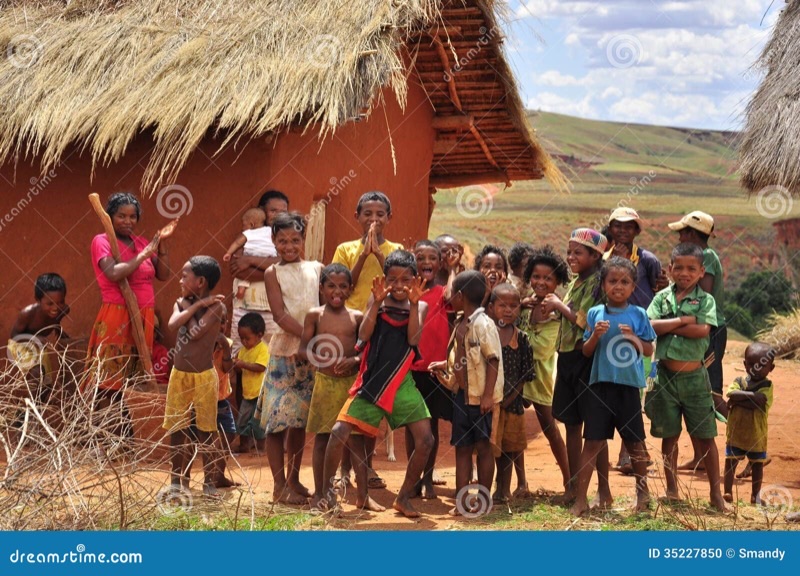
Madagascar's culture is a blend of its diverse origins, with influences from Southeast Asia, East Africa, and French colonialism. The Malagasy people have strong ancestor worship traditions, visible in ceremonies like the Famadihana (turning of the bones). The former royal palaces in Antananarivo, like Rova of Antananarivo, offer glimpses into its monarchical past. Local markets, called Zoma, provide insights into daily life. Visitors might encounter traditional music, dance, and handicrafts. Cultural interactions tend to be more personal and less structured for tourists, often happening organically through local guides or village stays. There are fewer grand historical sites compared to Morocco, with a focus on living traditions and community interactions.
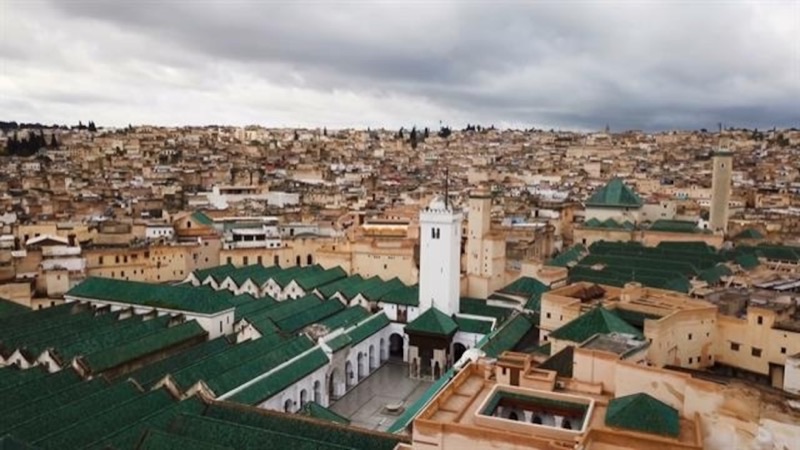
Morocco boasts a deep history with four imperial cities: Fes, Marrakech, Meknes, and Rabat. Fes el-Bali, with its medieval medina, tanneries, and artisan workshops, is a profound historical experience. Marrakech’s Djemaa el-Fna square comes alive nightly with storytellers, musicians, and food stalls. Roman ruins at Volubilis showcase a different layer of Morocco’s past, with entrance fees around MAD 70 ($7). Traditional hammams, cooking classes (MAD 500-800 or $50-80), and exploring the souks are core cultural activities. The countrys Islamic architecture, particularly the Hassan II Mosque in Casablanca (entrance MAD 130 or $13), is another highlight. Moroccan culture is more overtly presented and accessible to tourists, with guides readily available to explain historical contexts. The tabiji verdict: Morocco wins for travelers prioritizing ancient history, diverse cultural experiences, and architectural wonders.
- Winner: Morocco
- Why: Morocco offers a more extensive and accessible collection of ancient cities, historical sites, and cultural practices.
- Who this matters for: History buffs, architecture admirers, city explorers, and those interested in Islamic and North African heritage.
💰 Costs & Budget
Madagascar can be a surprisingly budget-friendly destination for daily expenses like food and basic accommodation. A local meal (e.g., street food or small restaurant) costs MGA…
Madagascar
Morocco
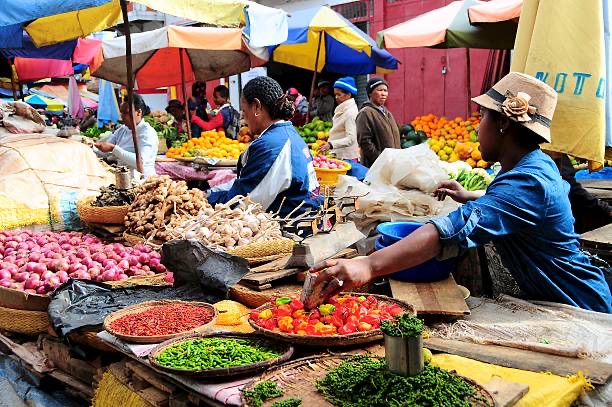
Madagascar can be a surprisingly budget-friendly destination for daily expenses like food and basic accommodation. A local meal (e.g., street food or small restaurant) costs MGA 10,000-20,000 (around $2.50-5), and simple guesthouses are MGA 80,000-150,000 (around $20-35) per night. However, the costs accumulate quickly for internal flights, which are often necessary to cover distances, and mandatory guides for national parks. A domestic flight from Antananarivo to Morondava can be MGA 600,000-1,000,000 (around $130-230) one way. Overland travel by taxi-brousse is cheap (MGA 30,000-80,000 for long distances, $7-18) but incredibly slow and uncomfortable. A good daily budget for mid-range travel is $40-80, but this can easily double with multiple domestic flights and private transfers.
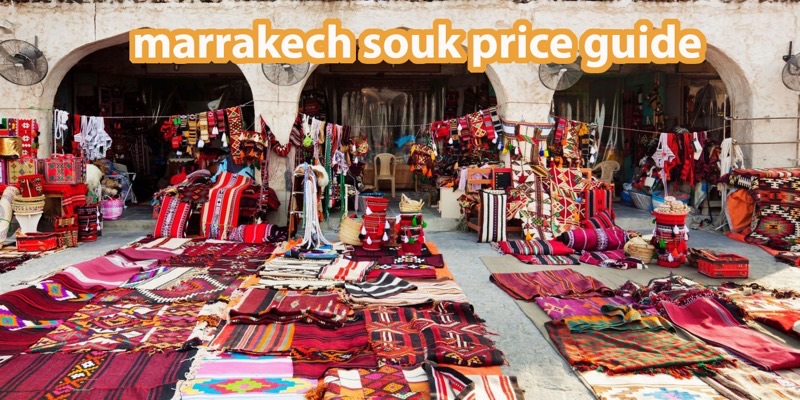
Morocco offers excellent value for money, with a wider range of options for every budget. Hostels in Marrakech or Fes cost MAD 150-250 (around $15-25) per night, while comfortable riads are MAD 400-800 (around $40-80). Meals in local restaurants or street food stalls cost MAD 50-150 (around $5-15). Intercity trains are efficient and affordable; for example, Fes to Marrakech costs MAD 200-300 (around $20-30). Desert tours are a significant expense but often include transport, food, and accommodation. For a mid-range traveler, a daily budget of $50-120 is realistic, allowing for good food, comfortable stays, and activities. The tabiji verdict: Morocco provides a better overall cost-to-experience ratio, with more options for comfortable, affordable travel.
- Winner: Morocco
- Why: Morocco offers better infrastructure, more competitive pricing across accommodation and transport, and a wider range of budget options.
- Who this matters for: Budget travelers, those seeking good value, and travelers who want efficient, affordable internal transport.
✈️ Getting There & Around
Getting to Madagascar typically involves long-haul flights with at least one layover, often in Paris (Air France) or Addis Ababa (Ethiopian Airlines). From New York (JFK) to…
Madagascar
Morocco
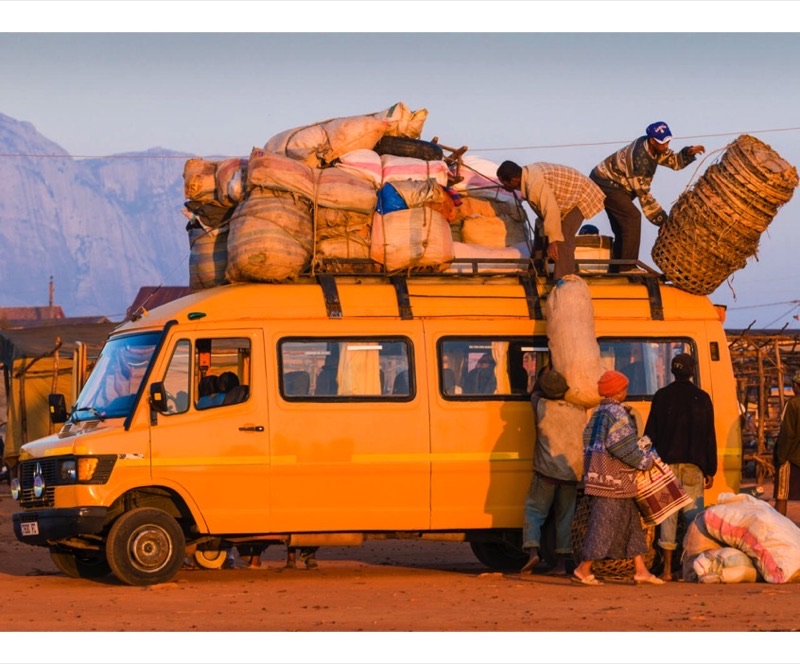
Getting to Madagascar typically involves long-haul flights with at least one layover, often in Paris (Air France) or Addis Ababa (Ethiopian Airlines). From New York (JFK) to Antananarivo (TNR), expect flight times of 20-24 hours and costs ranging from $1000-1800. From London (LHR), flights are 14-18 hours, costing $800-1500. Once inside Madagascar, the primary modes of long-distance transport are taxi-brousses, which are shared minivans. These are extremely slow, often overcrowded, and depart when full, taking 12+ hours for journeys that might be 300km. Domestic flights with Tsaradia are faster but expensive and sometimes unreliable, making itinerary planning difficult.
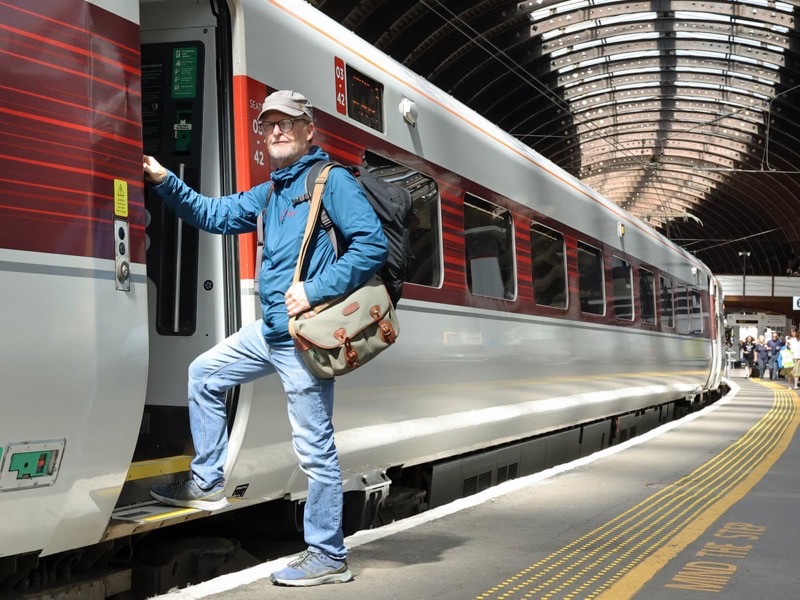
Morocco is much more accessible. Direct flights from major US cities like New York (JFK) to Casablanca (CMN) are around 7 hours, costing $700-1000. From European hubs like London (LHR), flights to Marrakech (RAK) or Casablanca are 3-4 hours, often under $200-400 with budget airlines. Internally, Morocco boasts a good train network connecting major cities like Casablanca, Rabat, Fes, and Marrakech, with tickets costing MAD 100-300 ($10-30). CTM and Supratours offer comfortable intercity bus services, covering areas not reached by train. Grand taxis are also readily available for shorter distances or shared rides. The tabiji verdict: Morocco wins decisively for ease and efficiency of both international and internal travel.
- Winner: Morocco
- Why: Morocco offers shorter, more affordable international flights and a developed, efficient public transport system within the country.
- Who this matters for: Travelers with limited time, those seeking comfortable and predictable travel, and anyone wanting to minimize transit stress.
🏖️ Beaches & Coastline
Madagascars coastline is dotted with pristine, often deserted beaches, particularly around its smaller islands. Nosy Be, off the northwest coast, is a popular destination for its…
Madagascar
Morocco
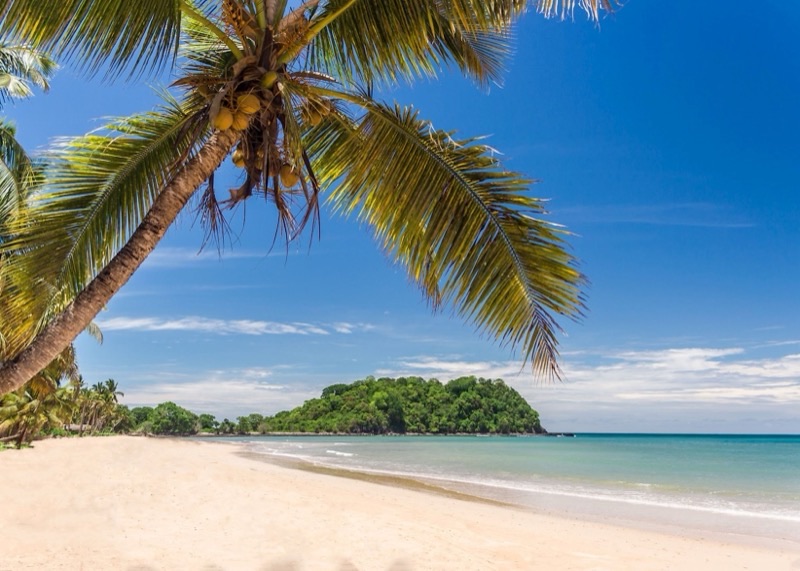
Madagascars coastline is dotted with pristine, often deserted beaches, particularly around its smaller islands. Nosy Be, off the northwest coast, is a popular destination for its clear turquoise waters, coral reefs, and whale shark sightings from October to December. Ile Sainte Marie (Nosy Boraha) on the east coast is known for whale watching (July to September) and tranquil sandy shores. Anakao in the southwest offers a relaxed fishing village vibe. These beaches provide opportunities for snorkeling, diving, and simply relaxing away from crowds. Accommodation can range from simple bungalows to more upscale lodges, but the emphasis is on natural beauty and marine life. Accessing many of these spots requires domestic flights or boat transfers, adding to the sense of discovery.
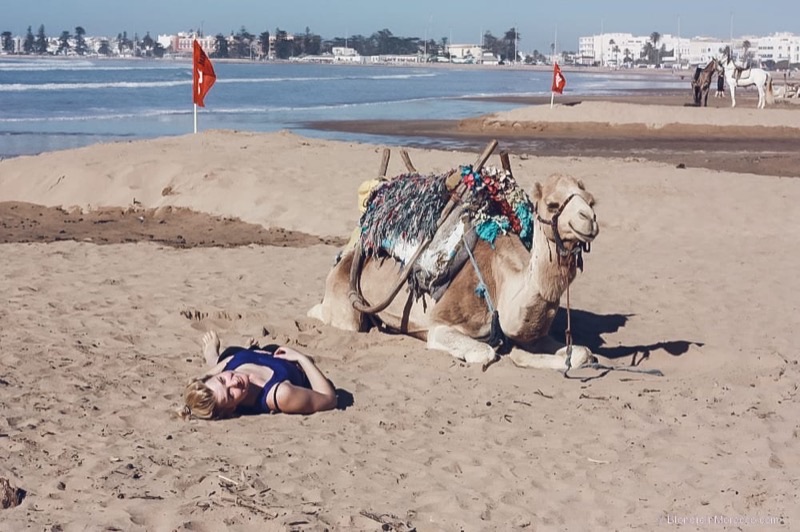
Morocco offers coasts on both the Atlantic and Mediterranean. Essaouira on the Atlantic is famous for its strong winds, making it a popular spot for windsurfing and kitesurfing, with a large, sweeping beach. Agadir is a purpose-built resort town with a long sandy beach and more developed tourist infrastructure. The Mediterranean coast, particularly around Tangier, has pleasant beaches but they are generally more crowded and less pristine than Madagascars offerings. While Morocco has some good surfing spots like Taghazout, its beaches generally lack the remote, untouched feel and the sheer marine biodiversity of Madagascar. The tabiji verdict: Madagascar is superior for travelers seeking undeveloped, natural beaches and exceptional marine activities.
- Winner: Madagascar
- Why: Madagascar provides more pristine, remote beaches and significantly richer marine biodiversity for snorkeling and diving.
- Who this matters for: Beach lovers seeking untouched shores, snorkelers, divers, and those wanting a true escape by the sea.
🍽️ Food & Drink
Malagasy cuisine is centered around rice, often served with a side dish called laoka. Zebu (cattle) meat, poultry, and fish are common proteins, prepared simply with local spices.…
Malagasy cuisine is centered around rice, often served with a side dish called laoka. Zebu (cattle) meat, poultry, and fish are common proteins, prepared simply with local spices. Koba, a sweet peanut and rice cake, is a popular snack. Seafood is plentiful and inexpensive along the coast. While fresh and often locally sourced, the flavors are generally milder and less complex than Moroccan dishes. Travelers may find fewer restaurant options outside of major towns or tourist areas, often relying on hotel restaurants or small local eateries. Local rum is inexpensive and widely available. Water quality is a concern; bottled water is essential. Typical meal prices in a local spot are MGA 15,000-30,000 (around $3.50-7).
Moroccan cuisine is renowned for its aromatic spices and diverse flavors. Tagines (slow-cooked stews), couscous, pastilla (savory pastry), and harira soup are staples. Street food, like the grilled meats and snail soup in Djemaa el-Fna, is a highlight and very affordable (MAD 10-50 or $1-5 for a snack/small meal). Traditional mint tea is served everywhere as a sign of hospitality. Restaurants range from budget street stalls to upscale establishments. While Morocco is an Islamic country, alcohol is available in hotels, tourist restaurants, and some specialized shops. Cooking classes are popular activities, costing MAD 500-800 ($50-80). Typical restaurant meals cost MAD 80-150 ($8-15). The tabiji verdict: Morocco offers a richer, more diverse, and globally recognized culinary experience.
- Winner: Morocco
- Why: Moroccan cuisine is more diverse, globally recognized, and offers a wider range of flavors and dining experiences.
- Who this matters for: Foodies, culinary explorers, and those who prioritize diverse and flavorful dining experiences.
🩹 Safety & Health
Madagascar presents more safety and health challenges. Petty crime, including pickpocketing and bag snatching, is common in urban areas like Antananarivo. Night travel, especially…
Madagascar presents more safety and health challenges. Petty crime, including pickpocketing and bag snatching, is common in urban areas like Antananarivo. Night travel, especially by taxi-brousse, is not recommended due to poor road conditions and occasional banditry. Health risks include malaria (prophylaxis recommended), dengue fever, and traveler's diarrhea. Access to quality medical care is limited outside the capital. Travelers should be up-to-date on vaccinations, carry a comprehensive first-aid kit, and use reputable guides and drivers. It requires a higher level of vigilance and preparedness compared to many other destinations. Travel insurance with medical evacuation is essential. Water safety is a constant concern, demanding bottled water.
Morocco is generally safer for tourists, though petty crime like pickpocketing is prevalent in busy medinas and squares, particularly in Marrakech and Fes. Scams and aggressive touts can be a nuisance but are rarely dangerous. Road safety is better than Madagascar, but driving standards vary. Health risks are lower; malaria is not a concern in most tourist areas, but food and water precautions are still advised. Major cities have private clinics and hospitals that offer good medical care by regional standards. Police presence is visible in tourist zones. Solo female travelers often report feeling safe, though harassment can occur. The tabiji verdict: Morocco provides a safer and less health-risk-prone environment for general tourism.
- Winner: Morocco
- Why: Morocco offers a generally safer environment with lower health risks and more developed medical infrastructure.
- Who this matters for: Solo travelers, families, first-time visitors to Africa, and those prioritizing a lower-risk travel experience.
🏨 Accommodation
Accommodation in Madagascar typically consists of simple guesthouses (called 'hotels' locally) and basic lodges, especially near national parks. In Antananarivo, there are more…
Accommodation in Madagascar typically consists of simple guesthouses (called 'hotels' locally) and basic lodges, especially near national parks. In Antananarivo, there are more options, including some international chains. Outside the capital and major tourist hubs like Nosy Be, choices become more limited and amenities are basic, reflecting the countrys overall development. Prices for a decent mid-range room are MGA 120,000-250,000 (around $30-60) per night. Luxury options exist but are few and far between, often concentrated in eco-lodges or specific resort islands, and come at a premium price. Booking in advance, especially during peak season, is advisable for popular locations, but walk-ins are possible for basic places.
Morocco has a comprehensive range of accommodation. Budget travelers can find hostels for MAD 100-200 (around $10-20) per night in cities. The country is famous for its riads, traditional Moroccan houses with interior courtyards, which offer a charming boutique experience. A mid-range riad costs MAD 400-800 (around $40-80) per night, providing excellent value. Luxury hotels, desert camps, and international chains are available in major cities and tourist zones. The quality and service standards are generally high, and competition keeps prices reasonable. Online booking platforms offer extensive choices. The tabiji verdict: Morocco offers a much broader selection of quality accommodation at better price points, catering to all traveler types.
- Winner: Morocco
- Why: Morocco provides a far wider range of accommodation types, from budget hostels to luxury riads, with better overall value and service.
- Who this matters for: All travelers, especially those who appreciate diverse lodging options and good value for their money.
🚶♀️ Solo Travel
Solo travel in Madagascar is more challenging. Navigating the taxi-brousse system can be difficult alone, especially with luggage and potential language barriers (Malagasy and…
Solo travel in Madagascar is more challenging. Navigating the taxi-brousse system can be difficult alone, especially with luggage and potential language barriers (Malagasy and French are primary languages). Safety concerns, particularly for solo women, are higher for petty crime and isolation in remote areas. It is often recommended for solo travelers to join organized tours or hire private drivers/guides, which increases costs significantly. Meeting other travelers can happen at popular lodges, but the overall solo journey requires a higher degree of planning, resilience, and willingness to be self-reliant. Connectivity can be an issue outside of major towns, making communication difficult.
Morocco is a popular destination for solo travelers, particularly from Europe and North America. The well-established tourist routes, efficient public transport, and numerous hostels and guesthouses make it easier to navigate. While solo female travelers may experience catcalling or unwanted attention, it is generally not threatening, though it can be persistent. Joining group desert tours or day trips from major cities is a common way to meet others. English is spoken in tourist areas alongside Arabic and French. The presence of numerous other solo travelers creates a supportive environment. The tabiji verdict: Morocco is a significantly more accessible and comfortable destination for solo travelers.
- Winner: Morocco
- Why: Morocco offers better infrastructure, a more established solo travel scene, and fewer significant safety hurdles for independent exploration.
- Who this matters for: Solo adventurers, especially women, seeking an accessible yet culturally immersive experience.
🌍 Overall Experience
Madagascar delivers an experience defined by its unparalleled natural wonders and the challenge of reaching them. Travelers leave with tales of lemurs, baobabs, and remote…
Madagascar delivers an experience defined by its unparalleled natural wonders and the challenge of reaching them. Travelers leave with tales of lemurs, baobabs, and remote villages, but also stories of long, uncomfortable journeys, basic facilities, and occasional frustrations with logistics. It is a destination for the patient, adventurous soul who values raw discovery over comfort and predictability. The reward is a deep connection with a truly distinct ecosystem and a culture that remains largely untouched by mass tourism. The feeling is one of exploration, often feeling like one of the few visitors experiencing something truly special and wild.
Morocco provides a comprehensive travel experience that balances historical immersion, natural beauty, and modern conveniences. From exploring ancient medinas to trekking in the Atlas Mountains or camping in the Sahara, the variety is immense. The food is a highlight, and the accommodation options cater to many preferences. While it sees many tourists, there is still a strong sense of authenticity, particularly in less-visited areas or when engaging with local communities. It offers a more structured and predictable journey, allowing travelers to focus on the sights and sounds rather than constant logistical challenges. The tabiji verdict: Morocco offers a more consistently rewarding and accessible overall travel experience for a broader range of travelers.
- Winner: Morocco
- Why: Morocco provides a more balanced, accessible, and generally comfortable experience with a wider appeal for different travel styles.
- Who this matters for: First-time visitors to Africa, travelers seeking a diverse and relatively comfortable journey, and those valuing efficiency alongside discovery.
🎯 The Decision Framework
Choose Madagascar If…
- You want to see lemurs in their natural habitat.
- You crave an off-the-beaten-path adventure with rugged travel.
- You prioritize unique, endemic wildlife and biodiversity above all else.
- You are comfortable with basic infrastructure and slower travel.
- You seek untouched, remote beaches for snorkeling and diving.
- You enjoy authentic cultural interactions in less tourist-developed areas.
- You are willing to invest in private transfers or domestic flights to save time.
- You are a seasoned traveler prepared for logistical challenges.
Choose Morocco If…
- You want to explore ancient medinas and historical imperial cities.
- You dream of camel trekking and sleeping under the stars in the Sahara Desert.
- You appreciate flavorful, aromatic cuisine and vibrant street food.
- You prefer efficient public transport and easier internal travel.
- You seek good value for money across accommodation and activities.
- You are a solo traveler looking for a relatively straightforward experience.
- You want a generally safer and more comfortable introduction to Africa.
- You enjoy a mix of cultural immersion, natural landscapes, and accessible amenities.
📅 Sample Itineraries
Weekend in Madagascar (3 Days)
💡 To save on transport, consider joining a small group tour from Antananarivo to Andasibe, which can reduce the per-person cost of the 4x4 rental by 30-50%.
Weekend in Morocco (3 Days)
💡 Haggle respectfully in the souks; a good starting point is offering 50% of the initial price and settling around 60-70% for items like spices or leather goods.
One Week in Madagascar (7 Days)
💡 Booking domestic flights in Madagascar well in advance is crucial, as they are often limited and can significantly increase in price closer to departure, potentially saving you $50-100 per flight.
One Week in Morocco (7 Days)
💡 When booking a multi-day desert tour, clarify what's included (meals, water, guide) and any extra costs upfront to avoid surprises. A reputable tour operator might cost slightly more but offers better service and safety.
❓ Frequently Asked Questions
Which destination is better for a two-week trip?
Morocco is better suited for a two-week trip due to its smaller geographical spread and efficient transport network. You can comfortably visit Marrakech, Fes, and a Sahara Desert tour within 14 days. Madagascar requires at least three weeks to see a good portion of its diverse regions without feeling rushed, given the slow internal travel.
Is either country suitable for families with young children?
Morocco is generally more suitable for families. It has better infrastructure, more child-friendly accommodation (riads with pools), and less intense travel days. Madagascars basic amenities, long travel times by taxi-brousse, and higher health risks (like malaria) can be more challenging for young children, although older, adventurous kids might enjoy the wildlife.
What is the best time of year to visit each country?
The best time for Madagascar is during the dry season, from April to October, with July-September being prime for whale watching. Morocco is best visited in spring (March to May) or autumn (September to November) to avoid the intense summer heat and colder mountain winters.
How much should I budget for a daily mid-range trip?
For Madagascar, budget around $40-80 per day if relying on local transport and basic guesthouses. This can rise to $100-150+ with domestic flights and private transfers. For Morocco, a mid-range budget of $50-120 per day allows for comfortable riads, good food, and organized excursions.
Which destination offers more opportunity for adventure sports?
Morocco offers more accessible adventure sports, including trekking in the Atlas Mountains, surfing and kitesurfing on the Atlantic coast, and quad biking in the desert. Madagascar primarily focuses on hiking and wildlife spotting in national parks, with some limited snorkeling and diving.
What are the visa requirements for US citizens for each country?
For Madagascar, US citizens need a visa, which can be obtained upon arrival for stays up to 90 days. The cost is typically around MGA 115,000-135,000 ($25-30). For Morocco, US citizens generally do not need a visa for stays up to 90 days for tourism purposes.
Are English speakers common in either country?
In Morocco, English is widely spoken in tourist areas, especially in Marrakech, Fes, and Essaouira, alongside Arabic and French. In Madagascar, French is more prevalent, particularly outside the capital, and English speakers are less common, making a few French phrases or a local guide beneficial.
Which country is better for photography?
Both offer incredible photography subjects. Madagascar is unparalleled for wildlife and unique landscapes like the Avenue of the Baobabs. Morocco excels with its historical architecture, street photography in medinas, and dramatic desert scenes. Your preference for subject matter determines the better choice.
Ready to plan your African trip?
Get a free custom itinerary for Madagascar, Morocco, or both — built from real traveler insights.
👥 Travelers Also Compared
🎟️ Book Tours & Experiences
Hand-picked tours and activities for both destinations — book with free cancellation
Experiences via Viator — free cancellation on most tours