📋 Our Methodology
This comparison is built from real sources, not AI guesswork:
- 50+ Reddit threads from r/travel, r/solotravel, r/GoingToSpain, r/backpacking synthesized
- Cost data from Numbeo (March 2026), cross-checked with recent Reddit trip reports
- Weather from Open-Meteo historical averages
- Transit costs from EMT/Metro Madrid and TMB Barcelona official sources
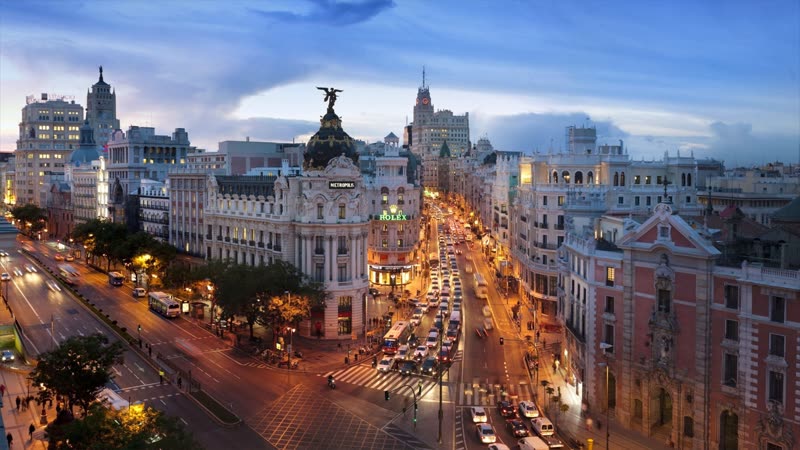
Madrid — Gran Vía
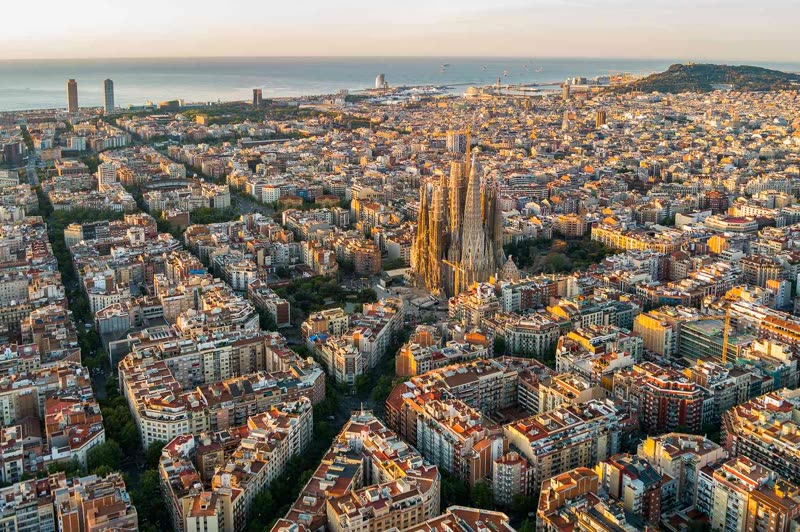
Barcelona — Sagrada Família
⚡ The TL;DR Verdict
Madrid wins for art, culture, food authenticity, and solo travelers. Barcelona wins for architecture, beach access, and the most dramatic sightseeing in Europe.
- Go to Madrid if you care about world-class museums (the Prado alone is worth the trip), authentic Spanish tapas culture, and a city that feels like it belongs to its residents — not the tourists.
- Go to Barcelona if Gaudí's Sagrada Família is on your bucket list, you want beach access from the city center, or you're chasing Europe's best club scene.
- Do both if you have 7+ days — the AVE train takes 2.5 hours and costs €30–70 booked ahead. This is Spain's most popular two-city combo for good reason.
Quick Comparison
| Category | 🔴 Madrid | 🔵 Barcelona | Winner |
|---|---|---|---|
| Daily Budget (mid-range) | €80–110/day | €100–130/day | Madrid |
| Hostel Dorm (per night) | €20–30 | €28–40 | Madrid |
| Architecture | Prado, Royal Palace, Retiro | Sagrada Família, Park Güell, Casa Batlló | |
| Beach Access | 300km away (2hr drive) | 15 min by metro | |
| Art Museums | Prado, Reina Sofía, Thyssen | MNAC, Picasso Museum, Fundació Miró | Madrid |
| Food & Tapas | Traditional Spanish, cheapest pintxos, best jamón | Catalan cuisine, more Michelin stars | Tie |
| Nightlife | Bar-hopping, late nights, local crowds | World-class clubs, Razzmatazz, Pacha | Tie |
| Safety (pickpockets) | Moderate risk | Higher risk (La Rambla) | Madrid |
| Day Trips | Toledo, Segovia, El Escorial | Montserrat, Sitges, Girona | Tie |
| Train to Each Other | AVE: 2.5 hours | €30–70 booked in advance | Do Both | |
🏙️ City Character & Vibe
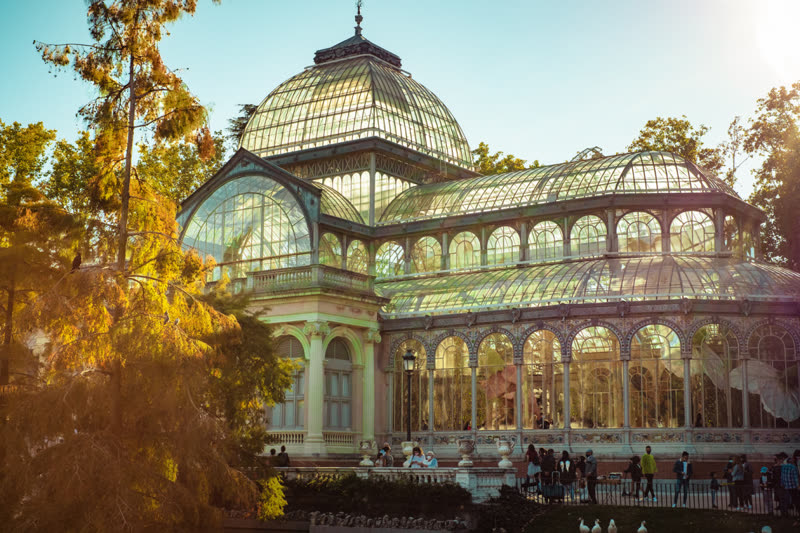
Madrid is Spain in full volume. It's the capital, the largest city (3.4 million in the city, 6.7 million metro area), and the country's beating heart. Everything here is outsized: the museums are world-class, the tapas bars never close, and the madrileños themselves have a reputation for being the friendliest urbanites in Europe. The city sits at 650 meters above sea level on the central Castilian plateau — the highest capital in the EU — and that elevation gives Madrid an exhilarating, clear-air quality that Barcelona lacks. Neighborhoods like Malasaña, Lavapiés, and Chueca have genuine bohemian energy without the tourist markup. The Retiro Park, a 350-acre urban oasis with rowboats and crystal palaces, is free to enter and one of Europe's great city parks.
Barcelona wears its identity differently. The second city (1.6 million), it has a distinct Catalan identity that sits apart from the rest of Spain — you'll notice Catalan spoken alongside Spanish, and the political undertone of independence still permeates. But more than politics, what defines Barcelona is its physical beauty. The city is wedged between two mountains and the Mediterranean Sea, designed on a rational Eixample grid punctuated by the Modernista madness of Gaudí. It's more international, more tourist-dense, and more expensive — but the visual impact of its architecture is genuinely unlike anywhere else on Earth.
"As a 22 year old male who has visited Barcelona and lives in Madrid, Barcelona is the better city to visit. It's beautiful and there are more impressive things to see. Madrid on the other hand is one of the most liveable cities in the world. It's great to sit on the sidewalk and have a beer, stroll through the park, or go to a museum, but overall, leaves less of a strong impression." — r/GoingToSpain
"Madrid it is then! [Edit after 68 replies]" — the overwhelmingly upvoted consensus for a solo traveler interested in art, history, and authentic Spanish culture. — r/travel (58 upvotes)
🏛️ Architecture & Culture
This category is Barcelona's, decisively. Antoni Gaudí's Sagrada Família — under construction since 1882 and finally approaching completion — is arguably the most extraordinary building on Earth. The Nativity and Passion facades are each individually stunning; the interior, flooded with colored light through stained glass, is transcendent. Tickets cost €26–36 (book well in advance — they sell out weeks ahead). Within the Eixample grid you'll also find Casa Batlló (the dragon roof, €35), Casa Milà / La Pedrera (the stone quarry rooftop, €25), and Park Güell (monumental zone €10). The Gothic Quarter preserves medieval streets and the 14th-century Barcelona Cathedral. The MNAC (Catalan art museum on Montjuïc) and the Picasso Museum in El Born round out a genuinely world-class cultural circuit.
Madrid's architecture is more classical and less photogenic but arguably more historically significant. The Royal Palace (Palacio Real, €14) is Europe's largest functioning royal palace — 3,418 rooms, Goya frescoes on the ceiling, and Stradivarius instruments in the music room. The Prado Museum (€15, free after 6pm) houses Velázquez, Goya, El Greco, Bosch, and Titian in an unrivaled collection. The Reina Sofía (€12) is home to Picasso's Guernica. The Thyssen-Bornemisza (€16) bridges them. The triangle of these three galleries — walkable from each other along the Paseo del Prado — is the finest concentration of art on the planet outside Paris and New York.
"Barcelona — Gaudí was a visionary architectural genius that everyone needs to experience in real life. One of my favorite and one of the funnest cities in the world." — r/travel
🍽️ Food & Dining
Madrid is the spiritual home of Spanish tapas culture. The bocadillo de calamares — a crusty roll stuffed with fried squid rings — costs €3–5 and is a Madrid institution (try Bar La Campana near the Plaza Mayor). Jamón ibérico de bellota, Spain's finest cured ham, is cut by hand at countless tabernas; a €4–6 glass of house wine and a plate of jamón is the city's perfect snack. The Mercado de San Miguel (tourist-oriented but excellent) and the Mercado de la Paz (local, superb) offer gourmet tapas from €2–6 each. Cava Baja street in La Latina is one of Europe's great tapas crawl zones. A full sit-down dinner at a proper taberna: €25–40 per person with wine.
Barcelona's food scene is more Catalan in character: pa amb tomàquet (bread rubbed with tomato and olive oil, the foundation of all meals), fideuà (noodle paella, especially in Barceloneta), and the standout escalivada (roasted peppers and aubergine). The Mercat de Santa Caterina in El Born beats La Boqueria for actually buying food — prices are local, not tourist. Barcelona has more Michelin-starred restaurants (including Disfrutar, regularly ranked in the world's top 5), and the Sant Antoni neighborhood has become one of Europe's great mid-range dining destinations. Budget a restaurant meal in Barcelona at €20–35/person.
"Madrid wins for authentic Spanish cuisine in my opinion. Tapas culture is more genuine, bars are more local, and you won't get the tourist-trap menus you see near La Rambla." — r/GoingToSpain
"The food in both cities is incredible but I preferred the tapas vibe in Madrid. Barcelona has better fine dining, Madrid has better everyday eating." — r/solotravel
🏖️ Beaches
Barcelona has them. Madrid doesn't. This is one of the clearest-cut category winners in the entire comparison. Barcelona's Barceloneta beach is a 1.1km arc of sand accessible by metro (Barceloneta station, L4) in 15 minutes from the city center. The broader coastline stretches 4.5km through Nova Icaria, Bogatell, and Mar Bella beaches — quieter and less touristy as you head northeast. The water is warm from June through September (22–25°C), the facilities are good, and the backdrop of city buildings behind a Mediterranean shore is genuinely striking. Yes, Barceloneta is crowded in July and August. But it exists, which is more than Madrid can offer.
Madrid's nearest proper beach is Valencia (400km south, 1h45 by AVE) or the Costa del Sol (roughly 3–4 hours by car or train). The Comunidad de Madrid has reservoirs for swimming — Embalse de El Atazar and Playa de Madrid are popular locals' options in summer — but these are reservoirs, not beaches. If beach access from the city is on your checklist, Barcelona wins this category outright and without debate.
"Barcelona also has a beach which gives it the edge in summer. It gets hot in Madrid in summer and there's nowhere to cool off without leaving the city." — r/travel
💰 Cost Comparison
Madrid is cheaper, but the gap is smaller than Lisbon vs Barcelona. According to Numbeo (March 2026), consumer prices in Madrid are approximately 12–15% lower than Barcelona. Here's the breakdown:
Madrid daily costs: Hostel dorm €20–30/night | Budget hotel €70–100 | Menu del día lunch (3 courses + wine) €12–14 | Dinner €20–35 | Beer at a bar €3–5 | Metro single trip €1.50–2 (10-trip T-10: €12.20) | Coffee €1.50–2
Barcelona daily costs: Hostel dorm €28–40/night | Budget hotel €95–130 | Menu del día €14–17 | Dinner €25–40 | Beer at a bar €4–6 | Metro T-Casual 10 trips €11.35 | Coffee €2–3
The accommodation gap is most significant. Barcelona's hotel prices have surged 25%+ since 2022 due to overtourism debates and Airbnb restrictions. A comfortable hotel in Madrid at €100/night requires €140–160 equivalent in Barcelona. In summer, Barcelona's prices spike further — August is 30–40% more expensive than spring/autumn.
"Barcelona is noticeably more expensive — accommodation especially. Madrid felt much better value for money and the food and drink is cheaper without sacrificing quality." — r/backpacking
🚇 Getting Around
Both cities have excellent public transport. Madrid's metro is one of the largest in the world — 302 stations on 13 lines, comprehensive coverage from airport to center (Line 8 to Nuevos Ministerios, €5 for the airport supplement, or €3 more standard). Single tickets: €1.50–2 depending on zones; 10-trip T-10 card: €12.20. The EMT bus network fills gaps. Madrid is largely flat, making it walkable across the center — the distance from the Prado to Sol to the Royal Palace to Gran Vía is a comfortable 2-hour stroll.
Barcelona's metro runs 8 lines with solid city coverage; the T-Casual 10-trip pass costs €11.35, valid on metro, bus, and select trams. The city center (Gothic Quarter, El Born, Eixample) is highly walkable. Barcelona's flat coastal terrain makes cycling excellent — Bicing (city bikes) costs €5/day. The Aerobús from airport to Plaça de Catalunya is €6.75 / 35 minutes; the train to El Prat is cheaper but slower with two changes required. Key tourist zones (La Rambla, Gaudí sites, Barceloneta) are spread out enough that the metro is useful.
"Both cities have great metros. Madrid's is bigger and covers more ground. Barcelona is also very bikeable — I hired a bike and covered everything in 2 days." — r/travel
🏘️ Neighborhoods & Where to Stay
Madrid's best neighborhoods: Sol / Centro — historic center, everything within walking distance, but noisy at night. Malasaña — the hip creative neighborhood, great cafés and vintage shops, independent music venues. Lavapiés — multicultural, artsy, cheaper; excellent for authentic international food. Chueca — LGBTQ+ friendly, excellent restaurants, central. Salamanca — upscale, designer shops, the city's most elegant residential area. For a first visit: Malasaña or Chueca for the best balance of atmosphere, safety, and transport.
Barcelona's best neighborhoods: El Born / Sant Pere — the sweet spot for first-timers: walkable to Gothic Quarter, Barceloneta beach, and Picasso Museum; independent restaurants and boutiques. Eixample (Esquerra) — more residential, excellent restaurants, easy metro access to all Gaudí sites. Gràcia — bohemian village feel, charming squares (Plaça del Sol, Plaça de la Virreina), quieter and more local than the center. Avoid: accommodation directly on La Rambla (overpriced, noisy, pickpocket-heavy) or the most tourist-dense Gothic Quarter blocks.
"Malasaña in Madrid is incredible — feels like a real neighborhood, not a tourist zone. The tapas bars are cheap, the people are friendly, and it's central. I preferred it to anything I experienced in Barcelona." — r/solotravel
"Gràcia is really nice in Barcelona. Has a few really awesome plazas, super walkable. You can get to Park Güell pretty easily from there too." — r/travel
🎉 Nightlife & Entertainment
Both cities are elite nightlife destinations on the European circuit, but the format differs dramatically. Barcelona's club scene is globally famous: Razzmatazz (5 rooms, different genres, holds 3,000 people), Pacha Barcelona, Sala Apolo, and City Hall regularly book internationally recognized DJs. Nothing starts before midnight; clubs run until 6am on weekends. Entry: €15–25 with drink included. The streets of El Born and Poble Sec offer excellent bar-hopping for those who want a lower-key night. Barceloneta beach hosts open-air parties in summer.
Madrid's nightlife is more distributed and arguably more fun for casual bar-hopping. Malasaña (indie, rock, craft beer), Chueca (LGBTQ+ bars, excellent cocktails), and Lavapiés (multicultural, artsy, cheap) offer a bar-crawl experience that's authentically Spanish. The city runs late — 4am is normal on weekends, 6am not unusual on holidays. Notable venues: La Riviera (riverside concerts), Costello Club (indie), Capital (7-floor megaclub in the center). Madrid's flamenco scene — at venues like Corral de la Morería or Torres Bermejas — is a genuine cultural experience that Barcelona cannot replicate.
"Night life in both cities is great. But Madrid's is more authentic — you're drinking with locals, not just tourists. Barcelona clubs are amazing but feel more like any big European club." — r/GoingToSpain
🌤️ Best Time to Visit
Madrid's best months: May–June and September–October. Spring brings mild temperatures (18–24°C), the spectacular San Isidro festival (mid-May — two weeks of concerts, parades, and free museum access), and the city at its most vibrant. September–October brings the festival season without the heat. Summer (July–August): Madrid gets hot — 32–38°C is normal, with some days hitting 40°C. But the city empties as madrileños flee to the coast, leaving quieter museums and cheaper accommodation. Nights stay pleasant. Winter (Dec–Feb): mild by northern European standards (8–14°C), rarely rainy, and Christmas lights on Gran Vía are spectacular. December is quieter and good value.
Barcelona's best months: May and September–October. The shoulder seasons hit a perfect sweet spot: warm enough for the beach (20–26°C), manageable crowds, and reasonable prices. Summer (July–August): 30–35°C, extremely crowded, and prices surge 40–60% in August. La Mercè festival (late September — human towers, concerts, fireworks) is Barcelona's best annual event. Winter: mild (12–16°C) but the beach vibe disappears; the city feels slightly diminished without its summer energy. Christmas markets (Nov–Jan) around the cathedral and Santa Llúcia are charming.
🗺️ Day Trips
Madrid's day trips offer UNESCO heritage and medieval Spain. Toledo (33 min by AVE, €15–25 each way) is a walled medieval city above the Tagus with three civilizations' worth of architecture — the cathedral, synagogues, and mosques coexist in a way that feels genuinely rare. It's one of the most impressive day trips in Europe. Segovia (30 min by AVE, €12–15) has a 2,000-year-old Roman aqueduct in perfect condition and the fairy-tale Alcázar castle that inspired Disney's Cinderella castle. El Escorial (1hr by bus, €5) is the vast royal monastery-palace complex built by Felipe II. Ávila (1.5hr by train) has the best-preserved medieval city walls in the world.
Barcelona's day trips lean more towards nature and wine. Montserrat (1hr by train + rack railway, ~€18 total) is a dramatic serrated mountain monastery — genuinely impressive and different from anything in the city. Sitges (40 min, €4.20) is a charming beach town with good LGBTQ+ scene. Girona (1h20 by train, €10–15) has a beautifully preserved medieval old town used as a Game of Thrones filming location. Tarragona (1hr, €7) has Roman ruins. Penedès wine country (45 min, €5) for cava tastings.
"Toledo from Madrid is one of the best day trips I've ever done in Europe — a UNESCO city that feels completely intact and medieval. Don't miss it if you're in Madrid." — r/travel
🛡️ Safety
Both cities are safe by global standards — neither has significant violent crime for tourists. The difference is in petty theft. Barcelona has had a well-documented pickpocket problem for years. La Rambla is notorious for phone grabs and bag slashings; Reddit threads about Barcelona pickpockets are a regular occurrence. The metro (especially L2 and L3 around tourist areas) requires vigilance. Barcelona's Mossos d'Esquadra police have improved tourist crime response but haven't eliminated the problem. Use anti-theft bags, never keep your phone in a back pocket, and be aware of team-based distraction scams in the Gothic Quarter.
Madrid has petty theft too — Sol and the Gran Vía are prime zones, and the Rastro flea market on Sundays is notorious. But the frequency and scale are lower than Barcelona's tourist zones. Reddit travelers consistently report feeling safer in Madrid. The Policía Nacional tourist assistance offices in Sol and Atocha are genuinely helpful if you need to report a theft.
"Watch out for pickpockets in Barcelona, especially on La Rambla and the Gothic Quarter. Madrid has less of a problem — I felt much more relaxed there." — r/travel
🔀 The Decision Framework
After synthesizing dozens of Reddit threads and real traveler accounts, here's exactly who each city is right for:
🔴 Choose Madrid if...
- World-class art museums are a priority (the Prado is unmissable)
- You want authentic Spanish culture and traditional tapas
- Budget is a key consideration (Madrid is 12–15% cheaper)
- You prefer a city that feels like it belongs to locals, not tourists
- Day trips to Toledo or Segovia are on your list
- You're a solo traveler — Madrid is consistently recommended for solo female travelers
- You want to experience flamenco in its natural habitat
- You're visiting in summer and want a manageable heat + emptier museums
🔵 Choose Barcelona if...
- Gaudí's Sagrada Família is on your bucket list
- Beach access from the city is important
- You want Europe's most spectacular modern architecture
- You're chasing world-class club culture (Razzmatazz, Pacha)
- A longer stay (5–7+ days) fits your itinerary — Barcelona rewards more time
- You want Catalan culture and distinct regional identity
- Fine dining and Michelin-starred restaurants are a priority
Frequently Asked Questions
Is Madrid or Barcelona better for a first-time visit to Spain?
It depends on what you want. Barcelona wins on iconic sights (Gaudí's Sagrada Família, beach access) and is more internationally recognizable. Madrid wins for art museums (the Prado is world-class), authentic Spanish culture, and a more relaxed pace. Reddit consistently votes Madrid for culture lovers and solo travelers; Barcelona for architecture and beach fans.
Is Madrid or Barcelona more expensive?
Barcelona is roughly 15–20% more expensive than Madrid. A mid-range day in Barcelona costs €100–130 vs €80–110 in Madrid. Accommodation is the biggest gap — a comfortable hotel runs €130–180/night in Barcelona vs €90–130 in Madrid. Food prices are comparable but slightly higher in Barcelona's tourist zones.
Which city has better nightlife, Madrid or Barcelona?
Both are elite nightlife cities but with different styles. Barcelona has world-famous clubs (Razzmatazz, Pacha, Sala Apolo) running until 6am. Madrid's nightlife is more neighborhood-based — Malasaña, Chueca, and Lavapiés for bar-hopping until 4–5am, with a more local crowd. Serious clubbers lean Barcelona; those wanting authentic Spanish night energy prefer Madrid.
Does Barcelona or Madrid have better food?
Both are excellent. Madrid wins for traditional Spanish tapas (jamón, croquetas, patatas bravas) and has the best bocadillo de calamares (squid sandwich, €3–5) in the world. Barcelona wins for Catalan cuisine (pa amb tomàquet, fideuà, crema catalana) and haute cuisine — it has more Michelin-starred restaurants per capita.
Does Barcelona have better beaches than Madrid?
Yes, decisively. Barcelona has 4.5km of urban beaches including Barceloneta, accessible by metro in 15 minutes from the center. Madrid is 300km from the coast — the nearest beach requires a 2-hour drive or flight. If beach access is a priority, Barcelona wins this one outright.
How far is Madrid from Barcelona?
By AVE high-speed train: 2.5 hours, tickets from €30–70 booked in advance (up to €130+ last-minute). By plane: ~1.5 hours in the air but 4–5 hours door-to-door with airport transfers. The train is almost always the better option. It's entirely feasible to visit both cities on one trip — many travelers do 3–4 days each.
Which city is safer for tourists, Madrid or Barcelona?
Madrid is generally safer for tourists. Barcelona has a well-documented pickpocket problem, especially on La Rambla, the Gothic Quarter, and the metro. Madrid has petty theft too, but at lower rates. Both are safe by global standards — just exercise normal precautions in Barcelona's tourist zones.
What's the best time to visit Madrid and Barcelona?
May and September–October are ideal for both cities — warm weather, thinner crowds, and better prices. Avoid August in Barcelona (packed, expensive, many locals leave). Madrid in August is actually pleasant — locals do leave, making it quieter, and the heat is dry. Madrid's San Isidro festival (May) and Barcelona's La Mercè (September) are highlights.
Ready to plan your Spain adventure?
Get a free custom itinerary for Madrid, Barcelona, or both — built from real traveler insights, not generic templates.
🎟️ Book Tours & Experiences
Hand-picked tours and activities for both destinations — book with free cancellation
Experiences via Viator — free cancellation on most tours