How we built this comparison
This page combines traveler discussion patterns, published price ranges, flight schedules, and seasonal data to help you decide between Madrid and Mallorca.
- Reviewed 50+ Reddit threads from r/travel, r/solotravel, r/Madrid, and r/Mallorca.
- Verified costs and logistics against current booking platforms (e.g., Skyscanner, Booking.com, local transport sites).
- Cross-referenced seasonal patterns and weather data from meteorological sources for accuracy.
⚡ Quick Answers
⚡ The TL;DR Verdict
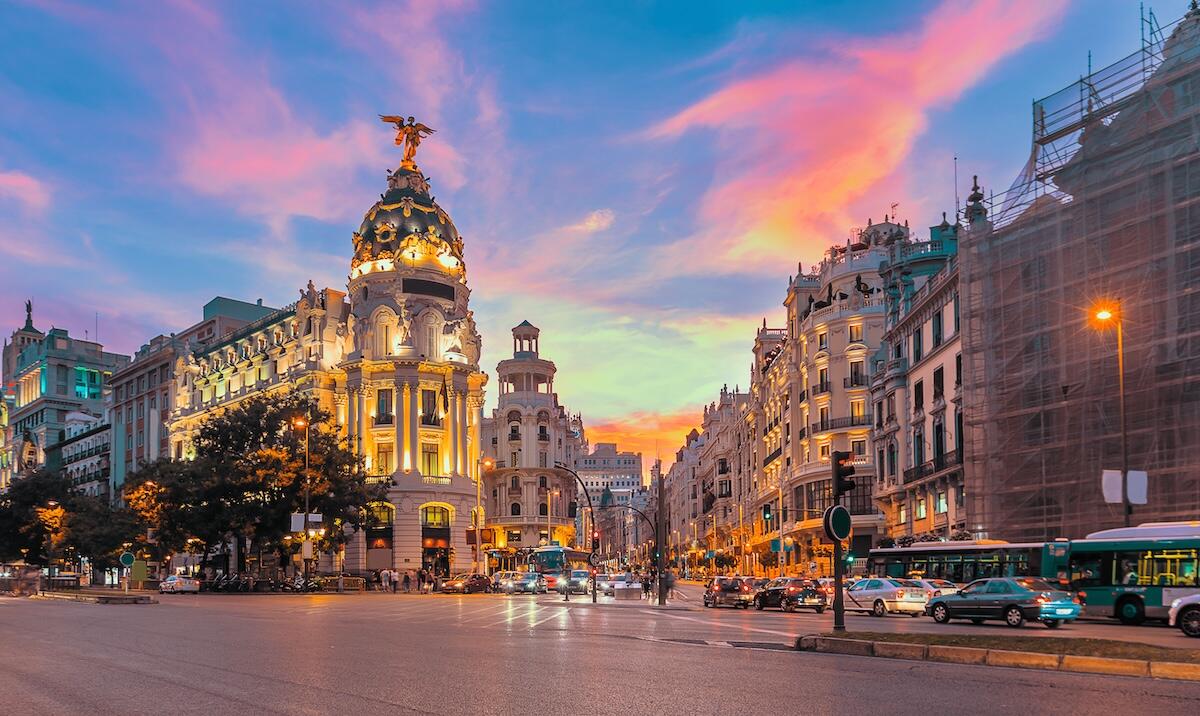
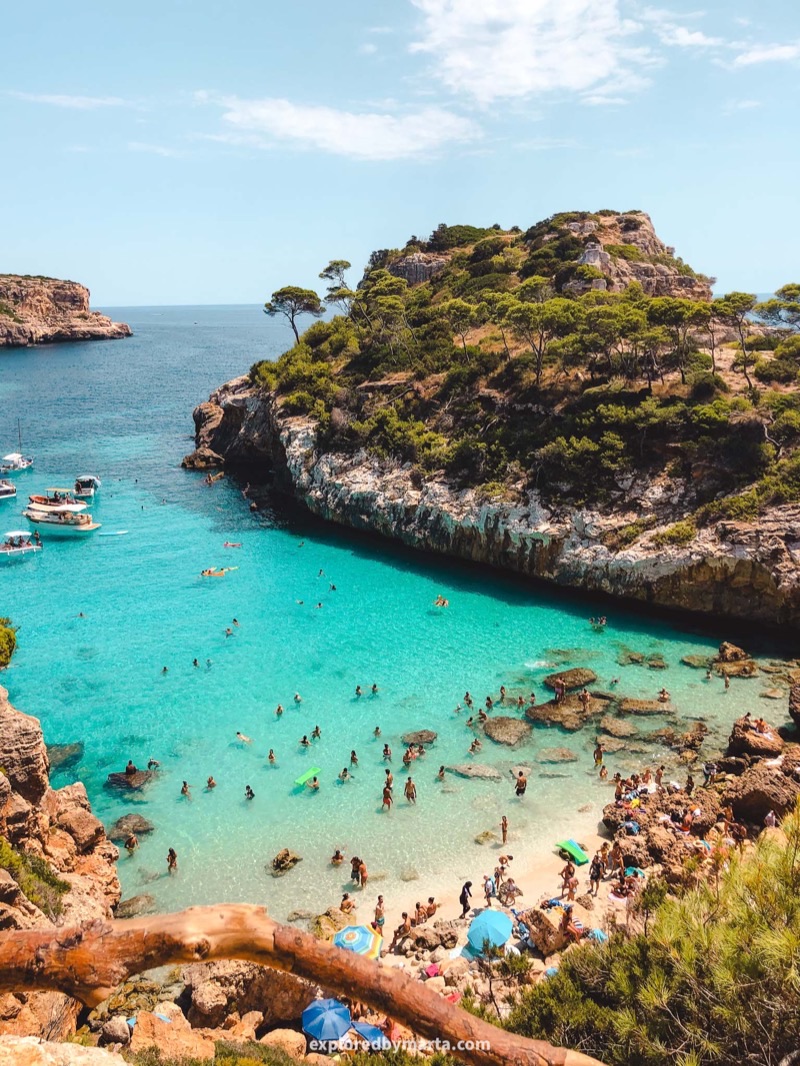
For most travelers seeking varied activities, cultural depth, and a lively night scene without breaking the bank, Madrid is the stronger contender. If your primary goal involves beaches, outdoor activities, and a more relaxed pace, Mallorca is the pick. Expect to spend €80-120 per day in Madrid versus €120-200 in Mallorca, excluding flights.
- Choose Madrid: You want museums, grand plazas, late-night dining and drinking, and extensive public transport for city exploration and day trips to historic towns like Toledo. It suits travelers looking for culture and urban exploration.
- Choose Mallorca: You prioritize beaches, mountain drives, hiking, cycling, and water sports. It is ideal for those seeking relaxation by the sea or active outdoor pursuits, often with a rental car.
- Choose Both: If you have at least 8-10 days, combining both allows for a comprehensive Spanish experience. Fly between the two; it's a short 1 hour 15 minute flight, offering both city immersion and island escape.
Choose Madrid
Choose Madrid if you crave a dynamic urban adventure, immersing yourself in world-class art at the Prado, vibrant nightlife in Malasaña, and delicious tapas in La Latina. It's best for culture enthusiasts and city explorers who appreciate efficient public transport and a more budget-friendly yet immensely rich experience.
Choose Mallorca
Opt for Mallorca if your ideal escape involves stunning Mediterranean beaches like Es Trenc, scenic drives through the Serra de Tramuntana, and invigorating hikes. This island paradise is perfect for active travelers or those seeking serene relaxation, offering luxurious resorts and charming villages like Valldemossa for a nature-focused getaway.
📊 Visual Scorecard
🌤 When to Visit
Average high temperatures (°C). Green = best months, orange = avoid.
Quick Comparison
| Category | Madrid | Mallorca | Winner |
|---|---|---|---|
| Food & Drink | Extensive tapas culture, diverse international options, late-night dining scene. Good value. | Fresh seafood, specific island dishes like paella and sobrassada. Beachfront dining often pricier. | Madrid |
| Nightlife | Late-starting, diverse clubs and bars open until early morning. Many districts for different tastes. | Beach clubs, resort bars, and a more relaxed evening pace. Palma has some late options. | Madrid |
| Culture & Sights | World-class art museums, royal palace, grand plazas, historic architecture. | Palma Cathedral, ancient Roman ruins, charming old towns, island specific traditions. | Madrid |
| Costs (Daily Spend) | Generally more affordable for food, public transport, and activities. Accommodation varies. | Higher accommodation costs, especially in peak season. Car rental often necessary, increasing budget. | Madrid |
| Getting There | Major international hub (MAD), direct flights from worldwide. Excellent rail connections. | Regional airport (PMI), direct flights from Europe. Requires connecting flight from non-European hubs. | Madrid |
| Getting Around | Extensive, efficient, and affordable metro system covering the entire city. | Limited public transport outside Palma. Rental car often necessary for island exploration. | Madrid |
| Accommodation | Wide range of hotels, hostels, and apartments across different price points in central areas. | Resorts, villas, agroturismos, and boutique hotels. Prices higher, especially seasonally. | Madrid |
| Day Trips | Historic cities (Toledo, Segovia) reachable by high-speed train, offering deep history. | Mountain villages, secluded coves, other Balearic islands (Ibiza, Menorca) by ferry. | Madrid |
| Nature & Beaches | Urban parks (Retiro Park) and surrounding hills. No coastline. | Hundreds of beaches and coves, dramatic mountain ranges (Serra de Tramuntana), extensive hiking and cycling. | Mallorca |
| Weather & Seasons | Continental climate: hot, dry summers; cold winters. Spring/fall mild. | Mediterranean climate: hot, sunny summers; mild, wet winters. Long shoulder seasons. | Tie |
🍽️ Food & Drink
Madrid offers a dining experience that caters to all budgets and times of day. You can find excellent value 'Menu del Día' for €12-18 at lunch, or enjoy tapas at places like Bar…
Madrid
Mallorca
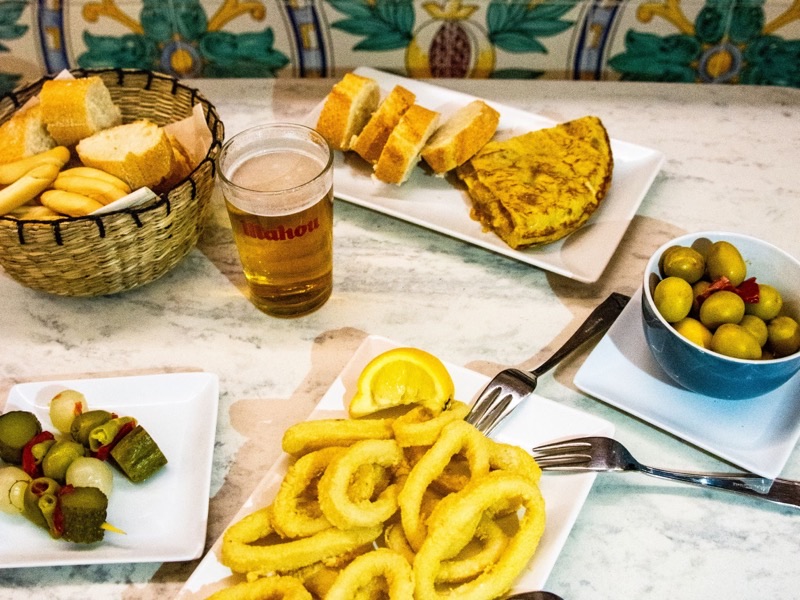
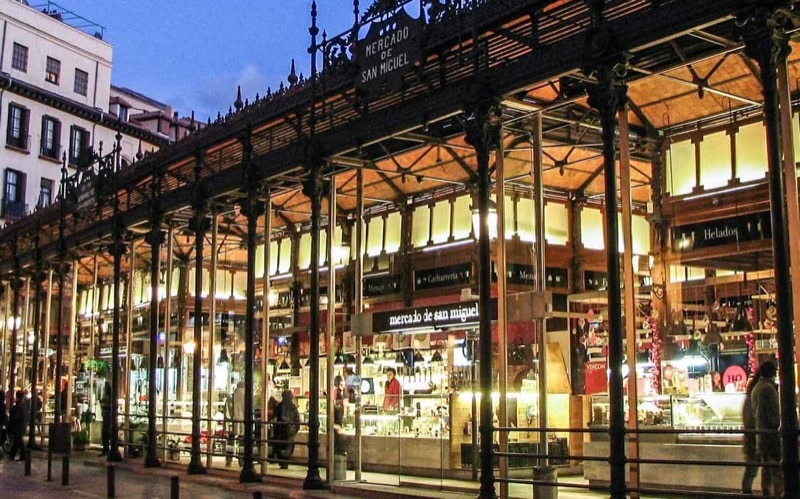
Madrid offers a dining experience that caters to all budgets and times of day. You can find excellent value 'Menu del Día' for €12-18 at lunch, or enjoy tapas at places like Bar La Campana for a bocadillo de calamares around €4-5. The San Miguel Market provides a gourmet experience, though prices are higher. For traditional eats, try Casa Botín, claimed as the oldest restaurant globally. The city’s late-night schedule means dinner often starts after 9 PM, and bars serve food well past midnight, with many bars in La Latina and Chueca offering drinks for €5-8.
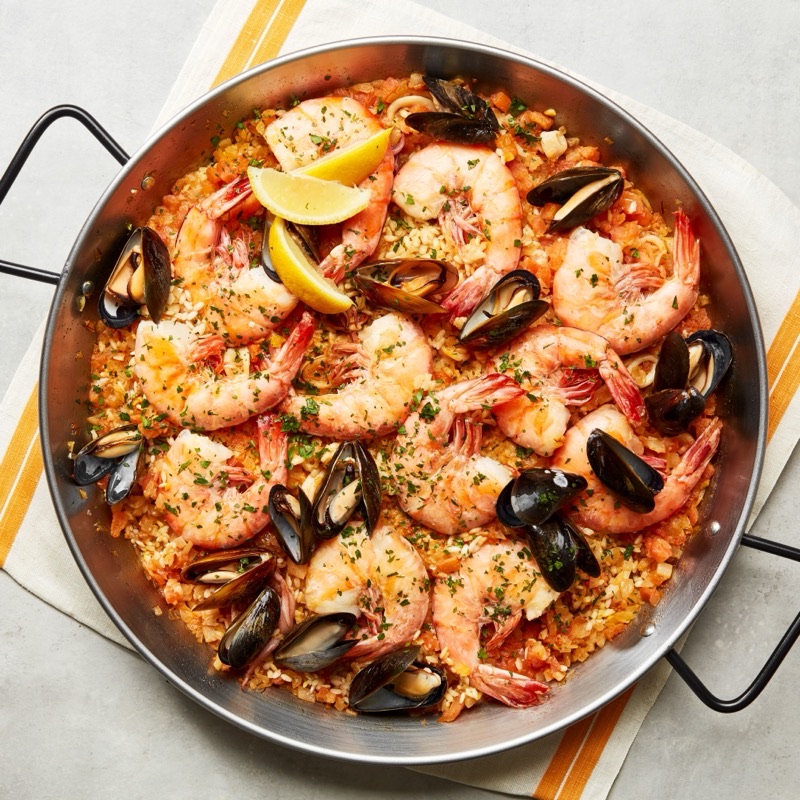
Mallorca's food scene centers on fresh seafood and local ingredients. Expect to pay €15-25 for a seafood paella in Palma or coastal towns. Traditional dishes include tumbet (vegetable casserole) and sobrassada (cured sausage). Fine dining options are plentiful, especially in resort areas and Palma, with meals often costing €40+ per person. While a fresh catch might cost more, bakeries offer good value ensaimadas (pastry) for a few euros. Drinks at beach clubs can be €10-15. The island has strong culinary traditions, but Madrid’s sheer variety and consistent value win out for the average traveler. tabiji verdict: Madrid provides better food diversity and value for a travel budget.
- Winner: Madrid
- Why: Madrid's food scene offers superior variety, quality, and affordability across many dining styles and late-night options.
- Who this matters for: Travelers prioritizing culinary exploration, late-night meals, and good food value.
🥂 Nightlife
Madrid is renowned for its nightlife, which truly begins after midnight and often continues until 6 AM or later. Areas like Malasaña, Chueca, and La Latina host hundreds of bars,…
Madrid
Mallorca
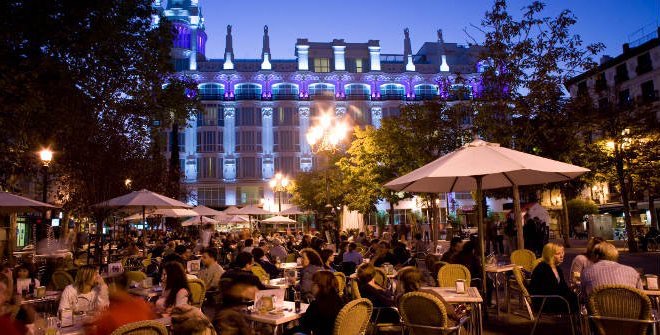
Madrid is renowned for its nightlife, which truly begins after midnight and often continues until 6 AM or later. Areas like Malasaña, Chueca, and La Latina host hundreds of bars, from casual spots to dedicated dance clubs. You can find craft beer bars, cocktail lounges, and large discotecas such as Kapital or Joy Eslava with entry around €15-25, often including a drink. Drinks at regular bars typically cost €6-10. The atmosphere is generally social and energetic, with people spilling out onto streets and plazas. The city is awake and active at hours most other places are asleep, making it a key attraction.
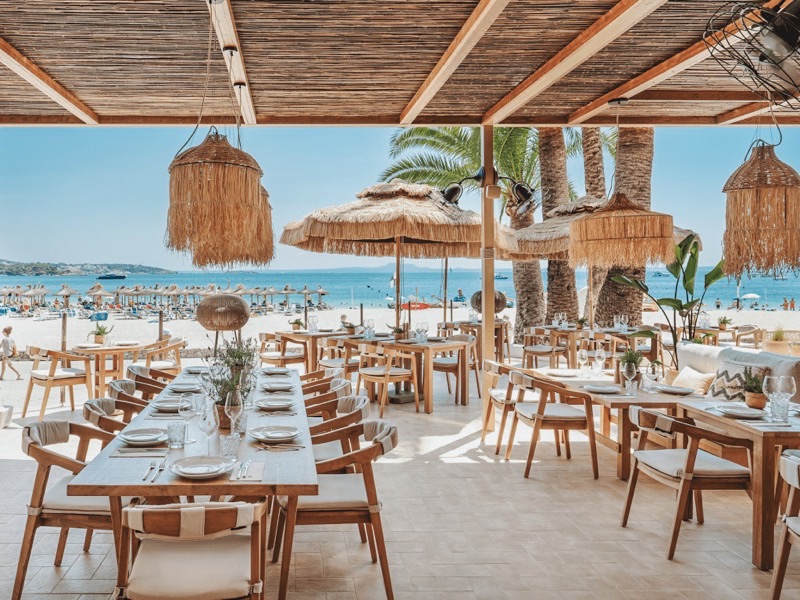
Mallorca's nightlife is more seasonal and concentrated. Palma offers a selection of bars and clubs, particularly along Paseo Marítimo, which stay open late, similar to other European cities. However, outside of Palma, the nightlife largely revolves around resort areas like Magaluf (known for party tourism) or more sophisticated beach clubs in areas like Portals Nous, where a cocktail might cost €12-18. Many smaller towns have quiet evenings. While there are options to dance and drink, it doesn't compare to Madrid's sheer scale, variety, and the cultural expectation of late-night activity. tabiji verdict: Madrid offers a significantly more extensive and authentic late-night experience.
- Winner: Madrid
- Why: Madrid's nightlife is an integral part of its culture, offering more options, later hours, and a consistent atmosphere across various districts.
- Who this matters for: Travelers seeking a lively, late-night social scene and extensive bar/club options.
🏛️ Culture & Sights
Madrid excels in cultural offerings, boasting the 'Golden Triangle of Art' with the Museo del Prado (€15 entry), Reina Sofía Museum (€12 entry), and Thyssen-Bornemisza Museum (€13…
Madrid
Mallorca
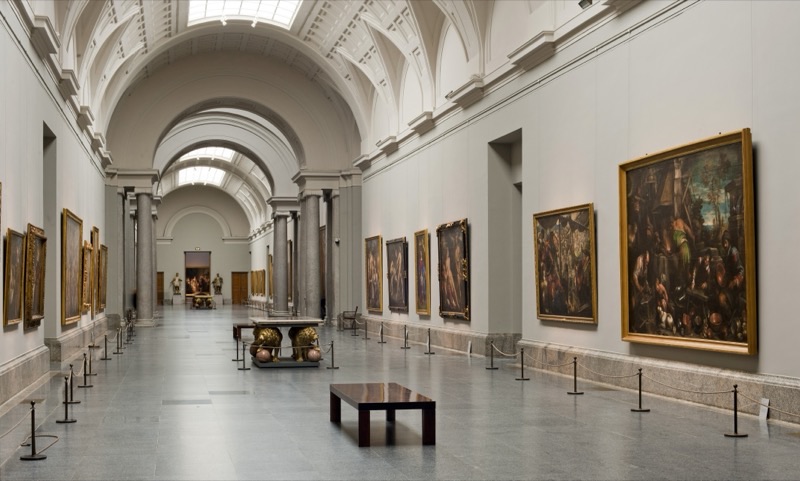
Madrid excels in cultural offerings, boasting the 'Golden Triangle of Art' with the Museo del Prado (€15 entry), Reina Sofía Museum (€12 entry), and Thyssen-Bornemisza Museum (€13 entry). Beyond art, there's the Royal Palace (€13 entry), Plaza Mayor, and Retiro Park. The city's history is visible in its architecture, from medieval alleys to grand boulevards. Flamenco shows are readily available, though tourist-focused ones can be €30-50. Madrid is a city built for walking and absorbing history and art, with many free entry times for museums. The cultural calendar is packed with concerts, theater, and exhibitions.
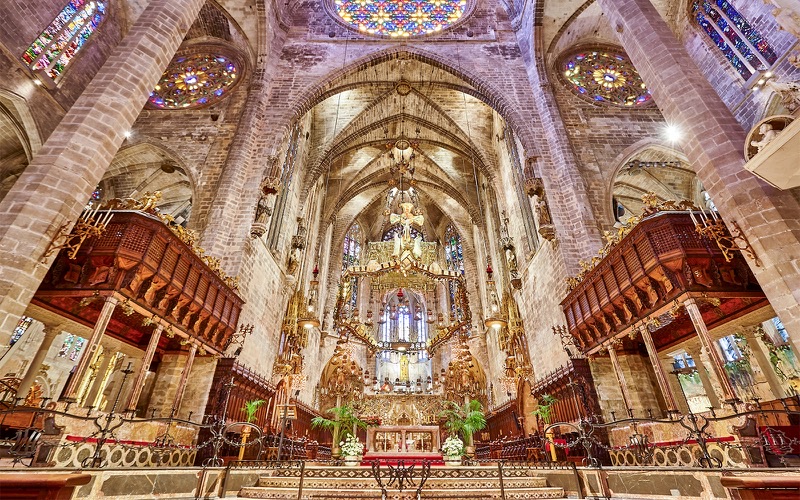
Mallorca's cultural attractions are more diffused and less concentrated than Madrid's. The Palma Cathedral (La Seu) is a prominent landmark (€8 entry), and the old town of Palma offers historic architecture. Outside Palma, you find ancient ruins like Pollentia in Alcúdia (€4 entry) and the historic monasteries of Valldemossa and Lluc. The island also has a unique identity, separate from mainland Spain, with its own language (Mallorquín) and traditions. However, the sheer volume and renown of Madrid's museums and historical sites make it a stronger cultural destination for many. tabiji verdict: Madrid presents a deeper, more concentrated cultural and historical experience.
- Winner: Madrid
- Why: Madrid possesses a collection of museums and historical sites that are globally recognized and easily accessible.
- Who this matters for: Travelers whose primary interest lies in art, history, and grand architectural landmarks.
💰 Costs (Daily Spend)
Madrid offers a better value for daily expenses. A typical budget traveler can manage on €80-120 per day, excluding accommodation. This includes €15-20 for a 'Menu del Día', €3-5…
Madrid
Mallorca
Madrid offers a better value for daily expenses. A typical budget traveler can manage on €80-120 per day, excluding accommodation. This includes €15-20 for a 'Menu del Día', €3-5 for tapas, and €1.50-2 for a single metro ticket. Accommodation in a central hostel can be €30-50 for a dorm bed, or €80-150 for a mid-range hotel room. Many museums offer free entry hours, and walking around the city is free. Beers are often €3-5, and wine is similarly priced. It's a city where you can stretch your euros further for quality experiences.
Mallorca's daily costs are higher, primarily driven by accommodation and transport. A mid-range hotel in a popular area can cost €120-250 per night in peak season. Food costs can be comparable to Madrid in non-touristy spots, but beachfront restaurants will charge more, with a main dish often €20+. Public transport is limited outside Palma, making a rental car almost essential for exploration, adding €30-60+ per day plus fuel. Excursions and boat trips also add up, often €50-100 per person. A daily budget of €120-200 is more realistic for Mallorca. tabiji verdict: Madrid consistently provides better value for a wide range of travel budgets.
- Winner: Madrid
- Why: Madrid offers significantly better value on daily expenses like food, transport, and general activities, making it more budget-friendly.
- Who this matters for: Budget-conscious travelers and those looking to maximize their spending power on experiences rather than essentials.
✈️ Getting There
Madrid-Barajas Airport (MAD) is a principal international gateway to Spain and Europe. It handles direct flights from major cities across North America, South America, Asia, and…
Madrid
Mallorca
Madrid-Barajas Airport (MAD) is a principal international gateway to Spain and Europe. It handles direct flights from major cities across North America, South America, Asia, and Europe. A direct flight from London takes approximately 2 hours 30 minutes, and from New York, around 7-8 hours. The airport is well-connected to the city center via metro (line 8, €5) and Cercanías train. Madrid is also the hub for Spain's high-speed rail network (AVE), connecting it efficiently to other Spanish cities like Barcelona, Seville, and Valencia, making multi-city trips within Spain convenient.
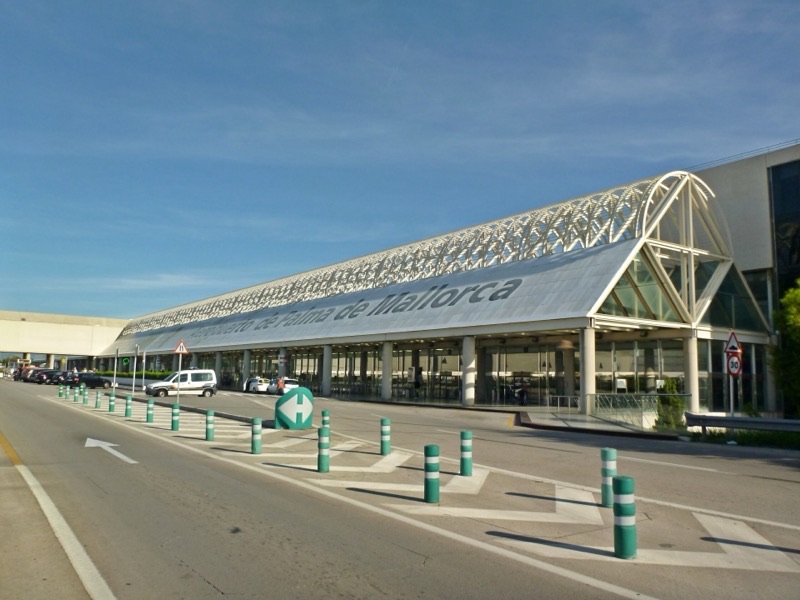
Palma de Mallorca Airport (PMI) is a large, seasonal airport that primarily serves European destinations. During summer, it sees a massive influx of direct flights from cities like London, Berlin, and Paris, with flight times around 2 hours 30 minutes from London. However, from outside Europe (e.g., North America), you will almost certainly need a connecting flight, typically via Madrid, Barcelona, or a major European hub like Frankfurt or Munich. There are no direct flights to Mallorca from most intercontinental destinations. While well-connected to Europe, its global accessibility is more limited compared to Madrid. tabiji verdict: Madrid's status as a global flight and rail hub offers superior accessibility for most international travelers.
- Winner: Madrid
- Why: Madrid's airport is a global hub with direct flights from more international origins, offering simpler and often cheaper access.
- Who this matters for: International travelers, especially those from outside Europe, and those planning multi-city trips within Spain.
🚇 Getting Around
Madrid boasts one of Europe's best metro systems, which is clean, efficient, and covers almost every corner of the city. A 10-trip 'Metrobús' pass costs around €12.20, making…
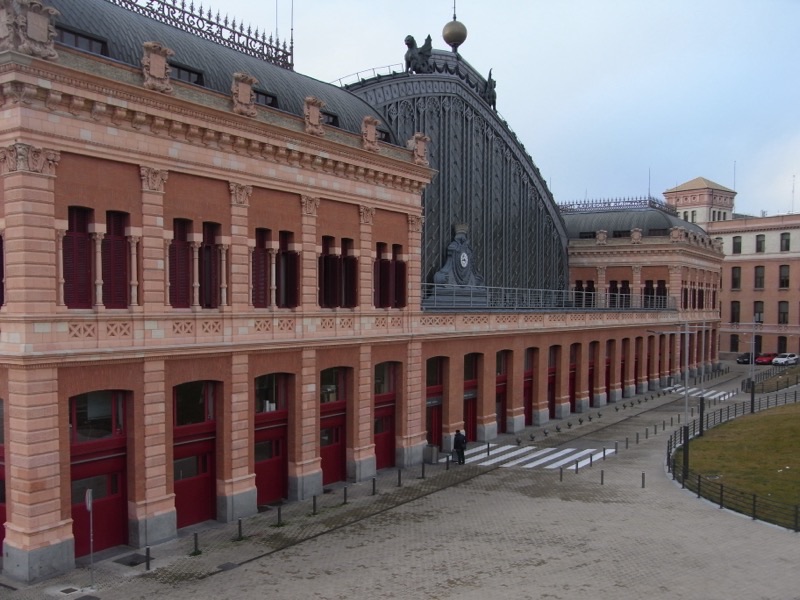
Madrid boasts one of Europe's best metro systems, which is clean, efficient, and covers almost every corner of the city. A 10-trip 'Metrobús' pass costs around €12.20, making individual rides very affordable (around €1.22). Buses are also extensive. Walking is also a primary mode of transport within central districts, as many attractions are close. Taxis and ride-shares are readily available and reasonably priced. You can easily spend a week in Madrid without needing a car, reaching all major sights and even nearby towns via regional trains (Cercanías) from Atocha station.
Mallorca's public transport is suitable for getting to and from Palma and some larger towns but is insufficient for comprehensive island exploration. Buses serve key routes, but schedules can be infrequent, especially to smaller villages or remote beaches. For true freedom to discover the Serra de Tramuntana mountains, hidden coves, or various towns like Valldemossa or Alcúdia, a rental car is almost essential. Car rental can cost €30-60 per day, plus fuel and parking fees. Taxis are available but expensive for longer distances. tabiji verdict: Madrid offers far superior and more convenient public transport for city exploration.
- Winner: Madrid
- Why: Madrid's extensive and affordable public transport network makes navigating the city effortless, eliminating the need for a rental car.
- Who this matters for: Travelers who prefer to rely on public transport, walk, and avoid renting a car.
🏨 Accommodation
Madrid offers a broad spectrum of accommodation options. You can find hostel dorm beds in the city center for €30-50 per night, mid-range hotels like Hotel Regina near Puerta del…
Madrid offers a broad spectrum of accommodation options. You can find hostel dorm beds in the city center for €30-50 per night, mid-range hotels like Hotel Regina near Puerta del Sol for €100-180 per night, or luxury stays at Hotel Ritz for €300+. Many hotels are centrally located, within walking distance of attractions or with easy metro access. The competition among providers helps keep prices relatively stable year-round, though major events can cause spikes. The choice is vast, from chain hotels to charming boutique guesthouses in neighborhoods like Malasaña.
Mallorca's accommodation landscape is dominated by resorts, especially along the coast, and agroturismos (rural hotels) in the interior. Prices are significantly higher during the peak summer months (June-August), with basic resort hotels costing €150-250 per night, and luxury villas or boutique hotels often exceeding €300-500. Outside of peak season, prices drop considerably, making spring or autumn more affordable. While Palma offers more city-style hotels, the island's charm often lies in its unique rural stays or beachfront properties. The options are different, but Madrid offers more consistent value and availability. tabiji verdict: Madrid provides better value and a wider range of affordable accommodation types for most travelers.
- Winner: Madrid
- Why: Madrid has a more extensive and consistently affordable range of accommodation options, suitable for all budgets and central locations.
- Who this matters for: Travelers looking for good value on lodging and those who prefer staying in a city center with diverse options.
🗺️ Day Trips
Madrid is a fantastic base for day trips to Castilian cities. Toledo, a UNESCO site, is just a 30-minute high-speed train ride (€10-15 each way) and offers medieval history, a…
Madrid is a fantastic base for day trips to Castilian cities. Toledo, a UNESCO site, is just a 30-minute high-speed train ride (€10-15 each way) and offers medieval history, a cathedral, and synagogues. Segovia, famous for its Roman aqueduct, Alcázar, and cochinillo asado (roast suckling pig), is 30 minutes away by train. El Escorial, a royal monastery and palace, is also easily accessible. These trips provide a contrast to Madrid's urban energy, offering deep dives into Spanish history and architecture, all without needing a rental car.
Mallorca offers day trips focused on its natural beauty and charming villages. The Serra de Tramuntana mountains are dotted with towns like Valldemossa and Deià, reachable by car or scenic bus routes. Boat trips to hidden coves like Cala S'Amarador or to the Cabrera Archipelago National Park are popular. You can also take ferries to neighboring Balearic islands like Ibiza or Menorca for a different island experience, though these are more involved than a quick train ride. While Mallorca's day trips offer natural beauty, Madrid's are culturally richer and easier to access for the average tourist. tabiji verdict: Madrid's day trip options are more historically significant and logistically simpler to execute.
- Winner: Madrid
- Why: Madrid's day trips to historic cities like Toledo and Segovia are exceptionally easy by train and offer significant cultural depth.
- Who this matters for: Travelers interested in exploring diverse historical sites and grand architecture outside the main city.
🌳 Nature & Beaches
Madrid, being landlocked, has no beaches. Its 'nature' consists primarily of large, manicured urban parks like Retiro Park, Casa de Campo, and Madrid Río. These offer green spaces…
Madrid, being landlocked, has no beaches. Its 'nature' consists primarily of large, manicured urban parks like Retiro Park, Casa de Campo, and Madrid Río. These offer green spaces for walks, picnics, and boating. While pleasant for city dwellers, they don't compare to wild natural landscapes. The Sierra de Guadarrama mountains are about an hour's drive north and offer hiking and winter sports, but require a dedicated trip. Madrid is fundamentally an urban destination, and any natural escape requires intentional planning and travel outside the city limits.
Mallorca is an island defined by its coastline and the Serra de Tramuntana mountain range. It boasts over 200 beaches and coves, from long sandy stretches like Es Trenc to secluded rocky calas like Cala Deià. The mountains offer extensive hiking and cycling routes, with trails like the Dry Stone Route. Water sports – swimming, snorkeling, paddleboarding, sailing – are major attractions. Natural parks like Mondragó provide protected areas for walking and wildlife spotting. For anyone prioritizing outdoor activities, coastal scenery, or simply time by the sea, Mallorca is the clear choice. tabiji verdict: Mallorca is the undisputed choice for natural beauty and beach access.
- Winner: Mallorca
- Why: Mallorca is an island with abundant beaches, coves, and a prominent mountain range perfect for outdoor activities, which Madrid completely lacks.
- Who this matters for: Beach lovers, hikers, cyclists, and anyone prioritizing access to natural landscapes and outdoor recreation.
☀️ Weather & Seasons
Madrid experiences a continental climate. Summers (July-August) are hot and dry, with average temperatures around 28-32°C (82-90°F), often spiking to 38°C (100°F). Winters…
Madrid experiences a continental climate. Summers (July-August) are hot and dry, with average temperatures around 28-32°C (82-90°F), often spiking to 38°C (100°F). Winters (December-February) are cold, with average temperatures around 5-10°C (41-50°F) and occasional snow. Spring (April-May) and autumn (September-October) are generally mild and pleasant, with temperatures around 15-25°C (59-77°F), making them ideal for sightseeing. The city's elevation means nights can cool down even in summer, but daytime heat can be intense.
Mallorca has a Mediterranean climate. Summers (July-August) are hot and sunny, with average temperatures around 26-30°C (79-86°F), but sea breezes often make it feel less extreme than Madrid. Winters are mild and relatively wet, with average temperatures around 10-15°C (50-59°F), and rare frost. Spring (April-May) and autumn (September-October) are long, warm, and sunny, with water still warm enough for swimming into late October. The shoulder seasons are excellent for outdoor activities like hiking and cycling. Choosing a winner here depends entirely on preference: Madrid for distinct seasons, Mallorca for extended warmth and mild winters. tabiji verdict: Both destinations offer appealing weather depending on traveler preferences and time of year.
- Winner: Tie
- Why: Both destinations offer appealing weather patterns depending on the traveler's seasonal preference and activity goals.
- Who this matters for: Travelers with specific preferences for hot summers or mild winters, or those planning trips during shoulder seasons.
🎯 The Decision Framework
Choose Madrid If…
- You want to spend hours in world-class art museums (Prado, Reina Sofía).
- You enjoy late dinners (after 9 PM) and nightlife that starts after midnight.
- You prefer to navigate a city using an efficient, affordable metro system.
- You seek diverse, international food options and good value tapas.
- You plan day trips to historically significant cities like Toledo or Segovia.
- You appreciate grand plazas and historic architecture for urban exploration.
- You are traveling outside of summer and want a city with consistent activity.
- You are on a tighter budget and want to maximize your spending on activities rather than essentials.
Choose Mallorca If…
- Your priority is spending time at beaches, swimming, or sunbathing.
- You want to explore dramatic mountain landscapes (Serra de Tramuntana) via hiking or driving.
- You plan to rent a car and explore hidden coves and charming villages independently.
- You seek fresh seafood and a more relaxed dining atmosphere.
- You enjoy water sports like snorkeling, paddleboarding, or sailing.
- You are looking for a resort stay or a rural agroturismo experience.
- You are traveling in the shoulder seasons (April-June, September-October) for pleasant weather and fewer crowds.
- You want an escape focused on outdoor activities and relaxation rather than intense sightseeing.
📅 Sample Itineraries
Weekend in Madrid (3 Days)
💡 Purchase a 10-trip Metrobus pass for around $12 to save on public transport, as single tickets cost $1.50-2 each.
Weekend in Mallorca (3 Days)
💡 Renting a car for a day or two can be cost-effective for exploring Mallorca's coves and mountain villages, often available from $30-50 per day.
One Week in Madrid (7 Days)
💡 Many museums offer free entry on specific days or evenings; check their websites to plan your visits and save $10-20 per person.
One Week in Mallorca (7 Days)
💡 Book a combined ticket for the Sóller train and tram to save a few dollars, or opt for a scenic bus ride instead of the tram which is much cheaper at around $3-5.
❓ Frequently Asked Questions
What's the best time to visit Madrid vs Mallorca?
Madrid is best in spring (April-May) or fall (September-October) for mild temperatures, around 15-25°C (59-77°F), ideal for walking. Mallorca is best in late spring (May-June) or early fall (September-October) when temperatures are warm (20-28°C / 68-82°F) and the sea is warm enough for swimming, but crowds are thinner than in peak summer.
Is a rental car necessary in Mallorca?
Yes, a rental car is highly recommended in Mallorca. While Palma itself has buses, exploring the mountains, smaller villages like Deià, or reaching secluded beaches requires personal transport. Buses outside Palma are limited. Expect to pay €30-60+ per day for a car, plus fuel.
How many days should I spend in each destination?
For Madrid, a minimum of 3-4 full days allows you to cover major museums and key districts. If adding a day trip to Toledo or Segovia, plan for 5-6 days. For Mallorca, 4-5 days is a good starting point to explore Palma, a section of the mountains, and some beaches. If you want a more relaxed pace or extensive hiking, allow 7+ days.
What's the typical budget difference for a mid-range traveler?
A mid-range traveler in Madrid can expect to spend €80-120 per day, excluding accommodation, for food, transport, and some activities. In Mallorca, expect €120-200 per day due to higher accommodation costs, the need for a rental car, and often pricier dining in tourist areas. Accommodation generally pushes Mallorca's budget higher.
Which destination is better for families?
This depends on the family's interests. Mallorca is generally better for families seeking beach time, swimming, and outdoor activities, with many resorts catering to children. Madrid is good for families interested in museums (some offer child-friendly exhibits), parks like Retiro, and general city exploration, but lacks the direct beach access that many families prioritize.
Is either location good for solo travel?
Both can be good. Madrid is excellent for solo travelers due to its safe public transport, social tapas culture, and many free walking tours, making it easy to meet people. Mallorca can be good for solo outdoor enthusiasts or those seeking quiet relaxation, but it might be less conducive to spontaneous social interactions unless staying in a hostel or specific activity group.
Can you combine Madrid and Mallorca in one trip?
Yes, absolutely. A direct flight between Madrid and Palma de Mallorca takes only about 1 hour 15 minutes and costs around €30-80 depending on the season and booking time. It's a convenient way to experience both the urban culture of mainland Spain and the Mediterranean island escape. Plan for at least 8-10 days total to adequately enjoy both destinations without rushing.
How significant is the language barrier in each place?
In both Madrid and Mallorca, Spanish is the primary language. In Madrid, English is understood in major tourist areas, but knowing basic Spanish phrases is very helpful for deeper interactions. In Mallorca, due to high tourism, English and German are widely spoken in resort areas and tourist hotspots, though Mallorquín (a Catalan dialect) is also common among locals.
Ready to plan your Spain trip?
Get a free custom itinerary for Madrid, Mallorca, or both — built from real traveler insights.
👥 Travelers Also Compared
🎟️ Book Tours & Experiences
Hand-picked tours and activities for both destinations — book with free cancellation
Experiences via Viator — free cancellation on most tours