How we built this comparison
This page combines traveler discussion patterns, published price ranges, flight schedules, and seasonal data to help you decide between Madrid and Seville.
- Reviewed 50+ Reddit threads from r/travel, r/solotravel, r/SpainTravel, r/Madrid, r/Seville
- Verified costs and logistics against current booking platforms like Booking.com, Renfe, Skyscanner
- Cross-referenced seasonal patterns and weather data from AccuWeather and local tourism boards
- Incorporated insights from travel blogs and reputable guides focused on Spain
⚡ The TL;DR Verdict
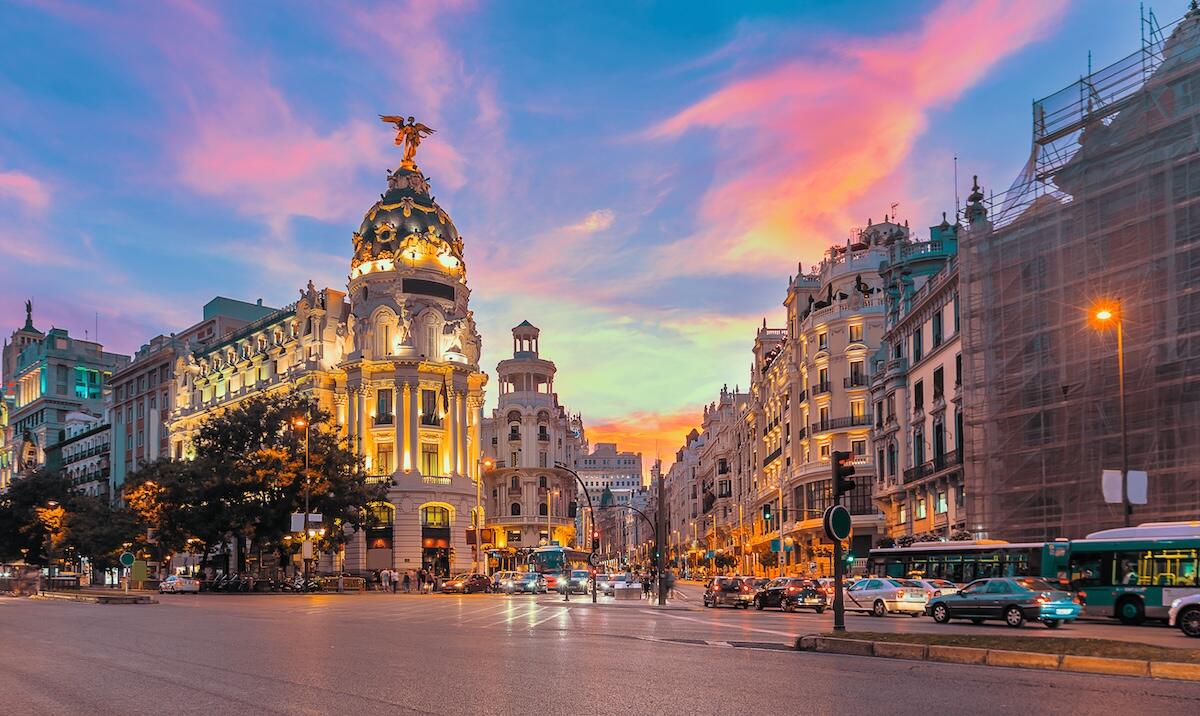
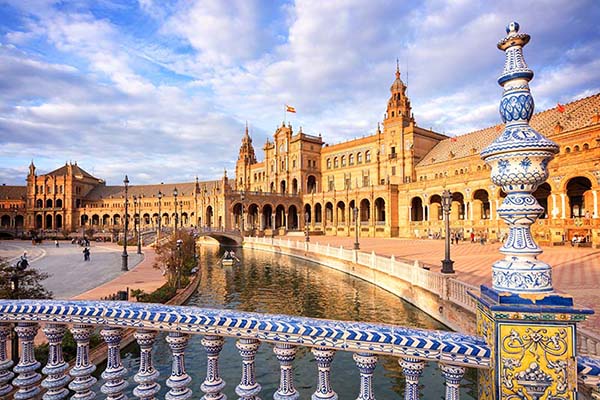
Madrid is your go-to if you crave a bustling, world-class city with unparalleled art, nightlife, and diverse food, best for a daily budget of €80-150 ($87-163). Seville offers a more traditional, romantic Spanish experience, steeped in history and flamenco, ideal for a slightly more relaxed budget of €70-130 ($76-141).
- Choose Madrid: Pick Madrid if you're a city slicker who loves grand museums, endless shopping, diverse culinary scenes, and a nightlife that truly never sleeps. It's fantastic for art lovers, fashionistas, and those who thrive on a cosmopolitan buzz.
- Choose Seville: Choose Seville if you're drawn to authentic Spanish charm, flamenco, Moorish architecture, and a slower pace of life. It’s perfect for history buffs, romantics, and anyone wanting to soak in the passionate soul of Andalusia.
- Choose Both: Absolutely do both if you have at least 7-10 days. The high-speed AVE train connects them in under 2.5 hours, offering a fantastic contrast between Spain's modern capital and its traditional southern gem. Start with Madrid for 3-4 days, then head to Seville for 3-4 days.
Quick Comparison
| Category | Madrid | Seville | Winner |
|---|---|---|---|
| Food & Drink | Vast, diverse culinary scene from traditional tapas to Michelin-starred dining, lively markets like Mercado de San Miguel. | Home of authentic Andalusian tapas, orange wine, and a strong sherry culture. More traditional and budget-friendly. | Madrid |
| Nightlife & Entertainment | Legendary nightlife that starts late and goes until dawn, with endless options from chic clubs to intimate jazz bars. | Known for vibrant flamenco shows, charming rooftop bars, and a lively bar scene around Alameda de Hércules. | Madrid |
| Culture & History | World-class art museums (Prado, Reina Sofía), grand royal palace, and expansive history as Spain's capital. | Rich Moorish heritage, stunning Alcázar and Cathedral, birthplace of flamenco, and the heart of Andalusian tradition. | Seville |
| Costs & Budget | As a major capital, it's generally more expensive for accommodation, dining, and transport, but offers free museum hours. | Generally more budget-friendly across the board, especially for tapas, local transport, and some attractions. | Seville |
| Getting There & Logistics | Major international airport (MAD) with direct flights from many global hubs; excellent train connections across Spain. | Smaller international airport (SVQ) often requiring a connection; well-connected by high-speed train to Madrid. | Madrid |
| Accommodation | Wide range of options from luxury hotels to boutique hostels, concentrated in distinct, vibrant neighborhoods. | Charming boutique hotels and guesthouses, often in historic buildings, with good value in the old town. | Tie |
| Day Trips | Exceptional historical cities like Toledo and Segovia are easily accessible by high-speed train. | Gateway to Andalusia's white villages, Córdoba's Mezquita, and the dramatic landscapes of Ronda. | Madrid |
| Weather & Seasons | Continental climate with hot, dry summers, cold winters, and pleasant spring/autumn. Can have extreme temperatures. | Mediterranean climate with scorching hot summers, mild winters, and long, warm springs and autumns. | Seville |
| Vibe & Atmosphere | Bustling, cosmopolitan, grand, and fast-paced. Feels like a major European capital with diverse influences. | Romantic, traditional, passionate, and charming. A slower pace, deeply rooted in Andalusian culture. | Seville |
| Shopping & Souvenirs | Premier shopping destination with international brands, luxury boutiques, and vibrant local markets. | Focus on artisan crafts, flamenco fashion, ceramics, and local food products, especially from Triana. | Madrid |
🍷 Food & Drink
Madrid, as a capital city, has an incredibly diverse and sophisticated food scene. While Seville excels in traditional tapas, Madrid offers everything from classic Castilian roasts (like cochinillo at Sobrino de Botín) to innovative fusion cuisine. Its famous Mercado de San Miguel offers a sensory overload of gourmet tapas and drinks, though it's pricier (€4-7 per tapa / $4.30-7.60). You can find fantastic everyday tapas bars in La Latina with cañas (small beers) for €2-3 ($2.15-3.20) and a tapa included. Seville's charm lies in its abundant and often cheaper traditional tascas, especially in Triana or Alameda de Hércules, where a tapa might cost €2.50-5 ($2.70-5.40). Don't miss the orange wine unique to Seville, and a visit to a classic spot like El Rinconcillo, one of the oldest bars in Spain. While Seville is more charmingly authentic, Madrid's sheer variety and higher-end options give it the edge for serious foodies. "Madrid has everything, you can eat something different every day for a month and still not scratch the surface. Seville is amazing for classic tapas, but Madrid is just next level for options."
Winner takeaway
- Winner: Madrid
- Why: Madrid's culinary landscape is broader and more diverse, catering to all palates and budgets, from traditional to innovative.
- Who this matters for: Foodies, those seeking variety, and travelers who enjoy both high-end and casual dining experiences.
💃 Nightlife & Entertainment
Madrid is truly the city that never sleeps. Its nightlife is legendary, with clubs like Kapital (multi-story mega-club) and venues in areas like Malasaña and Chueca offering everything from techno to indie rock. Bars often don't get busy until 11 PM, and clubs until 2 AM, staying open until 6 or 7 AM. A standard drink (copa) at a club can be €10-15 ($11-16). For a more cultural experience, catch a world-class flamenco show at a tablao like Corral de la Morería, with tickets starting around €40-60 ($43-65) for a show and drink. Seville's nightlife is also vibrant but generally winds down earlier, focusing more on social drinking in squares like Alameda de Hércules or enjoying rooftop views (e.g., Hotel Doña María). Flamenco is culturally significant here, with authentic peñas (local flamenco clubs) offering a more intimate, less touristy experience, often cheaper or even free to enter (drinks €3-5 / $3.20-5.40). However, for sheer volume, variety, and the late-night energy, Madrid dominates. "If you want to party till the sun comes up, Madrid is your place, no contest. Seville is great for a few drinks and a proper flamenco show, but not a full-on club night."
Winner takeaway
- Winner: Madrid
- Why: Madrid's nightlife is unparalleled in Europe for its diversity, energy, and truly late hours.
- Who this matters for: Party-goers, club enthusiasts, and anyone looking for diverse late-night entertainment options.
🏛️ Culture & History
This is a tough one, as both cities are cultural powerhouses, but Seville's unique blend of Moorish, Christian, and Gypsy influences gives it a slight edge for a truly distinctive historical experience. Madrid boasts the 'Golden Triangle of Art' – the Prado Museum (entry ~€15 / $16), Reina Sofía (home to Picasso's Guernica, ~€12 / $13), and Thyssen-Bornemisza. The Royal Palace of Madrid is grand and impressive (~€13 / $14). However, Seville's Alcázar (entry ~€14.50 / $15.70), a stunning royal palace with breathtaking gardens, and its colossal Cathedral and Giralda tower (entry ~€18 / $19.50), the largest Gothic cathedral in the world, offer a more immersive and aesthetically singular historical journey. The Barrio de Santa Cruz, with its labyrinthine alleys, whispers centuries of stories. Flamenco, deeply ingrained in Seville's identity, provides an emotional cultural experience that's hard to match. "Seville just feels more 'Spanish' in its history and traditions. Madrid has the big museums, but Seville's Alcázar and Cathedral are just magical, like stepping back in time."
Winner takeaway
- Winner: Seville
- Why: Seville's rich, layered history and unique Moorish-Andalusian cultural identity offer a more distinctive and immersive cultural experience.
- Who this matters for: History buffs, architecture enthusiasts, and those seeking a deep dive into traditional Spanish and Moorish heritage.
💰 Costs & Budget
Seville is noticeably more budget-friendly than Madrid, making your euros stretch further. For example, a basic hostel bed in Seville can be found for €20-40 ($22-43) per night, while in Madrid, you're looking at €25-45 ($27-49). Mid-range hotels in Seville might average €70-130 ($76-141), compared to Madrid's €80-150 ($87-163). Food is also cheaper; tapas are often €2.50-5 ($2.70-5.40) in Seville, versus €3-6 ($3.20-6.50) in Madrid, and full meals follow a similar trend. Public transport in Seville (bus/tram) is around €1.40 ($1.50) per ride, while Madrid's metro is €1.50-2 ($1.60-2.15). While Madrid offers free entry hours for its major museums, overall daily expenses for food, drinks, and accommodation will be lower in Seville. "My budget felt so much happier in Seville. I could eat out every night without feeling guilty, whereas Madrid felt like I had to be more careful with every purchase."
Winner takeaway
- Winner: Seville
- Why: Seville consistently offers better value for money across accommodation, dining, and daily expenses.
- Who this matters for: Budget-conscious travelers, backpackers, and anyone looking to maximize their travel funds.
✈️ Getting There & Logistics
Madrid's Adolfo Suárez Madrid–Barajas Airport (MAD) is a major international hub, offering direct flights from most major cities worldwide, including many in the US (e.g., New York, 7-8 hours). This makes initial arrival and departure much smoother. A taxi from MAD to the city center costs a flat rate of €30 ($32.50), while the metro is a cheaper option. From Madrid, high-speed AVE trains connect you efficiently to virtually every major Spanish city. Seville's San Pablo Airport (SVQ) is smaller, often requiring a connection if flying internationally, though it has good connections within Europe. A taxi from SVQ to the city center is around €22-25 ($24-27). The high-speed AVE train between Madrid and Seville is incredibly efficient, taking under 2.5 hours and costing €40-80 ($43-87) depending on how far in advance you book. Madrid simply offers superior global connectivity and serves as a better transport base for exploring the rest of Spain. "Flying into Madrid was a breeze, straight shot from home. Seville required a layover, which added time and stress. Madrid just makes everything easier logistically for a first-timer to Spain."
Winner takeaway
- Winner: Madrid
- Why: Madrid's major international airport and central location make it a more convenient entry point and transport hub for Spain.
- Who this matters for: International travelers, those with limited time, and anyone planning to visit multiple cities in Spain.
🏨 Accommodation
Both cities offer excellent accommodation options, though with slightly different flavors. Madrid provides a vast selection of high-end luxury hotels like the Ritz Mandarin Oriental, stylish boutique stays in areas like Malasaña, and numerous well-regarded hostels (e.g., Generator Madrid) in central areas. You can find a decent mid-range hotel for €80-150 ($87-163) and a hostel bed for €25-45 ($27-49). Seville, on the other hand, excels in charming, historic boutique hotels and guesthouses, particularly within the Santa Cruz and Triana neighborhoods. Many are converted from traditional Sevillian houses, offering unique character. Prices are generally lower, with mid-range hotels at €70-130 ($76-141) and hostels from €20-40 ($22-43). While Madrid offers more choice and higher-end luxury, Seville offers more distinctive, atmospheric stays at better value. It really depends on your preference: grand city hotels vs. charming historic lodgings. "I loved my boutique hotel in Seville's old town, felt so authentic. Madrid had more 'standard' hotel options, but also some really swanky ones I couldn't afford! Both are great depending on your vibe."
Winner takeaway
- Winner: Tie
- Why: Both cities offer excellent and diverse accommodation, catering to different preferences and budgets.
- Who this matters for: Everyone, as both cities provide ample choices for various travel styles and budgets.
🏞️ Day Trips
Madrid is arguably the best base in Spain for truly iconic and easy day trips. Within 30 minutes by high-speed train (around €10-20 / $11-22 return), you can be in Toledo, a UNESCO World Heritage site known as the 'City of Three Cultures,' offering incredible history. Segovia, with its Roman aqueduct and fairytale Alcázar, is another must-see, reachable by train in about an hour (similar price). El Escorial, a massive royal monastery, is also easily accessible. These destinations offer a profound historical and architectural contrast to Madrid's urban bustle. Seville's day trips are equally stunning but often require a bit more planning or a slightly longer journey. Córdoba, with its mesmerizing Mezquita, is a fantastic 45-minute AVE trip (€20-35 / $22-38). The 'White Villages' (Pueblos Blancos) and Ronda are gorgeous but typically require a bus or rental car for a full day's exploration. While Seville's region is beautiful, Madrid's day trip options are more concentrated and effortlessly accessible by public transport. "Madrid's day trips are just ridiculously easy and world-class. Toledo and Segovia are just a quick train ride away and absolutely blow you away. Seville's day trips are great too, but felt like more effort to get to."
Winner takeaway
- Winner: Madrid
- Why: Madrid offers an unparalleled array of easily accessible, world-class historical day trips by high-speed rail.
- Who this matters for: Travelers who want to explore beyond the main city and maximize their cultural immersion efficiently.
☀️ Weather & Seasons
When it comes to comfortable travel weather, Seville generally wins, provided you avoid mid-summer. Madrid has a continental climate, meaning very hot and dry summers (often hitting 35-40°C / 95-104°F in July-August) and surprisingly cold winters, sometimes with snow (avg 2-10°C / 36-50°F in Dec-Feb). Spring (April-May) and Autumn (September-October) are glorious in Madrid, with pleasant temperatures around 18-25°C (64-77°F). Seville, however, boasts a Mediterranean climate, enjoying long, warm springs and autumns (avg 20-30°C / 68-86°F) and very mild winters (avg 8-16°C / 46-61°F), making it an excellent winter sun destination. The downside is its summers are notoriously brutal, often exceeding 40°C (104°F) and feeling even hotter due to humidity, making sightseeing unbearable. If you visit outside of July/August, Seville's weather is often more consistently pleasant for exploring. "I went to Seville in October and the weather was just perfect, warm enough for short sleeves during the day but comfortable. Madrid in August was a furnace, great for air-conditioned museums, not so much for walking around."
Winner takeaway
- Winner: Seville
- Why: Seville offers a longer window of pleasant, warm weather, with milder winters, making it more enjoyable for outdoor exploration across most seasons.
- Who this matters for: Travelers sensitive to extreme heat or cold, and those seeking pleasant outdoor exploring conditions for most of the year.
✨ Vibe & Atmosphere
This is entirely subjective, but Seville often captivates visitors with its distinct, romantic, and passionate Andalusian soul. Madrid, while undeniably vibrant, feels like a grand, bustling European capital – dynamic, modern, and diverse. It has a chic, urban energy with wide boulevards, impressive architecture, and a constant hum of activity. Seville, by contrast, feels more intimate despite its size. Its narrow, winding streets in Barrio de Santa Cruz, the scent of orange blossoms, the sound of a distant guitar, and the omnipresent passion of flamenco create an atmosphere that is uniquely Spanish and deeply enchanting. The pace is slower, more relaxed, and encourages lingering in plazas with a glass of sherry. It feels less like a city and more like a beautifully preserved dream. "Seville just *feels* like Spain, every corner is picturesque, and the vibe is so romantic and laid-back. Madrid is cool, but it’s a big city, doesn’t have that same old-world charm."
Winner takeaway
- Winner: Seville
- Why: Seville offers a more distinctive, authentic, and emotionally captivating traditional Spanish atmosphere.
- Who this matters for: Romantics, those seeking traditional Spanish charm, and travelers who prefer a more relaxed, immersive cultural experience.
🛍️ Shopping & Souvenirs
Madrid is undeniably Spain's premier shopping destination. From the high-street fashion on Gran Vía and Calle Fuencarral to the luxury brands in Salamanca's 'Golden Mile' (think Serrano street), you'll find everything. El Rastro, one of Europe's oldest flea markets (Sundays), offers unique antiques and quirky finds. Department stores like El Corte Inglés are ubiquitous. You can easily spend €100-500 ($108-540) on a good shopping spree depending on your taste. Seville offers a more traditional and artisan-focused shopping experience. Calle Sierpes and Calle Tetuán are the main commercial streets with Spanish chains. However, Seville truly shines for specific local crafts: exquisite ceramics from the Triana neighborhood (a hand-painted tile can be €20-50 / $22-54), beautiful flamenco dresses (though expensive, starting from €200 / $217), and local food products like olive oil and sherry. While Seville provides authentic souvenirs, Madrid's sheer scale, variety, and international appeal make it the winner for serious shoppers. "If you want to actually shop for clothes or bigger items, Madrid is miles ahead. Seville is great for unique gifts and local crafts, but not a shopping destination like Madrid."
Winner takeaway
- Winner: Madrid
- Why: Madrid offers a vastly superior and more diverse shopping experience, from luxury to flea markets.
- Who this matters for: Fashion enthusiasts, those seeking international brands, and travelers looking for extensive retail therapy.
❓ Frequently Asked Questions
Which city is better for a first-time visitor to Spain?
For a first-timer, Madrid often makes a smoother entry point due to its major airport and excellent central transport links. It provides a comprehensive overview of modern Spain, with easy access to iconic day trips. However, if your heart is set on a more traditional, romantic Spanish experience, Seville delivers that in spades.
Is it easy to travel between Madrid and Seville?
Absolutely! The high-speed AVE train connects Madrid's Atocha station to Seville's Santa Justa station in a remarkable 2 hours and 30 minutes. Trains run frequently throughout the day, making it very convenient to combine both cities into one trip. Book your tickets in advance for the best prices (often €40-80).
Which city is better for families with children?
Madrid offers more kid-friendly attractions like Retiro Park with its boat rentals and puppet shows, the Warner Bros Park outside the city, and numerous interactive museums. Seville is beautiful but might be less engaging for younger children, though carriage rides and the Alcázar's gardens can be charming.
What's the best time of year to visit Madrid or Seville?
For both, Spring (April-May) and Autumn (September-October) are ideal with pleasant temperatures. Avoid July and August for Seville due to extreme heat, and be prepared for hot weather in Madrid during those months. Madrid's winters can be chilly but are less harsh than northern Europe, while Seville enjoys very mild winters.
Do I need to speak Spanish in Madrid or Seville?
While it's always helpful, you can largely get by with English in tourist areas of both cities, especially Madrid. However, learning a few basic phrases (hello, thank you, please) will greatly enhance your experience, particularly in Seville's more traditional establishments, and locals will appreciate the effort.
Which city has better flamenco?
Seville is often considered the heartland of flamenco, offering a raw, passionate, and deeply authentic experience. You'll find many traditional 'peñas' (flamenco clubs) and intimate tablaos. Madrid also has world-class tablaos like Corral de la Morería, often with higher production value, but Seville's connection to flamenco feels more intrinsic and widespread.
Is one city safer than the other for solo travelers?
Both Madrid and Seville are generally very safe cities for solo travelers, including women. Common sense precautions apply, especially regarding pickpockets in crowded tourist areas. Madrid's extensive late-night public transport can be a plus, while Seville's compact old town makes it easy to navigate on foot, even at night.
Can I visit both cities in a short trip, like 4-5 days?
It's ambitious but doable! Allocate 2-3 days for Madrid to see its main sights, then take the AVE train to Seville for 2 days. It will be a whirlwind, but you'll get a taste of both. For a more relaxed trip, aim for at least 7 days to truly appreciate each city without rushing.
Ready to plan your Spain trip?
Get a free custom itinerary for Madrid, Seville, or both — built from real traveler insights.
🎟️ Book Tours & Experiences
Hand-picked tours and activities for both destinations — book with free cancellation
Experiences via Viator — free cancellation on most tours