How we built this comparison
This page combines traveler discussion patterns, published price ranges, flight schedules, and seasonal data to help you decide between Madrid and Valencia.
- Reviewed 100+ Reddit threads from r/travel, r/solotravel, r/Madrid, r/Valencia, and r/SpainTravel for authentic traveler experiences.
- Verified costs and logistics against current booking platforms (e.g., Renfe, Booking.com, local attraction websites).
- Cross-referenced seasonal patterns and weather data from meteorological sources for accurate climate comparisons.
⚡ The TL;DR Verdict
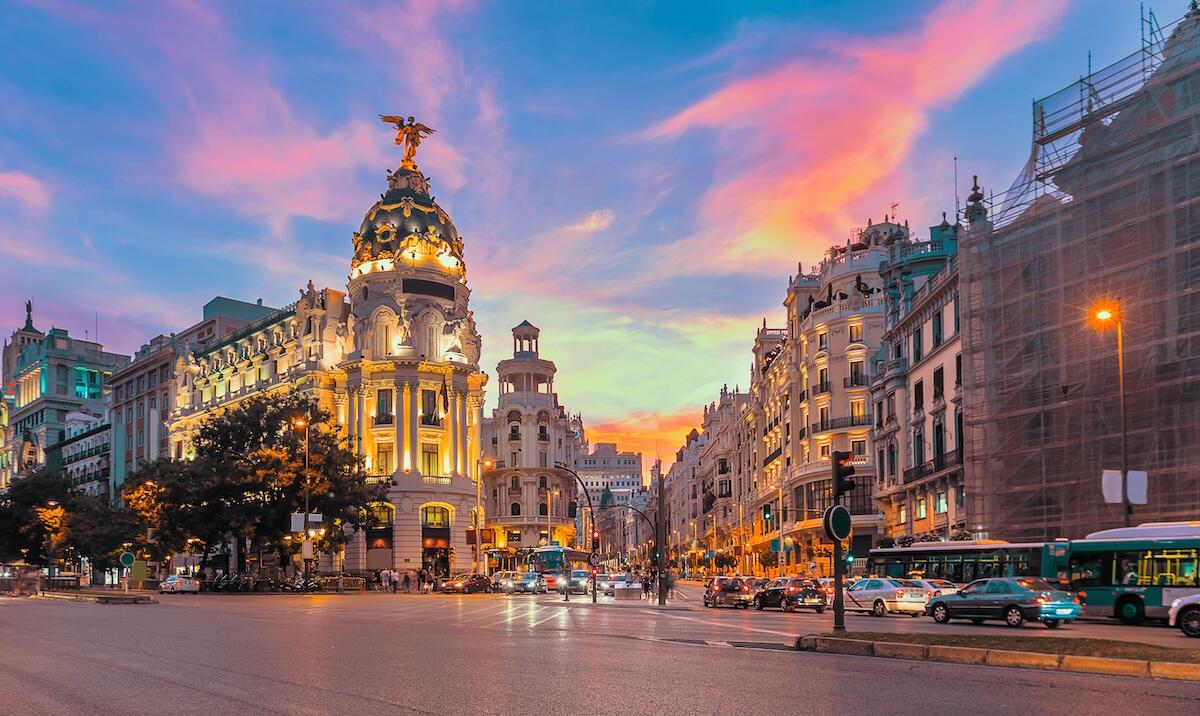
Madrid is for those craving grand museums, epic nightlife, and a bustling urban experience, typically budgeting €70-150 (~$75-160) daily. Valencia offers a more relaxed pace, stunning beaches, and a fantastic food scene with a slightly lower daily budget of €55-120 (~$60-130). Pick Madrid for the ultimate city break, Valencia for a blend of city and coast.
- Choose Madrid: If you're into world-class art, vibrant late-night scenes, and a grand, historical capital city feel without needing a beach.
- Choose Valencia: If you desire beautiful city beaches, modern architecture, a laid-back vibe, and incredible food (especially paella) at a slightly lower cost.
- Choose Both: Combine them for the ultimate Spanish experience! Dedicate 3-4 days to Madrid and 2-3 days to Valencia. High-speed train makes it an easy 2-hour, 5-minute journey (AVE train tickets from €35-70 (~$38-75) one-way).
Quick Comparison
| Category | Madrid | Valencia | Winner |
|---|---|---|---|
| Food & Drink | Tapas culture is king, excellent fine dining, late dinners, diverse international cuisine. | Home of paella, fresh seafood, vibrant central market, more health-conscious options. | Valencia |
| Nightlife | One of Europe's best party cities, diverse clubs, late-night bars, vibrant LGBTQ+ scene. | Lively but more relaxed, great beach clubs in summer, Ruzafa district for trendy bars. | Madrid |
| Culture & History | World-class museums (Prado, Reina Sofía), Royal Palace, grand plazas, rich literary history. | City of Arts and Sciences, historic Old Town, UNESCO Silk Exchange, unique Fallas festival. | Madrid |
| Costs | Generally more expensive for accommodation and dining, budget options available. | Slightly more affordable overall, good value for food and accommodation, free beaches. | Valencia |
| Beaches & Nature | No beaches; urban parks like Retiro offer green space, mountainous day trips. | City beaches (Malvarrosa, Las Arenas), Albufera Natural Park, Turia Gardens. | Valencia |
| Getting Around | Excellent, extensive metro system, walkable city center, good bus network. | Walkable Old Town, good metro/tram to beaches, very bike-friendly. | Madrid |
| Day Trips | Toledo, Segovia, El Escorial, Ávila – all UNESCO sites, easily accessible by train. | Albufera Natural Park, Sagunto, Peñíscola, small coastal towns – often require a car. | Madrid |
| Weather & Seasons | Hot, dry summers; cold, crisp winters; pleasant springs/autumns. | Mild, sunny winters; hot, humid summers; long, warm shoulder seasons. | Valencia |
| Accommodation | Wide range from luxury hotels to budget hostels, competitive prices, excellent airbnb options. | Good value, charming boutique hotels, fewer large luxury chains, diverse apartment rentals. | Tie |
| Solo Travel & Safety | Generally safe, lively atmosphere, easy to meet people in hostels/bars, pickpocketing common. | Very safe, relaxed vibe, easy to navigate, great for solo female travelers. | Valencia |
🍽️ Food & Drink
Madrid excels with its classic tapas bars like La Casa del Abuelo or modern gastronomy at DiverXO, offering everything from traditional jamón to Michelin-starred experiences. Expect to pay €3-5 (~$3.20-5.40) for a tapa and a drink. However, Valencia truly shines with its culinary identity, being the birthplace of paella. Head to La Pepica for a classic beachfront experience or any restaurant in El Palmar for an authentic wood-fired paella. The Mercado Central is a feast for the senses, offering fresh produce, seafood, and local delicacies at incredible prices. A proper paella for two can cost €25-40 (~$27-43). The quality of fresh, local ingredients, especially seafood, feels more prominent and accessible in Valencia. As one Reddit user put it, "Valencia paella is the *real* paella, everything else is just rice and stuff." The horchata and fartons are also unique treats not to be missed.
Winner takeaway
- Winner: Valencia
- Why: Valencia's distinct culinary heritage, especially its paella and fresh market produce, gives it an edge for foodies seeking unique flavors.
- Who this matters for: Foodies, those seeking authentic regional cuisine, and budget-conscious travelers.
🎉 Nightlife
Madrid is legendary for its nightlife; it doesn't even start until well after midnight. Areas like Malasaña, La Latina, and Chueca offer an endless array of bars, pubs, and clubs catering to every taste. From indie rock at Sala Sol to massive electronic clubs like Fabrik (though outside the city center), Madrid truly never sleeps. Drinks can range from €8-15 (~$8.60-16) for cocktails, and club entry usually €15-25 (~$16-27) including a drink. Valencia has a thriving nightlife too, particularly in the trendy Ruzafa district with its chic bars and live music venues, or the Carmen district for a more traditional pub crawl. In summer, the beach clubs along Malvarrosa Beach come alive. While vibrant, Valencia's scene is generally more laid-back and finishes earlier than Madrid's. "Madrid's clubs just don't quit, I literally saw the sunrise after a night out in Malasaña," a traveler once shared on Reddit. If you're looking for a serious party, Madrid is the undeniable champion.
Winner takeaway
- Winner: Madrid
- Why: Madrid's sheer scale, diversity, and dedication to late-night revelry make it a world-class party destination.
- Who this matters for: Party-goers, young travelers, and anyone looking for a truly epic night out.
🏛️ Culture & History
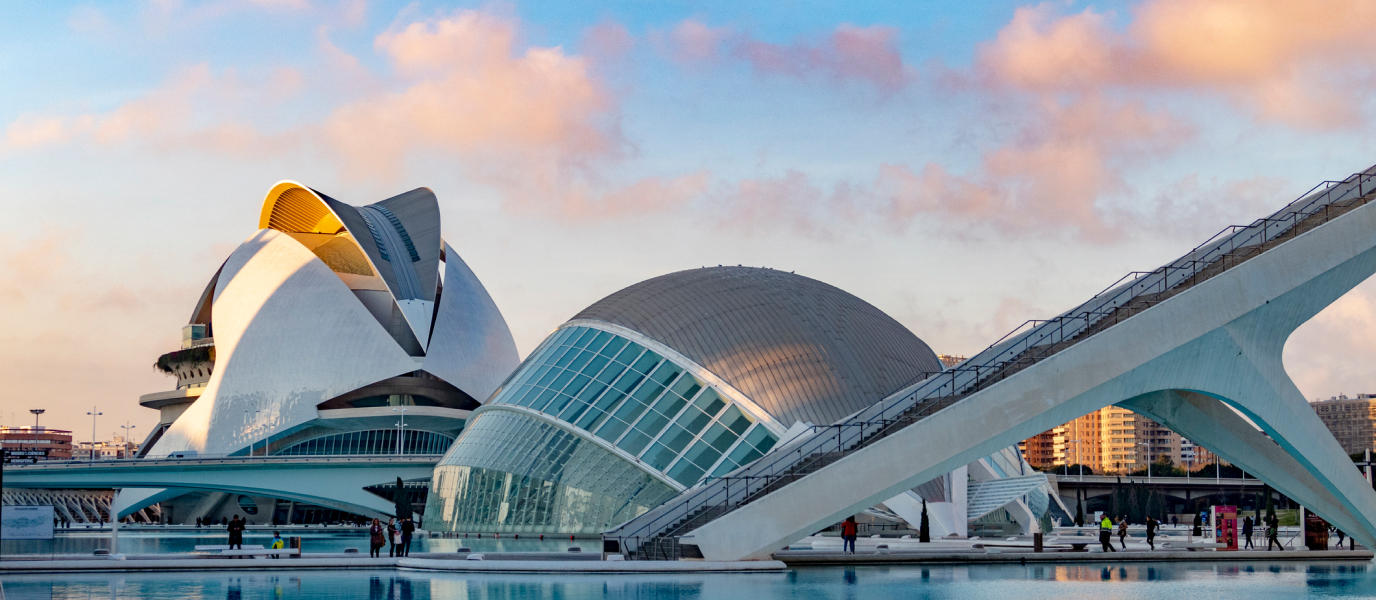
Madrid's cultural offerings are immense and truly world-class. The 'Golden Triangle of Art' – Prado Museum, Reina Sofía (home to Picasso's Guernica), and Thyssen-Bornemisza – can easily fill days. Entry to these museums is typically €15-20 (~$16-21.50), with free hours often available. The Royal Palace (entry around €13 (~$14)) is stunning, and the city's literary quarter (Barrio de las Letras) offers a deep dive into Spain's golden age. Valencia, while rich in history with its stunning Silk Exchange (La Lonja de la Seda, UNESCO site, €2 (~$2.15) entry) and beautiful Old Town (El Carmen), offers a different cultural blend. Its most iconic cultural landmark is the futuristic City of Arts and Sciences, a marvel of modern architecture with the Oceanogràfic aquarium (entry €34 (~$37)) and the Hemisfèric. "Madrid felt like stepping into a living museum, while Valencia was a cool mix of ancient and futuristic," noted a traveler. Madrid's sheer volume of historical sites and globally significant art collection gives it the edge for serious culture vultures.
Winner takeaway
- Winner: Madrid
- Why: Madrid boasts an unparalleled concentration of world-renowned art museums, royal history, and grand architecture.
- Who this matters for: Art lovers, history buffs, and those seeking iconic cultural landmarks.
💸 Costs
When it comes to your wallet, Valencia typically offers more bang for your buck. A decent meal in Madrid can easily run €15-25 (~$16-27) per person, whereas in Valencia, you can find excellent menu del día options for €12-18 (~$13-19.50). Accommodation in Madrid's central areas like Sol or Gran Vía averages €80-150 (~$86-160) for a mid-range hotel, while a comparable stay in Valencia's Ruzafa or Ciutat Vella might be €60-120 (~$65-130). Transportation costs are similar with a metro ticket around €1.50-2 (~$1.60-2.15) in both cities, but you might walk more in Valencia. Attractions like museums often have similar price points, but Madrid has more premium experiences that add up. "My hostel in Valencia was way nicer for the price than anything I found in Madrid," one backpacker shared. While both cities can be explored on a budget, Valencia consistently provides a better value experience across the board, especially for food and mid-range lodging.
Winner takeaway
- Winner: Valencia
- Why: Valencia generally offers lower prices for accommodation, dining, and daily expenses, providing better overall value.
- Who this matters for: Budget travelers, families, and those looking to maximize their travel funds.
🏖️ Beaches & Nature
This is a no-brainer. Madrid is landlocked, offering no direct beach access. Its natural beauty lies in its vast urban parks, most notably Parque del Retiro, a beautiful green oasis perfect for a leisurely stroll or boat ride. Day trips to the Sierra de Guadarrama mountains provide stunning hikes but require a car or longer train journey. Valencia, on the other hand, boasts fantastic urban beaches like Malvarrosa and Las Arenas, easily accessible by tram or bus from the city center. These wide, sandy beaches are perfect for sunbathing, swimming, and enjoying fresh seafood by the sea. Just south of the city lies the stunning Albufera Natural Park, a freshwater lagoon and rice paddies (home to the rice for paella) where you can take tranquil boat tours (around €4-6 (~$4.30-6.50) per person). "After all the museums in Madrid, hitting the beach in Valencia was such a refreshing change," a user commented. Valencia's Turia Gardens, a park built in a dried-up riverbed, also offers miles of green space for cycling and relaxing. For anything beach or nature-related, Valencia is the clear winner.
Winner takeaway
- Winner: Valencia
- Why: Valencia offers direct access to beautiful city beaches and the stunning Albufera Natural Park, a stark contrast to landlocked Madrid.
- Who this matters for: Beach lovers, families with children, nature enthusiasts, and those wanting a coastal escape.
🚇 Getting Around
Both cities have excellent public transport, but Madrid's metro system is one of the best in Europe – efficient, clean, and extensive, connecting virtually every neighborhood and major attraction. A single ticket costs around €1.50-2 (~$1.60-2.15), and a 10-trip 'Metrobus' pass is €12.20 (~$13.15). The city center is also very walkable, making it easy to navigate without a car. Valencia's historic center is also very walkable, and its metro and tram system efficiently connects the city to the beaches and the City of Arts and Sciences. However, Valencia really shines with its bike-friendliness; with over 160 km of bike lanes and the flat Turia Gardens, cycling is a popular and enjoyable way to explore. You can rent a bike for around €10-15 (~$11-16) per day. While Valencia offers great cycling, Madrid's sheer scale and the seamless integration of its metro, bus, and Cercanías (commuter rail) network for reaching even further suburbs and day trips gives it a slight edge for overall urban mobility. "Madrid's metro is a dream, seriously, you can get anywhere so fast," a Reddit user praised. For comprehensive city exploration, Madrid's public transport network is hard to beat.
Winner takeaway
- Winner: Madrid
- Why: Madrid's expansive and highly efficient metro system makes navigating the large city incredibly easy and fast.
- Who this matters for: Travelers who prefer public transport, those covering a lot of ground, and visitors with limited time.
🗺️ Day Trips
Madrid is arguably the best base in Spain for day trips, boasting an incredible array of historical and cultural gems just a short train ride away. Within an hour, you can be in Toledo (a UNESCO World Heritage city, train €10-15 (~$11-16) one-way), Segovia (famous for its Roman aqueduct and Alcázar, train €10-20 (~$11-21.50)), or the Royal Monastery of San Lorenzo de El Escorial. Ávila, with its perfectly preserved medieval walls, is also easily reachable. These trips offer diverse historical experiences, from Roman engineering to medieval castles and royal palaces. Valencia's day trip options are more focused on natural beauty and smaller coastal towns. While the Albufera Natural Park is a fantastic half-day trip, other destinations like the ancient Roman theater in Sagunto or the stunning castle town of Peñíscola (popular Game of Thrones filming location) often require renting a car or taking a slower regional train. "Toledo and Segovia from Madrid were absolutely breathtaking, so easy to do in a day," one Reddit user enthused. The sheer volume and ease of access to world-class historical sites give Madrid a decisive victory here.
Winner takeaway
- Winner: Madrid
- Why: Madrid offers a superior selection of easily accessible, world-class historical and cultural day trips by high-speed train.
- Who this matters for: History buffs, culture seekers, and travelers who enjoy exploring beyond the main city.
☀️ Weather & Seasons
Madrid has a continental Mediterranean climate, meaning very hot and dry summers (often hitting 35-40°C / 95-104°F in July-August) and surprisingly cold, crisp winters (around 0-10°C / 32-50°F in Dec-Feb). Spring (April-May) and autumn (September-October) are generally delightful, with pleasant temperatures of 20-25°C (68-77°F). Valencia, with its coastal Mediterranean climate, enjoys much milder winters (rarely below 10°C / 50°F) and long, warm shoulder seasons that extend well into November and start early in March. Summers are hot and humid (30-35°C / 86-95°F), but the sea breeze often provides some relief, and you can always cool off at the beach. "Valencia in October was perfect for the beach, still sunny and warm, Madrid felt a bit chilly already," a traveler shared. If you're sensitive to extreme heat or cold, Valencia's more temperate climate is generally more appealing for longer parts of the year, making it a more versatile destination outside of peak summer. The longer periods of pleasant weather and the option to hit the beach almost half the year give Valencia the edge.
Winner takeaway
- Winner: Valencia
- Why: Valencia offers a milder, more pleasant climate for more of the year, with less extreme temperatures than Madrid.
- Who this matters for: Travelers sensitive to extreme heat/cold, those seeking shoulder-season beach time, and year-round visitors.
🏨 Accommodation
Both Madrid and Valencia offer fantastic accommodation options, making this category a tie, largely dependent on your specific budget and style. In Madrid, you'll find everything from grand luxury hotels like the Ritz (now Mandarin Oriental Ritz) or Hotel Urban to countless mid-range boutique hotels in areas like Malasaña or Chueca, and a vast selection of hostels (e.g., Generator Hostel) for €25-40 (~$27-43) per night. Prices for a good mid-range hotel average €90-160 (~$97-172). Valencia has a strong offering of charming boutique hotels, especially in Ciutat Vella and Ruzafa, often at slightly more competitive prices, averaging €70-130 (~$75-140) for a similar standard. Hostels like Purple Nest Hostel are around €20-35 (~$21.50-38). Both cities have a thriving Airbnb market. "I found an amazing apartment in Valencia for half the price I'd pay for a basic hotel in Madrid," one Reddit comment illustrates the value potential. While Madrid has more high-end international chains and sheer volume, Valencia offers fantastic value and unique, charming stays.
Winner takeaway
- Winner: Tie
- Why: Both cities provide excellent and diverse accommodation options, catering to all budgets and styles, making it a subjective choice.
- Who this matters for: All travelers, as both cities offer great choices, but Valencia might appeal more to budget-conscious mid-range travelers.
🚶♀️ Solo Travel & Safety
Both Madrid and Valencia are remarkably safe cities for solo travelers, but Valencia edges out Madrid for its slightly more relaxed atmosphere and lower incidence of petty crime. Madrid is vibrant and generally safe, even late at night, but like any major European capital, it's known for pickpocketing, especially in crowded tourist areas like Plaza Mayor, Puerta del Sol, and on the metro. Solo travelers will find it easy to meet people in Madrid's many hostels and lively bars. Valencia, while still a major city, feels a bit more low-key and less frenetic. The crime rate, particularly for petty theft, is generally lower than in Madrid. Its compact, walkable center and excellent public transport make it easy to navigate alone, and the friendly locals contribute to a welcoming environment. "As a solo female traveler, Valencia felt incredibly safe, even walking around at night," shared a Redditor. While both are great choices, Valencia's slightly calmer pace and lower reported petty crime rates give it a small but significant advantage for those prioritizing a stress-free solo experience.
Winner takeaway
- Winner: Valencia
- Why: Valencia offers a slightly more relaxed atmosphere and lower rates of petty crime, making it feel marginally safer for solo travelers.
- Who this matters for: Solo travelers, especially solo female travelers, and those prioritizing a very relaxed and secure environment.
❓ Frequently Asked Questions
Which city is better for a first-time visitor to Spain?
For a comprehensive introduction to Spain's rich culture, vibrant history, and energetic atmosphere, Madrid often takes the lead. It offers world-class museums, grand architecture, and a quintessential Spanish city experience. Valencia is fantastic for a more relaxed, coastal introduction, especially if you prioritize beaches and food.
Can I easily travel between Madrid and Valencia?
Absolutely! The high-speed AVE train connects Madrid's Puerta de Atocha station to Valencia's Joaquín Sorolla station in just 1 hour and 50 minutes to 2 hours and 5 minutes. Tickets typically range from €35-70 (~$38-75) and should be booked in advance for the best prices.
Which city has better weather in winter?
Valencia definitely has milder winters. Its coastal location means temperatures rarely drop below 10°C (50°F), and sunny days are common. Madrid, being inland, experiences colder, crisper winters with temperatures often hovering around 0-10°C (32-50°F) and occasional snowfall.
Is Madrid or Valencia better for families with children?
Valencia generally offers more family-friendly attractions. The City of Arts and Sciences, especially the Oceanogràfic (Europe's largest aquarium), and its beautiful, easily accessible city beaches are huge draws for kids. Madrid has parks and some museums, but Valencia's offerings feel more tailored to diverse age groups.
Which city is more budget-friendly?
Valencia is generally more budget-friendly than Madrid. You'll find slightly lower prices for accommodation, dining (especially for authentic local food), and daily expenses. While both offer budget options, Valencia provides better value across the board for mid-range travelers.
Do I need to speak Spanish in either city?
While Spanish is the official language in both, you can generally get by with English in tourist areas, hotels, and major attractions. However, knowing some basic Spanish phrases will significantly enhance your experience, especially in smaller restaurants or shops off the main tourist paths.
Which city has better shopping?
Madrid is the undisputed winner for shopping. It offers a vast array of international brands, luxury boutiques along Calle de Serrano, large department stores like El Corte Inglés, and unique independent shops in neighborhoods like Malasaña. Valencia has good shopping, but on a smaller scale.
What's the main difference in vibe between Madrid and Valencia?
Madrid exudes a grand, bustling, and cosmopolitan energy, feeling like a true European capital with a non-stop pace. Valencia has a more relaxed, Mediterranean charm; it's vibrant but feels less frenetic, with a strong connection to its historical roots and coastal lifestyle.
Ready to plan your Spanish trip?
Get a free custom itinerary for Madrid, Valencia, or both — built from real traveler insights.
🎟️ Book Tours & Experiences
Hand-picked tours and activities for both destinations — book with free cancellation
Experiences via Viator — free cancellation on most tours