How we built this comparison
This page combines traveler discussion patterns, published price ranges, flight schedules, and seasonal data to help you decide between Maldives and Caribbean.
- Reviewed 100+ Reddit threads from r/travel, r/solotravel, r/maldives, r/CaribbeanTravel, and country-specific subreddits.
- Verified costs and logistics against current booking platforms (e.g., Skyscanner, Booking.com, resort websites) and recent travel blogs.
- Cross-referenced seasonal patterns, weather data, and safety reports from government advisories and traveler forums.
⚡ The TL;DR Verdict
Choose Maldives if you want beaches & water, accommodation, nature & wildlife. Choose Caribbean if you want costs & budget, food & drink, getting there & around. Split your trip if you want both experiences without forcing one destination to do the other's job.
- Choose Maldives: beaches & water, accommodation, nature & wildlife.
- Choose Caribbean: costs & budget, food & drink, getting there & around.
- Choose Both: Rarely done on a single trip due to distance, but if you have a month+ and an unlimited budget, you could combine the ultimate relaxation of the Maldives with a week or two exploring a dynamic Caribbean island like Barbados or St. Lucia for contrast.
- Split your trip: Split your trip if you want Maldives for its strongest wins but still want Caribbean for the categories where it clearly does better.
Best-for snapshot
Fast answers first: who each destination tends to serve best, pulled from the page’s own comparison table and verdict.
Best for food
CaribbeanVibrant and diverse culinary scene blending African, European, and indigenous influences; fantastic street food, fresh seafood, and a lively rum culture.
Best for nightlife
CaribbeanVibrant and diverse options from beach bars and lively clubs to local rum shops and street parties; varies by island from laid-back to energetic.
Best for budget
CaribbeanBroad range from budget-friendly guesthouses to ultra-luxury resorts; more options for self-catering and diverse dining, offering better value for money.
Best for first-timers
TieA softer call based on overall ease and beginner-friendliness.
Best for couples
CaribbeanRich blend of indigenous, African, and European cultures; diverse activities from historical tours, vibrant festivals, rainforest hikes, to cave explorations.
Best for solo travelers
CaribbeanVibrant and diverse culinary scene blending African, European, and indigenous influences; fantastic street food, fresh seafood, and a lively rum culture.
Best for families
CaribbeanBroad range from budget-friendly guesthouses to ultra-luxury resorts; more options for self-catering and diverse dining, offering better value for money.
Quick scorecards
Lightweight scoring for scanability - a decision aid, not fake precision.
Maldives
Caribbean
Quick Comparison
| Category | Maldives | Caribbean | Winner |
|---|---|---|---|
| Beaches & Water | Unrivaled soft white sands, crystal-clear turquoise lagoons, and vibrant coral reefs perfect for snorkeling and diving directly from your villa. | Varied beaches from white to pink sands, black volcanic shores, and often more active waters for surfing or watersports; reefs are beautiful but less pristine globally. | Maldives |
| Costs & Budget | High-end luxury, even budget options like local islands are still pricier than comparable Caribbean stays; all-inclusive resorts are common but expensive. | Broad range from budget-friendly guesthouses to ultra-luxury resorts; more options for self-catering and diverse dining, offering better value for money. | Caribbean |
| Accommodation | Predominantly luxury resort islands with overwater bungalows, beach villas, and all-inclusive packages; minimal local hotel options. | Massive variety: all-inclusive mega-resorts, boutique hotels, private villas, guesthouses, eco-lodges, and family-run inns across many islands. | Maldives |
| Food & Drink | High-quality international cuisine at resort restaurants, fresh seafood (often imported ingredients), and limited local fare; alcohol is expensive and confined to resorts. | Vibrant and diverse culinary scene blending African, European, and indigenous influences; fantastic street food, fresh seafood, and a lively rum culture. | Caribbean |
| Getting There & Around | Long international flights (20-30+ hours from North America), followed by seaplane or speedboat transfers; limited inter-island travel. | Shorter, more frequent flights from North America (3-6 hours); inter-island ferries, local flights, and rental cars offer diverse travel options. | Caribbean |
| Culture & Activities | Focus on water sports (diving, snorkeling, surfing), resort-based activities, and limited interaction with local Maldivian culture on specific island tours. | Rich blend of indigenous, African, and European cultures; diverse activities from historical tours, vibrant festivals, rainforest hikes, to cave explorations. | Caribbean |
| Nightlife | Limited to resort-based bars, quiet lounges, occasional themed nights, and romantic dinners; no external public nightlife. | Vibrant and diverse options from beach bars and lively clubs to local rum shops and street parties; varies by island from laid-back to energetic. | Caribbean |
| Nature & Wildlife | Predominantly marine-focused with world-class reefs, abundant fish, sharks, manta rays, and whale sharks; limited land-based wildlife. | Diverse ecosystems including rainforests, volcanic peaks, caves, and a variety of land animals (monkeys, birds) alongside marine life. | Maldives |
| Safety | Extremely safe within resorts; local islands are generally safe but require respect for local customs (conservative dress, no alcohol). | Varies significantly by island and area; generally safe in tourist zones but petty crime is common in some areas, and certain islands have higher crime rates. | Maldives |
| Best Time to Visit | Dry season (Dec-Apr) offers best weather, but higher prices; shoulder season (May/Nov) can offer deals with good weather; rainy season (Jun-Oct) has lower prices but more rain. | Dry season (Dec-May) is peak with best weather and higher prices; hurricane season (Jun-Nov) has lower prices, but risk of storms (especially Aug-Oct), though southern islands are less affected. | Tie |
🏖️ Beaches & Water
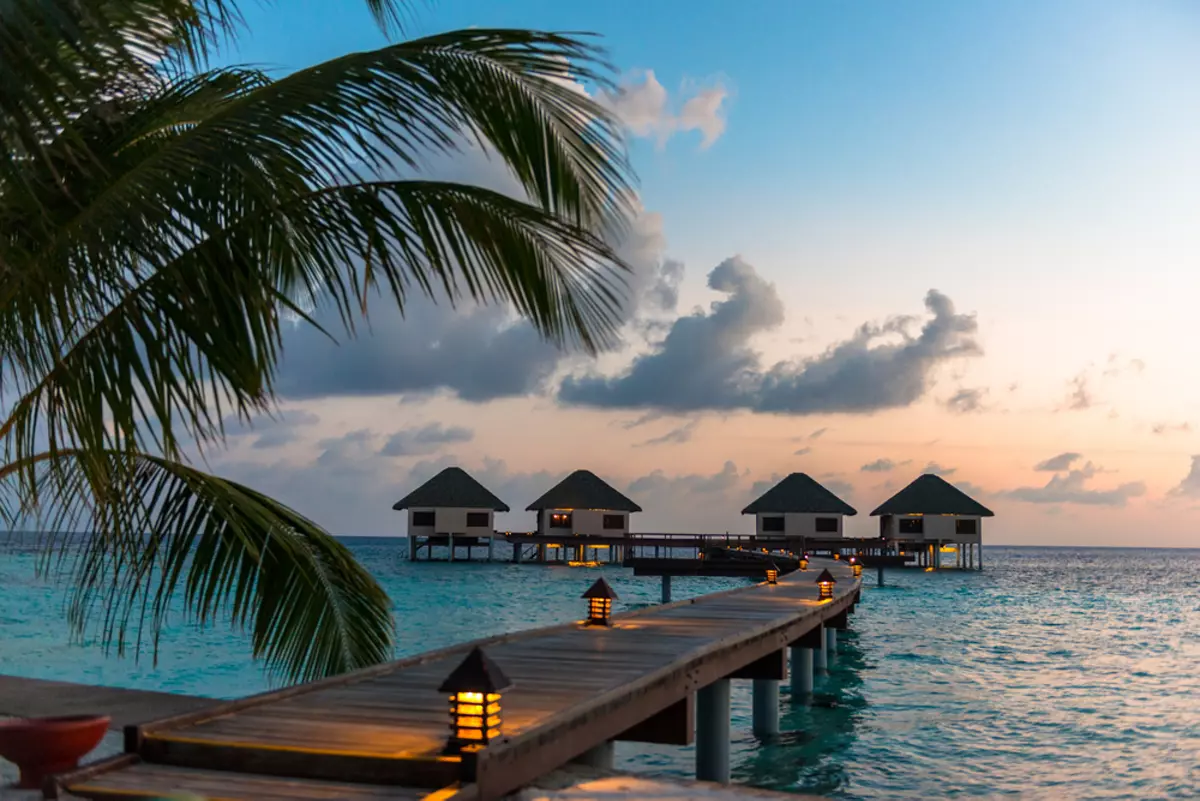
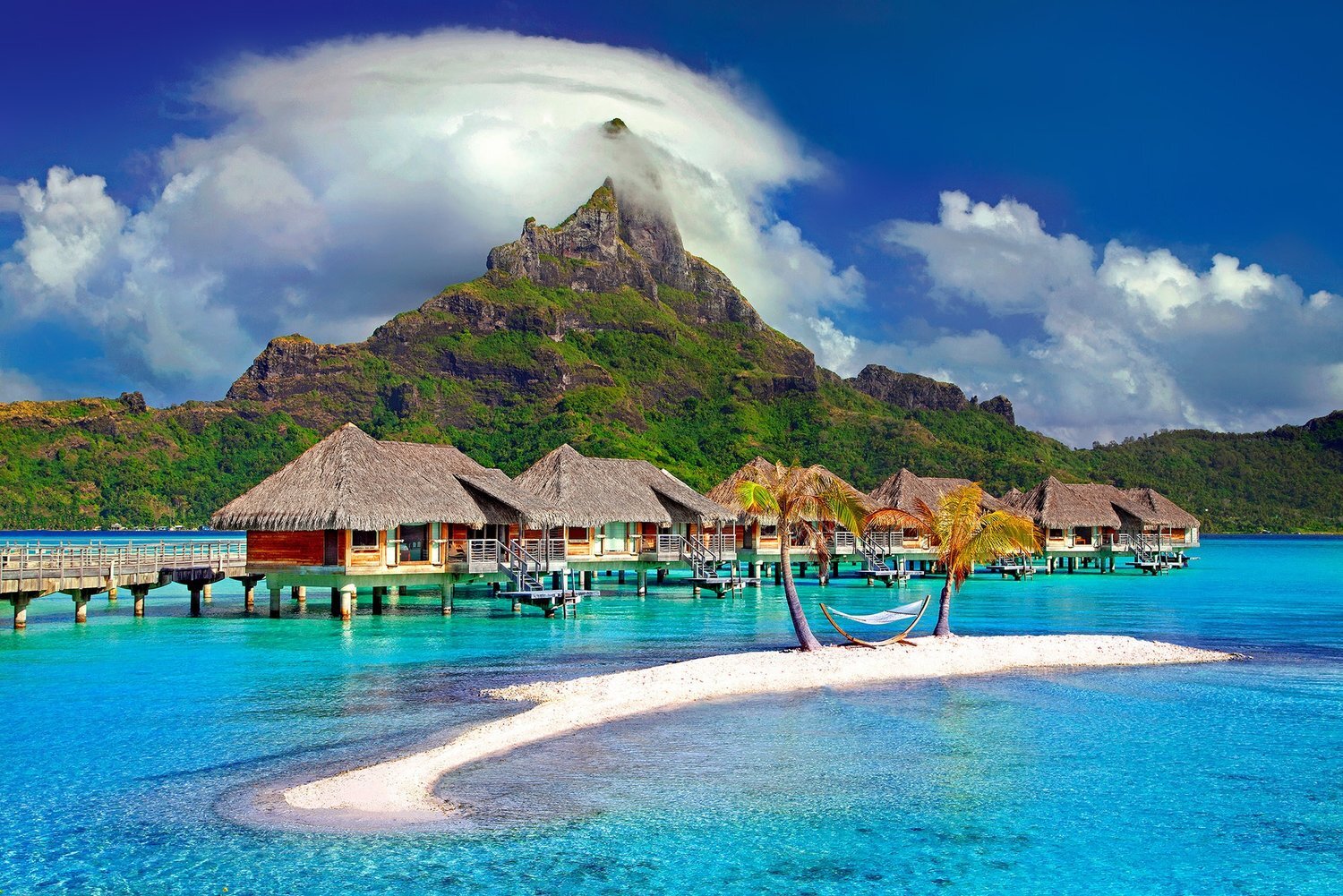
The Maldives is practically synonymous with perfect beaches. Every resort island is a tiny slice of heaven, often with a house reef just steps from your overwater bungalow or beach villa. The sand is impossibly soft, the water is a gradient of sapphire to emerald, and marine life (like manta rays at Baa Atoll or whale sharks in South Ari Atoll) is abundant. Snorkeling or diving off Conrad Maldives Rangali Island, you'll see more vibrant coral and fish than most places on earth. In contrast, Caribbean beaches like Grace Bay in Turks & Caicos are stunning, but the sheer ubiquity of pristine, isolated beauty in the Maldives is unmatched. "Honestly, nothing beats waking up and jumping straight into the ocean from your room at St. Regis Vommuli. It’s like living in a screensaver." The water visibility in the Maldives is often 30-40 meters, making it a diver's paradise, whereas Caribbean visibility can vary more, though islands like Bonaire are famed for their excellent shore diving. While the Caribbean offers more active beach scenes with jetskis and parasailing, the Maldives provides an unparalleled sense of serene, untouched aquatic beauty.
Winner takeaway
- Winner: Maldives
- Why: The Maldives offers globally unmatched, consistently pristine white-sand beaches, crystal-clear waters, and abundant marine life directly accessible from most accommodations.
- Who this matters for: Honeymooners, divers, snorkelers, and anyone seeking ultimate relaxation in an idyllic setting.
💸 Costs & Budget
Let's be blunt: the Maldives is expensive. A basic overwater bungalow at a decent resort like Park Hyatt Hadahaa will easily run you $800-$1500+ USD per night, often excluding food and transfers. A seaplane transfer alone can be $500-800 USD per person. Even staying on local islands like Maafushi or Thulusdhoo, while offering guesthouses for $100-$250 USD/night, still means paying Maldivian Rufiyaa (MVR) for activities and food that add up. A simple meal can be 200 MVR ($13 USD), excursions 500-1000 MVR ($30-$65 USD). The Caribbean, however, offers incredible flexibility. You can find a cozy guesthouse in Barbados for $80-$150 USD/night, or an all-inclusive like Sandals in St. Lucia for $400-$800 USD/night per couple. Food ranges from $5 USD street food in Jamaica to $50 USD fine dining. "My buddy did a week in the Dominican Republic for what I paid for two nights in the Maldives. Totally different vibe, but way better for his wallet." Flights to the Caribbean from North America are also significantly cheaper and shorter. A roundtrip from NYC to Montego Bay, Jamaica, can be as low as $300-$500 USD, while a roundtrip to Malé (MLE) from NYC will often be $1200-$2000+ USD.
Winner takeaway
- Winner: Caribbean
- Why: The Caribbean offers a far wider range of accommodation, dining, and activity options to suit almost any budget, making it significantly more accessible for most travelers.
- Who this matters for: Budget-conscious travelers, families, and those who want more control over their spending without sacrificing quality.
🏨 Accommodation
When it comes to unique, aspirational accommodation, the Maldives stands alone. Overwater bungalows, often with private plunge pools and direct lagoon access, are the standard, not the exception. Resorts like Four Seasons Landaa Giraavaru or W Maldives offer unparalleled luxury, service, and privacy. You're typically on a 'one island, one resort' model, which ensures tranquility and exclusivity. Even the 'budget' options on local islands, like TME Retreats Dhigurah, focus on comfort and direct access to stunning nature. In the Caribbean, while you have fantastic luxury options like Jade Mountain in St. Lucia or Eden Rock in St. Barths, the sheer concentration and innovation in overwater concepts are not as prevalent. "Staying at The Muraka at Conrad Maldives? Yeah, that's a whole different level of flexing. Nothing in the Caribbean really compares to that underwater suite." The Caribbean excels in variety for different travel styles – from vibrant all-inclusive family resorts like Beaches Turks & Caicos to quaint guesthouses on less-traveled islands. However, for that iconic, 'dream vacation' accommodation experience, the Maldives owns it. You pay for it, but the experience is truly unique and often once-in-a-lifetime.
Winner takeaway
- Winner: Maldives
- Why: The Maldives' iconic overwater bungalows and one-island-one-resort model offer an unparalleled, luxurious, and uniquely tranquil accommodation experience.
- Who this matters for: Luxury seekers, honeymooners, and those whose primary goal is to experience the ultimate 'dream' resort stay.
🍽️ Food & Drink
The Caribbean is a food lover's paradise, offering an explosion of flavors that reflect its rich history. From the spicy jerk chicken and pork of Jamaica (try 'Scotchies' in Montego Bay) to the savory pepperpot stew of Antigua, and fresh ceviche in the Dominican Republic – the street food and local eateries are incredible. Rum punches, local beers like Red Stripe or Presidente, and fresh fruit juices are everywhere. Eating out is an experience, often with live music and a lively atmosphere. "Man, that roti on the street in Trinidad? Unforgettable. Best dollar I ever spent." In the Maldives, food quality at resorts is generally excellent, featuring diverse international cuisines (Italian, Japanese, Indian) and fresh seafood. However, most ingredients are imported, which drives up costs significantly. A cocktail at a resort bar can easily be $18-$25 USD, and a main course $40-$80 USD. Alcohol is prohibited on local islands and only served at resorts, limiting options. While the Maldives offers fine dining, the Caribbean provides a much more authentic, diverse, and accessible culinary adventure.
Winner takeaway
- Winner: Caribbean
- Why: The Caribbean boasts a rich, diverse, and accessible culinary scene with vibrant local flavors, excellent street food, and a lively drink culture that caters to all tastes and budgets.
- Who this matters for: Foodies, adventurous eaters, and travelers who enjoy experiencing local culture through cuisine and drinks.
✈️ Getting There & Around
Getting to the Maldives is a journey. From major North American cities like NYC or Toronto, you're looking at 15-20+ hours of flying time, often with two layovers, costing $1200-$2000+ USD return. Once you land at Velana International Airport (MLE), your resort transfer (seaplane or speedboat) is often another 30-90 minutes and hundreds of dollars. Inter-island travel is mostly resort-specific or via public ferries to a few local islands, making exploration limited. "The flight to Malé was brutal, and then another seaplane. Worth it for the resort, but definitely a commitment." The Caribbean, by contrast, is far more accessible for North American travelers. Direct flights from major hubs can have you on an island like Barbados, St. Lucia, or Cancun in 3-6 hours for $300-$700 USD return. Once there, many islands offer efficient public transport, taxis, rental cars (e.g., in St. Lucia for $60 USD/day), and even inter-island ferries (like between St. Martin and Anguilla) or short local flights (e.g., LIAT in the Lesser Antilles), making island hopping feasible and often enjoyable. The ease and speed of getting there, coupled with diverse intra-island options, make the Caribbean a clear winner for logistics.
Winner takeaway
- Winner: Caribbean
- Why: The Caribbean is significantly more accessible from North America with shorter, more frequent, and cheaper flights, alongside diverse and flexible options for getting around once you arrive.
- Who this matters for: Travelers with limited vacation time, those on a tighter budget for flights, and anyone who enjoys exploring multiple islands or regions.
🎭 Culture & Activities
The Caribbean offers an incredibly rich tapestry of cultures, each island with its own unique flavor. You can explore colonial architecture in Old San Juan, Puerto Rico; experience the vibrant Carnival celebrations in Trinidad & Tobago; hike through lush rainforests to waterfalls in St. Lucia (like Piton peaks); or delve into the history of sugar plantations. There are cooking classes, rum distillery tours (Mount Gay in Barbados), and bustling local markets (Castries Market in St. Lucia). "I loved touring the Bob Marley Museum in Kingston and then hitting a local reggae club. You just don't get that kind of cultural immersion in the Maldives." The Maldives' culture is predominantly Islamic and heavily influenced by its maritime history. Activities largely revolve around the ocean – world-class diving and snorkeling, surfing (e.g., at Pasta Point), fishing trips, and resort-based entertainment. While you can visit local islands like Hulhumalé or Maafushi to get a glimpse of Maldivian life, the interaction is often curated and less spontaneous compared to the Caribbean's vibrant, accessible cultural scene. The Maldives offers relaxation and water activities, but the Caribbean provides a much deeper, more varied cultural and adventure experience.
Winner takeaway
- Winner: Caribbean
- Why: The Caribbean provides a far more diverse and immersive cultural experience with a rich history, vibrant local life, and a wide array of activities beyond just the water.
- Who this matters for: Adventure seekers, culture enthusiasts, families, and travelers who want more than just beach relaxation.
💃 Nightlife
If you're looking to dance the night away, the Caribbean is your destination. Islands like Aruba (with its high-rise hotel zone clubs), Barbados (St. Lawrence Gap for lively bars and clubs), or Jamaica (Negril's beach parties and live reggae) offer a dynamic nightlife scene. You can find everything from casual beach shacks serving strong rum punches to sophisticated lounges and full-on nightclubs. "Had the best time at Oistins Fish Fry in Barbados, eating fresh seafood and dancing to local music till late. Couldn't imagine that in the Maldives." In the Maldives, nightlife is almost exclusively confined to your resort's bars and lounges. These can be beautiful and offer romantic sunset cocktails or an occasional themed night with a DJ, but they are generally subdued. There are no external clubs, public bars, or lively street scenes. The focus is on relaxation, stargazing, and intimate dinners. While resorts might offer a 'white party' or a quiet jazz night, it's a stark contrast to the Caribbean's energetic, spontaneous, and diverse after-dark offerings. For those who want to mingle and party, the Caribbean clearly wins.
Winner takeaway
- Winner: Caribbean
- Why: The Caribbean offers a vibrant, diverse, and accessible nightlife scene with options ranging from lively beach bars and clubs to authentic local parties, catering to all energy levels.
- Who this matters for: Party-goers, social travelers, and anyone looking for evening entertainment beyond their resort.
🐠 Nature & Wildlife
For sheer underwater spectacle, the Maldives is unparalleled. It's a diver's and snorkeler's dream, home to some of the healthiest and most vibrant coral reefs globally. Encountering manta rays at Hanifaru Bay (Baa Atoll Biosphere Reserve) or swimming with gentle whale sharks in South Ari Atoll are common, life-changing experiences. The pristine atolls themselves are a natural wonder. "Honestly, the amount of sharks and rays I saw just snorkeling off my villa in the Maldives was insane. Never seen anything like it." While land-based wildlife is minimal (mainly birds and fruit bats), the focus is entirely on the azure waters and what lies beneath. The Caribbean offers incredible natural beauty too, but with more land diversity. You can hike through the Pitons in St. Lucia, explore caves in Barbados, or see monkeys in St. Kitts. Marine life is abundant, but the overall health and size of the coral reefs often don't quite reach the Maldivian standard, with exceptions like Bonaire or parts of Belize. For an immersive, jaw-dropping marine experience, the Maldives is the undisputed champion.
Winner takeaway
- Winner: Maldives
- Why: The Maldives boasts world-class, exceptionally vibrant, and abundant marine ecosystems, offering unparalleled snorkeling and diving encounters with iconic megafauna.
- Who this matters for: Divers, snorkelers, marine life enthusiasts, and those seeking pristine, untouched natural beauty primarily centered around the ocean.
🛡️ Safety
The Maldives is considered one of the safest tourist destinations globally, especially within the confines of its resort islands. These are highly secure environments with staff always present, and crime against tourists is virtually non-existent. You can leave your belongings on the beach without worry. "I felt safer walking around my resort in the Maldives at 2 AM than I do in my own city." On local islands, the crime rate is also very low, but travelers need to be mindful of local customs – dressing modestly outside of 'bikini beaches' and respecting Islamic traditions (e.g., no alcohol). In the Caribbean, safety varies greatly by island. Tourist areas in places like Aruba, Cayman Islands, or St. Barts are generally very safe. However, in larger, more populated islands like Jamaica, Trinidad, or parts of the Dominican Republic, petty crime (pickpocketing, bag snatching) can be an issue, and more serious crime can occur in non-tourist areas, particularly at night. It requires more situational awareness and sticking to recommended areas. While generally safe in resorts, the overall sense of pervasive security is higher in the Maldives.
Winner takeaway
- Winner: Maldives
- Why: The Maldives, particularly within its self-contained resort islands, offers an exceptionally high level of safety and security for travelers, with virtually no crime against tourists.
- Who this matters for: Solo female travelers, families with young children, and anyone prioritizing absolute peace of mind and minimal safety concerns.
☀️ Best Time to Visit
Both destinations have distinct seasons, making it a tie for planning. The Maldives' dry season (December to April) is glorious – sunny days, low humidity, calm seas. This is peak season, so expect higher prices and fewer availability. The shoulder months of May and November can be a sweet spot, offering good weather with fewer crowds and slightly better rates. The rainy season (June to October) sees more frequent, often short, heavy showers, but also better deals and fewer tourists. "Went to the Maldives in October, had a few showers but mostly sun, and the resort was half empty! Saved a ton." The Caribbean's peak season mirrors this (December to May), with fantastic weather, calm waters, and vibrant events. Prices are at their highest. The hurricane season (June to November) sees lower prices, but also increased humidity and the risk of tropical storms, especially from August to October. Southern islands like Aruba, Bonaire, and Curaçao (the 'ABC islands') are generally outside the main hurricane belt, offering a safer bet during these months. Both regions require careful planning around their weather patterns, with trade-offs between ideal weather and budget.
Winner takeaway
- Winner: Tie
- Why: Both regions have distinct peak and off-peak seasons with trade-offs between weather reliability and cost, requiring similar strategic planning.
- Who this matters for: Travelers with fixed vacation dates, those sensitive to weather, and budget-conscious planners looking for shoulder season deals.
❓ Frequently Asked Questions
Which destination is better for a honeymoon?
For an ultimate, romantic, and secluded luxury honeymoon, the Maldives is unparalleled with its overwater bungalows and private resort experiences. If you prefer a more active honeymoon with diverse dining and cultural experiences, or if budget is a bigger factor, the Caribbean (e.g., St. Lucia or Barbados) offers excellent options with beautiful scenery and plenty of romance.
Can I visit the Maldives on a budget?
Yes, but it requires adjusting expectations. Instead of luxury resorts, you can stay on 'local islands' like Maafushi or Thulusdhoo, where guesthouses offer rooms for $100-$250 USD/night. You'll still pay for excursions and food, but it's significantly cheaper than resort islands. Alcohol is prohibited on local islands, which is another cost saving.
Which destination is better for families with young kids?
The Caribbean generally offers more family-friendly resorts with kids' clubs, diverse activities, and easier access. Islands like Beaches Turks & Caicos or Atlantis in the Bahamas are built for families. While some Maldives resorts cater to families, the focus is often on quiet luxury, and the long travel time can be challenging with very young children.
What's the best way to get around in each destination?
In the Maldives, you'll primarily use resort-arranged speedboats or seaplanes for transfers. On local islands, walking or bicycles are common. In the Caribbean, options are much more varied: rental cars are popular on many islands, taxis are readily available, and inter-island ferries or short flights connect many destinations, offering more flexibility.
Are there good options for solo travelers in either destination?
The Caribbean is generally better for solo travelers due to its diverse activities, easier mingling opportunities in towns and bars, and a wider range of budget-friendly accommodations. The Maldives can be very solitary, perfect for introspective relaxation, but less ideal for meeting other travelers unless you're joining dive trips from a local island.
What about surfing opportunities?
The Maldives offers excellent surfing, particularly during its surf season (March to November), with famous breaks like Pasta Point and Cokes. Many resorts cater specifically to surfers. The Caribbean also has good surf spots, especially on islands like Barbados (Soup Bowl) or Puerto Rico (Rincon), but the Maldives often has more consistent, uncrowded waves for different skill levels.
Is one destination better for diving/snorkeling than the other?
For world-class, pristine coral reefs and encounters with large pelagic species like manta rays and whale sharks, the Maldives is superior. The Caribbean has fantastic dive sites too (e.g., Bonaire for shore diving, Belize for the Blue Hole), but the Maldivian marine ecosystem is globally renowned for its health and abundance.
What kind of visa requirements should I expect?
For the Maldives, many nationalities, including US, UK, EU, and Australian citizens, receive a free 30-day visa on arrival. For the Caribbean, visa requirements vary greatly by island/country; most US, UK, EU, and Canadian citizens can enter most Caribbean nations visa-free for tourism for typically 30-90 days, but always check specific island requirements before travel.
Ready to plan your next island escape?
Get a free custom itinerary for Maldives, Caribbean, or both — built from real traveler insights.
🎟️ Book Tours & Experiences
Hand-picked tours and activities for both destinations — book with free cancellation
Experiences via Viator — free cancellation on most tours