How we built this comparison
This page combines traveler discussion patterns, published price ranges, flight schedules, and seasonal data to help you decide between Maldives and Mauritius.
- Reviewed 50+ Reddit threads from r/travel, r/solotravel, r/maldives, r/mauritius, and r/honeymoonplanning.
- Verified costs and logistics against current booking platforms like Booking.com, Skyscanner, and specific resort websites.
- Cross-referenced seasonal patterns and weather data from meteorological sources for accurate travel advice.
⚡ The TL;DR Verdict
If your dream is ultimate relaxation in an overwater villa with unparalleled marine life, the Maldives wins, albeit at a higher price point (expect $800-$2000+ USD/day). For a more varied cultural experience, diverse landscapes, and a wider range of activities at a more approachable budget (think $300-$700 USD/day), Mauritius is your best bet. Both offer stunning beaches but cater to very different travel styles.
- Choose Maldives: For couples seeking a luxurious, secluded honeymoon or romantic escape focused purely on relaxation, pristine beaches, and world-class snorkeling/diving from their private villa.
- Choose Mauritius: For families, adventure seekers, or travelers who want a mix of beach time, cultural exploration, hiking, golf, and vibrant local experiences without being confined to a single resort.
- Choose Both: Consider a twin-centre trip if you have 14+ days and a generous budget. Start with the cultural exploration of Mauritius (5-7 days), then unwind with pure luxury in the Maldives (5-7 days) for the ultimate Indian Ocean experience.
Quick Comparison
| Category | Maldives | Mauritius | Winner |
|---|---|---|---|
| Beaches & Water Activities | Powdery white sand, crystal-clear turquoise lagoons, unparalleled snorkeling/diving directly from resorts. | Stunning white sand beaches, volcanic backdrops, diverse water sports, vibrant coral reefs. | Maldives |
| Costs & Value | Very high, primarily luxury resorts; limited budget options. Expect $800-$2000+ USD/night. | Mid-range to luxury options; better value for money with diverse experiences. Expect $300-$700 USD/night for a good resort. | Mauritius |
| Accommodation | Predominantly luxury resorts, often one island per resort, specializing in overwater villas and beach bungalows. | Wide array of hotels, resorts (many large and family-friendly), villas, and guesthouses across the main island. | Maldives |
| Food & Dining | Mainly international cuisine within resorts; local Maldivian food available on local islands. | Diverse culinary scene influenced by Indian, African, Chinese, and French flavors; excellent street food. | Mauritius |
| Culture & Local Experience | Limited exposure to local culture unless visiting inhabited islands; primarily resort-focused. | Rich Creole culture, diverse religious sites, historical plantations, bustling markets. | Mauritius |
| Getting There & Around | International flights to Malé (MLE), then seaplane or speedboat transfers to resorts. | International flights to Plaisance (MRU), then private transfers or rental cars for island exploration. | Tie |
| Nature & Wildlife | Pristine marine life, coral reefs, bioluminescent plankton; limited terrestrial wildlife. | Volcanic landscapes, lush forests, waterfalls, unique endemic birds, giant tortoises, vibrant marine life. | Mauritius |
| Family Friendliness | Some resorts cater to families with kids' clubs, but generally more geared towards couples. | Excellent for families with numerous kid-friendly resorts, activities, and safe exploration. | Mauritius |
| Nightlife & Entertainment | Limited to resort bars and occasional themed nights; very quiet. | More vibrant nightlife with bars, clubs, casinos, especially in tourist hubs. | Mauritius |
| Weather & Seasons | Tropical monsoon climate; dry season (Dec-Apr) is peak, wet season (May-Nov) has rain but still sunny. | Tropical climate with two main seasons; dry, cooler winter (May-Nov) and hot, humid summer (Dec-Apr). | Tie |
🏖️ Beaches & Water Activities
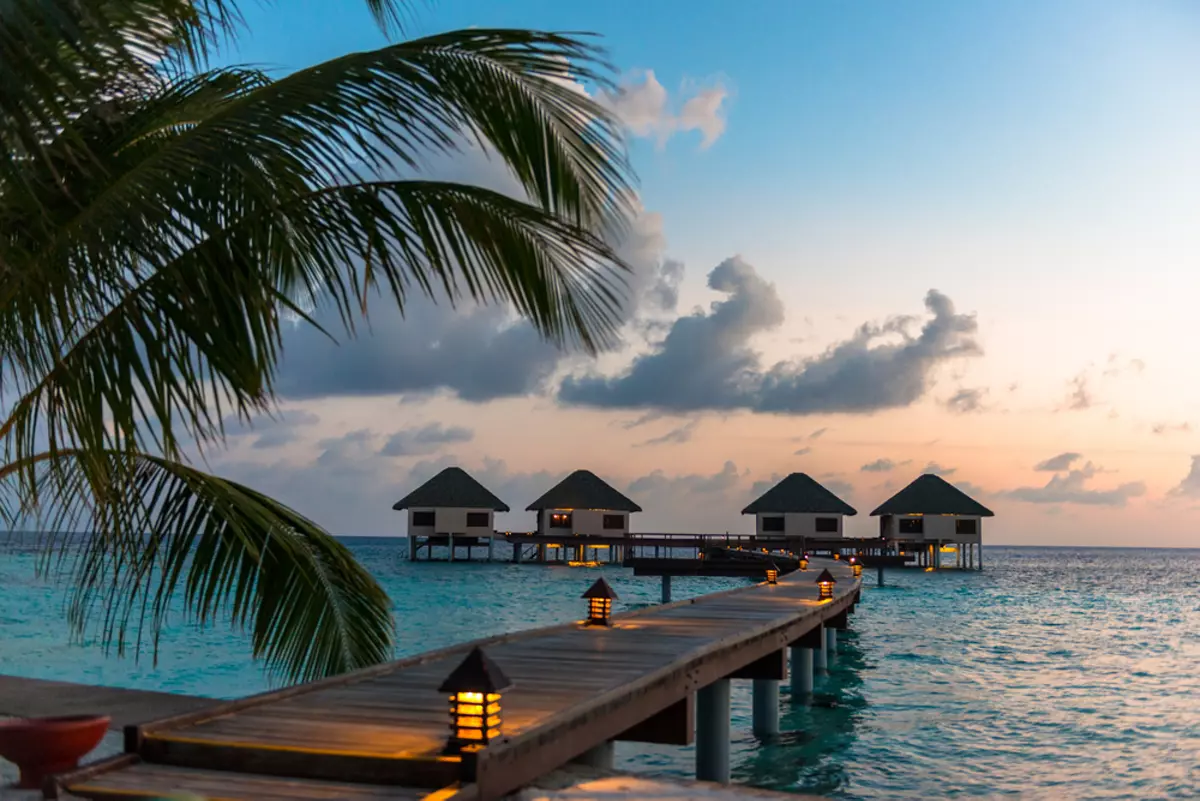
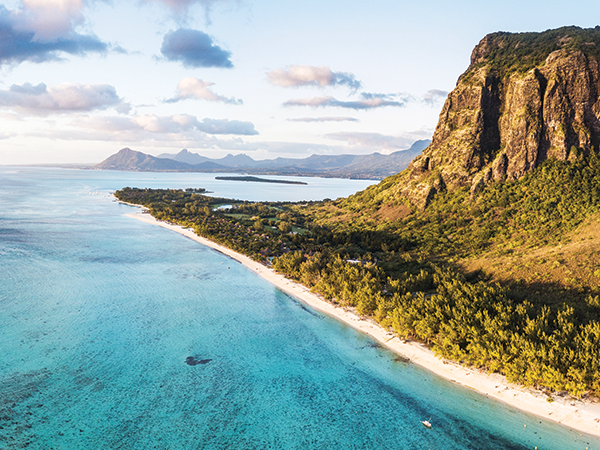
When it comes to pure, postcard-perfect beaches and accessible marine life, the Maldives is hard to beat. Every resort is an island, offering pristine, private stretches of sand and house reefs teeming with colorful fish, manta rays, and even whale sharks. You can literally step off your overwater villa deck at places like the W Maldives or St. Regis Vommuli and be in an aquarium. Snorkeling and diving are world-class, often included or easily accessible. Mauritius offers incredible beaches too, like Le Morne or Flic en Flac, with dramatic volcanic mountains as a backdrop, and a wider range of activities like kitesurfing, deep-sea fishing, and submarine tours. The coral reefs are beautiful, but generally require boat trips to reach the best spots, unlike the Maldives where the house reef is often your backyard. "Maldives beaches are just next level, seriously. Waking up and jumping into that warm, clear water directly from your room? Unforgettable." While Mauritius has more active water sports, the sheer quality and accessibility of the Maldivian underwater world for casual enjoyment is unmatched.
Winner takeaway
- Winner: Maldives
- Why: The Maldives offers more consistently pristine, private beaches and a superior, more accessible snorkeling/diving experience directly from most resorts.
- Who this matters for: Honeymooners, divers, snorkelers, and those seeking ultimate beach serenity.
💰 Costs & Value
This is where the two destinations diverge significantly. The Maldives is synonymous with luxury, and prices reflect that. An entry-level overwater villa at a decent resort like Holiday Inn Kandooma might start at $500-$700 USD/night, but quality resorts like Hurawalhi or Lux South Ari Atoll easily command $1000-$2000+ USD/night, especially with meal plans. Food and drinks are also pricey within resorts ($20 USD for a cocktail, $60 USD for a dinner buffet). Mauritius, on the other hand, offers a much wider range of accommodations, from charming guesthouses for $80-$150 USD/night to luxurious resorts like LUX* Le Morne or The St. Regis Mauritius starting at $400-$800 USD/night. You can find excellent value by exploring local eateries (a street food 'dholl puri' for 20-30 MUR / $0.50-0.75 USD) or eating at mid-range restaurants (a meal for two for 1000-2000 MUR / $25-50 USD). "Mauritius gave us so much more bang for our buck. We stayed in a beautiful resort AND did all these excursions for what one night in the Maldives would've cost." The ability to explore independently and access local markets and restaurants significantly reduces daily expenses in Mauritius, offering far better overall value for a diverse trip.
Winner takeaway
- Winner: Mauritius
- Why: Mauritius offers significantly better value for money with a wider range of accommodation and dining options that cater to different budgets.
- Who this matters for: Budget-conscious travelers, families, and those seeking a longer stay without breaking the bank.
🏨 Accommodation
The Maldives defines luxury accommodation, particularly with its iconic overwater villas. Resorts like Gili Lankanfushi, Soneva Jani, or Conrad Rangali offer unparalleled privacy, direct ocean access, and impeccable service, making them perfect for honeymoons. Each resort is typically on its own island, creating an exclusive bubble. You're paying for that unique 'one island, one resort' experience. While there are guesthouses on local islands for a more budget-friendly and cultural experience ($100-$200 USD/night), the vast majority of visitors opt for resorts. Mauritius offers a more traditional resort experience, with sprawling properties like the Shandrani Beachcomber Resort & Spa or Constance Belle Mare Plage, often with multiple pools, restaurants, and activities. You'll find everything from boutique hotels to large chains, and also plenty of self-catering villas and apartments. "If you want that iconic overwater bungalow, Maldives is the ONLY place. Mauritius has nice resorts, but it's just not the same vibe." While Mauritius has quantity and variety, the Maldives' focus on bespoke, high-end, and often architecturally stunning accommodations, especially the overwater bungalows, gives it an edge for unique luxury stays.
Winner takeaway
- Winner: Maldives
- Why: The Maldives offers a more unique and iconic luxury accommodation experience, particularly with its world-renowned overwater villas.
- Who this matters for: Luxury travelers, honeymooners, and those seeking a unique, resort-centric stay.
🍽️ Food & Dining
Mauritius is a foodie's paradise, boasting a rich fusion of flavors from its diverse cultural heritage. You can savor authentic Indian curries, Chinese noodles, Creole stews, and fresh seafood, often found in local 'tables d'hôtes' (guest tables) or bustling street food markets. Don't miss the famous 'dholl puri' (lentil pancakes) for just 20-30 MUR ($0.50-0.75 USD) or a fresh seafood platter at a Flic en Flac restaurant for around 800-1500 MUR ($20-40 USD). Resorts also offer high-quality international dining, but the real gems are often outside. In the Maldives, dining is almost exclusively within your resort, meaning predominantly international buffets and à la carte options. While high-end resorts offer incredible gastronomic experiences (like underwater dining at Hurawalhi's 5.8 Undersea Restaurant), the variety of local, affordable, and authentic cuisine is limited unless you venture to inhabited local islands, which isn't the primary focus for most visitors. "The street food in Mauritius changed my life. So much flavor, so cheap. In Maldives, it was all fancy resort stuff, which was good, but not *real* food experience." For true culinary exploration and a blend of high-end and local flavors, Mauritius is the clear winner.
Winner takeaway
- Winner: Mauritius
- Why: Mauritius offers a vastly more diverse and authentic culinary landscape with rich cultural influences and excellent street food options.
- Who this matters for: Foodies, adventurous eaters, and those who enjoy exploring local cultures through cuisine.
🎭 Culture & Local Experience
Mauritius is a melting pot of cultures – Indian, African, Chinese, and French influences are evident in its language, food, music, and architecture. You can visit Hindu temples like Ganga Talao (Grand Bassin), explore colonial sugar cane plantations (e.g., L'Aventure du Sucre), wander through vibrant markets in Port Louis, or experience the lively Sega dance. Interacting with friendly locals is easy and encouraged. The Maldives, being a predominantly Muslim nation, has its own unique culture, but it's generally less accessible to tourists, especially those staying at private island resorts. The primary draw is the natural beauty and resort luxury, not cultural immersion. While you can visit Malé, the capital, for a glimpse of local life, or take excursions to local inhabited islands, it’s not the primary focus of a Maldivian holiday. "We loved just driving around Mauritius, stopping at local villages, eating street food. Felt so much more authentic than being stuck on a resort island." For travelers seeking a rich, interactive cultural experience beyond the beach, Mauritius offers far more depth and accessibility.
Winner takeaway
- Winner: Mauritius
- Why: Mauritius provides a much richer and more accessible cultural experience with diverse influences and opportunities for local interaction.
- Who this matters for: Culture enthusiasts, curious travelers, and those who enjoy exploring local life.
✈️ Getting There & Around
Both destinations are accessible via major international airports. Flights from a hub like London (LHR) to Malé (MLE) typically take 10-12 hours with one stop, or 10 hours direct. From Malé, you'll need a seaplane (often $300-$600 USD per person round trip) or speedboat transfer to your resort, which adds to the adventure but can be costly and time-consuming. From London (LHR) to Plaisance (MRU), flights are similar, around 11-12 hours direct. Once in Mauritius, getting around is easy: rental cars are affordable (around $30-50 USD/day), taxis are readily available, and public buses are a cheap option for local travel. There's no need for expensive additional transfers beyond your airport pickup. "The seaplane transfer in Maldives was incredible, but it was another whole leg of travel and cost a ton. In Mauritius, we just rented a car and had total freedom." The Maldives offers a unique, scenic arrival experience, while Mauritius provides more practical and affordable options for independent exploration once you land.
Winner takeaway
- Winner: Tie
- Why: Both offer distinct advantages in travel logistics: Maldives for its unique seaplane transfers, Mauritius for its ease of independent exploration.
- Who this matters for: Those prioritizing unique arrival experiences (Maldives) vs. practical self-exploration (Mauritius).
🌿 Nature & Wildlife
While the Maldives excels in its underwater natural beauty, Mauritius offers a far more diverse terrestrial and marine natural landscape. Beyond its stunning beaches and reefs, Mauritius boasts dramatic volcanic scenery, lush national parks like Black River Gorges, cascading waterfalls (Chamarel Waterfall), and unique geological formations such as the Seven Coloured Earths (entry around 250 MUR / $6 USD). You can spot endemic bird species like the Pink Pigeon, visit the Giant Tortoise park at La Vanille Nature Park (entry around 550 MUR / $14 USD), or explore botanical gardens. The marine life in Mauritius is also vibrant, with opportunities for dolphin and whale watching. The Maldives, while having unparalleled coral reefs and an abundance of marine creatures (sharks, rays, turtles), lacks the varied landscapes above the water. It's essentially flat, sandy islands. "Mauritius surprised me with how much there was to see beyond the beaches. Hiking to waterfalls and seeing giant tortoises was a huge bonus." For a complete natural experience encompassing both land and sea, Mauritius is the clear winner.
Winner takeaway
- Winner: Mauritius
- Why: Mauritius offers a significantly more diverse natural environment, combining stunning marine life with lush terrestrial landscapes, mountains, and endemic wildlife.
- Who this matters for: Nature lovers, hikers, wildlife enthusiasts, and those who want varied scenic beauty.
👨👩👧👦 Family Friendliness
Mauritius is arguably one of the best family destinations in the Indian Ocean. Many resorts, such as Sugar Beach or Long Beach, are designed with families in mind, offering extensive kids' clubs, dedicated pools, family rooms, and a wide array of activities from water parks to land sports. The island's diverse attractions like Casela World of Adventures (entry around 1000 MUR / $25 USD for adults), the Aquarium, and various nature parks provide endless entertainment for all ages. The ability to rent a car and explore safely makes it easy to customize family outings. The Maldives, while some high-end resorts (e.g., Soneva Fushi, Four Seasons Landaa Giraavaru) have excellent kids' clubs and facilities, is generally more geared towards romantic getaways and quiet relaxation. The 'one island, one resort' model can feel limiting for active families who want to explore beyond their resort bubble. "My kids absolutely loved Mauritius. The resort had so much for them to do, and we could go out to see animals and waterfalls. Maldives felt too quiet for a family trip." For a family vacation that combines relaxation with adventure and exploration, Mauritius offers a superior experience.
Winner takeaway
- Winner: Mauritius
- Why: Mauritius offers a wider array of family-friendly resorts and activities, allowing for diverse exploration beyond the hotel.
- Who this matters for: Families with children of all ages seeking a balance of relaxation and adventure.
🎉 Nightlife & Entertainment
If you're looking for vibrant nightlife beyond a quiet drink, Mauritius is the clear choice. Areas like Grand Baie offer a selection of lively bars, pubs, and clubs, with options ranging from relaxed beachfront lounges to energetic dance floors. You'll also find several casinos across the island. Resorts often host themed nights with live music, Sega shows, and entertainment. In the Maldives, nightlife is almost exclusively confined to your resort's bars, which tend to be sophisticated and quiet, focusing on cocktails and sunset views. Some resorts might have a weekly DJ night or live band, but it's not a party destination by any stretch. You won't find bustling local clubs or late-night entertainment districts. "After dinner in the Maldives, it was pretty much just back to the villa. Mauritius had actual places to go out for a few drinks and some dancing. Much more our speed." For travelers who enjoy a lively evening scene and options for entertainment outside their accommodation, Mauritius provides significantly more opportunities.
Winner takeaway
- Winner: Mauritius
- Why: Mauritius offers a more vibrant and diverse nightlife, with options ranging from bars and clubs to casinos in various tourist areas.
- Who this matters for: Couples or groups who enjoy going out, dancing, and experiencing local nightlife.
☀️ Weather & Seasons
Both destinations enjoy tropical climates but have distinct peak and shoulder seasons. The Maldives' dry season runs from December to April, offering consistent sunshine and calm seas, making it the most popular (and expensive) time to visit. The wet season from May to November sees more rainfall and stronger winds, but showers are often short-lived, and prices are lower. You can still have great weather and fewer crowds. Mauritius experiences its 'winter' (cooler, drier) from May to November, with average temperatures around 20-25°C (68-77°F), which is ideal for hiking and exploring. The 'summer' (hot, humid, more rain) is from December to April, with temperatures around 25-30°C (77-86°F), perfect for beach lounging. Mauritius is also prone to cyclones during its summer months, particularly from January to March, though direct hits are rare. "We went to Mauritius in July and the weather was perfect for exploring, not too hot. Our friends went to Maldives in October and got some rain, but still loved it." Both destinations offer excellent travel periods depending on your priorities for temperature, rainfall, and budget, making it a tie for overall weather suitability.
Winner takeaway
- Winner: Tie
- Why: Both destinations offer excellent weather during their respective peak seasons, catering to different preferences for heat and activity types.
- Who this matters for: Travelers with specific weather preferences (e.g., cooler for hiking vs. hotter for beach) and those flexible with travel dates.
❓ Frequently Asked Questions
Which destination is better for a honeymoon?
For a quintessential, secluded, and luxurious honeymoon focused on romantic relaxation and stunning overwater villas, the Maldives is unparalleled. If you prefer a honeymoon with a mix of adventure, culture, and beautiful beaches, Mauritius offers a more dynamic experience with excellent resorts that cater to couples, often at a better price point.
Is it safe to travel to the Maldives or Mauritius?
Both the Maldives and Mauritius are generally considered very safe for tourists. In the Maldives, safety concerns are minimal within the private resort islands. In Mauritius, petty crime can occur in crowded areas, so standard precautions like being aware of your surroundings and securing valuables are advised, but serious crime against tourists is rare.
Can I visit both Maldives and Mauritius in one trip?
Yes, it's possible but requires significant travel time and budget. There are no direct flights between the two, so you'd typically connect via a hub like Dubai or Colombo. It's best suited for a longer trip (14+ days) to allow enough time in each destination without feeling rushed.
Which destination has better diving and snorkeling?
The Maldives is widely considered one of the world's top diving and snorkeling destinations due to its pristine coral reefs, abundant marine life (manta rays, whale sharks, reef sharks), and excellent visibility directly from many resort house reefs. Mauritius also offers good diving, but its reefs often require boat trips, and while diverse, aren't as globally renowned as the Maldives.
What's the best time of year to visit each island?
For the Maldives, the dry season (December to April) offers the best weather. For Mauritius, the cooler, drier 'winter' (May to November) is ideal for exploring and comfortable beach days, though the hotter summer (December to April) is great for beach lovers who don't mind humidity and potential rain.
Which island is better for a solo traveler?
Mauritius is generally better for solo travelers who want to explore, interact with locals, and participate in a wider range of activities without being confined to a resort. The Maldives, being very resort-centric and primarily marketed to couples, can feel isolating or very expensive for solo travelers seeking interaction or independent exploration.
Are there direct flights from Europe to both destinations?
Yes, both destinations have direct flight options from major European cities, particularly London and Paris. Airlines like British Airways, Air Mauritius, and various European carriers offer direct routes, making both accessible for European travelers.
What kind of visa do I need for the Maldives or Mauritius?
For the Maldives, most nationalities receive a free 30-day visa on arrival. For Mauritius, many nationalities also receive a visa on arrival for stays up to 60 or 90 days. Always check the latest visa requirements based on your nationality before traveling.
Ready to plan your Indian Ocean trip?
Get a free custom itinerary for Maldives, Mauritius, or both — built from real traveler insights.
🎟️ Book Tours & Experiences
Hand-picked tours and activities for both destinations — book with free cancellation
Experiences via Viator — free cancellation on most tours