How we built this comparison
This page combines traveler discussion patterns, published price ranges, flight schedules, and seasonal data to help you decide between Maldives and Tahiti.
- Reviewed 100+ Reddit threads from r/travel, r/solotravel, r/Maldives, r/Tahiti, and other regional subreddits for authentic traveler experiences and opinions.
- Verified costs, flight routes, and logistics against current booking platforms (Google Flights, Kayak, Booking.com) and official tourism boards.
- Cross-referenced seasonal patterns, weather data, and major event calendars to ensure accurate 'best time to visit' recommendations.
⚡ The TL;DR Verdict
For those chasing quintessential overwater luxury, unparalleled diving, and an 'off-the-grid' resort experience, the Maldives is your clear winner, especially if you snag a deal or are willing to try a local island stay (budget $100-200/day to $1000+/day). If your ideal escape involves dramatic volcanic landscapes, vibrant Polynesian culture, diverse adventure, and a more accessible, albeit still pricey, island-hopping vibe, Tahiti and its neighbors (Moorea, Bora Bora) will captivate you (budget $200-350/day to $1500+/day).
- Choose Maldives: You're a honeymooner, a diver/snorkeler, or seeking ultimate relaxation in an isolated, picture-perfect resort setting. Also a surprising choice for budget travelers willing to explore local islands like Maafushi.
- Choose Tahiti: You crave adventure beyond the beach, enjoy exploring lush interiors, appreciate rich Polynesian culture, and want the option for island hopping between distinct volcanic islands. Ideal for couples, families, and active travelers.
- Choose Both: If you have ample time (3+ weeks) and a truly unlimited budget, combining the serene luxury of the Maldives with the adventurous spirit of French Polynesia offers the ultimate tropical odyssey, but it's a serious journey across the globe.
Quick Comparison
| Category | Maldives | Tahiti | Winner |
|---|---|---|---|
| Costs & Budget | Can be surprisingly affordable on local islands (guesthouses) or astronomically expensive on private resorts. | Consistently expensive across the board, even for mid-range options; budget travel is a challenge. | Maldives |
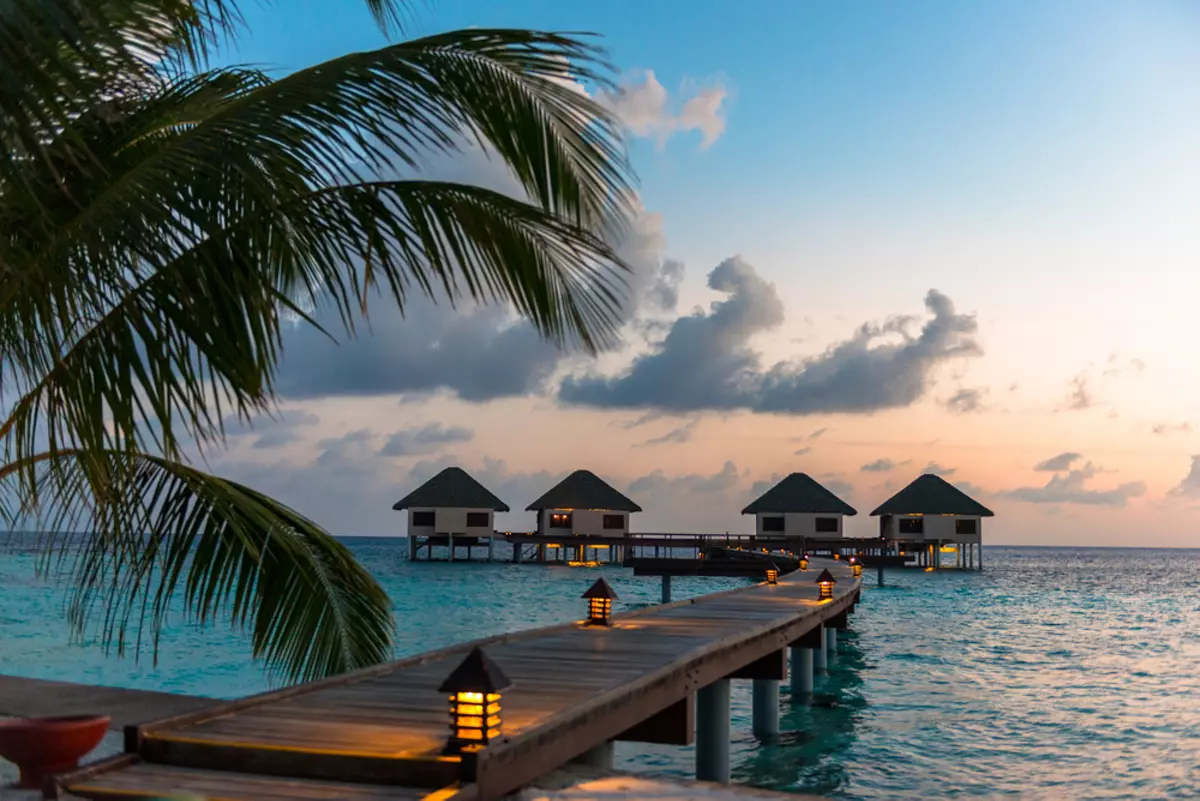
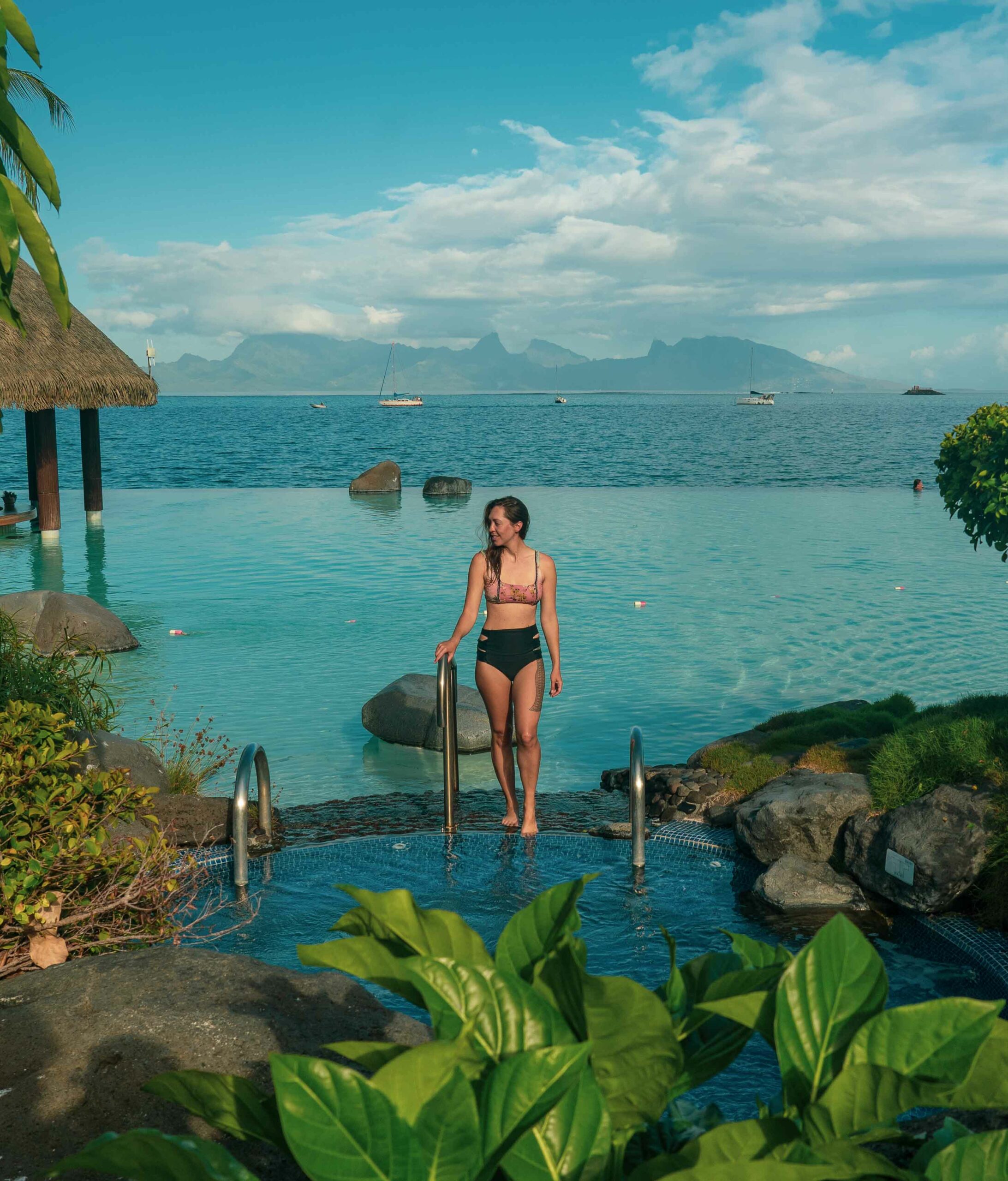
| Beaches & Scenery | Unrivaled powdery white sand, turquoise lagoons, and endless ocean horizons. | Dramatic volcanic peaks, lush green interiors, black and white sand beaches, clear lagoons. | Tie |
| Accommodation | Iconic overwater bungalows, private island resorts, and a growing number of budget guesthouses. | Luxury overwater bungalows, charming family-run pensions, and larger hotel chains. | Maldives |
| Food & Dining | Resort dining is diverse international; local island food is seafood-heavy with Indian/Sri Lankan influences. | French-Polynesian fusion, excellent seafood, and a lively local food truck scene. | Tahiti |
| Activities & Day Trips | Primarily water-based: world-class diving, snorkeling, water sports, and island hopping (local islands). | Mix of water activities (snorkeling, diving, lagoons) and land adventures (hiking, ATV, cultural tours). | Tahiti |
| Getting There | Long flights from most regions, followed by seaplane or speedboat transfers to resorts. | Direct flights from West Coast US, then inter-island flights or ferries. | Tahiti |
| Getting Around | Resort-centric; speedboats, seaplanes between islands. Limited public transport on local islands. | Rental cars, scooters, local buses on main islands; ferries and domestic flights for inter-island travel. | Tahiti |
| Culture & Local Life | Primarily experienced on local islands; conservative Islamic culture, less evident on resorts. | Vibrant Polynesian culture, music, dance, and a strong French influence. | Tahiti |
| Nightlife | Limited to resort bars and occasional themed nights; no public bars on local islands. | Papeete has lively bars and clubs; resort entertainment on other islands, casual beach bars. | Tahiti |
| Best Time to Visit | Dry season (Dec-Apr) for ideal weather; shoulder seasons (May, Nov) for fewer crowds. | Dry season (May-Oct) for less humidity; shoulder seasons (Nov, Apr) for good weather and value. | Maldives |
💰 Costs & Budget
The Maldives often gets a rap for being exclusively for millionaires, but that's only half the story. While luxury resorts like the St. Regis Vommuli or W Maldives can easily cost $1,500-$3,000 USD per night for an overwater villa, local islands like Maafushi or Dhigurah offer guesthouses for $50-$100 USD per night, local meals for $5-$10 USD, and excursions like snorkeling or diving trips for $30-$70 USD. You can realistically do the Maldives for around $100-150 USD per day if you stick to local islands. Conversely, French Polynesia, including Tahiti and its famous neighbor Bora Bora, is expensive almost universally. A decent mid-range hotel on Moorea might be $300-500 USD per night, while overwater bungalows in Bora Bora start at $800-1000 USD and soar upwards to $2,500+ USD. Meals at restaurants often run $30-50 USD per person, and even simple food truck (roulotte) meals in Papeete are around $15-20 USD. Local transport, tours, and inter-island flights also add up quickly, making a budget trip truly difficult. "Honestly, we saved a ton in Maldives by doing a split trip – five days on Maafushi, then three days at a fancy resort. Best of both worlds without breaking the bank like Tahiti would have." The Maldives wins for offering a genuine budget option.
Winner takeaway
- Winner: Maldives
- Why: The Maldives offers a true budget alternative via local islands, which French Polynesia largely lacks.
- Who this matters for: Budget-conscious travelers, backpackers, and those looking for luxury without selling a kidney.
🏖️ Beaches & Scenery
When it comes to the classic 'postcard perfect' beach, the Maldives is hard to beat. Every resort island, and even local islands, boasts incredibly fine, white sand beaches that gently slope into unbelievably clear, warm turquoise lagoons. The scenery is predominantly horizontal: endless ocean, vibrant coral reefs just below the surface, and spectacular sunsets that paint the vast sky. It’s pure, unadulterated beach bliss, with an emphasis on water activities. Tahiti and its Society Islands counterparts (Moorea, Bora Bora) offer a more diverse and dramatic landscape. While they also have stunning white sand beaches (especially in Bora Bora), Tahiti itself is known for its rugged volcanic peaks, lush emerald valleys, and striking black sand beaches (like Plage de Toaroto or Papenoo Beach). The views often combine majestic mountains meeting the sea, creating a visually richer, more varied backdrop for exploration. "The beaches in Maldives are unreal, like a screensaver, but I loved hiking in Moorea and seeing those huge mountains. It was a different kind of beautiful." It’s a tie because they offer different, yet equally breathtaking, forms of natural beauty.
Winner takeaway
- Winner: Tie
- Why: Both destinations offer distinct, yet equally stunning, natural beauty, catering to different aesthetic preferences.
- Who this matters for: Nature lovers, photographers, and anyone prioritizing visual aesthetics in their travels.
🏡 Accommodation
The Maldives is the birthplace of the luxury overwater bungalow, and it truly excels here. Resorts like the Four Seasons Landaa Giraavaru, Conrad Rangali Island (home to the Muraka undersea villa), or the Waldorf Astoria Ithaafushi offer unparalleled privacy, service, and direct access to pristine reefs. Most Maldivian resorts are on their own private islands, creating an exclusive, all-encompassing experience. Beyond luxury, the local island guesthouse scene has exploded, providing comfortable, clean rooms for $50-150 USD, offering a different, more cultural side. Tahiti and its islands also boast incredible overwater bungalows, particularly in Bora Bora (St. Regis Bora Bora, Le Meridien Bora Bora), which are equally luxurious and expensive. However, on Tahiti and Moorea, you'll find a wider range of land-based hotels, from international chains like Hilton and Sofitel to charming, family-run 'pensions' (guesthouses) that offer a more intimate, local experience for $100-300 USD per night. The variety in French Polynesia feels more integrated with local life, but the Maldives' distinct private island resort model often feels more 'special' for that once-in-a-lifetime indulgence. "For that iconic overwater bungalow experience, Maldives just *feels* more authentic, even with the price tag. Every resort is an island unto itself." Maldives wins for pioneering and perfecting the overwater bungalow experience, alongside its emerging budget options.
Winner takeaway
- Winner: Maldives
- Why: The Maldives perfected the quintessential overwater bungalow experience and has a unique private-island resort model, complemented by growing budget options.
- Who this matters for: Honeymooners, luxury seekers, and those specifically dreaming of the iconic overwater villa.
🍣 Food & Dining
In the Maldives, dining on resort islands is typically diverse, offering a mix of international cuisines (Italian, Japanese, Continental, etc.) to cater to a global clientele, often at very high prices (e.g., $100+ USD for a dinner at a luxury resort). On local islands, the food is more authentic Maldivian – think fresh seafood curries (mas huni), roshi (flatbread), and spicy fish dishes, influenced by Sri Lankan and Indian flavors. These local meals are delicious and incredibly affordable ($5-15 USD). French Polynesia, particularly Tahiti and Moorea, offers a more distinct and vibrant culinary scene that blends traditional Polynesian ingredients with a significant French influence. You'll find fantastic fresh seafood, including the famous 'Poisson Cru' (raw fish marinated in lime and coconut milk), delicious baguettes, and French pastries. The 'Roulottes' (food trucks) in Papeete, Tahiti, are a cultural and culinary highlight, offering diverse, affordable, and delicious meals from crepes to Chinese food and fresh seafood for 1,500-2,500 XPF ($13-22 USD). "The roulottes in Papeete were a game-changer! So much variety and super fresh food without resort prices. Best Poisson Cru I had all trip." Tahiti’s unique fusion cuisine and accessible local dining options give it the edge.
Winner takeaway
- Winner: Tahiti
- Why: Tahiti offers a more distinct and diverse culinary experience, blending French sophistication with fresh Polynesian flavors, accessible even on a mid-range budget.
- Who this matters for: Foodies, travelers who value local culinary experiences, and those looking for variety beyond resort buffets.
🐠 Activities & Day Trips
The Maldives is unparalleled for water-based activities. Its crystal-clear waters boast some of the world's best snorkeling and diving, with incredible visibility and abundant marine life – manta rays, whale sharks, vibrant coral reefs, and countless fish. Most resort activities revolve around this: sunset cruises, dolphin watching, various water sports like jet-skiing, parasailing, and private sandbank picnics. Day trips from local islands often involve visiting uninhabited islands for swimming or snorkeling, or venturing to other local islands for cultural immersion. However, land-based activities are virtually non-existent beyond strolling your resort's beach. Tahiti and its sister islands offer a far wider array of activities. Beyond excellent snorkeling and diving in the lagoons, you can explore lush volcanic interiors with ATV tours, jeep safaris, and hiking trails to waterfalls and panoramic viewpoints (e.g., Belvedere Lookout on Moorea). Cultural experiences like traditional dance shows (Heiva festival), pearl farm visits, and exploring local markets (Marché de Papeete) are readily available. "We did a shark feeding tour in Bora Bora and then hiked to a waterfall on Moorea. The variety was insane! Maldives was beautiful, but it felt a bit one-note after a while." Tahiti wins for its blend of land and sea adventures, catering to a broader range of interests.
Winner takeaway
- Winner: Tahiti
- Why: Tahiti offers a superior variety of activities, combining world-class water sports with exciting land-based adventures and rich cultural experiences.
- Who this matters for: Adventurous travelers, those who enjoy a mix of land and sea exploration, and families seeking diverse entertainment.
✈️ Getting There
Reaching the Maldives (Malé International Airport, MLE) typically involves long-haul flights from most major international hubs. From Europe or the Middle East, you're looking at 8-12 hours (e.g., direct from Dubai or Istanbul). From the US East Coast, it's a marathon, often 20-24+ hours with at least one layover, usually in Europe or the Middle East. Once in Malé, the journey continues with either a scenic seaplane transfer (often 30-60 minutes, costing $300-600 USD return) or a speedboat transfer to your resort. These transfers are often an additional cost and only operate during daylight hours for seaplanes. Tahiti (Fa'a'ā International Airport, PPT) is more accessible, particularly for North American travelers. Direct flights from Los Angeles (LAX) are a relatively manageable 8-9 hours, making it a popular choice for West Coasters. From Europe, it's a similar 20-24+ hour journey with stops, often via LAX or Paris. Once in Tahiti, inter-island travel is via domestic flights (e.g., Air Tahiti to Bora Bora or Moorea) or ferries (to Moorea), which are generally efficient but add costs. "Getting to Malé was fine, but then waiting for the seaplane transfer for hours after a long flight was brutal. Tahiti's ferry to Moorea felt way easier." Tahiti wins for generally easier and shorter long-haul flights from a major market (USA) and more straightforward internal transfers.
Winner takeaway
- Winner: Tahiti
- Why: Tahiti offers more convenient direct flight options from major North American hubs and simpler inter-island transfers compared to the multi-leg journey to the Maldives.
- Who this matters for: Travelers from North America, those with limited vacation time, and anyone who dreads long, complex travel days.
🚤 Getting Around
In the Maldives, 'getting around' largely means staying on your resort island. Transfers between Malé and your resort are pre-arranged via speedboat or seaplane, and once you're there, everything is within walking distance or via resort buggies. If you're on a local island like Maafushi, you can walk everywhere or rent a bicycle for a few dollars. Inter-island travel between local islands is by local ferry (dhoni), which is very cheap (a few dollars) but has limited schedules. There’s no public transport network in the traditional sense. French Polynesia offers more autonomy and variety for getting around. On larger islands like Tahiti and Moorea, you can rent cars (around 5,000-7,000 XPF or $45-60 USD per day), scooters, or use local 'Le Truck' buses, which are affordable but less frequent. Taxis are available but pricey. For inter-island travel, reliable high-speed ferries connect Tahiti and Moorea (approx. 1,500 XPF or $13 USD one way), and Air Tahiti provides flights to other islands like Bora Bora, Raiatea, and Huahine, with packages often including multiple stops. "Renting a scooter on Moorea was amazing, just driving around the whole island, stopping wherever. You don't get that freedom in Maldives." Tahiti wins for offering diverse and independent transportation options, allowing for more spontaneous exploration.
Winner takeaway
- Winner: Tahiti
- Why: Tahiti provides more freedom and diverse options for independent exploration on land and between islands, unlike the more structured transport of the Maldives.
- Who this matters for: Independent travelers, those who enjoy self-driving, and people who want to explore beyond their accommodation.
🎭 Culture & Local Life
Maldivian culture is distinctly Islamic and conservative. On resort islands, the cultural presence is minimal, designed to be a bubble. However, when visiting local islands like Maafushi, you'll encounter local life: mosques, local markets, and a slower pace. There are cultural shows sometimes arranged by resorts, but they can feel a bit staged. Alcohol is prohibited outside of resorts, and swimwear is restricted to 'bikini beaches' on local islands. Understanding and respecting local customs, such as modest dress in public areas, is important. French Polynesia, in contrast, boasts a vibrant and accessible Polynesian culture, deeply intertwined with its French heritage. You'll experience traditional music, energetic dance performances (like the 'Tamure'), intricate tattooing, and ancient marae (temple) sites. The 'Heiva i Tahiti' festival in July is a spectacular celebration of Polynesian arts. Local markets, like the Marché de Papeete, offer a lively glimpse into daily life, filled with local crafts, food, and friendly faces. "The cultural shows in Tahiti were so authentic and vibrant, felt like we were really experiencing something unique, not just watching a performance for tourists." Tahiti wins for its rich, accessible, and openly celebrated cultural experiences that are seamlessly integrated into the visitor's journey.
Winner takeaway
- Winner: Tahiti
- Why: Tahiti offers a more vibrant, accessible, and openly celebrated Polynesian culture that enriches the traveler's experience beyond just scenery.
- Who this matters for: Cultural enthusiasts, travelers seeking authentic local interactions, and those interested in indigenous traditions.
🥂 Nightlife
Nightlife in the Maldives is largely confined to individual resorts. Each resort typically has one or more bars, which might offer live music, DJ nights, or themed parties, but these are exclusive to resort guests and tend to be mellow. Beyond that, there's little to do after dark other than stargazing or a quiet drink. Alcohol is strictly prohibited on local islands due to Islamic law, so you won't find any public bars or clubs there. For example, a cocktail at a luxury resort might set you back $20-30 USD, but it's often your only option for an alcoholic drink. French Polynesia, particularly the capital Papeete on Tahiti, offers a more dynamic nightlife. Papeete has several lively bars, pubs, and even a few nightclubs that cater to both locals and tourists, especially on weekends. "We actually went out dancing in Papeete until 2 AM! Couldn't imagine doing that anywhere in the Maldives, it's just so quiet after dinner." On other islands like Moorea and Bora Bora, nightlife is more subdued, revolving around resort bars with live music or happy hour specials, but there's generally a more relaxed, social vibe than the insulated resort scene of the Maldives. Tahiti wins for having actual public nightlife options, especially in Papeete.
Winner takeaway
- Winner: Tahiti
- Why: Tahiti, particularly Papeete, offers genuine public nightlife options with bars and clubs, a stark contrast to the Maldives' resort-exclusive and often subdued evening entertainment.
- Who this matters for: Party-goers, social butterflies, and travelers who enjoy a vibrant evening scene beyond their accommodation.
☀️ Best Time to Visit
The Maldives enjoys a tropical monsoon climate with two main seasons. The dry season, from December to April, is considered the best time to visit, with abundant sunshine, minimal rainfall, and calm seas, making it perfect for diving and snorkeling. Temperatures hover around 29-31°C (84-88°F). This is also peak season, so expect higher prices and more crowds. The wet season, from May to November, brings more rain, humidity, and stronger winds, but also lower prices and fewer tourists. Rain often comes in short, heavy bursts, clearing quickly. French Polynesia also has two main seasons. The dry season, from May to October, is the most popular time, characterized by cooler, less humid weather and less rainfall. Temperatures are around 27-29°C (80-84°F). This is prime time for outdoor activities and whale watching (July-October). The wet season, from November to April, is hotter, more humid, and brings heavier, more frequent rainfall, though still plenty of sunny days. "Going to Maldives in April was perfect, sunny every day, and the water was so clear. Definitely worth the higher price for that kind of weather." The Maldives technically wins because its peak dry season often aligns with winter escapes for many, and even its wet season can offer good value with manageable rain, whereas French Polynesia's wet season can be quite humid and lead to more cancelled tours. The consistency of 'good weather' feels more reliable in Maldives' dry season.
Winner takeaway
- Winner: Maldives
- Why: The Maldives' dry season offers incredibly consistent, pristine weather for its primary attractions (beaches and water activities), with even shoulder seasons being very pleasant.
- Who this matters for: Sun-seekers, divers/snorkeler, and those prioritizing guaranteed clear skies and calm waters for their tropical escape.
❓ Frequently Asked Questions
Which destination is better for a honeymoon?
For pure, uninterrupted romantic luxury and iconic overwater bungalows, the Maldives often takes the crown for honeymoons. Its private island resorts are designed for seclusion and pampering. Tahiti, especially Bora Bora, also offers incredible honeymoon experiences but with more options for adventure and cultural exploration outside the resort.
Is diving or snorkeling better in Maldives or Tahiti?
The Maldives is generally considered superior for both diving and snorkeling, boasting an incredible abundance of marine life, pristine coral reefs, and frequent sightings of manta rays and whale sharks. While Tahiti and its islands offer excellent diving (especially around the pass areas) and vibrant lagoons, the sheer density and diversity of Maldivian underwater ecosystems are often unmatched.
Which destination is more family-friendly?
Tahiti and French Polynesia tend to be more family-friendly, offering a wider range of activities that appeal to different age groups, from exploring volcanic landscapes to diverse water sports and cultural interactions. Many resorts and pensions cater to families. Maldives resorts are often geared towards couples, though many do have excellent kids' clubs now, but the limited land activities might bore older children.
What's the main language spoken in each location?
In the Maldives, the official language is Dhivehi, but English is widely spoken in resorts and by anyone working in tourism. In French Polynesia, the official languages are French and Tahitian. While French is more common, English is also understood in major tourist areas, hotels, and by tour operators.
Are there ethical tourism considerations for either destination?
Both destinations face environmental challenges like coral bleaching and plastic waste. In the Maldives, supporting resorts with strong conservation programs or opting for local island stays that directly benefit local communities can be impactful. In Tahiti, choosing local pensions and eco-friendly tour operators helps preserve the fragile ecosystem and supports the indigenous population. Always be mindful of your waste and marine interactions.
Can I visit both Maldives and Tahiti on one trip?
While possible, visiting both destinations on a single trip is a significant undertaking due to the vast geographical distance. It would involve multiple long-haul flights, considerable cost, and require at least 3-4 weeks to truly enjoy each. It's generally recommended to choose one for a focused, less rushed experience.
How safe are these destinations for solo female travelers?
Both destinations are generally considered very safe for solo female travelers, particularly within resorts and established tourist areas. In the Maldives, be mindful of conservative dress codes when visiting local islands. In Tahiti, common-sense precautions apply, especially when exploring remote areas or out at night in Papeete. Locals are typically friendly and welcoming in both places.
Which destination offers better value for money?
The Maldives offers better value for money if you strategically utilize local island guesthouses, where you can experience paradise at a fraction of resort costs. For luxury, both are expensive. Tahiti, while stunning, has a higher baseline cost for almost everything, making budget travel much harder to achieve even with local pensions.
Ready to plan your dream tropical escape?
Get a free custom itinerary for Maldives, Tahiti, or both — built from real traveler insights and expert advice.
🎟️ Book Tours & Experiences
Hand-picked tours and activities for both destinations — book with free cancellation
Experiences via Viator — free cancellation on most tours