How we built this comparison
This page combines traveler discussion patterns, published price ranges, flight schedules, and seasonal data to help you decide between Mallorca and Menorca.
- Reviewed 70+ Reddit threads from r/travel, r/SpainTravel, r/solotravel, and r/digitalnomad for authentic traveler experiences and opinions.
- Verified costs for flights, accommodation, car rentals, and attractions against current booking platforms (Skyscanner, Booking.com, local rental agencies).
- Cross-referenced seasonal patterns, weather data, and major event calendars to provide accurate 'best time to visit' advice.
⚡ The TL;DR Verdict
If you crave variety, vibrant nightlife, world-class hiking, and a bustling atmosphere with options for every budget, pick Mallorca. For those seeking untouched beaches, a slower pace, natural beauty, and a truly relaxed vibe, Menorca is your island. Expect to spend €100-€200 ($110-$220) per person per day on Menorca for a good experience, while Mallorca can range from €80-€300+ ($90-$330+) depending on how you roll.
- Choose Mallorca: You're looking for a mix of stunning mountains, diverse beaches, historical cities, lively nightlife, and a wide array of activities from cycling to clubbing. Great for groups, couples, and those who like options.
- Choose Menorca: You prioritize pristine, quiet coves, a relaxed pace, natural beauty, and a more authentic, less touristy experience. Ideal for families, romantic getaways, or travelers seeking tranquility and outdoor exploration.
- Choose Both: If you have 10-14 days and want the best of both worlds! Start with Mallorca for 5-7 days for its energy and sights, then hop on a ferry (approx. 1-2 hours, €30-€50/$33-$55) to Menorca for another 5-7 days of pure relaxation and nature. It's a fantastic two-island adventure.
Quick Comparison
| Category | Mallorca | Menorca | Winner |
|---|---|---|---|
| Beaches & Coves | From long sandy stretches like Es Trenc to dramatic cliff-backed calas like Cala Deià, Mallorca offers incredible variety but many get very crowded. | Menorca's beaches are largely untouched, with countless 'calas vírgenes' (virgin coves) known for their turquoise waters and white sands, often requiring a hike. | Menorca |
| Food & Drink Scene | Mallorca has a hugely diverse culinary scene, from Michelin-starred restaurants in Palma to traditional tapas bars and fresh seafood in coastal towns. | Menorca focuses more on traditional island cuisine, fresh seafood, and unique local products like Mahón cheese and gin, with fewer high-end options. | Mallorca |
| Nightlife & Entertainment | Mallorca is famous for its vibrant nightlife, from the superclubs of Magaluf to sophisticated cocktail bars and live music venues in Palma. | Menorca's nightlife is much quieter, centered around relaxed bars in Mahón and Ciutadella, or the unique cave club Cova d'en Xoroi. | Mallorca |
| Culture & History | Mallorca boasts impressive historical sites, including the magnificent Palma Cathedral, Bellver Castle, Roman ruins in Alcúdia, and charming old towns. | Menorca's history is visible in its well-preserved talayotic settlements, impressive fortresses, and the charming colonial architecture of Mahón and Ciutadella. | Mallorca |
| Cost of Travel | Mallorca can be pricier, especially in popular areas and peak season, but offers a wide range of options from budget hostels to luxury resorts and Michelin dining. | Menorca is generally perceived as slightly more affordable for day-to-day expenses, with fewer high-end traps, but flight prices can sometimes be higher due to fewer routes. | Menorca |
| Getting There & Around | Mallorca has a large international airport (PMI) with direct flights from many European cities. Public transport is decent, but a car is recommended for exploration. | Menorca's airport (MAH) is smaller with fewer direct routes, sometimes requiring a connection. A car is almost essential for exploring the island's best coves. | Mallorca |
| Accommodation Options | Mallorca boasts a vast range of accommodation, from budget hostels and guesthouses to luxury boutique hotels, agroturismos, and all-inclusive resorts. | Menorca offers charming boutique hotels, family-run guesthouses, and villas, with fewer large-scale resorts and no real budget hostel scene. | Mallorca |
| Nature & Outdoor Activities | Mallorca offers stunning mountains for hiking and cycling (Serra de Tramuntana), diverse coastal landscapes for watersports, and impressive caves. | Menorca's natural beauty lies in its pristine coastal paths (Camí de Cavalls), protected coves ideal for kayaking and snorkeling, and extensive nature reserves. | Mallorca |
| Family Friendliness | Mallorca offers many family-friendly resorts, water parks (e.g., Aqualand El Arenal, €30-€35/$33-$38 entry), and attractions, but can be crowded and lively. | Menorca is ideal for families seeking safe, shallow beaches, a calmer atmosphere, and gentle activities, though with fewer dedicated 'attractions'. | Menorca |
| Charm & Ambiance | Mallorca offers a blend of vibrant city life (Palma), picturesque mountain villages, and bustling coastal resorts, providing diverse 'vibes'. | Menorca exudes a quieter, more authentic, and understated charm, with its picturesque towns, pristine landscapes, and slower pace of life. | Menorca |
🏖️ Beaches & Coves
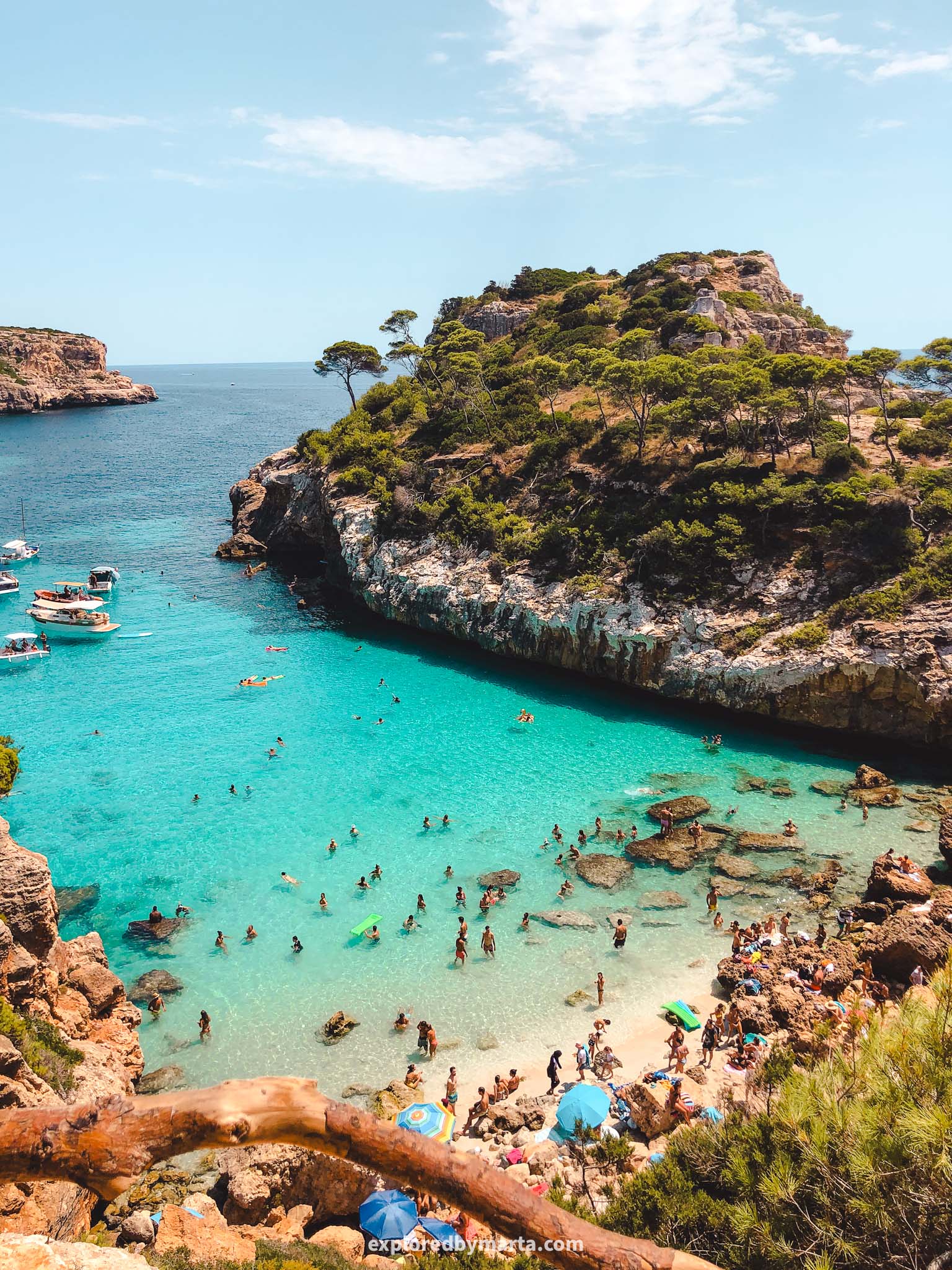
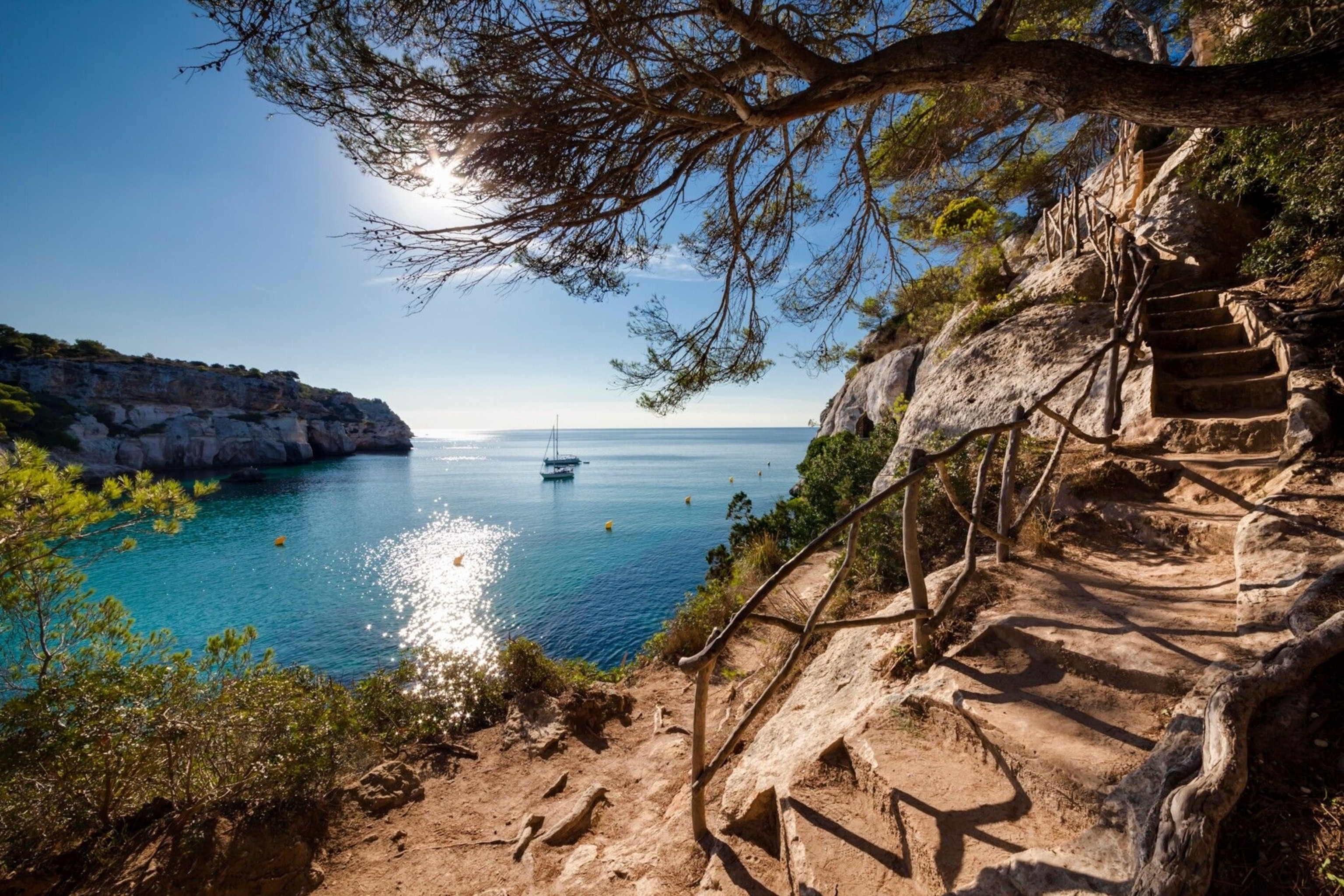
When it comes to sheer natural beauty and unspoiled charm, Menorca takes the crown for beaches. While Mallorca boasts famous spots like Es Trenc (often packed, requiring paid parking around €7-€10/$7.50-$11) and the stunning but busy Cala Formentor, Menorca offers a higher concentration of pristine, 'virgin' coves. Think Cala Macarella and Macarelleta, Cala Turqueta, or Cala Mitjana – these are the postcards. Many require a scenic walk, sometimes 20-30 minutes from parking, which helps preserve their tranquility. For instance, parking for Macarella often fills up by 9 AM in high season, leading to shuttle buses from Ciutadella (€3.50/$3.80 return). Mallorca's iconic beaches are beautiful, but you'll often share them with hundreds, if not thousands. Menorca's commitment to being a UNESCO Biosphere Reserve truly shines through here. As one Redditor put it, "Menorca's beaches just hit different. You feel like you've discovered a secret, even if it's on every brochure. Mallorca's are great, but the vibe is just more 'resort'." If you're willing to walk a bit, Menorca's secluded calas offer unparalleled serenity and crystal-clear swimming.
Winner takeaway
- Winner: Menorca
- Why: Menorca's beaches are more consistently pristine, less developed, and offer a greater sense of untouched natural beauty.
- Who this matters for: Nature lovers, families with younger children, couples seeking romantic seclusion, and those who prioritize unspoiled natural landscapes.
🍽️ Food & Drink Scene
Mallorca truly offers a gastronomic playground. Palma alone boasts several Michelin-starred establishments like Marc Fosh or DINS Santi Taura, alongside an endless array of fantastic tapas bars, modern bistros, and authentic Mallorcan 'cellers' where you can enjoy local dishes like 'frit mallorquí' for around €12-€18 ($13-$20). Markets like Mercat de l'Olivar provide fresh produce and lively food stalls. You can find everything from high-end dining experiences costing €100+ ($110+) per person to casual pizza for €15 ($16.50). Menorca's food scene, while delightful, is more understated and traditional. It excels in fresh seafood – think 'caldereta de llagosta' (lobster stew) which can be pricey (€70-€100/$77-$110 per person in Fornells), and its famous Mahón cheese. There are lovely restaurants in Ciutadella and Mahón, but the sheer variety and upscale options are less. "Mallorca is where you go for a fancy dinner and a dozen different cuisines. Menorca is for incredible fresh fish and honest, hearty local stuff. Both good, but different vibes," a traveler noted. For overall culinary diversity, high-end experiences, and a wider range of international options, Mallorca wins.
Winner takeaway
- Winner: Mallorca
- Why: Mallorca offers a broader and more sophisticated culinary landscape, with more high-end restaurants and diverse international options.
- Who this matters for: Foodies, those seeking fine dining, or travelers who enjoy a wide variety of cuisines and culinary experiences.
🌃 Nightlife & Entertainment
If you're looking to party, Mallorca is undeniably the champion. Magaluf is infamous for its budget-friendly, high-energy clubs and bars, attracting a young crowd with drink deals and open-till-dawn parties. Entry to a major club like BCM Planet Dance can be €30-€50 ($33-$55) including drinks. Palma, however, offers a more refined nightlife experience, with trendy cocktail bars in Santa Catalina, rooftop lounges with stunning views, and live music venues, perfect for a sophisticated evening out where cocktails might run €10-€15 ($11-$16.50). Menorca, on the other hand, is not a party island. Its most famous nightlife spot is the breathtaking Cova d'en Xoroi, a bar and club carved into a cliff overlooking the sea, which is a must-visit for sunset drinks (€15-€20/$16.50-$22 entry) and later for dancing. Beyond that, nightlife consists of charming squares in Ciutadella and Mahón, where locals and tourists enjoy drinks at a slower pace. "We went to Menorca for a chill vibe, not to party. Cova d'en Xoroi was cool for one night, but if you want clubbing, Mallorca is the only option," shared a recent visitor. For variety, intensity, and sheer volume of options, Mallorca reigns supreme.
Winner takeaway
- Winner: Mallorca
- Why: Mallorca offers a significantly more diverse and intense nightlife, catering to all tastes from mass tourism to sophisticated urban venues.
- Who this matters for: Younger travelers, groups of friends, party-goers, and anyone who enjoys lively evenings and late-night entertainment.
🏛️ Culture & History
Mallorca provides a richer and more varied cultural and historical tapestry. Its capital, Palma, is a vibrant city brimming with history, dominated by the awe-inspiring La Seu Cathedral (entry €8-€10/$9-$11), a Gothic masterpiece. Nearby, Bellver Castle offers unique circular architecture and panoramic views. Alcúdia’s Roman ruins (Pollentia) and well-preserved medieval walls transport you back in time. The island's many small towns like Valldemossa and Deià offer glimpses into traditional Mallorcan life, with Chopin's monastery and Robert Graves' house as cultural highlights. Menorca's historical offerings are distinct but less grand in scale. It boasts impressive prehistoric Talayotic settlements like Torre d'en Galmés and Naveta d'Es Tudons (entry typically €4-€6/$4.40-$6.60), which are fascinating for ancient history enthusiasts. Its two main cities, Mahón and Ciutadella, showcase beautiful colonial and medieval architecture respectively. The Fortalesa de la Mola in Mahón is an imposing 19th-century fortress worth exploring. "Palma alone has more history and charm than many small countries. Menorca's history is more niche, but still very cool if you're into megalithic stuff," a traveler commented. For overall breadth and iconic historical landmarks, Mallorca is the stronger contender.
Winner takeaway
- Winner: Mallorca
- Why: Mallorca offers a wider array of historically significant landmarks, grander architecture, and a more diverse cultural urban experience.
- Who this matters for: History buffs, architecture enthusiasts, urban explorers, and those who appreciate visiting significant historical sites.
💰 Cost of Travel
While both islands can be expensive during peak summer, Menorca generally offers a slightly better value for the average traveler. Accommodation on Menorca might average €100-€180 ($110-$200) for a decent hotel or apartment in high season, whereas Mallorca easily sees similar options start at €150-€250 ($165-$275), especially in popular areas like Palma or near famous beaches. Eating out in Menorca can be a bit cheaper; a good meal in a local restaurant might cost €20-€30 ($22-$33), while on Mallorca, similar quality can easily be €25-€40 ($27-$44). Car rental prices are comparable, around €30-€50 ($33-$55) per day depending on the season and model. Flights to Menorca (MAH) can sometimes be less frequent and thus pricier than to Mallorca (PMI), which has excellent connectivity. However, once on the ground, Menorca's less developed tourist infrastructure means fewer opportunities for expensive tourist traps. "We found Menorca to be a bit more budget-friendly overall, especially if you're careful about where you eat and stay. Mallorca felt like it had more ways to accidentally spend a lot," noted a traveler. If you're conscious of your wallet and want to avoid excessive spending, Menorca generally wins out.
Winner takeaway
- Winner: Menorca
- Why: Menorca offers a slightly better overall value for money, with generally lower daily expenses for food and mid-range accommodation.
- Who this matters for: Budget-conscious travelers, those who prefer less commercialized tourism, and families looking to stretch their vacation budget.
✈️ Getting There & Around
Getting to and around Mallorca is generally easier and offers more options. Palma de Mallorca Airport (PMI) is one of Spain's busiest, with direct flights from virtually every major European city, often at competitive prices (e.g., London to Palma from €50-€150/$55-$165 return off-peak). Once there, Mallorca has a more extensive public bus network connecting major towns and resorts, and even a train service from Palma to Inca/Manacor. However, to truly explore the stunning Serra de Tramuntana or more secluded calas, a rental car (from €25-€60/$27-$66 per day) is highly recommended. Menorca's Mahón Airport (MAH) has fewer direct connections, meaning flights might be slightly more expensive or require a stopover. On the island, public transport is limited to connecting major towns like Mahón and Ciutadella. Exploring Menorca's renowned 'calas vírgenes' absolutely requires a car, as many are off the main roads and require navigating rural tracks, followed by a walk. "Getting to Mallorca was a breeze, and we could get by with buses for a few days, but we definitely needed a car for the best spots. Menorca felt like a car was mandatory from day one," a Redditor summarized. For sheer accessibility and ease of varied transport, Mallorca takes the lead.
Winner takeaway
- Winner: Mallorca
- Why: Mallorca offers superior flight connectivity, a more extensive public transport network, and generally easier logistics for arrival and exploration.
- Who this matters for: Travelers prioritizing easy and affordable access, those not wanting to rent a car for their entire trip, and short-trip visitors.
🏨 Accommodation Options
Mallorca's accommodation landscape is incredibly diverse, catering to every budget and travel style. In Palma, you can find chic boutique hotels like Hotel Sant Francesc Singular (starting €300/$330 per night) or more affordable guesthouses for €70-€120 ($77-$132). Along the coast, there are massive all-inclusive resorts in areas like Alcúdia or Cala d'Or (from €150/$165 per night) and rustic 'agroturismos' (farm stays) in the countryside (from €180/$200 per night). The sheer volume means more competitive pricing and availability, especially outside of peak season. Menorca, while offering beautiful options, has a more limited range. You'll find charming boutique hotels in Ciutadella and Mahón (e.g., Hotel Artiem Capri, from €120/$132) and plenty of self-catering villas and apartments, which are popular with families. However, there's a distinct lack of large-scale resort complexes and a minimal budget hostel scene, meaning fewer options for solo backpackers or those on a very tight budget. "Mallorca had so many cool places to stay, from really cheap to super fancy. Menorca felt more limited, mostly mid-range hotels or villas, which were lovely, but not as much choice," a recent traveler mentioned. For breadth of choice and price points, Mallorca is the clear winner.
Winner takeaway
- Winner: Mallorca
- Why: Mallorca offers a significantly wider range of accommodation types and price points, catering to all traveler preferences and budgets.
- Who this matters for: All travelers, but especially those seeking luxury resorts, budget options, or unique rural stays like agroturismos.
🏞️ Nature & Outdoor Activities
While both islands are naturally beautiful, Mallorca offers a greater diversity and scale of outdoor activities. The Serra de Tramuntana mountain range, a UNESCO World Heritage site, is a hiker's and cyclist's paradise, with trails ranging from gentle walks to challenging ascents and stunning coastal roads (e.g., routes around Valldemossa, Deià). Cycling holidays are hugely popular, with bike rentals costing around €25-€40 ($27-$44) per day. The island also features impressive cave systems like Drach Caves (entry €16.50/$18). Watersports are abundant, from paddleboarding to sailing. Menorca excels in its coastal and marine natural beauty. The Camí de Cavalls, an ancient coastal path encircling the entire island (185 km), is perfect for walking, running, or cycling, offering access to countless secluded beaches. Kayaking and paddleboarding in tranquil coves like Cala Galdana are hugely popular. Menorca is a UNESCO Biosphere Reserve, emphasizing its commitment to conservation. "If you want epic mountains to climb or cycle, it's Mallorca. If you want endless, peaceful coastal walks and perfect snorkeling spots, Menorca is your jam," a forum user aptly put it. Mallorca's combination of mountains, caves, and a more developed infrastructure for adventure sports gives it the edge for sheer variety and scale.
Winner takeaway
- Winner: Mallorca
- Why: Mallorca provides a wider variety of natural landscapes and outdoor activities, including significant mountains for hiking and cycling, beyond just coastal pursuits.
- Who this matters for: Adventure seekers, hikers, cyclists, watersports enthusiasts, and those who enjoy diverse natural environments.
👨👩👧👦 Family Friendliness
Menorca is often hailed as the more family-friendly island, particularly for those with younger children or seeking a relaxed vacation. Its beaches, such as Cala Galdana or Son Bou, are known for their shallow, calm waters, perfect for little ones to splash safely. The overall pace of life is slower, and there's a strong emphasis on natural exploration rather than commercial attractions. Menorca's resorts are generally smaller and more subdued compared to Mallorca's larger, more bustling options. You won't find huge water parks or theme parks, but rather opportunities for gentle boat trips, building sandcastles, and exploring nature. Mallorca certainly has family resorts (like those in Alcúdia and Cala d'Or) and attractions, but its larger size and more intense nightlife in some areas can detract from a serene family vibe. "We chose Menorca with our toddlers, and it was perfect. We never felt overwhelmed, and the beaches were so safe and clean. Mallorca felt like it might be a bit too much for them," a parent shared. For a truly relaxed and safe family holiday centered around beautiful beaches and nature, Menorca is the superior choice.
Winner takeaway
- Winner: Menorca
- Why: Menorca offers a calmer, safer, and more naturally focused environment, with numerous shallow-water beaches perfect for families with young children.
- Who this matters for: Families with young children, those seeking a relaxed and safe atmosphere, and anyone prioritizing peaceful natural experiences over commercial attractions.
✨ Charm & Ambiance
Menorca possesses an undeniable, authentic charm that is harder to find on its larger neighbor. Its smaller scale, preserved natural landscapes, and commitment to a slower pace create a distinctly tranquil and genuine atmosphere. The towns of Ciutadella and Mahón, with their historic architecture and charming harbors, feel less like tourist hubs and more like places where local life unfolds. The entire island feels less commercialized, allowing visitors to truly disconnect and immerse themselves in its beauty. Mallorca, while having incredibly charming spots like Valldemossa, Deià, or the historic center of Palma, also has larger, more developed tourist areas that can feel very generic and bustling. The contrasts are starker. Menorca's charm is consistent across the island, a gentle embrace of its natural and cultural heritage. "Menorca just *feels* different. It's like the island itself is telling you to slow down and breathe. Mallorca is beautiful, but it never quite hits that same level of serene charm," a repeat visitor mused. If you seek a pervasive sense of peaceful authenticity and understated beauty, Menorca will captivate you.
Winner takeaway
- Winner: Menorca
- Why: Menorca consistently offers a more authentic, tranquil, and understated charm throughout the island, with less commercialization.
- Who this matters for: Travelers seeking relaxation, authenticity, a slower pace, and a connection with local culture and nature without overt commercialism.
❓ Frequently Asked Questions
Which island is better for a honeymoon?
For a truly romantic and tranquil honeymoon focused on secluded beaches, fine dining, and intimate experiences, Menorca is often preferred. Mallorca can also be romantic in its quiet villages and boutique hotels, but you'd need to actively avoid the busier party areas.
Do I need a car on Menorca?
Yes, absolutely. While you can get between Mahón and Ciutadella by bus, accessing Menorca's most beautiful and secluded coves, along with its prehistoric sites, requires a rental car. Public transport does not reach these hidden gems.
Is English widely spoken on both islands?
In tourist areas, resorts, hotels, and many restaurants on both islands, you'll find English speakers. However, knowing a few basic Spanish or Catalan phrases will be greatly appreciated, especially in more local establishments or rural areas.
What's the best time to visit Mallorca or Menorca?
The shoulder seasons (April-May and September-October) are ideal for both. Temperatures are pleasant (20-25°C / 68-77°F), crowds are smaller, and prices are generally lower than the peak summer months of July and August.
Are there direct flights from the US to either island?
No, neither Mallorca nor Menorca currently have direct flights from the United States. You will need to connect through a major European hub like London, Frankfurt, Madrid, or Barcelona to reach either island's airport.
Which island is better for hiking and cycling?
Mallorca, without a doubt. Its dramatic Serra de Tramuntana mountain range offers world-class hiking and cycling routes, attracting enthusiasts from all over Europe. Menorca has pleasant coastal walks (Camí de Cavalls) but lacks significant elevation.
Can I easily travel between Mallorca and Menorca?
Yes, it's quite easy! Regular ferry services operate between Port d'Alcúdia (Mallorca) and Ciutadella (Menorca). The journey takes between 1 to 2.5 hours, depending on the ferry type, and typically costs €30-€50 ($33-$55) per person one way.
What local products should I try on each island?
On Mallorca, try Sobrasada (cured sausage), Ensaimada (spiral pastry), and local olive oil. In Menorca, don't miss Mahón cheese, Gin de Menorca, and Caldereta de Llagosta (lobster stew).
Ready to plan your Balearic Islands trip?
Get a free custom itinerary for Mallorca, Menorca, or both — built from real traveler insights.
🎟️ Book Tours & Experiences
Hand-picked tours and activities for both destinations — book with free cancellation
Experiences via Viator — free cancellation on most tours