How we built this comparison
This page combines traveler discussion patterns, published price ranges, flight schedules, and seasonal data to help you decide between Malta and Netherlands.
- Reviewed 400+ Reddit threads from r/travel, r/solotravel, r/Malta, r/Netherlands, r/Amsterdam for firsthand accounts.
- Verified costs and logistics against current booking platforms (Skyscanner, Booking.com, local transport sites).
- Cross-referenced seasonal patterns and weather data from meteorological sources for accurate climate information.
⚡ Quick Answers
⚡ The TL;DR Verdict
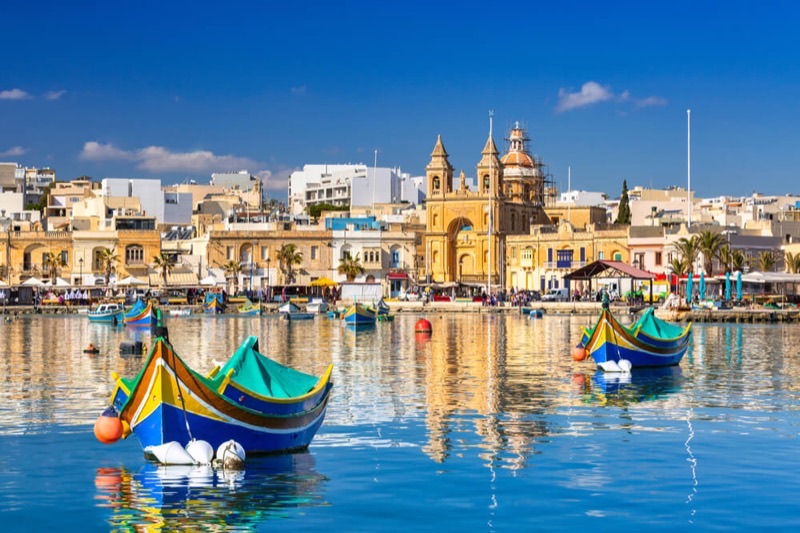
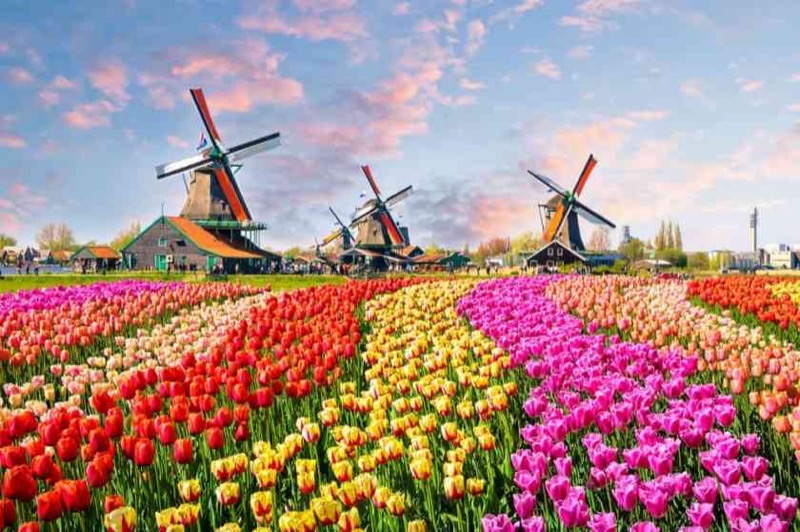
For most travelers seeking a main vacation, Malta offers a more concentrated, budget-friendly experience focused on sun, sea, and ancient sites for roughly $70-120 per day. The Netherlands, particularly Amsterdam, is better for city breaks and cultural deep dives, requiring $100-180 per day. Pick Malta for a relaxed, warm escape; choose the Netherlands for urban exploration and museums.
- Choose Malta: Travelers prioritizing warm weather, clear water swimming, ancient history, and a generally lower travel cost should pick Malta. It is ideal for divers, sun-seekers, and those who appreciate a slower pace outside of Paceville.
- Choose Netherlands: Travelers interested in world-class museums, cycling, canal cities, efficient public transport, and a liberal, modern European atmosphere should pick the Netherlands. It suits art lovers, city explorers, and those who enjoy cooler climates.
- Choose Both: If you have 10+ days and want a varied European trip, combine a 4-5 day city break in Amsterdam with a 5-6 day sun and history trip to Malta. This gives you distinct experiences without too much travel fatigue.
Choose Malta
Opt for Malta if your ideal vacation involves a sun-drenched escape, ancient history, and pristine Mediterranean waters. It's perfect for exploring the Baroque streets of Valletta, diving shipwrecks around Gozo, or relaxing on Golden Bay without overspending. This island nation is best for history buffs, divers, and sun-seekers looking for a concentrated, budget-friendly European experience.
Choose Netherlands
Pick the Netherlands for an immersive urban and cultural experience, despite a higher daily cost, especially in Amsterdam. Cycle along charming canals, marvel at masterpieces in the Rijksmuseum, or explore vibrant neighborhoods like Jordaan. It's best for art enthusiasts, city explorers, and travelers who appreciate efficient public transport and a modern, liberal European atmosphere.
📊 Visual Scorecard
🌤 When to Visit
Average high temperatures (°C). Green = best months, orange = avoid.
Quick Comparison
| Category | Malta | Netherlands | Winner |
|---|---|---|---|
| Costs & Budget | Significantly cheaper daily costs for food, transport, and often accommodation; pastizzi are €0.50, bus tickets €1.50-2.50. | Higher costs across the board, especially in Amsterdam; a basic meal can be €20, train tickets add up. | Malta |
| Culture & History | Ancient Megalithic temples (Hagar Qim), Phoenician, Roman, Arab, Knight of St. John, and British influences across a small landmass. | Golden Age art (Rijksmuseum, Van Gogh), canal houses, WWII history, windmills, and liberal social policies. | Malta |
| Beaches & Nature | Clear Mediterranean waters, rocky coves, sandy beaches like Golden Bay, iconic Blue Lagoon on Comino, dramatic cliffs. | North Sea coast with wide sandy beaches and dunes, flat polder landscapes, national parks like Hoge Veluwe, canals. | Malta |
| Food & Drink | Mediterranean cuisine with Italian and North African influences; pastizzi, rabbit stew (fenek), ftira bread, fresh seafood. | Hearty Dutch food; stamppot, herring, stroopwafels, cheeses, diverse international options in cities. | Malta |
| Getting There & Around | Malta International Airport (MLA) is the only airport. Small island, buses are the main public transport; car rental is common. | Amsterdam Schiphol (AMS) is a major hub. Excellent train network connects cities; cycling is dominant in urban areas. | Netherlands |
| Accommodation | Wider range of budget-friendly hostels, guesthouses, and apartments, particularly in Sliema, St. Julian's, and Valletta. | Higher average prices, especially in Amsterdam, with good hostel options but expensive hotels; unique canal houses. | Malta |
| Nightlife | Paceville (St. Julian's) is the main clubbing district; Valletta and other towns have various bars and pubs. | Amsterdam offers a range of clubs, bars, and its famous coffee shops; Rotterdam also has a dynamic scene. | Tie |
| Weather & Seasons | Hot, dry summers (June-August, 30°C+); mild, slightly wet winters (December-February, 10-15°C); pleasant shoulder seasons. | Mild summers (June-August, 18-22°C); cool, wet winters (December-February, 2-7°C); often cloudy year-round. | Malta |
| Activities & Exploration | Diving, boat trips to Comino/Gozo, exploring ancient temples, Valletta's fortifications, Mdina's medieval streets. | Museums (Rijksmuseum, Van Gogh), canal cruises, cycling, exploring historic cities (Utrecht, Delft), windmills. | Tie |
| Traveler Vibe | Relaxed Mediterranean pace, friendly locals, popular with European holidaymakers, families, and budget travelers. | Open-minded and liberal, efficient, popular with diverse international travelers, urban explorers, and art enthusiasts. | Tie |
💰 Costs & Budget
Malta consistently offers a better value for your money. A decent hostel bed in Sliema or St. Julian's can be found for €25-40 ($27-43) per night, while a mid-range hotel might…
Malta

Netherlands
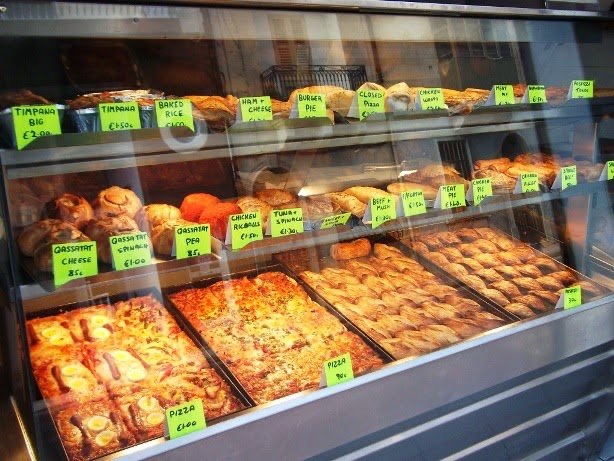
Malta consistently offers a better value for your money. A decent hostel bed in Sliema or St. Julian's can be found for €25-40 ($27-43) per night, while a mid-range hotel might cost €80-150 ($86-160). Eating out is affordable: a pastizzi (savory pastry) from a local shop is €0.50, a hearty meal at a casual restaurant like Gululu in St. Julian's is €15-25 ($16-27), and local Cisk beer is €3-4. Public transport is cheap at €1.50-2.50 per ride, or a 7-day bus pass is €21. Expect a comfortable daily budget of €65-110 ($70-120) for independent travelers, excluding major excursions.
The Netherlands is a more expensive proposition, especially in popular cities like Amsterdam. Hostel beds in Amsterdam start around €40-70 ($43-75), and mid-range hotels often exceed €120-250 ($130-270) per night. Food costs are higher: a simple lunch can be €10-15, and dinner at a decent restaurant, like The Pantry for traditional Dutch food, will easily run €25-50 ($27-54) per person, excluding drinks. Public transport within cities is efficient but adds up, with single tram tickets around €3.20 and a 24-hour GVB pass at €9. Expect a daily budget of €95-165 ($100-180) for a comfortable trip. Malta is the clear winner for budget-conscious explorers.
- Winner: Malta
- Why: Malta provides substantially lower costs for accommodation, food, and local transport, making it more accessible for budget-focused travel.
- Who this matters for: Travelers on a tighter budget, backpackers, and those wanting their money to stretch further on experiences rather than basic necessities.
🏛️ Culture & History
Malta's history is a deep, layered experience, compressed into a small area. The Ħaġar Qim and Mnajdra temples, older than the pyramids, offer a glimpse into Neolithic life.…
Malta
Netherlands
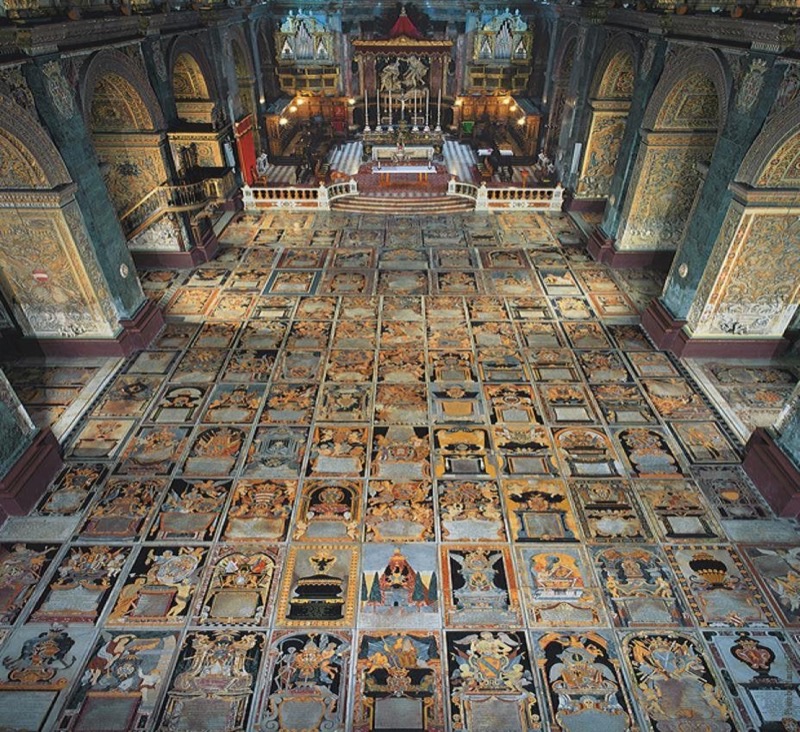
Malta's history is a deep, layered experience, compressed into a small area. The Ħaġar Qim and Mnajdra temples, older than the pyramids, offer a glimpse into Neolithic life. Valletta, the capital, is a UNESCO World Heritage site, built by the Knights of St. John, with grand fortifications, St. John's Co-Cathedral housing Caravaggio's 'The Beheading of Saint John the Baptist', and the Grand Master's Palace. Mdina, the 'Silent City,' is a fortified medieval town that feels like stepping back centuries. The Hypogeum, an underground burial complex, is a unique prehistoric site requiring advance booking. Malta's history is omnipresent, from British red phone boxes to ancient Punic walls. It is a place where you can touch thousands of years of human endeavor within a few kilometers.
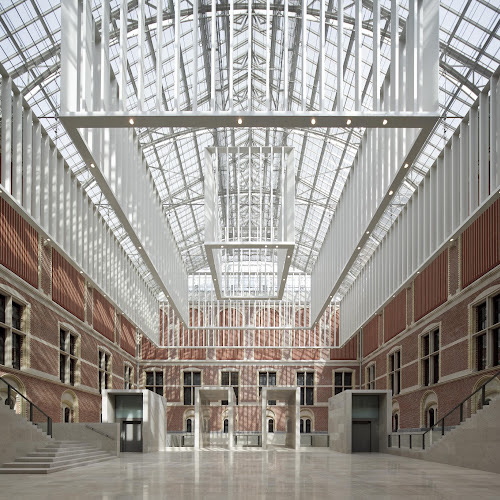
The Netherlands offers a significant cultural experience, particularly its Golden Age art at the Rijksmuseum (Rembrandt's 'The Night Watch') and the Van Gogh Museum in Amsterdam. The Anne Frank House provides a sobering historical account. Beyond Amsterdam, sites like the windmills of Kinderdijk or the Royal Delft pottery offer specific historical windows. Dutch culture also encompasses a long tradition of liberalism, evident in its social policies and coffee shops, which are a modern cultural aspect. While the Netherlands has significant history and art, Malta's ancient, multi-layered past, visible everywhere on the island, provides a more pervasive and immersive historical journey. Malta delivers a more ancient and varied historical narrative.
- Winner: Malta
- Why: Malta presents a more profound and ancient historical narrative, with millennia of civilizations visibly layered across a small, accessible island.
- Who this matters for: History buffs, archeology enthusiasts, and those who appreciate exploring ancient ruins and fortified cities.
🏖️ Beaches & Nature
Malta excels in beaches and sea-related nature. Its Mediterranean waters are exceptionally clear, ideal for swimming, snorkeling, and diving. While many beaches are rocky, sandy…
Malta
Netherlands
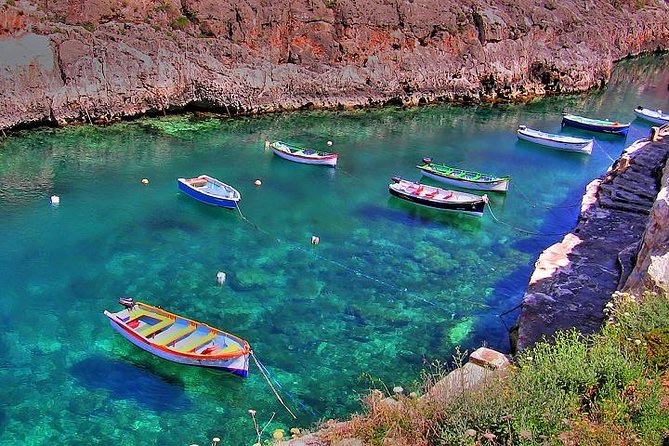
Malta excels in beaches and sea-related nature. Its Mediterranean waters are exceptionally clear, ideal for swimming, snorkeling, and diving. While many beaches are rocky, sandy options like Golden Bay and Mellieħa Bay provide easy access. The Blue Lagoon on the island of Comino is famous for its almost impossibly turquoise water, though it gets very crowded. Gozo offers Dwejra Bay and Ramla Bay with its unique red sand. The Dingli Cliffs on Malta's southwest coast provide dramatic sea views. The islands are small, so natural beauty is never far away. Divers flock to Malta for its shipwrecks and cave systems, making it a top diving destination in Europe.
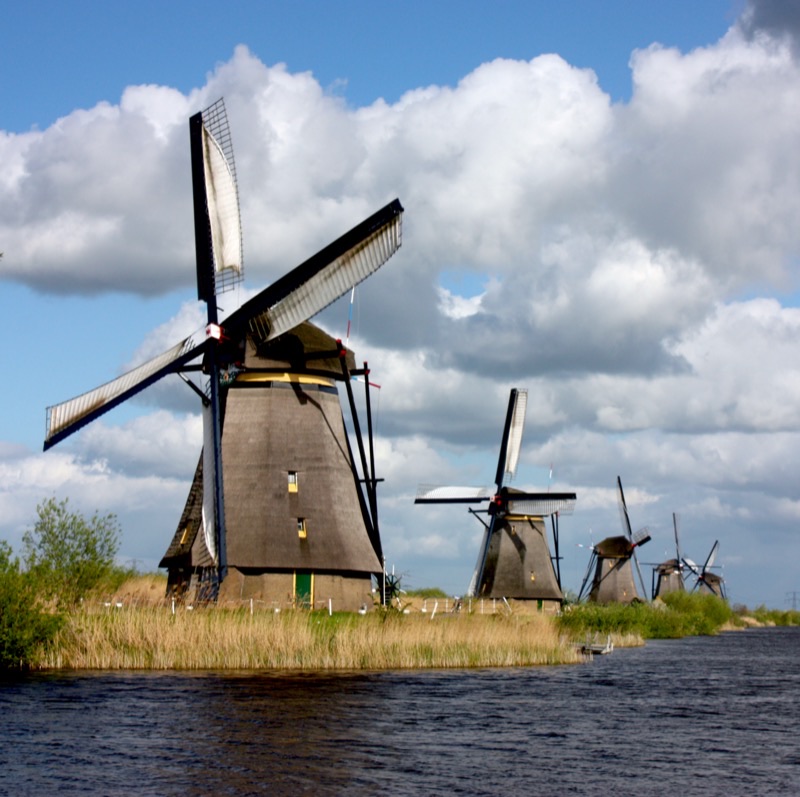
The Netherlands has a different kind of natural appeal. Its North Sea coast boasts extensive sandy beaches backed by dunes, stretching for kilometers. Scheveningen near The Hague and Zandvoort near Amsterdam are popular spots. The flat polder landscape, crisscrossed by canals and dotted with windmills (like at Kinderdijk), is a distinct feature. National parks such as Hoge Veluwe offer heathlands, forests, and wildlife, but it is a managed landscape. While the Netherlands offers pleasant coastal areas and unique polder nature, it cannot compete with Malta's Mediterranean water clarity, iconic swimming spots, and dramatic coastal geology. Malta wins for its superior sun, sea, and swimming options.
- Winner: Malta
- Why: Malta's Mediterranean climate, exceptionally clear waters, and iconic swimming spots like the Blue Lagoon make it superior for beach and sea nature.
- Who this matters for: Sun-seekers, divers, swimmers, and anyone prioritizing clear water and warm coastal experiences.
🍝 Food & Drink
Maltese food is a delicious blend of Mediterranean flavors, heavily influenced by Sicily and North Africa. It's generally inexpensive and hearty. You absolutely must try pastizzi,…

Malta

Netherlands
Maltese food is a delicious blend of Mediterranean flavors, heavily influenced by Sicily and North Africa. It's generally inexpensive and hearty. You absolutely must try pastizzi, flaky pastries filled with ricotta or mushy peas, sold everywhere for about €0.50-1.00. Traditional dishes include fenek (rabbit stew), lampuki pie (fish pie), and ftira (a round, flattened sourdough bread often topped with local ingredients). Fresh seafood is a staple, especially in fishing villages like Marsaxlokk, where you can find excellent fish restaurants. Local wines are decent, and Cisk is the ubiquitous Maltese lager. Restaurants like Ta' Kris in Sliema offer authentic Maltese dishes at good prices. The food scene is approachable and satisfying.
The Netherlands offers practical, often simple, and satisfying food. Traditional Dutch fare includes stamppot (mashed potatoes with vegetables), herring (often eaten raw with onions), bitterballen (fried meatballs), and stroopwafels (syrup waffles). Cheeses like Gouda and Edam are famous and readily available. In cities like Amsterdam, the international food scene is extensive, with Indonesian rijsttafel being a particular highlight due to colonial ties. However, traditional Dutch food might not be as universally exciting as Maltese cuisine, and it generally comes at a higher price point. While the Netherlands has excellent quality, Malta provides a more immediately appealing and unique culinary experience for most travelers. Malta offers a more exciting and flavorful culinary adventure.
- Winner: Malta
- Why: Malta's food scene is more distinct, flavorful, and budget-friendly, drawing from rich Mediterranean and historical influences.
- Who this matters for: Foodies, those who appreciate fresh seafood, and travelers looking for unique regional flavors that are also affordable.
✈️ Getting There & Around
Malta is served solely by Malta International Airport (MLA), with direct flights from most major European cities. A flight from London takes approximately 3 hours, costing around…
Malta
Netherlands
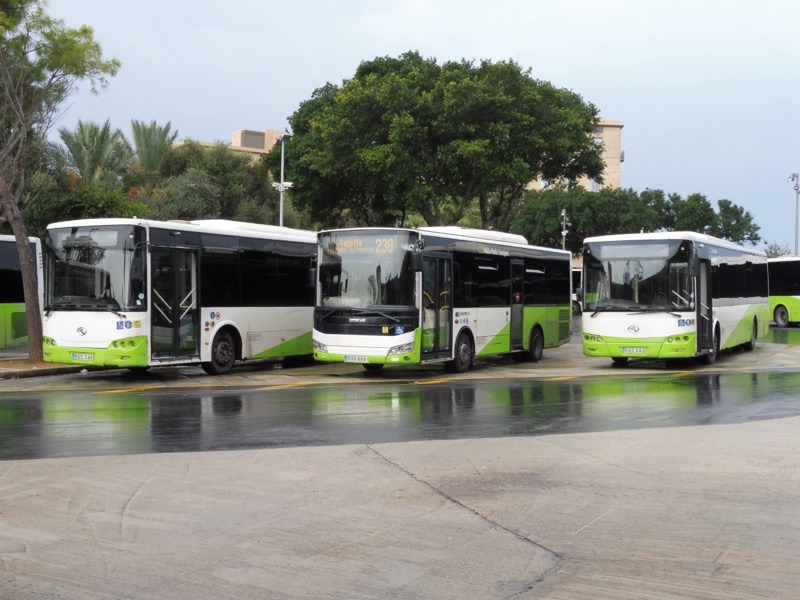
Malta is served solely by Malta International Airport (MLA), with direct flights from most major European cities. A flight from London takes approximately 3 hours, costing around €50-150 ($54-160) return depending on the season and airline. Once on the island, getting around is primarily by bus, which is affordable and covers most areas, though it can be slow and crowded. A 7-day bus card costs €21 ($23). For more flexibility, renting a car is a good option, especially for exploring Gozo, but driving is on the left, and roads can be narrow. Distances are short, so you are never far from your destination.
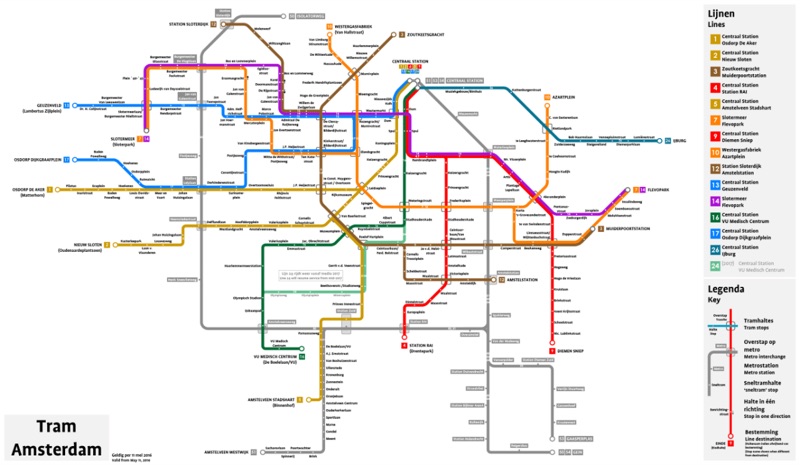
The Netherlands boasts Amsterdam Schiphol (AMS), a major international hub with extensive connections. A flight from London to Amsterdam takes around 1 hour 15 minutes, often costing €40-100 ($43-108) return. The country has an excellent, efficient, and interconnected public transport system, primarily trains. You can reach most cities like Utrecht, Rotterdam, or The Hague from Amsterdam within 30-60 minutes. Within cities, trams and buses are effective, but cycling is the quintessential Dutch experience, with extensive bike paths. Renting a bike in Amsterdam for a day costs around €10-15. The public transport infrastructure and ease of city-to-city travel in the Netherlands are superior. The Netherlands offers a more efficient and comfortable transport system.
- Winner: Netherlands
- Why: The Netherlands has a more comprehensive, efficient, and comfortable public transport system (especially trains) for inter-city travel, plus a strong cycling culture.
- Who this matters for: Travelers who prefer efficient public transport, plan to visit multiple cities, or enjoy cycling as a mode of exploration.
🏨 Accommodation
Accommodation in Malta is generally more affordable and offers a good variety. You can find clean hostel beds in Sliema or St. Julian's for €25-40 ($27-43) per night. Guesthouses…
Accommodation in Malta is generally more affordable and offers a good variety. You can find clean hostel beds in Sliema or St. Julian's for €25-40 ($27-43) per night. Guesthouses and B&Bs, particularly in Valletta or Rabat, often cost €60-100 ($65-108) for a double room. Mid-range hotels typically fall within €80-150 ($86-160). For example, The British Hotel in Valletta offers reasonable rates with harbor views. During peak summer, prices do rise, but value remains strong compared to Western Europe. Options range from boutique hotels in converted palazzos in Valletta to larger resorts in St. Julian's.
The Netherlands, particularly Amsterdam, has higher accommodation prices. A hostel bed in Amsterdam typically costs €40-70 ($43-75), while a decent hotel room in the city center can easily be €120-250 ($130-270) or more. For example, a basic room at The Student Hotel Amsterdam City might be €140. Outside of Amsterdam, prices are lower but still generally above Malta's. While the Netherlands offers charming canal-house hotels and unique stays, the overall cost for comparable quality accommodation is higher. Malta provides better value and more accessible options across all budget ranges. Malta offers better value accommodation for most travelers.
- Winner: Malta
- Why: Malta provides a wider selection of affordable and good-value accommodation options across hostels, guesthouses, and mid-range hotels.
- Who this matters for: Budget travelers, those seeking good value, and anyone planning a longer stay where accommodation costs add up significantly.
🍻 Nightlife
Malta's nightlife largely centers around Paceville in St. Julian's, a concentrated area with numerous clubs, bars, and casinos. It caters to a younger crowd and can get very…
Malta's nightlife largely centers around Paceville in St. Julian's, a concentrated area with numerous clubs, bars, and casinos. It caters to a younger crowd and can get very lively, especially on weekends and during summer. Entrance to clubs is often free, and drinks are relatively inexpensive (a beer around €3-4). Beyond Paceville, Valletta offers a more sophisticated bar scene with wine bars and pubs, particularly around the Strait Street area, known as 'The Gut.' Gozo also has some local pubs and bars. The nightlife is energetic and accessible, particularly for those looking to dance and party.
The Netherlands, particularly Amsterdam, has a diverse nightlife. From grand clubs like Paradiso and Melkweg, which host live music and DJ events, to cozy 'brown cafes' (traditional Dutch pubs) for a more relaxed evening. The Red Light District is a unique attraction for many visitors. Additionally, the famous coffee shops offer a distinct social experience. Rotterdam also has a modern, dynamic nightlife with various bars and clubs. While Amsterdam's scene is arguably more varied and globally recognized, Malta's Paceville offers a very specific, high-energy clubbing experience that can be just as compelling for its target audience. Both offer distinct and compelling nightlife options for different tastes, making it a tie.
- Winner: Tie
- Why: Both destinations offer distinct and well-developed nightlife scenes that cater to different preferences, with high-energy clubs in Malta and diverse urban options in the Netherlands.
- Who this matters for: Travelers who prioritize a specific type of nightlife experience; clubbers for Malta, diverse urban revelers for the Netherlands.
☀️ Weather & Seasons
Malta boasts a Mediterranean climate with long, hot, and dry summers from June to August, where temperatures often exceed 30°C (86°F), making it ideal for beach activities. Spring…
Malta boasts a Mediterranean climate with long, hot, and dry summers from June to August, where temperatures often exceed 30°C (86°F), making it ideal for beach activities. Spring (April-May) and autumn (September-October) are shoulder seasons, offering very pleasant temperatures (20-25°C / 68-77°F) with less crowd, which is perfect for sightseeing and swimming. Winters (December-February) are mild, with temperatures typically ranging from 10-15°C (50-59°F) and occasional rain, but still significantly warmer than most of Northern Europe. Malta offers abundant sunshine for most of the year, making it a reliable destination for good weather.
The Netherlands has a temperate maritime climate, meaning mild summers and cool, wet winters. Summer temperatures (June-August) typically range from 18-22°C (64-72°F), with occasional warmer days, but rain is possible at any time. Winters (December-February) are cold, with temperatures between 2-7°C (36-45°F), and often damp and grey. Snowfall is infrequent but possible. Spring and autumn are cool and often cloudy. If you are seeking consistent sunshine and warmth for outdoor activities, the Netherlands will likely disappoint. Malta is the definitive winner for predictable good weather.
- Winner: Malta
- Why: Malta offers a consistently warmer, sunnier climate for a larger portion of the year, making it superior for outdoor and beach-focused travel.
- Who this matters for: Sun-worshippers, beachgoers, and travelers who prefer warm weather for their entire trip, especially outside of peak summer.
🗺️ Activities & Exploration
Malta provides a compact range of compelling activities. Exploration often involves delving into its history, from the ancient Ħaġar Qim temples to the medieval Mdina and the…
Malta provides a compact range of compelling activities. Exploration often involves delving into its history, from the ancient Ħaġar Qim temples to the medieval Mdina and the Baroque architecture of Valletta. Boat trips to Comino for the Blue Lagoon or to Gozo for its rugged landscapes are extremely popular. Diving and snorkeling are prime activities due to the clear waters and numerous dive sites. You can spend days exploring Valletta's museums, the Grand Harbour, and its gardens, or visiting the fishing village of Marsaxlokk. The small size of the islands means you can cover a lot of ground in a short time. Activities are primarily focused on history, sea, and relaxation.
The Netherlands offers a different array of activities, heavily leaning into urban exploration and culture. Amsterdam alone provides the Rijksmuseum, Van Gogh Museum, Anne Frank House, and countless canal cruises. Cycling through cities and the countryside is a major activity. Day trips to charming towns like Utrecht, Delft (known for its pottery), or The Hague (seat of government, Mauritshuis museum) are easy. Visiting the windmills at Kinderdijk or the Keukenhof gardens (seasonal) offers different perspectives. The scope of activities is more city-centric and art-focused. Both destinations offer distinct and high-quality activities for different interests, making it a tie. It depends on whether you prefer ancient history and sea adventures or urban culture and art.
- Winner: Tie
- Why: Both destinations offer a high quality of distinct activities, with Malta focusing on history and sea, and the Netherlands on urban culture and art.
- Who this matters for: Travelers with specific interests in either ancient history and water activities (Malta) or art, museums, and city exploration (Netherlands).
🤝 Traveler Vibe
Malta's traveler vibe is generally relaxed and welcoming. It attracts a mix of European holidaymakers seeking sun, families, and history enthusiasts. The pace is Mediterranean,…
Malta's traveler vibe is generally relaxed and welcoming. It attracts a mix of European holidaymakers seeking sun, families, and history enthusiasts. The pace is Mediterranean, meaning things move a little slower, and people are generally warm and open. In areas like St. Julian's, there's a strong party scene catering to younger crowds, while Valletta and Gozo offer a more tranquil, cultured atmosphere. Solo travelers will find it easy to navigate and meet people, especially in hostels. It does not have the intense rush of a major European capital but offers a pleasant, easygoing atmosphere where English is widely spoken.
The Netherlands, particularly Amsterdam, has a highly international and open-minded vibe. It attracts a diverse group of travelers, from art and culture seekers to those interested in its liberal social policies. The atmosphere is generally efficient and direct, reflecting Dutch culture. While Amsterdam can feel very touristy in its central areas, venturing into neighborhoods like Jordaan or De Pijp reveals a more local, relaxed charm. Beyond Amsterdam, cities like Utrecht and Rotterdam offer a more contemporary, less tourist-saturated experience. Both destinations cater to different preferences: Malta for a sunny, historical escape, and the Netherlands for an efficient, cultured urban experience. Neither is objectively 'better' in terms of vibe; it depends entirely on personal preference. Both destinations offer distinct and appealing traveler atmospheres.
- Winner: Tie
- Why: Both Malta and the Netherlands offer appealing and distinct traveler vibes that cater to different preferences and travel styles.
- Who this matters for: Travelers prioritizing a specific atmosphere for their trip, be it a relaxed Mediterranean holiday or a dynamic urban cultural exploration.
🎯 The Decision Framework
Choose Malta If…
- You want reliable sunshine and warm weather for most of the year.
- You are on a tighter budget and want your money to go further.
- You are fascinated by ancient history, older than the pyramids.
- You want clear, warm waters for swimming, snorkeling, or diving.
- You enjoy exploring compact islands with diverse landscapes.
- You appreciate Mediterranean food with Italian and North African twists.
- You prefer a relaxed pace but still have options for nightlife.
- You want easy access to beautiful sister islands like Gozo and Comino.
Choose Netherlands If…
- You love exploring world-class art museums like the Rijksmuseum.
- You enjoy cycling as a primary way to explore cities and countryside.
- You prefer efficient, extensive public transport between multiple cities.
- You are interested in liberal social policies and coffee shop culture.
- You prefer cooler temperatures and are comfortable with frequent cloud cover.
- You want to experience charming canal-lined cities and unique architecture.
- You appreciate a diverse international food scene, especially Indonesian cuisine.
- You are looking for a modern European city experience with historical depth.
📅 Sample Itineraries
Weekend in Malta (3 Days)
💡 Purchase a 7-day Tallinja Explore Card for €21 for unlimited bus travel across Malta and Gozo, offering significant savings on transport.
Weekend in Netherlands (3 Days)
💡 Utilize the NS app for purchasing train tickets; it can save time and sometimes money compared to buying at station kiosks.
One Week in Malta (7 Days)
💡 Renting a car for a few days, especially for exploring Gozo and the south of Malta, offers freedom; expect prices around €25–€40 per day.
One Week in Netherlands (7 Days)
💡 Consider purchasing a regional train day ticket if you plan multiple inter-city trips in one day, as these can offer better value than individual tickets.
❓ Frequently Asked Questions
What is the best time to visit Malta vs Netherlands?
For Malta, the shoulder seasons of April-May and September-October are ideal, offering pleasant temperatures (20-25°C / 68-77°F) for sightseeing and swimming without the intense summer crowds and heat. For the Netherlands, June to August offers the mildest weather (18-22°C / 64-72°F) and longest daylight hours, though rain is always possible. Expect cooler, cloudier conditions in the Netherlands outside of these months.
Is Malta significantly cheaper than the Netherlands?
Yes, Malta is generally significantly cheaper. You can expect to spend around €65-110 ($70-120) per day for mid-range travel in Malta, compared to €95-165 ($100-180) in the Netherlands, especially in Amsterdam. Accommodation, food, and local transport are all noticeably more affordable in Malta.
Can I easily combine a trip to Malta and the Netherlands?
Combining them requires a flight, which typically takes 3-4 hours direct, costing €100-250 ($108-270) return. It is feasible if you have at least 10 days for your trip (e.g., 4-5 days in the Netherlands and 5-6 days in Malta) to avoid feeling rushed. Direct flights are available from Amsterdam Schiphol (AMS) to Malta International Airport (MLA).
Which destination is better for solo travelers?
Both are good for solo travelers. Malta is easy to navigate, has a friendly atmosphere, and English is an official language, making communication simple. Hostels and tours facilitate meeting people. The Netherlands, particularly Amsterdam, is also very safe, has an efficient public transport system, and a high concentration of solo-friendly activities like museums and cafes. Your preference for sun vs. city will likely determine your choice.
Are Malta and the Netherlands good for families with children?
Malta is excellent for families, offering safe swimming beaches (Mellieħa Bay), easy bus transport, and historical sites like Mdina that capture imagination. The short distances mean less travel time for kids. The Netherlands is also family-friendly, with parks, interactive museums (NEMO Science Museum in Amsterdam), and plenty of opportunities for cycling in safe environments. Both have merit, depending on whether your family prefers beach holidays or city exploration.
How long should I plan to spend in each country?
For Malta, a 5-7 day trip allows you to explore the main island, visit Valletta, Mdina, and take a day trip to Gozo and Comino. For the Netherlands, 3-4 days is sufficient for Amsterdam, but 7-10 days allows you to visit multiple cities like Utrecht, Rotterdam, and The Hague, or explore the countryside and coast.
Do I need to rent a car in Malta or the Netherlands?
In Malta, renting a car offers flexibility, especially for exploring Gozo or less accessible beaches, though the bus system is comprehensive. Driving is on the left. In the Netherlands, a car is generally unnecessary. The train network is excellent for inter-city travel, and cities are best explored on foot or by bicycle. A car in Amsterdam would be more of a hindrance than a help.
What are the primary languages spoken in Malta and the Netherlands?
In Malta, Maltese and English are both official languages, so almost everyone speaks English fluently, making communication very easy for English-speaking travelers. In the Netherlands, Dutch is the official language, but English proficiency is exceptionally high, especially in tourist areas and among younger generations. You will have no trouble communicating in English in both countries.
Ready to plan your European trip?
Get a free custom itinerary for Malta, Netherlands, or both — built from real traveler insights.
👥 Travelers Also Compared
🎟️ Book Tours & Experiences
Hand-picked tours and activities for both destinations — book with free cancellation
Experiences via Viator — free cancellation on most tours