How we built this comparison
This page combines traveler discussion patterns, published price ranges, flight schedules, and seasonal data to help you decide between Malta and Poland.
- Reviewed 50+ Reddit threads from r/travel, r/solotravel, r/malta, r/poland, r/europe.
- Verified costs and logistics against current booking platforms for flights, accommodation, and activities.
- Cross-referenced seasonal patterns and weather data for optimal travel timing.
⚡ Quick Answers
⚡ The TL;DR Verdict
For most travelers seeking better value, diverse experiences, and more extensive exploration, Poland takes the win. It offers deep history, varied landscapes, and budget-friendly travel around $60-90 USD per day. Malta is a solid choice for a shorter, sun-focused trip with historical sites, but it comes at a higher daily cost, typically $100-150 USD, and the overall experience can feel limited after a few days.
- Choose Malta: You want a shorter trip centered on sun, sea, and ancient history with easy island hopping and minimal travel time between attractions.
- Choose Poland: You seek a longer trip with significant historical immersion, varied city and nature exploration, and a much more economical overall budget.
- Choose Both: Consider both if you have 3+ weeks and prefer a contrast: start with a relaxed 4-5 days in Malta, then fly to Poland for 10-14 days of exploration.
Choose Malta
Choose Malta for a luxurious short escape focused on sun, sea, and ancient wonders. It's ideal for travelers seeking a compact, picturesque island experience, easily exploring Valetta's baroque architecture, Gozo's tranquil beaches, and megalithic temples. Best for couples or short-break history buffs who appreciate a higher daily budget for convenience and stunning Mediterranean scenery.
Choose Poland
Opt for Poland if you crave extensive historical immersion, diverse urban and natural landscapes, all on an economical budget. Perfect for culture vultures and adventurers, you can explore Krakow's medieval charm, Warsaw's resilient spirit, hike the Tatra Mountains, and discover countless castles. It's best for travelers seeking deep exploration and incredible value over a longer trip.
📊 Visual Scorecard
🌤 When to Visit
Average high temperatures (°C). Green = best months, orange = avoid.
Quick Comparison
| Category | Malta | Poland | Winner |
|---|---|---|---|
| Costs & Budget | Higher daily spend, especially for accommodation and dining. Public transport is affordable. | Significantly lower daily spend across all categories, making it a budget travelers choice. | Poland |
| Culture & History | Ancient megalithic temples, Knights of St John legacy, Baroque architecture, Christian influences. | Medieval cities, WWII history, Jewish heritage, communist era artifacts, castles, palaces. | Poland |
| Food & Drink | Mediterranean flavors, fresh seafood, rabbit stew (fenkata), pastizzi, Italian influences. | Hearty comfort food, pierogi, Bigos, Zurek, excellent craft beer, vodka culture, good cafes. | Poland |
| Beaches & Nature | Rocky coves, sandy beaches (Golden Bay, Mellieħa Bay), Blue Lagoon, Gozo, Comino. | Baltic Sea beaches, Tatra Mountains (hiking), Białowieża Forest (bison), Masurian Lakes. | Malta |
| Nightlife | Paceville (St Julians) for clubs, Valletta for bars and cocktails, Gozo is quieter. | Thriving scenes in Krakow, Warsaw, Gdansk with clubs, pubs, vodka bars, ruin bars. | Poland |
| Getting There & Around | Direct flights from Europe, small island easy to navigate by bus/car/ferry. | Extensive flight connections to Europe, well-developed train and bus networks, good domestic flights. | Poland |
| Accommodation | Hotels, guesthouses, boutique options in Valletta, some hostels, pricier in peak season. | Wide range from budget hostels to luxury hotels, apartments, agritourism, very good value. | Poland |
| Weather & Seasons | Mediterranean climate, hot dry summers, mild wet winters, long shoulder seasons. | Continental climate, warm summers, cold snowy winters, distinct four seasons. | Malta |
| Day Trips & Exploration | Gozo, Comino (Blue Lagoon), Three Cities, Marsaxlokk fishing village, Mdina. | Auschwitz, Wieliczka Salt Mine, Zakopane, Malbork Castle, Wrocław, Gdansk from Warsaw. | Poland |
| Solo Travel | Generally safe, easy to navigate, good for meeting people in hostels/party areas, limited long-term options. | Very safe, excellent hostel culture, easy transport, diverse social opportunities, great for meeting others. | Poland |
💰 Costs & Budget
Malta is generally more expensive, comparable to Southern European costs. Expect to spend $100-150 USD per day for mid-range travel. A main course at a casual restaurant costs…
Malta
Poland
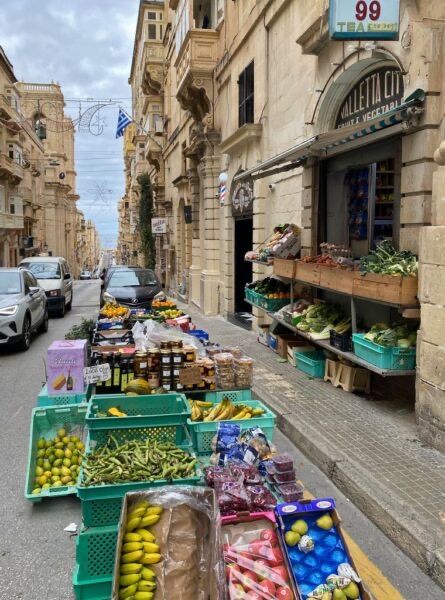
Malta is generally more expensive, comparable to Southern European costs. Expect to spend $100-150 USD per day for mid-range travel. A main course at a casual restaurant costs around €15-25 (~$16-27), a local beer €3-5 (~$3.20-5.40), and a hostel bed €25-45 (~$27-49) in Valletta. Hotels in popular areas like St Julians or Sliema start from €80-120 (~$86-130) per night. Groceries are relatively similar to Western Europe, but eating out frequently adds up quickly. Public bus fares are cheap, €1.50-€2.00 for a single journey, but taxis and ride-shares are more expensive.
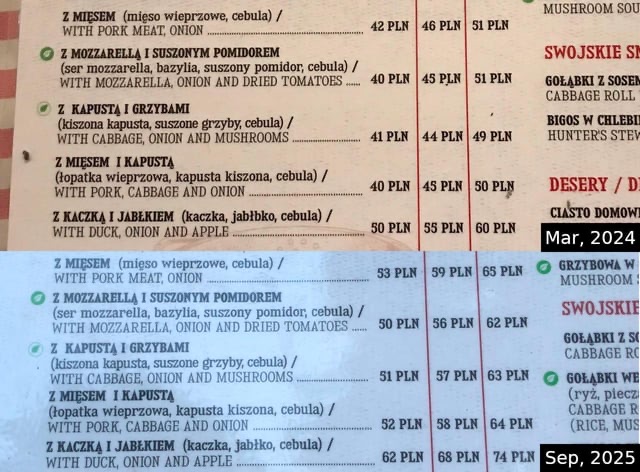
Poland offers excellent value for money. A mid-range daily budget often falls between $60-90 USD. You can get a main course in a good restaurant for 40-60 PLN (~$10-15), a craft beer for 10-15 PLN (~$2.50-3.75), and a hostel bed in Krakow or Warsaw for 50-100 PLN (~$12.50-25). Hotels in city centers start from 200-350 PLN (~$50-87) per night. Groceries are very affordable. Public transport in cities like Warsaw or Krakow costs about 3.40-4.40 PLN (~$0.85-1.10) for a 20-minute ticket, and intercity trains are also very reasonably priced. The difference in daily expenses is substantial. Tabiji verdict: Poland is the clear winner for budget-conscious travelers, allowing longer trips for less money.
- Winner: Poland
- Why: Poland offers significantly lower costs across all travel categories, enabling a much more extended trip for the same budget.
- Who this matters for: Budget travelers, long-term travelers, students, and anyone wanting their money to go further.
🏛️ Culture & History
Malta possesses a deep history, from its Ħaġar Qim megalithic temples dating back over 5,000 years to the fortified cities built by the Knights of St John. Valletta, a UNESCO…
Malta
Poland
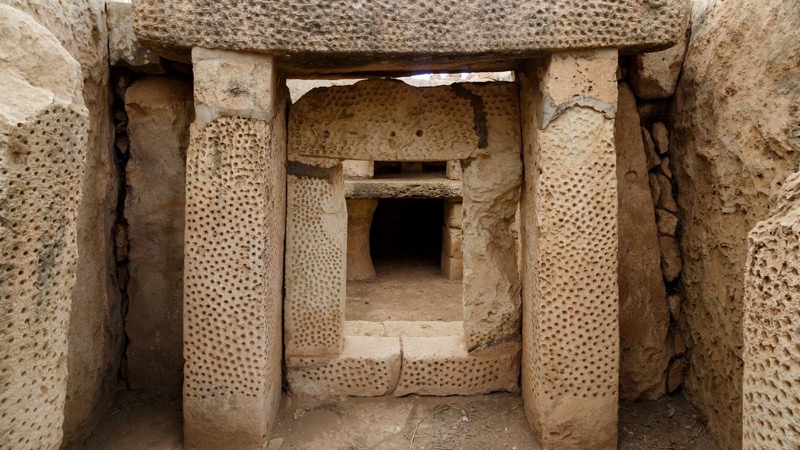
Malta possesses a deep history, from its Ħaġar Qim megalithic temples dating back over 5,000 years to the fortified cities built by the Knights of St John. Valletta, a UNESCO site, showcases Baroque architecture with its St Johns Co-Cathedral housing Caravaggio works. Mdina, the Silent City, provides a glimpse into medieval life. The islands history is densely packed and accessible, allowing visitors to easily move between different historical periods. However, the scope is concentrated on the islands specific narrative, primarily focused on ancient civilizations and the Knights.
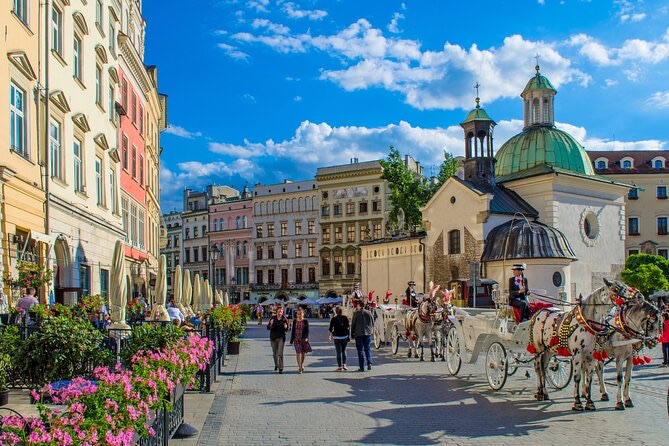
Poland offers a broader and more diverse historical narrative. Krakow alone features Wawel Castle, the historic Jewish Quarter of Kazimierz, and is a short drive from Auschwitz-Birkenau Memorial. Warsaw, rebuilt after WWII, presents a compelling story of resilience with its Old Town and POLIN Museum of the History of Polish Jews. Gdansk showcases Hanseatic League architecture and Solidarity movement origins. Visitors can trace medieval royalty, Jewish life, WWII devastation, and post-communist transformation. The sheer volume and variety of historical sites across different regions of Poland mean endless exploration. Tabiji verdict: Poland wins for the breadth, depth, and emotional impact of its historical sites, offering a more extensive learning experience.
- Winner: Poland
- Why: Poland provides a wider range of historical periods and cultural narratives, from medieval to modern, across a larger geographical area.
- Who this matters for: History buffs, those interested in WWII, medieval architecture, and Jewish heritage, and travelers seeking diverse historical contexts.
🍽️ Food & Drink
Maltese cuisine is a blend of Mediterranean and North African influences. Expect fresh seafood, rabbit stew (fenkata), and lampuki pie. Pastizzi, savory pastries filled with…
Malta
Poland
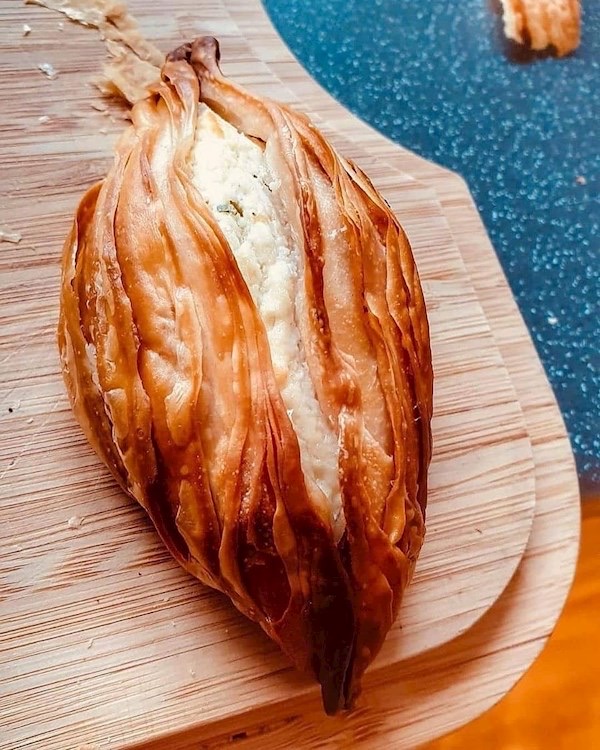
Maltese cuisine is a blend of Mediterranean and North African influences. Expect fresh seafood, rabbit stew (fenkata), and lampuki pie. Pastizzi, savory pastries filled with ricotta or peas, are a cheap and popular snack, costing around €0.50-€1. Nenu The Artisan Baker in Valletta serves traditional Maltese platters. The local wines are decent, and Cisk is the ubiquitous lager. While there are some good restaurants, the culinary scene is not as varied as larger European countries, and dining out can become repetitive on a longer trip. Quality can vary, and high-end options are available but costly.
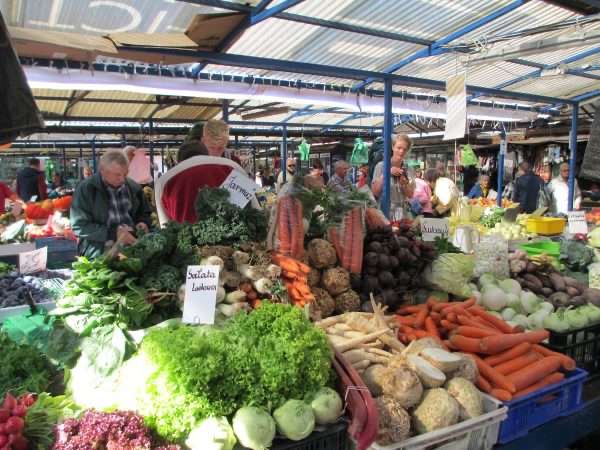
Polish food is hearty and satisfying, perfect for cooler climates. Pierogi (dumplings with various fillings), Bigos (hunters stew), and Zurek (sour rye soup) are staples. The restaurant scene in cities like Krakow and Warsaw is dynamic, with traditional milk bars (bar mleczny) offering cheap, simple meals for around 20-30 PLN (~$5-7.50) alongside modern fine dining. Craft beer culture is thriving, with numerous microbreweries and bars. Vodka is, of course, a cultural cornerstone, with tasting experiences available. Krakow has places like Gospoda Koko for traditional fare. The overall quality, variety, and affordability of food and drink in Poland are superior. Tabiji verdict: Poland offers a more diverse, satisfying, and budget-friendly culinary journey with a broader range of options for all palates.
- Winner: Poland
- Why: Poland provides a wider variety of dishes, a thriving modern culinary scene, better craft beer, and significantly better value for dining experiences.
- Who this matters for: Foodies, craft beer enthusiasts, budget eaters, and anyone who enjoys exploring diverse cuisines.
🏖️ Beaches & Nature
Malta is a sun and sea destination. Its coastline features many rocky coves perfect for swimming and snorkeling, alongside sandy stretches like Golden Bay and Mellieħa Bay. The…
Malta
Poland
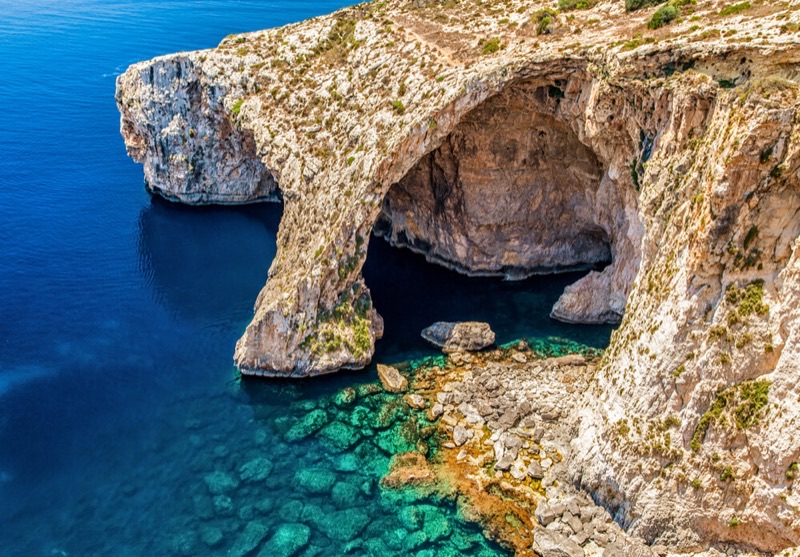
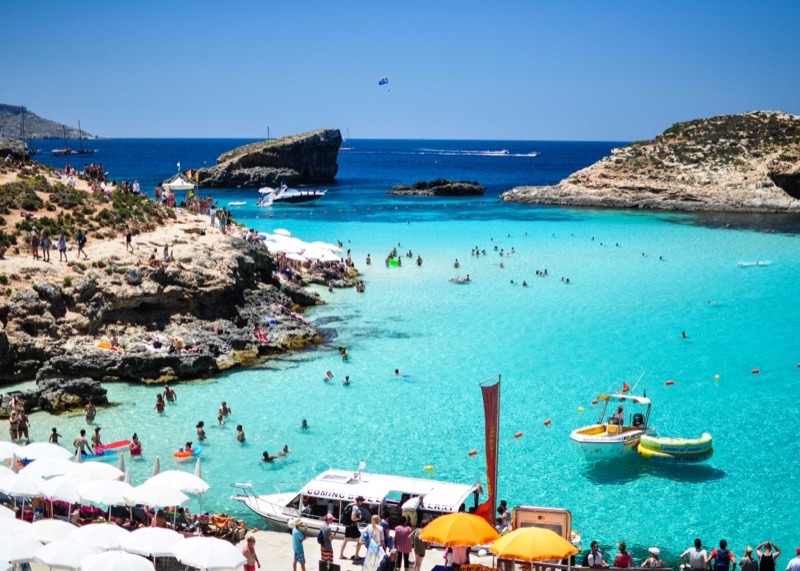
Malta is a sun and sea destination. Its coastline features many rocky coves perfect for swimming and snorkeling, alongside sandy stretches like Golden Bay and Mellieħa Bay. The Blue Lagoon on Comino is famous for its turquoise waters, though it gets very crowded. The smaller island of Gozo offers a more relaxed pace with Red Sand Beach (Ramla l-Ħamra). The overall natural landscape is arid and rocky, with dramatic cliffs along the coast. While beautiful for its sea access, the interior lacks extensive green spaces or diverse terrestrial ecosystems. It is ideal for short boat trips and coastal relaxation.
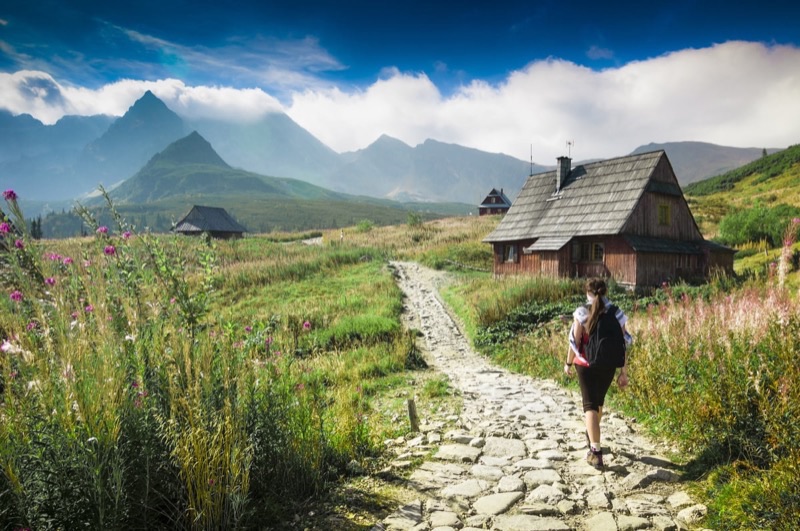
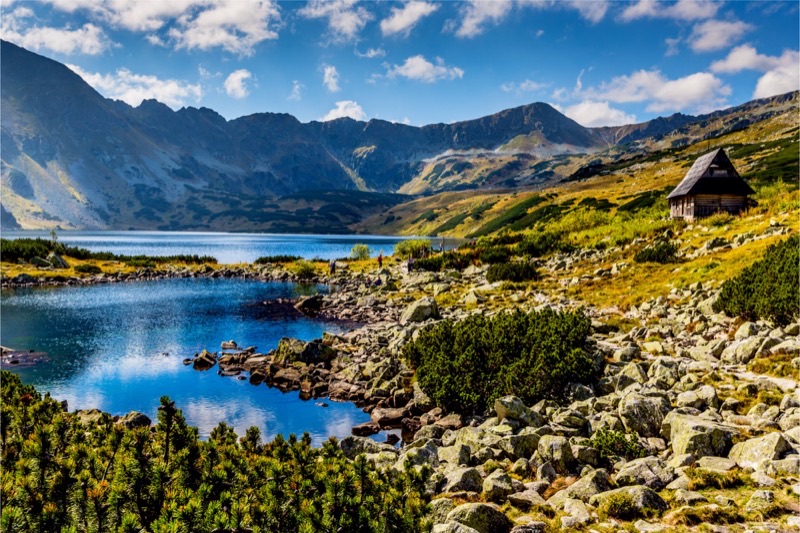
Poland, while not primarily a beach destination, has a substantial Baltic Sea coastline with wide, sandy beaches like Sopot and Łeba. Its true natural crown jewels are its mountains and forests. The Tatra Mountains offer serious hiking and climbing opportunities, with trails around Zakopane leading to stunning glacial lakes like Morskie Oko. Białowieża Forest is a primeval forest, home to European bison. The Masurian Lake District provides thousands of lakes for sailing and kayaking. The landscapes are diverse, from coastal dunes to alpine peaks and ancient forests. Tabiji verdict: Malta wins for direct, easy access to swimming and sun-worshipping, but Poland offers a more diverse and grand natural landscape experience.
- Winner: Malta
- Why: Malta is purpose-built for beach holidays and water activities, with easy access to warm, clear Mediterranean waters.
- Who this matters for: Beach lovers, snorkelers, sunbathers, and those who prioritize coastal relaxation and swimming.
🌃 Nightlife
Malta has a concentrated nightlife scene centered mainly in Paceville, St Julians. This area features numerous clubs, bars, and casinos, catering primarily to a younger,…
Malta

Poland
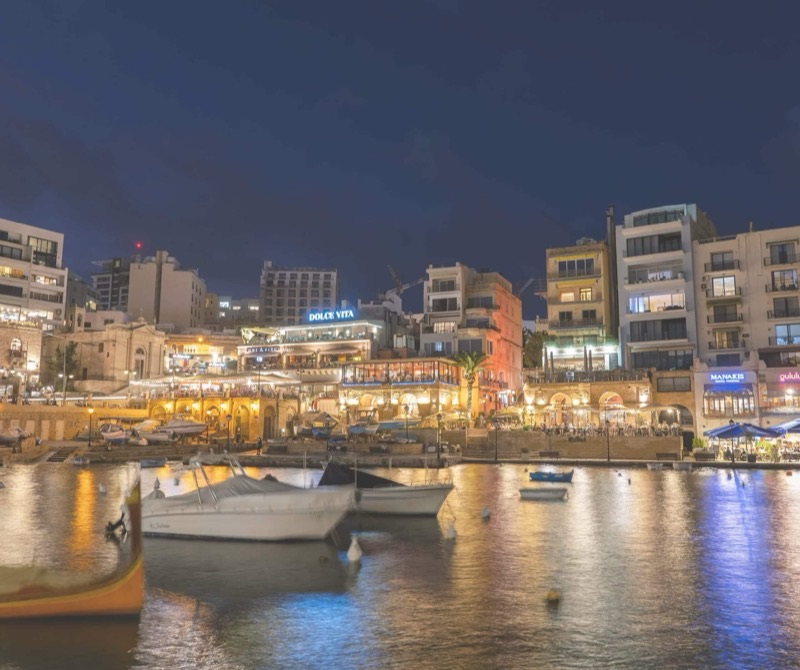
Malta has a concentrated nightlife scene centered mainly in Paceville, St Julians. This area features numerous clubs, bars, and casinos, catering primarily to a younger, party-oriented crowd. You can find cheap drinks and loud music. Valletta offers a more sophisticated evening with wine bars and cocktail lounges, but it is generally a quieter experience. Gozo is very peaceful in the evenings, with only a few local pubs. Outside Paceville, options are limited. The scene is fun for a few nights but can feel somewhat repetitive for a longer stay, and it primarily attracts a specific type of party-goer.
Poland boasts dynamic and diverse nightlife across its major cities. Krakow is renowned for its cellar bars, lively pub crawls in the Old Town and Kazimierz, and numerous clubs. Warsaw offers everything from elegant cocktail bars to underground techno clubs and vodka bars. Gdansk also has a lively pub scene along the Long Market. Polish nightlife is generally more varied, less concentrated in one small area, and offers options for different moods and age groups. Drinks are significantly cheaper than in Malta, making a night out more affordable. Places like Pijalnia Wódki i Piwa in Krakow offer cheap drinks and snacks. Tabiji verdict: Poland offers a more varied, extensive, and budget-friendly nightlife experience across multiple cities.
- Winner: Poland
- Why: Poland delivers a more diverse, extensive, and affordable nightlife spread across several major cities, catering to more tastes.
- Who this matters for: Party-goers, those who enjoy pub crawls, craft beer drinkers, and travelers seeking variety in evening entertainment.
✈️ Getting There & Around
Malta is served by Malta International Airport (MLA), with direct flights from most major European cities, typically 2-4 hours from central Europe. Getting around the island is…
Malta is served by Malta International Airport (MLA), with direct flights from most major European cities, typically 2-4 hours from central Europe. Getting around the island is straightforward due to its small size. The public bus network is comprehensive and affordable, though journeys can be slow and buses crowded. Renting a car gives more flexibility, but driving is on the left, and roads can be narrow. Ferries connect Malta to Gozo and Comino easily. The compact nature of the island means little travel time between attractions, often under an hour. Overall, it is an easy destination to navigate once you arrive.
Poland has several international airports (Warsaw Chopin WAW, Krakow KRK, Gdansk GDN) with extensive connections across Europe, often with budget airlines, flight times 2-3 hours from central Europe. Getting around Poland is very efficient. An excellent intercity train network (PKP Intercity) connects major cities quickly and affordably. Long-distance buses (e.g., FlixBus) are also a cheap option. Within cities, public transport systems (trams, buses, metro in Warsaw) are modern, reliable, and cheap. Domestic flights are available for covering long distances quickly. The infrastructure supports extensive travel across a much larger country. Tabiji verdict: Poland offers superior connectivity and diverse, efficient transport options for exploring a larger country.
- Winner: Poland
- Why: Poland provides better international flight connections, a more robust internal transportation network, and easier travel between diverse regions.
- Who this matters for: Travelers planning multi-city trips, those relying on public transport, and anyone looking for efficient long-distance travel.
🏨 Accommodation
Accommodation in Malta can be quite expensive, especially during peak season (June-August). A decent hostel bed in Valletta or Sliema typically costs €25-45 (~$27-49) per night.…
Accommodation in Malta can be quite expensive, especially during peak season (June-August). A decent hostel bed in Valletta or Sliema typically costs €25-45 (~$27-49) per night. Mid-range hotels in popular areas like St Julians or Mellieħa start from €80-120 (~$86-130), with boutique hotels in Valletta often €150+ (~$162+). Airbnb options are plentiful but also reflect the higher price point. While quality is generally good, finding budget-friendly options that are not crowded can be challenging, particularly for solo travelers looking for private rooms without a high price tag. Booking well in advance is essential for summer trips.
Poland offers excellent value for accommodation across all budgets. Hostel beds in Krakow or Warsaw often range from 50-100 PLN (~$12.50-25), with high-quality facilities. Mid-range hotels in city centers can be found for 200-350 PLN (~$50-87) per night, offering rooms that would cost double elsewhere in Europe. Luxury options are also significantly more affordable. Apartments for rent are abundant and well-maintained. Outside of major cities, agritourism options (agroturystyka) provide unique, cheap stays in rural areas. The sheer volume and competitive pricing make it easy to find suitable lodging. Tabiji verdict: Poland is the clear winner for accommodation, offering better value, wider choice, and higher quality across all budget ranges.
- Winner: Poland
- Why: Poland provides superior value and a wider selection of high-quality accommodation options for every budget.
- Who this matters for: All travelers, especially budget-conscious individuals, families, and those seeking good value for their lodging.
☀️ Weather & Seasons
Malta enjoys a Mediterranean climate with long, hot, dry summers from June to September, where temperatures often exceed 30°C (86°F). Winters are mild and wet, typically from…
Malta enjoys a Mediterranean climate with long, hot, dry summers from June to September, where temperatures often exceed 30°C (86°F). Winters are mild and wet, typically from December to February, with temperatures around 10-15°C (50-59°F). The shoulder seasons (April-May, October-November) are ideal for visiting, offering warm but not scorching temperatures and fewer crowds. Sea temperatures remain comfortable for swimming well into October. The consistent sunshine and mild winters make it an attractive year-round destination for those seeking warmth, although summer can be too intense for extensive sightseeing. It is a reliably sunny location for much of the year.
Poland experiences a continental climate with distinct four seasons. Summers (June-August) are generally warm, with temperatures averaging 20-25°C (68-77°F), though heatwaves can push them higher. Winters (December-February) are cold and often snowy, especially in the mountains, with temperatures frequently below freezing. Spring (March-May) and autumn (September-November) are pleasant, with mild temperatures and changing foliage. Visitors need to pack for variable weather. While beautiful in summer and winter (for snow activities), the colder months might not appeal to sun-seekers. The weather is less predictable than Malta. Tabiji verdict: Malta wins for its predictable warm climate, especially for those seeking sun and mild temperatures for most of the year.
- Winner: Malta
- Why: Malta offers a more consistently warm, sunny, and predictable climate, ideal for sun and sea holidays for a longer part of the year.
- Who this matters for: Sun-seekers, those escaping cold winters, and travelers who prioritize warm weather for outdoor activities.
🗺️ Day Trips & Exploration
From Malta, day trips are primarily focused on its sister islands and specific historical sites. Gozo is a popular day trip, accessible by a 25-minute ferry, offering more rural…
From Malta, day trips are primarily focused on its sister islands and specific historical sites. Gozo is a popular day trip, accessible by a 25-minute ferry, offering more rural landscapes and attractions like the Citadel in Victoria. Comino is famous for the Blue Lagoon, a short boat ride away. Within Malta, the Three Cities (Vittoriosa, Senglea, Cospicua) offer historical exploration, and the fishing village of Marsaxlokk is known for its Sunday fish market. Mdina provides a glimpse into medieval history. The small size of the country means all day trips are easily manageable, but the variety of experiences is limited to island life and specific historical nodes. There are no dramatic changes in landscape or culture.
Poland excels in day trip potential due to its larger size and diverse geography. From Krakow, essential trips include Auschwitz-Birkenau (1.5 hours by bus) and the Wieliczka Salt Mine (30 minutes by train). Zakopane, in the Tatra Mountains, is a popular day or overnight trip for hiking. From Warsaw, visitors can reach Gdansk, Wrocław, or Łódź by high-speed train for a longer day trip, each offering distinct history and architecture. Malbork Castle, the largest brick castle in the world, is accessible from Gdansk. The sheer number of different cities, natural parks, and historical sites within a few hours travel makes Poland a rich country for varied excursions. Tabiji verdict: Poland offers a vastly superior range and variety of day trips, providing diverse experiences and landscapes.
- Winner: Poland
- Why: Poland provides an extensive array of diverse day trip options, ranging from historical sites to mountains and other cities, each offering a distinct experience.
- Who this matters for: Adventurous travelers, those seeking varied experiences outside a main city, and travelers who enjoy exploring different regions.
🚶♀️ Solo Travel
Malta is a safe country for solo travelers. Its small size makes navigation easy, and violent crime is rare. Hostels in areas like St Julians or Sliema are good places to meet…
Malta is a safe country for solo travelers. Its small size makes navigation easy, and violent crime is rare. Hostels in areas like St Julians or Sliema are good places to meet other travelers, especially younger crowds. Public transport is reliable during the day. However, for those seeking a more profound cultural immersion or varied activities beyond the typical tourist circuit, Malta can feel somewhat limited for longer solo trips. The social scene outside of peak party areas may be less spontaneous. Dining alone is comfortable, but the pace is often more geared towards couples or groups enjoying the island atmosphere. It is a good choice for a short, relaxed solo trip.
Poland is an outstanding destination for solo travelers. It is very safe, even for women traveling alone. The excellent hostel culture in cities like Krakow, Warsaw, and Gdansk makes meeting other travelers easy, with many offering social events and walking tours. Public transport is efficient and cheap, allowing for independent exploration. The diverse range of activities, from museums to hiking, caters to various interests. Dining alone is common and comfortable. The Polish people are generally welcoming, and English is widely spoken in tourist areas. The affordability also means solo travelers can enjoy more experiences without breaking the bank. Tabiji verdict: Poland is the superior choice for solo travelers, offering better social opportunities, more diverse activities, and greater affordability.
- Winner: Poland
- Why: Poland offers superior safety, a more developed hostel culture, easier social interaction, and better value for solo adventurers.
- Who this matters for: First-time solo travelers, budget solo travelers, social travelers, and those seeking varied experiences alone.
🎯 The Decision Framework
Choose Malta If…
- You want guaranteed sunshine and warm sea for swimming.
- You prefer a small island destination where everything is close.
- Your trip duration is 3-5 days, focusing on relaxation and history.
- You enjoy Mediterranean cuisine and fresh seafood.
- You are comfortable with higher European price points.
- You want easy ferry access to other small islands like Gozo and Comino.
- You enjoy exploring ancient megalithic sites and Baroque architecture.
- You like a concentrated nightlife scene in one specific area.
Choose Poland If…
- You seek an extensive, multi-city trip across a larger country.
- Your budget is a primary concern, aiming for excellent value.
- You want deep immersion in WWII and medieval history.
- You love hearty, comfort food and a thriving craft beer scene.
- You prefer diverse landscapes from mountains to forests and beaches.
- You rely on efficient, affordable public transport for intercity travel.
- You are a solo traveler looking for easy social connections in hostels.
- You enjoy varied nightlife from sophisticated bars to cheap vodka pubs.
- You appreciate distinct four seasons, including cold, snowy winters.
📅 Sample Itineraries
Weekend in Malta (3 Days)
💡 Purchase a Tallinja Card for $21 for 7 days of unlimited bus travel, saving money on daily single tickets ($2.50 each).
Weekend in Poland (3 Days)
💡 For Krakow, buy a Krakow Tourist Card for 2 or 3 days, offering free public transport and museum entries, potentially saving $20-30 depending on your itinerary.
One Week in Malta (7 Days)
💡 Rent a small car for 3-4 days to explore Gozo and the south of Malta more efficiently, especially if traveling with others; costs around $25-40 per day.
One Week in Poland (7 Days)
💡 Utilize Poland's efficient train network for inter-city travel; booking in advance can secure cheaper tickets, often for as little as $15-20 between major cities.
❓ Frequently Asked Questions
What is the average daily budget for a traveler in Malta vs Poland?
For Malta, a mid-range daily budget is typically $100-150 USD, covering decent accommodation, meals, and transport. Poland offers much better value, with $60-90 USD per day allowing for similar comfort in cities like Krakow or Warsaw, including hostel stays, restaurant meals, and local transport.
How long should I plan to visit Malta or Poland for?
Malta is well-explored in 4-6 days, allowing you to see the main islands of Malta and Gozo without rushing. For Poland, plan at least 7-10 days to cover two major cities like Krakow and Warsaw, or 2-3 weeks for a more extensive trip including Gdansk, Wrocław, and the Tatra Mountains. Its larger size demands more time.
Are flights easily available to both destinations from other parts of Europe?
Yes, both Malta International Airport (MLA) and major Polish airports (Warsaw Chopin WAW, Krakow KRK, Gdansk GDN) have extensive direct flight connections with budget airlines from across Europe. Flight times are typically 2-4 hours from central European hubs.
Which destination is better for history enthusiasts?
Poland offers a broader and more emotionally impactful historical experience, covering medieval castles, Jewish heritage, and extensive WWII history (e.g., Auschwitz, Warsaw Uprising). Malta has ancient megalithic temples and the Knights of St Johns legacy, but its scope is more concentrated.
What are the key differences in public transport?
Malta has an island-wide bus network that is affordable but can be slow. Poland boasts a highly efficient and affordable intercity train system connecting major cities, alongside excellent urban public transport (trams, buses, metro). Poland offers more comprehensive and faster options for covering long distances.
Is one destination significantly safer for solo female travelers?
Both countries are generally safe for solo female travelers. Poland has a slight edge due to its very low crime rates, well-lit city centers, and excellent public transport that makes navigation easy even at night. Malta is also safe, but its party areas can be more intense.
What about the weather differences during summer and winter?
Malta has hot, dry summers (30°C+) and mild, wet winters (10-15°C). Poland has warm summers (20-25°C) but cold, snowy winters (often below 0°C). If you want sun and warmth, Malta is better for more months of the year. If you enjoy distinct seasons, including snow, Poland delivers that.
Which country offers better options for adventure or nature activities?
Poland wins for nature and adventure. It features the Tatra Mountains for hiking, the Białowieża Forest for wildlife spotting, and the Masurian Lakes for water sports. Malta offers coastal activities like swimming, snorkeling, and boat trips, but its terrestrial nature is less varied and extensive.
Ready to plan your European trip?
Get a free custom itinerary for Malta, Poland, or both — built from real traveler insights.
👥 Travelers Also Compared
🎟️ Book Tours & Experiences
Hand-picked tours and activities for both destinations — book with free cancellation
Experiences via Viator — free cancellation on most tours