How we built this comparison
This page combines traveler discussion patterns, published price ranges, flight schedules, and seasonal data to help you decide between Malta and Sicily.
- Reviewed 100+ Reddit threads from r/travel, r/solotravel, r/Malta, r/Sicily, and r/ItalyTravel for authentic traveler experiences and tips.
- Verified costs and logistics against current booking platforms (e.g., Skyscanner, Booking.com, local transport sites) to ensure accuracy.
- Cross-referenced seasonal patterns and weather data from meteorological sources to provide reliable 'best time to visit' advice.
⚡ The TL;DR Verdict
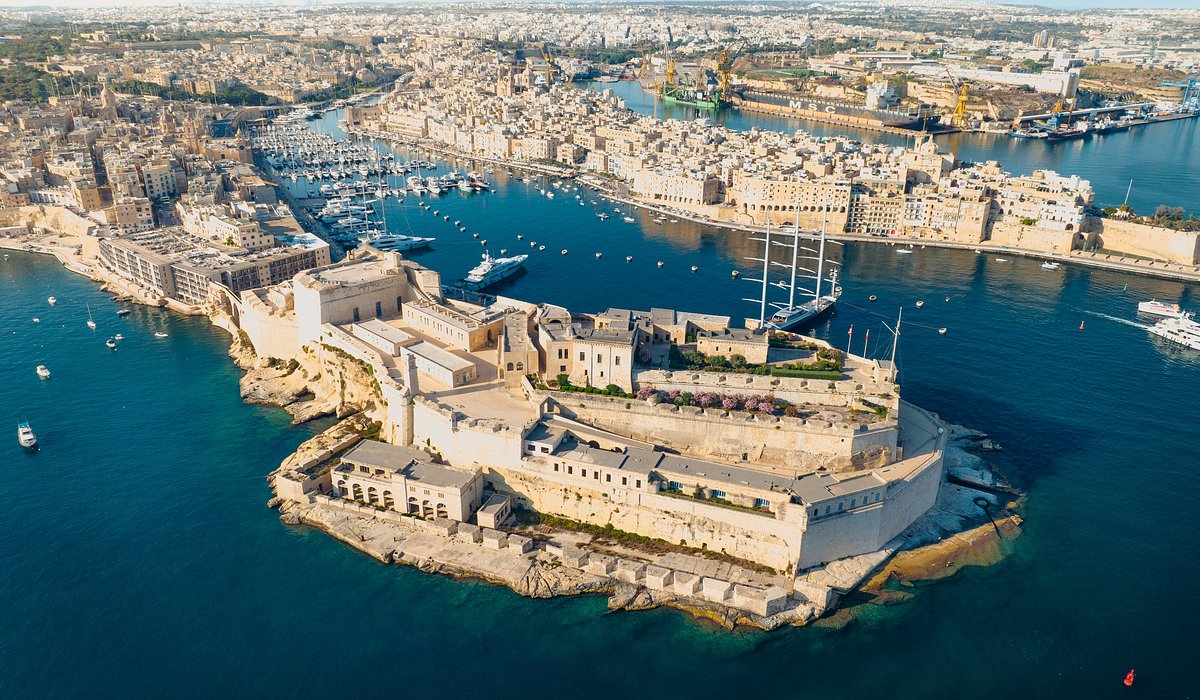
For a sun-soaked, easy-to-navigate trip with a lively social scene, Malta is your pick at €100-€180 ($105-$190) daily. If you crave diverse landscapes, deep history, and culinary exploration on a larger scale, Sicily offers more at €80-€150 ($85-$160) daily, but demands more planning.
- Choose Malta: Ideal for those seeking a compact, easily explorable island with stunning blue waters, a buzzing nightlife, and a unique blend of cultures, perfect for short breaks or solo travelers wanting convenience.
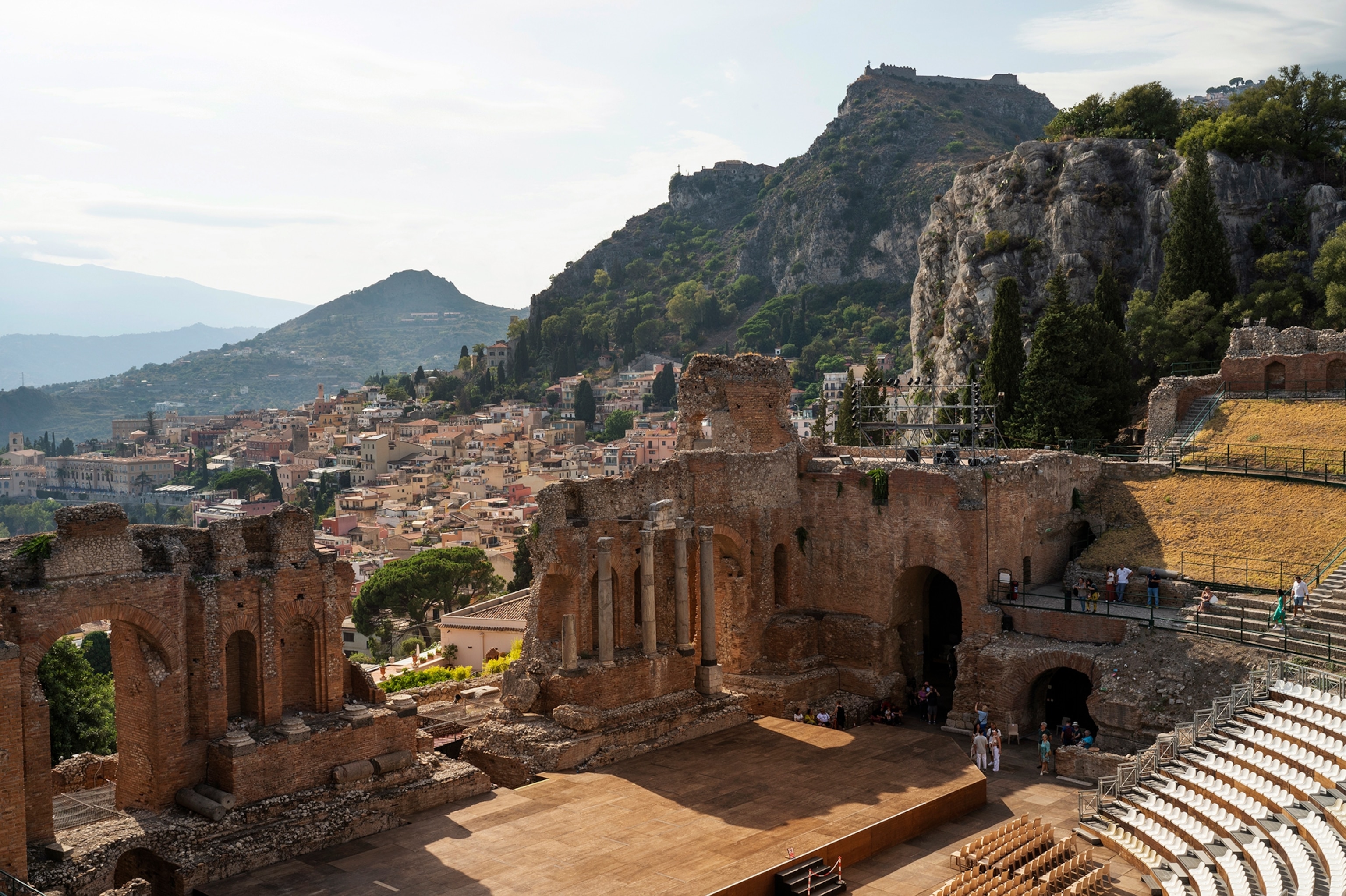
- Choose Sicily: Best for travelers with more time who want to delve into ancient history, active volcanoes, diverse landscapes, and world-class regional cuisine, preferring a road trip adventure over a single hub.
- Choose Both: Consider a combined trip if you have 10-14 days and want the best of both worlds. Fly into Malta, spend 3-4 days, then take a quick flight or ferry to Sicily for a longer, deeper exploration, perhaps focusing on the east coast for easier transit.
Quick Comparison
| Category | Malta | Sicily | Winner |
|---|---|---|---|
| Food & Drink | Hearty, rustic Mediterranean fare with strong Italian and North African influences. Think pastizzi, ftira, and fresh seafood. | A culinary powerhouse known for diverse regional specialties, incredible street food, fresh produce, and exceptional wines. | Sicily |
| Beaches & Nature | Stunning blue lagoons, rocky coves, and a few sandy beaches, especially on Gozo and Comino. | Long sandy stretches, dramatic cliffs, volcanic landscapes, and beautiful marine reserves. | Sicily |
| Culture & History | A rich tapestry of Phoenician, Roman, Arab, Norman, and British influences, concentrated in a small area. | Millennia of history, from Ancient Greek and Roman ruins to Baroque cities, Byzantine mosaics, and Norman cathedrals. | Sicily |
| Costs & Budget | Generally mid-range for Western Europe, but can be done affordably with careful planning. Public transport is cheap. | Excellent value for money, especially outside major tourist hubs like Taormina. Food and accommodation are often cheaper. | Sicily |
| Nightlife | Lively and concentrated, with Paceville in St. Julian's being the main party hub, plus sophisticated bars in Valletta. | More varied and spread out, with vibrant bar scenes in major cities like Palermo and Catania, and relaxed evening strolls in smaller towns. | Malta |
| Getting Around | Excellent, affordable public bus system covering the whole island. Ferries to Gozo and Comino are easy. | Car rental is essential for exploration; public transport (trains/buses) is limited and unreliable outside major routes. | Malta |
| Accommodation | Diverse range from boutique hotels in Valletta to resorts in St. Julian's and charming farmhouses in Gozo. | Wide array including agriturismos, historic palazzi, B&Bs, and coastal resorts, offering great value. | Sicily |
| Day Trips | Easy access to sister islands Gozo and Comino, plus historic Three Cities and charming fishing villages. | Vast options including active volcanoes, ancient ruins, medieval towns, and stunning offshore islands. | Sicily |
| Weather & Seasons | Hot, dry summers; mild, wet winters. Peak season is summer, but shoulder seasons are ideal. | Hot, dry summers; mild, sometimes wet winters. Very similar to Malta, with microclimates around Etna. | Tie |
| Safety & Vibe | Very safe, friendly, and welcoming, with a relaxed island vibe. English is an official language. | Generally safe for tourists, but driving can be chaotic, and some areas in major cities require more awareness. | Malta |
🍝 Food & Drink
Sicily wins hands down for sheer culinary diversity and depth. From Palermo's vibrant street food scene (arancini, panelle, sfincione) to Catania's seafood markets and Siracusa's fine dining, every region offers unique delights. Don't miss pasta alla Norma in Catania, fresh cannoli everywhere, or a granita in Taormina. A sit-down meal with wine can range from €25-€50 ($27-$55) per person, while street food is a steal at €3-€8 ($3-$9) per item. Malta’s food is good, with its iconic pastizzi (flaky pastries, ~€0.50-$0.55) and ftira (Maltese bread, ~€5-€10/$5.50-$11 for a sandwich), but it doesn't reach Sicily's gastronomic heights. Malta's cuisine often feels like a delicious fusion, whereas Sicily's is a foundational pillar of Mediterranean cooking. "Honestly, Sicily's food scene just hits different. Every meal was an event, not just sustenance. The arancini in Palermo changed my life."
Winner takeaway
- Winner: Sicily
- Why: Sicily offers an unmatched depth and variety of regional dishes, street food, and fine dining experiences that define a gastronomic journey.
- Who this matters for: Foodies, gourmands, and anyone who considers eating a central part of their travel experience.
🏖️ Beaches & Nature
While Malta boasts the iconic Blue Lagoon on Comino, which is undeniably stunning for swimming and snorkeling (accessible via ferry from Cirkewwa for ~€15-€20/$16-$22 return), its main beaches like Golden Bay or Mellieha Bay can get crowded. The true natural beauty of Malta often lies in its dramatic cliff faces and sea caves, best explored by boat. Sicily, however, offers incredible diversity. From the white cliffs of Scala dei Turchi near Agrigento to the black sand beaches of the Aeolian Islands (Stromboli and Vulcano offer unique volcanic experiences, reachable by ferry from Milazzo for ~€30-€60/$33-$65 return), and the pristine sands of San Vito Lo Capo, there's a beach for every preference. Add to that the majestic Etna volcano (tours ~€60-€100/$65-$110) with its lunar landscapes, and Sicily’s natural offerings are far more expansive and varied. "Malta's Blue Lagoon is gorgeous, but after a day, you've seen it. Sicily has weeks of diverse natural beauty, from Etna to hidden coves."
Winner takeaway
- Winner: Sicily
- Why: Sicily provides a far greater variety of beaches, dramatic landscapes, and unique natural phenomena like an active volcano, offering more diverse outdoor experiences.
- Who this matters for: Outdoor enthusiasts, beach lovers seeking variety, and those interested in unique geological formations.
🏛️ Culture & History
Both destinations are historical goldmines, but Sicily's sheer scale and variety give it the edge. Malta’s capital, Valletta, is a UNESCO World Heritage site and an open-air museum, with St. John's Co-Cathedral (entry ~€15/$16) being a highlight. The ancient city of Mdina and the incredible Megalithic Temples (Ħaġar Qim, Mnajdra, Tarxien, entry ~€10-€15/$11-$16 each) offer deep dives into prehistoric and medieval times. However, Sicily presents an unparalleled journey through millennia. The Valley of the Temples in Agrigento (entry ~€12/$13) rivals anything in Greece, Siracusa’s Ortigia and archaeological park (entry ~€13/$14) are breathtaking, and Palermo’s mix of Norman, Arab, and Baroque architecture is endlessly fascinating. Taormina's Greek Theatre (entry ~€10/$11) with Etna as a backdrop is iconic. "Malta’s history is dense and fascinating, but Sicily's just takes you through so many distinct civilizations, you feel like you're time traveling across continents."
Winner takeaway
- Winner: Sicily
- Why: Sicily's vast geographical expanse allows for a broader and more diverse historical narrative, showcasing a wider array of ancient civilizations and architectural styles.
- Who this matters for: History buffs, archaeology enthusiasts, and those who love exploring ancient ruins and diverse architectural heritage.
💰 Costs & Budget
Sicily generally offers better value for money, especially once you venture beyond the most popular spots like Taormina. Accommodation in a decent B&B can be found for €50-€80 ($55-$88) per night, and a delicious meal with wine for €25-€35 ($27-$38). Car rental is a must for exploration, costing around €30-€50 ($33-$55) per day, plus fuel. Malta, while not exorbitant, tends to be slightly pricier per experience. A good hotel in Valletta can easily run €100-€150 ($110-$165) per night, and restaurant meals are comparable to Western European cities, around €30-€60 ($33-$65). Public transport in Malta is a bargain, with a weekly bus pass for ~€21 ($23), making getting around very affordable. However, when considering the quality and quantity of experiences for your euro, Sicily nudges ahead. "We spent two weeks in Sicily and ate like kings for what we'd spend on a long weekend in Malta. The value is insane."
Winner takeaway
- Winner: Sicily
- Why: Sicily offers greater overall value for money across accommodation, dining, and activities, particularly when exploring beyond the most touristy areas.
- Who this matters for: Budget-conscious travelers, backpackers, and families looking to stretch their travel funds further.
🎉 Nightlife
If you're looking for a concentrated, bustling party scene, Malta is the clear winner. Paceville in St. Julian's is the undisputed nightlife capital, packed with clubs, bars, and casinos that stay open late, catering primarily to younger crowds and language students. Expect drinks to be around €5-€10 ($5.50-$11). Valletta also offers a more sophisticated evening experience with wine bars and cocktail lounges, particularly around Strait Street. Sicily's nightlife is more diverse and less centralized. Palermo and Catania have vibrant evening scenes with plenty of bars, pubs, and clubs, but it's not the same kind of 'party strip' vibe as Paceville. Taormina offers chic aperitivo spots and upscale bars. For a more authentic, relaxed Italian evening, a passeggiata (evening stroll) followed by an outdoor dinner and gelato is the norm in many Sicilian towns. "Malta's Paceville is a full-on party zone, great if you're into that. Sicily's more about aperitivo and late dinners, which is my speed, but Malta wins for sheer clubbing options."
Winner takeaway
- Winner: Malta
- Why: Malta offers a more concentrated and active nightlife, especially in Paceville, making it easier for those seeking clubs and late-night entertainment.
- Who this matters for: Young travelers, party-goers, solo travelers looking to socialize, and those who prioritize vibrant evening entertainment.
🚗 Getting Around
Malta's small size makes it incredibly easy to navigate. The public bus system is comprehensive, efficient, and very affordable, with a single ride costing €1.50-€2 ($1.65-$2.20) and weekly passes for €21 ($23). You can reach almost any point on the main island and take ferries (e.g., to Gozo for ~€4.65/$5 return) without hassle. Walking in cities like Valletta and Mdina is a joy. Sicily, conversely, is a large island where a car is almost mandatory for proper exploration. While major cities are connected by train, many charming towns, natural sites, and archaeological wonders are difficult, if not impossible, to reach by public transport reliably. Driving in Sicily can be challenging, with narrow roads, aggressive drivers, and limited parking in historic centers. Car rental costs €30-€50 ($33-$55) per day. "Malta's public transport is a dream. You just hop on a bus and you're there. Sicily? Rent a small car and pray, because public transit is a nightmare if you want to see anything off the main line."
Winner takeaway
- Winner: Malta
- Why: Malta's compact size and excellent, affordable public transport system make getting around effortless and stress-free.
- Who this matters for: Budget travelers, those who prefer not to drive, and anyone prioritizing ease of navigation.
🏨 Accommodation
Sicily offers a wider variety of unique and atmospheric accommodation options, often at better price points. Staying in an agriturismo (farm stay) amidst olive groves near Mount Etna (€80-€150/$88-$165 per night) offers an authentic rural experience, often with home-cooked meals. Historic palazzi converted into B&Bs in Palermo or Catania (€70-€120/$77-$132 per night) provide a taste of old-world charm. Coastal resorts in Taormina can be pricey (€150-€300+/$165-$330+), but excellent value can be found in smaller towns. Malta has beautiful boutique hotels in Valletta (€120-€200+/$132-$220+) and resorts in St. Julian's (€100-€180/$110-$198+), along with charming guesthouses. The farmhouse rentals on Gozo are particularly appealing for a relaxed stay (€80-€150/$88-$165). While both have great options, Sicily's range, especially its agriturismo and palazzi experiences, feels more distinct and often provides more space and unique character for the price. "The agriturismo we stayed at in Sicily was incredible. Fresh food every morning, stunning views, and half the price of a standard hotel in Malta."
Winner takeaway
- Winner: Sicily
- Why: Sicily provides a broader range of unique and authentic accommodation types, like agriturismos and historic palazzi, often at more competitive prices.
- Who this matters for: Travelers seeking unique stays, authentic local experiences, and good value for money in their lodging.
🗺️ Day Trips
Malta excels in convenient day trips due to its small size. A ferry ride to Gozo for the day (~€4.65/$5 return) to see the Ta' Pinu Sanctuary, Victoria Citadel, and Dwejra Bay is a must. A trip to Comino's Blue Lagoon is also a popular choice. The Three Cities (Vittoriosa, Senglea, Cospicua) across Valletta's Grand Harbour are easily accessible by ferry (~€2.80/$3.10 return) or water taxi. However, Sicily's sheer size and geographical diversity mean its day trip options are far more extensive and varied. You can hike Mount Etna (tours ~€60-€100/$65-$110), visit the stunning Aeolian Islands (Stromboli, Lipari) by ferry from Milazzo (~€30-€60/$33-$65 return), explore the Roman Villa del Casale near Piazza Armerina (entry ~€10/$11), or wander the medieval streets of Cefalù. The options feel almost limitless, offering everything from natural wonders to deep historical sites. "Malta's day trips are good, but you quickly run out of new places. Sicily's day trip options felt endless; we could have spent a month just exploring around Etna and the coast."
Winner takeaway
- Winner: Sicily
- Why: Sicily offers an immensely wider and more diverse array of day trip possibilities, ranging from active volcanoes to ancient sites and picturesque islands.
- Who this matters for: Adventurous travelers, those with a longer itinerary, and anyone who loves exploring diverse landscapes and historical sites.
☀️ Weather & Seasons
Both Malta and Sicily share a very similar Mediterranean climate, making this category a tie. Summers (June-August) are typically hot and dry, with temperatures often exceeding 30°C (86°F) and reaching into the high 30s. This is peak tourist season, meaning crowds and higher prices, but also ideal beach weather. Shoulder seasons (April-May and September-October) are generally considered the best times to visit both, with pleasant temperatures (20-28°C / 68-82°F), fewer crowds, and still plenty of sunshine. Winters (November-March) are mild but can be wet, with temperatures around 10-18°C (50-64°F). Sicily's interior and areas around Mount Etna will be noticeably cooler, especially at higher altitudes, even seeing snow in winter. Malta experiences slightly less rainfall overall, but the difference is marginal. "Either way, aim for May or October. Summers are brutal hot and crowded on both islands. You'll thank me later."
Winner takeaway
- Winner: Tie
- Why: Both islands share a nearly identical Mediterranean climate, offering similar seasonal experiences and optimal travel periods.
- Who this matters for: Anyone whose travel dates are flexible and can opt for shoulder seasons to avoid extreme heat and crowds.
🕊️ Safety & Vibe
Malta is consistently ranked as one of the safest countries in Europe, and this is reflected in the overall relaxed and welcoming vibe. Violent crime is rare, and petty crime like pickpocketing is minimal, especially outside crowded tourist areas. English is an official language, making communication effortless for many travelers. The island feels very approachable for solo travelers and families. Sicily is generally safe for tourists, particularly outside the larger cities. However, in major urban centers like Palermo and Catania, petty crime (pickpocketing, bag snatching) is more prevalent, especially in crowded markets or tourist spots, requiring a higher degree of situational awareness. Driving in Sicilian cities can be a chaotic experience, contributing to a less 'relaxed' feeling for some. The locals are warm and friendly, but the overall atmosphere in a large, bustling region like Sicily can be more intense than Malta's serene island charm. "Malta felt incredibly safe, even walking alone at night. In Palermo, I just kept a tighter grip on my bag, but never felt truly unsafe, just more aware of my surroundings."
Winner takeaway
- Winner: Malta
- Why: Malta offers a consistently higher sense of safety, especially for solo travelers, and English as an official language reduces communication barriers.
- Who this matters for: Solo travelers, families with young children, and anyone prioritizing a very safe and easy-to-navigate destination.
❓ Frequently Asked Questions
Which island is better for a family vacation?
Malta is often easier for families due to its compact size, excellent public transport, and safe environment. Sicily offers more diverse attractions but requires more planning and often a rental car, which can be challenging with young children.
Is Malta or Sicily better for solo female travelers?
Malta is generally considered safer and easier for solo female travelers due to its low crime rate, compact size, and widespread use of English. Sicily is also safe, but in larger cities, it's wise to be more aware of your surroundings, especially at night.
How long should I spend on each island?
For Malta, 4-5 full days are usually sufficient to see the main highlights and take a day trip to Gozo/Comino. For Sicily, a minimum of 7-10 days is recommended to explore a specific region (e.g., East or West) or 14+ days to properly tour the entire island.
Can I easily travel between Malta and Sicily?
Yes, you can. There are direct flights (e.g., with Ryanair or KM Malta Airlines) between Malta International Airport (MLA) and Catania-Fontanarossa Airport (CTA) taking about 45 minutes. There's also a high-speed ferry service (Virtu Ferries) from Valletta to Pozzallo, Sicily, which takes about 1 hour 45 minutes.
Which island has better wine?
Sicily has a much more established and diverse wine industry, producing excellent reds like Nero d'Avola and whites like Grillo, with numerous vineyards offering tours and tastings. Malta has local wines, but its industry is much smaller and less renowned internationally.
Is driving necessary in Malta vs. Sicily?
Driving is absolutely not necessary in Malta; the public bus system is comprehensive and efficient. In Sicily, however, a rental car is highly recommended, if not essential, to fully explore the island's diverse regions and hidden gems, as public transport can be limited.
Which island is better for ancient history buffs?
While Malta has unique Megalithic Temples older than the pyramids, Sicily offers a broader and deeper dive into ancient history with magnificent Greek temples (Agrigento), Roman villas (Piazza Armerina), and well-preserved Greek and Roman theaters (Siracusa, Taormina).
What's the best time of year to visit both?
The shoulder seasons (April-May and September-October) are ideal for both islands. The weather is pleasantly warm, crowds are smaller than in peak summer, and prices are generally more reasonable. Summers (June-August) are very hot and crowded.
Ready to plan your Mediterranean escape?
Get a free custom itinerary for Malta, Sicily, or both — built from real traveler insights, tailored to your budget and interests.
🎟️ Book Tours & Experiences
Hand-picked tours and activities for both destinations — book with free cancellation
Experiences via Viator — free cancellation on most tours