How we built this comparison
This page combines traveler discussion patterns, published price ranges, flight schedules, and seasonal data to help you decide between Mandalay and Bagan.
- Reviewed 50+ Reddit threads from r/travel, r/solotravel, r/MyanmarTravel, etc., focusing on recent experiences.
- Verified costs and logistics against current booking platforms (e.g., Grab, booking.com, airline sites) and local tour operators.
- Cross-referenced seasonal patterns, weather data, and cultural etiquette with multiple reputable travel guides and blogs.
⚡ The TL;DR Verdict
If you're seeking an immersive dive into modern Burmese culture, bustling markets, and active monastic life on a budget, Mandalay is your pick, perfect for curious independent travelers with a daily budget of 30,000-50,000 MMK ($15-25 USD). However, for an iconic, awe-inspiring ancient landscape best explored by e-bike at sunrise, Bagan is unparalleled, ideal for sightseers and photographers, with a slightly higher daily budget of 60,000-100,000 MMK ($30-50 USD) due to entry fees and specific transport needs.
- Choose Mandalay: Choose Mandalay for a raw, authentic glimpse into Burmese daily life, active spiritual sites, artisanal workshops, and a sprawling urban experience that feels less curated for tourists. It's better for budget travelers and those who prefer exploring a living city over ancient ruins.
- Choose Bagan: Choose Bagan for its truly world-class, breathtaking landscape of thousands of ancient temples and stupas. It's an absolute must-see for history buffs, photographers, and anyone looking for that iconic 'wow' moment, especially at sunrise or sunset.
- Choose Both: Absolutely do both if you have at least 5-7 days in Myanmar. Fly into Mandalay (2-3 days), then take a scenic bus or river cruise to Bagan (2-3 days) to experience both the vibrant present and the glorious past of this incredible country.
Quick Comparison
| Category | Mandalay | Bagan | Winner |
|---|---|---|---|
| Culture & History | Active monasteries, Royal Palace, traditional crafts, vibrant markets, U Bein Bridge, local life. | Thousands of ancient temples and pagodas, archaeological zone, spiritual pilgrimage site. | Tie |
| Costs & Budget | Generally cheaper, local food is affordable, wider range of budget accommodation, no major entry fees. | Bagan Archaeological Zone fee (25,000 MMK / $12-15 USD), e-bike rentals (8,000-10,000 MMK / $4-5 USD daily), slightly higher food prices. | Mandalay |
| Getting There | Major international airport (MDL), well-connected by bus/train to other cities. | Airport (NYU) primarily domestic, common to arrive from Mandalay or Inle Lake by bus/flight. | Mandalay |
| Getting Around | Grab (ride-hailing), local taxis, motorbike taxis, shared pickups, walking in specific areas. | E-bikes are king, bicycles, horse carts, taxis (less common for temple hopping). | Bagan |
| Food & Drink | Authentic Burmese cuisine, tea shops, street food, diverse international options, very affordable. | More tourist-oriented restaurants, Burmese and Shan cuisine, fewer street food options, slightly higher prices. | Mandalay |
| Accommodation | Wide range from budget hostels to mid-range hotels, good value, often includes breakfast. | Concentrated in Nyaung-U, Old Bagan, New Bagan. Prices slightly higher, good selection but can book up. | Mandalay |
| Day Trips & Excursions | U Bein Bridge, Sagaing Hill, Inwa (Ava), Amarapura, Mingun – all easily accessible. | Mount Popa is the main excursion, but the main 'day trip' is temple hopping within the zone. | Mandalay |
| Solo Travel | Easy to meet locals, safe, Grab makes transport simple, hostels facilitate meeting other travelers. | Safe for solo exploration on e-bike, hostels in Nyaung-U are social, can feel isolated away from main areas. | Mandalay |
| Weather & Seasons | Hot and dry season (Nov-Feb) best, hot season (Mar-May) sweltering, rainy season (Jun-Oct) very wet. | Similar climate; hot and dry season ideal, hot air balloon season (Oct-Mar), temples are beautiful in all weather. | Bagan |
| Nightlife & Evening Activities | Local beer stations, KTV (karaoke), night markets, restaurants, more urban buzz. | Quiet evenings, dinner at restaurants, occasional cultural shows (e.g., puppet shows), limited bars. | Mandalay |
📜 Culture & History
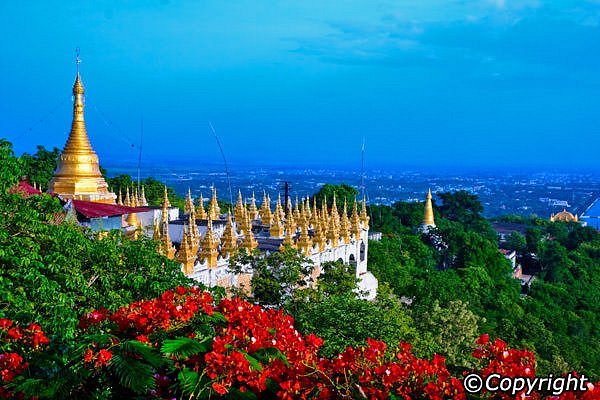
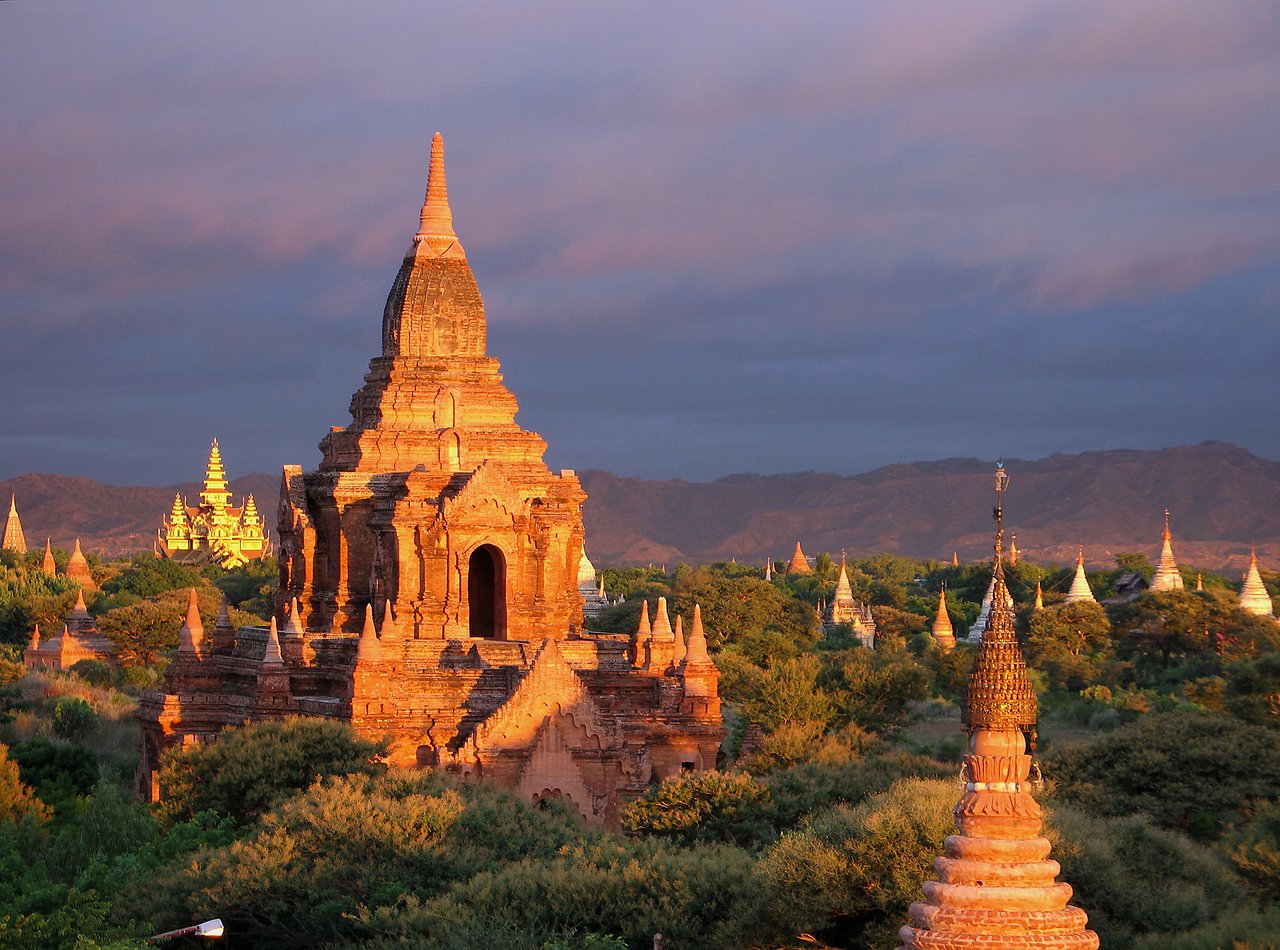
Both Mandalay and Bagan offer incredibly rich cultural and historical experiences, but they do so in fundamentally different ways. Mandalay is a living, breathing city deeply rooted in modern Burmese Buddhism and royal history. You can witness saffron-robed monks collecting alms at dawn, explore the reconstructed Mandalay Royal Palace, and visit workshops where gold leaf is hammered or marble statues are carved. The Mahamuni Pagoda is a major pilgrimage site, and climbing Mandalay Hill offers panoramic views of active pagodas. It's about experiencing ongoing traditions. Bagan, on the other hand, is a monumental archaeological site. It's a journey back in time, with over 2,000 ancient temples and stupas scattered across a vast plain, each telling a story of a powerful kingdom. While there are active temples like Ananda Temple, the primary draw is the sheer scale and beauty of the ancient ruins. It's less about present-day interaction and more about historical awe. It's impossible to pick a 'winner' as they serve different aspects of cultural exploration. As one Redditor put it, "Mandalay showed me the *heart* of Myanmar today, Bagan showed me its incredible *soul* from a thousand years ago. Both essential."
Winner takeaway
- Winner: Tie
- Why: Both offer distinct, world-class historical and cultural insights into Myanmar, one active and one ancient.
- Who this matters for: Everyone traveling to Myanmar, as both offer unparalleled experiences.
💰 Costs & Budget
When it comes to stretching your kyat, Mandalay definitely has the edge. As a large, working city, it caters to locals, meaning food, transport, and basic amenities are considerably cheaper. You can find delicious street food or a full meal at a local tea shop for 1,500-3,000 MMK ($0.75-1.50 USD). A decent hostel bed or guesthouse room starts from 15,000-25,000 MMK ($7-12 USD) per night. Taxis or Grab rides within the city are also very reasonable. The main sites like U Bein Bridge or Mandalay Hill have minimal or no entry fees. Bagan, while not outrageously expensive, requires budgeting for the mandatory Bagan Archaeological Zone fee of 25,000 MMK ($12-15 USD) per person, which is typically paid upon arrival or at your hotel. E-bike rental is essential for exploring the temples, costing around 8,000-10,000 MMK ($4-5 USD) per day. Food options can be slightly pricier, especially around New Bagan, with main dishes often starting from 5,000 MMK ($2.50 USD). Accommodation can also be a bit more expensive for comparable quality. "Mandalay was great for saving cash," a Reddit user noted, "I ate like a king for $5 a day. Bagan was worth the entry fee, but it definitely added up quicker."
Winner takeaway
- Winner: Mandalay
- Why: Mandalay offers a significantly lower daily cost for food, accommodation, and activities due to its local focus.
- Who this matters for: Budget travelers, backpackers, and those looking to extend their trip longer.
✈️ Getting There
Mandalay is a much more significant transport hub, making it easier to get to from both international and domestic origins. Mandalay International Airport (MDL) receives direct flights from several regional cities like Bangkok and Kunming, alongside numerous domestic connections. From Yangon, a flight to Mandalay is about 1 hour and costs around 60,000-100,000 MMK ($30-50 USD), while an overnight bus takes 8-10 hours for 12,000-20,000 MMK ($6-10 USD). Bagan's Nyaung-U Airport (NYU) is smaller, serving primarily domestic flights from Yangon and Mandalay. If you're coming from outside Myanmar, you'll almost certainly connect through Yangon or Mandalay first. The most popular route for travelers is often flying into Mandalay, spending a few days, and then taking a bus (5-6 hours, 10,000-15,000 MMK / $5-7 USD) or a scenic boat trip down the Ayeyarwady River (8-10 hours, 25,000-40,000 MMK / $12-20 USD) to Bagan. "Landing in Mandalay was smooth, then the bus to Bagan was easy enough. Couldn't imagine flying straight to Bagan from outside Myanmar," said one traveler.
Winner takeaway
- Winner: Mandalay
- Why: Mandalay has a larger international airport and is a more central hub for onward travel within Myanmar.
- Who this matters for: First-time visitors to Myanmar, those with limited time, and travelers coming from international destinations.
🛵 Getting Around
While Mandalay offers various transport options, getting around Bagan is an experience in itself, giving it the win here. In Mandalay, you'll rely heavily on ride-hailing apps like Grab (similar to Uber), which are efficient and affordable. A short Grab ride might cost 2,000-5,000 MMK ($1-2.50 USD), and longer trips to U Bein Bridge around 8,000-10,000 MMK ($4-5 USD). Walking is feasible only in small, localized areas. Bagan's charm lies in its e-bikes, which are electric scooters that you can rent for about 8,000-10,000 MMK ($4-5 USD) per day. They're silent, eco-friendly, and perfect for zipping between temples, allowing unparalleled freedom to explore hidden pagodas and find your own sunrise spots. Navigating the dusty paths on an e-bike, with temples appearing around every corner, is an iconic part of the Bagan experience. Bicycles are also an option for the fit, and horse carts offer a romantic, albeit slower, alternative. "Renting an e-bike in Bagan was the absolute highlight, pure freedom! Mandalay felt more like 'just another city' for getting around," commented a travel forum user.
Winner takeaway
- Winner: Bagan
- Why: Bagan's e-bike culture provides a unique, free, and immersive way to explore its vast temple landscape.
- Who this matters for: Adventure seekers, independent explorers, and those who enjoy active sightseeing.
🍜 Food & Drink
Mandalay is a fantastic destination for foodies seeking authentic Burmese flavors and a bustling local dining scene. As a large city, it boasts an incredible variety of street food stalls, local tea shops (lahpet yay, samosa salad, mohinga), and proper restaurants serving traditional dishes like Mandalay Meeshay (rice noodles with pork or chicken) or ohn no khao swe (coconut noodles). Eating out is incredibly cheap; a filling meal at a local eatery often costs 2,000-5,000 MMK ($1-2.50 USD). Places like Min Thiha are popular for traditional curries. You'll find a genuine culinary adventure without the tourist markups. Bagan, while offering good food, has a more concentrated restaurant scene, particularly in New Bagan and Nyaung-U, catering more to international tastes and with prices slightly inflated for tourists. You'll find good Shan noodles and curries, but the vibrant street food culture is largely absent. Most restaurants are sit-down establishments. "Mandalay's food scene blew me away! So many local places and everything was ridiculously cheap and delicious. Bagan's food was fine, but nothing special like Mandalay," a traveler shared online.
Winner takeaway
- Winner: Mandalay
- Why: Mandalay offers a more authentic, diverse, and significantly more affordable local food experience.
- Who this matters for: Foodies, budget travelers, and those keen to experience local culinary culture.
🏨 Accommodation
Mandalay offers fantastic value and a broader range of accommodation types to suit all budgets, from basic guesthouses to comfortable mid-range hotels. You can find clean, comfortable rooms with air conditioning for as little as 25,000-40,000 MMK ($12-20 USD) per night, often including breakfast. Hostels like Downtown @ Mandalay or Ostello Bello Mandalay offer dorm beds for 10,000-15,000 MMK ($5-7.50 USD). The spread-out nature of the city means hotels aren't always clustered, but good options are available near major attractions or the city center. Bagan's accommodation is more focused on tourist zones: Nyaung-U (budget to mid-range, lively), Old Bagan (upscale, close to major temples), and New Bagan (mid-range, newer hotels). While there are good options, demand can drive prices up, especially during peak season. A similar quality room might cost 40,000-60,000 MMK ($20-30 USD) in Bagan. Budget options are fewer and fill up quickly. "I got a really decent hotel with a pool for like $20 in Mandalay. In Bagan, I paid $30 for something a bit more basic. Value-wise, Mandalay won," a Redditor summarized.
Winner takeaway
- Winner: Mandalay
- Why: Mandalay generally provides better value for money across all accommodation types, with more budget-friendly options.
- Who this matters for: Budget travelers, families, and those seeking good value for their stay.
⛰️ Day Trips & Excursions
Mandalay serves as an excellent base for exploring several ancient cities and culturally significant sites just outside its urban sprawl. Within a short distance, you can visit the iconic U Bein Bridge in Amarapura, the serene Sagaing Hill with its countless pagodas and monasteries, the ancient capital of Inwa (Ava) accessed by a short boat ride and horse cart, and the monumental Mingun Pagoda reached by a scenic river ferry. These can all be done as half-day or full-day trips, often combined into a 'four ancient cities' tour by taxi for around 40,000-60,000 MMK ($20-30 USD) for the day. Bagan's primary draw is its own archaeological zone, which can take multiple days to explore thoroughly. The main organized excursion outside the zone is to Mount Popa, an extinct volcano topped with a monastery, about an hour's drive away. While visually impressive, it's a singular option compared to Mandalay's array of historical sites. "Mandalay's day trips were a highlight, so much history packed into a small area outside the city. Bagan is really just about the temples and Popa," noted a forum contributor.
Winner takeaway
- Winner: Mandalay
- Why: Mandalay offers a more diverse and accessible array of significant historical and cultural day trips.
- Who this matters for: History buffs, culture enthusiasts, and travelers who enjoy exploring beyond the main city.
🚶♀️ Solo Travel
Mandalay is incredibly welcoming for solo travelers, offering ample opportunities for genuine local interaction. It's easy to strike up conversations at tea shops or markets, and the presence of Grab makes navigating the city alone very straightforward and safe, even at night. Hostels like Downtown @ Mandalay or Ostello Bello provide excellent social hubs to meet other backpackers, and group tours for day trips are readily available. The city feels less 'touristy' which can lead to more authentic encounters. Bagan is also very safe for solo travelers, especially when exploring the temples by e-bike during the day. Hostels in Nyaung-U are social, but once you're out among the temples, it can feel quite solitary, which can be either a blessing or a challenge depending on your preference. While beautiful, the main activity is independent exploration rather than spontaneous social interaction with locals or other travelers, unless specifically sought out. "Mandalay felt more like a solo adventure, constantly interacting with people. Bagan was amazing but I felt more alone, just me and the temples," a solo female traveler mentioned.
Winner takeaway
- Winner: Mandalay
- Why: Mandalay fosters more organic local interactions and offers greater ease of meeting other travelers in a vibrant urban setting.
- Who this matters for: Social solo travelers, those new to solo travel, and adventurers seeking authentic cultural connections.
☀️ Weather & Seasons
Both Mandalay and Bagan share a similar climate, characterized by three distinct seasons: a cool and dry season (November to February), a hot season (March to May), and a rainy season (June to October). For general comfort, the dry season is ideal for both, with pleasant temperatures averaging 20-30°C (68-86°F) and clear skies. The hot season is truly sweltering, often exceeding 40°C (104°F), making daytime exploration challenging. The rainy season brings heavy downpours, which can hinder travel and outdoor activities. However, Bagan edges out Mandalay due to its primary attraction: the temples at sunrise. The dry season (Oct-Mar) is also the hot air balloon season in Bagan, which offers a truly magical perspective over the temple plains, especially with the morning mist. While Mandalay's sites are also best visited in good weather, the sheer visual impact of Bagan's landscape in the golden light of the dry season, often enhanced by mist in the early mornings, gives it a slight advantage. "Bagan at sunrise with the balloons was worth battling the heat for, absolutely stunning. Mandalay was great but the weather didn't impact the experience quite as much," observed a traveler.
Winner takeaway
- Winner: Bagan
- Why: Bagan's iconic landscape and hot air balloon season are uniquely enhanced by the cooler, clearer dry season.
- Who this matters for: Photographers, romantic travelers, and those prioritizing iconic scenic views and experiences like balloon rides.
🌃 Nightlife & Evening Activities
If you're looking for any semblance of evening buzz beyond dinner, Mandalay is the clear winner. As a large city, it has a more active local nightlife scene, though it's far from a party hub. You'll find numerous 'beer stations' (local open-air pubs serving cheap draft beer, often accompanied by snacks), KTV (karaoke) lounges, and a wider variety of restaurants that stay open later. There are also night markets where you can sample street food and soak in the local atmosphere. While not Western-style clubbing, it offers more options for evening entertainment and people-watching. Bagan, by contrast, is very quiet in the evenings. After sunset, the main activity is dinner at one of the many restaurants in Nyaung-U or New Bagan. Some hotels or restaurants might offer traditional puppet shows or cultural performances, but these are generally low-key. The focus is definitely on early mornings for sunrise and temple exploration, leading to early nights. "Mandalay actually had some decent beer stations to hang out at after dark. Bagan was basically dinner and bed, which is fine, but not for every night," a backpacker commented.
Winner takeaway
- Winner: Mandalay
- Why: Mandalay offers more diverse and active local nightlife and evening entertainment options.
- Who this matters for: Social travelers, those who enjoy a casual drink, and anyone looking for evening activities beyond quiet dinners.
❓ Frequently Asked Questions
How much time should I allocate for Mandalay and Bagan?
For Mandalay, 2 full days is usually sufficient to cover the main city attractions and a day trip to the ancient cities. For Bagan, 2-3 full days are recommended to thoroughly explore the temple zone by e-bike and catch multiple sunrises/sunsets. If doing both, allow at least 5-6 days.
Is it safe to travel to Mandalay and Bagan right now?
Travel advisories for Myanmar vary. It's crucial to check your government's latest travel warnings before planning a trip. Always exercise caution, stay informed about local developments, and avoid political gatherings. Stick to well-traveled tourist areas, where incidents are generally lower.
What's the best way to travel between Mandalay and Bagan?
The most common and efficient way is by bus (5-6 hours, 10,000-15,000 MMK). A more scenic, albeit slower, option is the boat trip down the Ayeyarwady River (8-10 hours, 25,000-40,000 MMK). Flights are also available, taking about 30 minutes, but are more expensive (around 40,000-70,000 MMK).
Can I visit Mandalay and Bagan as part of a longer Myanmar itinerary?
Absolutely! They form a classic 'golden triangle' with Inle Lake. A common route is Yangon → Bagan → Inle Lake → Mandalay → Yangon (or vice versa). This allows you to experience Myanmar's diverse landscapes and cultures efficiently.
Are there hot air balloon rides available in Bagan?
Yes, hot air balloon rides over Bagan are a highly popular and breathtaking experience, typically operating during the dry season from October to March. It's a splurge, costing around $300-400 USD, but offers unparalleled views of the temple-studded plains at sunrise.
What are the must-see attractions in Mandalay?
Key attractions include the Mandalay Royal Palace, Mandalay Hill for sunset views, Mahamuni Buddha Temple, Kuthodaw Pagoda (the 'world's largest book'), and a day trip to U Bein Bridge in Amarapura and the ancient cities of Sagaing and Inwa.
What should I wear when visiting temples in Bagan?
When visiting temples and pagodas in Bagan (and throughout Myanmar), always dress modestly. This means covering your shoulders and knees. You will also need to remove your shoes and socks before entering any temple grounds, so wear slip-on shoes for convenience.
Is vegetarian food easy to find in both locations?
Yes, vegetarian food is generally easy to find in both Mandalay and Bagan. Burmese cuisine features many vegetable-based curries, noodle dishes, and salads. Just specify 'the tamin' (no meat) or 'set-tar' (vegetarian) when ordering. Indian and Chinese restaurants, also common, offer many vegetarian options.
Ready to plan your Myanmar trip?
Get a free custom itinerary for Mandalay, Bagan, or both — built from real traveler insights.
🎟️ Book Tours & Experiences
Hand-picked tours and activities for both destinations — book with free cancellation
Experiences via Viator — free cancellation on most tours