How we built this comparison
This page combines traveler discussion patterns, published price ranges, flight schedules, and seasonal data to help you decide between Martinique and Guadeloupe.
- Reviewed 50+ Reddit threads from r/travel, r/solotravel, r/FrenchCaribbean, etc.
- Verified costs and logistics against current booking platforms (e.g., Google Flights, Booking.com, Kayak)
- Cross-referenced seasonal patterns and weather data from meteorological services and traveler blogs
⚡ The TL;DR Verdict
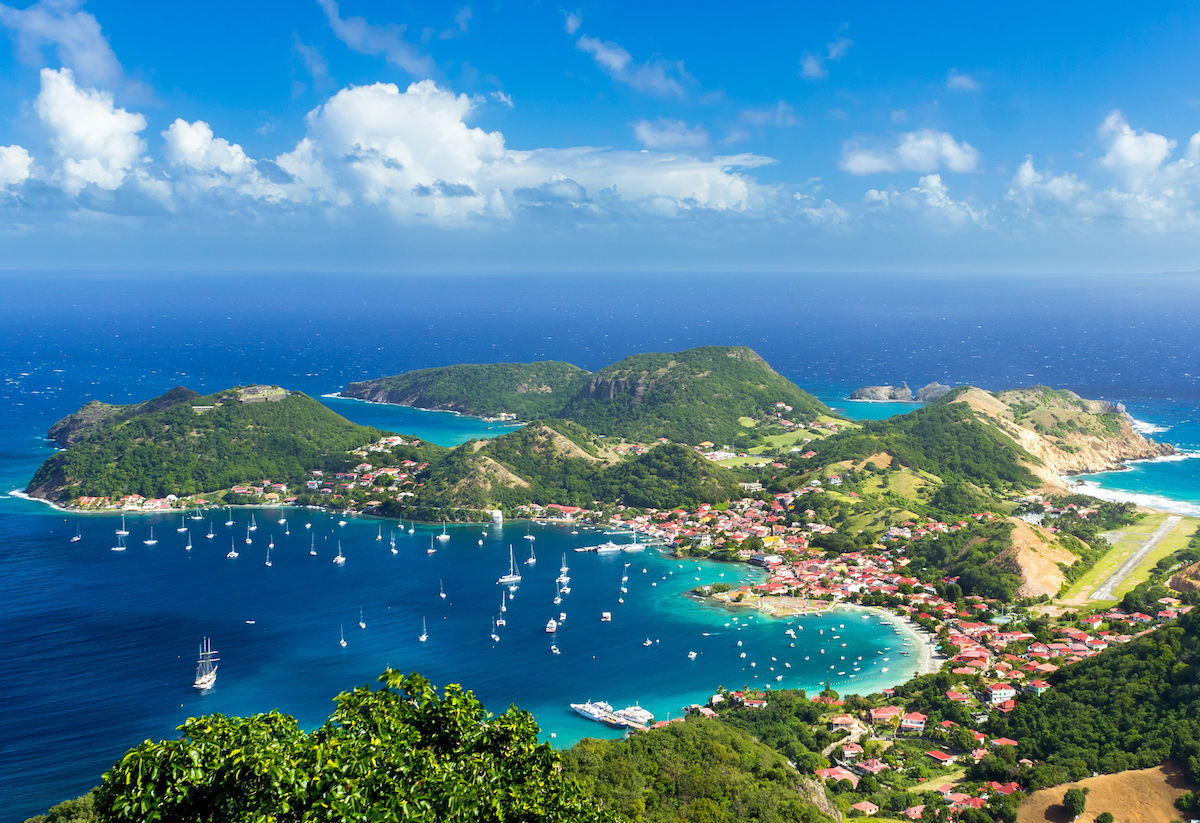
Martinique offers a more polished, gastronomically-focused French experience, perfect for couples or those seeking pristine southern beaches and upscale dining (~€150-250 / $160-270 daily budget). Guadeloupe delivers a rugged, adventurous, and distinctly Creole vibe, ideal for hikers, active families, or budget-conscious explorers looking for diverse landscapes (~€120-200 / $130-220 daily budget).
- Choose Martinique: Choose Martinique for a refined, romantic escape, exquisite French-Creole cuisine, stunning white-sand beaches like Les Salines, world-class rum distilleries, and a more developed, upscale infrastructure.
- Choose Guadeloupe: Opt for Guadeloupe if you crave raw natural beauty, challenging hikes up La Soufrière, lush rainforests, vibrant local markets, excellent snorkeling/diving in Cousteau Reserve, and a more authentic, adventurous Creole experience.
- Choose Both: For the ultimate French Caribbean immersion, plan 10-14 days to explore both. Fly into one, take the L'Express des Îles ferry (around €80-100 / $85-110 one-way, 4-5 hours) to the other, then fly out. This allows you to contrast their unique charms, from Martinique's elegance to Guadeloupe's wild spirit.
Quick Comparison
| Category | Martinique | Guadeloupe | Winner |
|---|---|---|---|
| Beaches & Water Activities | Pristine white-sand beaches, calm waters, excellent for swimming and snorkeling, particularly in the south. | Diverse beaches ranging from golden to black sand, epic snorkeling/diving, and consistent surf spots. | Martinique |
| Food & Dining | Refined French-Creole fusion, upscale dining, excellent rum distilleries and associated gourmet experiences. | Authentic Creole cuisine, vibrant street food, fresh seafood, and casual local eateries. | Martinique |
| Culture & Vibe | Stronger French influence, sophisticated, relaxed elegance, well-preserved historical sites. | More pronounced Creole identity, vibrant local markets, lively music, and a slightly more rustic, independent spirit. | Guadeloupe |
| Costs & Budget | Generally higher prices for accommodation and dining, reflecting a more upscale tourism infrastructure. | Slightly more budget-friendly options, especially for local food and guesthouses, but rental cars are still essential. | Guadeloupe |
| Getting Around | Well-maintained roads, less traffic congestion outside Fort-de-France, but navigation can be tricky. | Extensive road network, but some areas on Basse-Terre are winding, and traffic can be heavy around Pointe-à-Pitre. | Tie |
| Nature & Hiking | Lush rainforests, Mont Pelée volcano for challenging hikes, botanical gardens. | Diverse landscapes including La Soufrière volcano, extensive national park, stunning waterfalls, and rainforests. | Guadeloupe |
| Accommodation | More boutique hotels, luxury resorts, and villas, particularly in the south. | Greater variety of guesthouses, local bungalows, and charming self-catering options, alongside larger resorts. | Tie |
| Nightlife & Entertainment | More refined bars, beach clubs, and live music venues, especially around Fort-de-France and Les Trois-Îlets. | Lively local bars, beach parties, and festivals with a strong Creole music presence, less 'club' focused. | Martinique |
| Families & Kids | Calm, safe beaches, some family-friendly resorts, and cultural attractions. | More adventurous activities, diverse nature, and unique experiences like the Cousteau Reserve. | Guadeloupe |
| Safety & Travel Tips | Generally safe, but standard precautions against petty crime, especially in cities. French spoken. | Similar safety profile, but some areas feel more rural. French and Creole spoken. | Tie |
🏖️ Beaches & Water Activities
Martinique edges out Guadeloupe for sheer postcard-perfect white-sand beaches, especially those along the southern coast like Les Salines and Anses d'Arlet. The waters are typically calmer, making them ideal for leisurely swims and families. You can rent kayaks or paddleboards for around €15-20/hour ($16-22). Guadeloupe, while having beautiful spots like Plage de Grande Anse (golden sand) and Malendure Beach (black sand, known for Cousteau Reserve), offers more variety but less of that 'classic' Caribbean beach vibe. Its surf spots on Grande-Terre (e.g., Plage du Moule) are a draw for wave riders, but for general relaxation and swimming, Martinique’s calm, clear waters often win. "Honestly, Les Salines in Martinique felt like it was plucked right out of a brochure, just stunningly clear and calm." For diving, both are good, but Cousteau Reserve near Pigeon Island in Guadeloupe is world-renowned, offering vibrant coral and abundant marine life with two-tank dives typically costing €90-110 ($97-120). Martinique’s Diamond Rock offers impressive deep dives, but for accessibility and diversity for all levels, Guadeloupe’s reserve is hard to beat.
Winner takeaway
- Winner: Martinique
- Why: Martinique's southern beaches offer a more consistently idyllic, calm, and pristine swimming and relaxation experience.
- Who this matters for: Families, sun-worshippers, and those seeking classic Caribbean beach relaxation.
🍽️ Food & Dining
Martinique is often lauded as the gastronomic capital of the Lesser Antilles, blending sophisticated French culinary techniques with local Creole ingredients. Expect upscale restaurants like Le Petibonum in Le Carbet, offering exquisite seafood and a great wine list, with main courses typically €25-40 ($27-43). The island's rum distilleries (e.g., Habitation Clément, Rhum J.M.) not only offer tours and tastings (often €10-15 / $11-16) but also have excellent on-site restaurants and shops selling gourmet products. Guadeloupe's food scene is robust and authentic, focusing more on traditional Creole dishes like accras de morue (cod fritters), boudin créole, and fresh grilled fish (poisson grillé) served at laid-back 'lolos' or beachside shacks, where a meal might cost €15-25 ($16-27). While equally delicious, it's generally less 'fine dining' focused than Martinique. "Guadeloupe's street food and roadside stands were incredible for lunch, super fresh and cheap, but Martinique had those special occasion restaurants." Both islands excel in fresh seafood, but Martinique's presentation and variety in higher-end establishments often impress more discerning palates.
Winner takeaway
- Winner: Martinique
- Why: Martinique offers a more refined and diverse gastronomic experience, blending French culinary excellence with Creole flavors.
- Who this matters for: Foodies, couples seeking romantic dinners, and those who appreciate high-quality dining.
🎭 Culture & Vibe
Guadeloupe pulsates with a more pronounced and vibrant Creole culture, distinct from its French ties. Its markets, like Marché Saint-Antoine in Pointe-à-Pitre, are sensory explosions of local spices, produce, and crafts, offering a deeper dive into local life. The music scene, particularly Gwo Ka and Zouk, feels more present in everyday life and local festivals. The Memorial ACTe in Pointe-à-Pitre (entrance ~€12 / $13) is a powerful museum dedicated to the history of slavery and colonialism, providing a profound cultural experience. Martinique, while also Creole, feels more assimilated into the French way of life, offering a more 'polished' and perhaps less overtly 'raw' cultural experience. Its historical sites, like La Savane des Esclaves (entrance ~€7 / $7.50) or the remnants of Saint-Pierre, are well-preserved but feel more like curated attractions. "Guadeloupe just felt more alive with its own beat, less European than Martinique." The vibe in Guadeloupe is often described as more independent and spirited, appealing to those seeking an immersive local experience, whereas Martinique feels like a slice of France with Caribbean flair.
Winner takeaway
- Winner: Guadeloupe
- Why: Guadeloupe offers a more overt, vibrant, and deeply rooted Creole cultural experience, from its music to its markets.
- Who this matters for: Culture enthusiasts, history buffs, and travelers seeking an authentic local immersion.
💰 Costs & Budget
While both islands use the Euro and are part of France, Guadeloupe generally offers a slightly more budget-friendly experience, especially if you're willing to eat at local 'lolos' and stay in guesthouses. Expect basic hotel rooms in Guadeloupe to start around €70-100 ($75-110) per night, while Martinique often starts closer to €90-120 ($97-130). Rental cars, a necessity on both islands, cost roughly the same, starting around €30-45 ($32-49) per day for a compact. Groceries are comparable, but Guadeloupe has more options for inexpensive, authentic local eateries. "We saved a lot in Guadeloupe just by hitting up the local markets for fresh fruit and cooking some meals, and the beachside food trucks were amazing value." Martinique's emphasis on upscale dining and boutique hotels means higher average spending. For example, a nice dinner in Martinique might be €40-60 ($43-65) per person, whereas in Guadeloupe, you can find satisfying meals for €15-25 ($16-27). Fuel prices are regulated and similar, around €1.70-1.90/liter ($6.50-7.30/gallon).
Winner takeaway
- Winner: Guadeloupe
- Why: Guadeloupe offers more readily available budget-friendly options for dining and accommodation, making it slightly more accessible for cost-conscious travelers.
- Who this matters for: Budget travelers, backpackers, and families looking to stretch their vacation dollars.
🚗 Getting Around
Both Martinique and Guadeloupe absolutely require a rental car for exploration beyond their main towns. Public transport is very limited and unreliable for tourists on both islands. Rental car prices are similar, starting from around €250-350 ($270-380) per week for a compact car, pre-booking highly recommended, especially in high season. "Getting a rental car is non-negotiable for either island, don't even try to rely on taxis or buses if you want to see anything real." Martinique's roads are generally well-maintained, though the winding routes through the interior (especially around Mount Pelée) demand careful driving. Traffic around Fort-de-France can be slow, but it's generally manageable. Guadeloupe's 'butterfly' shape means driving between Grande-Terre and Basse-Terre can take time, and traffic around Pointe-à-Pitre and the bridge connecting the two wings can be congested. Basse-Terre, with its mountainous terrain, has many winding, narrow roads. Both islands use Waze or Google Maps effectively, but be prepared for occasional loss of signal in remote areas. GPS is often included with rentals, but having offline maps is a smart backup. Overall, neither island presents a clear advantage here; a car is essential, and driving conditions are comparable.
Winner takeaway
- Winner: Tie
- Why: Both islands equally necessitate a rental car for comprehensive exploration, with similar road conditions and public transport limitations.
- Who this matters for: All travelers, as a rental car is mandatory for experiencing either island fully.
⛰️ Nature & Hiking
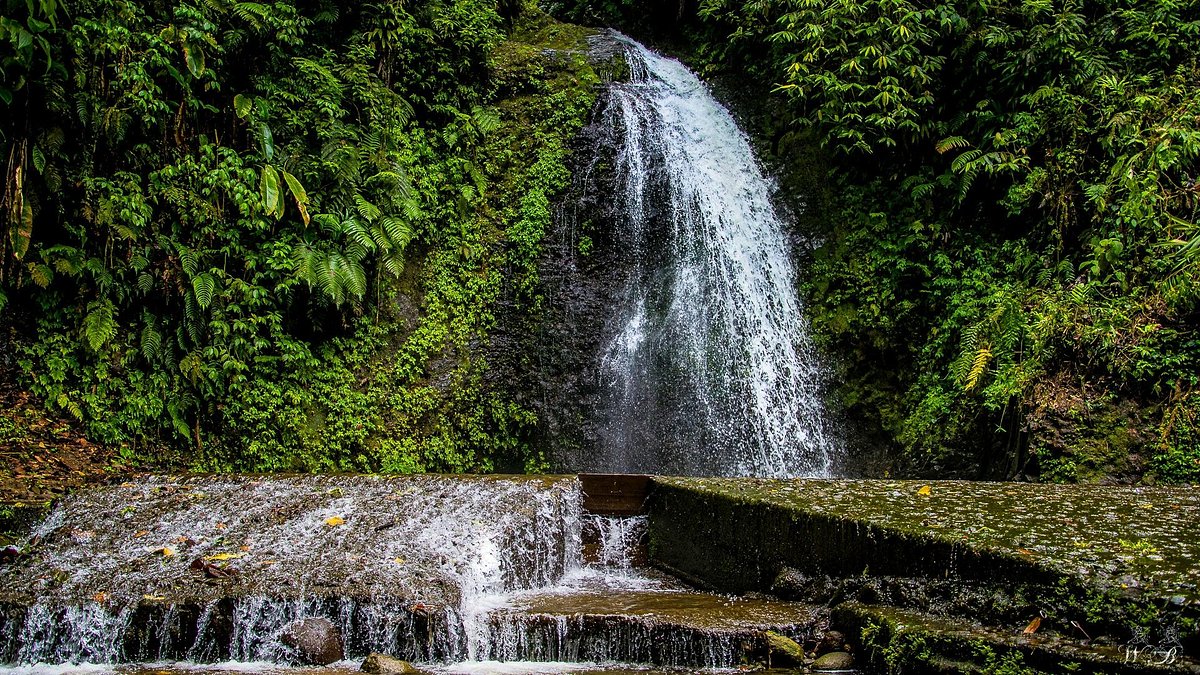
Guadeloupe stands out for its raw, untamed natural beauty and extensive hiking opportunities, largely centered around the Parc National de la Guadeloupe on Basse-Terre. The challenging ascent of La Soufrière volcano, the highest point in the Lesser Antilles, offers panoramic views (weather permitting) and a real sense of adventure. Numerous trails lead to stunning waterfalls like Carbet Falls (entry ~€2.50 / $2.70), offering varying difficulty levels. The island's rainforests feel more expansive and wild. Martinique also boasts impressive natural landscapes, including the dormant Mont Pelée volcano, which offers strenuous but rewarding hikes, and beautiful botanical gardens like Jardin de Balata (entrance ~€15 / $16). However, Guadeloupe's sheer scale of protected natural areas, the diversity of its ecosystems, and the concentration of its major natural attractions like the Cousteau Reserve and the National Park give it an edge. "Guadeloupe's national park was mind-blowing, we hiked to three different waterfalls in one day and barely scratched the surface." Both islands offer spectacular scenery, but for serious nature lovers and hikers, Guadeloupe provides a more immersive and varied experience.
Winner takeaway
- Winner: Guadeloupe
- Why: Guadeloupe's expansive national park, iconic volcano, and numerous accessible waterfalls offer a more diverse and extensive natural exploration experience.
- Who this matters for: Adventure seekers, serious hikers, nature photographers, and ecotourists.
🏨 Accommodation
Both islands offer a broad range of accommodation, from charming guesthouses to luxury resorts, making it a tie as the 'winner' depends entirely on your budget and style. In Martinique, you'll find a slightly higher concentration of upscale boutique hotels and villas, especially in popular southern towns like Sainte-Anne or Les Trois-Îlets. Mid-range hotels typically cost €120-200 ($130-220) per night, while luxury resorts can easily exceed €300 ($325). "We found some amazing gites (vacation rentals) in Guadeloupe, really authentic and great value for a family." Guadeloupe has a strong offering of 'gîtes' (vacation rentals) and locally run bungalows, which can be more affordable and offer a more authentic experience, with prices starting around €70-150 ($75-160) for a comfortable self-catering unit. Both islands also have larger, all-inclusive style resorts like Club Med in Martinique or La Créole Beach Hôtel & Spa in Guadeloupe. Airbnbs are prevalent and popular on both. It truly depends on whether you prioritize polished luxury (Martinique has a slight edge) or charming local stays (Guadeloupe might offer more unique options at lower price points). Booking well in advance is crucial for either, especially during peak season (December-April).
Winner takeaway
- Winner: Tie
- Why: Both islands offer a diverse range of accommodations, catering to different budgets and styles, making it impossible to declare a single winner.
- Who this matters for: All travelers, as personal preference for budget and style dictates the best choice.
🍹 Nightlife & Entertainment
Martinique, with its more refined and cosmopolitan atmosphere, offers a slightly more developed nightlife scene. Around Fort-de-France and the popular tourist hub of Les Trois-Îlets, you’ll find chic bars, beachfront lounges, and restaurants with live jazz or reggae. Bars often stay open later, and there's a greater variety of places to enjoy a sophisticated cocktail, with drinks typically costing €8-15 ($9-16). Some hotels host vibrant themed nights. "Martinique had some really cool beach bars with proper cocktails and good DJ sets, felt a bit more 'scene-y' than Guadeloupe." Guadeloupe's nightlife is more localized and centers around beach bars (like those in Sainte-Anne or Saint-François) and local 'lolos' that sometimes have live Gwo Ka or Zouk music. It's lively and authentic but less about high-end clubs or trendy spots. You'll find more spontaneous beach gatherings and local dances. While both islands embrace their rum culture, Martinique's blend of French sophistication and Caribbean charm leads to a more diverse and accessible array of evening entertainment for tourists. Expect local rum punches (ti' punch) to be ubiquitous and cheaper (around €5-8 / $5.50-9) on both islands.
Winner takeaway
- Winner: Martinique
- Why: Martinique provides a more varied and polished nightlife, with more options for sophisticated bars and live music venues.
- Who this matters for: Couples, solo travelers, and those who enjoy a lively yet refined evening out.
👨👩👧👦 Families & Kids
Guadeloupe pulls slightly ahead for families due to its diverse range of activities that cater to varying energy levels and interests, particularly for active families. The island offers numerous accessible hikes to waterfalls (like Saut de la Lézarde, or those at Carbet Falls), easy snorkeling in the Cousteau Reserve where kids can often spot sea turtles even from glass-bottom boats (tours from €25-40 / $27-43 per person), and various adventure parks. The 'butterfly' shape means different landscapes are easily reachable. Martinique also has fantastic family offerings, especially its calm southern beaches which are perfect for young children. The Jardin de Balata is a beautiful, engaging botanical garden that kids often love, and the Habitation Clément offers grounds to explore. "My kids absolutely loved swimming with the turtles in Guadeloupe, it was the highlight of their trip, and the waterfall hikes weren't too strenuous for them." While Martinique has some family-friendly resorts, Guadeloupe's broader natural playground, from volcano climbs for teens to gentle river swims for younger ones, often provides more opportunities for varied family adventures. Both islands are generally safe and welcoming to families, with grocery stores and pharmacies readily available.
Winner takeaway
- Winner: Guadeloupe
- Why: Guadeloupe offers a wider array of adventurous and engaging natural activities suitable for families with varying ages and interests.
- Who this matters for: Families with active children or teenagers, those seeking a balance of beach and adventure.
🚨 Safety & Travel Tips
Both Martinique and Guadeloupe are generally very safe destinations for tourists, with crime rates comparable to many European countries. However, like anywhere, petty crime such as car break-ins or pickpocketing can occur, especially in crowded urban areas like Fort-de-France (Martinique) or Pointe-à-Pitre (Guadeloupe), or at popular beach parking lots. It's always advised not to leave valuables unattended in cars or on beaches. "Just be smart, don't leave your phone on the dash or your bag unwatched at the beach, common sense stuff, really." Driving is on the right side of the road, and road conditions are generally good but can be winding in mountainous areas. Healthcare facilities are excellent and on par with mainland France. Both islands primarily speak French, so a basic understanding or a translation app is highly recommended, though English is understood in major tourist areas. The local currency is the Euro. The risk of natural disasters like hurricanes is present during the Atlantic hurricane season (June-November), with peak risk in August-October, so travel insurance is wise. There's no significant difference in safety profile or essential travel tips between the two; both require similar precautions and preparations.
Winner takeaway
- Winner: Tie
- Why: Both islands share very similar safety profiles, requiring the same general precautions and offering comparable amenities and challenges for travelers.
- Who this matters for: All travelers, as safety and practical tips are universally important.
❓ Frequently Asked Questions
Do I need to speak French to visit Martinique or Guadeloupe?
While French is the official language on both islands, you can often get by with English in major tourist areas, hotels, and popular restaurants. However, learning a few basic French phrases will greatly enhance your experience and is appreciated by locals, especially outside the main tourist zones.
What is the best time of year to visit?
The dry season, from December to May, is generally considered the best time to visit. The weather is warm, sunny, and less humid, with lower chances of rain and hurricanes. Prices tend to be higher during this peak season.
How do I get between Martinique and Guadeloupe?
The most common way is by ferry via L'Express des Îles, which offers regular service between the islands. The journey takes approximately 4-5 hours and costs around €80-100 ($85-110) one-way. Booking in advance is recommended, especially during peak travel times.
Are Martinique and Guadeloupe expensive?
Compared to other Caribbean islands, they can be moderately expensive due to being French departments and using the Euro. Accommodation, rental cars, and fine dining contribute to the cost. However, self-catering and eating at local eateries can help manage your budget effectively.
Do I need a visa to visit?
For most EU citizens, no visa is required. US citizens can visit for up to 90 days without a visa, requiring only a valid passport. Always check the latest visa requirements based on your nationality before traveling.
What local currency is used?
Both Martinique and Guadeloupe use the Euro (EUR) as their official currency. ATMs are widely available, and credit cards are generally accepted in most establishments, though having some cash for smaller purchases or local markets is advisable.
Are there good options for vegetarian/vegan travelers?
While traditional Creole cuisine heavily features meat and fish, both islands are becoming more accommodating. You'll find fresh fruits and vegetables at local markets. Look for 'accras de légumes' (vegetable fritters) or ask for plant-based adaptations at restaurants, especially in larger towns.
Is it safe to drink the tap water?
Yes, the tap water on both Martinique and Guadeloupe is generally safe to drink, as it adheres to French and EU standards. However, if you have a sensitive stomach, bottled water is always an option, but contributing to less plastic waste is encouraged.
Ready to plan your French Caribbean trip?
Get a free custom itinerary for Martinique, Guadeloupe, or both — built from real traveler insights.
🎟️ Book Tours & Experiences
Hand-picked tours and activities for both destinations — book with free cancellation
Experiences via Viator — free cancellation on most tours