How we built this comparison
This page combines traveler discussion patterns, published price ranges, flight schedules, and seasonal data to help you decide between Matsumoto and Kyoto.
- Reviewed 50+ Reddit threads from r/travel, r/solotravel, r/JapanTravel, etc.
- Verified costs and logistics against current booking platforms (Booking.com, JR Pass, Google Flights)
- Cross-referenced seasonal patterns and weather data from the Japan Meteorological Agency
⚡ The TL;DR Verdict
If you're seeking deep cultural immersion, unparalleled food, and don't mind crowds or a higher budget (¥15,000-25,000 / $100-170+ per day), Kyoto is your pilgrimage. For a more tranquil, budget-friendly (¥8,000-15,000 / $55-100 per day), and nature-focused adventure with fewer tourists, Matsumoto offers a refreshing alternative.
- Choose Matsumoto: Pick Matsumoto if you're looking for an authentic Japanese city feel without the overwhelming crowds, crave mountain views and outdoor activities, and want to stretch your budget further while still experiencing significant history.
- Choose Kyoto: Opt for Kyoto if your dream Japan trip involves iconic temples, traditional gardens, exquisite kaiseki dining, geisha spotting, and extensive cultural experiences, and you're prepared for bustling streets and higher prices.
- Choose Both: Combine both if you have at least 10-14 days and want a comprehensive trip contrasting Japan's vibrant cultural hub with its serene, historic mountain towns. Start with Kyoto for 4-5 days, then head to Matsumoto for 2-3 days, possibly en route to the Japanese Alps.
Quick Comparison
| Category | Matsumoto | Kyoto | Winner |
|---|---|---|---|
| Culture & History | Home to one of Japan's most beautiful original castles (Matsumoto Castle) and a vibrant arts scene. | Countless UNESCO sites, ancient temples, geisha districts, and imperial history. | Kyoto |
| Food & Drink | Known for soba noodles, basashi (horse sashimi), and local sake from Alpine waters. | A culinary capital with kaiseki, street food, matcha, and endless dining options. | Kyoto |
| Costs | Generally more affordable for accommodation, food, and attractions. | Higher prices across the board due to popularity and demand. | Matsumoto |
| Getting There & Around | Accessible by limited express train from Tokyo, walkable city center. | Major Shinkansen hub, extensive bus and subway network, but can be crowded. | Tie |
| Accommodation | Offers a range of hostels, business hotels, and charming ryokans at reasonable prices. | Extensive options from luxury hotels, boutique ryokans, to budget hostels, but often pricier. | Matsumoto |
| Nature & Scenery | Gateway to the Japanese Alps, stunning mountain vistas, and nearby hiking trails. | Beautiful gardens and bamboo groves within the city, but less expansive natural landscapes. | Matsumoto |
| Nightlife & Entertainment | Quiet izakayas, local bars, and a relaxed evening atmosphere. | Vibrant bar districts, traditional geisha entertainment, and diverse live music venues. | Kyoto |
| Day Trips | Excellent base for exploring the Japanese Alps (Kamikochi, Norikura) and scenic hot springs. | Numerous historical and natural sites within easy reach (Nara, Osaka, Arashiyama). | Tie |
| Vibe & Crowds | Relaxed, authentic, and relatively uncrowded with a local feel. | Bustling, often crowded, especially at major attractions, but undeniably energetic. | Matsumoto |
| Shopping | Focus on local crafts, traditional goods, and regional souvenirs. | Extensive options from high-end boutiques to traditional crafts and modern department stores. | Kyoto |
🏯 Culture & History
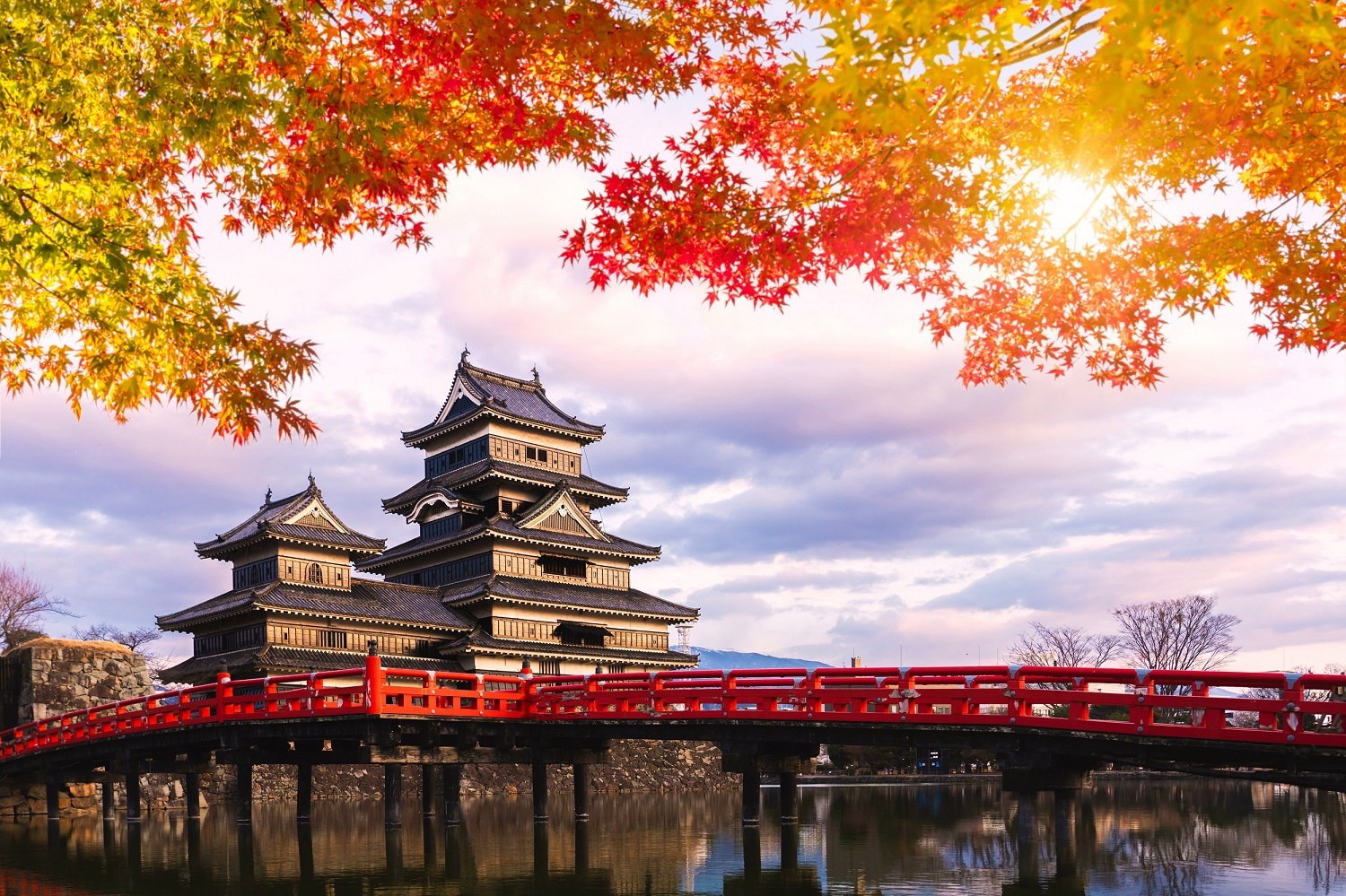
Matsumoto boasts the iconic 'Crow Castle,' Matsumoto-jo, a national treasure and one of Japan's best preserved original castles. Its black lacquer exterior against the Northern Alps is truly stunning, offering a less crowded, more intimate historical experience than Himeji. The city also has a burgeoning craft scene, including the Japan Ukiyo-e Museum and the Matsumoto City Museum of Art (featuring Yayoi Kusama). However, Kyoto is simply in a league of its own. With over 2,000 temples and shrines, including Kinkaku-ji (Golden Pavilion), Fushimi Inari Taisha, and Kiyomizu-dera, alongside the Gion geisha district and traditional tea ceremonies, it offers an unmatched depth of historical and cultural immersion. While Matsumoto provides a significant slice of history, Kyoto delivers a full-course feast. "Honestly, Matsumoto Castle was a highlight, so much less crowded than I expected and you can really take your time. But Kyoto... it's like stepping into a postcard everywhere you go." The sheer volume and variety of cultural sites in Kyoto make it an undeniable winner for history buffs.
Winner takeaway
- Winner: Kyoto
- Why: Kyoto offers an unparalleled density and variety of world-renowned historical sites and traditional cultural experiences.
- Who this matters for: First-time visitors to Japan, history enthusiasts, and those seeking iconic cultural immersion.
🍜 Food & Drink
Matsumoto's culinary scene shines with its regional specialties. Soba noodles, often made with locally grown buckwheat, are a must-try, especially at places like Narikura. Basashi, raw horse meat, is another local delicacy, available at izakayas. The city also benefits from the pristine Alpine waters, producing excellent sake and craft beers. Dining here is generally more casual and budget-friendly. Kyoto, however, is a global gastronomic powerhouse. From multi-course kaiseki meals at establishments like Kikunoi to vibrant Nishiki Market street food (like takoyaki and mochi), intricate wagashi sweets, and world-class matcha, the options are endless. You can find everything from Michelin-starred fine dining to cozy ramen joints and traditional tea houses. The diversity, quality, and sheer volume of unique culinary experiences in Kyoto are staggering. "Matsumoto had great soba and some cool local izakayas, but Kyoto's food scene... I could spend a month there just eating my way through it. Nishiki Market is insane!" While Matsumoto offers delicious local flavors, Kyoto's culinary landscape is simply unmatched in its breadth and sophistication.
Winner takeaway
- Winner: Kyoto
- Why: Kyoto's food scene is vastly more diverse, sophisticated, and internationally renowned, catering to all palates and budgets with exceptional quality.
- Who this matters for: Foodies, gourmands, and anyone looking for a wide variety of high-quality dining experiences, from street food to fine dining.
💰 Costs
Matsumoto offers a significant advantage for budget-conscious travelers. Accommodation, like a comfortable hostel bed at tabi-shiro Hostel & Bar, can be found for ¥3,000-4,500 ($20-30), while mid-range hotels like Hotel Buena Vista Matsumoto often range from ¥8,000-15,000 ($55-100). Museum entry fees are typically ¥400-700 ($3-5). A decent meal can be had for ¥1,000-2,000 ($7-14). In contrast, Kyoto's popularity drives up prices considerably. Hostel beds in Kyoto often start at ¥4,500-7,000 ($30-48), and mid-range hotels frequently exceed ¥15,000-25,000 ($100-170). Attraction entry, like Kinkaku-ji or Kiyomizu-dera, is around ¥400-600 ($3-4), but transportation costs within the city can add up. Dining out, especially traditional kaiseki, can quickly become very expensive. "I saved so much money in Matsumoto compared to Kyoto. My hostel was half the price and I ate amazing food for under 1000 yen." For a similar level of comfort and experience, you can expect to spend 20-40% less in Matsumoto.
Winner takeaway
- Winner: Matsumoto
- Why: Matsumoto provides a much more budget-friendly travel experience across accommodation, dining, and attractions.
- Who this matters for: Budget travelers, long-term travelers, and those looking to maximize their yen.
🚄 Getting There & Around
Getting to Matsumoto from Tokyo involves a scenic 2.5-3 hour journey on the JR Azusa Limited Express from Shinjuku (around ¥6,600 / $45, covered by JR Pass). Once there, the city center, including the castle, station, and Nakamachi Street, is very walkable. Local buses serve areas further out, but most key sights are compact. Kyoto is a major Shinkansen hub, making it incredibly easy to reach from Tokyo (2.5-3 hours, ¥13,000-14,000 / $90-95, covered by JR Pass) and other major cities. Within Kyoto, an extensive bus network covers almost every attraction, supplemented by two subway lines. However, Kyoto's buses can be notoriously crowded, especially during peak season, leading to slow travel times. "Matsumoto was a breeze to navigate on foot, I barely used any public transport. Kyoto's buses though... felt like rush hour all day." While Kyoto's reach is better for connecting to other major cities, Matsumoto's local walkability offers a more relaxed experience. Both have their trade-offs: Matsumoto requires a bit more effort to reach, but is easy to navigate locally, while Kyoto is a transport hub but navigating its popular areas can be a slow, crowded affair.
Winner takeaway
- Winner: Tie
- Why: Both cities offer efficient but distinct travel experiences; Matsumoto is easily walkable, while Kyoto has better connections but crowded local transit.
- Who this matters for: Travelers prioritizing easy city navigation (Matsumoto) versus those needing excellent connectivity to other regions (Kyoto).
🏨 Accommodation
Matsumoto provides excellent value for accommodation. You can find highly-rated hostels like tabi-shiro Hostel & Bar or Backpackers Hostel 'Keyaki' for around ¥3,000-4,500 ($20-30) per night. Mid-range business hotels (e.g., Premier Hotel Cabin Matsumoto, Dormy Inn Matsumoto) are clean, comfortable, and typically cost ¥7,000-14,000 ($48-95). For a traditional experience, there are charming ryokans in the surrounding areas, like Asama Onsen, that are much more affordable than their Kyoto counterparts. Kyoto, on the other hand, has an incredible selection, from opulent luxury hotels (e.g., The Ritz-Carlton Kyoto, Four Seasons Kyoto) and exquisite traditional ryokans (e.g., Hiiragiya, Tawaraya) to countless boutique hotels and hostels. However, prices are consistently higher. A comparable hostel bed often starts at ¥4,500-7,000 ($30-48), and even basic business hotels can easily exceed ¥12,000-20,000 ($80-135). "My ryokan stay near Matsumoto was half the price of anything similar I found in Kyoto, and the food was incredible." For budget and mid-range travelers, Matsumoto clearly offers better value without compromising on quality or experience.
Winner takeaway
- Winner: Matsumoto
- Why: Matsumoto offers significantly better value for money across all accommodation types, from hostels to ryokans.
- Who this matters for: Budget-conscious travelers, those seeking good value, and travelers looking for affordable traditional Japanese stays.
⛰️ Nature & Scenery
Matsumoto is undeniably the gateway to the breathtaking Japanese Alps. The city itself offers stunning views of the snow-capped peaks in the distance, especially from Matsumoto Castle. Just a short bus ride away, you can reach Kamikochi, a pristine mountain valley renowned for its hiking trails, crystal-clear rivers, and panoramic alpine scenery (accessible typically from April to November). Other nearby natural attractions include Norikura Kogen and Utsukushigahara Kogen, perfect for nature lovers and outdoor adventurers. Kyoto has its own charm with meticulously manicured gardens, like those at Ryoan-ji or Tenryu-ji, and the iconic Arashiyama Bamboo Grove. However, these are more curated, urban natural spaces rather than expansive wilderness. "If you love hiking and mountain views, Matsumoto is a no-brainer. Kamikochi was easily one of the most beautiful places I've ever seen, completely blew Arashiyama out of the water for me." While Kyoto offers serene beauty, Matsumoto provides access to raw, majestic natural landscapes that are simply unparalleled within city limits.
Winner takeaway
- Winner: Matsumoto
- Why: Matsumoto offers direct access to the magnificent Japanese Alps, providing expansive natural beauty and outdoor activity opportunities.
- Who this matters for: Nature lovers, hikers, photographers, and those seeking outdoor adventures away from urban centers.
🍻 Nightlife & Entertainment
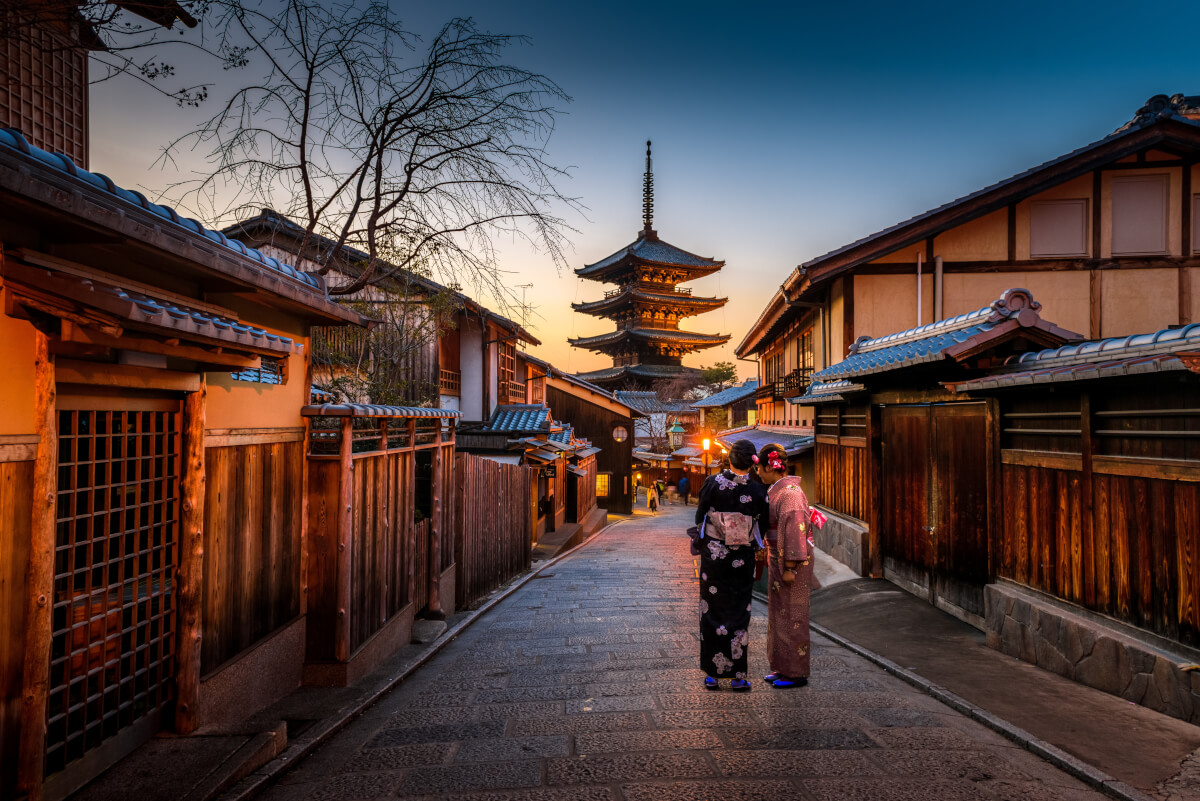
Matsumoto's nightlife is charming but subdued. You'll find plenty of cozy izakayas along Nakamachi Street or near Matsumoto Station, perfect for enjoying local sake and snacks. There are also a few small bars, but it's not a city for late-night clubbing or bustling crowds. The vibe is more about quiet conversation and savoring regional drinks. Expect to wrap up your evening around midnight. Kyoto, conversely, offers a much more dynamic and varied nightlife. The Pontocho and Gion districts are famous for their traditional teahouses, exclusive bars, and the chance to spot geiko (Kyoto geisha). Beyond this, areas like Kiyamachi-dori are packed with modern bars, karaoke boxes, and live music venues catering to all tastes. There are also traditional theatre performances and seasonal festivals that extend into the evenings. "Matsumoto's bars were nice for a quiet drink after dinner, but if you want to party or see some real entertainment, Kyoto is where it's at. Pontocho was buzzing!" For those seeking vibrant evenings, traditional cultural performances, or lively bar scenes, Kyoto is the clear victor.
Winner takeaway
- Winner: Kyoto
- Why: Kyoto boasts a more diverse and vibrant nightlife, including traditional geisha entertainment and lively bar districts.
- Who this matters for: Party-goers, those interested in traditional evening entertainment, and travelers who enjoy a bustling night scene.
🗺️ Day Trips
Matsumoto is an incredible hub for exploring the natural wonders of the Chubu region. The premier day trip is to Kamikochi, a stunning alpine valley (bus journey ~1.5 hours, ¥2,500 / $17 one-way from Shin-Shimashima Station). Other fantastic options include the Onsen towns of Asama or Shirahone (known for its milky-white waters), or the rural beauty of Azumino. For a deeper cultural dive, you can reach Takayama and Shirakawa-go, though these are longer day trips or best as an overnight. Kyoto's day trip options are equally compelling but focus more on cultural and urban exploration. Nara (30-45 min train, ¥720 / $5), with its friendly deer and Todai-ji Temple, is a classic. Osaka (15-30 min train, ¥580 / $4), offers a modern contrast with its vibrant food and nightlife. Himeji Castle (45 min Shinkansen, ¥4,900 / $33) is another popular choice. "Matsumoto for nature day trips, no question. Kamikochi was epic. But if you want more cities or temples, Kyoto's got you covered with Nara and Osaka." Both cities serve as excellent bases, offering distinct but equally rewarding day trip experiences. Matsumoto excels for nature, Kyoto for culture/urban centers.
Winner takeaway
- Winner: Tie
- Why: Both cities offer exceptional day trip opportunities, with Matsumoto focusing on nature and Kyoto on cultural/urban exploration.
- Who this matters for: Nature enthusiasts (Matsumoto) vs. those interested in ancient capitals and modern cities (Kyoto).
🧘 Vibe & Crowds
Matsumoto offers a genuinely relaxed and authentic Japanese experience. You can stroll through its charming streets, visit the castle, and enjoy a meal without feeling overwhelmed by tourist hordes. The pace is slower, the locals are friendly, and there's a tangible sense of community. It's easy to find quiet moments, whether it's by the Metoba River or in a small cafe. This uncrowded atmosphere allows for a deeper appreciation of its history and culture. Kyoto, while incredibly beautiful, often struggles with overtourism. Major attractions like Fushimi Inari, Arashiyama, and Kiyomizu-dera can be absolutely swamped with visitors, making it hard to fully immerse oneself. The main streets are bustling, and public transport can be packed. "After the crowds in Kyoto, Matsumoto was such a peaceful change of pace. I actually felt like I was experiencing Japan, not just queuing with other tourists." While Kyoto's energy is undeniable, its sheer popularity often detracts from the tranquility many seek in traditional Japan. Matsumoto provides that serene, authentic escape.
Winner takeaway
- Winner: Matsumoto
- Why: Matsumoto offers a significantly more relaxed, authentic, and less crowded experience, allowing for deeper immersion.
- Who this matters for: Travelers seeking tranquility, an authentic local feel, and an escape from tourist crowds.
🛍️ Shopping
Matsumoto's shopping scene is charming and focused on local specialties. Nakamachi Street, with its traditional kura-style buildings, is perfect for browsing artisanal crafts, local sake, miso, and folk art. The Frog Street (Kaeru-michi) offers quirky frog-themed souvenirs. You'll find unique gifts reflecting the region's artistic heritage, but it's not a place for extensive retail therapy. Kyoto, however, is a shopper's paradise. From the luxury boutiques and department stores around Kawaramachi and Shijo-dori to the traditional craft shops selling ceramics, textiles, incense, and tea in Gion and Higashiyama, the options are boundless. Nishiki Market is a fantastic place for food souvenirs and kitchenware. You can find everything from exquisite handcrafted items to trendy fashion and high-tech gadgets. "Matsumoto had some cool local craft shops, but Kyoto... my suitcase gained 10 pounds from all the souvenirs! The variety there is just insane, from matcha kits to designer goods." For sheer variety, quality, and the breadth of shopping experiences, Kyoto is the undisputed champion.
Winner takeaway
- Winner: Kyoto
- Why: Kyoto offers a far more extensive and diverse shopping experience, catering to all tastes from traditional crafts to modern luxury.
- Who this matters for: Serious shoppers, those looking for high-quality traditional crafts, and travelers seeking a wide range of retail options.
❓ Frequently Asked Questions
Is Matsumoto worth visiting if I've already been to Kyoto?
Absolutely! Matsumoto offers a completely different vibe. While Kyoto is grand and bustling, Matsumoto is quaint and authentic, providing a wonderful contrast. Its iconic castle and proximity to the Japanese Alps make it a unique destination that complements a Kyoto visit rather than duplicating it.
How many days should I spend in each city?
For Kyoto, allow a minimum of 3-5 full days to cover the main attractions and soak in the atmosphere. For Matsumoto, 1.5-2 full days are usually sufficient to explore the castle, Nakamachi Street, and enjoy the city's relaxed pace, with an extra day if you plan a trip to Kamikochi or another alpine destination.
Which city is better for solo travelers?
Both cities are excellent for solo travelers. Kyoto offers more opportunities for group tours and meeting people in hostels due to its higher tourist volume. However, Matsumoto's smaller, walkable nature and friendly local vibe can make it feel more approachable and less overwhelming for a solo explorer seeking tranquility.
What's the best time of year to visit Matsumoto vs. Kyoto?
Spring (April-May) and Autumn (October-November) are ideal for both, offering pleasant weather and beautiful scenery (cherry blossoms/fall foliage). For Matsumoto, summer (June-August) is great for hiking in the Alps, though the city can be humid. Kyoto in summer is very hot and humid. Winter in Matsumoto offers stunning snowscapes, while Kyoto is quieter but colder.
Are there good vegan/vegetarian options in either city?
Kyoto is generally better for vegan/vegetarian options, especially with its strong Buddhist traditions leading to shojin ryori (Buddhist vegetarian cuisine). There are also more international restaurants. Matsumoto has fewer dedicated options, but you can usually find vegetable-based dishes in izakayas or ask for adaptations, though it requires more effort.
Which city is better for families with young children?
Matsumoto can be more family-friendly due to its less crowded streets, walkable center, and the engaging Matsumoto Castle which kids often love. Kyoto, while having many beautiful sites, can be exhausting for little ones due to the extensive walking, crowded public transport, and the sheer volume of attractions.
Can I see a geisha in Matsumoto?
No, geisha (or geiko, as they are called in Kyoto) are a cultural tradition almost exclusively found in a few specific districts, most famously Kyoto's Gion and Pontocho, and Tokyo's Kagurazaka. Matsumoto does not have a geisha district or active geisha culture.
What kind of local souvenirs should I look for in each city?
In Matsumoto, look for local lacquerware (shikki), woodcrafts, traditional folk art, and regional sake or miso. In Kyoto, you'll find exquisite kimono fabric, ceramics (Kyo-yaki), matcha tea sets, traditional sweets (wagashi), incense, and a vast array of artisanal goods.
Ready to plan your Japan trip?
Get a free custom itinerary for Matsumoto, Kyoto, or both — built from real traveler insights.
🎟️ Book Tours & Experiences
Hand-picked tours and activities for both destinations — book with free cancellation
Experiences via Viator — free cancellation on most tours