How we built this comparison
This page combines traveler discussion patterns, published price ranges, flight schedules, and seasonal data to help you decide between Maui and Big Island.
- Reviewed 200+ Reddit threads from r/Hawaii, r/Maui, r/BigIsland, r/travel, and r/solotravel for real-world traveler experiences and opinions.
- Verified costs and logistics against current booking platforms (e.g., Expedia, Priceline, hotel websites, rental car aggregators) for 2024-2025.
- Cross-referenced seasonal patterns and weather data from NOAA and local tourism boards to ensure accurate environmental insights.
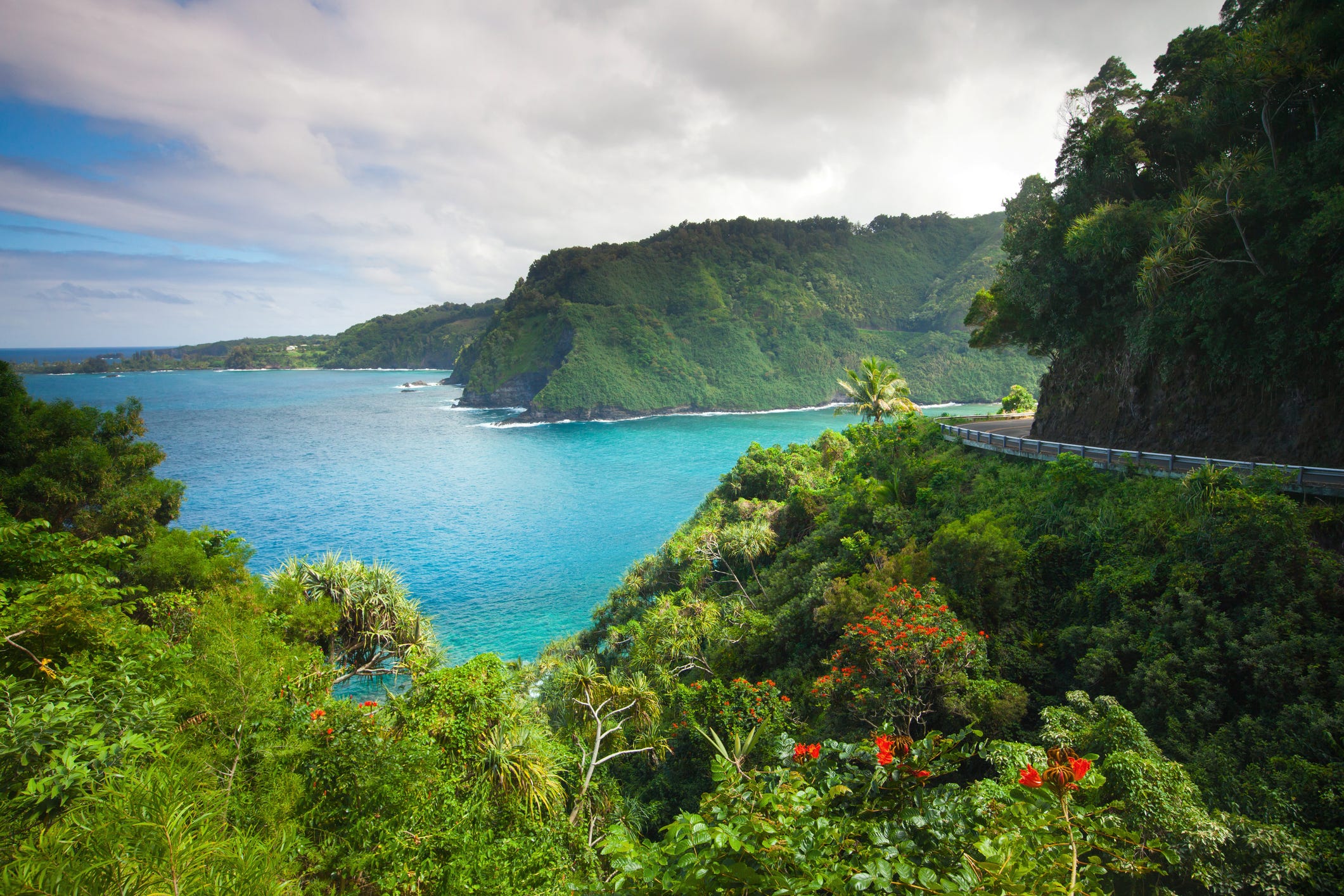
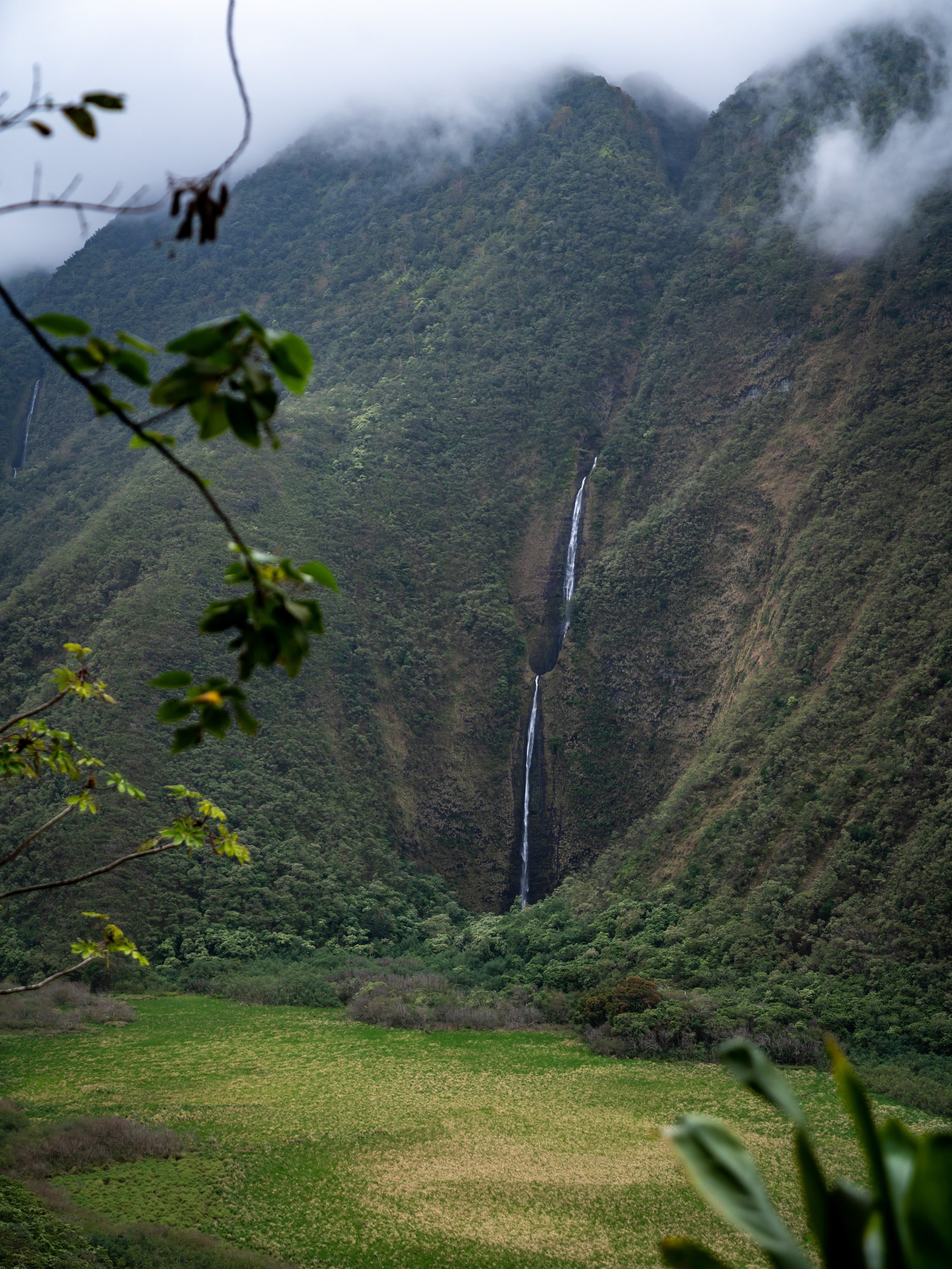
⚡ The TL;DR Verdict
Maui shines for those seeking classic Hawaiian luxury, pristine beaches, and world-class dining, ideal for honeymoons or resort-focused family trips, with a daily budget typically ranging from $500-800+. The Big Island, conversely, is perfect for the adventurous soul craving dramatic landscapes, active volcanoes, and unique ecosystems, often costing a more modest $350-600+ per day.
- Choose Maui: For travelers prioritizing high-end resorts, iconic white-sand beaches like Kaanapali, exceptional dining experiences (e.g., Mama's Fish House), and scenic drives like the Road to Hana. It's fantastic for romantic getaways, luxury family vacations, and those who appreciate a more polished, resort-centric experience.
- Choose Big Island: Opt for the Big Island if you're an explorer drawn to dramatic, diverse natural wonders: active volcanoes in Hawaii Volcanoes National Park, stargazing from Mauna Kea, unique black and green sand beaches, and lush rainforests. It caters to adventure seekers, budget-conscious travelers, and those who prefer a less crowded, more rugged Hawaiian experience.
- Choose Both: If you have 10-14 days and want the full spectrum of Hawaii, combine both. Start with 5-7 days on Maui for relaxation and resort amenities, then fly to the Big Island (via inter-island flight, ~45 mins, $70-120 RT) for another 5-7 days of exploration and adventure. This offers a balanced trip, though it adds cost and logistical complexity.
Quick Comparison
| Category | Maui | Big Island | Winner |
|---|---|---|---|
| Beaches & Ocean | Iconic, picture-perfect white sand beaches, excellent snorkeling at Molokini, calmer waters. | Dramatic, unique beaches (black, green sand), incredible snorkeling/diving on Kona coast. | Maui |
| Nature & Adventure | Scenic drives (Road to Hana), Haleakala crater sunrise, lush rainforests, waterfalls. | Active volcanoes, stargazing on Mauna Kea, diverse climate zones, raw, wild landscapes. | Big Island |
| Food & Drink | High-end dining, celebrity chefs, diverse cuisine, famous 'farm-to-table' movement. | Local, authentic Hawaiian cuisine, Kona coffee farms, casual eateries, fresh produce. | Maui |
| Costs & Budget | Generally more expensive for accommodation, dining, and activities due to luxury focus. | Slightly more budget-friendly, more variety in accommodation, cheaper local food options. | Big Island |
| Accommodation | Dominance of luxury resorts, high-end condos, focused in specific areas. | Wider range of options: boutique hotels, B&Bs, unique vacation rentals, few mega-resorts. | Big Island |
| Getting Around | Smaller island, less driving, but still requires a rental car for exploration. | Vast island, extensive driving, often requires 4WD for specific attractions. | Maui |
| Culture & History | Rich whaling history (Lahaina), traditional luaus, diverse cultural performances. | Ancient Hawaiian sites (heiau), King Kamehameha history, cowboy (paniolo) culture, coffee heritage. | Tie |
| Nightlife & Entertainment | Livelier resort bars, upscale lounges, popular luaus, some live music venues. | Very laid-back, limited options, casual bars, stargazing is the main 'nightlife'. | Maui |
| Families | Kid-friendly resorts, calm beaches, water parks, easy day trips. | Educational experiences (volcanoes), unique nature exploration, less 'resort' focused. | Maui |
| Crowds & Serenity | More developed, higher tourist density, especially in resort areas. | Vast, spread out, easier to find solitude, less developed overall. | Big Island |
🏖️ Beaches & Ocean
When it comes to the classic 'postcard Hawaii' beach experience, Maui truly takes the crown. You'll find expansive stretches of golden sand like Kaanapali Beach and the luxurious shores of Wailea, perfect for swimming, sunbathing, and gentle waves. Snorkeling and diving opportunities are world-class, especially at the crescent-shaped Molokini Crater, easily accessible via boat tours ranging from $70-$150 per person. The waters are generally calmer here, making it very family-friendly. The Big Island, while having stunning ocean access, boasts a different kind of beauty: dramatic black sand beaches like Punalu'u (where you can often spot turtles!) and the rare green sand Papakolea Beach (requires a hike or local shuttle, ~$20). Its snorkeling, particularly along the Kona coast at Kealakekua Bay, is phenomenal for marine life, but the beaches themselves are often rockier or more rugged. As one Reddit user put it, "Maui's beaches are what you dream of, but Big Island's are what you'll remember as truly unique. Just don't expect the same easy access or soft sand everywhere on Big Island." If you're after ease and classic beauty, Maui is your pick, while the Big Island offers more adventurous, off-the-beaten-path coastal experiences.
Winner takeaway
- Winner: Maui
- Why: Maui offers a wider array of accessible, classic white-sand beaches and calmer waters ideal for swimming and resort relaxation.
- Who this matters for: Families with young children, honeymooners, and anyone seeking classic resort beach experiences.
🌋 Nature & Adventure
For sheer natural diversity and raw, untamed beauty, the Big Island is unparalleled in Hawaii. Its highlight is undoubtedly Hawaii Volcanoes National Park (entrance fee $30 per vehicle, valid for 7 days), where you can witness active lava flows (when present), steam vents, and vast volcanic deserts. The opportunity to stand on the edge of Kilauea caldera, or stargaze from the summit of Mauna Kea (at 13,803 ft, best accessed via 4WD tour from ~$200) through world-class telescopes, is simply awe-inspiring. You can experience nearly all of the world's climate zones here, from snow-capped peaks to tropical rainforests and arid deserts, all within a few hours' drive. Maui offers incredible natural beauty too, most famously the winding Road to Hana with its countless waterfalls and lush jungle, and the breathtaking sunrise/sunset at Haleakala Crater (reservation required for sunrise, $1 per car). While Maui's natural wonders are stunning, they tend to be more 'curated' experiences. "If you want to feel like you're on another planet, Big Island wins hands down. Maui is beautiful, but the volcanoes are just next level," a traveler commented. The Big Island's scale and active geological processes provide a more profound sense of adventure and natural wonder.
Winner takeaway
- Winner: Big Island
- Why: The Big Island's active volcanoes, incredible stargazing, and extreme climate diversity offer a more profound and varied natural adventure.
- Who this matters for: Adventure seekers, geologists, astrophotographers, and those seeking truly unique natural phenomena.
🍍 Food & Drink
Maui has cultivated a reputation for its sophisticated culinary scene, particularly in areas like Wailea and Lahaina (pre-fire, though resilience and new establishments are emerging). You'll find an abundance of high-end restaurants like Mama's Fish House (expect to pay $100+ per person for dinner, reservations essential months in advance) and Merriman's Kapalua, offering exquisite farm-to-table and fresh seafood experiences. The island attracts renowned chefs, leading to a vibrant and diverse array of dining options from upscale Hawaiian fusion to casual food trucks. The Big Island, while having excellent local food, leans more towards authentic, less-pretentious Hawaiian fare. Hilo and Kona offer fantastic farmer's markets (Hilo Farmers Market is a must) where you can find fresh produce, poke bowls, and local snacks for much more reasonable prices ($10-$25 per meal). It's also home to the world-famous Kona Coffee Belt, with numerous farms offering tours and tastings (e.g., Greenwell Farms, free tours). "Maui's fine dining is top-notch, worth the splurge for a special occasion. But for everyday good, authentic local eats, Big Island has plenty of hidden gems," noted a Reddit user. If you're a foodie chasing Michelin-star-level experiences and diverse upscale options, Maui delivers. If you prefer authentic local flavors and excellent coffee, the Big Island will satisfy your palate without breaking the bank.
Winner takeaway
- Winner: Maui
- Why: Maui boasts a more developed and renowned fine dining scene with celebrity chefs and diverse culinary options.
- Who this matters for: Foodies, those celebrating special occasions, and travelers who prioritize upscale dining experiences.
💸 Costs & Budget
Hawaii, in general, is not a budget destination, but when comparing the two, the Big Island offers a bit more flexibility for your wallet. Accommodation on Maui, especially in resort areas like Wailea and Kaanapali, can easily range from $400-$1000+ per night for a good hotel. Dining, particularly at popular spots, quickly adds up to $50-$100+ per person per meal. Rental cars are a significant expense on both islands, often running $80-$150+ per day (pre-taxes/fees). On the Big Island, you can find quality hotels and vacation rentals for $200-$500 per night outside of peak season, and there's a greater selection of guesthouses and B&Bs. Local eateries and food trucks in Hilo or Kona offer delicious meals for $15-$30, making everyday eating more affordable. Activities like visiting Hawaii Volcanoes National Park are $30 per vehicle, while Maui's Molokini snorkeling tours typically start around $70. "We saved a decent chunk by doing Big Island first. Maui felt like everything was priced for high rollers," a traveler observed. While you can still spend a lot on the Big Island, it provides more opportunities to save, making it the more budget-conscious choice for most travelers.
Winner takeaway
- Winner: Big Island
- Why: The Big Island generally offers more affordable accommodation, dining, and activity options, providing better value for money.
- Who this matters for: Budget-conscious travelers, backpackers, and families looking to stretch their vacation dollars further.
🏨 Accommodation
Maui is synonymous with luxurious resort living. Major resort chains like the Grand Wailea, Hyatt Regency Maui, and the Ritz-Carlton Kapalua dominate the landscape, especially in West Maui and South Maui. These properties offer extensive amenities, sprawling pools, and direct beach access, with prices often starting at $500 per night and easily climbing past $1000 for oceanfront rooms. Vacation rentals (condos, villas) are also plentiful but tend to be on the higher end. The Big Island, on the other hand, offers a much broader and more diverse range of accommodation. While there are some fantastic resorts along the Kohala Coast (e.g., Mauna Lani, Hilton Waikoloa Village), they are more spread out. You'll find charming boutique hotels in Hilo, numerous unique vacation rentals on Airbnb/VRBO across the island (from coffee farm stays to cabins near the volcano), and a good selection of B&Bs, often starting around $150-$300 per night. This variety caters to different budgets and travel styles. "Maui felt like resorts were the only real option unless you wanted a cheap motel. Big Island had so many cool, unique places to stay, not just big chains," commented a traveler. For those seeking variety beyond the typical resort experience, the Big Island provides far more compelling choices.
Winner takeaway
- Winner: Big Island
- Why: The Big Island offers a more diverse and unique range of accommodation options beyond high-end resorts, catering to various budgets and preferences.
- Who this matters for: Travelers seeking unique stays, budget options, or a less resort-centric experience.
🚗 Getting Around
Both islands absolutely require a rental car for any meaningful exploration; public transport is minimal and not practical for tourists. Rental car prices can be steep on both, typically $80-$150+ per day. However, Maui is a much smaller island, meaning driving times between major attractions are significantly shorter. You can easily drive from Lahaina to Kihei in under an hour, or conquer the famous Road to Hana (a full-day commitment) without feeling overwhelmed by scale. The roads are generally well-maintained, and a standard sedan is sufficient for almost all major sights. The Big Island lives up to its name – it is vast. Driving from Kona to Hilo can take 2.5-3 hours, and exploring different regions means significant time in the car, often covering 100+ miles in a single day. Some iconic spots, like the Mauna Kea summit or Green Sand Beach, are best accessed with a 4WD vehicle (which can add $30-50+ to your daily rental cost). "We drove 500 miles on Big Island in a week without even trying. Maui was much more relaxed in terms of driving," noted a Redditor. If you prefer less time behind the wheel and easier navigation, Maui is the clear winner. The Big Island requires a greater commitment to driving and potentially specialized vehicles.
Winner takeaway
- Winner: Maui
- Why: Maui's smaller size means significantly shorter driving times between attractions, making exploration easier and less time-consuming.
- Who this matters for: Travelers who prefer less driving, families with young children, and those who want to maximize relaxation over road trips.
🗿 Culture & History
Both islands offer deep dives into Hawaiian culture and history, though with distinct flavors. Maui, particularly in Lahaina (even post-fire, its historical significance remains strong), was a pivotal whaling port in the 19th century. You can explore remnants of this era, and the island hosts numerous traditional luaus (e.g., Old Lahaina Luau, ~$200 per person) that offer a blend of food, music, and storytelling. It has a vibrant arts scene and cultural performances. The Big Island, as the birthplace of King Kamehameha I, is steeped in ancient Hawaiian history. You'll find numerous sacred sites (heiau) like Pu'uhonua o Honaunau National Historical Park (City of Refuge, $20 per vehicle), petroglyph fields, and the fascinating 'paniolo' (Hawaiian cowboy) culture in Waimea. The Kona coffee heritage also offers a unique cultural experience. "Maui's luaus are epic, but the Big Island's historical parks felt more raw and connected to ancient Hawaii. Both are worth experiencing," a traveler shared. Neither island truly 'wins' here; they simply offer different, equally valuable insights into Hawaii's rich past and present. Maui provides more accessible traditional performances, while the Big Island offers deeper historical exploration of ancient sites and specific cultural traditions like coffee farming and paniolo life.
Winner takeaway
- Winner: Tie
- Why: Both islands offer rich and distinct cultural and historical experiences, catering to different interests, making it impossible to pick a single winner.
- Who this matters for: All travelers interested in learning about Hawaiian culture; the choice depends on preference for performances vs. historical sites.
🎶 Nightlife & Entertainment
If you're looking for vibrant nightlife beyond a quiet dinner, Maui is your best bet among the two. While it's not a party island like some Caribbean destinations, Maui's resort areas, particularly around Kaanapali and Wailea, offer a selection of upscale bars, lounges with live music, and evening entertainment. Popular spots include the Luau at the Hyatt Regency Maui ($200+ per person) or hotel bars like Duke's Beach House Maui. You'll find more opportunities for a late-night cocktail, dancing, or even just people-watching. The Big Island is significantly more subdued after dark. Outside of a few casual bars in Kailua-Kona and Hilo, the evening scene is very quiet. The primary 'nightlife' on the Big Island revolves around natural phenomena: stargazing tours on Mauna Kea ($200+ per person) or even just looking up from your accommodation, and night dives/snorkeling with manta rays ($100-$150 per person) off the Kona coast. "Maui definitely has more options if you want to grab a drink and socialize after dinner. On the Big Island, we were usually in bed by 9 after a long day of exploring!" a traveler candidly remarked. For those who appreciate some evening buzz and entertainment options, Maui is the clear preference.
Winner takeaway
- Winner: Maui
- Why: Maui offers a more active and diverse nightlife, primarily centered around its resorts and a few specific towns.
- Who this matters for: Couples, solo travelers, or groups looking for evening entertainment beyond just dinner.
👨👩👧👦 Families
Maui tends to be slightly more family-friendly, especially for those with younger children, due to its abundance of resorts designed with kids in mind. Many resorts like the Grand Wailea or the Hyatt Regency Maui feature elaborate pool complexes, lazy rivers, and dedicated kids' clubs (some at an extra cost, $50-100+ per child per day). The beaches are generally calmer and more accessible, like Baby Beach in Lahaina or Kamaole Beach Park in Kihei, perfect for little ones to splash and play safely. Attractions like the Maui Ocean Center ($35-40 per adult) provide engaging educational fun. The Big Island offers incredibly unique and educational experiences for families, particularly older children who can appreciate the wonder of Hawaii Volcanoes National Park or snorkeling with manta rays. However, the sheer size of the island means more driving, and the natural attractions can be more rugged and less stroller-friendly. "Maui was a breeze with our toddlers – great pools, calm beaches. Big Island was amazing, but we had to be more strategic with the kids because of the driving and hiking," a parent shared on Reddit. While both islands offer fantastic family vacations, Maui edges out the Big Island for ease and kid-centric amenities, especially for families seeking a more traditional resort-based experience.
Winner takeaway
- Winner: Maui
- Why: Maui's family-friendly resorts, calm beaches, and easier navigation make it a slightly more convenient choice for families, especially with young children.
- Who this matters for: Families with young children, those who prefer resort amenities, and travelers seeking ease and convenience.
🧘 Crowds & Serenity
If escaping the crowds and finding true serenity is high on your list, the Big Island is the hands-down winner. Being the largest Hawaiian island, its vastness allows for a greater dispersion of tourists, meaning you can easily find stretches of road, hiking trails, or even beaches where you feel like you have the place to yourself. Even in popular spots like Hawaii Volcanoes National Park, the sheer scale of the park allows for a sense of solitude. The development is also less dense, particularly outside of the Kona and Hilo areas, giving the island a more wild and untamed feel. Maui, while beautiful, is a smaller island with a much higher tourist density, especially in concentrated resort areas like Kaanapali, Wailea, and along the Road to Hana, which can often feel like a single-lane parade. While you can find quieter spots, you generally have to work harder for them, waking up early for sunrise at Haleakala, for instance, requires a reservation and still shares the moment with hundreds. "Maui felt busy even in shoulder season. Big Island, we could drive for an hour and barely see another car. It's a different kind of peace," a traveler mentioned. For peace, quiet, and a genuine escape from the masses, the Big Island truly delivers.
Winner takeaway
- Winner: Big Island
- Why: The Big Island's immense size and less dense development make it significantly easier to find solitude and escape crowds.
- Who this matters for: Travelers seeking peace and quiet, nature lovers, and those who prefer a less developed, more remote feel.
❓ Frequently Asked Questions
Which island is better for a honeymoon?
Maui generally takes the lead for honeymoons due to its luxurious resorts, world-class dining, and romantic white-sand beaches perfect for sunset strolls. The focus on pampering and high-end experiences creates an ideal setting for couples.
Do I need a rental car on both islands?
Yes, absolutely. Both Maui and the Big Island are best explored with a rental car. Public transportation is very limited and impractical for tourists, and attractions are too spread out to rely on taxis or ride-shares. Book well in advance, especially for SUVs/4WD on the Big Island if you plan to explore rugged terrain.
How many days should I spend on each island?
For a single island trip, aim for at least 5-7 full days to comfortably experience the main attractions without feeling rushed. If combining both, allocate 5-7 days for Maui and another 5-7 for the Big Island to allow for travel time and adequate exploration.
Which island has better snorkeling?
Both offer incredible snorkeling, but with different vibes. Maui's Molokini Crater is famous for its clear, calm waters and abundant fish. The Big Island's Kona coast, particularly Kealakekua Bay, offers vibrant coral reefs and incredible marine life, including manta rays at night, often with fewer crowds.
What are the flight options between the islands?
Inter-island flights are frequent and typically operate between Kahului (OGG) on Maui and Kona (KOA) or Hilo (ITO) on the Big Island. Airlines like Hawaiian Airlines and Southwest offer multiple daily flights, usually taking around 45 minutes and costing $70-120 round trip.
Are the weather patterns different on Maui vs. Big Island?
Yes, significantly. Maui has distinct wet (windward) and dry (leeward) sides, with pleasant year-round temperatures. The Big Island boasts 10 of the world's 14 climate zones, ranging from humid tropical in Hilo to arid deserts in Kona and alpine tundra on Mauna Kea. Expect dramatic local variations.
Which island is better for hiking?
The Big Island offers a broader and more diverse range of hiking experiences, from challenging volcano treks in Hawaii Volcanoes National Park to lush rainforest trails and coastal paths. Maui has excellent hikes too, particularly on the Road to Hana and within Haleakala National Park, but the Big Island's scale and varied terrain give it an edge for serious hikers.
Is it possible to visit both islands on a tight budget?
Combining both islands on a tight budget is challenging due to added inter-island flight costs and needing two sets of accommodations/rental cars. If budget is a primary concern, focus on one island, preferably the Big Island, where more affordable dining and lodging options are generally available outside of high-end resorts.
Ready to plan your Hawaii trip?
Get a free custom itinerary for Maui, Big Island, or both — built from real traveler insights.
🎟️ Book Tours & Experiences
Hand-picked tours and activities for both destinations — book with free cancellation
Experiences via Viator — free cancellation on most tours