How we built this comparison
This page combines traveler discussion patterns, published price ranges, flight schedules, and seasonal data to help you decide between Maui and Oahu.
- Reviewed 100+ Reddit threads from r/travel, r/solotravel, r/HawaiiVisitors, r/maui, r/oahu, and related subreddits.
- Verified costs and logistics against current booking platforms for flights, hotels, and car rentals (e.g., Google Flights, Booking.com, Kayak, Hawaiian Airlines).
- Cross-referenced seasonal patterns, weather data, and local event calendars to ensure accurate timing and activity recommendations.
⚡ The TL;DR Verdict
For those seeking quintessential luxury and serene natural beauty, Maui is your pick, budget around $400-700 USD/day. If you crave a vibrant city experience with diverse activities, excellent food, and a more accessible price point, Oahu is ideal, with daily budgets from $250-550 USD.
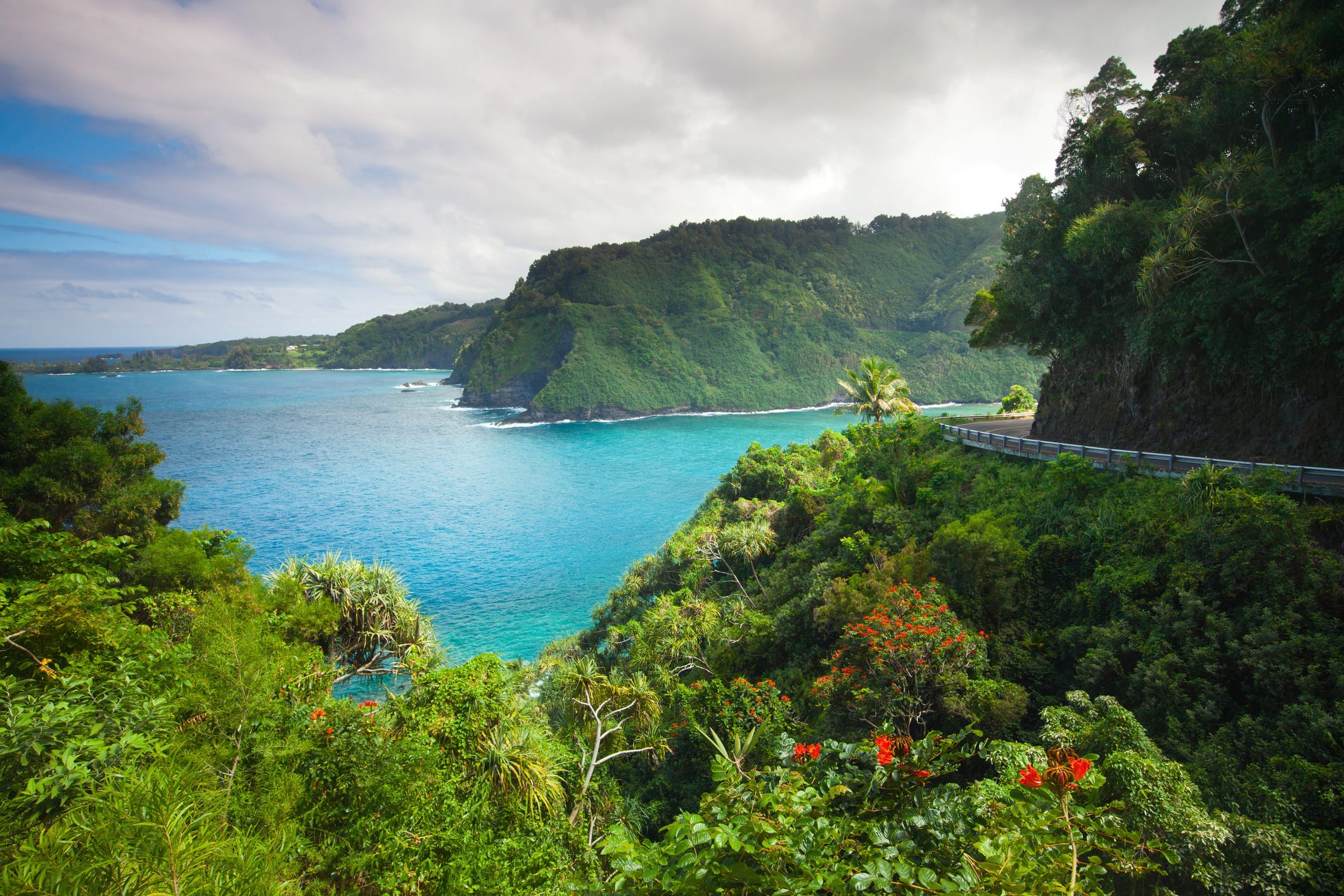
- Choose Maui: Choose Maui for a more luxurious, romantic, or tranquil escape. It's perfect for honeymooners, nature lovers prioritizing epic drives (Road to Hana) and stunning sunsets from Haleakala, and those who don't mind a slower pace and higher price tag.
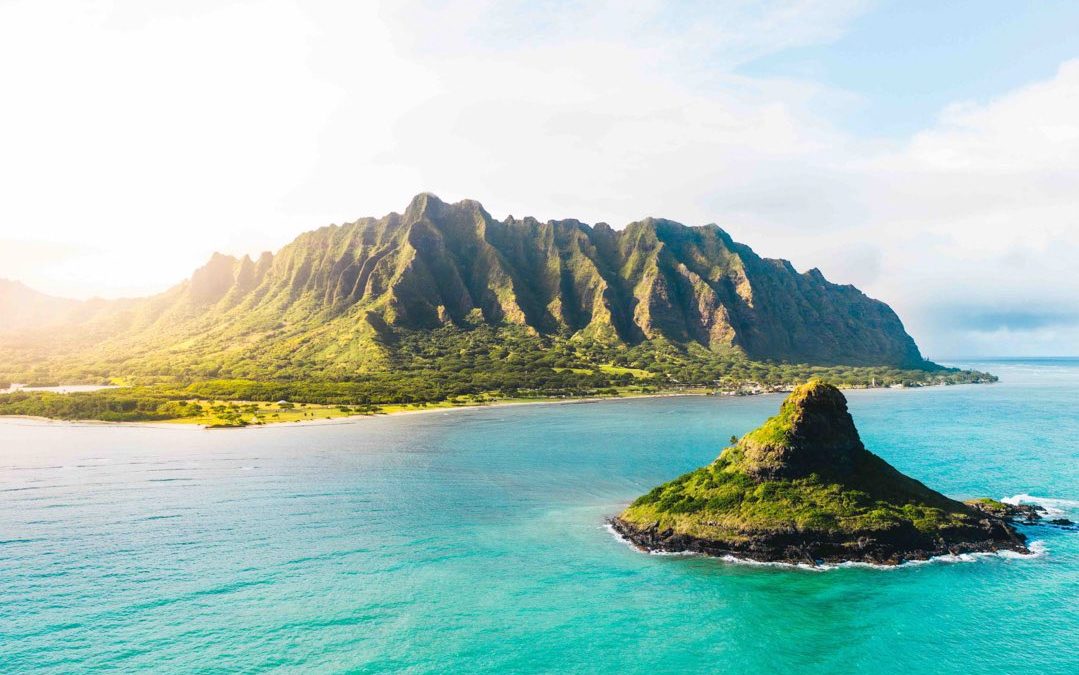
- Choose Oahu: Opt for Oahu if you want a dynamic mix of city life, world-class surfing, historical sites, and diverse culinary experiences. It's great for families, solo travelers, budget-conscious adventurers, and anyone who wants a more 'active' vacation with lots to see and do.
- Choose Both: If you have 10+ days and want the full Hawaiian experience, consider island hopping. Spend 4-5 days in Oahu for the culture and excitement, then 5-6 days in Maui for relaxation and scenic drives. Inter-island flights are quick (30-45 mins) and cost ~$60-120 USD each way.
Quick Comparison
| Category | Maui | Oahu | Winner |
|---|---|---|---|
| Beaches | Fewer, but breathtakingly beautiful and diverse. Think golden crescent bays, black sand, and red sand beaches. | Abundant, famous, and varied. From iconic Waikiki to North Shore surf breaks and secluded bays. | Tie |
| Food Scene | High-end resort dining, farm-to-table, and excellent local Hawaiian plates. | Incredibly diverse, from world-class fine dining to legendary food trucks and authentic ethnic cuisine. | Oahu |
| Nightlife | Quiet, relaxed; mostly resort bars, luaus, and sunset cruises. | Vibrant and varied, with bustling bars, clubs, live music, and diverse entertainment options. | Oahu |
| Culture & History | Focus on ancient Hawaiian legends, land-based agriculture, and whaling history. | Rich history from Polynesian arrival to monarchy, Pearl Harbor, and modern surf culture. | Oahu |
| Costs | Generally more expensive across the board for accommodation, dining, and activities. | More budget-friendly options, especially for food and some accommodations. | Oahu |
| Getting Around | Requires a rental car for most exploration; roads are scenic but can be winding. | Excellent public transport in Honolulu, but a car is ideal for exploring outside the city. | Oahu |
| Accommodation | Primarily luxury resorts, boutique hotels, and vacation rentals, often at higher price points. | Wide range from budget hostels and mid-range hotels to luxury resorts and vacation rentals. | Oahu |
| Nature & Adventure | Dramatic landscapes, scenic drives, volcanic craters, and world-class snorkeling/diving. | Iconic surf breaks, lush valleys, impressive hikes, and diverse marine life. | Maui |
| Family Friendliness | Resort-focused with calmer beaches and family-friendly activities, but generally pricier. | Wide range of activities for all ages, more diverse dining, and better infrastructure. | Oahu |
| Shopping | Upscale boutiques, resort shops, and local artisan crafts. | Everything from luxury brands and large malls to local markets and quirky boutiques. | Oahu |
🏖️ Beaches
While Oahu boasts more famous beaches like Waikiki, Lanikai, and the legendary North Shore surf spots (Sunset Beach, Pipeline), Maui's beaches, though fewer, offer unparalleled natural drama and often feel more secluded. Maui's Ka'anapali Beach is a classic resort stretch, but then you have the striking black sand of Wai'anapanapa State Park or the unique red sand beach of Kaihalulu. Oahu's beaches are more accessible and diverse in activity – you can learn to surf in Waikiki for $70-100/lesson, snorkel at Hanauma Bay (entry ~$25, reservations required), or watch big wave surfers. Maui's beaches lean into serene beauty, perfect for lounging and snorkeling off Honolua Bay. It's a tough call because they both offer world-class sands for different reasons. "Maui's beaches felt like paradise, but I loved the energy of Waikiki for people watching." It depends on if you want lively or luxurious quiet.
Winner takeaway
- Winner: Tie
- Why: It's a tie because both offer world-class beaches, but cater to different preferences: Oahu for activity and variety, Maui for dramatic beauty and tranquility.
- Who this matters for: Everyone, as beaches are a primary draw for any Hawaii trip.
🍽️ Food Scene
Oahu absolutely dominates the culinary landscape. Honolulu is a food mecca, offering everything from Michelin-level experiences in Waikiki to hole-in-the-wall gems that will blow your mind. You can find authentic Japanese ramen, Korean BBQ, Vietnamese pho, and local Hawaiian plate lunches (like from Rainbow Drive-In for ~$10-15) all within a few blocks. The North Shore food trucks, especially Giovanni's Shrimp Truck for ~$18, are legendary. Maui has fantastic high-end dining, especially in Lahaina and Wailea, with places like Mama's Fish House offering an unforgettable (and expensive, $100+ per person) experience. There are great farm-to-table options and local spots like Da Kitchen, but the sheer volume, variety, and affordability of Oahu's food scene make it the clear winner. "Honestly, the food trucks on Oahu are insane, don't even bother with fancy restaurants sometimes, the garlic shrimp is life-changing."
Winner takeaway
- Winner: Oahu
- Why: Oahu offers an unmatched diversity of cuisines, from budget-friendly food trucks to high-end dining, catering to every taste and wallet.
- Who this matters for: Foodies, budget travelers, and anyone who loves exploring local flavors.
🍹 Nightlife
If you're looking to party, Oahu is your island. Waikiki comes alive after dark with numerous bars, clubs, and live music venues, from upscale cocktail lounges to casual beachfront pubs. Downtown Honolulu and the Kaimuki neighborhood also offer a vibrant local scene. You can catch live Hawaiian music at Duke's Waikiki, dance the night away at a club in Waikiki, or enjoy a classy drink at a rooftop bar overlooking the ocean. Maui's nightlife is significantly more subdued. It primarily revolves around resort bars offering happy hour cocktails and live acoustic music. Luaus like the Old Lahaina Luau (around $250/person) are popular evening entertainment, as are sunset dinner cruises. While charming, Maui simply doesn't have the energetic club or bar scene of Oahu. "After 9 PM in Maui, everything just... stops. Oahu actually has places to go out!"
Winner takeaway
- Winner: Oahu
- Why: Oahu's bustling Waikiki and downtown Honolulu areas provide a far more active and diverse nightlife scene than Maui's resort-centric options.
- Who this matters for: Younger travelers, solo travelers, groups of friends, and anyone who enjoys evening entertainment beyond a quiet dinner.
🗿 Culture & History
Oahu is undeniably richer in terms of accessible historical and cultural sites. It's home to significant landmarks like Pearl Harbor (free entry to USS Arizona Memorial, reservations recommended), 'Iolani Palace (the only royal palace in the U.S., entry ~$28), and the Polynesian Cultural Center (full day experience from ~$100). You can explore the history of Hawaiian royalty, the impact of WWII, and diverse Polynesian cultures. Maui also has a deep history, particularly in Lahaina, which was once a whaling capital. You can visit the Baldwin Home Museum (~$7) or explore ancient petroglyphs at Olowalu, but these are less grand and fewer in number compared to Oahu's offerings. Maui provides cultural experiences through luaus and smaller community events, but Oahu's breadth and depth are unparalleled. "If you want to understand Hawaii, Pearl Harbor and 'Iolani Palace on Oahu are must-sees. Maui's history is there, but it's not as 'in your face'."
Winner takeaway
- Winner: Oahu
- Why: Oahu offers an unparalleled concentration of significant historical sites and cultural centers, providing a deeper understanding of Hawaiian and Pacific history.
- Who this matters for: History buffs, families, and those seeking educational and immersive cultural experiences.
💰 Costs
Oahu is generally more budget-friendly than Maui, though Hawaii overall is an expensive destination. On Oahu, you can find a decent hotel in Waikiki for $250-400 USD/night, while a comparable resort in Maui (e.g., Ka'anapali or Wailea) often starts at $450-700+ USD/night. Car rentals are similarly high on both islands, ranging from $60-120 USD/day depending on demand and season, but Oahu has a more robust public transport system (TheBus) if you're staying in Honolulu and limiting longer trips. Food costs are where Oahu really shines for budget travelers; the abundance of food trucks and diverse ethnic restaurants means you can eat well for $15-25 USD per meal, whereas Maui's dining often starts higher. Activities like Pearl Harbor are free (though donations appreciated) on Oahu, while Maui's popular Road to Hana or Haleakala sunrise often involve guided tours costing $100-200 USD per person. "Honestly, if you're pinching pennies, Oahu wins hands down. Maui is gorgeous but my wallet cried every day trying to eat out."
Winner takeaway
- Winner: Oahu
- Why: Oahu offers a wider range of budget-friendly accommodations, diverse and affordable food options, and more free or low-cost activities, making it more accessible.
- Who this matters for: Budget-conscious travelers, families, and solo adventurers looking to maximize their experience without breaking the bank.
🚗 Getting Around
Oahu offers more flexibility in getting around. If you're staying primarily in Waikiki and exploring Honolulu, 'TheBus' public transit system is extensive and affordable ($5.50 for a day pass), connecting many major attractions. Ride-sharing services (Uber/Lyft) are also readily available in urban areas. However, to truly explore the North Shore, East Shore, or other remote areas, a rental car (starting around $50-100 USD/day) is highly recommended. Parking in Waikiki can be expensive ($30-50/day at hotels). Maui, on the other hand, almost necessitates a rental car. Public transportation is very limited, and attractions are spread out. The famous Road to Hana, for example, is a full-day commitment requiring your own vehicle or an expensive tour. Roads are generally well-maintained, but some, like parts of the Road to Hana or the backside of West Maui, are narrow and winding. "We rented a car on Oahu for 3 days and used the bus the rest of the time. In Maui, we HAD to have a car for the whole week, no question."
Winner takeaway
- Winner: Oahu
- Why: Oahu provides more diverse transportation options, including robust public transit in urban areas, reducing the absolute necessity of a rental car for some travelers.
- Who this matters for: Budget travelers, those staying centrally, and anyone who prefers not to drive constantly.
🏨 Accommodation
Oahu offers a far broader spectrum of accommodation options. In Waikiki, you can find everything from budget-friendly hostels like Polynesian Hostel Beach Club (dorm beds from $40-60 USD) and mid-range hotels like Aston Waikiki Beach Hotel ($200-350 USD/night) to ultra-luxury resorts like The Kahala Hotel & Resort ($600-1000+ USD/night). There are also plenty of Airbnb/VRBO options. Maui's accommodation scene leans heavily towards luxury. While there are some budget motels in Kahului and vacation rentals, the main resort areas of Wailea and Ka'anapali are dominated by high-end properties such as the Grand Wailea or The Ritz-Carlton Kapalua, where nightly rates often start at $500-800 USD and easily go higher. Budget travelers will struggle more to find affordable, decent lodging on Maui. "Finding a decent hotel on Maui under $400 was a nightmare. Oahu had way more options for every price point, even if Waikiki is still pricey."
Winner takeaway
- Winner: Oahu
- Why: Oahu provides a much wider variety of accommodation types and price points, making it accessible to a broader range of budgets.
- Who this matters for: All travelers, but especially budget-conscious individuals, families, and solo travelers.
⛰️ Nature & Adventure
While both islands offer incredible natural beauty, Maui slightly edges out Oahu for sheer dramatic landscape diversity and concentrated 'wow' moments. The Road to Hana is an iconic, full-day adventure (renting a car or taking a tour for ~$150-250) with waterfalls, black sand beaches, and lush rainforests. The sunrise or sunset from Haleakala Crater (reservations needed for sunrise, free otherwise, but dress warmly!) is an otherworldly experience. Snorkeling at Molokini Crater (tours ~$100-150) is world-renowned. Oahu counters with the legendary surf breaks of the North Shore, stunning hikes like Diamond Head (entry $5/person, reservations recommended) and Manoa Falls, and the lush beauty of Waimea Valley. However, Maui's epic scale, from the lunar landscapes of Haleakala to the dense jungle of Hana, feels more immersive and raw. "Maui's natural beauty just hits different. Haleakala and the Road to Hana felt like stepping into another world, way more 'epic' than anything on Oahu for me."
Winner takeaway
- Winner: Maui
- Why: Maui offers a more concentrated array of dramatic and diverse natural landscapes, from volcanic craters to lush rainforests, providing truly epic adventure opportunities.
- Who this matters for: Nature lovers, hikers, photographers, adventurers, and those seeking awe-inspiring scenic beauty.
👨👩👧👦 Family Friendliness
Oahu is generally more family-friendly, especially for families with diverse interests or those on a tighter budget. Its wide array of activities caters to all ages: Waikiki Beach is great for gentle waves and beginner surf lessons, the Honolulu Zoo ($19/adult, $11/child) and Waikiki Aquarium ($12/adult, $5/child) offer educational fun, and the Polynesian Cultural Center provides an immersive cultural experience. Pearl Harbor is a must for older kids. Dining options are also more varied and affordable for families. Maui, while having beautiful family resorts (like Aulani, a Disney Resort & Spa) and calm beaches in Ka'anapali, often comes with a higher price tag. Activities like whale watching (seasonal, ~$70-100/person) and the Maui Ocean Center ($40/adult, $27/child) are fantastic, but the island's pace is slower, and activities like the Road to Hana can be long for young children. "Oahu had so much for our kids to do without breaking the bank. Maui felt more geared towards couples or older families who could appreciate the drives."
Winner takeaway
- Winner: Oahu
- Why: Oahu offers a greater variety of family-friendly attractions, diverse dining, and more accessible price points for families of all ages and budgets.
- Who this matters for: Families with children of all ages, from toddlers to teenagers.
🛍️ Shopping
Oahu is the undisputed champion for shopping in Hawaii. Honolulu boasts the largest outdoor shopping center in the world, Ala Moana Center, featuring hundreds of stores from high-end luxury brands (Chanel, Gucci) to department stores (Nordstrom, Macy's) and local boutiques. Waikiki's Kalakaua Avenue is lined with flagship stores, and areas like Kaimuki and Kailua offer charming local shops. You can find everything from tourist souvenirs to high fashion. Maui's shopping scene is more curated and less expansive. Lahaina's Front Street offers art galleries, souvenir shops, and some local boutiques. Whalers Village in Ka'anapali provides upscale resort shopping, and Wailea features luxury brands, but the overall variety and scale don't compare to Oahu. "If you're into serious shopping, Oahu is where it's at. Ala Moana is insane, you could spend a whole day there. Maui's shopping is cute, but limited."
Winner takeaway
- Winner: Oahu
- Why: Oahu offers an extensive and diverse shopping experience, from world-class luxury malls to local markets and unique boutiques, far surpassing Maui's options.
- Who this matters for: Fashionistas, souvenir hunters, and those who enjoy retail therapy during their travels.
❓ Frequently Asked Questions
Which island is better for a first-time visitor to Hawaii?
For a first-time visitor, Oahu often provides a more comprehensive introduction to Hawaii. It combines iconic beaches, rich history (Pearl Harbor), vibrant city life, and diverse cultural experiences, offering a taste of everything the islands have to offer. Maui is excellent for a second or third visit when you're ready for a more focused, relaxed escape.
Is it worth island hopping between Maui and Oahu?
Yes, if you have 10 days or more, island hopping between Maui and Oahu is highly recommended. It allows you to experience the best of both worlds – Oahu's dynamic culture and Maui's serene beauty. Inter-island flights are short (30-45 minutes) and relatively affordable (around $60-120 USD each way on Hawaiian Airlines or Southwest).
Which island has better snorkeling?
Both islands offer excellent snorkeling, but Maui often gets the nod for consistently clearer waters and famous spots like Molokini Crater (a partially submerged volcanic caldera) and Honolua Bay. Oahu's Hanauma Bay is world-renowned but requires reservations and entry fees. For variety and ease of access to top-tier sites, Maui is often preferred for snorkeling.
What's the best time of year to visit Maui or Oahu?
The best time to visit both islands is generally during the shoulder seasons (April-May and September-November) when the weather is pleasant, and crowds are thinner, leading to potentially lower prices. Winter (December-March) is popular for whale watching in Maui and big wave surfing on Oahu's North Shore but can be pricier and busier.
Do I need a rental car on both islands?
You will almost certainly need a rental car on Maui to explore beyond your resort, as public transport is limited. On Oahu, a rental car is highly recommended for exploring outside Honolulu (e.g., North Shore, East Coast), but if you plan to stay mostly in Waikiki, you can rely on 'TheBus' and ride-sharing services.
Which island is more 'touristy'?
Oahu, particularly Waikiki, is generally considered more 'touristy' due to its bustling urban environment, high concentration of hotels, and constant activity. Maui, while still popular with tourists, offers a more spread-out, relaxed, and less overtly commercialized experience, especially outside of the main resort areas.
Which island has better hiking?
Both islands offer fantastic hiking, but Oahu provides more diverse and accessible options, from the iconic Diamond Head trail to lush rainforest treks like Manoa Falls, and ridge hikes with breathtaking views (e.g., Koko Head Stairs). Maui's Haleakala National Park offers unique volcanic landscapes, and the Pipiwai Trail on the Road to Hana is stunning, but overall, Oahu has more variety for the average hiker.
What's the typical flight time from the mainland US to Hawaii?
Typical direct flight times from the West Coast (e.g., Los Angeles, San Francisco) to Honolulu (HNL) or Kahului (OGG) are around 5.5 to 6 hours. From the East Coast, direct flights are less common and can take 9-11 hours, often with a layover on the West Coast or in Honolulu for Maui-bound travelers.
Ready to plan your Hawaiian trip?
Get a free custom itinerary for Maui, Oahu, or both — built from real traveler insights.
🎟️ Book Tours & Experiences
Hand-picked tours and activities for both destinations — book with free cancellation
Experiences via Viator — free cancellation on most tours