How we built this comparison
This page combines traveler discussion patterns, published price ranges, flight schedules, and seasonal data to help you decide between Medellin and Buenos Aires.
- Reviewed 100+ Reddit threads from r/travel, r/solotravel, r/colombia, r/argentina, r/medellin, r/buenosaires, etc.
- Verified costs and logistics against current booking platforms (Booking.com, Airbnb, Google Flights, Numbeo) and recent traveler reports.
- Cross-referenced seasonal patterns, weather data, and currency exchange rates (official and 'blue dollar').
⚡ The TL;DR Verdict
For those seeking an incredibly vibrant, affordable, and warm-weather destination with stunning nature, Medellin is your pick, budget around $40-70/day. If you crave European grandeur, world-class cuisine, and a rich, late-night culture, Buenos Aires awaits, expect to spend $60-100+/day using the 'blue dollar' strategy.
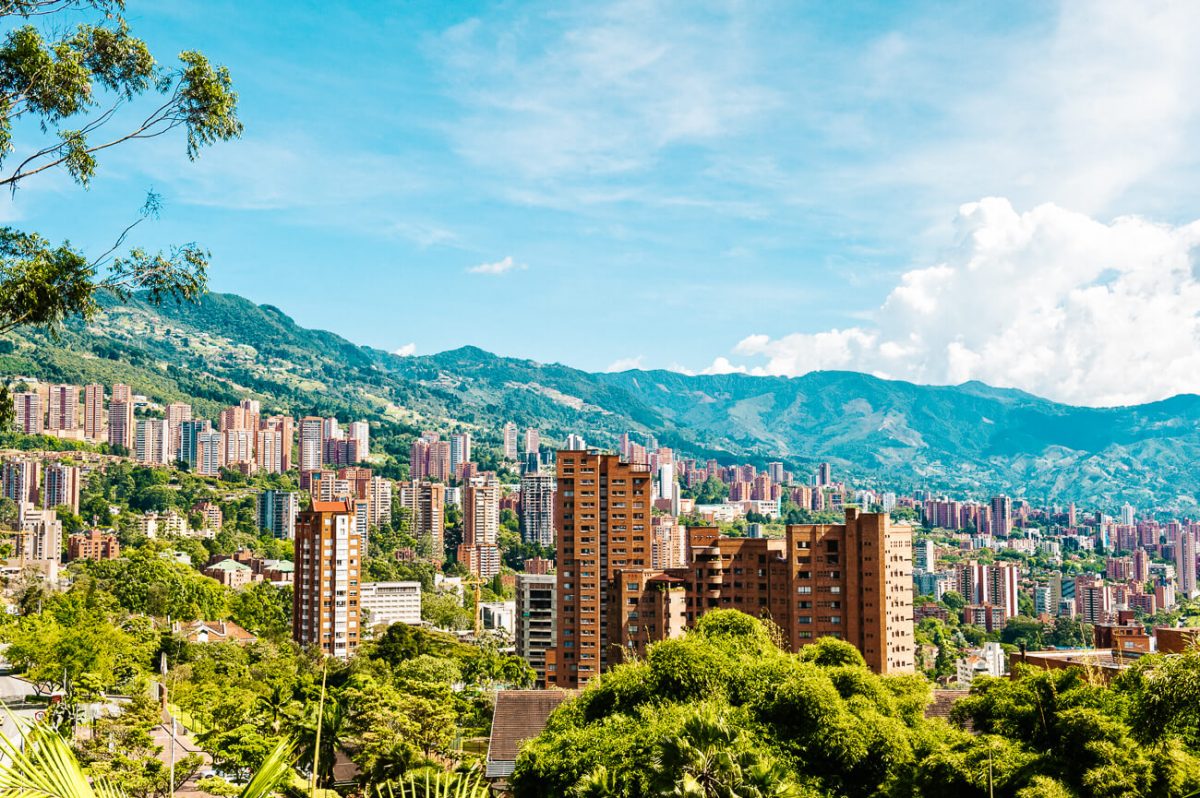
- Choose Medellin: If you prioritize a consistent 'eternal spring' climate, lush mountain views, an incredible Metro system, and a more budget-friendly experience with delicious tropical fruits and a burgeoning nightlife. Perfect for solo travelers and digital nomads seeking community.
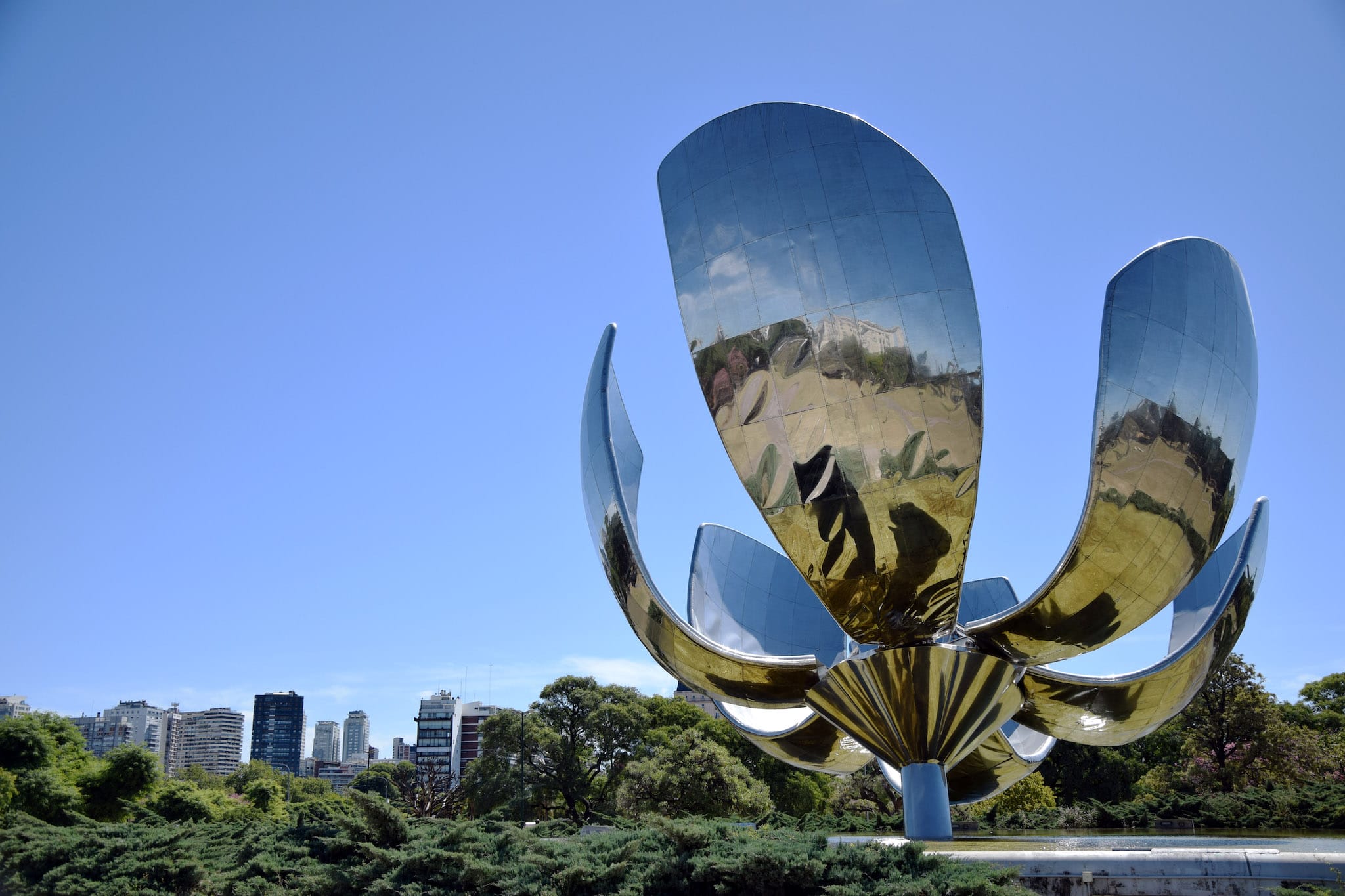
- Choose Buenos Aires: If you're drawn to grand European architecture, world-class steak and wine, passionate tango culture, extensive museums, and a sophisticated urban environment. Ideal for foodies, culture vultures, and those who love late-night dining and entertainment.
- Choose Both: For a comprehensive South American experience, combining both offers the best of both worlds. Dedicate at least 7-10 days to each city, flying between them (BOG or MDE to EZE) will take roughly 7-9 hours with layovers.
Quick Comparison
| Category | Medellin | Buenos Aires | Winner |
|---|---|---|---|
| Costs & Budget | Significantly more affordable across the board; excellent value for money. | More expensive, but strategic use of the 'blue dollar' can offer value. | Medellin |
| Nightlife | Energetic, centered around salsa, reggaeton, and electronic music in vibrant neighborhoods. | Sophisticated, diverse, with late-night tango, electronic clubs, and classic bars. | Buenos Aires |
| Food Scene | Hearty traditional dishes, incredible tropical fruits, and a rising international fusion scene. | World-renowned for steak, wine, Italian influences, and sweet treats like dulce de leche. | Buenos Aires |
| Culture & History | Focus on transformation, innovation, pre-Hispanic art, and coffee culture. | Rich European heritage, grand architecture, tango, and a vibrant arts scene. | Buenos Aires |
| Nature & Day Trips | Lush mountain landscapes, colorful towns, and accessible coffee regions. | River delta, historic estancias, and easy access to a charming Uruguayan city. | Medellin |
| Safety | Improved significantly but still requires vigilance; certain areas to avoid. | Generally safe in tourist areas but pickpocketing and petty crime are common. | Tie |
| Getting Around | Efficient, modern Metro system integrated with cable cars, plus affordable ride-shares. | Extensive bus and Subte (subway) network, but can be chaotic; ride-shares common. | Medellin |
| Digital Nomad Vibe | Thriving, established hub with a strong community, excellent infrastructure, and affordability. | Popular and vibrant, but perhaps less tailored infrastructure than Medellin's dedicated scene. | Medellin |
| Weather & Seasons | Known as the 'City of Eternal Spring' with consistent, pleasant temperatures year-round. | Four distinct seasons; hot, humid summers and cool, sometimes chilly, winters. | Medellin |
| Accommodation | Wide range of affordable hostels and modern apartments, especially in popular expat areas. | More traditional hotels and boutique stays; generally higher prices, especially for quality. | Medellin |
💸 Costs & Budget
Medellin remains one of the best value destinations in South America. A nice meal at a local spot (menu del día) can be as low as COP 15,000-25,000 (~$4-6), while a fancier dinner in El Poblado might run COP 40,000-80,000 (~$10-20). A private room in a good hostel starts around COP 40,000 (~$10), and decent Airbnb apartments are available for $30-50/night. Public transport is a steal at COP 2,950 (~$0.75) per ride. Buenos Aires, especially with recent inflation, is pricier. A good steak dinner can easily be ARS 15,000-30,000 (~$15-30 at the blue rate), and a coffee + medialuna ARS 2,000-4,000 (~$2-4). Mid-range hotels typically start from $60-100. However, using the unofficial 'blue dollar' exchange rate by exchanging USD cash for ARS can effectively cut your costs by 30-50%, making it considerably more manageable. Without it, BA can feel quite expensive. 'Medellin feels like a cheat code for travel, everything is so damn good for the price.'
Winner takeaway
- Winner: Medellin
- Why: Medellin consistently offers significantly better value for accommodation, food, and daily expenses without needing complex currency strategies.
- Who this matters for: Budget travelers, long-term backpackers, and digital nomads.
🕺 Nightlife
Medellin's nightlife is infectious, particularly in El Poblado's Provenza neighborhood and Parque Lleras, and also Laureles. Expect lively salsa clubs where everyone dances, pulsing reggaeton spots, and a growing electronic scene. Bars and clubs often stay open until 2-3 AM, with some after-hours options. A beer usually costs COP 8,000-15,000 (~$2-4) and cocktails COP 25,000-40,000 (~$6-10). Buenos Aires, on the other hand, boasts a more European-influenced, late-night culture. Palermo is the epicenter with countless bars (bares de copas) and mega-clubs (boliches) that don't even get busy until 2 AM and often close at dawn. San Telmo offers more traditional tango shows and milongas, while Recoleta provides upscale lounges. BA has a wider variety of music genres, from rock to electronic to jazz, and the pre-drinking (previa) culture is strong. 'BA nightlife is a marathon, not a sprint. You literally don't leave the house until midnight.'
Winner takeaway
- Winner: Buenos Aires
- Why: Buenos Aires offers a more diverse, sophisticated, and later-starting nightlife scene with a broader range of cultural experiences, from tango to mega-clubs.
- Who this matters for: Party-goers who thrive on late nights, diverse music, and a sophisticated urban vibe.
🍽️ Food Scene
Medellin's food scene is comforting and flavorful, deeply rooted in Paisa culture. You must try a Bandeja Paisa (a massive platter of beans, rice, ground beef, chicharrón, egg, avocado, plantain, and arepa) or an Ajiaco (a hearty chicken and potato soup). The fresh tropical fruits are exceptional and inexpensive. While traditional, Medellin is also seeing a surge in creative fusion restaurants, particularly in Provenza. Buenos Aires is a foodie paradise, especially for meat lovers. The parrillas (steakhouses) like Don Julio or La Cabrera serve incredible cuts of grass-fed beef. Empanadas, choripán, and pizzas (owing to Italian influence) are everywhere. The city's café culture is strong, and don't leave without indulging in helado (ice cream) and alfajores with dulce de leche. Expect to pay ARS 20,000-40,000 (~$20-40) for a proper steak dinner with wine. 'Honestly, I gained 5 pounds in BA just from steak and dulce de leche. No regrets.'
Winner takeaway
- Winner: Buenos Aires
- Why: Buenos Aires's culinary reputation for world-class steak, wine, and its rich Italian-influenced cuisine gives it an edge for dedicated foodies.
- Who this matters for: Foodies, carnivores, wine enthusiasts, and anyone who loves dessert.
🏛️ Culture & History
Medellin's recent history of transformation is compelling. The Comuna 13 tour, once a dangerous neighborhood, is now a symbol of urban innovation through art, music, and escalators. Plaza Botero, with Fernando Botero's voluminous sculptures, and the Museo de Antioquia offer significant cultural insights. The city also showcases a strong coffee culture and a passion for salsa. Buenos Aires is often called the 'Paris of South America' for a reason. Its European architecture is breathtaking – from the grandeur of Teatro Colón to the ornate Recoleta Cemetery (where Eva Perón is buried). San Telmo's Sunday market is a cultural institution, brimming with antiques, street performers, and tango dancers. The city has countless museums, art galleries, and historic cafés (like Café Tortoni) that transport you back in time. Tango is woven into the city's fabric, from street performances to elaborate dinner shows. 'BA just oozes history and art from every corner, it's like stepping into an old European film set.'
Winner takeaway
- Winner: Buenos Aires
- Why: Buenos Aires offers a deeper, more classical 'grand city' cultural experience with its iconic architecture, world-renowned tango, and extensive historical sites.
- Who this matters for: History buffs, architecture enthusiasts, art lovers, and those passionate about performing arts like tango.
🌳 Nature & Day Trips
Medellin is nestled in the Aburrá Valley, surrounded by verdant mountains, making nature incredibly accessible. The most famous day trip is to Guatapé, a colorful town with the iconic El Peñol rock offering panoramic views – a bus costs around COP 20,000-30,000 (~$5-8) each way. Parque Arví, a natural reserve, is easily reached via the MetroCable for just the price of a Metro ticket. Coffee farm tours are also within easy reach, offering insight into Colombia's famous brew. Buenos Aires offers different kinds of natural escapes. The Tigre Delta, a vast network of rivers and islands, is a popular half-day trip for boat tours, easily accessible by train (~ARS 500-1000/$0.5-1). You can also visit traditional estancias (ranches) for a taste of gaucho culture, though these are pricier organized tours. A unique international day trip is a ferry ride to Colonia del Sacramento in Uruguay, a charming UNESCO World Heritage site, costing around $60-100 round trip. 'Medellin's surrounding nature is just next level, Guatapé photos don't even do it justice.'
Winner takeaway
- Winner: Medellin
- Why: Medellin wins for its immediate access to dramatic, lush mountainous landscapes and iconic, easily reachable natural attractions like Guatapé.
- Who this matters for: Adventure seekers, hikers, nature photographers, and those who appreciate scenic views and outdoor activities.
🛡️ Safety
Both cities require travelers to be street smart and aware of their surroundings. Medellin has undergone a remarkable transformation and is generally safe in tourist areas like El Poblado and Laureles. However, caution is advised in less-developed areas, especially at night. Scams like 'paseo millonario' (express kidnapping) are rare but a risk if taking unauthorized taxis. Always use ride-sharing apps (Uber, Didi) or authorized taxis. Buenos Aires, while appearing very European, also has its share of petty crime. Pickpocketing is prevalent in crowded areas like San Telmo Market, La Boca, and on public transport. 'Motochorros' (thieves on motorcycles) are notorious for snatching phones and bags. As with Medellin, use ride-sharing apps or radio taxis, avoid walking alone in deserted areas at night, and be mindful of your valuables. 'Don't walk around with your phone glued to your hand in either city, honestly. Just common sense.'
Winner takeaway
- Winner: Tie
- Why: Both cities present similar safety challenges for tourists, primarily petty crime and the need for situational awareness, making it a tie in terms of requiring vigilance.
- Who this matters for: All travelers, particularly solo travelers and those new to big South American cities.
🚇 Getting Around
Medellin boasts Colombia's only Metro system, and it's a source of immense civic pride. It's clean, safe, efficient, and well-integrated with Metrocable lines that offer stunning views as they climb the hills. A single ride costs COP 2,950 (~$0.75). Ride-sharing apps like Uber and Didi are plentiful and affordable. Traffic can be an issue during peak hours, but the Metro generally bypasses it. Buenos Aires has an extensive public transport network, including the Subte (subway) and countless colectivos (buses). While comprehensive, the Subte can be hot and crowded, and buses require knowledge of routes. You'll need a Sube card (ARS 1,000-2,000 / ~$1-2 for the card, then load credit) for both. Ride-sharing apps are widely used and relatively cheap, but BA traffic is notoriously bad. 'Medellin's Metro is a dream, seriously. You can get almost anywhere and it's spotless.'
Winner takeaway
- Winner: Medellin
- Why: Medellin's Metro system is exceptionally modern, clean, efficient, and seamlessly integrated with its unique cable cars, providing a superior and more pleasant urban transit experience.
- Who this matters for: Travelers who prioritize easy, efficient, and affordable public transportation.
💻 Digital Nomad Vibe
Medellin has firmly established itself as a top digital nomad destination. El Poblado, especially Provenza, is saturated with co-working spaces (e.g., Selina, coworking spaces in The Click Clack Hotel), cafes with strong Wi-Fi, and a large, visible international community. Internet speeds are generally excellent and reliable. The 'eternal spring' climate, affordability, and the ease of meeting other remote workers make it incredibly appealing for long-term stays. Buenos Aires is also very popular with digital nomads, offering a vibrant cultural scene, excellent cafes, and a more European lifestyle. Palermo and Recoleta are prime areas for nomads, with numerous cafes suitable for working. While there are co-working spaces, the dedicated infrastructure and palpable community feel might not be as concentrated as in Medellin's most popular neighborhoods. The cost of living in BA is higher, which can impact long-term budget planning. 'Medellin is like DN central, everyone's there, super easy to find friends and a good workspace.'
Winner takeaway
- Winner: Medellin
- Why: Medellin offers a more established, concentrated, and affordable digital nomad ecosystem with a strong sense of community and excellent, dedicated infrastructure.
- Who this matters for: Digital nomads, remote workers, and those looking for a strong expat community.
☀️ Weather & Seasons
Medellin truly lives up to its nickname, 'The City of Eternal Spring.' Thanks to its elevation and equatorial proximity, the weather is remarkably consistent year-round, typically ranging from 22-28°C (72-82°F) during the day. While there are wet and dry seasons, rainfall often comes in short, heavy bursts, leaving the rest of the day pleasant. You can pack light and enjoy comfortable weather almost any time. Buenos Aires experiences four distinct seasons. Summers (December-February) are hot and humid, often reaching 30-35°C (86-95°F), which can be uncomfortable for sightseeing. Winters (June-August) are cool, with temperatures around 10-15°C (50-59°F), sometimes dropping lower, requiring warm layers. Spring and autumn are generally mild and pleasant. 'If you hate extreme weather, Medellin is your happy place. Perfect every single day.'
Winner takeaway
- Winner: Medellin
- Why: Medellin's consistent, pleasant 'eternal spring' climate makes it an ideal destination for those who prefer stable, comfortable temperatures year-round.
- Who this matters for: Travelers sensitive to extreme heat or cold, and those seeking consistent pleasant weather for outdoor activities.
🏨 Accommodation
Medellin offers excellent value for accommodation. In popular neighborhoods like El Poblado (Provenza) and Laureles, you'll find a plethora of stylish hostels with private rooms starting at COP 50,000-80,000 (~$13-20) and modern Airbnb apartments for $40-70/night. Boutique hotels are also popping up, offering great amenities at competitive prices. You can often get more space and better quality for your money compared to other major South American cities. Buenos Aires has a more traditional hotel scene, with grand, historic hotels in areas like Recoleta and micro-centro, and numerous boutique options in Palermo. While options abound, prices for comparable quality are generally higher than in Medellin. Hostels typically start from ARS 15,000-25,000 (~$15-25 using blue rate), and mid-range hotel rooms often begin at $70-120. Booking an apartment via Airbnb can offer better value for longer stays, but still expect to pay more than in Medellin. 'Found a gorgeous Airbnb in Laureles for way less than I'd pay for a basic hotel in BA.'
Winner takeaway
- Winner: Medellin
- Why: Medellin provides superior value for money in accommodation, with a wide selection of modern, comfortable, and affordable hostels and apartments.
- Who this matters for: Budget-conscious travelers, those looking for modern amenities at a lower price, and long-term stays.
❓ Frequently Asked Questions
Which city is better for solo female travelers?
Both cities require similar precautions for solo female travelers: avoid walking alone at night in unfamiliar areas, use trusted ride-sharing apps, and be aware of your surroundings. Medellin's established expat community can make it easier to meet people, while Buenos Aires offers a more independent urban exploration vibe.
What's the best way to fly between Medellin and Buenos Aires?
There are no direct flights. You'll typically fly from Medellín (MDE) to Buenos Aires (EZE) with a layover, most commonly in Bogotá (BOG), Lima (LIM), or Santiago (SCL). The total travel time, including layovers, is usually 7-9 hours. Book in advance for better prices, often around $300-600 USD round trip.
Is it safe to drink tap water in either city?
In Medellin, tap water is generally considered safe to drink and is of good quality. In Buenos Aires, tap water is also considered safe to drink and meets international standards. However, some sensitive travelers might prefer bottled water due to differences in mineral content. Always check with locals if you're unsure.
Which city has better Spanish language immersion opportunities?
Both cities offer excellent Spanish immersion. Medellin is popular for its clear accent (often considered easier to understand for learners) and numerous language schools, attracting many students. Buenos Aires has its distinct 'Rioplatense' accent (using 'vos' instead of 'tú' and 'sh' for 'll' and 'y'), which can be a unique and enriching challenge for learners. Both have strong expat communities but also ample opportunities to practice with locals.
What's the best time of year to visit each city?
Medellin is 'eternal spring,' so any time is good, though the drier months (December-February and June-August) might be slightly preferable. For Buenos Aires, aim for spring (September-November) or autumn (March-May) when the weather is mild and pleasant. Summers (December-February) can be very hot and humid, and winters (June-August) can be quite chilly.
Can I use credit cards everywhere, or do I need cash?
Credit cards are widely accepted in both cities, especially in larger establishments, hotels, and nicer restaurants. However, always carry some local currency for smaller vendors, street food, local markets, and smaller cafes. In Buenos Aires, cash (specifically USD exchanged at the 'blue rate') is highly advantageous for significant savings.
Which city is better for art and street art?
Buenos Aires offers a more traditional art scene with numerous museums and galleries (MALBA, Bellas Artes), plus a vibrant street art scene, particularly in Palermo and Colegiales. Medellin's street art is powerful and historically significant, especially in Comuna 13, which has become a living gallery of transformation and resilience.
Are there any specific cultural events I should aim to visit in either city?
In Medellin, try to visit during the 'Feria de las Flores' (Flower Festival) in August, a spectacular celebration of flowers and Paisa culture. In Buenos Aires, consider visiting during the 'Buenos Aires Tango Festival and World Cup' in August, or catch a football match (Boca Juniors vs River Plate) for an unforgettable local experience.
Ready to plan your South American adventure?
Get a free custom itinerary for Medellin, Buenos Aires, or both — built from real traveler insights.
🎟️ Book Tours & Experiences
Hand-picked tours and activities for both destinations — book with free cancellation
Experiences via Viator — free cancellation on most tours