How we built this comparison
This page combines traveler discussion patterns, published price ranges, flight schedules, and seasonal data to help you decide between Mendoza and Buenos Aires.
- Reviewed 50+ Reddit threads from r/travel, r/solotravel, r/Argentina, r/BuenosAires, and r/Mendoza for authentic traveler experiences and advice.
- Verified costs and logistics against current booking platforms (e.g., Google Flights, Booking.com, local tour operators) and recent traveler reports (early 2024).
- Cross-referenced seasonal patterns and weather data with local insights to provide accurate 'best time to visit' recommendations.
⚡ The TL;DR Verdict
For those craving bustling city life, rich history, and non-stop energy with a mid-range daily budget of $70-120 USD, Buenos Aires is your pick. If you're after a relaxed pace, world-class wine, and stunning mountain views on a slightly lower budget of $60-100 USD, Mendoza is calling. Both offer incredible value for money, but cater to different travel styles.
- Choose Mendoza: You're a wine lover, an outdoor enthusiast, or seeking a tranquil escape with breathtaking mountain vistas and gourmet dining experiences.
- Choose Buenos Aires: You thrive in vibrant cities, yearn for tango, intricate history, grand architecture, world-class dining, and a buzzing nightlife.
- Choose Both: If you have 10-14 days, combine them! Start with 5-7 days in BA to soak up the culture, then fly to Mendoza for 4-6 days of wine and nature, offering a perfectly balanced Argentine adventure.
Quick Comparison
| Category | Mendoza | Buenos Aires | Winner |
|---|---|---|---|
| Food & Wine Scene | Epicenter of Malbec wine, farm-to-table dining, and traditional asado. | Global culinary hub with diverse international cuisine, renowned parrillas, and café culture. | Mendoza |
| Nightlife & Entertainment | Lively bar scene on Aristides Villanueva, more laid-back evenings focused on dining. | One of the world's best nightlife cities, with late-night clubs, tango shows, and diverse bars. | Buenos Aires |
| Culture & History | Focus on natural history, indigenous cultures, and the history of winemaking. | Rich European heritage, tango, grand architecture, and a passionate, complex history. | Buenos Aires |
| Costs & Budget | Generally slightly more affordable than BA, especially for dining and activities outside wine tours. | Overall more expensive due to higher demand and cosmopolitan nature, but still great value for a major city. | Mendoza |
| Getting Around | Walkable city center, taxis/remis for longer distances, private drivers for wine tours. | Extensive public transport (Subte, colectivos), very walkable, ride-sharing apps. | Buenos Aires |
| Accommodation Options | Boutique hotels, charming guesthouses in wine regions, budget-friendly hostels in the city. | Vast range from luxury hotels to trendy boutique stays, hostels, and Airbnb apartments across diverse neighborhoods. | Buenos Aires |
| Day Trips & Nature | Gateway to the Andes, Aconcagua, stunning high mountain routes, thermal baths, outdoor adventures. | Tigre Delta's waterways, Colonia del Sacramento (Uruguay), local parks. | Mendoza |
| Weather & Best Seasons | Dry, sunny climate; hot summers, mild winters with clear skies. | Humid summers, mild winters, pleasant spring and autumn. | Mendoza |
| Safety & Vibe | Generally very safe and relaxed, small-town feel, friendly locals. | Major metropolitan city with typical urban challenges, but generally safe in tourist areas with awareness. | Mendoza |
| Solo Travel Appeal | Easy to join wine tours, social hostels, peaceful atmosphere, great for introverts. | Highly social, easy to meet people, abundant activities, great for extroverts. | Buenos Aires |
🍷 Food & Wine Scene
Mendoza is undeniably the king of wine in Argentina, with over 1,500 wineries. A full-day bike and wine tour in Maipú or Luján de Cuyo can cost around ARS 30,000-60,000 ($30-60 USD) including tastings and lunch. Prestigious wineries like Catena Zapata or Zuccardi Valle de Uco offer premium tastings and multi-course lunches for ARS 50,000-120,000 ($50-120 USD), an unforgettable experience. Beyond wine, Mendoza boasts fantastic, value-for-money steakhouses (parrillas) and authentic regional dishes. Buenos Aires offers a much broader culinary landscape, from iconic parrillas like Don Julio (expect to pay ARS 80,000+ / $80+ USD for a full meal with wine) and La Cabrera, to inventive fusion restaurants in Palermo. Their café culture is legendary, and you’ll find everything from Italian to Peruvian. While BA has amazing food, Mendoza's unique combination of world-class wine experiences right at your fingertips, paired with incredible local cuisine, gives it the edge for a specific type of foodie. As one Redditor put it, “Mendoza's wine tours are what you dream about. BA food is great, but the Mendoza winery experience is just next level.”
Winner takeaway
- Winner: Mendoza
- Why: Mendoza's unparalleled access to world-class wineries and vineyard dining makes it a unique culinary destination focused on wine.
- Who this matters for: Wine connoisseurs, gourmands, and those seeking a relaxed, scenic dining experience.
🕺 Nightlife & Entertainment
Buenos Aires truly never sleeps. The nightlife in neighborhoods like Palermo Soho and Hollywood offers everything from trendy cocktail bars (e.g., Florería Atlántico, Harrison Speakeasy where drinks are ARS 7,000-15,000 / $7-15 USD) to massive electronic clubs that go until dawn (e.g., Niceto Club, admission ARS 5,000-10,000 / $5-10 USD). Tango shows, ranging from tourist-friendly dinner shows like Esquina Carlos Gardel (ARS 100,000+ / $100+ USD) to authentic milongas (ARS 2,000-5,000 / $2-5 USD cover), are a staple. Mendoza's nightlife is centered around Aristides Villanueva street, packed with bars, pubs, and casual eateries. It's a fun, social scene, especially on weekends, but it’s significantly smaller and earlier than BA's. You'll find good craft beer spots and places to enjoy a Malbec, but you won't find the same scale of clubs or variety of entertainment. For a traveler looking for a vibrant, diverse, and truly late-night party scene, BA is the undisputed champion. “BA's nightlife is insane, you can literally party till 6 AM. Mendoza is more for chilling with wine,” a traveler once shared.
Winner takeaway
- Winner: Buenos Aires
- Why: Buenos Aires offers an unmatched scale, variety, and late-night energy with everything from world-class clubs to authentic tango.
- Who this matters for: Party-goers, late-nighters, dance enthusiasts, and those seeking diverse evening entertainment.
🏛️ Culture & History
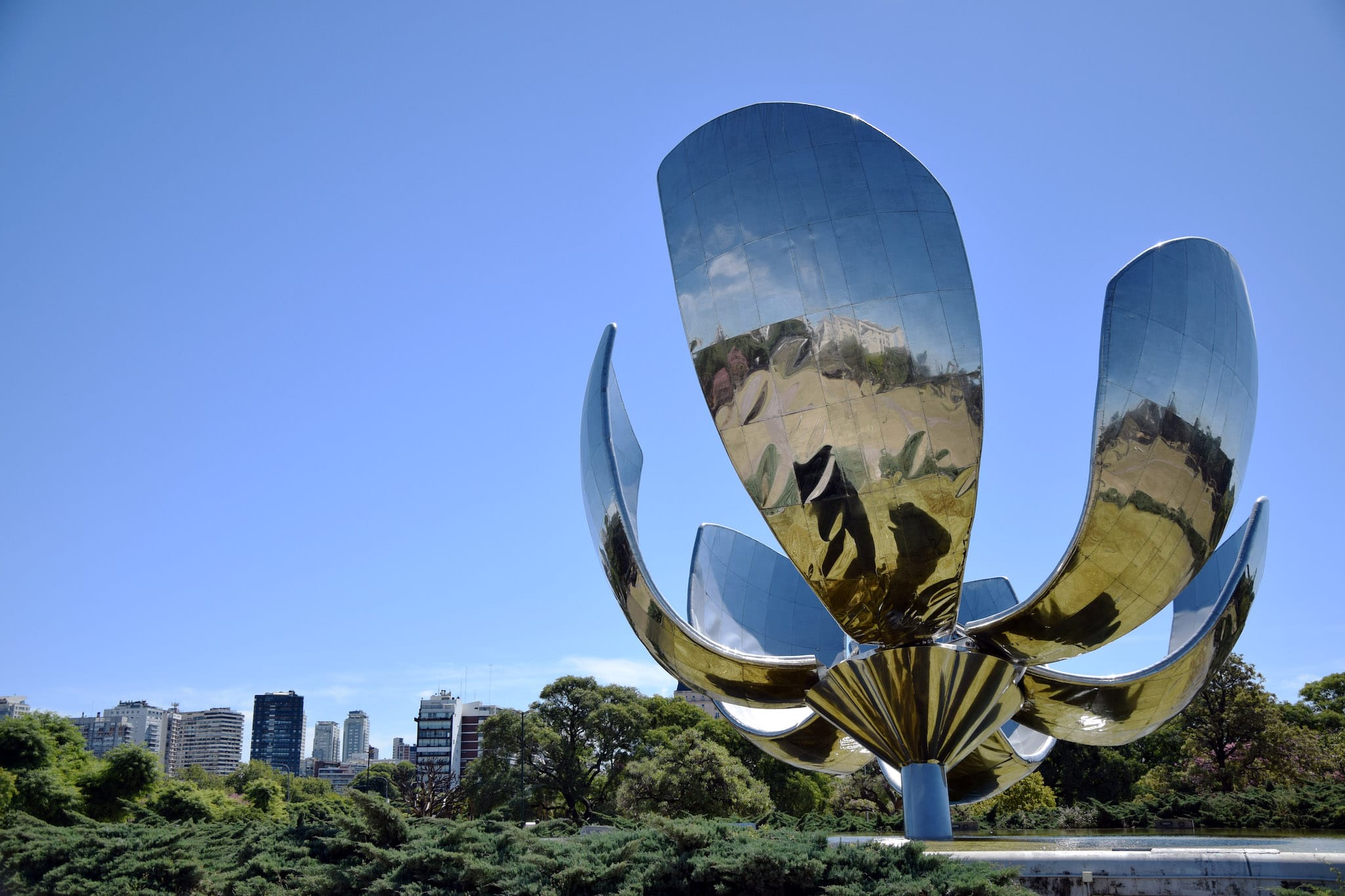
Buenos Aires is a living museum, often dubbed the 'Paris of South America.' Its history is palpable in every grand avenue, from the Recoleta Cemetery (free entry, guided tours ARS 5,000-10,000 / $5-10 USD) and its ornate mausoleums to the Casa Rosada in Plaza de Mayo, the epicenter of Argentine political life. World-class museums like MALBA (Latin American Art Museum of Buenos Aires, ARS 8,000 / $8 USD entry) and the National Museum of Fine Arts showcase incredible collections. Tango is deeply ingrained in the city's soul, with street performances, milongas, and elaborate shows. Mendoza's cultural scene, while present, is more understated. The city's history is tied to the independence movement (General San Martín Park is a key site) and, of course, viticulture. You'll find museums dedicated to natural sciences and indigenous heritage, but they don't compare to the sheer depth and breadth of BA's offerings. For a deep dive into Argentine history, art, and the iconic tango, Buenos Aires is an obvious winner. “BA is literally dripping with history and art. Every corner has a story. Mendoza is pretty, but it’s not the same scale,” according to a Reddit user.
Winner takeaway
- Winner: Buenos Aires
- Why: Buenos Aires's grand architecture, world-class museums, tango heritage, and historical significance create an unparalleled cultural experience.
- Who this matters for: History buffs, art lovers, architecture enthusiasts, and those fascinated by tango and European-influenced culture.
💸 Costs & Budget
Both destinations offer excellent value compared to North America or Europe, but Mendoza generally comes out slightly cheaper. A decent hostel bed in Mendoza might cost ARS 10,000-20,000 ($10-20 USD), while in Buenos Aires, it's closer to ARS 15,000-25,000 ($15-25 USD). Mid-range hotel rooms in Mendoza can be found for ARS 40,000-70,000 ($40-70 USD), while BA averages ARS 60,000-100,000 ($60-100 USD). Eating out in Mendoza, outside of high-end winery lunches, is very affordable; a quality steak dinner can be ARS 15,000-30,000 ($15-30 USD). In BA, similar quality might be ARS 20,000-40,000 ($20-40 USD). Public transport is cheaper in BA, but Mendoza is more walkable or uses affordable taxis/remis. The main exception is luxury wine experiences in Mendoza, which can add up quickly. However, for everyday expenses, Mendoza edges out BA. Always use blue dollar exchange rates for cash to maximize your budget. “Mendoza felt like a steal compared to BA, especially for food and local wines. You get so much more for your peso,” a traveler commented.
Winner takeaway
- Winner: Mendoza
- Why: Mendoza offers slightly lower costs for accommodation, daily meals, and local activities, providing excellent value for budget-conscious travelers.
- Who this matters for: Budget travelers, backpackers, and those looking to stretch their travel funds further.
🗺️ Getting Around
Buenos Aires boasts an incredibly efficient and affordable public transport system. The Subte (subway) covers most key areas, and colectivos (buses) reach everywhere else. You'll need a SUBE card (ARS 1,000-2,000 / $1-2 USD, loadable with cash) for both. Ride-sharing apps like Uber and Cabify are widely available and reasonably priced. Many central neighborhoods are also very walkable. Mendoza's city center is quite walkable, but to explore the wine regions (Luján de Cuyo, Maipú, Uco Valley) or go into the mountains, you'll need transport. Taxis and remis (private hired cars) are common, but for winery tours, a private driver (ARS 80,000-150,000 / $80-150 USD per day) or organized tour is highly recommended. Biking is popular in Maipú but limited for wider exploration. While Mendoza is manageable, BA's sheer ease and affordability of navigating a massive city via public transport and ride-shares make it superior for independent exploration. “Getting around BA with the Subte and buses is a breeze, just get a SUBE card. Mendoza you kinda need to plan more for wine regions,” a Reddit user advised.
Winner takeaway
- Winner: Buenos Aires
- Why: Buenos Aires's comprehensive and affordable public transport system, combined with walkability, makes it incredibly easy to explore independently.
- Who this matters for: Independent travelers, those who prefer public transit, and visitors without access to a private vehicle.
🏨 Accommodation Options
Buenos Aires offers an overwhelming array of accommodation to suit every budget and style. From luxurious hotels in Recoleta (e.g., Alvear Palace, rooms ARS 300,000+ / $300+ USD) to trendy boutique stays in Palermo (e.g., Home Hotel, ARS 100,000-200,000 / $100-200 USD), and countless hostels (e.g., Milhouse Hostel, ARS 15,000-25,000 / $15-25 USD) and Airbnb apartments in popular areas like San Telmo or Belgrano. The sheer volume means more competitive pricing and diverse neighborhood vibes. Mendoza also has excellent options, particularly the charming boutique hotels and estancias nestled within the wine regions like Chacras de Coria or Luján de Cuyo (e.g., Entre Cielos, ARS 150,000-300,000 / $150-300 USD), which offer an immersive wine country experience. The city center has standard hotels and a good selection of hostels. However, for sheer choice, availability, and the ability to pick a neighborhood that perfectly matches your travel style (e.g., Palermo for nightlife, Recoleta for elegance, San Telmo for bohemian charm), Buenos Aires wins. “BA just has endless options, whether you want a fancy hotel or a cheap hostel, you'll find it for your vibe. Mendoza is good but more limited,” a Reddit review noted.
Winner takeaway
- Winner: Buenos Aires
- Why: Buenos Aires provides a far greater variety of accommodation options across all price points and styles, catering to every traveler's preference and budget.
- Who this matters for: Travelers with specific accommodation preferences, luxury seekers, and those who want to experience different neighborhood vibes.
🏞️ Day Trips & Nature
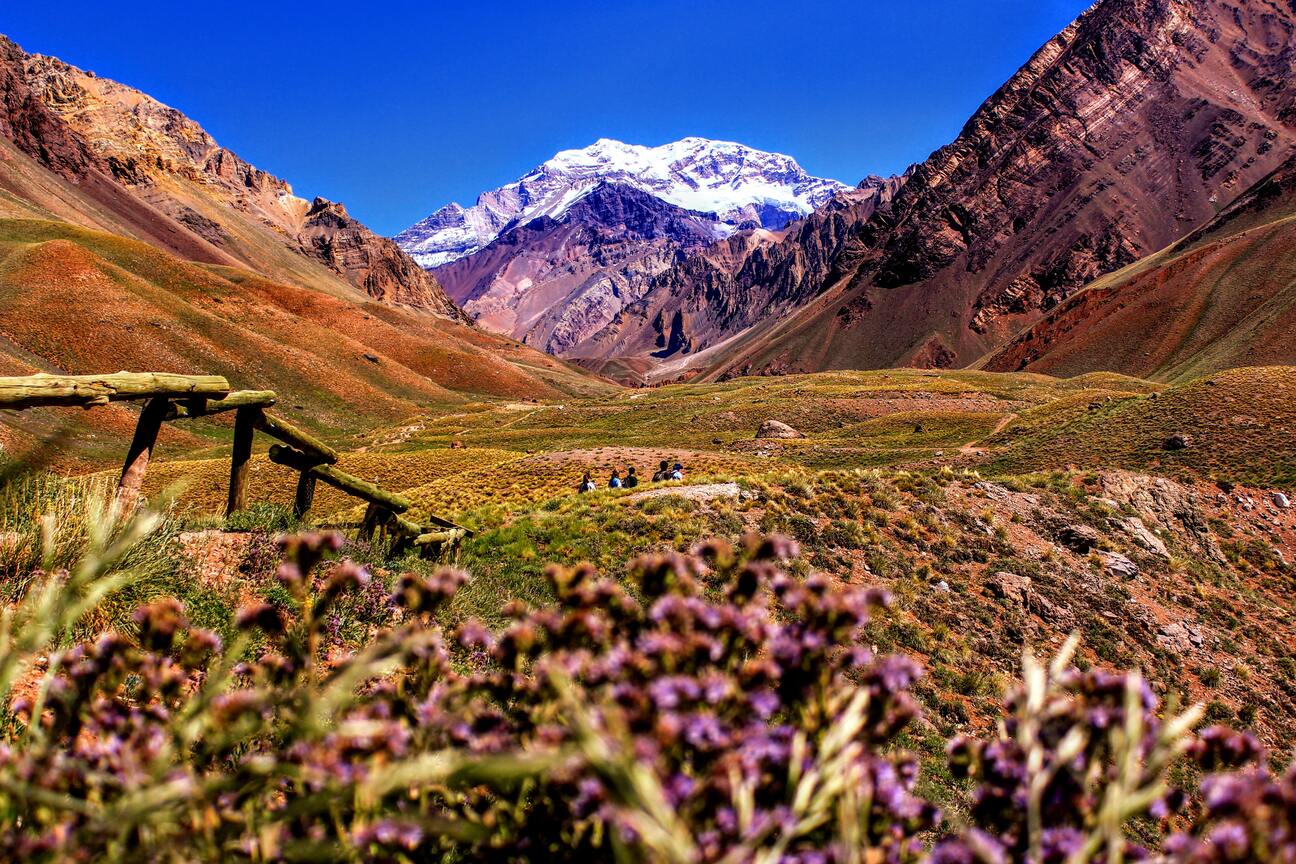
Mendoza is the undisputed champion for nature and outdoor adventures. It's the gateway to the majestic Andes Mountains. A full-day 'High Mountain Tour' (Ruta de Alta Montaña) will take you through breathtaking landscapes, including the Aconcagua Provincial Park (entry ARS 5,000-10,000 / $5-10 USD, depending on season/route), Puente del Inca, and Uspallata, costing around ARS 40,000-70,000 ($40-70 USD) for a guided tour. Rafting on the Mendoza River, horseback riding, and hiking are also popular. Thermal baths (like Termas de Cacheuta, entry ARS 20,000-35,000 / $20-35 USD) offer relaxation with mountain views. Buenos Aires's day trip options are more focused on cultural or river experiences. The Tigre Delta, a beautiful network of waterways and islands, is a popular escape (train fare ARS 500 / $0.50 USD, boat tours ARS 5,000-15,000 / $5-15 USD). A popular day trip also involves a ferry to Colonia del Sacramento in Uruguay (ARS 40,000-80,000 / $40-80 USD round trip). While both are enjoyable, Mendoza's proximity to the unparalleled grandeur of the Andes makes it a clear winner for nature lovers. “Mendoza’s mountains are absolutely insane. Nothing in BA even comes close for natural beauty,” one Redditor remarked.
Winner takeaway
- Winner: Mendoza
- Why: Mendoza offers direct access to the stunning Andes Mountains, providing unparalleled opportunities for hiking, rafting, and scenic drives.
- Who this matters for: Outdoor adventurers, nature photographers, hikers, and those seeking mountain landscapes.
☀️ Weather & Best Seasons
Mendoza boasts a fantastic, arid climate with over 300 days of sunshine a year. Summers (Dec-Feb) are hot and dry, often reaching 30-35°C (86-95°F), perfect for pool time after wine tastings. Winters (Jun-Aug) are mild and sunny, usually 10-20°C (50-68°F), with chilly nights, and it's a great time for mountain views with snow-capped peaks in the distance. Spring (Sep-Nov) and Autumn (Mar-May) offer ideal temperatures (20-28°C / 68-82°F) for exploring wineries, with autumn bringing beautiful fall foliage in the vineyards. Buenos Aires has a more humid subtropical climate. Summers are hot and often very humid, with temperatures regularly exceeding 30°C (86°F) and occasional thunderstorms. Winters are mild (10-18°C / 50-64°F) but can be damp and cloudy. Spring and autumn are generally the most pleasant times to visit BA, with comfortable temperatures and less humidity. For consistently sunny, dry weather, especially appealing for outdoor activities and vineyard visits, Mendoza's climate is more reliably pleasant. “Mendoza weather is just *chef’s kiss* almost always sunny, even in winter. BA can be stifling humid in summer,” a traveler noted.
Winner takeaway
- Winner: Mendoza
- Why: Mendoza's consistently dry, sunny, and pleasant climate, especially its comfortable spring and autumn, is ideal for outdoor activities and vineyard exploration.
- Who this matters for: Travelers sensitive to humidity, those seeking reliable sunshine, and visitors planning extensive outdoor activities.
🚨 Safety & Vibe
Mendoza generally feels safer and has a more relaxed, small-town vibe compared to Buenos Aires. Petty crime is less prevalent, and travelers often feel comfortable walking around the city center and even in surrounding areas like Chacras de Coria after dark, although standard precautions should always apply. The locals are known for being friendly and welcoming, contributing to a very laid-back atmosphere. Buenos Aires, as a sprawling metropolis of over 3 million people, requires more vigilance. While tourist areas like Palermo, Recoleta, and San Telmo are generally safe during the day, petty theft (pickpocketing, snatch-and-grab) is common, especially in crowded areas or on public transport. Flashy jewelry, expensive phones, and visible cash should be avoided. Certain neighborhoods are best avoided after dark or explored with caution. While BA's vibrant energy is part of its charm, Mendoza offers a noticeably more tranquil and secure environment for travelers. “Mendoza felt incredibly safe, I walked everywhere without a worry. BA, I was always a bit more on edge, especially at night,” a Reddit user shared.
Winner takeaway
- Winner: Mendoza
- Why: Mendoza offers a significantly more relaxed and safer environment, with lower rates of petty crime and a friendly, welcoming atmosphere.
- Who this matters for: Solo travelers, families, and those who prioritize feeling secure and having a peaceful travel experience.
🚶♀️ Solo Travel Appeal
Buenos Aires is fantastic for solo travelers, especially those who enjoy meeting new people and being constantly stimulated. The city has a thriving hostel scene (e.g., Che Lagarto, Selina), numerous walking tours (many are free, tip-based), language exchange events, and a vibrant nightlife that makes it easy to connect with other travelers and locals. There's always something to do, see, or experience independently, from a tango lesson (ARS 5,000-10,000 / $5-10 USD for a group class) to exploring diverse neighborhoods. Mendoza is also solo-friendly, particularly if you enjoy a more relaxed pace. It's easy to join group wine tours or high mountain tours, which are great for meeting people (tours typically ARS 30,000-70,000 / $30-70 USD). Hostels here are also social, but the overall energy is calmer. If you're an introvert seeking peace and beautiful scenery, Mendoza is great. But for sheer opportunities to socialize, constant activity, and ease of navigating a city on your own, BA is hard to beat. “As a solo traveler, BA was amazing for meeting people at hostels and on walking tours. Mendoza was great for peace, but I had to try harder to find company,” a solo traveler mentioned on Reddit.
Winner takeaway
- Winner: Buenos Aires
- Why: Buenos Aires offers a more dynamic and social environment for solo travelers, with endless opportunities to meet people and engage in activities.
- Who this matters for: Extroverted solo travelers, those looking to meet other travelers, and individuals seeking constant activity and stimulation.
❓ Frequently Asked Questions
How long should I spend in Mendoza vs. Buenos Aires?
For Buenos Aires, allocate at least 4-6 full days to cover the main neighborhoods, museums, tango, and nightlife. Mendoza warrants 3-4 full days to properly enjoy the wine regions and perhaps a mountain tour, without feeling rushed.
Can I visit both Mendoza and Buenos Aires on a short trip?
If you have 7-9 days, you can do both, but it will be a bit fast-paced. Consider 4-5 days in BA and 3-4 days in Mendoza. Flights between the two are about 2 hours, costing roughly ARS 40,000-100,000 ($40-100 USD) each way.
Is it worth flying or taking a bus between Buenos Aires and Mendoza?
Definitely fly. The bus journey is over 12 hours and while it's cheaper (ARS 30,000-60,000 / $30-60 USD), it's a significant time commitment. Flights are quick (2 hours) and often quite affordable, especially on budget carriers like Flybondi or JetSmart.
What's the best way to do a wine tour in Mendoza?
There are several ways: guided group tours (most common), hiring a private driver for the day, or renting a bike in Maipú for self-guided exploration. For the Uco Valley, a private driver or organized tour is highly recommended due to distances.
Do I need to speak Spanish in either city?
While Spanish is helpful, you can get by with English in major tourist areas, hotels, and popular restaurants in both cities. Learning a few basic phrases will significantly enhance your experience and is always appreciated by locals.
What are the essential experiences in each city?
In Buenos Aires, don't miss a tango show, exploring Recoleta Cemetery, wandering Palermo Soho, and enjoying a classic parrilla. In Mendoza, a full-day wine tour, experiencing an authentic asado, and a trip into the Andes are must-dos.
Which city is better for families with children?
Mendoza might be slightly better due to its calmer pace, safer feel, and outdoor activities like parks and horseback riding. Buenos Aires offers more museums and cultural attractions but can be overwhelming with young children due to its size and crowds.
What are the common scams to watch out for in Buenos Aires?
Be aware of 'bird poo' scams, fake taxis (always use radio taxi, Uber/Cabify, or official airport transfers), and pickpockets in crowded areas. Always exchange money at reputable 'cuevas' (unofficial money changers) if using blue dollar, or stick to ATMs if you prefer convenience over best rates.
Ready to plan your Argentina trip?
Get a free custom itinerary for Mendoza, Buenos Aires, or both — built from real traveler insights.
🎟️ Book Tours & Experiences
Hand-picked tours and activities for both destinations — book with free cancellation
Experiences via Viator — free cancellation on most tours