How we built this comparison
This page combines traveler discussion patterns, published price ranges, flight schedules, and seasonal data to help you decide between Mendoza and Salta.
- Reviewed 70+ Reddit threads from r/travel, r/solotravel, r/Argentina, and r/argentinatrip for real traveler experiences and advice.
- Verified costs and logistics against current booking platforms (e.g., Google Flights, Booking.com, local tour operators) and recent economic data for Argentina's fluctuating currency.
- Cross-referenced seasonal patterns, weather data, and local event calendars to provide optimal timing recommendations.
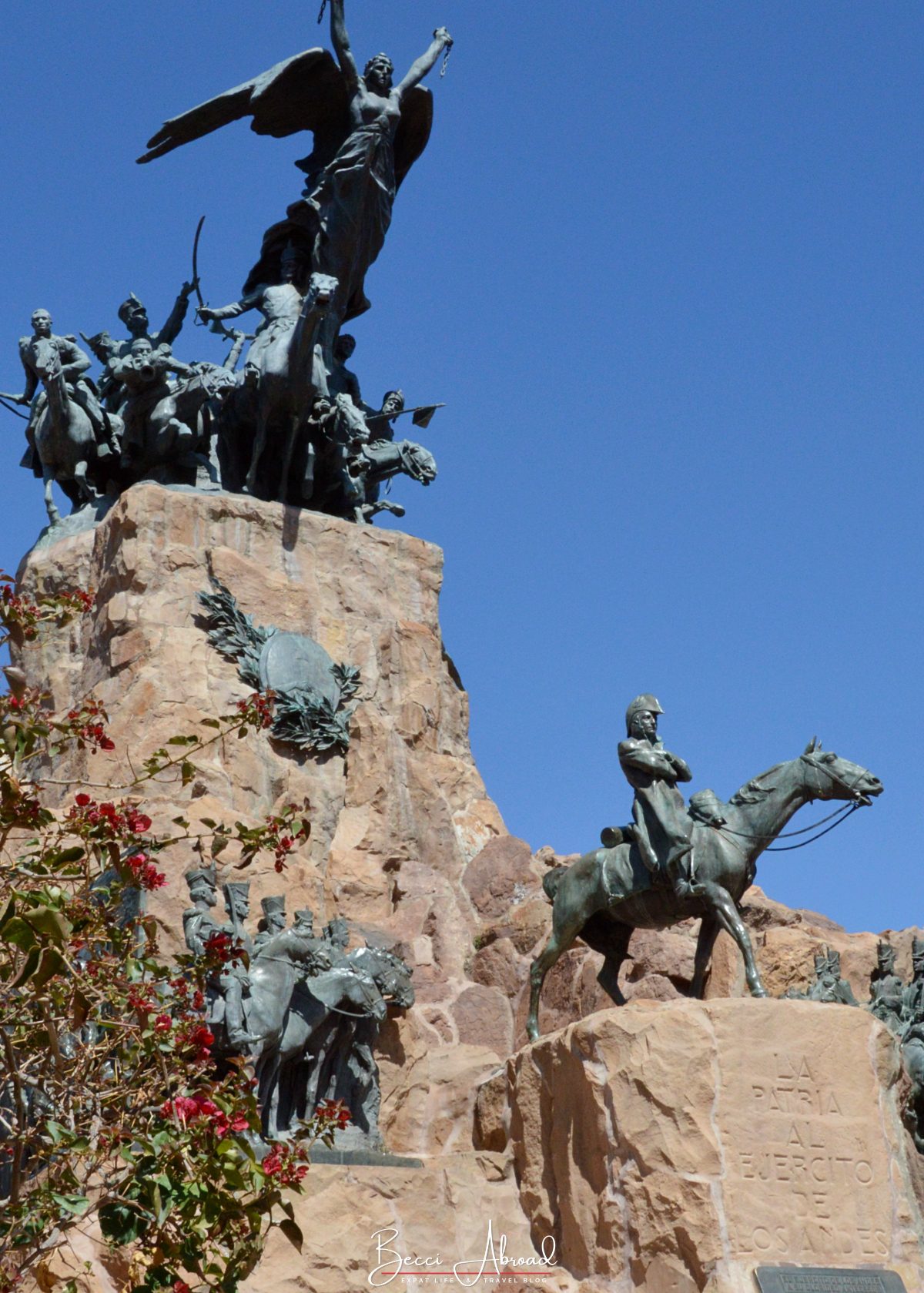
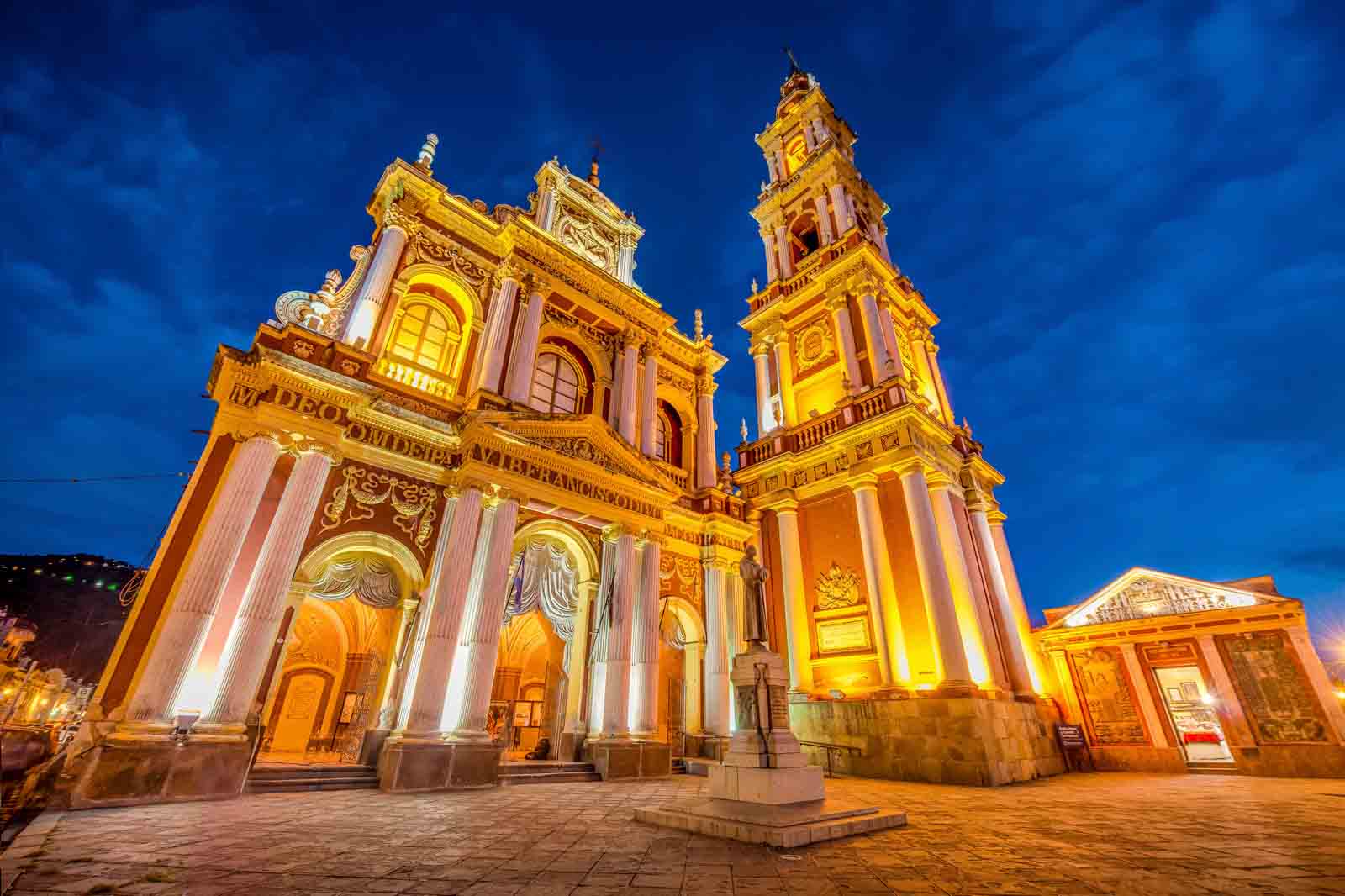
⚡ The TL;DR Verdict
Choose Mendoza for a sophisticated, food-and-wine focused trip with stunning mountain backdrops, ideal for couples or friends seeking relaxation and gourmet experiences, budget roughly $80-$150 USD/day. Opt for Salta if you crave adventure, diverse indigenous culture, and breathtaking desert scenery, perfect for solo explorers or road-trippers on a $60-$120 USD/day budget.
- Choose Mendoza: If your ideal vacation involves cycling through vineyards, savoring Malbec with mountain views, and enjoying upscale dining, Mendoza is your spot. It's a bit more polished and caters well to those seeking a refined experience.
- Choose Salta: If you're drawn to dramatic multi-colored mountains, ancient Incan routes, authentic folklore, and a more rugged, adventurous vibe, Salta and its surrounding region will captivate you. It's great for those who love road trips and exploring diverse landscapes.
- Choose Both: Absolutely do both if you have 10-14 days! They offer incredibly distinct experiences. Fly Buenos Aires to Mendoza (2h), then Mendoza to Salta (requires a connection, ~4-6h travel time), or bus between them for a truly epic overland journey (18-24h, not recommended unless you love long bus rides).
Quick Comparison
| Category | Mendoza | Salta | Winner |
|---|---|---|---|
| Nature & Scenery | Andes Mountains, high-altitude deserts, vineyards, Aconcagua Provincial Park. | Multi-colored mountains, high-altitude deserts, salt flats, quebradas (gorges), red rock formations. | Salta |
| Food & Wine | World-renowned Malbec wines, high-end gastronomy, Parrillas, olive oil, dried fruits. | Regional empanadas, locro, tamales, torrontés wine (Cafayate), more rustic cuisine. | Mendoza |
| Culture & History | Spanish colonial history, General San Martín's legacy, modern wine culture. | Indigenous heritage, colonial architecture, vibrant folklore, pre-Incan ruins, Puna culture. | Salta |
| Costs & Budget | Generally more expensive due to wine tourism, upscale dining, and organized tours. | More budget-friendly for food and accommodation, but car rental for day trips adds up. | Tie |
| Getting There & Around | Direct flights from Buenos Aires. Wineries accessible by bike, bus, taxi/ride-share. | Direct flights from Buenos Aires. Best explored by rental car or organized tours for surrounding regions. | Mendoza |
| Day Trips & Activities | Wine tours (cycling, horseback), high-mountain excursions, olive oil tastings, rafting. | Quebrada de Humahuaca, Cafayate wine region, Salinas Grandes, Tren a las Nubes. | Salta |
| Nightlife & Social Scene | Lively bar scene, craft breweries, sophisticated restaurants, some clubs. | Traditional peñas (folklore music), more relaxed bar scene, fewer clubs. | Mendoza |
| Accommodation | Upscale hotels, boutique wineries with lodging, good selection of hostels and guesthouses. | Well-preserved colonial hotels, charming guesthouses, rural stays (estancias), hostels. | Mendoza |
| Solo Travel & Safety | Generally safe, easy to meet people on tours, good public transport, walkable city. | Generally safe, easy to join tours for region, smaller city feels safer, but regional travel can be isolated. | Tie |
| Weather & Best Season | Arid climate, hot summers, mild winters, warm springs/autumns. Best: Spring/Autumn. | Subtropical climate, hot/humid summers with rain, dry mild winters. Best: Autumn/Winter. | Tie |
⛰️ Nature & Scenery
Mendoza's scenery is dominated by the majestic Andes, offering dramatic snow-capped peaks (including Aconcagua, the highest outside the Himalayas) and the lush green of its sprawling vineyards. It’s undeniably beautiful, especially at sunset over the Uco Valley. However, Salta and the wider Northwest region truly excel in sheer diversity and 'wow' factor. You'll encounter the surreal landscapes of the Quebrada de Humahuaca (a UNESCO World Heritage site) with its Cerro de los Siete Colores in Purmamarca, the vibrant red rock formations of Quebrada de las Conchas near Cafayate, and the vast, shimmering Salinas Grandes salt flats. It's like driving through a geological art gallery. While Mendoza has its moments of grandeur, Salta's landscapes are more varied, colorful, and unique. 'Salta's landscapes are just unreal, like Mars, especially driving through Cafayate and the Quebrada. Mendoza is beautiful but Salta is just mind-blowing.' Aconcagua is impressive, but for a constant barrage of diverse natural wonders, Salta takes the crown.
Winner takeaway
- Winner: Salta
- Why: Salta offers a wider, more varied, and uniquely colorful spectrum of natural landscapes, from vibrant mountains to salt flats.
- Who this matters for: Adventure seekers, photographers, and those who prioritize diverse, dramatic natural beauty.
🍷 Food & Wine
Mendoza is Argentina's undisputed wine capital, and its culinary scene has matured alongside its Malbecs. You'll find world-class wineries like Catena Zapata or Zuccardi Valle de Uco offering exquisite tasting menus (expect to pay ARS 40,000-80,000 / $40-80 USD per person for a multi-course lunch with pairings). Even smaller bodegas in Luján de Cuyo or Maipú provide fantastic tours and tastings for ARS 5,000-15,000 / $5-15 USD. Beyond wine, Mendoza boasts excellent parrillas (grill houses) like 'Siete Cocinas' or 'Azafrán' and a burgeoning scene of craft breweries. The focus is on quality ingredients, often paired with stunning views. Salta's food scene is more traditional and rustic, centered around delicious regional specialties: famous Salteña empanadas (often baked, not fried, and juicier, costing ARS 500-800 / $0.50-0.80 USD each), hearty locro (stew), tamales, and humitas. Their local wine, Torrontés, from Cafayate, is unique and refreshing but less globally recognized than Malbec. While Salta offers authentic flavors, Mendoza provides a superior and more diverse gastronomic experience for foodies and wine enthusiasts. 'Mendoza's wine country lunches are seriously worth every peso. Salta is good for empanadas, but Mendoza is a whole other level for food and wine.'
Winner takeaway
- Winner: Mendoza
- Why: Mendoza is the epicenter of Argentine wine and offers a more sophisticated, diverse, and high-quality culinary experience.
- Who this matters for: Wine lovers, foodies, and those seeking gourmet dining experiences.
🏛️ Culture & History
Mendoza has a history rooted in Spanish colonization and its pivotal role in General San Martín's Andean crossing for independence. You can explore the city's plazas, remnants of the old city (Ciudad Vieja), and the beautiful General San Martín Park. However, its modern identity is heavily intertwined with viticulture. Salta, on the other hand, is a cultural treasure trove. The city itself boasts stunning colonial architecture, including the Cabildo and the pink Salta Cathedral, earning it the nickname 'La Linda' (The Beautiful). But the real cultural depth lies in the surrounding region, especially the Quebrada de Humahuaca, where indigenous Quechua and Aymara traditions are still very much alive. You'll find vibrant markets, traditional music (folkloric peñas), ancient Incan ruins at Pucará de Tilcara (entry ARS 2,000 / $2 USD), and a strong sense of pre-Hispanic heritage intertwined with colonial influences. 'Salta just feels more authentically Argentine, especially outside the main city. The folklore and the indigenous heritage are really palpable in the towns like Tilcara.' The blend of indigenous roots, Spanish colonial past, and ongoing traditions makes Salta a far richer destination for cultural immersion and historical exploration.
Winner takeaway
- Winner: Salta
- Why: Salta offers a deeper, more vibrant immersion into indigenous culture, folklore, and well-preserved colonial history.
- Who this matters for: History buffs, cultural explorers, and those interested in indigenous traditions.
💸 Costs & Budget
Both cities offer a range of options, but Mendoza, with its focus on wine tourism, can lean pricier. A typical wine tour with transport and tastings might cost ARS 30,000-60,000 / $30-60 USD per person. Upscale dining can easily push meal costs to ARS 15,000-30,000 / $15-30 USD per person. Hostel beds are around ARS 8,000-15,000 / $8-15 USD, mid-range hotels ARS 25,000-50,000 / $25-50 USD. Salta generally offers more budget-friendly accommodation and food. Empanadas and local dishes are very affordable (ARS 500-1,500 / $0.50-1.50 USD for a meal). Hostel beds are ARS 7,000-12,000 / $7-12 USD, mid-range hotels ARS 20,000-40,000 / $20-40 USD. However, exploring Salta's vast region often necessitates renting a car (ARS 25,000-45,000 / $25-45 USD per day plus fuel) or taking organized tours (similar to Mendoza, ARS 25,000-50,000 / $25-50 USD per day trip), which adds significantly to the budget. 'Mendoza can get expensive if you do all the fancy winery lunches, but Salta adds up with car rental and gas if you wanna see everything.' If you're savvy, you can do both on a mid-range budget, but Mendoza has higher potential for splurge, while Salta has unavoidable transport costs for its best sights. It's a tie because while Salta's base costs are lower, the necessity of transportation to see its highlights often evens out the budget.
Winner takeaway
- Winner: Tie
- Why: Both offer different cost considerations that can balance out depending on travel style, making it a tie for overall budget-friendliness.
- Who this matters for: Budget-conscious travelers, backpackers, and those looking to maximize their pesos.
✈️ Getting There & Around
Both Mendoza (MDZ) and Salta (SLA) have airports with frequent direct flights from Buenos Aires (AEP/EZE), typically 2-hour journeys costing ARS 50,000-100,000 / $50-100 USD (one-way, booked in advance). Once in Mendoza, getting around is relatively easy. The city center is walkable, and for winery visits in Maipú or Luján de Cuyo, you can rent bikes (ARS 5,000-8,000 / $5-8 USD per day), use local buses (ARS 500 / $0.50 USD per ride), or use ride-sharing apps like Uber/Cabify (ARS 3,000-8,000 / $3-8 USD per trip to nearby bodegas). Organized tours are also abundant. Salta city center is also walkable, but its major attractions are spread across vast distances in the surrounding provinces. While organized tours are plentiful (e.g., full-day Cafayate tour ARS 25,000-40,000 / $25-40 USD), the best way to truly experience the Quebradas and Cafayate is by renting a car. This offers flexibility but comes with the cost and stress of driving on mountain roads. Public transport to smaller towns in the Quebrada exists but is slow and limited. 'Mendoza is way easier to navigate without a car, just rent a bike or grab an Uber to the wineries. Salta, you pretty much need a car or daily tours for the real good stuff.' Mendoza wins for ease of independent exploration without needing a rental car.
Winner takeaway
- Winner: Mendoza
- Why: Mendoza offers more flexible and budget-friendly options for independent exploration of its main attractions without requiring a car.
- Who this matters for: Solo travelers, budget travelers, and those who prefer not to rent a car.
🗺️ Day Trips & Activities
Mendoza's day trips predominantly revolve around wine: cycling between bodegas, horseback riding through vineyards, or comprehensive organized tours (e.g., Uco Valley tour for ARS 40,000-80,000 / $40-80 USD). Beyond wine, you can take a 'High Mountain Tour' to see Aconcagua Provincial Park and Uspallata (ARS 25,000-40,000 / $25-40 USD), or go white-water rafting on the Mendoza River. These are fantastic, but the variety is more focused. Salta, however, is a hub for an incredible array of diverse day trips. The iconic Quebrada de Humahuaca (Purmamarca, Tilcara, Humahuaca) is a full-day adventure (tour ARS 30,000-50,000 / $30-50 USD). The route to Cafayate through the Quebrada de las Conchas is another breathtaking experience. You can visit the Salinas Grandes (salt flats), or for a truly epic (and expensive) journey, take the Tren a las Nubes (Train to the Clouds, ARS 100,000+ / $100+ USD). The sheer diversity of landscapes and experiences, from ancient ruins to high-altitude deserts and unique wine regions, makes Salta's day trip options more compelling and varied. 'Salta's day trips are just next level. Every direction you drive is a postcard, and there's so much to see beyond just mountains, like the salt flats.'
Winner takeaway
- Winner: Salta
- Why: Salta offers a wider, more diverse, and geographically stunning array of day trips and activities.
- Who this matters for: Adventurers, photographers, and travelers seeking varied experiences and landscapes.
🕺 Nightlife & Social Scene
Mendoza, being a larger city and a popular tourist hub, boasts a more developed and varied nightlife. Aristides Villanueva street is the heart of the action, lined with numerous bars, pubs, and restaurants offering lively atmospheres well into the night. You'll find craft beer bars like 'Chachingo Craft Beer' or 'Hangar 52', trendy cocktail spots, and sophisticated restaurants where you can linger over a late dinner. There are also a few clubs for those looking to dance. The vibe is generally more modern and cosmopolitan. Salta's nightlife is charming but more traditional. The highlight is undoubtedly the peñas folkloricas, especially on Balcarce Street. Places like 'Peña Balderrama' offer traditional music, dancing, and regional food, providing a truly authentic Argentine experience. While there are some bars and pubs, the overall club scene is less prominent than in Mendoza. 'If you want to dance and hit up some modern bars, Mendoza's your spot. Salta is all about the peñas, which are cool, but not a crazy party scene.' For a more energetic, diverse, and modern social scene, Mendoza clearly has the edge.
Winner takeaway
- Winner: Mendoza
- Why: Mendoza offers a more vibrant, diverse, and modern nightlife with a wider array of bars, pubs, and clubs.
- Who this matters for: Younger travelers, party-goers, and those who enjoy a lively evening social scene.
🏨 Accommodation
Mendoza benefits from its robust tourism infrastructure, offering a wide range of accommodation options catering to various budgets and styles. You'll find luxurious hotels like the Park Hyatt Mendoza, boutique hotels within vineyards (e.g., Cavas Wine Lodge for ARS 150,000+ / $150+ USD per night), and a plethora of excellent mid-range hotels and well-reviewed hostels (e.g., Hostel Alamo). The quality and variety, particularly in the mid to high-end, are impressive, often with amenities like pools and stunning views. Salta also has great options, particularly charming colonial-style hotels (e.g., Hotel Legado Mítico, ARS 80,000+ / $80+ USD per night) and atmospheric guesthouses. In the surrounding towns like Purmamarca or Tilcara, you can find quaint cabañas or boutique hotels blending into the Andean landscape. While Salta's options are unique and characterful, Mendoza generally offers a greater quantity of modern, high-standard choices, especially for those seeking comfort and luxury, and a very competitive hostel market. 'Mendoza has way more high-end and boutique hotel options, especially if you want to stay at a winery. Salta is charming, but the luxury options are more limited.'
Winner takeaway
- Winner: Mendoza
- Why: Mendoza boasts a wider and more developed range of accommodation, particularly in the mid to luxury segments, including unique vineyard stays.
- Who this matters for: Luxury travelers, couples, and those prioritizing comfort and diverse lodging choices.
🚶♀️ Solo Travel & Safety
Both Mendoza and Salta are generally considered safe destinations for solo travelers in Argentina, with common-sense precautions. In Mendoza, the city center is very walkable, and public transport is reliable. It's easy to join group wine tours, high-mountain excursions, or even bike tours, making it simple to meet other travelers. Hostels are plentiful and often have social atmospheres. Salta city also feels very safe and walkable, perhaps even a bit more laid-back than Mendoza. Organized tours to the Quebrada de Humahuaca or Cafayate are popular among solo travelers and offer excellent opportunities to socialize. However, if you choose to rent a car and venture into the more remote parts of the Salta region, solo travel can feel a bit more isolated, and cell service can be spotty. Both cities have similar levels of petty crime (pickpocketing) to other large South American cities, so vigilance is key. 'Honestly, I felt totally safe as a solo female traveler in both Mendoza and Salta. Meeting people was easy on tours in both places.' The main difference is the type of solo experience – Mendoza is more urban and social for city activities, while Salta offers more remote, independent exploration if desired. It's a tie, as both offer excellent and safe solo travel experiences depending on what you prioritize.
Winner takeaway
- Winner: Tie
- Why: Both cities offer safe and enjoyable experiences for solo travelers, with different strengths depending on whether you prefer urban social scenes or independent exploration.
- Who this matters for: Solo travelers looking for either social interaction or independent adventure.
☀️ Weather & Best Season
Mendoza has an arid, semi-desert climate. Summers (Dec-Feb) are hot and sunny, often reaching 35°C (95°F)+, which can be intense for outdoor activities. Winters (Jun-Aug) are mild and dry, with daytime temps around 15°C (59°F) and cool nights, excellent for wine tasting without the crowds, but vineyards are bare. Spring (Sep-Nov) and Autumn (Mar-May) are ideal, with warm days (20-28°C / 68-82°F) and pleasant nights – perfect for cycling and vineyard visits, and the scenery is vibrant. Salta has a subtropical climate, which means hot and humid summers (Dec-Feb) with significant rainfall, especially in the mountains (this can cause road closures in the Quebrada). Winters (Jun-Aug) are mild, dry, and sunny (around 18-22°C / 64-72°F during the day, cold nights), making it the peak season for exploring the region's landscapes without rain. Autumn (Mar-May) is also excellent, with clear skies and comfortable temperatures. 'Mendoza in spring is perfection, all the vineyards are green and the weather is just right. But Salta in winter means no rain in the mountains, which is crucial for seeing the colors.' The best season depends entirely on which region you visit and what you want to do. Mendoza shines in spring/autumn for wine, Salta in autumn/winter for dry mountain exploration. This makes it a tie, as both have distinct 'best' times.
Winner takeaway
- Winner: Tie
- Why: Both destinations have distinct 'best' seasons that cater to different preferences and activities, making it a tie based on individual travel timing.
- Who this matters for: Travelers with specific timeframes or those sensitive to extreme weather conditions.
❓ Frequently Asked Questions
How many days do I need for Mendoza vs Salta?
For Mendoza, a minimum of 3-4 full days allows you to explore the city, do at least two full days of wine tours (e.g., Maipú/Luján de Cuyo and Uco Valley), and perhaps a high-mountain excursion. For Salta, 4-5 full days are recommended to cover the city itself, a full day trip to the Quebrada de Humahuaca, and another full day to Cafayate, especially if you're renting a car.
Can I easily travel between Mendoza and Salta?
Direct flights between Mendoza and Salta are rare; you'll almost certainly have to connect via Buenos Aires, making it a 4-6 hour journey. Overnight buses are an option (18-24 hours), but they are very long and not for everyone. Consider flying back to Buenos Aires and then to the other city if time is limited, or embrace the long bus journey for an immersive overland experience.
Do I need to speak Spanish to travel in Mendoza or Salta?
While it's always helpful to know some basic Spanish, you can absolutely get by in both cities with English, especially in tourist-focused areas, hotels, and many wineries. However, learning a few phrases will greatly enhance your experience, particularly in more rural parts of Salta where English is less common.
Is it easy to visit wineries in Mendoza without an organized tour?
Yes! Many travelers prefer to visit wineries independently. You can rent a bike in Maipú (around ARS 5,000-8,000 / $5-8 USD per day), use ride-sharing apps (Uber/Cabify), or take local buses to reach bodegas in Maipú and Luján de Cuyo. Remember to book tasting appointments in advance, especially for popular wineries.
Are Salta's mountain roads dangerous to drive on?
Salta's scenic routes, like the Quebrada de las Conchas to Cafayate or sections of the Quebrada de Humahuaca, involve winding mountain roads and unpaved sections. While generally safe, they require careful driving, especially during rainy season (summer) when landslides can occur. Always check road conditions, drive slowly, and ensure your rental car is suitable.
What's the best way to combine Mendoza and Salta on a longer trip?
If you have 2+ weeks in Argentina, flying from Buenos Aires to Mendoza (3-4 days), then flying back to Buenos Aires and connecting to Salta (4-5 days) is the most efficient. Alternatively, consider an epic bus journey between them, breaking it up with a stop in Córdoba if you're feeling adventurous and have ample time.
Are Mendoza and Salta suitable for family travel?
Yes, both can be great for families! Mendoza offers family-friendly wineries with playgrounds, olive oil tours, and outdoor activities like rafting. Salta provides incredible natural playgrounds for kids to explore, vibrant cultural experiences, and opportunities for animal sightings. Just be mindful of long travel times for day trips in Salta and the summer heat in Mendoza.
What is the internet and connectivity like in both regions?
In both Mendoza and Salta cities, you'll find reliable Wi-Fi in hotels, cafes, and restaurants. Mobile data (4G/LTE) is generally good in urban areas. However, once you venture into the more remote parts of Salta's mountainous region (e.g., Quebrada de Humahuaca, Puna), mobile signal can become very spotty or non-existent. Mendoza's wine regions generally have better coverage.
Ready to plan your Argentina trip?
Get a free custom itinerary for Mendoza, Salta, or both — built from real traveler insights.
🎟️ Book Tours & Experiences
Hand-picked tours and activities for both destinations — book with free cancellation
Experiences via Viator — free cancellation on most tours