How we built this comparison
This page combines traveler discussion patterns, published price ranges, flight schedules, and seasonal data to help you decide between Mexico City and Bogota.
- Reviewed 50+ Reddit threads from r/travel, r/solotravel, r/mexicocity, r/bogota, and r/backpacking.
- Verified costs and logistics against current booking platforms (e.g., Booking.com, Skyscanner, Uber, local restaurant menus via Google Maps).
- Cross-referenced seasonal patterns and weather data from reputable meteorological sources.
⚡ The TL;DR Verdict
For travelers seeking an intoxicating blend of world-class cuisine, ancient history, and sprawling urban energy, Mexico City is the clear winner, with a rough daily budget of $50-100 USD. Bogota, meanwhile, offers a cooler climate, unique high-altitude culture, and slightly lower costs, ideal for the budget-conscious explorer or art enthusiast with a daily budget of $40-80 USD.
- Choose Mexico City: Pick CDMX if you crave unparalleled food experiences, world-class museums, a vibrant nightlife, and are comfortable with a bustling, expansive metropolis that truly has it all, from pre-Hispanic ruins to cutting-edge art.
- Choose Bogota: Opt for Bogota if you prefer a cooler climate, a more concentrated cultural core (La Candelaria), stunning street art, and a gateway to coffee regions. It's often a bit more budget-friendly and offers a distinct, high-altitude Andean experience.
- Choose Both: Consider doing both if you have 2-3 weeks, flying between them (approx. 4-5 hours flight time, $150-300 USD one-way). This allows you to experience the best of both vibrant Latin American capitals, contrasting their unique energies and cultures.
Quick Comparison
| Category | Mexico City | Bogota | Winner |
|---|---|---|---|
| Food & Drink | A global culinary powerhouse, from street tacos to Michelin-starred dining. | Hearty Andean cuisine, incredible coffee, and growing fine dining. | Mexico City |
| Culture & History | Ancient civilizations, colonial grandeur, and a vibrant modern art scene. | Colonial charm, impressive museums, and a strong contemporary art & street art culture. | Mexico City |
| Nightlife & Entertainment | Sophisticated bars, world-class clubs, and a late-night energy. | Energetic salsa clubs, trendy bars, and a more focused party scene. | Mexico City |
| Costs & Budget | Moderate for a capital city, good value for high quality. | Generally more affordable, offering great value for money. | Bogota |
| Safety & Vibe | Vibrant and bustling, requires city smarts, generally safe in tourist areas. | Cool, artistic, still requires vigilance, but a bit more relaxed in some areas. | Tie |
| Getting Around | Extensive metro, walkable neighborhoods, heavy traffic. | TransMilenio bus system, ride-sharing, very hilly in parts. | Mexico City |
| Day Trips & Nature | Ancient pyramids, charming colonial towns, volcanic vistas. | Lush mountains, coffee farms, high-altitude lakes. | Mexico City |
| Accommodation | Diverse options from boutique hotels to lively hostels, especially in trendy areas. | Good value hostels and hotels, particularly in La Candelaria and Zona T. | Mexico City |
| Weather & Best Time | Temperate year-round, distinct wet and dry seasons. | Cool 'eternal spring' climate, often cloudy and rainy. | Mexico City |
| Digital Nomad & Remote Work | Thriving, established hub with great infrastructure and community. | Emerging hub with good internet and a growing community. | Mexico City |
🌮 Food & Drink
Mexico City is, without a doubt, a world-class food destination. You can feast on incredible street tacos for 20-35 MXN ($1-2 USD) each, explore bustling markets like Mercado de San Juan for exotic delights, or splurge on a once-in-a-lifetime meal at places like Pujol or Contramar. The diversity is staggering, from Oaxacan tlayudas to Yucatecan cochinita pibil. Cocktails bars in Roma Norte and Condesa rival any global city, with craft beers also gaining popularity. Bogota, while excellent, focuses more on its rich Andean traditions. Try a hearty ajiaco (chicken and potato soup) for around 25,000-40,000 COP ($6-10 USD) or an empanada for 3,000-5,000 COP ($0.75-1.25 USD). The coffee scene is exceptional, with cafes like Azahar offering world-class brews. Zona G is known for its upscale restaurants, but it's not quite the same level of pervasive culinary innovation as CDMX. "CDMX food scene is just on another level, you could spend a month just eating new things daily." - u/TacoFiend
Winner takeaway
- Winner: Mexico City
- Why: Mexico City offers an unparalleled depth, diversity, and quality of culinary experiences at every price point.
- Who this matters for: Foodies, gourmands, and anyone who uses their stomach to explore a new culture.
🏛️ Culture & History
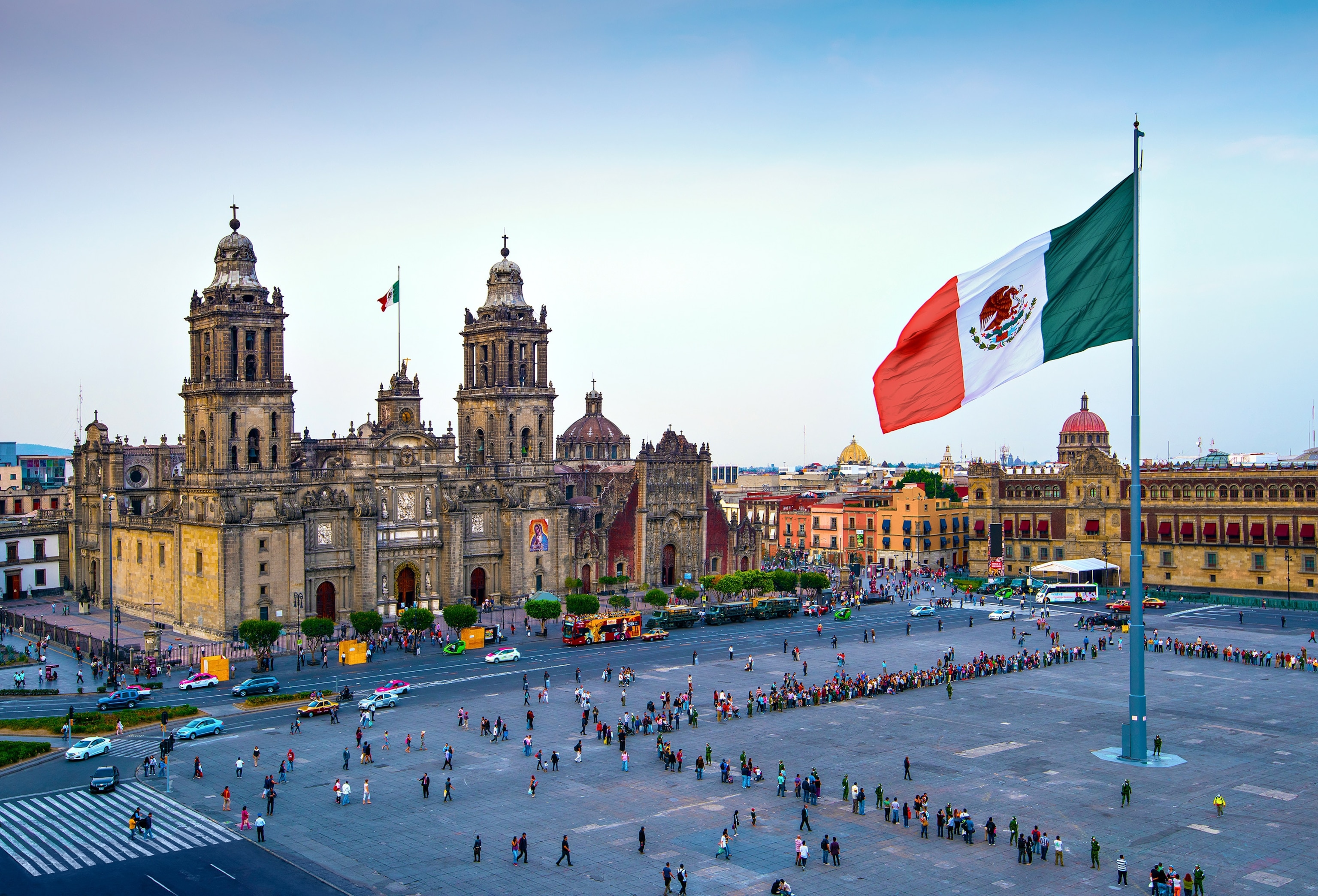
Mexico City is built on the ruins of Tenochtitlan, the Aztec capital, and this layered history is palpable. The Zocalo, with its Metropolitan Cathedral and archaeological zone of Templo Mayor (entry 85 MXN / $4.50 USD), is a powerful start. World-class museums abound, from the Anthropology Museum (entry 90 MXN / $4.50 USD) to the Frida Kahlo Museum (Casa Azul, tickets 250-300 MXN / $12-15 USD, book far in advance). The sheer scale and historical significance are immense. Bogota’s culture centers around La Candelaria, its historic district, with charming colonial streets and stunning street art murals that tell compelling stories. The Museo del Oro (Gold Museum, entry 5,000 COP / $1.25 USD) is exceptional, showcasing pre-Hispanic gold artifacts, and the Botero Museum (free entry) is a highlight. While rich, Bogota's historical depth is more contained to its colonial past compared to CDMX's ancient roots. "The Anthropology Museum in CDMX blew my mind, easily spent a whole day there and still didn't see everything." - u/HistoryBuffAbroad
Winner takeaway
- Winner: Mexico City
- Why: Mexico City's combination of pre-Hispanic, colonial, and modern cultural institutions offers a richer and more varied historical tapestry.
- Who this matters for: History buffs, art lovers, and those seeking deep cultural immersion.
💃 Nightlife & Entertainment
Mexico City's nightlife is legendary and incredibly diverse. From high-end speakeasies and rooftop bars in Roma Norte and Condesa (cocktails typically 180-300 MXN / $9-15 USD) to massive clubs in Polanco and Zona Rosa, there's something for every taste. Venues often stay open until 3-4 AM or later, with a vibrant energy that spills onto the streets. Live music venues, lucha libre (tickets 100-500 MXN / $5-25 USD), and late-night street food add to the appeal. Bogota's nightlife is concentrated primarily in Zona T and Parque 93, offering a good mix of bars and clubs, with a strong emphasis on salsa and reggaeton. Andres Carne de Res, both in Chia and the D.C. location, is an iconic, over-the-top experience, but a taxi there can be 60,000-80,000 COP ($15-20 USD). While fun and energetic, Bogota generally has fewer options and a slightly earlier closing time than CDMX. "CDMX just doesn't stop, you can party till sunrise and still find a taco stand open." - u/NightOwlTraveler
Winner takeaway
- Winner: Mexico City
- Why: Mexico City offers a broader array of nightlife options, more sophisticated venues, and a later closing time.
- Who this matters for: Party-goers, social butterflies, and those who thrive after dark.
💸 Costs & Budget
While both cities offer excellent value compared to North American or European capitals, Bogota is generally more budget-friendly. A hostel dorm bed in Bogota typically costs 40,000-80,000 COP ($10-20 USD), whereas in Mexico City, expect 300-500 MXN ($15-25 USD). Local transportation is cheaper in Bogota, with TransMilenio rides costing 2,950 COP ($0.75 USD) compared to Mexico City's Metro at 5 MXN ($0.25 USD) but distances are often longer in Bogota. Street food in both is incredibly cheap, but a mid-range restaurant meal in Bogota might be 30,000-60,000 COP ($7.50-15 USD), while in CDMX, it's often 200-400 MXN ($10-20 USD). For a daily budget, a comfortable backpacker in Bogota could manage on $40-60 USD, while Mexico City would be closer to $50-80 USD. "Bogota felt like I got more bang for my buck, especially for food and accommodation." - u/BudgetBackpacker
Winner takeaway
- Winner: Bogota
- Why: Bogota offers slightly lower prices across accommodation, food, and activities, making it a more budget-friendly destination.
- Who this matters for: Budget travelers, long-term nomads, and those looking to stretch their travel funds further.
🚨 Safety & Vibe
Both Mexico City and Bogota are major Latin American capitals and require a similar level of street smarts. In Mexico City, tourist areas like Roma Norte, Condesa, Polanco, and Coyoacán are generally safe during the day and evening, but petty crime (pickpocketing, phone snatching) is common, especially on crowded public transport or late at night. Certain neighborhoods, particularly in the east and north, should be avoided. The city's energy is a vibrant, controlled chaos. Bogota also has its safe havens (Zona T, Zona G, Usaquén) and areas to avoid (certain parts of Kennedy, Ciudad Bolívar). La Candelaria, while charming, can feel a bit deserted and less safe after dark. The 'paseo millonario' (express kidnapping in taxis) is a concern, so always use ride-sharing apps like Uber/Cabify or reputable taxi apps. Both cities have made strides in safety, but vigilance, common sense, and awareness of surroundings are paramount. "Honestly, both felt fine during the day in tourist spots, but I wouldn't walk around alone with my phone out at night in either." - u/CautiousExplorer
Winner takeaway
- Winner: Tie
- Why: Both cities require similar levels of caution and offer generally safe experiences in tourist-friendly areas.
- Who this matters for: All travelers, as safety is a universal concern.
🚇 Getting Around
Mexico City boasts one of the world's most extensive and affordable metro systems. A single ride costs just 5 MXN ($0.25 USD), connecting most major attractions and neighborhoods efficiently, though it can be incredibly crowded during peak hours. Ride-sharing apps (Uber, DiDi, Cabify) are plentiful and reasonably priced for longer distances or late-night travel (e.g., a 20-minute ride might be 80-150 MXN / $4-8 USD). Many central neighborhoods like Roma Norte and Condesa are highly walkable. Bogota's public transport primarily relies on the TransMilenio, a bus rapid transit system (BRT) which costs 2,950 COP ($0.75 USD) per ride. It's efficient for covering long distances but can be very crowded and doesn't reach every corner. Bogota is also very hilly in parts, making extensive walking challenging, especially outside of flat zones like La Candelaria. Ride-sharing apps are also popular and crucial for convenience and safety, with a 20-minute ride typically costing 15,000-25,000 COP ($4-6 USD). "The CDMX metro is a lifesaver, gets you everywhere for pennies, just avoid rush hour if you're claustrophobic." - u/UrbanExplorer
Winner takeaway
- Winner: Mexico City
- Why: Mexico City's metro system offers superior coverage and ease of use compared to Bogota's more limited TransMilenio.
- Who this matters for: Budget travelers, those who prefer public transport, and visitors to a sprawling city.
⛰️ Day Trips & Nature
Mexico City offers an incredible array of day trips. The most famous is Teotihuacan, the ancient city with its massive pyramids (entry 85 MXN / $4.50 USD), easily reachable by public bus from Terminal del Norte (around 60 MXN / $3 USD each way). Other fantastic options include the colorful colonial cities of Puebla and Cholula, the charming gardens of Xochimilco with its trajineras (boats, price negotiable but expect 500-800 MXN / $25-40 USD per hour per boat), or the Izta-Popo National Park for views of volcanoes. Bogota is surrounded by stunning Andean landscapes. A popular trip is to Monserrate, offering panoramic city views (cable car/funicular 23,500 COP / $6 USD round trip). The Salt Cathedral of Zipaquira (entry 60,000 COP / $15 USD) is a unique underground church carved from a salt mine, about an hour north. Further afield are the beautiful Lake Guatavita or even coffee farms in the surrounding departments. While impressive, CDMX's day trip options feel more diverse and historically significant. "Teotihuacan is a must-do from CDMX, absolutely breathtaking scale you can't get anywhere else nearby." - u/AncientAdmirer
Winner takeaway
- Winner: Mexico City
- Why: Mexico City offers a wider variety of historically significant and culturally rich day trips, easily accessible from the city.
- Who this matters for: History enthusiasts, nature lovers, and those who enjoy exploring beyond the city limits.
🏨 Accommodation
Mexico City excels in accommodation for every budget and style. Trendy neighborhoods like Roma Norte and Condesa are packed with stylish boutique hotels, design-focused Airbnbs, and lively hostels. A private room in a mid-range hotel might cost 1200-2500 MXN ($60-120 USD), while a hostel dorm is 300-500 MXN ($15-25 USD). The variety and quality, especially in the mid-to-high range, are exceptional, offering unique stays. Bogota also has plenty of good options, with La Candelaria being popular for backpackers and Zona T/Zona G for more upscale hotels. A private room in a mid-range hotel could range from 150,000-300,000 COP ($38-75 USD), and hostels are typically 40,000-80,000 COP ($10-20 USD). While Bogota offers great value, the sheer number of unique, design-forward, and luxurious options in CDMX gives it an edge, especially if you're looking for something beyond a standard hotel. "Found the cutest boutique hotel in Roma Norte for less than a chain hotel in the US, CDMX just gets it right with unique stays." - u/HotelHopper
Winner takeaway
- Winner: Mexico City
- Why: Mexico City offers a greater selection of stylish, unique, and high-quality accommodation options across all price points.
- Who this matters for: Travelers seeking specific vibes, design-conscious individuals, and those looking for unique lodging experiences.
☀️ Weather & Best Time
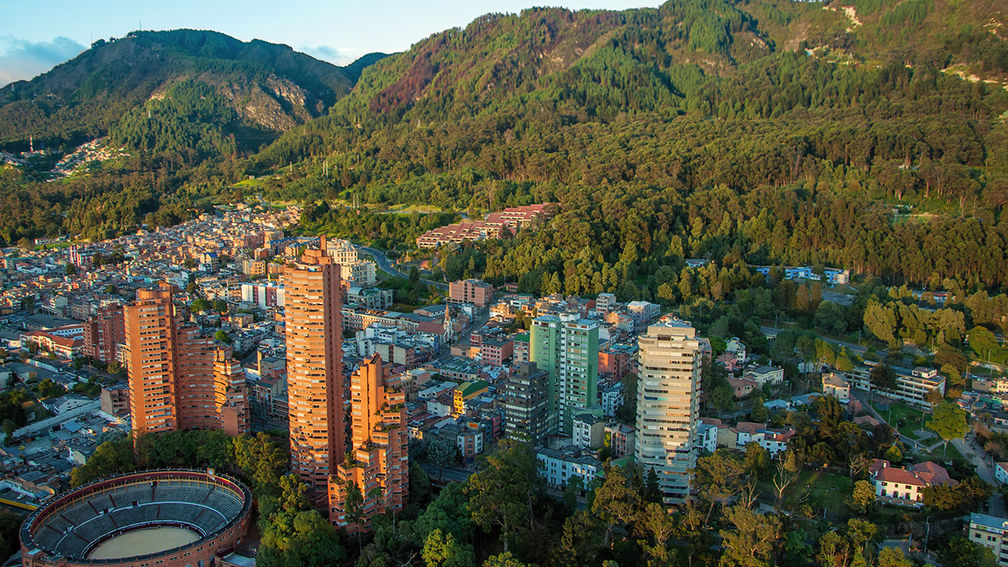
Mexico City (altitude ~2,240m / 7,350 ft) enjoys a temperate climate year-round, with average highs in the low 20s °C (70s °F). The dry season (November to April) is sunny and pleasant, making it the ideal time to visit. The wet season (May to October) brings afternoon showers, which are usually short but can be heavy. Bogota (altitude ~2,640m / 8,660 ft) is significantly higher and cooler, earning it the nickname 'the city of eternal spring.' However, this often translates to cloudy skies, frequent rain, and average temperatures rarely exceeding 18-20 °C (64-68 °F). Mornings and evenings can be quite chilly, often requiring a jacket. There isn't a truly 'dry' season, though December-January and July-August tend to be slightly less wet. For consistent pleasant weather and more sunshine, CDMX wins. "Bogota was beautiful, but I was always wearing a jacket. CDMX felt much more comfortable for just walking around." - u/SunSeeker
Winner takeaway
- Winner: Mexico City
- Why: Mexico City offers more consistently pleasant and sunny weather, especially during its distinct dry season, making exploration more comfortable.
- Who this matters for: Anyone sensitive to cold, those who prefer sunshine, and travelers planning extensive outdoor activities.
💻 Digital Nomad & Remote Work
Mexico City has firmly established itself as a top digital nomad destination. Neighborhoods like Roma Norte and Condesa are filled with co-working spaces (e.g., WeWork membership around 3,000-5,000 MXN / $150-250 USD per month), cafes with excellent Wi-Fi, and a huge, active expat and nomad community. The cost of living is manageable, and the vibrant culture provides endless inspiration. High-speed internet is readily available. Bogota is an emerging hub, offering slightly lower costs and a growing community, particularly in areas like Chapinero and Usaquén. There are good co-working spaces like Selina, and many cafes cater to remote workers. Internet speeds are generally reliable. However, the community isn't as large or established as CDMX's, and the cooler, often rainy weather can sometimes make it less appealing for long-term outdoor activities. For sheer variety of options, community size, and overall established infrastructure, CDMX takes the lead. "CDMX is like a nomad's paradise, so many cafes, co-working spots, and always someone to grab a beer with after work." - u/NomadLife
Winner takeaway
- Winner: Mexico City
- Why: Mexico City offers a more developed infrastructure, larger community, and more vibrant lifestyle for digital nomads.
- Who this matters for: Digital nomads, remote workers, and long-term travelers seeking a supportive expat environment.
❓ Frequently Asked Questions
Which city is better for a solo female traveler?
Both cities require caution for solo female travelers. Stick to well-lit, populated tourist areas, avoid walking alone at night, and use reputable ride-sharing apps. Mexico City's extensive metro has dedicated women-only cars during peak hours, which can be a plus. Bogota's La Candelaria can feel quiet and isolated at night, so plan your evenings carefully.
Is the altitude a problem in either city?
Yes, both cities are at high altitudes. Mexico City is around 2,240m (7,350 ft), and Bogota is significantly higher at 2,640m (8,660 ft). Many travelers experience mild altitude sickness symptoms like headaches, fatigue, and shortness of breath during their first few days. Drink plenty of water, avoid alcohol, and take it easy upon arrival, especially in Bogota.
Which city has better art and street art?
Mexico City boasts world-class art museums like the Museo de Antropología and Museo Frida Kahlo, alongside incredible murals by Rivera and Siqueiros. Bogota, however, is renowned globally for its vibrant and extensive street art scene, particularly in La Candelaria, with numerous organized walking tours dedicated to its politically charged and artistic murals. For traditional art, CDMX; for street art, Bogota.
How long should I spend in each city?
For Mexico City, a minimum of 5-7 days allows you to cover the main attractions and a day trip to Teotihuacan. To truly soak it in and explore different neighborhoods, 10 days to 2 weeks is ideal. For Bogota, 3-4 full days is usually sufficient to see the highlights like La Candelaria, Monserrate, and the Gold Museum. If you plan day trips or want to explore more extensively, 5-7 days would be better.
Which city is better for learning Spanish?
Both cities offer numerous Spanish language schools. Mexico City has a slight edge due to its larger expat community and more diverse teaching methodologies, often integrating cultural activities. The Mexican accent is also generally considered easier to understand for beginners. Bogota's accent is also clear and neutral, making it a good choice too, but the sheer volume of schools in CDMX is greater.
What's the best way to get between the two cities?
The most practical and time-efficient way to travel between Mexico City and Bogota is by flying. Direct flights typically take around 4-5 hours. Airlines like Avianca, Aeromexico, and Copa often offer routes, with prices ranging from $150-$300+ USD one-way depending on the season and how far in advance you book. There are no direct bus or train routes.
Are credit cards widely accepted?
In both Mexico City and Bogota, credit cards (Visa, Mastercard, American Express) are widely accepted in most hotels, upscale restaurants, major stores, and supermarkets. However, for street food, smaller local shops, markets, and many taxis, cash (MXN in CDMX, COP in Bogota) is essential. It's always wise to carry a mix of both.
Which city has better shopping?
Mexico City offers a more diverse and extensive shopping experience, from high-end boutiques in Polanco and unique designer stores in Roma Norte to bustling traditional markets like La Ciudadela for handicrafts. Bogota has upscale malls in Zona T/Parque 93 and artisan markets in Usaquén, but the scale and variety, especially for unique items and fashion, are generally greater in CDMX.
Ready to plan your Latin America trip?
Get a free custom itinerary for Mexico City, Bogota, or both — built from real traveler insights.
🎟️ Book Tours & Experiences
Hand-picked tours and activities for both destinations — book with free cancellation
Experiences via Viator — free cancellation on most tours