How we built this comparison
This page combines traveler discussion patterns, published price ranges, flight schedules, and seasonal data to help you decide between Mexico City and Havana.
- Reviewed 100+ Reddit threads from r/travel, r/solotravel, r/MexicoCity, r/Cuba, etc. for authentic traveler experiences and tips.
- Verified costs and logistics against current booking platforms (e.g., Google Flights, Airbnb, local tour operators) and recent traveler reports.
- Cross-referenced seasonal patterns, weather data, and major cultural events to provide optimal travel timing recommendations.
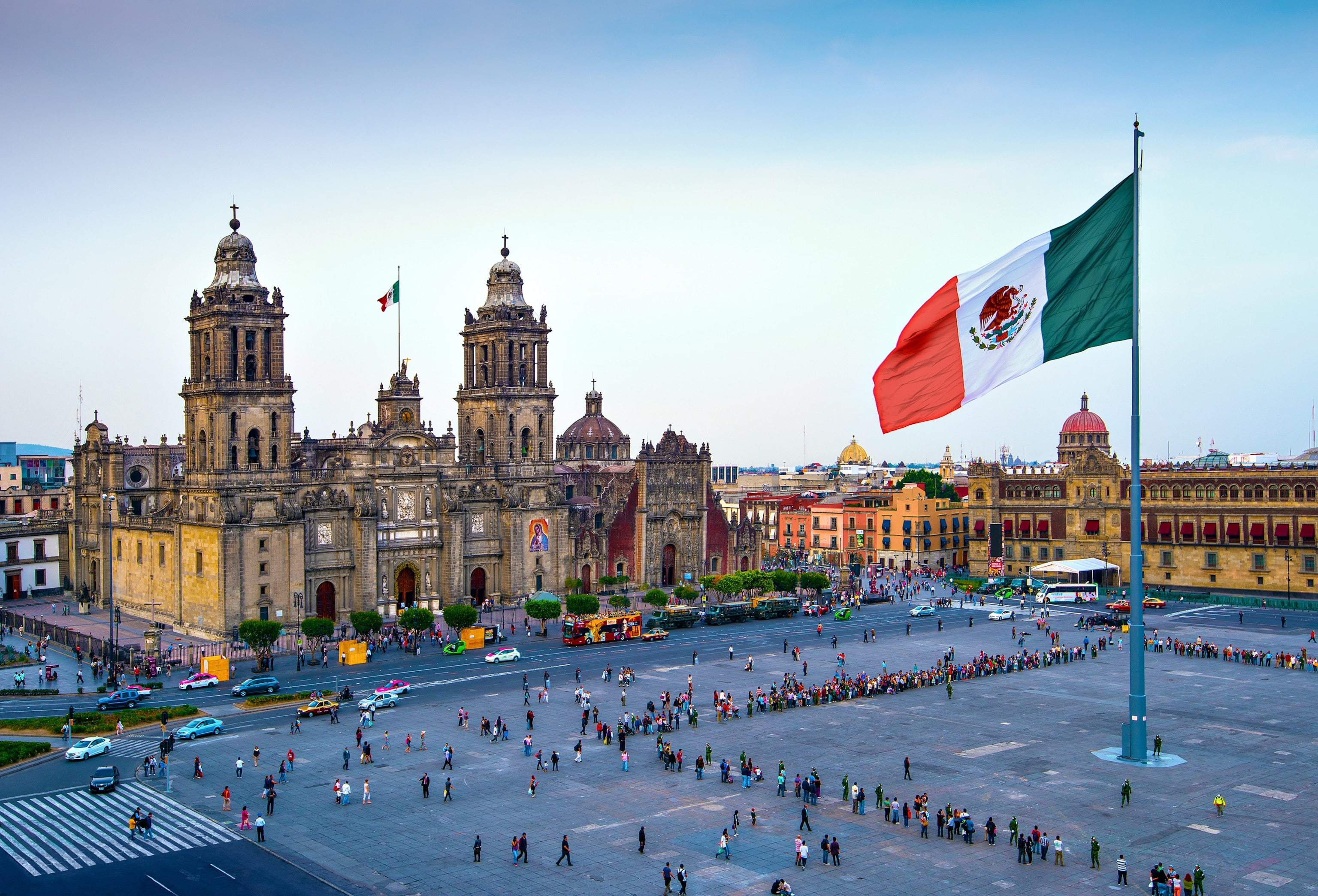
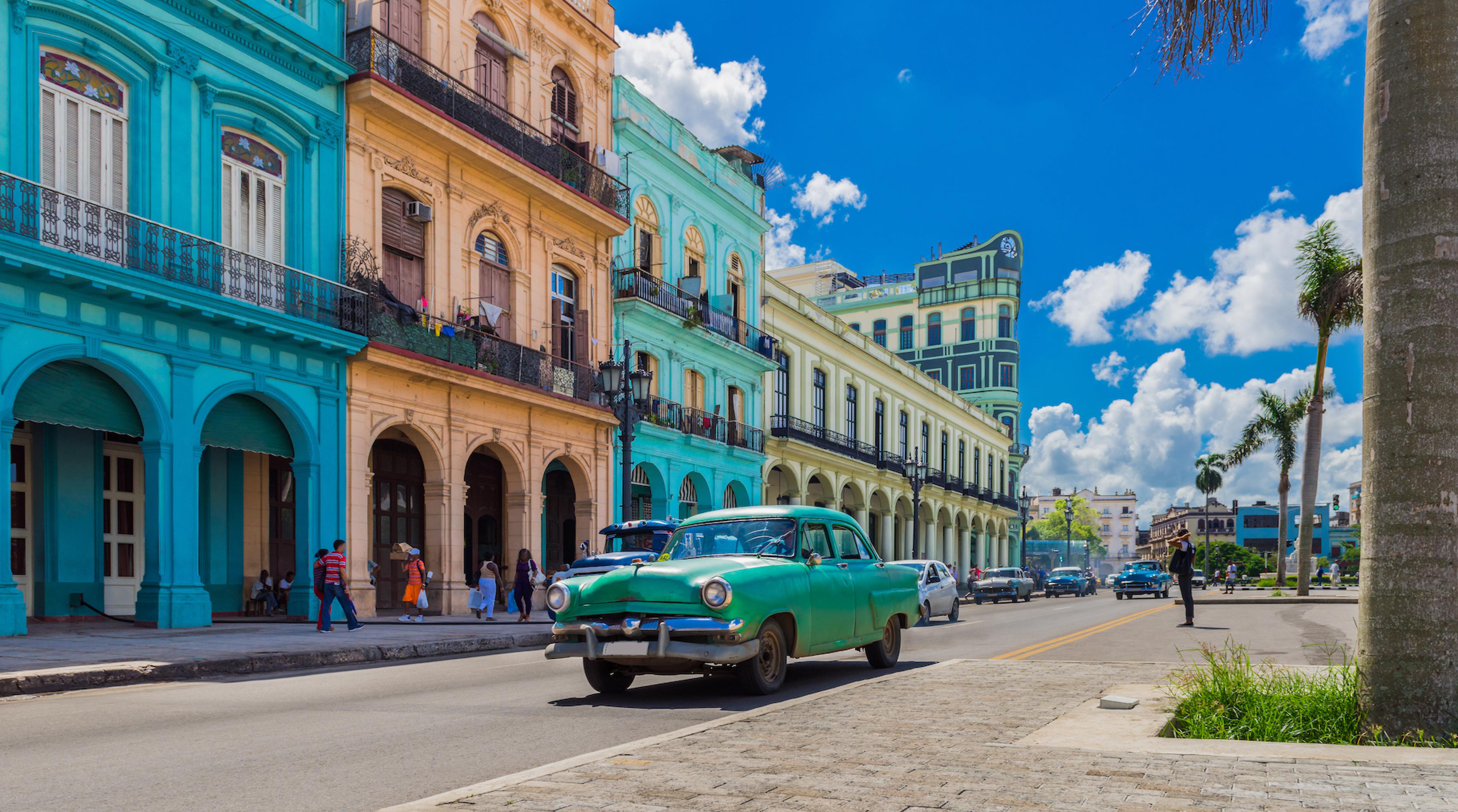
⚡ The TL;DR Verdict
If you crave unparalleled culinary adventures, diverse history, and modern amenities with a budget-friendly edge, Mexico City (daily budget ~$50-150 USD) is your winner. For those seeking a unique cultural immersion, a step back in time, and a challenging but rewarding travel experience focused on human connection, Havana (daily budget ~$70-200 USD) offers an unforgettable journey. Both offer incredible depth, but cater to different travel styles.
- Choose Mexico City: Pick Mexico City if you're a foodie, love world-class museums, appreciate efficient public transport, want great nightlife, and prefer modern comforts alongside rich history and culture, all without breaking the bank.
- Choose Havana: Choose Havana if you're an adventurous traveler fascinated by unique political and cultural contexts, enjoy live music on every corner, appreciate vintage aesthetics, and prioritize authentic human connection over polished tourist infrastructure.
- Choose Both: If you have 2+ weeks and want a diverse Latin American adventure, consider combining both. Fly into Mexico City for a week, then find a flight to Havana for another 5-7 days. It's a fantastic contrast between a bustling metropolis and a charming, slower-paced island city.
Quick Comparison
| Category | Mexico City | Havana | Winner |
|---|---|---|---|
| Food & Drink | A global culinary capital with everything from Michelin-starred dining to legendary street tacos. Incredible variety, quality, and value. | Unique, resource-driven cuisine often centered on comfort food like ropa vieja. Paladares offer elevated experiences; street food is simpler. | Mexico City |
| Nightlife & Entertainment | World-class clubs, trendy bars, speakeasies, live music venues, and vibrant street life catering to all tastes until late. | Centered around live music (salsa, son), mojito bars, and street parties. Less club-focused, more about authentic Cuban rhythms. | Mexico City |
| Culture & History | Ancient Mesoamerican roots, colonial grandeur, revolutionary murals, and a vibrant contemporary art scene. Museums galore. | A living museum of colonial architecture, revolutionary history, and unique Afro-Cuban culture, largely untouched by modern development. | Mexico City |
| Costs & Budget | Very budget-friendly, especially for food and transport. Accommodation can vary, but excellent value across the board. | Can be surprisingly expensive for tourists due to dual currency issues, inflated prices, and limited competition. Budget travel requires effort. | Mexico City |
| Getting There & Visas | Major international hub with abundant, often direct, flights from around the world. Visa-free for many nationalities. | Fewer direct flight options, especially from the US, often requiring specific airline compliance. Tourist card (visa) required for most. | Mexico City |
| Getting Around | Extensive, efficient, and very affordable metro system, reliable ride-sharing (Uber/DiDi), and plentiful taxis. | Limited public transport, expensive taxis, and charming but slow classic cars. Walking is key; navigating can be tricky. | Mexico City |
| Accommodation | Huge range from luxury hotels to boutique hostels, design-forward Airbnbs, and budget guesthouses. High quality and good value. | Primarily 'casa particulares' (private guesthouses) which offer authentic stays. Limited hotels, often government-run and overpriced. | Mexico City |
| Day Trips | Ancient pyramids, magical towns, volcanoes, and vibrant artisan villages are all easily accessible for day trips. | Viñales Valley, Playas del Este, and Matanzas offer natural beauty and slower-paced cultural experiences. | Mexico City |
| Safety & Scams | Generally safe in tourist areas, but petty crime and occasional express kidnappings are a concern. Vigilance is required. | Very low violent crime, but petty theft and sophisticated 'jinetero' (hustler) scams are prevalent and can be frustrating. | Tie |
| Digital Nomad & Connectivity | Excellent infrastructure, abundant co-working spaces, fast and affordable internet, and a thriving expat community. | Very limited and expensive internet, no co-working spaces, and a disconnected, 'unplugged' travel experience. | Mexico City |
🌮 Food & Drink
Mexico City is, without exaggeration, one of the world's best food cities. You can eat like royalty on a budget or splurge on fine dining that rivals Paris or New York. Start your day with tamales from a street vendor for 20 MXN ($1.20 USD), grab some legendary Tacos al Pastor at El Califa or Tacos Orinoco for 30-40 MXN ($1.80-2.40 USD) a pop, and then perhaps indulge in a multi-course tasting menu at Pujol for around 3,000 MXN ($175 USD). The variety is staggering: Oaxacan, Puebla, Baja Med, plus international options. Craft beer, mezcal, and pulque scenes are thriving. Havana, by contrast, offers a more rustic, less diverse culinary landscape shaped by historical shortages and local ingenuity. Expect delicious but often similar dishes like 'ropa vieja' (shredded beef), 'lechón asado' (roast pork), and 'arroz congris' (rice and beans). Paladares (private restaurants) like La Guarida or San Cristóbal Paladar offer the best dining, with main courses typically ranging from 20-40 USD. Street food is simple, often pizza or ham & cheese sandwiches for 1-5 USD. While Cuban food has its charm and soul, it simply can't compete with the sheer breadth, innovation, and affordability of Mexico City's food scene. "Honestly, the street food in CDMX ruined me for all other street food. Just grab anything that looks busy, you won't regret it."
Winner takeaway
- Winner: Mexico City
- Why: Mexico City offers unparalleled culinary diversity, quality, and affordability across all price points, making it a global food destination.
- Who this matters for: Foodies, budget travelers, luxury diners, and anyone who loves to eat well.
🎶 Nightlife & Entertainment
Mexico City's nightlife is as diverse and energetic as its food scene. From upscale cocktail bars in Roma Norte like Hanky Panky, hidden behind a taqueria, to pulsating electronic music clubs in Condesa or Juárez, there's something for everyone. You can find traditional cantinas, mezcalerías offering hundreds of varieties, and rooftop bars with incredible city views. Concerts and cultural events happen nightly, and many areas like La Condesa or Zona Rosa stay lively until 3-4 AM. Drinks typically range from 80-150 MXN ($5-9 USD) for a cocktail. Havana's nightlife is a different beast entirely – less about glitzy clubs and more about spontaneous, soulful experiences. Live music is the heartbeat of the city. You'll find incredible salsa and son bands playing in venues like Casa de la Música or El Floridita (home of the daiquiri), often with cover charges of 10-25 USD. Mojitos are ubiquitous and delicious, costing around 4-8 USD. While there are some discos, the real magic lies in dancing in a plaza or joining a street party. It's authentic and vibrant, but lacks the sheer variety and sophisticated edge of CDMX. "Havana's live music scene is insane, every corner is a party, but for actual 'going out' with options, CDMX wins hands down."
Winner takeaway
- Winner: Mexico City
- Why: Mexico City provides a far greater variety of nightlife options, from high-end clubs to traditional cantinas, catering to every preference and budget.
- Who this matters for: Party-goers, cocktail enthusiasts, music lovers, and anyone seeking diverse evening entertainment.
🏛️ Culture & History
Both cities are incredibly rich in culture and history, but Mexico City's sheer scale and layers of civilization give it an edge. You can explore the pre-Hispanic Aztec Templo Mayor right next to the massive colonial Metropolitan Cathedral, then walk through the Palacio Nacional to see Diego Rivera's epic murals depicting Mexican history. The city boasts over 150 museums, including world-class institutions like the Museo Nacional de Antropología (entry ~90 MXN / $5.50 USD), the Frida Kahlo Museum (Casa Azul, entry ~250 MXN / $15 USD), and Palacio de Bellas Artes. It's a blend of ancient, colonial, and modern art and ideas. Havana, on the other hand, feels like stepping into a time capsule. Old Havana (Habana Vieja) is a UNESCO World Heritage site, boasting stunning Baroque and neoclassical architecture. Revolutionary history is palpable, from the Museo de la Revolución (entry ~10 USD) to the Che Guevara statue. The Afro-Cuban influence is strong in music, dance, and religion (Santería). While deeply atmospheric and unique, Havana's cultural offerings, particularly its museums, are less comprehensive and often less funded than CDMX's. "CDMX just has so many layers, from Aztec ruins to modern art, you'd need a month to scratch the surface. Havana's beautiful, but it's a specific kind of history."
Winner takeaway
- Winner: Mexico City
- Why: Mexico City offers an unparalleled breadth and depth of historical periods, artistic movements, and museum institutions, from ancient civilizations to contemporary art.
- Who this matters for: History buffs, art lovers, museum enthusiasts, and those interested in diverse cultural narratives.
💸 Costs & Budget
Mexico City is remarkably affordable for a major global capital. A budget traveler can easily get by on 40-60 USD per day, while a mid-range traveler might spend 80-150 USD. Street food is a dollar or two, a nice sit-down meal is 10-20 USD, and a metro ride is a flat 5 MXN (less than $0.30 USD). You can find great Airbnb rooms for 30-50 USD/night or boutique hotels for 80-150 USD. A taxi or Uber across town is typically 5-10 USD. Havana is often surprisingly expensive for what you get, especially compared to the rest of Latin America. While local prices exist in CUP (Cuban Peso), tourists mostly operate in USD (or EUR/CAD) and face significantly higher rates. A mid-range meal can easily be 20-40 USD. Taxis are notorious for overcharging; a short ride might be 5-10 USD, and there's no Uber. Casa particulares (private guesthouses) are the best value for accommodation, around 30-60 USD/night, but quality can vary. Expect to budget 70-100 USD per day for a budget traveler (staying in casas, eating locally), and 150-250 USD for a mid-range traveler. Everything from bottled water to internet cards adds up. "Cuba's tricky with money; you always feel like you're getting tourist-taxed. CDMX, though, you can eat like a king for dirt cheap and everything just feels more transparent."
Winner takeaway
- Winner: Mexico City
- Why: Mexico City offers significantly better value for money across all categories – food, transport, accommodation, and activities – with transparent pricing.
- Who this matters for: Budget travelers, long-term travelers, and anyone looking for excellent value without sacrificing quality.
✈️ Getting There & Visas
Getting to Mexico City is straightforward and generally affordable. Mexico City International Airport (MEX) is a major hub, with numerous direct flights from across the Americas, Europe, and even Asia. For example, a direct flight from New York (JFK) to MEX takes around 5-6 hours and can cost anywhere from 300-500 USD round trip. Many nationalities, including US, Canadian, and EU citizens, can enter Mexico visa-free for up to 180 days with just a passport and a FMM tourist card (usually provided by the airline or immigration). Havana's José Martí International Airport (HAV) has fewer direct connections, particularly from the US, where flights are restricted to specific airlines and 'support for the Cuban people' travel categories. Direct flights from Miami (MIA) are only about an hour, but from cities like New York, flights might be 3-4 hours direct, costing 400-700 USD round trip, but often involve layovers or specific travel requirements that complicate things. Most visitors need a 'Tourist Card' (visa), which can cost 50-100 USD and is usually purchased from your airline or a visa agency. It adds an extra layer of planning and cost. "Getting to Cuba felt like a whole mission with all the visa stuff and limited flights. Mexico City, I just hop on a plane, super easy."
Winner takeaway
- Winner: Mexico City
- Why: Mexico City is a major, easily accessible international hub with abundant flight options and straightforward visa-free entry for most travelers.
- Who this matters for: Travelers prioritizing ease of access, direct flights, and minimal visa hassle.
🚇 Getting Around
Mexico City boasts one of the world's most extensive and affordable public transportation systems. The Metro costs a flat 5 MXN (less than $0.30 USD) per ride and can get you almost anywhere. Metrobus (BRT) and peseros (mini-buses) supplement this. For convenience, Uber and DiDi are widely available, safe, and reasonably priced; a 20-minute ride typically costs 80-150 MXN ($5-9 USD). Taxis are also plentiful, just ensure they use a meter or agree on a price. Havana's transport is a different story. Public buses are crowded and confusing for tourists. The iconic classic American cars serve as 'collectivos' (shared taxis) or private tours, but are expensive for tourists (e.g., a short private ride might be 5-10 USD, a longer one 20-30 USD). Regular taxis also charge tourist prices, and negotiation is necessary. There are no ride-sharing apps. Walking is often the best way to explore Old Havana, but distances can add up. For longer distances, you'll rely on expensive private taxis or collectivos, making getting around a significant budget drain and logistical challenge. "CDMX's metro is a lifesaver, so cheap and gets you everywhere. In Havana, I felt like I was constantly negotiating taxi fares."
Winner takeaway
- Winner: Mexico City
- Why: Mexico City's public transport is incredibly efficient and affordable, complemented by reliable and cost-effective ride-sharing services.
- Who this matters for: Budget travelers, those who prefer convenience, and anyone who wants to explore widely without hassle.
🏨 Accommodation
Mexico City offers an astounding array of accommodation options to suit every budget and style. You can find chic boutique hotels in Roma Norte like Nima Local House for 200-400 USD/night, reliable international chains for 100-200 USD/night, beautifully designed Airbnbs in Condesa or Coyoacán for 50-150 USD/night, and excellent hostels with private rooms for 30-50 USD/night. The competition ensures quality and value. Booking is easy via international platforms. Havana's accommodation scene is dominated by 'casa particulares,' private homes that rent out rooms. These are often charming, offering an authentic Cuban experience and a chance to interact with locals. Prices typically range from 30-60 USD/night for a private room with a bathroom. While a fantastic way to experience Cuba, the quality can be inconsistent, and amenities (like reliable hot water or AC) vary. Hotels in Havana, many government-run, are usually 150-400 USD/night and often don't deliver the same level of service or modern amenities as similarly priced hotels elsewhere, making them feel overpriced. Internet access is also a common issue in hotels. "I loved my casa particular in Havana, but finding consistent quality and booking was a bit of a gamble. CDMX just has endless amazing options at every price point."
Winner takeaway
- Winner: Mexico City
- Why: Mexico City boasts a vast, diverse, and high-quality range of accommodation options, offering better value and easier booking through standard platforms.
- Who this matters for: Travelers seeking comfort, choice, modern amenities, and easy booking, regardless of budget.
🏞️ Day Trips
Mexico City is an incredible base for exploring Central Mexico. The most famous day trip is to Teotihuacan, the ancient Mesoamerican city with its colossal Pyramids of the Sun and Moon, just an hour's drive away (tours ~50 USD, bus ~60 MXN / $3.50 USD). Another popular option is Puebla, a colonial gem famous for its Talavera pottery and culinary scene, about a 2-hour bus ride (200-300 MXN / $12-18 USD). You can also visit the 'magical town' of Tepoztlán, climb the Tepozteco pyramid, or explore the colorful floating gardens of Xochimilco. Even a trip to the Iztaccíhuatl-Popocatépetl National Park offers stunning volcanic landscapes. Havana's day trip options are more limited but still worthwhile. The stunning Viñales Valley, known for its dramatic 'mogotes' (limestone hills) and tobacco farms, is a beautiful 2.5-hour drive (private taxi ~100-150 USD RT, Viazul bus ~12 USD one-way). Playas del Este, Havana's closest beaches, are about 30 minutes away, perfect for a relaxed beach day. Matanzas, with its 'City of Bridges' nickname, and the nearby Bellamar Caves are also good choices. While charming, Havana's day trips generally require more planning and are pricier to arrange, and they don't offer the same historical grandeur or variety as CDMX. "Teotihuacan blew my mind, and Puebla was so charming. Havana's day trips were nice, but getting there felt like an expedition every time."
Winner takeaway
- Winner: Mexico City
- Why: Mexico City offers a wider array of historically significant and culturally rich day trip destinations that are more easily accessible and affordable.
- Who this matters for: History buffs, culture seekers, and travelers who enjoy exploring beyond the main city.
🚨 Safety & Scams
Both cities require a good level of street smarts, though the nature of the risks differs. Mexico City has a reputation for crime, and while tourist areas like Roma, Condesa, and Polanco are generally safe, petty theft (pickpocketing, bag snatching) is common, especially in crowded areas or on public transport. There's also the risk of 'express kidnappings' (where you're forced to withdraw money from ATMs), though this is rare and usually avoided by using reputable ride-shares and being aware of your surroundings, especially at night. Always be cautious with your phone and belongings. Havana, in contrast, has very low rates of violent crime against tourists. You can generally walk around Old Havana at night feeling safe. However, it's notorious for 'jineteros' (hustlers) who will approach you constantly, trying to sell cigars, arrange taxis, or lead you to overpriced restaurants or bars. These scams are typically non-violent but can be incredibly persistent, frustrating, and designed to extract money from unsuspecting tourists. Learning to say 'No, gracias' firmly is essential. Both cities demand vigilance, but CDMX has more serious, albeit rarer, safety concerns, while Havana has a constant barrage of minor but annoying scams. "In CDMX, I just had to watch my bag, but I felt safe enough with Uber. Havana, I was constantly dodging guys trying to sell me something or invite me to a 'local' bar."
Winner takeaway
- Winner: Tie
- Why: Both cities present distinct safety challenges, with Mexico City having higher (though rare) violent crime risks and Havana having pervasive, frustrating hustler scams, making them a tie in overall vigilance required.
- Who this matters for: All travelers; those sensitive to petty scams might find Havana more annoying, while those concerned about more serious crime might prefer Havana's lower violent crime rates.
💻 Digital Nomad & Connectivity
For digital nomads, Mexico City is a dream. It offers fast, reliable, and affordable internet (many cafes have free Wi-Fi, and data plans are cheap, e.g., Telcel with 5GB for ~200 MXN / $12 USD). There's a booming co-working scene with places like WeWork or Homework, and countless laptop-friendly cafes. The city has a massive expat and digital nomad community, making networking and finding resources easy. Electricity is stable, and there are plenty of modern amenities. Havana, however, is a digital nomad's nightmare, or perhaps a digital detox paradise, depending on your perspective. Internet access is severely limited and expensive. You'll need to buy ETECSA Wi-Fi cards (tarjetas Nauta) for 1-2 USD per hour, and connect at designated public Wi-Fi parks or hotels. Speeds are slow, and connections can be unreliable. There are no co-working spaces, and cafes with Wi-Fi are rare outside of hotels. This makes working remotely practically impossible for anything requiring consistent internet. Expect to be offline for most of your trip. "Trying to work in Havana was a joke, the internet cards were a hassle and so slow. CDMX felt like a real hub, with fast Wi-Fi everywhere and tons of other remote workers."
Winner takeaway
- Winner: Mexico City
- Why: Mexico City boasts superior internet infrastructure, abundant co-working spaces, and a thriving expat community, making it ideal for digital nomads.
- Who this matters for: Digital nomads, remote workers, and anyone who needs reliable and affordable internet access.
❓ Frequently Asked Questions
Which city is better for solo female travelers?
Both cities require common sense and vigilance. Mexico City's tourist areas are generally safe, but night travel alone should be done via Uber/DiDi. Havana has very low violent crime and solo female travelers often feel safe walking at night, but persistent hustlers can be annoying. Ultimately, Mexico City offers more independence due to better infrastructure, while Havana offers a unique, human-connection rich experience if you don't mind the constant attention.
What's the best time of year to visit each city?
Mexico City is best visited during the dry season, from October to May, with pleasant temperatures and clear skies. Havana also enjoys its best weather from November to April, avoiding hurricane season and the intense summer heat and humidity. Both are great winter escapes from colder climates.
How much Spanish do I need for each destination?
For Mexico City, basic conversational Spanish is very helpful, especially outside tourist bubbles, but many in the service industry speak English. In Havana, Spanish is much more essential. While some locals in tourist-facing roles speak English, daily interactions, especially with casa particular hosts or taxi drivers, will be much smoother with some basic Spanish.
Are there good options for vegetarian/vegan travelers in either city?
Mexico City is excellent for vegetarians and vegans! With its diverse culinary scene, you'll find dedicated vegan restaurants, many Mexican dishes that are naturally vegetarian, and plenty of options in higher-end restaurants. Havana is more challenging. While rice, beans, and fresh fruit are staples, dedicated vegetarian/vegan restaurants are rare, and many dishes rely heavily on meat. Communicate clearly in Spanish about your dietary needs in paladares.
Which city is better for art and museums?
Mexico City is the undisputed winner for art and museums. It boasts over 150 museums, including world-class institutions like the Museo Nacional de Antropología, Frida Kahlo Museum, and Palacio de Bellas Artes, alongside countless galleries and street art. Havana has some notable museums like the Museo de la Revolución and Museo Nacional de Bellas Artes, but the quantity, funding, and diversity can't compare to CDMX.
How easy is it to use credit cards and ATMs in each city?
In Mexico City, credit cards are widely accepted, and ATMs are plentiful and reliable in most areas. It's generally easy to get cash. In Havana, using US credit/debit cards is almost impossible due to sanctions. While some non-US cards might work in specific government-run hotels or stores, cash (USD or EUR) is king. ATMs are rare and often don't accept foreign cards, so bring plenty of physical cash for your entire trip.
Can I visit both in one trip, and how?
Yes, but it requires planning. Fly into Mexico City (MEX) and spend 5-7 days. Then, look for flights from MEX to Havana (HAV), often with a layover in Cancun (CUN) or a direct flight on specific airlines like Aeromexico (less frequent) or Viva Aerobus (via CUN). Spend 5-7 days in Havana. Remember to obtain your Cuban Tourist Card before departure. This combo offers a fantastic contrast!
Which city offers a better 'unplugged' or 'connected' experience?
Havana offers a profoundly 'unplugged' experience. With extremely limited and expensive internet, you'll be forced to disconnect and engage with your surroundings and locals. Mexico City is the opposite – a 'connected' hub with fast, cheap, ubiquitous internet, making it ideal for digital nomads or those who need to stay online.
Ready to plan your Latin American adventure?
Get a free custom itinerary for Mexico City, Havana, or both — built from real traveler insights.
🎟️ Book Tours & Experiences
Hand-picked tours and activities for both destinations — book with free cancellation
Experiences via Viator — free cancellation on most tours