How we built this comparison
This page combines traveler discussion patterns, published price ranges, flight schedules, and seasonal data to help you decide between Mexico City and Lisbon.
- Reviewed 50+ Reddit threads from r/travel, r/solotravel, r/mexicocity, r/lisbon, and r/digitalnomad
- Verified costs and logistics against current booking platforms (Booking.com, Airbnb, Uber, airline sites)
- Cross-referenced seasonal patterns and weather data from NOAA and local meteorological services

⚡ The TL;DR Verdict
Choose Mexico City if you're chasing incredible value, a mind-blowing culinary scene, and a deep dive into ancient and colonial history, all on a daily budget of $40-$70 USD. Opt for Lisbon if you prefer a walkable, picturesque European city with stunning views, a more relaxed pace, and a slightly higher daily budget of $70-$120 USD.
- Choose Mexico City: For the budget-conscious foodie and culture vulture who thrives on vibrant energy, rich history, and wants their dollar to stretch further for truly unique experiences.
- Choose Lisbon: For the traveler seeking charming European architecture, a slower pace, coastal access, and a feeling of safety and familiarity, without breaking the bank compared to other Western European capitals.
- Choose Both: If you have 3+ weeks, consider a multi-continental adventure. Start with 5-7 days in Mexico City for its intensity, then fly to Lisbon (allow for a full travel day) for a more relaxed 4-6 days, offering a fantastic contrast in cultures and experiences.
Quick Comparison
| Category | Mexico City | Lisbon | Winner |
|---|---|---|---|
| Costs & Value | Unbeatable value for accommodation, food, transport, and activities. Your money goes far. | Affordable by Western European standards, but still significantly pricier than Mexico City. | Mexico City |
| Food Scene | A UNESCO City of Gastronomy, from street food to Michelin stars, an explosion of flavors. | Fresh seafood, traditional pastries, and a growing modern culinary scene, but less diverse. | Mexico City |
| Culture & History | Ancient civilizations, colonial grandeur, revolutionary art, and vibrant contemporary culture. | Maritime history, Age of Discoveries, Moorish influences, and melancholic Fado music. | Mexico City |
| Nightlife | Vibrant, diverse, and energetic. Trendy bars, mega-clubs, and traditional cantinas. | Lively bar districts, iconic Fado houses, and a good selection of clubs, especially for electronic music. | Mexico City |
| Accommodation | Excellent value for stylish boutique hotels and Airbnbs in prime neighborhoods. | Charming guesthouses and apartments, but prices are higher for comparable quality. | Mexico City |
| Getting Around | Extensive and very cheap metro, reliable ride-shares, and walkable neighborhoods. | Historic trams, metro system, and walkable but hilly districts. | Mexico City |
| Day Trips | Ancient pyramids, colorful colonial towns, and volcanic landscapes within easy reach. | Fairytale castles, charming coastal towns, and beautiful national parks close by. | Tie |
| Safety & Security | Perception often worse than reality; generally safe in tourist areas with common sense. | Generally very safe, with low crime rates and a relaxed atmosphere. | Lisbon |
| Weather & Seasons | Known as the 'City of Eternal Spring,' mild year-round with a rainy season. | Mediterranean climate with hot, dry summers and mild, wet winters. | Mexico City |
| Getting There (Flights) | Direct flights from major North American hubs, long from Europe. | Excellent connections from Europe and increasingly from North America. | Tie |
💸 Costs & Value
Mexico City is hands-down the winner for value. You can enjoy incredible street food like tacos al pastor for 25-40 MXN ($1.50-$2.50 USD) or a full meal at a nice restaurant in Roma Norte for 300-500 MXN ($18-$30 USD) including drinks. Metro rides are a mere 5 MXN ($0.30 USD), and a decent Airbnb in a good neighborhood like Condesa or Roma can be found for $40-$70 USD per night. Even an Uber across town rarely exceeds 150 MXN ($9 USD). In contrast, Lisbon is charming but pricier. A Pastel de Nata is €1.20-€1.50 ($1.30-$1.60 USD), a metro ride is €1.50 ($1.60 USD), and a casual meal might cost €15-€25 ($16-$27 USD). An Airbnb in Alfama or Bairro Alto typically starts around $80-$120 USD per night. The gap in daily expenses for a similar quality of life is significant. "I spent a week in CDMX and felt like a king on $50 a day, then went to Lisbon and felt like I was constantly checking my wallet. Still loved Lisbon, but the value in Mexico City is insane." This pretty much sums it up.
Winner takeaway
- Winner: Mexico City
- Why: Mexico City offers significantly lower costs across all categories, allowing for a richer experience on a tighter budget.
- Who this matters for: Budget travelers, long-term travelers, and those who want to splurge on experiences rather than just necessities.
🌮 Food Scene
Mexico City's food scene is a gastronomic marvel, arguably one of the best in the world. It’s not just about tacos – though the variety of tacos (al pastor, suadero, carnitas) is endless and glorious, found at stands like 'El Califa de León' or 'Taquería Orinoco.' You'll find incredible regional specialties, pre-Hispanic ingredients, modern Mexican cuisine at places like 'Pujol' (if you're splurging, tasting menu around $200-$300 USD) or 'Contramar' for seafood. Markets like Mercado de San Juan offer exotic meats, while Mercado de Coyoacán is perfect for tostadas. Lisbon, while delicious, can't quite compete with the sheer depth and diversity. Its strengths lie in fresh seafood (bacalhau dishes are ubiquitous), grilled sardines, and the iconic Pastel de Nata from 'Pastéis de Belém.' You'll find great petiscos (Portuguese tapas) in the Bairro Alto, and modern takes on Portuguese cuisine. "CDMX just has this raw, authentic culinary energy that Lisbon can't match. Every corner is a new discovery. Lisbon's food is good, but after a week, it felt a bit repetitive compared to Mexico City's endless options." For the adventurous eater, Mexico City is an undisputed champion.
Winner takeaway
- Winner: Mexico City
- Why: Mexico City offers unparalleled diversity, depth, and authenticity in its culinary offerings, from street food to fine dining.
- Who this matters for: Foodies, adventurous eaters, and anyone who considers eating a central part of their travel experience.
🏛️ Culture & History
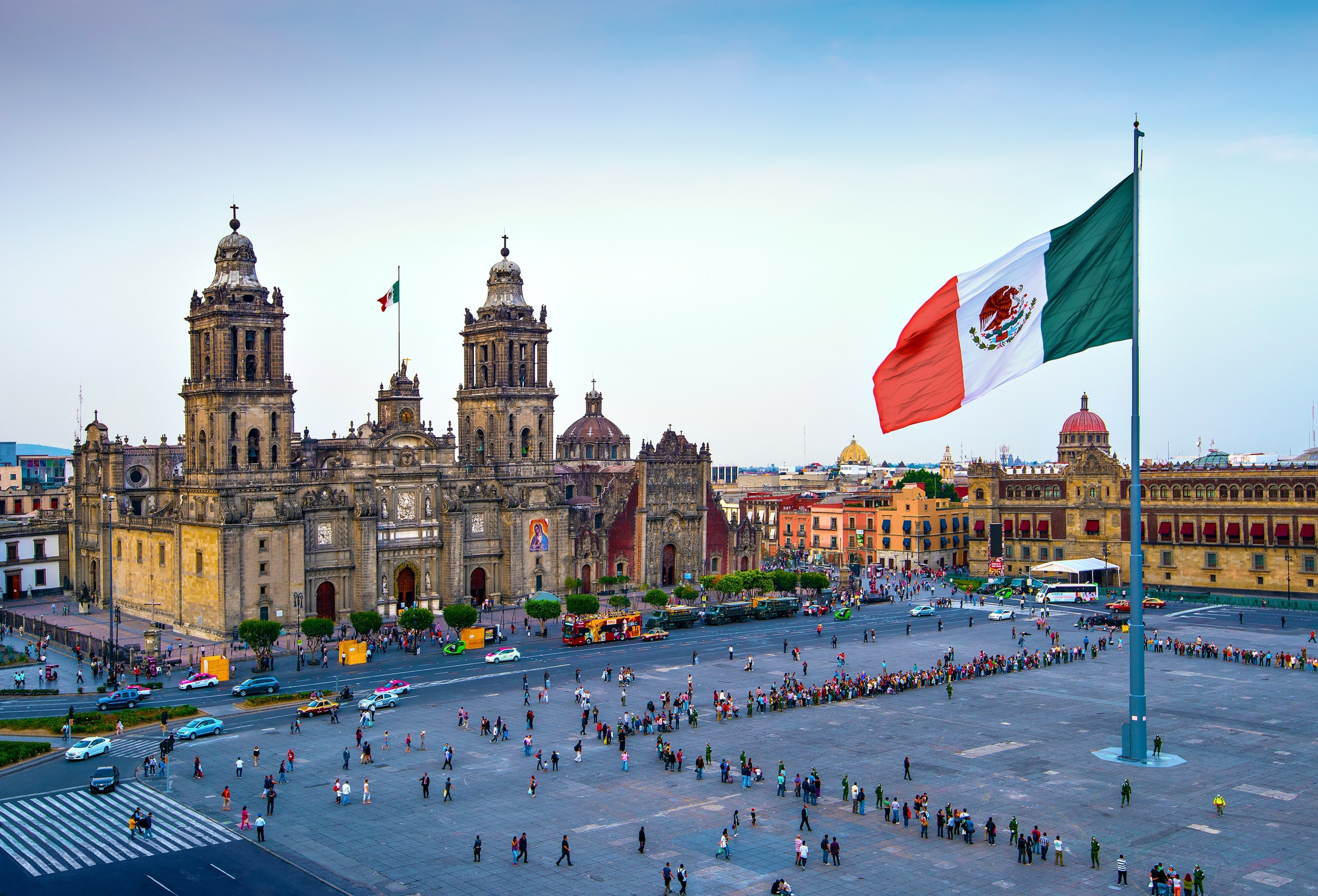
Mexico City is a living museum, built upon the ruins of the Aztec capital, Tenochtitlan. You can explore the Templo Mayor right in the Zócalo, then marvel at the Metropolitan Cathedral, wander through the historic center's Palacio Nacional with Diego Rivera's murals, or delve into the world-class Museo Nacional de Antropología. The Frida Kahlo Museum ('Casa Azul') in Coyoacán offers an intimate look into the artist's life. The layers of history, from pre-Hispanic to colonial to modern, are incredibly rich and palpable. Lisbon, too, boasts a profound history, deeply tied to its maritime past and the Age of Discoveries. Key sights include the Belém Tower, Jerónimos Monastery, and São Jorge Castle, all telling tales of exploration and empire. The Alfama district's winding alleys and Fado music provide a unique cultural experience. However, the sheer scale and ancient depth of Mexico City's history, combined with its vibrant contemporary art and social movements, gives it an edge. "I loved Lisbon's castle and the Fado, but Mexico City's Anthropological Museum alone blew my mind more than everything in Lisbon combined. The Aztec history is just... epic."
Winner takeaway
- Winner: Mexico City
- Why: Mexico City offers a more diverse and multi-layered historical narrative, from ancient civilizations to revolutionary art, unparalleled in its scope.
- Who this matters for: History buffs, art lovers, and those seeking a profound understanding of a culture's evolution.
🎉 Nightlife
Mexico City’s nightlife is an endless party. Areas like Roma Norte and Condesa are packed with stylish cocktail bars like 'Handshake Speakeasy' (often ranked among the world's best) or 'Licorería Limantour.' Polanco offers upscale clubs, while Centro Histórico has traditional cantinas like 'Salon Tenampa' with mariachi bands. The energy is infectious, and the party often goes until the early hours. Whether you want a sophisticated drink, a massive dance floor, or a dive bar, CDMX has it. Lisbon has a fantastic nightlife scene too, particularly in Bairro Alto, where narrow streets come alive with countless small bars spilling out onto the pavements. Cais do Sodré, especially the 'Pink Street,' is known for its clubs and late-night venues like 'Musicbox.' Fado houses in Alfama offer a more melancholic, authentic Portuguese experience. "Lisbon's Bairro Alto is fun, but Mexico City just felt bigger, with more options for every mood, and often way cheaper drinks. I could go to a jazz club, then a cantina, then a techno party all in one night." While Lisbon is great for a pub crawl, Mexico City offers more variety and scale.
Winner takeaway
- Winner: Mexico City
- Why: Mexico City boasts a larger, more diverse, and often more energetic nightlife scene catering to all tastes and budgets.
- Who this matters for: Party-goers, social butterflies, and anyone who loves to experience a city's vibrancy after dark.
🏨 Accommodation
Mexico City offers incredible value for accommodation, especially in desirable neighborhoods. You can find boutique hotels like 'Nima Local House Hotel' in Roma Norte for around $150-$200 USD/night, or a stylish, well-located Airbnb apartment for $60-$100 USD/night. Hostels are plentiful and affordable, often under $20-$30 USD. The sheer number of options means competitive pricing for high-quality stays. Lisbon, while having many charming options, commands higher prices. A mid-range boutique hotel in Chiado or Alfama often starts at $150-$250 USD/night, and a comparable Airbnb will be in the $90-$150 USD range. Hostels typically range from $30-$50 USD. The older buildings in Lisbon can sometimes mean smaller rooms or fewer amenities for the price point compared to modern renovations in Mexico City. "I stayed in a gorgeous Airbnb in Condesa for less than what a basic hotel room cost me in Lisbon. The quality for the price in CDMX is just unmatched, especially if you want something stylish without breaking the bank." This sentiment highlights the superior value proposition in Mexico City.
Winner takeaway
- Winner: Mexico City
- Why: Mexico City provides superior quality and style of accommodation for significantly lower prices across all categories.
- Who this matters for: Travelers seeking luxury on a budget, long-term stays, and those who prioritize comfortable, stylish lodging without overspending.
🚇 Getting Around
Mexico City's public transportation is incredibly efficient and budget-friendly. The Metro system is one of the largest in the world, with single rides costing only 5 MXN ($0.30 USD), connecting most major attractions and neighborhoods. Beyond the Metro, Uber, DiDi, and Cabify are readily available, safe, and very affordable, making it easy to get anywhere, even late at night. Many central neighborhoods like Roma, Condesa, and Polanco are also highly walkable. Lisbon's transportation is charming but less efficient. The metro is clean and modern, costing €1.50 ($1.60 USD) per ride, but doesn't cover all areas as extensively as CDMX. The iconic yellow trams, like Tram 28, are great for sightseeing but can be crowded and slow. Walking is a popular option, but Lisbon is famously hilly, making some routes challenging. "The CDMX metro is a beast, you can get everywhere for pennies. And Ubers are so cheap you barely think twice. Lisbon's trams are cute, but those hills and cobblestones will kill your feet after a day." For sheer practicality, cost, and ease of covering a massive city, Mexico City takes the lead.
Winner takeaway
- Winner: Mexico City
- Why: Mexico City's vast, inexpensive, and efficient metro system, complemented by affordable ride-shares, makes getting around effortless.
- Who this matters for: Travelers who prioritize efficient and cheap transport, those covering a lot of ground, and anyone with mobility concerns who wants to avoid hills.
🏞️ Day Trips
Both cities offer incredible day trip opportunities, making this a tough call. From Mexico City, the awe-inspiring pyramids of Teotihuacan (easily reached by bus from Terminal del Norte for about 100 MXN/$6 USD round trip) are a must-see, offering a glimpse into a powerful ancient civilization. The colorful colonial city of Puebla, famous for its Talavera pottery and mole poblano, is another fantastic option (buses from TAPO for around 200 MXN/$12 USD round trip). For nature, the Nevado de Toluca volcano offers stunning hikes. Lisbon shines with its own set of gems: the magical palaces and mystical gardens of Sintra (train from Rossio Station, €5 round trip), the dramatic cliffs of Cabo da Roca (Europe's westernmost point), and the charming coastal town of Cascais (train from Cais do Sodré, €4.50 round trip). "Sintra felt like stepping into a fairytale, absolutely stunning. But Teotihuacan, the sheer scale of those pyramids... it's a totally different kind of awe. Both are equally essential in their own way." The quality and diversity of day trips are so high for both destinations that it genuinely comes down to personal preference for ancient wonders vs. European charm.
Winner takeaway
- Winner: Tie
- Why: Both destinations offer diverse and captivating day trips that are easily accessible and cater to different historical and natural interests.
- Who this matters for: Travelers who enjoy exploring beyond the main city and are looking for varied experiences within a short distance.
🚨 Safety & Security
Lisbon is generally considered one of the safest capital cities in Europe. Petty crime, like pickpocketing, can occur in crowded tourist areas (e.g., around Tram 28, Praça do Comércio), but violent crime against tourists is rare. Walking alone at night in most central neighborhoods feels very safe. Mexico City has a more complex reputation, but significant improvements have been made, especially in popular tourist zones like Roma Norte, Condesa, Polanco, and Coyoacán. In these areas, exercising typical big-city caution (being aware of surroundings, not flashing valuables, using ride-shares at night, avoiding sketchy areas) makes it largely safe. However, certain neighborhoods still have higher crime rates, and it's important to research and be mindful. "I felt super safe walking around Lisbon late at night, even solo. In CDMX, I was always a bit more on alert, especially with my phone, but never had an actual issue in Roma." While both require awareness, Lisbon's overall lower crime rates and relaxed atmosphere make it feel inherently safer for most travelers.
Winner takeaway
- Winner: Lisbon
- Why: Lisbon consistently ranks as one of the safest cities in Europe, offering a generally worry-free experience for travelers.
- Who this matters for: Solo female travelers, first-time international travelers, and those who prioritize a low-stress, secure environment.
☀️ Weather & Seasons
Mexico City, due to its altitude (2,240m / 7,350ft), enjoys a remarkably consistent 'eternal spring' climate. Temperatures typically hover between 18-25°C (64-77°F) year-round. The dry season (November-May) offers sunny, pleasant days, while the rainy season (June-October) brings afternoon showers that usually clear up quickly, leaving fresh air. This means there's rarely a 'bad' time to visit based on weather. Lisbon experiences a Mediterranean climate with distinct seasons. Summers (June-August) are hot and dry, often reaching 30-35°C (86-95°F), which can be intense for sightseeing. Winters (December-February) are mild but wet, with temperatures around 10-15°C (50-59°F). Spring and autumn are delightful, offering pleasant temperatures. "I loved that I could visit CDMX almost any time of year and expect decent weather. Lisbon in August was beautiful, but honestly, a bit too hot to enjoy walking around for hours." Mexico City's consistent pleasant climate edges out Lisbon's more extreme seasonal variations for overall comfort.
Winner takeaway
- Winner: Mexico City
- Why: Mexico City's 'eternal spring' climate offers consistently pleasant temperatures year-round, making it a comfortable destination in any season.
- Who this matters for: Travelers sensitive to extreme heat or cold, and those looking for consistent, mild weather throughout their trip.
✈️ Getting There (Flights)
The winner here largely depends on your origin point. For travelers coming from North America, Mexico City (MEX) is often easier and more affordable to reach. Direct flights from major US cities like LA, Houston, Dallas, Chicago, and New York are plentiful, with flight times ranging from 3-6 hours and round-trip fares often $300-$500 USD. From Europe, flights are longer (10-12+ hours) and more expensive. Lisbon (LIS) is a major European hub, extremely well-connected across Europe with budget airlines like Ryanair and easyJet, making flights from London, Paris, Berlin, etc., incredibly cheap (€50-€150 round trip) and short (2-3 hours). From North America, direct flights to Lisbon are increasingly common from cities like New York, Boston, and Toronto, typically costing $500-$800 USD and taking 6-8 hours. "From the US, CDMX is a breeze, just a quick hop. From Europe, Lisbon is obviously way easier and cheaper. It really depends on where you're flying from." Because both are fantastic for their respective continents, it’s a tie, with the choice being geographically driven.
Winner takeaway
- Winner: Tie
- Why: Both cities serve as excellent international hubs for their respective continents, making accessibility highly dependent on the traveler's origin.
- Who this matters for: Travelers whose priority is minimizing flight time, cost, and complexity based on their geographical starting point.
❓ Frequently Asked Questions
Is it safe to drink tap water in Mexico City or Lisbon?
In Lisbon, tap water is generally safe to drink, though bottled water is also readily available. In Mexico City, it is NOT recommended to drink tap water. Always opt for bottled water, or ensure your accommodation provides purified water (garrafones) for drinking and brushing teeth.
What's the best time of year to visit each city?
Mexico City is pleasant year-round due to its 'eternal spring' climate, but the dry season (November-May) is slightly preferable. Lisbon is best in spring (April-May) or early autumn (September-October) for mild weather and fewer crowds, avoiding the hot summer and wet winter.
Do I need to know Spanish or Portuguese to get by?
In both cities, especially in tourist areas, many people speak English. However, learning a few basic phrases in Spanish for Mexico City ('hola,' 'gracias,' 'por favor') and Portuguese for Lisbon ('olá,' 'obrigado/a,' 'por favor') will greatly enhance your experience and is always appreciated by locals.
Are there good options for vegetarian/vegan travelers?
Yes, both cities have excellent and growing vegetarian/vegan scenes. Mexico City offers plant-based versions of traditional dishes and dedicated vegan restaurants, particularly in neighborhoods like Roma and Condesa. Lisbon also has a decent selection of vegetarian-friendly restaurants and health-food cafes throughout the city.
How many days should I allocate for each city?
For a good introduction to Mexico City, aim for at least 5-7 full days to cover the main historical sites, museums, neighborhoods, and a day trip. For Lisbon, 3-5 full days are usually sufficient to explore the main districts, enjoy the views, and perhaps take a day trip to Sintra or Cascais.
What's the internet and digital nomad scene like?
Both cities are popular digital nomad hubs with excellent internet infrastructure. Mexico City boasts numerous co-working spaces and cafes with good Wi-Fi, especially in Roma and Condesa. Lisbon also has a thriving remote work community, with many co-working spaces, cafes, and reliable internet speeds, making either a great choice for remote workers.
Is solo travel recommended for either destination?
Yes, both Mexico City and Lisbon are fantastic for solo travelers. Lisbon is generally considered very safe and easy to navigate alone. Mexico City is also excellent, especially in well-trafficked tourist areas; solo travelers will find it easy to meet people in hostels and tour groups, but should remain vigilant, particularly at night.
What are the currency differences and exchange rates?
Mexico City uses the Mexican Peso (MXN), with an approximate exchange rate of 1 USD ≈ 17-18 MXN and 1 EUR ≈ 18-19 MXN. Lisbon uses the Euro (EUR), where 1 USD ≈ 0.92 EUR and 1 EUR ≈ 1.08 USD. Always check current rates, and be aware of ATM fees.
Ready to plan your next adventure?
Get a free custom itinerary for Mexico City, Lisbon, or both — built from real traveler insights.
🎟️ Book Tours & Experiences
Hand-picked tours and activities for both destinations — book with free cancellation
Experiences via Viator — free cancellation on most tours